This 1008km-range EV can solve winter range anxiety, but Canadians will have to wait
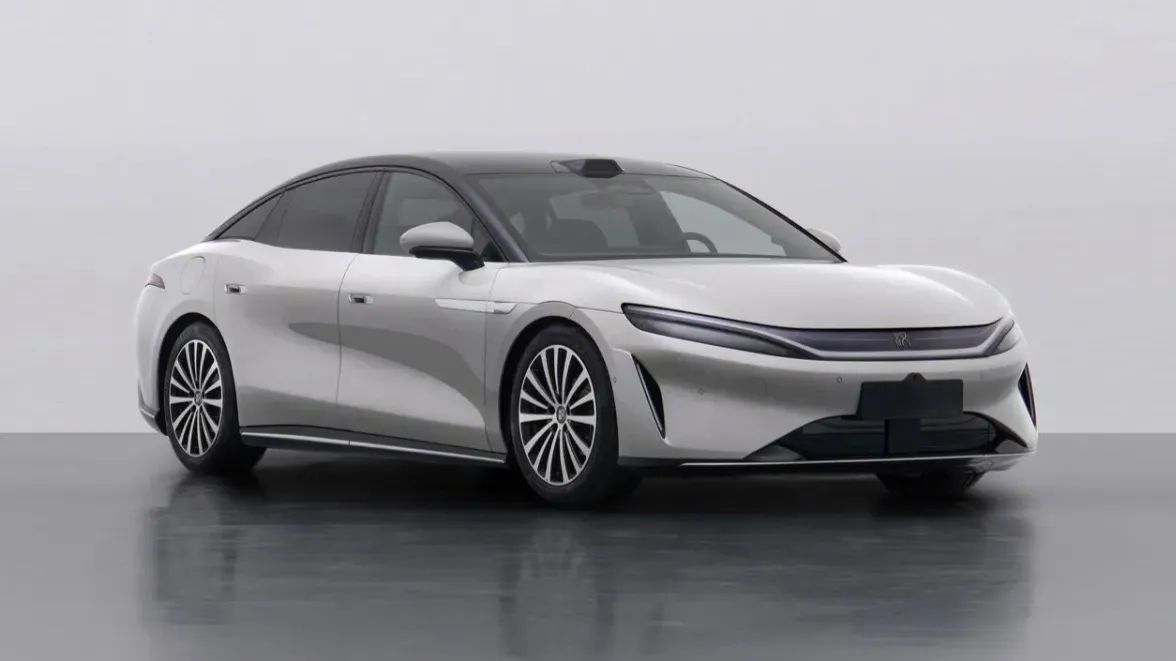
Winter range loss is the single biggest reason Canadians hesitate on EVs: more than two-thirds of Canadians polled by CAA called cold-weather range drop a major deterrent, and a separate CAA survey found over 65% of existing EV owners had already experienced it firsthand. BYD (HKG: 1211) says it has an answer: a second-generation Blade Battery that just posted the most extreme cold-weather and range numbers of any EV battery disclosed to date.
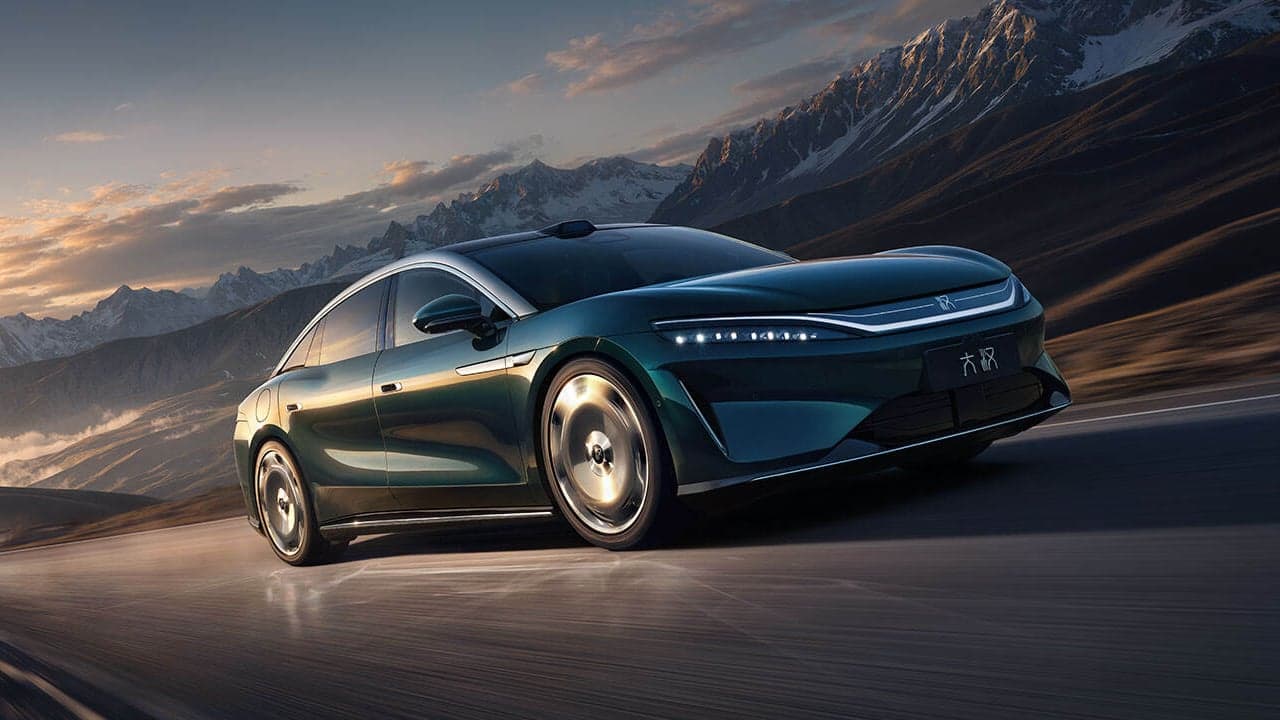
On July 23, 2026, BYD confirmed its upcoming Da Han flagship sedan will offer a CLTC-rated range of up to 1,008 km (626 miles), which the company says makes it the longest-range large sedan sold anywhere. Lu Tian, general manager of sales for BYD's Dynasty series, revealed the figure at an event marking the 10,000th delivery of the related Da Tang SUV, ahead of the Da Han's public debut at the Chengdu Auto Show on August 21-30, 2026.
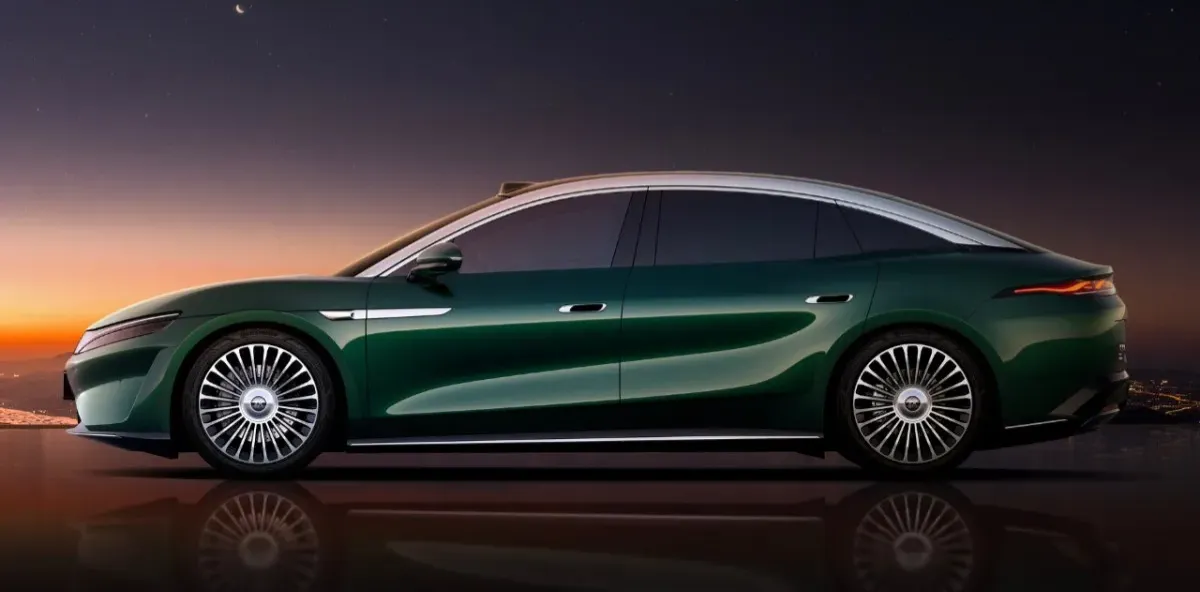
BYD Da Han EV profile (BYD)
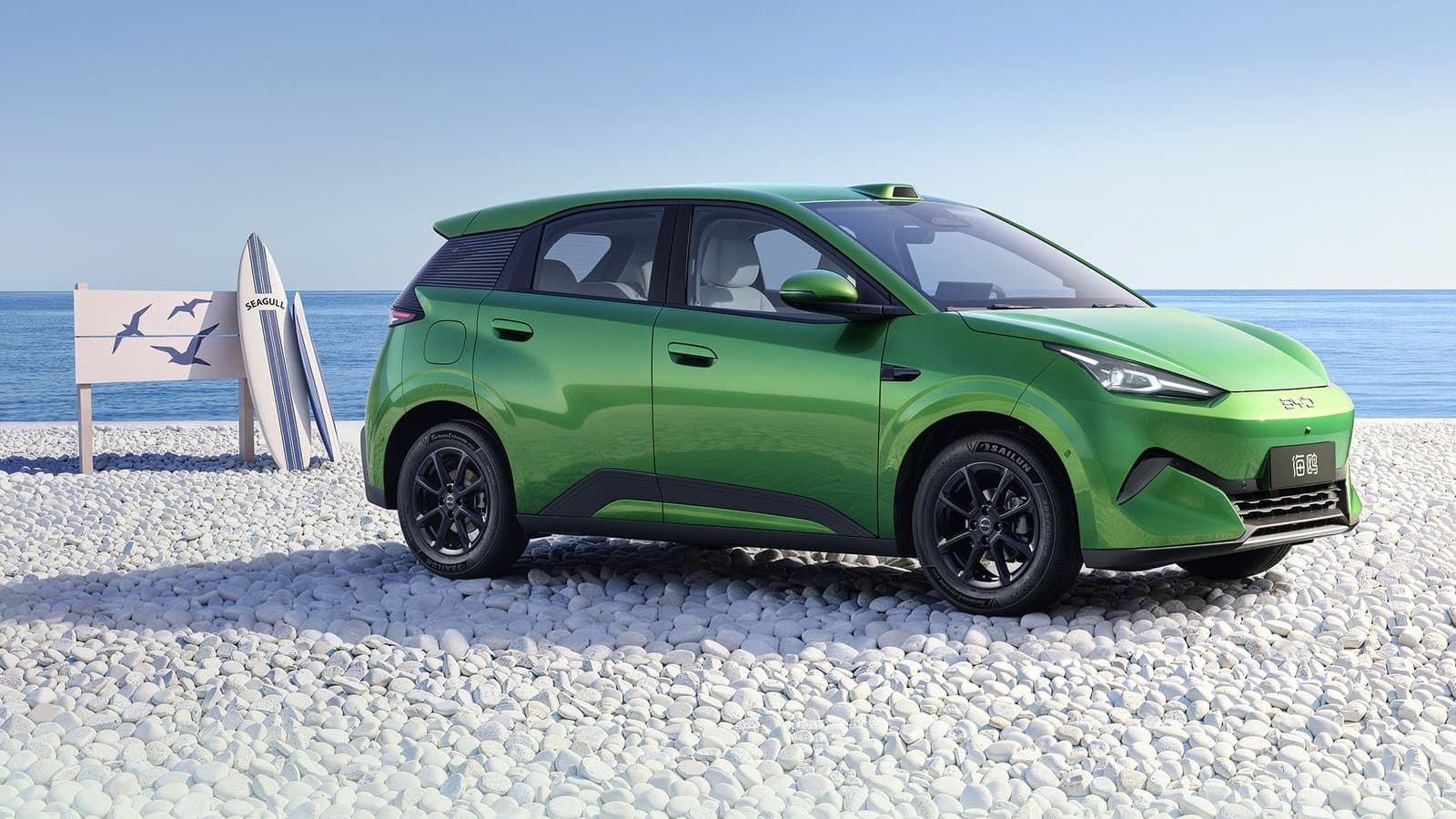
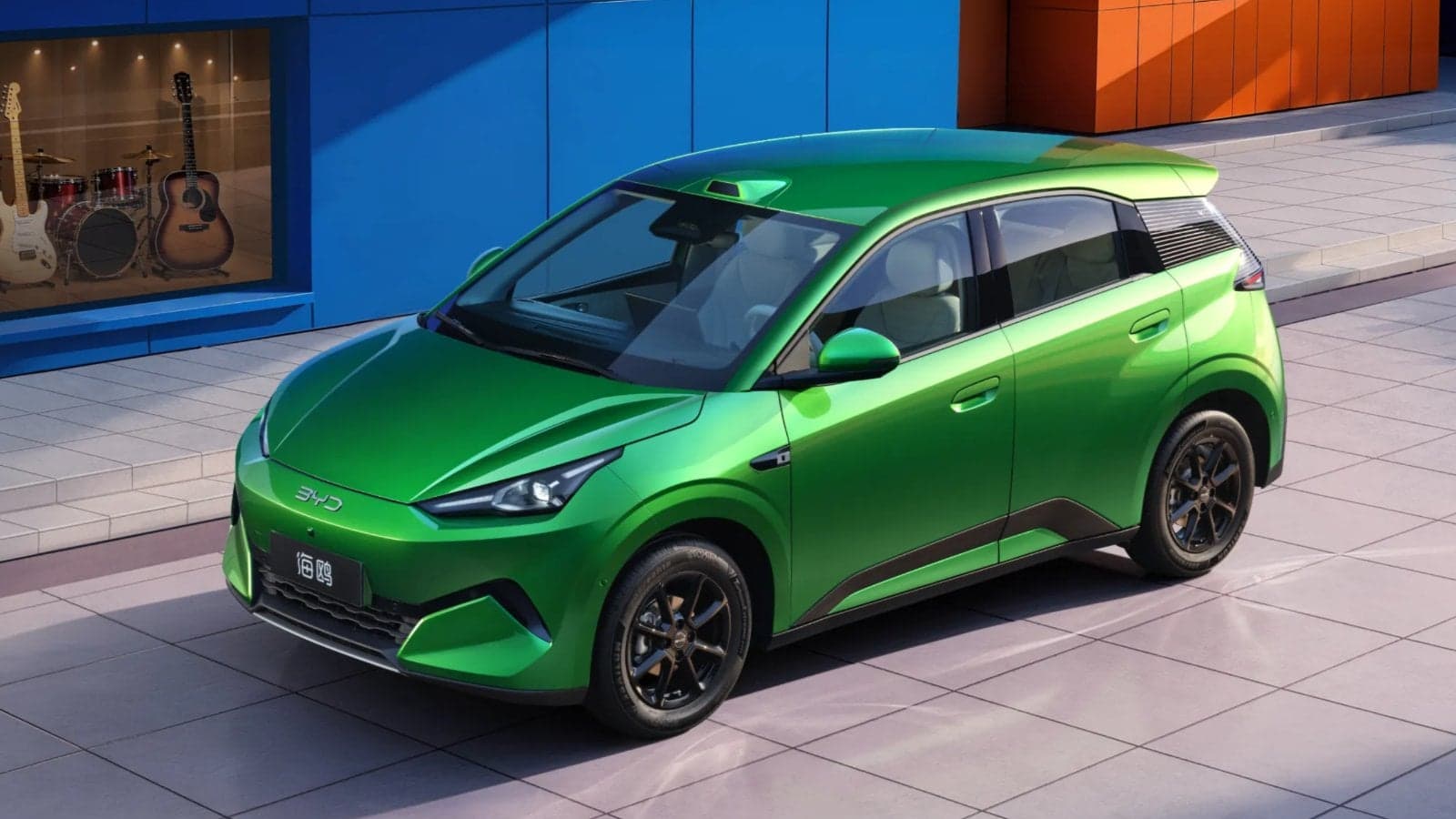
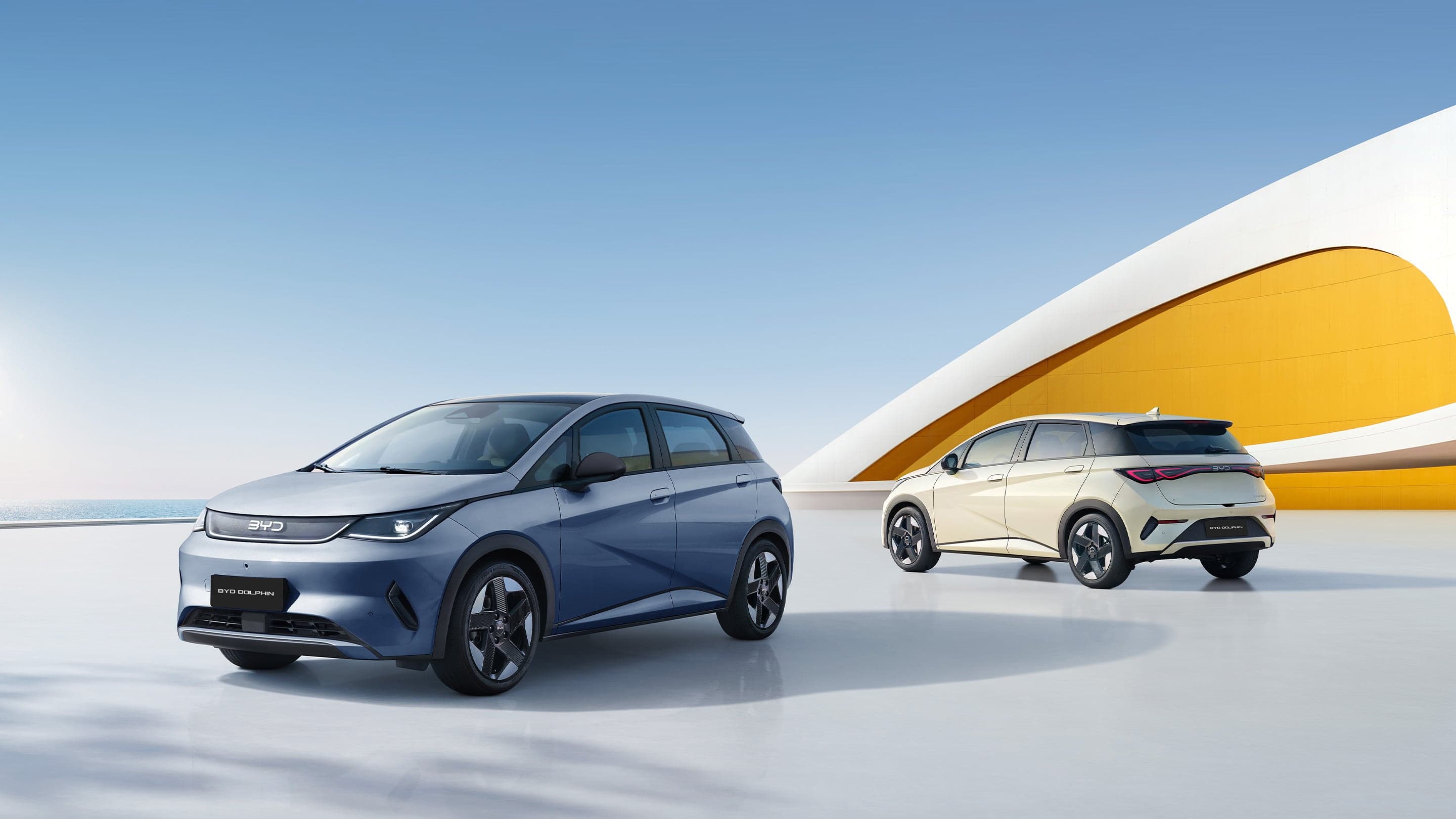
One caveat up front: there is no confirmation the Da Han itself is coming to Canada. BYD's confirmed year-one Canadian lineup is the Atto 3, Seal, Dolphin, and Seagull — smaller, cheaper models aimed at the affordability quota Ottawa built into its 49,000-unit annual import cap on Chinese-built EVs.
Advertisement – Continue scrolling for more
What the Da Han does share with those cars is the underlying platform: BYD's second-generation Blade Battery and flash-charging system, unveiled in Shenzhen on March 5, 2026, which BYD Chairman Wang Chuanfu said can charge from 20% to 97% in 12 minutes at -30°C — just three minutes slower than at room temperature, and the same architecture behind the Da Han's 9-minute room-temperature charge.
The Da Han's entry-level, single-motor rear-wheel-drive variant produces 370 kW (496 hp) and tops out at 240 km/h (149 mph); that's the version rated at 1,008 km. An all-wheel-drive, dual-motor version combines a 200 kW front motor with a 370 kW rear motor for 570 kW (764 hp) total, hitting 0-100 km/h in 2.9 seconds, though its CLTC range drops to 880 km (547 miles). Both use a 102.326 kWh lithium iron phosphate pack weighing 725.9 kg, on a 1,000-volt architecture rated for up to 1,000 kW of flash charging.
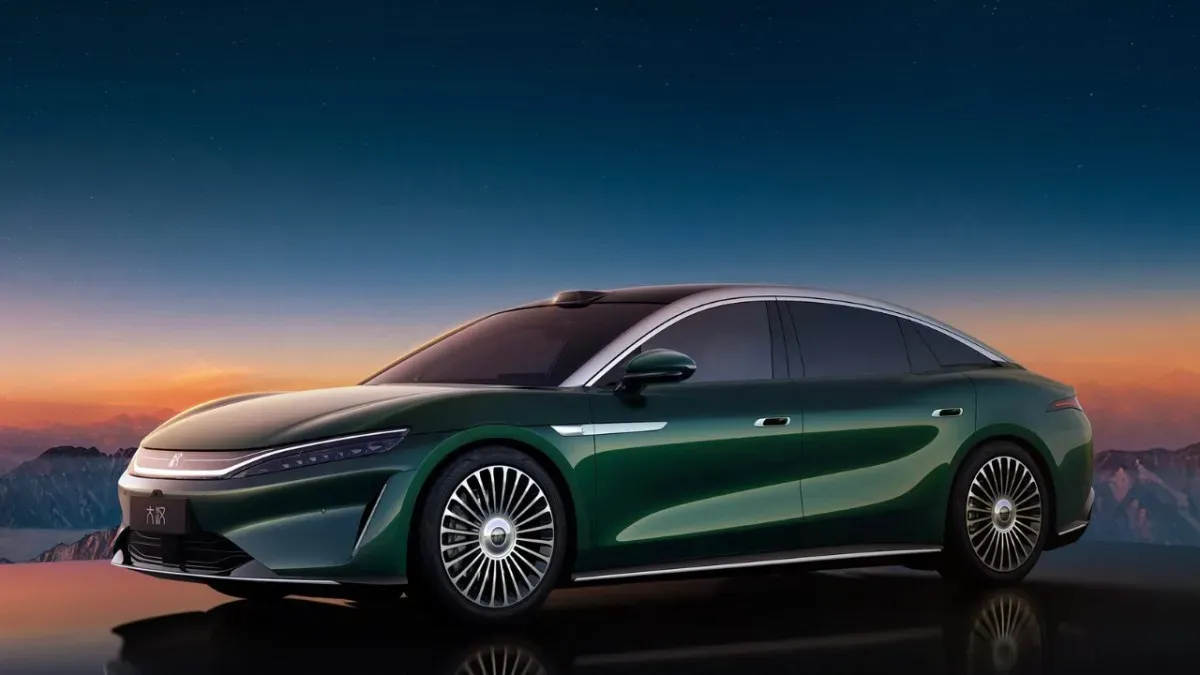
BYD Da Han EV (BYD)
Independent cold-weather data backs up why this matters for Canada specifically. In a CAA winter test from February 2025, 13 EVs driven from Ottawa to Mont-Tremblant at -7°C to -15°C lost anywhere from 14% (Chevrolet Silverado EV, Polestar 2) to 39% (Volvo XC40 Recharge) of rated range, while charging speed gaps were even starker — a Tesla Model 3 recovered 205 km in 15 minutes of DC fast charging versus just 19 km for a Toyota bZ4X. BYD's own testing claims the second-generation Blade Battery retains more than 85% of capacity at -20°C, though no BYD model, Da Han included, has been independently winter-tested on Canadian roads.
Advertisement – Continue scrolling for more
Measuring 5,256 mm long on a 3,130 mm wheelbase, the Da Han is larger than a long-wheelbase Mercedes-Benz S-Class, and carries the Da Tang's roof-mounted LiDAR, rear-wheel steering and dual-chamber air suspension. BYD has not disclosed Da Han pricing; it will likely target the 300,000 CNY (c. $44,309) segment, above the affordability threshold that governs Canada's import quota — one more reason the flagship sedan looks unlikely to be an early Canadian arrival even if the technology underneath it eventually is.
Whether Canadian winters ever get a direct look at the Da Han, or just at the battery it previewed, is a question BYD's actual Canadian lineup will answer first.
Advertisement – Continue scrolling for more