Tesla pauses Model 3 Premium orders in Canada as 33,069 quota permits sit unused

Tesla (NASDAQ: TSLA) has stopped taking Canadian orders for the China-built Model 3 Premium, telling buyers in a banner on its Canadian configurator that orders were "paused after high demand exhausted Tesla's import quota." The notice, which appeared on the afternoon of October 12, 2026, says ordering will resume if the Government of Canada issues more quota, which Tesla expects in March 2027. Ottawa's own count, last updated October 9, shows only 15,931 of the quota year's 49,000 China-EV permits used.
Both Premium versions now sit greyed out on the page: the rear-wheel-drive car at $39,490 CAD, or $483 a month financed, and the all-wheel-drive car at $49,990 CAD, or $617 a month. The only Model 3 still open to order is the Performance, listed at $74,990 CAD cash or $936 a month with $4,300 down over 96 months at an APR of 5.21 per cent. Tesla rates it at 509 km of EPA-estimated range, 0 to 100 km/h in 3.1 seconds and a 262 km/h top speed.
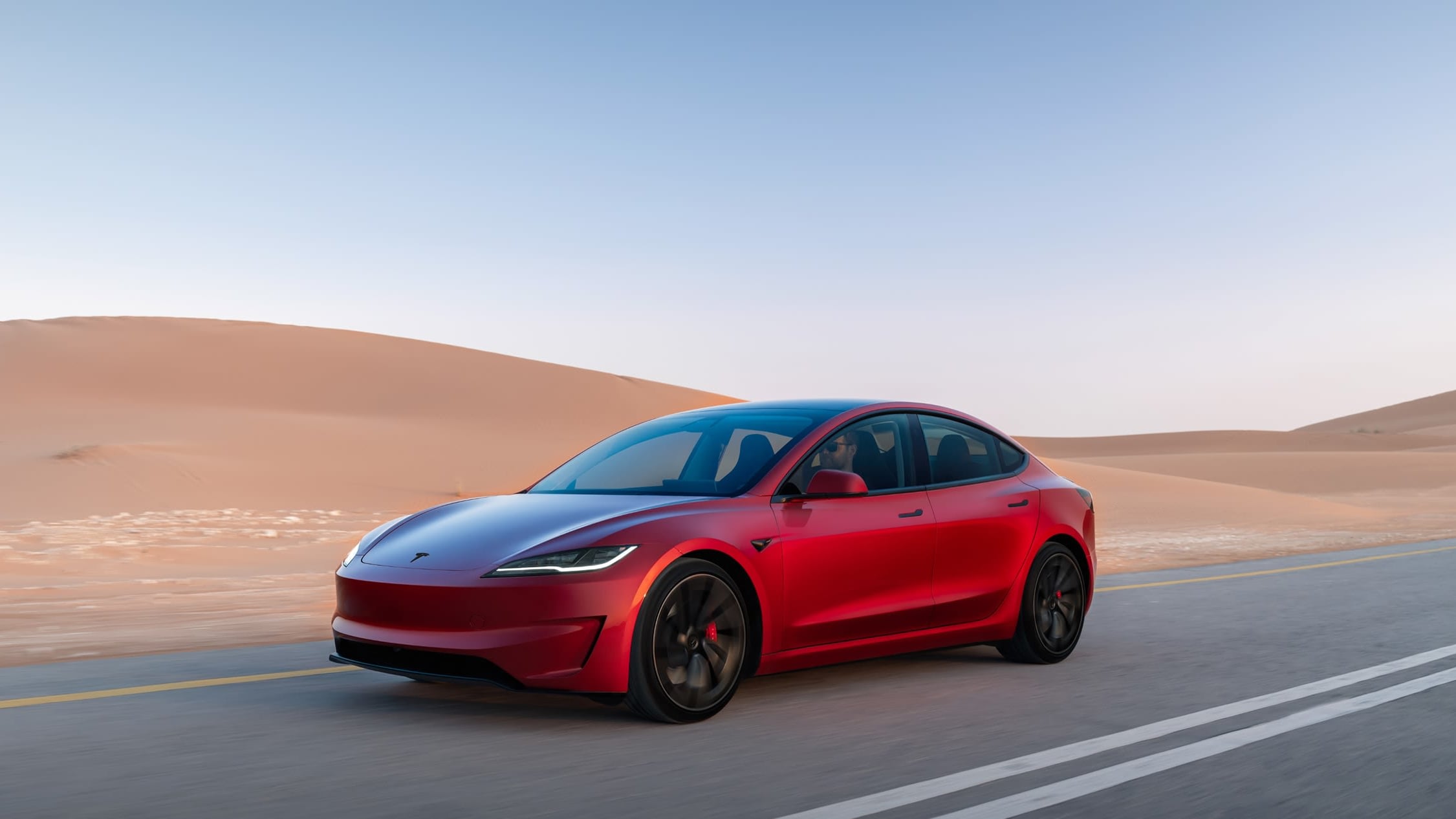
The Model 3 Performance is now the only Model 3 Canadians can order, with a 509 km EPA-estimated range (Tesla)
Tesla began selling the China-built Premium RWD in Canada at $39,490 in May 2026, after Ottawa replaced its 100 per cent surtax on Chinese-made EVs with an annual quota of 49,000 vehicles at the 6.1 per cent most-favoured-nation tariff. The banner does not say whether Premium orders already placed but not yet delivered are affected, or whether any Premium inventory remains. Tesla offered no further explanation on the page.
The government's figures do not show an exhausted quota. The Export and Import Controls utilization report, updated at 3 p.m. ET on October 9, 2026, lists 15,931 permits used and 33,069 remaining in the quota year that ends February 28, 2027. That leaves about 67.5 per cent of the year's volume untouched.
Advertisement – Continue scrolling for more
The first six-month period closed on August 31 with 15,603 vehicles counted against 24,500 permits, and its unused 8,897 rolled into the second period, which opened September 1 with 33,397 available. Only 328 were used in September, and October stood at zero as of the latest update. Of September's total, 153 were electric cars valued above $35,000 and 168 were conventional hybrid SUVs, which also count against the quota.
The cheapest electric-car bucket has all but emptied. Imports of electric passenger cars valued at $35,000 or less rose from 465 in June to 4,743 in July and 2,597 in August, then fell to 7 in September. The report names no automakers, but that bucket has been read as the $39,490 Model 3 RWD because the threshold applies to a car's free-on-board import value, not its sticker price. That link is an inference from timing and price, not a government breakdown.
Advertisement – Continue scrolling for more
The rules in force set no limit per automaker. Notice to Importers No. 1168, published August 29 and in effect since September 1, says the quota is run on a first-come, first-served basis, with permits issued on demand up to the available volume. Importers can apply up to 30 days before a shipment arrives, and each permit is valid for up to 60 days.
The same notice leaves room for something else. Global Affairs Canada says it will monitor permits to give eligible applicants equitable access, which "could include setting aside a portion of the available quota" for automakers, including new entrants. Bloomberg reported in May 2026 that officials were weighing a company-specific allocation within the 49,000 so that no single player would dominate.
No such allocation has been published. A public consultation that ran from April 7 to May 1, 2026 said a longer-term policy was expected in June 2026, with an application period for allocations if Ottawa chose that route. The notice that took effect September 1 kept first-come, first-served instead, and no public statement from Global Affairs Canada on Tesla's notice could be found as of the afternoon of October 13, 2026.
Advertisement – Continue scrolling for more
That leaves two readings of Tesla's wording, and neither is confirmed. Ottawa may have quietly assigned Tesla a share under the set-aside clause, or Tesla's backlog of undelivered orders may already cover every car it expects to bring in before February 28. Its March 2027 date lines up with the start of quota year two on March 1, when the volume rises 6.5 per cent to about 52,200 vehicles and the portion reserved for EVs with a free-on-board price of $35,000 or less starts at 10 per cent, rising to 50 per cent by year five.
Neither the paused trims nor the Performance earns federal help. Transport Canada's Electric Vehicle Affordability Program, which offers up to $5,000 on a battery-electric car and had $1.92 billion left as of October 1, 2026, covers only EVs made in Canada or in countries with a free-trade agreement with Canada, which rules out China-built cars. Imported models must also come in at a final transaction value of $50,000 or less, so the $74,990 Performance would fail on price alone.
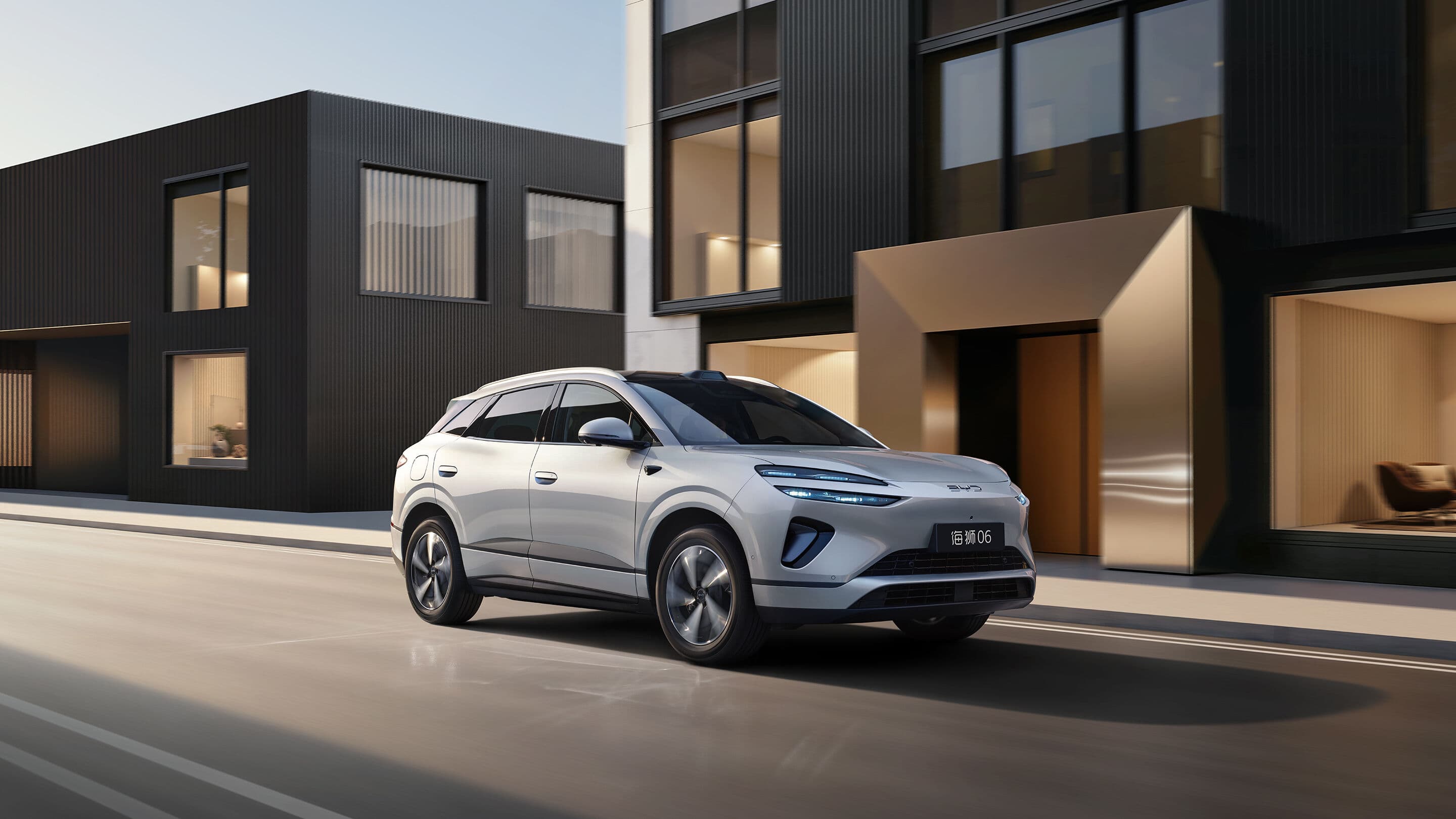
How Ottawa runs the rest of the year matters most to brands not yet selling here. Geely Auto (HKG: 0175) said on October 9 that its first Canadian vehicles are planned for 2027, though it has named no model or price. Chery (HKG: 9973) says its Omoda and Jaecoo brands are coming in late 2026, a promise it posted on a Canadian website in September. BYD (HKG: 1211) shows only a "Coming Soon" page in Canada, while a China-market Sealion 06 was reportedly spotted testing in Markham, Ontario in late September.
Advertisement – Continue scrolling for more
The tracker also shows how fast room can disappear. Monthly use jumped from 621 in June to 5,982 in July, close to a quarter of a six-month period's 24,500 base volume. Even at July's pace, the 33,069 remaining permits would last about five and a half months, longer than the roughly four and a half months left in the quota year.
Tesla has tied its restart to Ottawa, and Ottawa has published nothing that matches Tesla's description of its own quota. If a company-level cap already exists, will BYD, Geely and Chery learn their shares before they commit to Canadian dealers and stock, or only after the permits are gone?
Advertisement – Continue scrolling for more