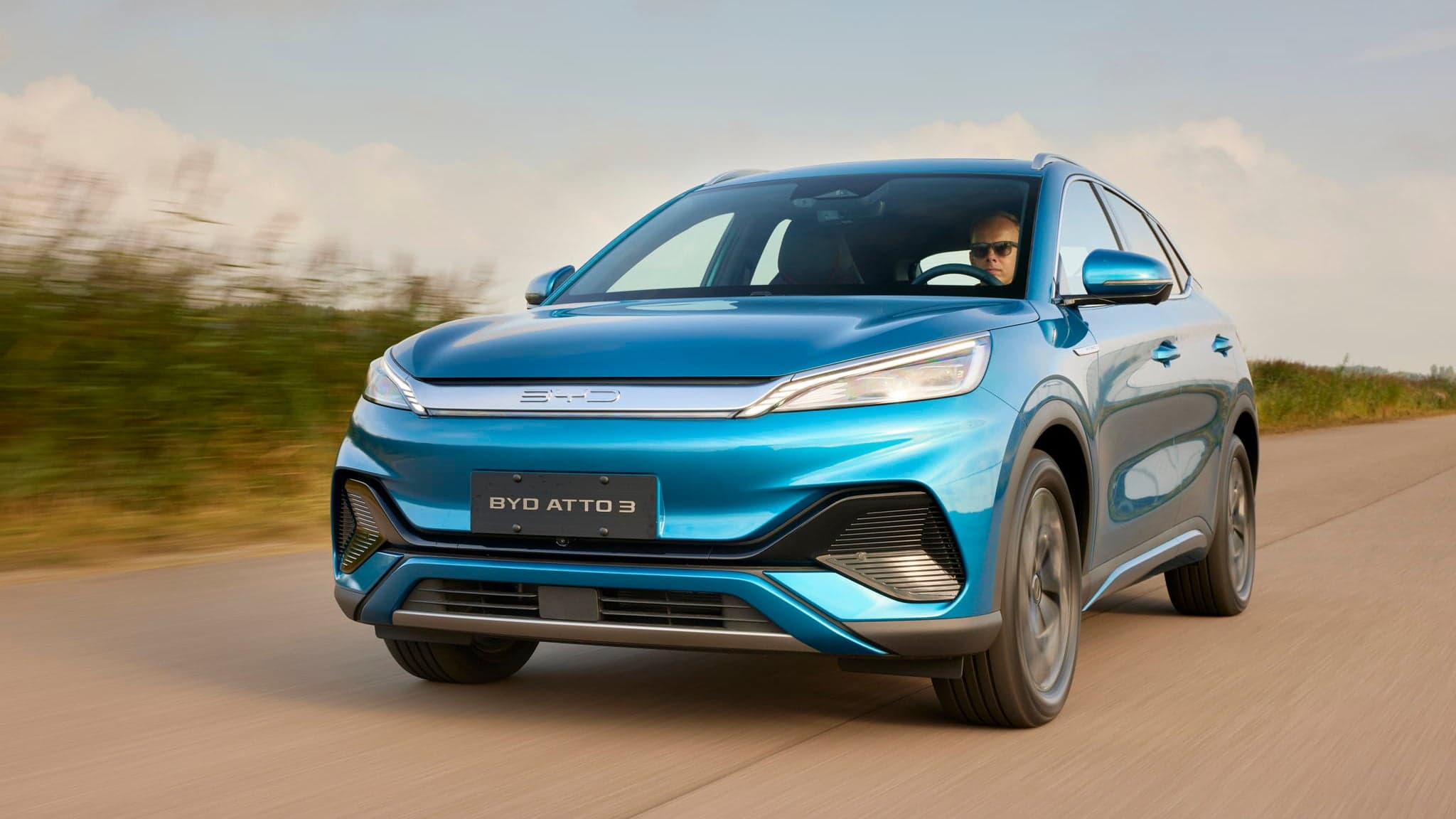
Ottawa consults automakers on 33,069 unused China EV permits after Tesla pause

Global Affairs Canada says it is consulting automakers on how the rest of Canada's China-built EV quota is used, after Tesla (NASDAQ: TSLA) paused Canadian orders for its China-built Model 3 Premium on October 12, 2026. The department would not say whether Tesla is under a company-specific limit. Its own tracker still shows 33,069 of the quota year's 49,000 permits unused, with only 328 used in September.
In a statement on October 14, 2026, spokesperson Rachael Dolan said the department is consulting interested companies to "optimize remaining quota availability" and to review how the quota has worked so far. That review will feed a longer-term policy meant to draw joint-venture investment, Canadian supply chains and Canadian jobs. She said the department shares overall volumes but does not name companies or disclose shipment details, including expected quota use, citing commercial confidentiality.
On paper, the public rules have not moved. Notice to Importers No. 1168, in force since September 1, 2026, still says the quota is run on a first-come, first-served basis, with permits issued on demand up to the available volume. As of October 19, the department's China EV quota page listed no newer notice and no company allocations.
Advertisement – Continue scrolling for more
Tesla's own account points the other way. Iain Myrans, Tesla's national senior manager for public policy in Canada, wrote on LinkedIn on October 13 that Global Affairs Canada tells automakers in advance the maximum number of cars they can expect to bring in for a period. The program, he wrote, "outwardly looks like it is a first-come-first-served model", but there is more behind it. He did not give Tesla's number or say when the company was told.
Myrans pointed to section 8(1) of the Export and Import Permits Act, which lets the minister issue import permits in set quantities, to set persons and on set terms. He also wrote that the program's notices allow quota to be held back so no single automaker takes a disproportionate share. The notice in force is narrower. It says the department will monitor permits to provide equitable access, which could include "setting aside a portion of the available quota" for automakers, including new entrants, and it does not mention a disproportionate share.
Advertisement – Continue scrolling for more
That set-aside line is new this half. The first-period notice, which covered March 1 to August 31, 2026, said only that the department would monitor permits for equitable access. Wording about reserving quota for automakers and new entrants first appeared in the notice dated August 29, 2026, three days before the second period opened.
None of this confirms a cap on Tesla. Global Affairs Canada has neither confirmed nor denied one, and Tesla has not published a figure. But the department's language, read together, looks less like an open counter and more like managed volume: a clause that names new entrants, consultations on what is left of the quota, and a policy goal tied to investment on Canadian soil.
Advertisement – Continue scrolling for more
The stall shows up in the government's own count. The Export and Import Controls utilization report, last updated at 3 p.m. ET on October 9, 2026, lists 15,931 permits used and 33,069 left in a quota year that ends February 28, 2027. It had not been refreshed as of the morning of October 19, so October imports still read zero.
September is where the year broke. Monthly use reached 5,982 in July and 5,490 in August, then fell to 328 in September, a drop of about 94% in a month. The second period opened September 1 with 24,500 permits plus the first period's unused volume, which works out to 33,397 after 15,603 were used from March to August.
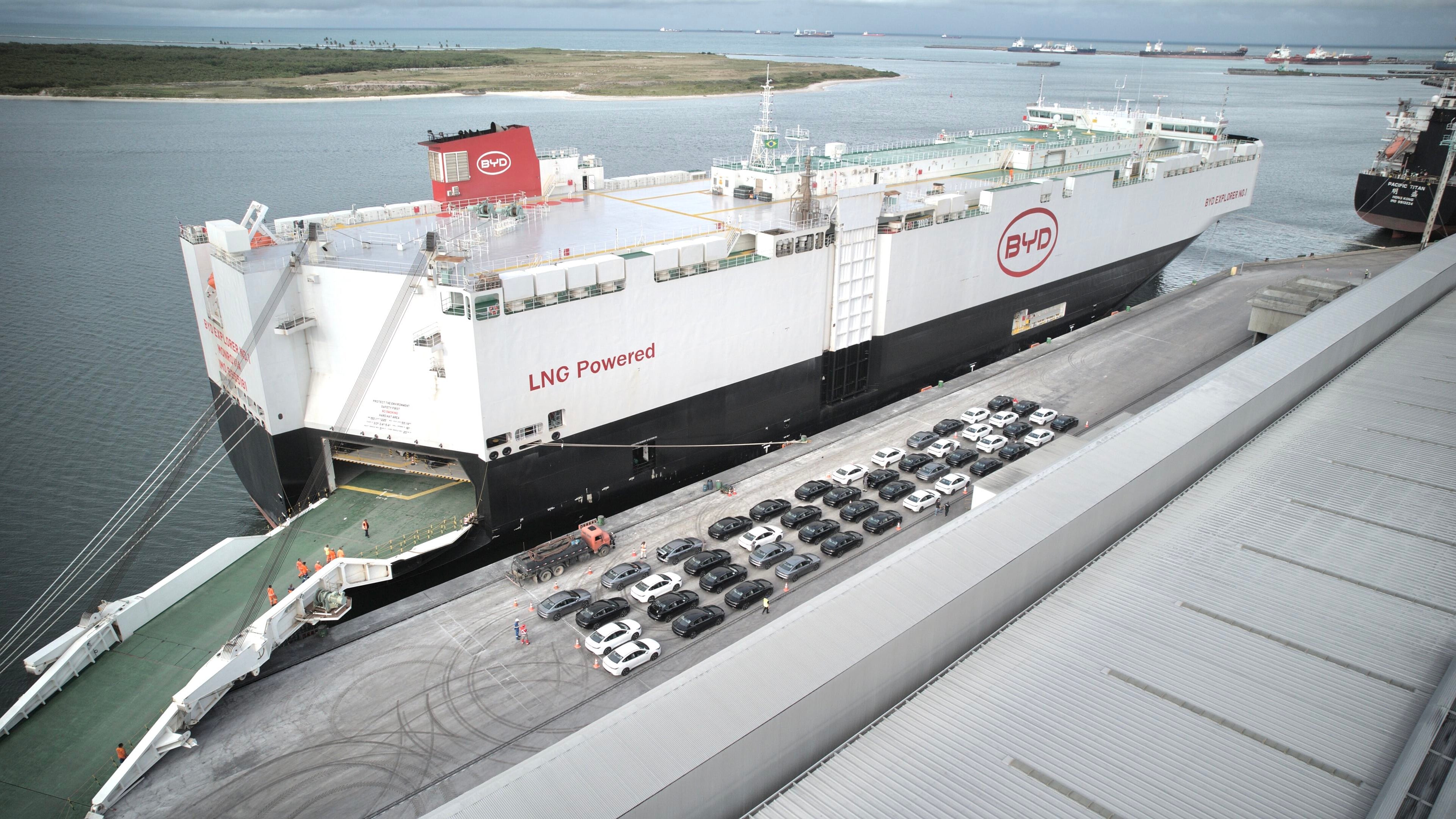
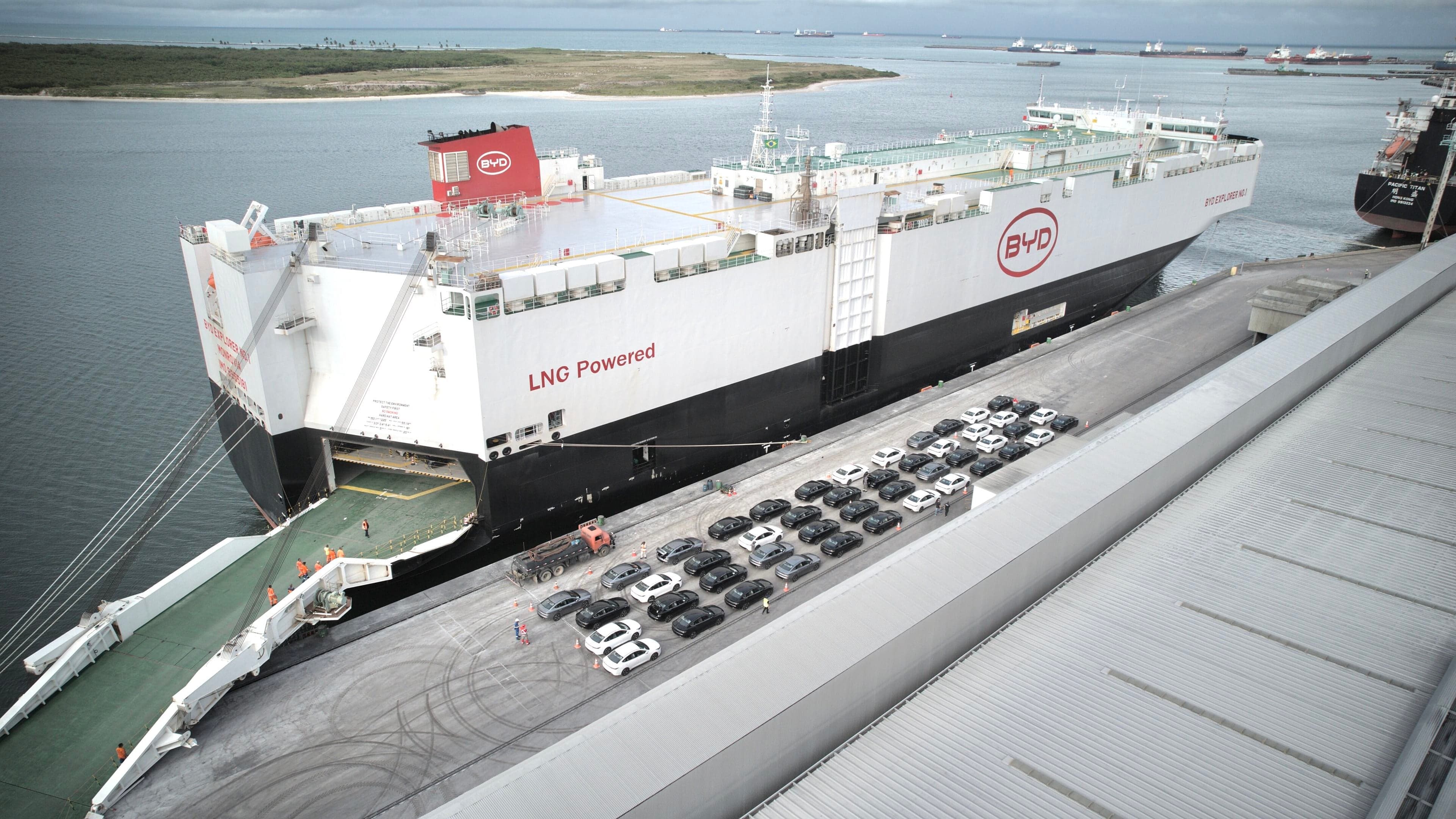
BYD's Explorer No.1, which can carry up to 7,000 vehicles, unloaded 5,459 cars on its first Americas call in Brazil in June 2024 (BYD)
The cheapest electric-car line fell hardest. Electric passenger cars with an import value of $35,000 CAD or less went from 4,743 in July and 2,597 in August to 7 in September. Of September's 328, 168 were non-plug-in hybrid SUVs valued above $35,000 CAD and 153 were electric cars above that line. The report names no automakers, so which brands stopped shipping is not public.
Ottawa's longer-term plan is still unpublished. A consultation that ran from April 7 to May 1, 2026 asked whether quota should go to automakers that can show current or planned investment in Canada, including joint ventures, and said a longer-term policy was expected in June 2026. No such policy appears on the department's quota page, and the notice in force keeps its first-come rules until further notice.
Advertisement – Continue scrolling for more
The new entrants the clause refers to are not yet visible in the data. Geely Auto (HKG: 0175) said on October 9 that it plans to bring its first vehicles to Canadian consumers in 2027, without naming models. Chery's (HKG: 9973) Omoda and Jaecoo brands say they are coming in late 2026, while BYD (HKG: 1211) still shows a "Coming Soon" page in Canada.
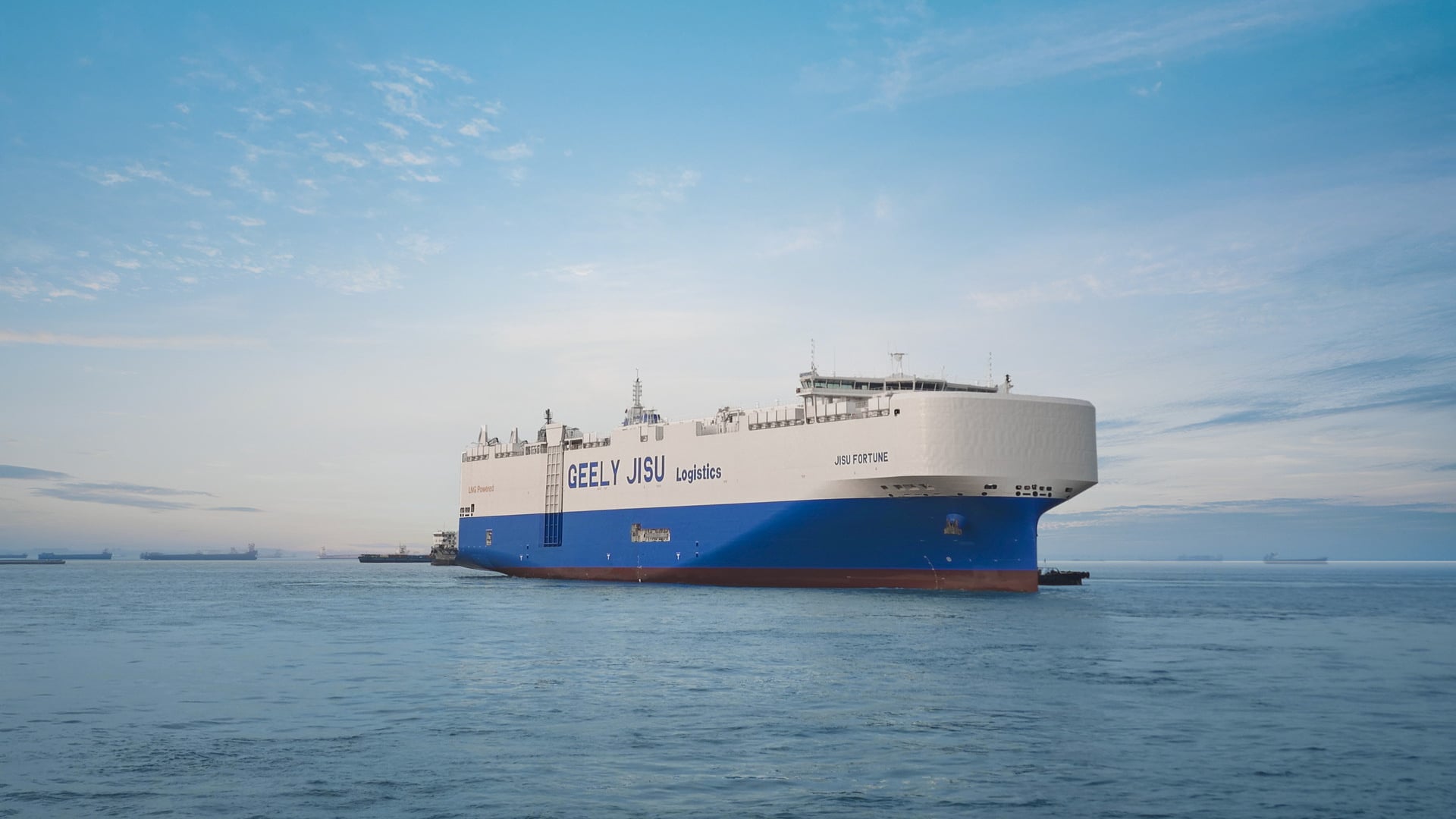
Jisu Fortune, Geely's first self-owned ro-ro ship, left Taicang for Europe in May 2025 carrying 5,000 vehicles (Geely)
Timing will matter for those brands. Importers can apply for a permit only 30 days before a shipment arrives, and each permit lasts up to 60 days, so any volume held back for a late-2026 launch has to be claimed with cars already on the water. The next quota year, starting March 1, 2027, grows by 6.5% to about 52,185 vehicles, and the share reserved for EVs with a free-on-board price of $35,000 CAD or less starts at 10%.
Tesla says it expects Model 3 Premium orders to resume in March 2027, when that new year opens. If Ottawa is already giving automakers private maximums, will it publish them before the year closes with most of its 33,069 permits never issued?
Advertisement – Continue scrolling for more