China's September NEV retail climbs 14% as shipments outrun it by 531,000
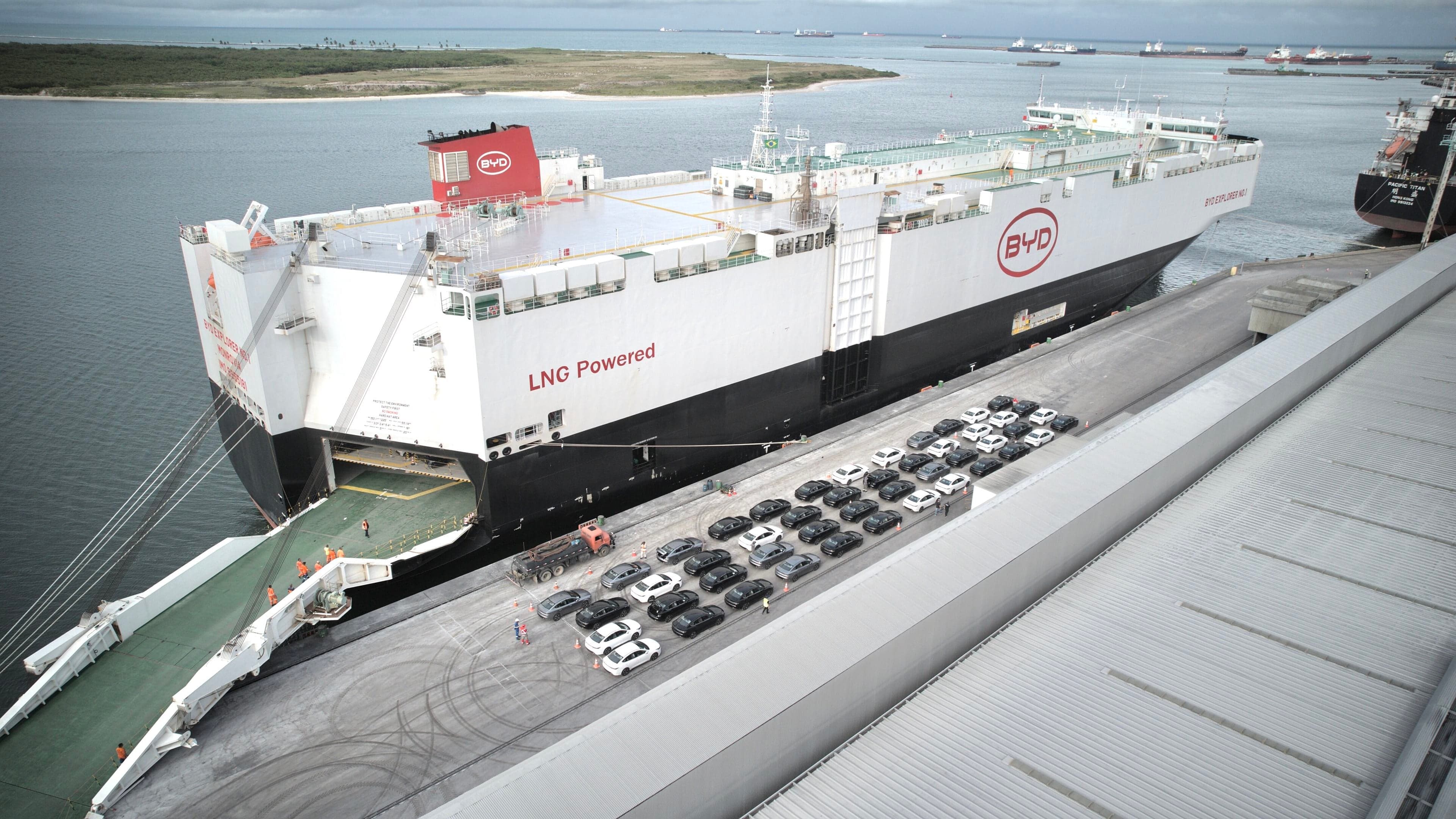
China's retail sales of passenger new energy vehicles (NEVs) reached 1.141 million in September 2026, up 14% from August, according to preliminary figures the China Passenger Car Association (CPCA) released on October 10, 2026. That was still 12% below September 2025, a month that set an unusually high base. Shipments from automakers to dealers and overseas markets grew to 1.672 million units over the same period, leaving a gap of about 531,000 vehicles between what automakers shipped and what Chinese buyers actually took home. That shipment total was the highest monthly figure of 2026, CPCA said.
The gap is not new, and CPCA data point to exports rather than dealer stockpiles as the reason, with industry inventory falling by 730,000 passenger cars in January through August. In August, NEV retail came to 1.005 million against wholesale shipments of 1.510 million, a difference of about 505,000. NEV exports that month were 518,000, up 154.7% year over year and enough on their own to cover that difference. In its September wholesale estimate on October 9, 2026, CPCA said strong exports were the key force behind the month's shipment growth.
Advertisement – Continue scrolling for more
Over the year so far, the two lines are moving in opposite directions. NEV retail sales totaled 7.816 million in the first nine months, down 12% year over year, while wholesale shipments rose 9% to 11.45 million. That 3.63 million-unit difference compares with 3.329 million NEV exports in January through August alone, up 135.1% on the same period of 2025. On these numbers, overseas buyers, not Chinese ones, account for all of this year's growth in NEV shipments.
The country's biggest automaker leans on that channel heavily. BYD (HKG: 1211) sold 456,713 passenger cars in September, up from 432,684 NEVs shipped in August, and said 179,877 passenger cars and pickups went overseas, up 153.9% year over year. In August, BYD's domestic NEV retail was 233,943 units, about 54% of what it shipped that month. CPCA ranked it China's top NEV exporter in August with 184,446 units, well ahead of Geely and Chery.
Inside China, September's sales arrived late. NEV retail in the first 27 days was 827,000 units, 20% below a year earlier, which means about 314,000 sales landed in the final three days of the month. CPCA tied the late surge to quarter-end timing after the Mid-Autumn holiday on September 25 disrupted sales in the fourth week. It also said most automakers have moved to target-driven sales, pushing volume to hit goals for some models even without a backlog of orders.
Advertisement – Continue scrolling for more
The association was blunt about the state of demand. "Most NEV brands currently lack hot-selling models," CPCA said, adding that manufacturers still have to keep production steady and chase their sales targets, which has pushed the NEV share of the market unusually high. Dealers face mounting pressure even with low inventories, it said, as soaring upstream profits push cost pressure onto automakers. The auto industry's profit margin was 3.6% in January through August, against 5.66% for China's large industrial companies overall.
The market NEVs are taking share from is shrinking faster. Total passenger car retail sales were 1.702 million in September, down 24% year over year, which leaves about 561,000 sales for cars without a plug. NEVs took 67.1% of retail sales, up from 65.2% in August. CPCA has linked the shift to fuel costs, noting that conflict around the Strait of Hormuz has kept oil prices high and that domestic gasoline prices had risen by more than 1,720 CNY (c. $255) per tonne this year as of its August report.
Advertisement – Continue scrolling for more
Policy and the calendar also weigh on the year-over-year figure. NEV buyers have paid half the standard vehicle purchase tax since January 1, 2026, with the reduction capped at 15,000 CNY (c. $2,228) per passenger car, after a full exemption in 2024 and 2025. CPCA also said a rush of buying in September 2025, ahead of trade-in subsidy suspensions in some regions, pushed that month's retail sales to a record high. The association had expected several local governments to add subsidy support in September, yet retail still finished the month 12% below last year.
Startups that report monthly deliveries split sharply. XPeng (NYSE: XPEV) delivered 41,256 vehicles, up 5% from August, and Xiaomi (HKG: 1810) passed 40,000 for the first time this year, with its new SkyNomad extended-range series contributing more than 10,000 in its first month. NIO (NYSE: NIO) delivered 37,408, up 4.39% from August. Li Auto (NASDAQ: LI) fell 15.56% from August to 31,817, while Huawei's HIMA alliance dropped 10.95% to 37,490, which it blamed on several new models entering pre-sale while older ones clear stock.
Advertisement – Continue scrolling for more
The split between home and abroad is starkest where automakers break it out. Geely Automobile (HKG: 0175) sold 292,168 vehicles across all powertrains in September, its best month this year, but domestic sales of 185,483 were still 20% lower than a year earlier while exports jumped 162.35% to 106,685. Great Wall Motor (HKG: 2333) sold more abroad than at home, with 60,019 vehicles overseas against 54,925 in China, where its sales fell about 34%. Geely's premium Zeekr brand delivered 37,216, up 104% year over year, and has already reached 96.1% of its 300,000 target for 2026.
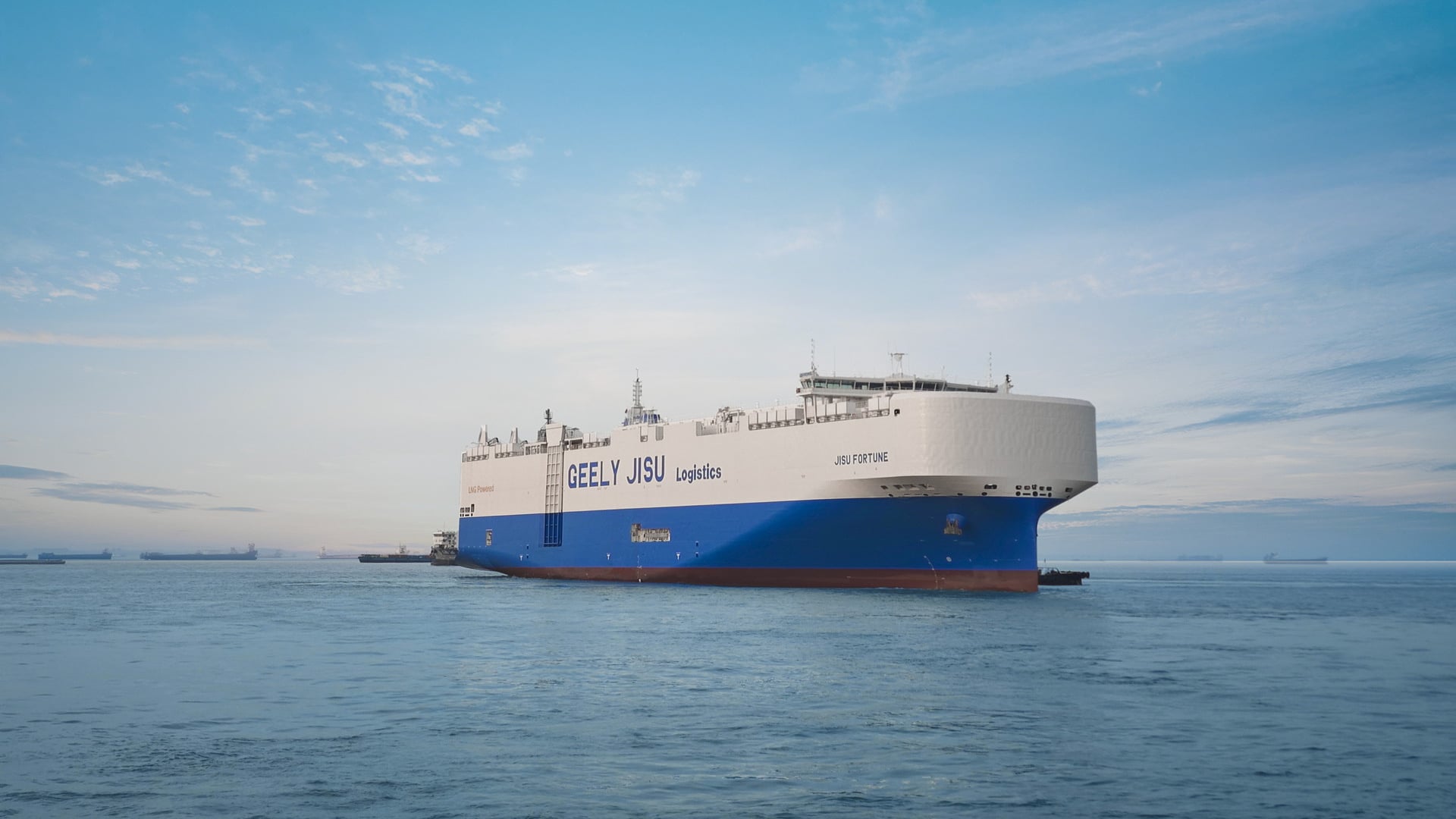
Jisu Fortune, Geely's first self-owned ro-ro ship, sailed for Europe in May 2025 carrying 5,000 vehicles on its maiden voyage (Geely)
The fourth quarter now carries most of the year's targets. XPeng needs more than 70,000 deliveries a month to reach its 550,000 goal, and NIO needs more than 50,000 a month to reach the low end of its 456,000 to 489,000 range. CPCA's September figures are preliminary and its September export count is still to come, but if NEV exports held near August's 518,000, they would again cover almost all of the 531,000-unit gap. Whether October's holiday traffic can lift Chinese demand, or whether more of China's NEV output keeps heading for the ports, will decide how the year closes.
Conversion rate: 1 USD = 6.7330 CNY as of October 9, 2026.
Advertisement – Continue scrolling for more