China's Ministry of Finance and State Taxation Administration on October 12, 2026 cut the value-added tax export rebate on new energy vehicles from 13% to 9%, effective April 1, 2027. The joint notice, Announcement No. 29 of 2026, leaves exporters with a four-point smaller refund on every unit cleared after that date, measured by the export date on the customs declaration.
The timing is the story. The same day the China Association of Automobile Manufacturers reported September NEV exports of 571,000 units, more than double a year earlier, while domestic NEV sales fell. Beijing is dialing back a core export tax support just as overseas volume has become the industry's main growth engine.
Advertisement – Continue scrolling for more
Export VAT rebates refund taxes paid in domestic production and distribution so goods can leave China closer to a tax-free price. A lower rate means a smaller cash refund, all else equal. The notice keeps export consumption-tax rebate and exemption rules unchanged for products that carry that tax, and it cancels the VAT export rebate on e-cigarette devices from the same April 1, 2027 date.
An attached product list covers 67 NEV tariff lines, spanning battery-electric commercial vehicles and plug-in hybrid passenger cars, including range-extended models. Secondary reads of the attachment also list electric buses and electric truck tractors among the covered categories. The applicable rebate follows the customs declaration's export date, so shipments cleared before April 1, 2027 stay on the old 13% schedule.
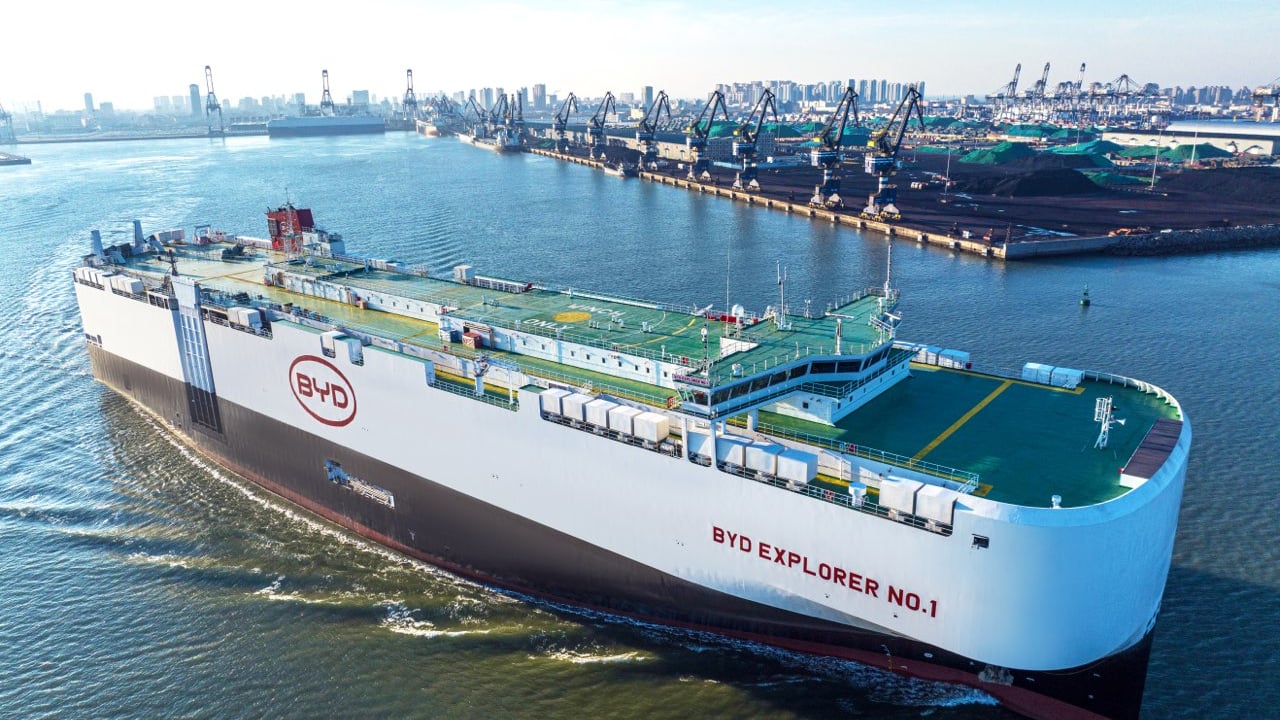
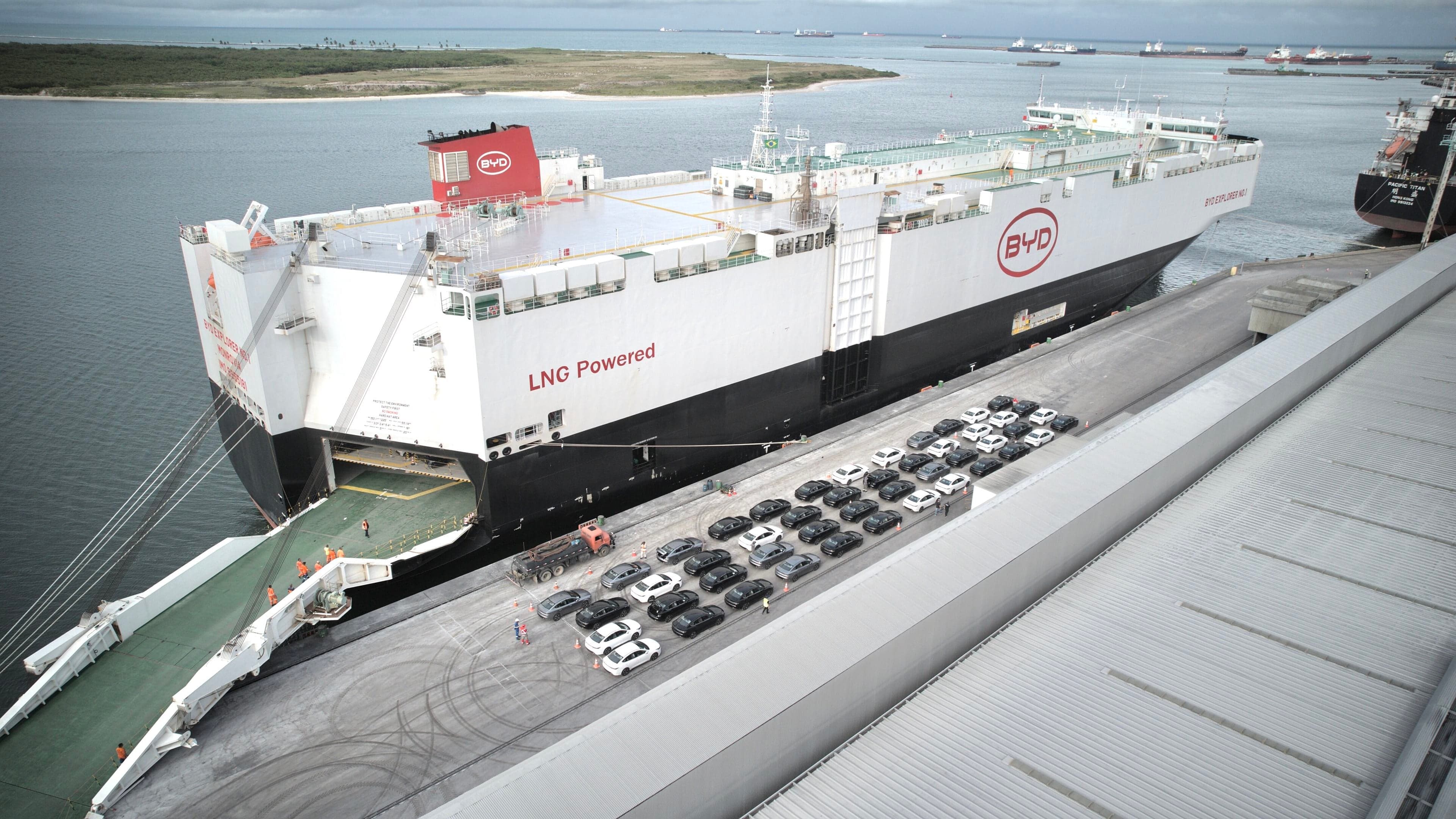
BYD Explorer No.1, the brand's first dedicated NEV ro-ro carrier, under way after its January 2024 maiden voyage
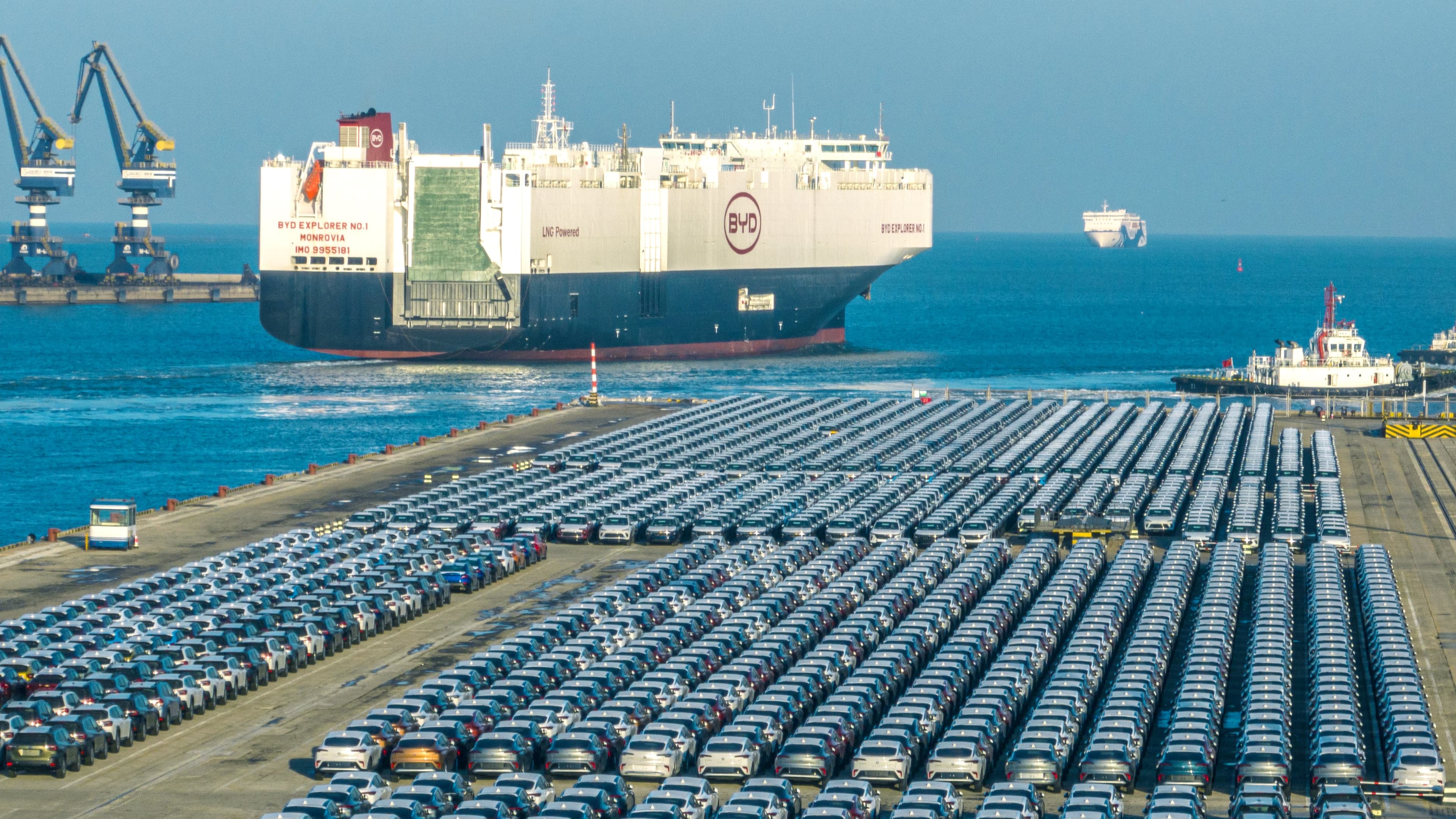
CAAM's September release shows how deep that overseas reliance now runs. NEV exports rose 160% year over year and 8.6% from August to 571,000 units, with battery-electric exports at 352,000 and plug-in hybrids at 219,000. For January through September, NEV exports reached 4.006 million units, up 130% year over year. NEVs made up more than half of China's total vehicle exports for a fourth straight month.
Total vehicle exports in September reached 1.053 million, up 61.4% year over year, according to the same CAAM figures. Deputy secretary-general Chen Shihua said exports had kept growing rapidly despite a complex external environment, while domestic demand remained soft. That resilience is exactly what the rebate cut now tests on the profit line.
At home the picture flipped. Domestic NEV sales fell 9.4% year over year in September to 1.252 million, even as overall NEV sales including exports hit a year-to-date monthly high of 1.823 million and a 61.6% share of new-car sales. Passenger-car association data put passenger-NEV exports at 558,000 in September, up 163.5% year over year, a narrower passenger-only series than CAAM's all-vehicle count.
Advertisement – Continue scrolling for more
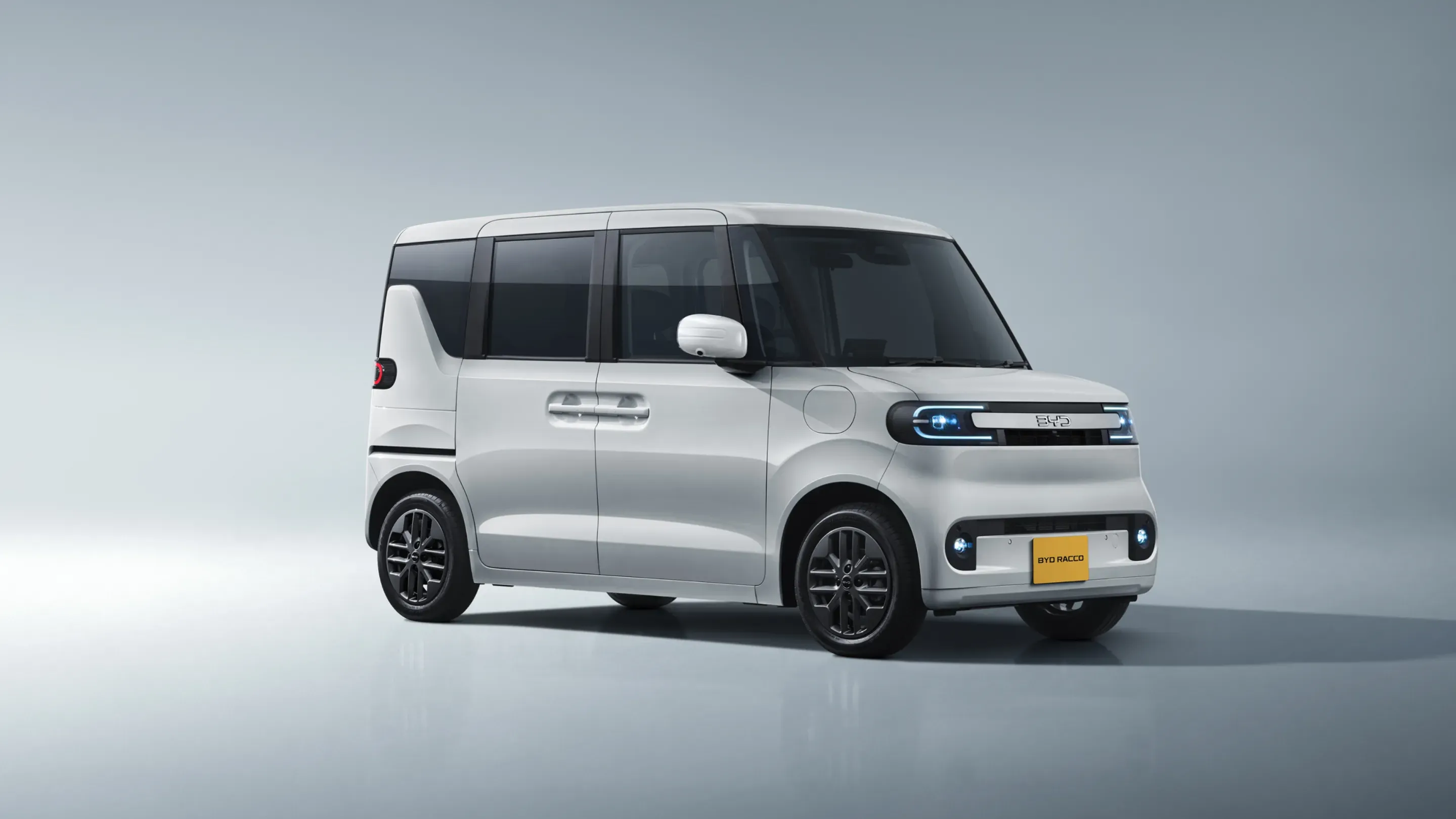
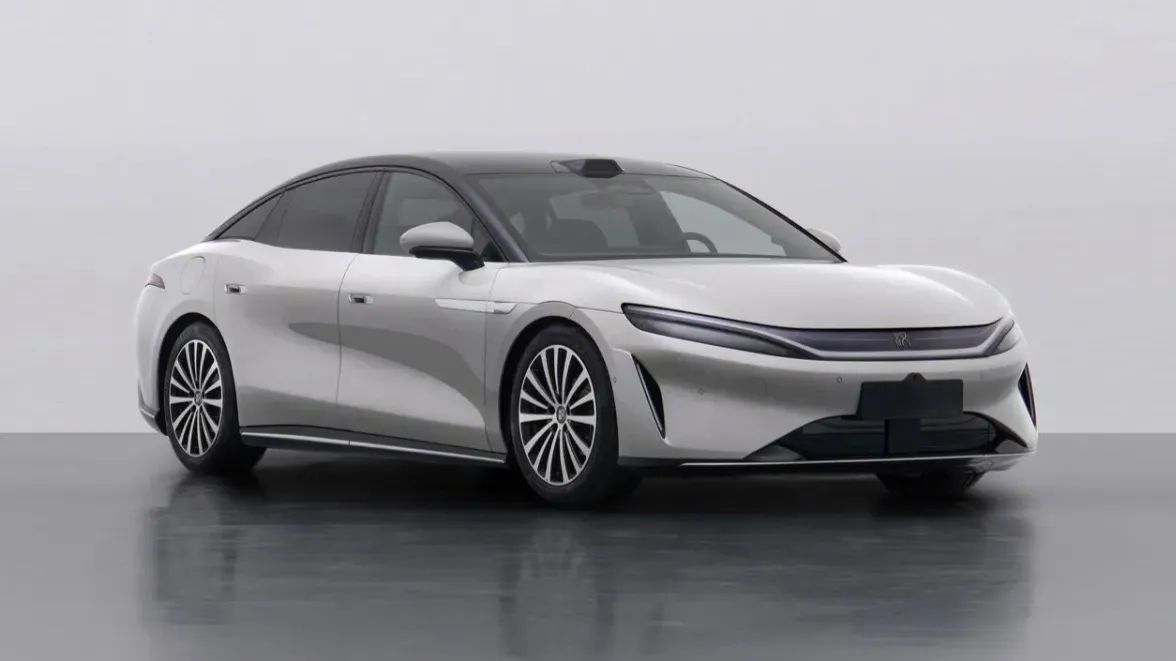
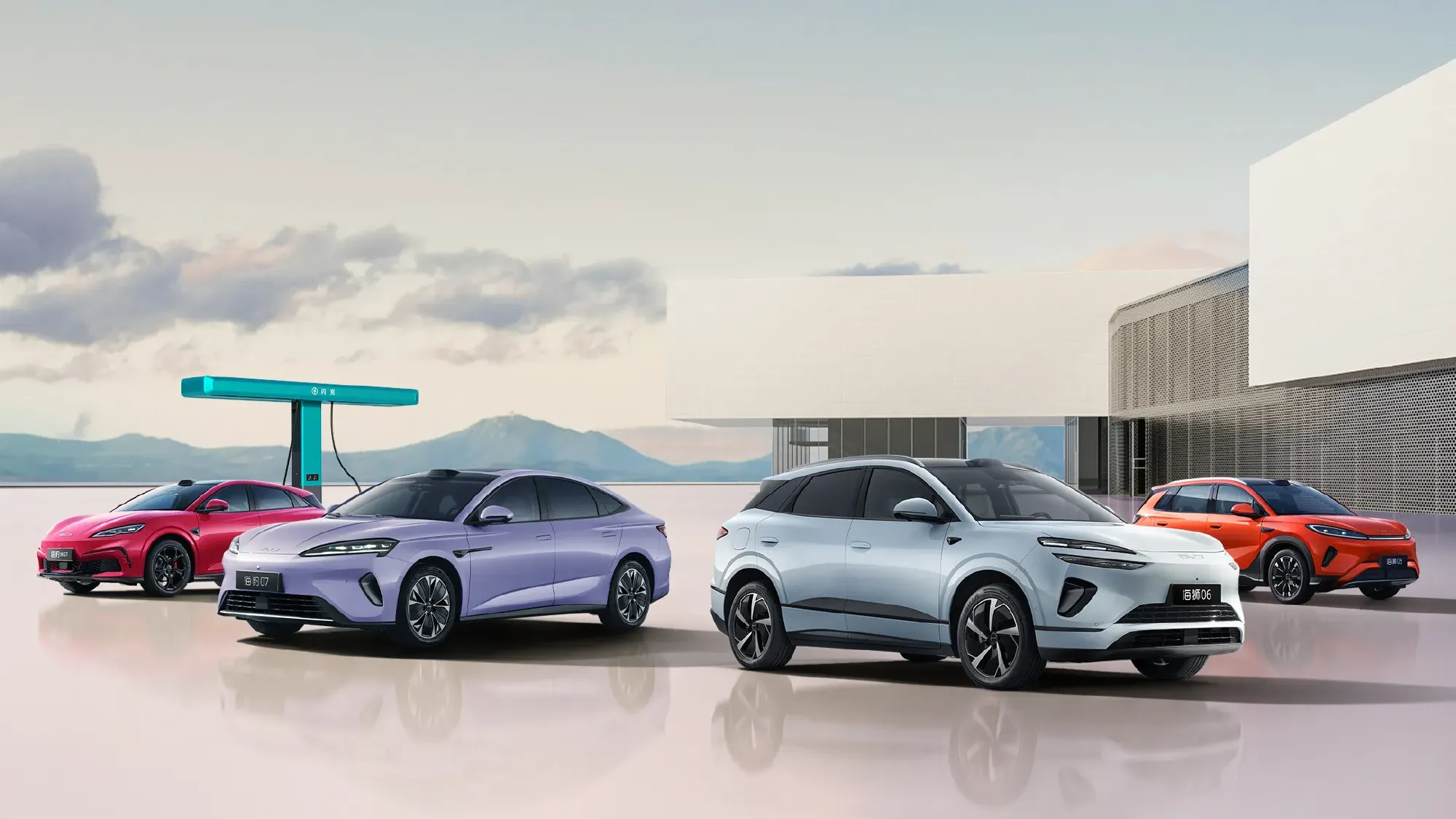
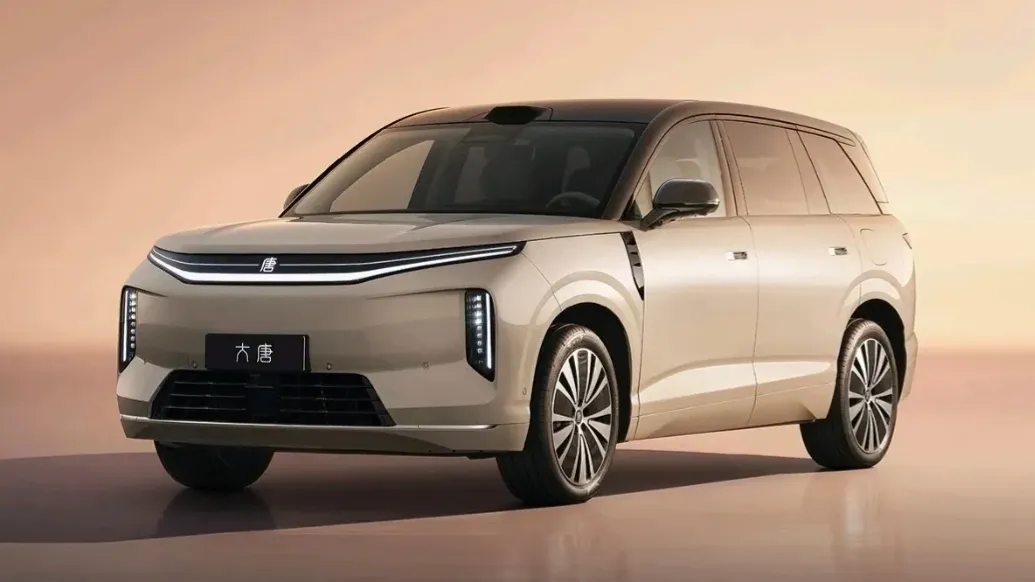
That split explains why a four-point rebate cut lands hardest on brands already leaning on ships rather than showrooms. Deutsche Bank estimated the change will trim about 5,000 CNY (c. $743) from net profit on each BYD (HKG: 1211) export from the second quarter of 2027. The bank put BYD's overseas sales at 1,342,468 units in the first three quarters, about 43% of total wholesale volume.
Applied to BYD's 1.34 million overseas sales so far this year, a 5,000 CNY hit would come to roughly 6.7 billion CNY over nine months, though the lower rate only starts in April 2027. The same note flagged pressure across other major exporters, including Chery (HKG: 9973), Geely Auto (HKG: 0175), SAIC Motor (SHA: 600104), Great Wall Motor (HKG: 2333), Changan Automobile (SZSE: 000625), Leapmotor (HKG: 9863), GAC Group (HKG: 2238) and XPeng (NYSE: XPEV).
Advertisement – Continue scrolling for more
The NEV move extends a broader clean-energy rebate rewind. China eliminated VAT export rebates for solar photovoltaic products on April 1, 2026 and cut the battery-product rebate from 9% to 6% for the rest of 2026, with battery rebates due to end on January 1, 2027. Automakers now face the same direction of travel, with a longer runway before the lower NEV rate bites.
Luo Zhiheng, chief economist at Yuekai Securities, argued that tax support should track an industry's life cycle. Once a sector matures, he said, firms should compete more on technology and branding than on price, and a lower export rebate can ease "involution" style undercutting while still leaving Chinese NEVs competitive abroad. Other fiscal researchers in the same coverage said the cut may also ease trade friction without gutting shipment volumes.
Advertisement – Continue scrolling for more
The rebate trim sits beside a domestic tax phase-down already under way. NEV purchase tax moved from a full exemption to a half rate this year, and some NEVs are due to resume full vessel and vehicle tax next year as penetration stays above 50%.
Exporters still have more than five months under the old rebate before April 1, 2027. Brands can still clear inventory on the 13% schedule through the first quarter, then face the thinner refund from the second quarter onward, matching Deutsche Bank's profit-impact window.
Whether they absorb the roughly 5,000 CNY per-unit hit on high-volume overseas models, pass it into foreign list prices, or accelerate local production outside China will show up first in second-quarter 2027 margins. The open question is whether record export volumes can keep growing once the refund on every shipped NEV gets four points thinner.
Conversion rate: 1 USD = 6.7313 CNY as of October 12, 2026.
Advertisement – Continue scrolling for more