BYD's new battery charges in 12 minutes at −30°C — just in time for Canada
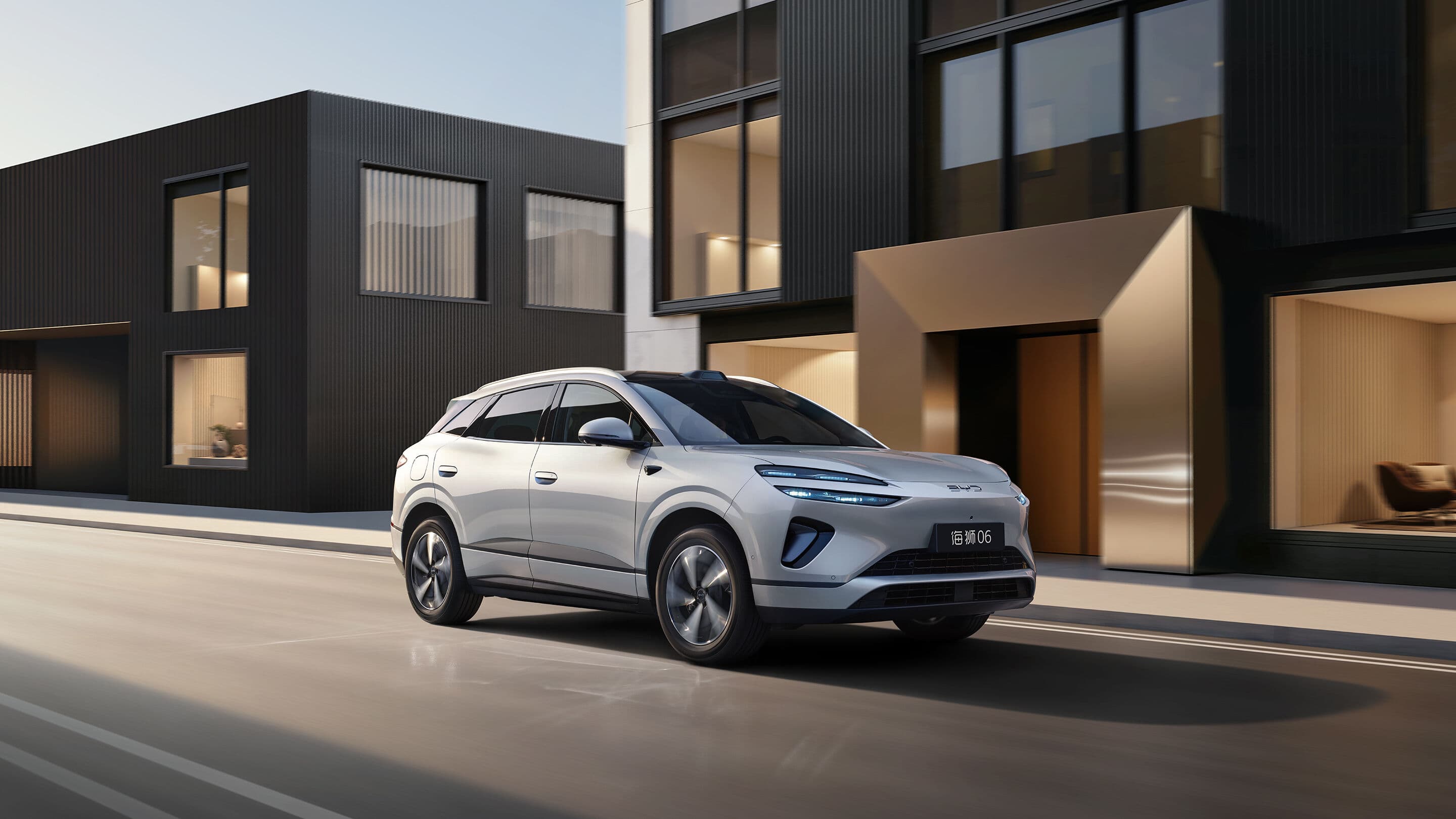
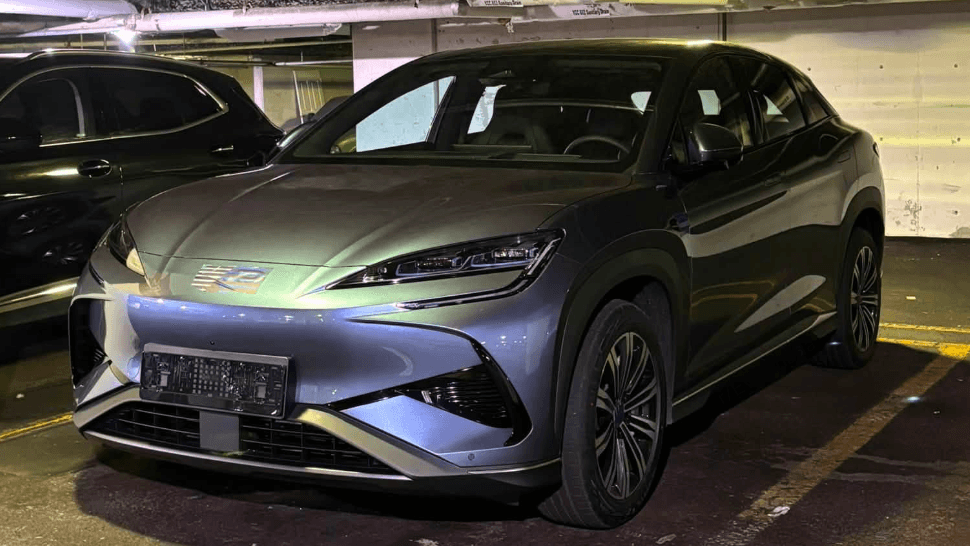
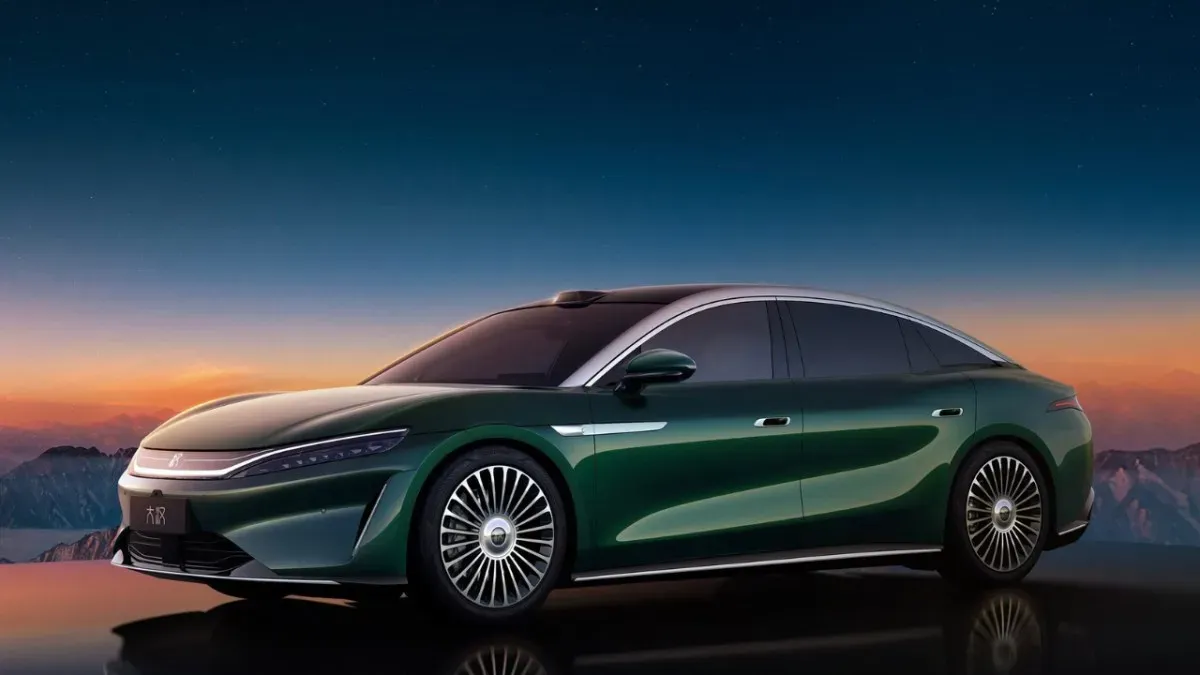
BYD (HKG: 1211), the world's largest electric vehicle manufacturer by sales, is preparing to enter the Canadian market at a moment when cold-weather performance has become the defining question for EV adoption north of the 49th parallel.
More than two-thirds of Canadians polled by CAA said winter range drop is a major deterrent to buying an EV, a finding confirmed by a separate 2024 CAA survey in which over 65 percent of existing EV owners reported reduced battery range in extreme cold.
Canada's winters — with temperatures regularly falling below −20°C (−4°F) in Alberta, Saskatchewan, and Manitoba — represent one of the most demanding real-world tests any battery-electric vehicle can face.
Advertisement – Continue scrolling for more
BYD's answer arrived on March 5, 2026, when the company unveiled its second-generation Blade Battery alongside a new flash-charging architecture at an event in Shenzhen.
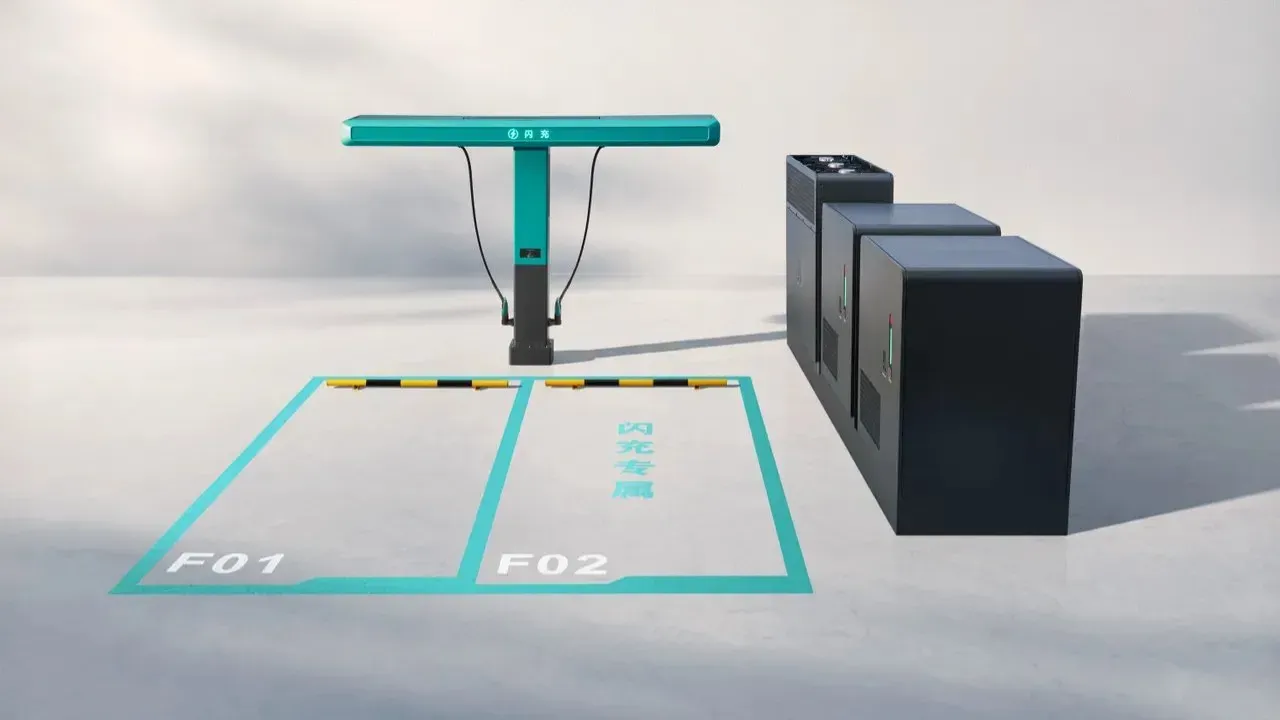
BYD flash charging (BYD)
The new cell upgrades the chemistry from lithium iron phosphate (LFP) to lithium manganese iron phosphate (LMFP), delivering higher energy density alongside improved cold-weather performance.
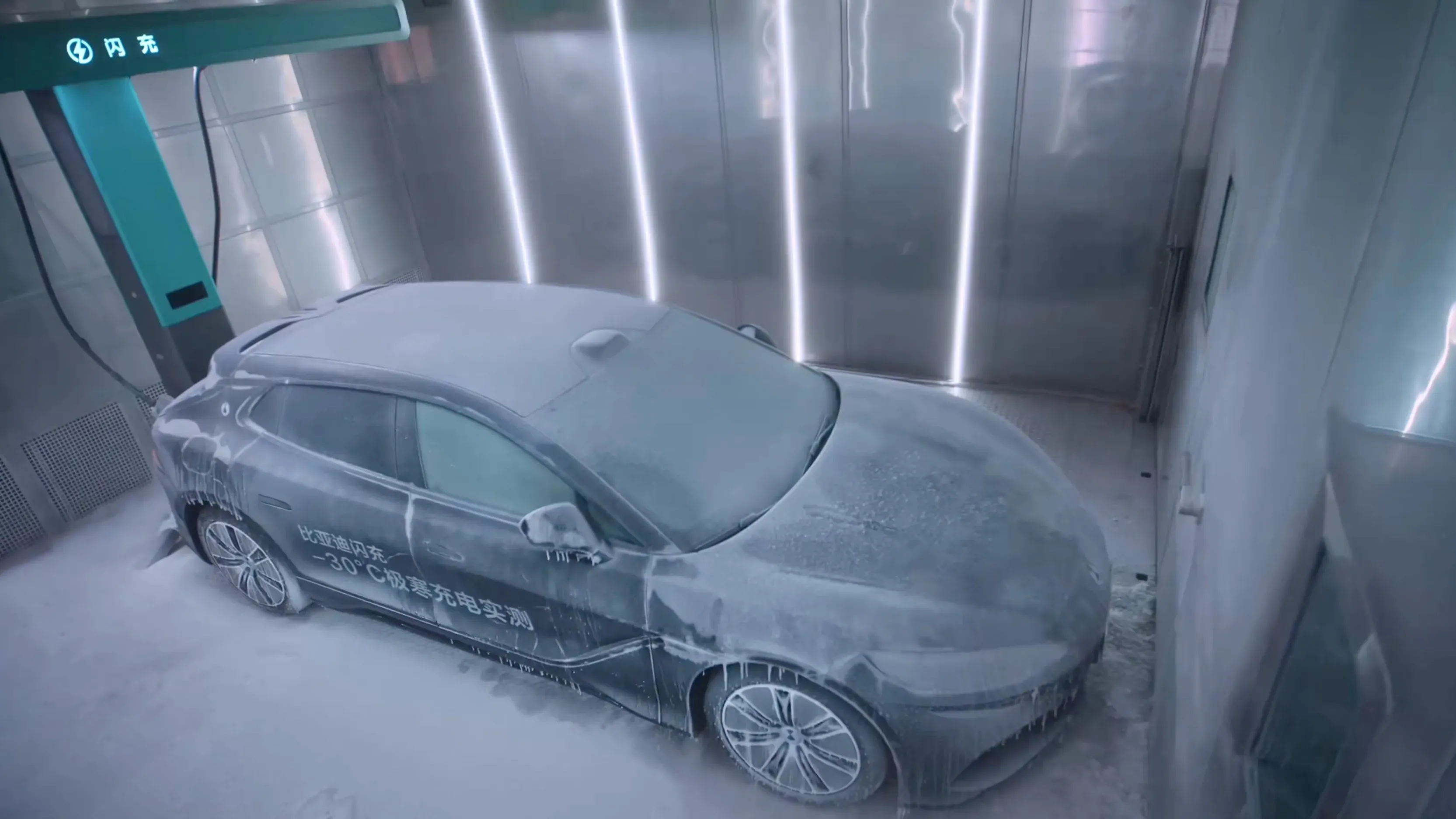
BYD Chairman Wang Chuanfu described the cold-weather results plainly at the launch: at −30°C, charging from 20% to 97% takes 12 minutes — just three minutes longer than at room temperature.
Advertisement – Continue scrolling for more
Company testing indicates the second-generation Blade Battery retains more than 85% of its capacity at −20°C, enabled by a direct refrigerant cooling and heating system that actively conditions the battery pack in extreme temperatures. At normal temperatures, the same platform delivers a charge from 10% to 70% in five minutes and 10% to 97% in nine minutes.
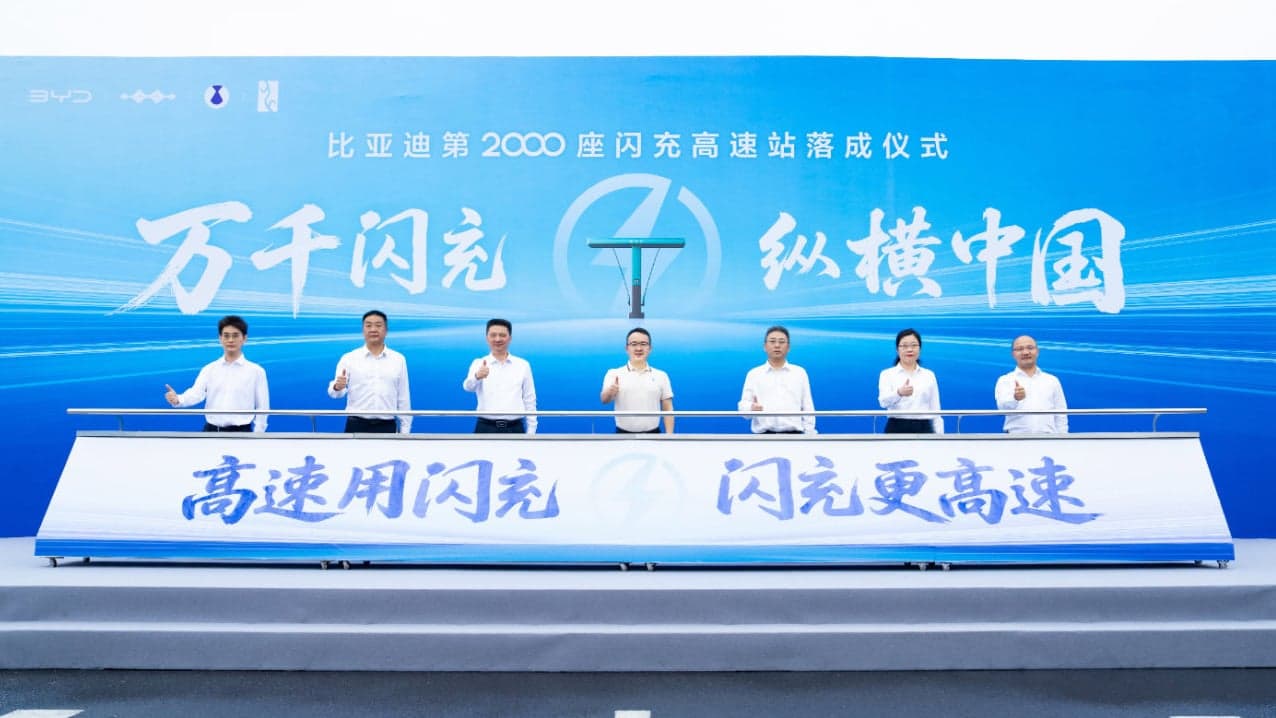
BYD plans to support the system with 20,000 flash-charging stations across China by the end of 2026, signalling commercial confidence in the technology ahead of global rollouts.
The timing matters for Canada. BYD has hired an Ontario-based firm to scout dealership locations across the country, according to Driving.ca, with plans to open approximately 20 dealerships.
Advertisement – Continue scrolling for more
What Canadian buyers can reference today is CAA's independent winter EV test from February 2025, in which 13 vehicles were driven from Ottawa to Mont-Tremblant, Quebec, at temperatures between −7°C and −15°C (19°F and 5°F).
Range losses varied sharply. The Chevrolet Silverado EV and Polestar 2 each shed just 14% of their rated range, while the Volvo XC40 Recharge lost 39%. The Hyundai IONIQ 5 managed 307 km (191 miles) against a rated 410 km (255 miles) — a 25% shortfall.
Cold-weather charging proved equally uneven: the Tesla Model 3 recovered 205 km (127 miles) in 15 minutes of DC fast charging, while the Toyota bZ4X added only 19 km (12 miles) in the same window.
Advertisement – Continue scrolling for more
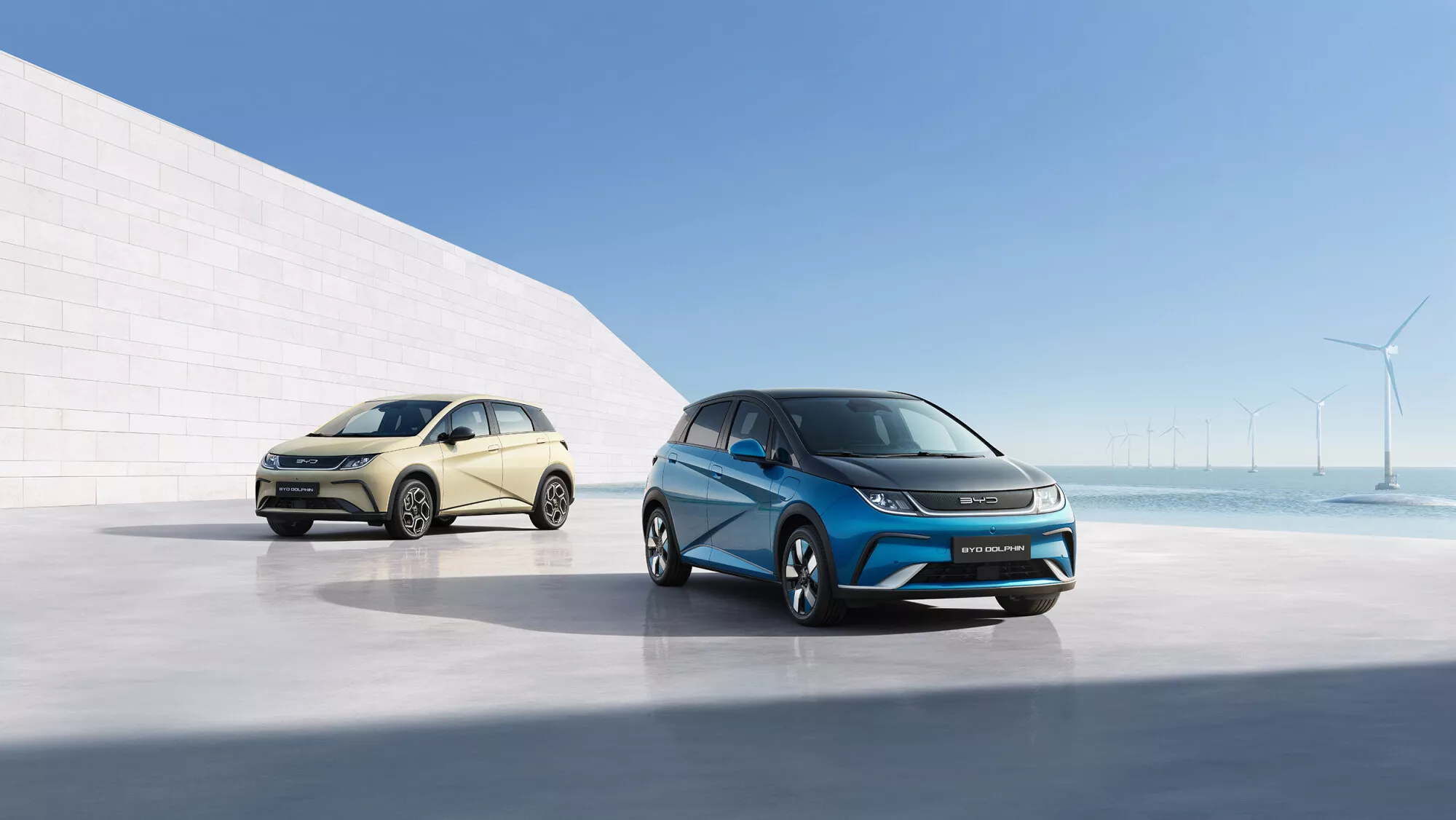
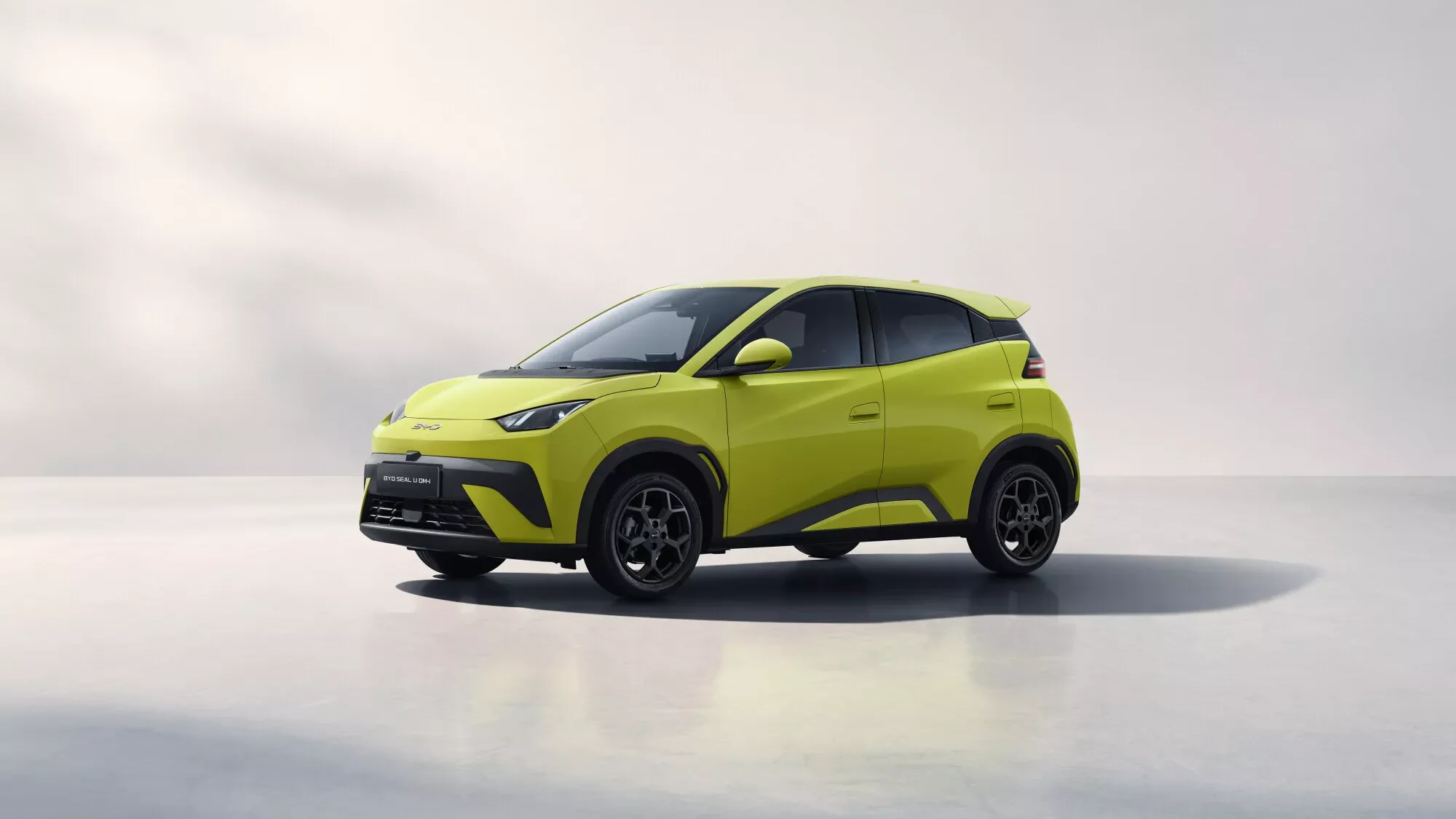
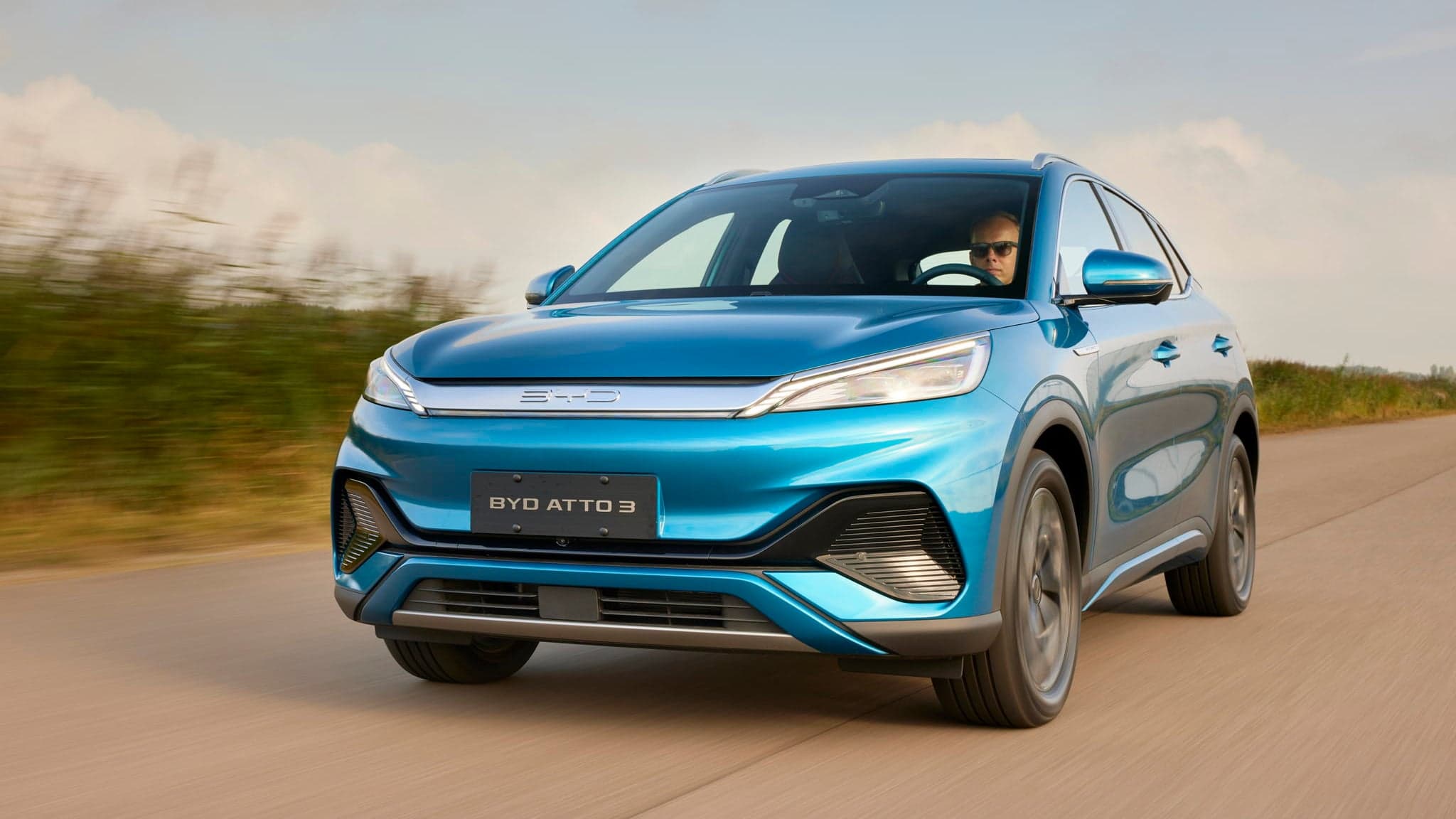
BYD's export-market vehicles — including the Atto 3, Seal, and Dolphin — include heat pumps as standard equipment, a feature that measurably narrows winter range losses compared with resistive heating-only competitors.
No BYD model has yet been independently winter-tested under Canadian conditions. That data will come once vehicles reach consumers. But if the second-generation Blade Battery's cold-weather specs hold up in real-world use, BYD would enter Canada better equipped for February than many established brands already operating there.
Whether Canadian buyers will extend that trust to a brand they have never seen on a dealership lot is the harder question — and one no battery specification can answer on its own.
Advertisement – Continue scrolling for more