
U.S. Chinese car ban would keep Canadians' China-built EVs out, Moreno says


A U.S. bill to ban Chinese vehicles would stop Canadian and Mexican residents from driving China-built cars into the United States, Republican Senator Bernie Moreno said in a November 23, 2026 interview, according to one report. The Ohio senator introduced the Senate version of the bill in April with Michigan Democrat Elissa Slotkin as its first cosponsor.
Moreno told the interviewer that lawmakers were "basically done with the bill" and that he hoped the House of Representatives would vote as soon as next week, with the Senate following quickly. Senators and congressional aides were still negotiating with House members on the final deal, according to one report, and the compromise text has not been published.
The Senate version is the Connected Vehicle Security Act of 2026, introduced on April 29, 2026 and reported by the Senate Commerce Committee with an amendment on September 22. As reported, it would prohibit the import, manufacture, sale or resale of a connected vehicle from January 1, 2027 if the vehicle is mainly designed, developed or made in, or supplied from, China, Russia, Iran or North Korea. That test turns on where a car comes from, not where it was bought, which by our reading is how it would reach a China-built car registered in Canada.
The reported text does soften enforcement for individual drivers. Civil penalties would not apply to a person who brings a covered vehicle into the U.S. for personal use without knowing it is subject to the ban. The legislation approved in committee would also bar companies with more than 15% ownership by Chinese entities from selling vehicles in the U.S.
Moreno said the compromise language would not bar Mercedes-Benz, in which state-owned BAIC Group and Geely chair Li Shufu each hold nearly 10%. It would not bar Volvo either, which is majority owned by Geely Holding. Moreno also named BMW among the companies the revised language would leave untouched, and said the bill had 61 sponsors in the Senate and 150 in the House at the time of the interview.
For Canada, the comments land on top of a quota that has gone largely unused. Under a preliminary arrangement with China, Canada has allowed up to 49,000 China-built EVs a year at a 6.1% tariff since March 1, 2026, a quota that replaced the 100% surtax Ottawa had imposed in 2024. Global Affairs Canada's report, updated November 20, shows 16,291 of the 49,000 spots used for the year to February 28, 2027, leaving 32,709.
GCEV Weekly · Every Tuesday
China's EV industry in five minutes.
Launches, sales, batteries and policy — the week's stories that matter, with the context the headlines leave out.
Sent by GigaCharts Inc. Questions? Write to globalchinaev@gmail.com. Unsubscribe anytime. See our privacy policy.
Imports have slowed sharply since the summer. The same report records 5,982 vehicles in July and 5,490 in August, then 603 in September, 69 in October (revised up from none in the November 13 report) and 16 so far in November. All 16 November entries were battery-electric SUVs or passenger vans.
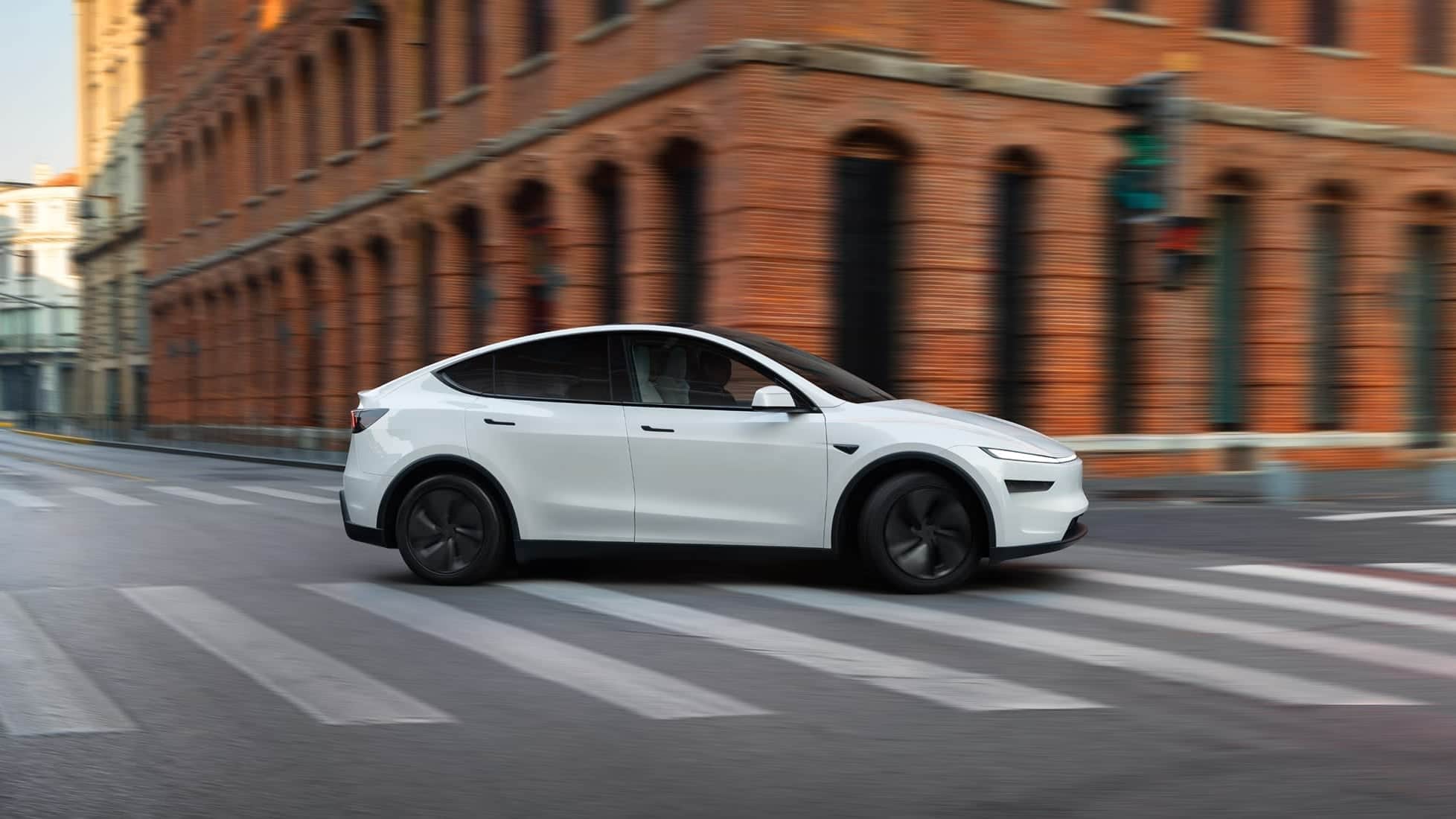
According to one report, the slowdown lines up with Tesla (NASDAQ: TSLA), the automaker believed to be the biggest user of the quota, which stopped taking orders for its Shanghai-built Model 3 in Canada on October 12, 2026. The reported text's main test does not depend on the badge: it turns on where a vehicle was designed, developed or made.
Pressure for a vote is building from several directions. The 1.3 million-member Teamsters union urged Congress on November 23 to pass the ban before it adjourns in the coming weeks. A day earlier, U.S. Trade Representative Jamieson Greer said the two countries were close to a trade deal but that Canada's growing trade with China remained a concern.
Chinese cars are already largely kept out of the U.S. market by a Biden-era regulation adopted in early 2025 and by tariffs of more than 100% on Chinese EVs, and the bill would turn that rule into a permanent law. Whether the House takes it up next week, and whether the final text keeps the personal-use carve-out, will decide what it means for Canadians who drive south in a car made in China.
GCEV Weekly · Every Tuesday
China's EV industry in five minutes.
Launches, sales, batteries and policy — the week's stories that matter, with the context the headlines leave out.
Sent by GigaCharts Inc. Questions? Write to globalchinaev@gmail.com. Unsubscribe anytime. See our privacy policy.