
Canada advises EV makers against China's GB/T plug but stops short of a rule


Transport Canada has told automakers that electric vehicles built for Canada should use North American charging ports, and that China's GB/T standard is "not recommended". The advice lands as Chinese brands prepare to sell cars in Canada under Ottawa's new import quota. But it is only advice. The department says the guidance is non-binding and voluntary, and it sets no deadline for anyone to comply.
That is a softer line than Canada's charging operators asked for. Their industry group wanted a compatible port made a condition of the import permit that every China-built EV now needs to enter the country.

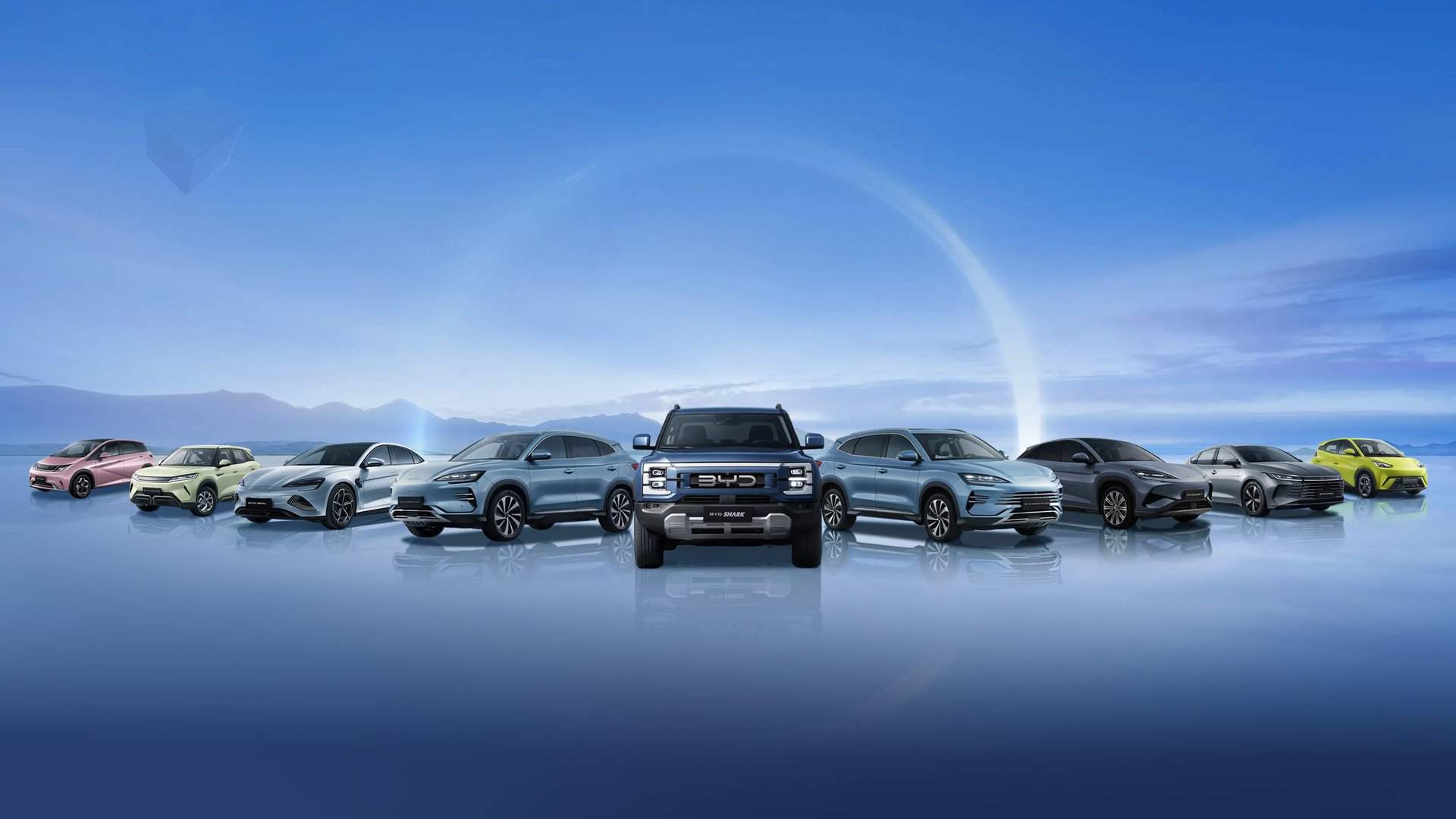
BYD's Canadian website has carried a "coming soon" banner (BYD graphic)
What the guidance says
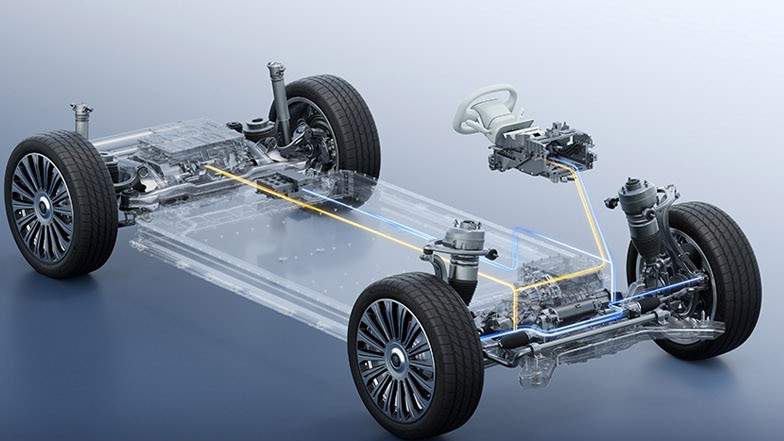
The document, titled Canada's Guidance on Electric Vehicle Charging Connector and Inlet Compatibility, was last modified on November 6 and is linked from Transport Canada's electric vehicles page. It covers light-duty passenger vehicles only and makes four recommendations. The first is that a car's built-in charging port, which the department calls the inlet, should be compatible with the North American family of standards.
It names three as predominant in Canada today: SAE J1772 for Level 1 and Level 2 AC charging, CCS1 for existing DC fast chargers, and SAE J3400, better known as the North American Charging Standard or NACS, for both AC and DC. It says the industry is moving toward NACS, and it notes that the older CHAdeMO plug is being phased out.
The key line for new arrivals is blunt. Transport Canada says non-North American standards such as Type 2, CCS2 and GB/T are not recommended, because they "could fragment the existing EV charging ecosystem, create interoperability issues and confusion, and become a source of friction between Canadian consumers and vehicle manufacturers." It explains that GB/T uses two physically separate inlets, one for AC and a larger one for DC fast charging, and that none of these foreign standards work with Canada's charging network.
GCEV Weekly · Every Tuesday
China's EV industry in five minutes.
Launches, sales, batteries and policy — the week's stories that matter, with the context the headlines leave out.
Sent by GigaCharts Inc. Questions? Write to globalchinaev@gmail.com. Unsubscribe anytime. See our privacy policy.
The guidance also says Canada had about 40,000 public chargers in operation as of September 2026, and that a large share of public stations use CCS1.
Adapters, winter and labels
The department does not want adapters to paper over the gap. It says automakers should not rely on adapters as a substitute for a compatible built-in port, and should discourage universal AC and DC adapters. Where an adapter is needed, buyers should be told that only those supplied by the automaker or certified to the ANSI/CAN/UL 2252:2025 standard are allowed. Uncertified adapters, it warns, "can lead to equipment failure, electrical faults, property damage, and risks to human safety."
A physical fit is not the whole problem. In its submission to Transport Canada, Electric Mobility Canada, whose members include automakers and charging companies, pointed out that GB/T uses a different communication protocol from CCS1 and NACS, so a plug adapter alone would not let the car and charger talk to each other without an extra gateway.
Because many parts of Canada regularly reach minus 40 degrees Celsius, and some go to minus 50 or colder, the guidance says automakers should strive for minus 40 test and performance ratings. It also strongly recommends labels on the car that identify the inlet type and whether it takes AC, DC or both, and plain-language information for buyers at the dealership.
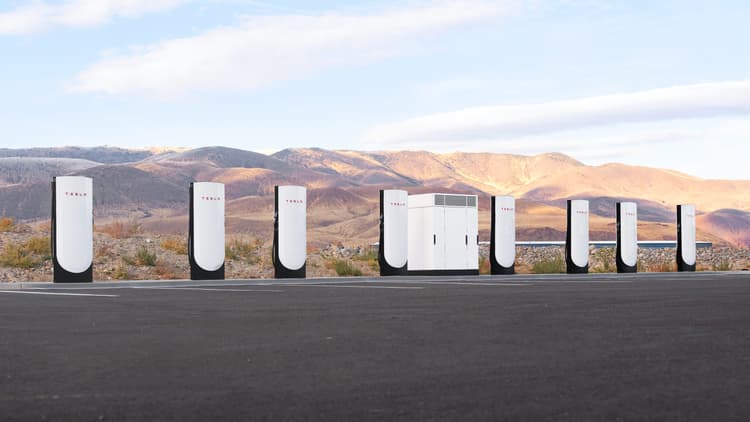
Tesla's connector, now standardized as SAE J3400 or NACS, is the one Transport Canada says the industry is moving toward (Tesla)
Industry wanted a rule
Transport Canada said it developed the guidance with automotive industry stakeholders but did not name them. It grew out of a discussion paper released in May, and the groups that answered it pushed for more than voluntary advice.
The Canadian Charging Infrastructure Council, whose members represent more than half of Canada's public charging sites, argued in March that Global Affairs Canada should require every China-built EV to have a CCS1 or NACS port as a condition of the shipment-specific import permits introduced under Customs Notice 26-05. It also called for a longer-term rule under vehicle safety or emissions regulations. Electric Mobility Canada asked in June for guidance that would "strongly encourage, and in specific contexts require" North American ports for vehicles sold or imported into Canada.
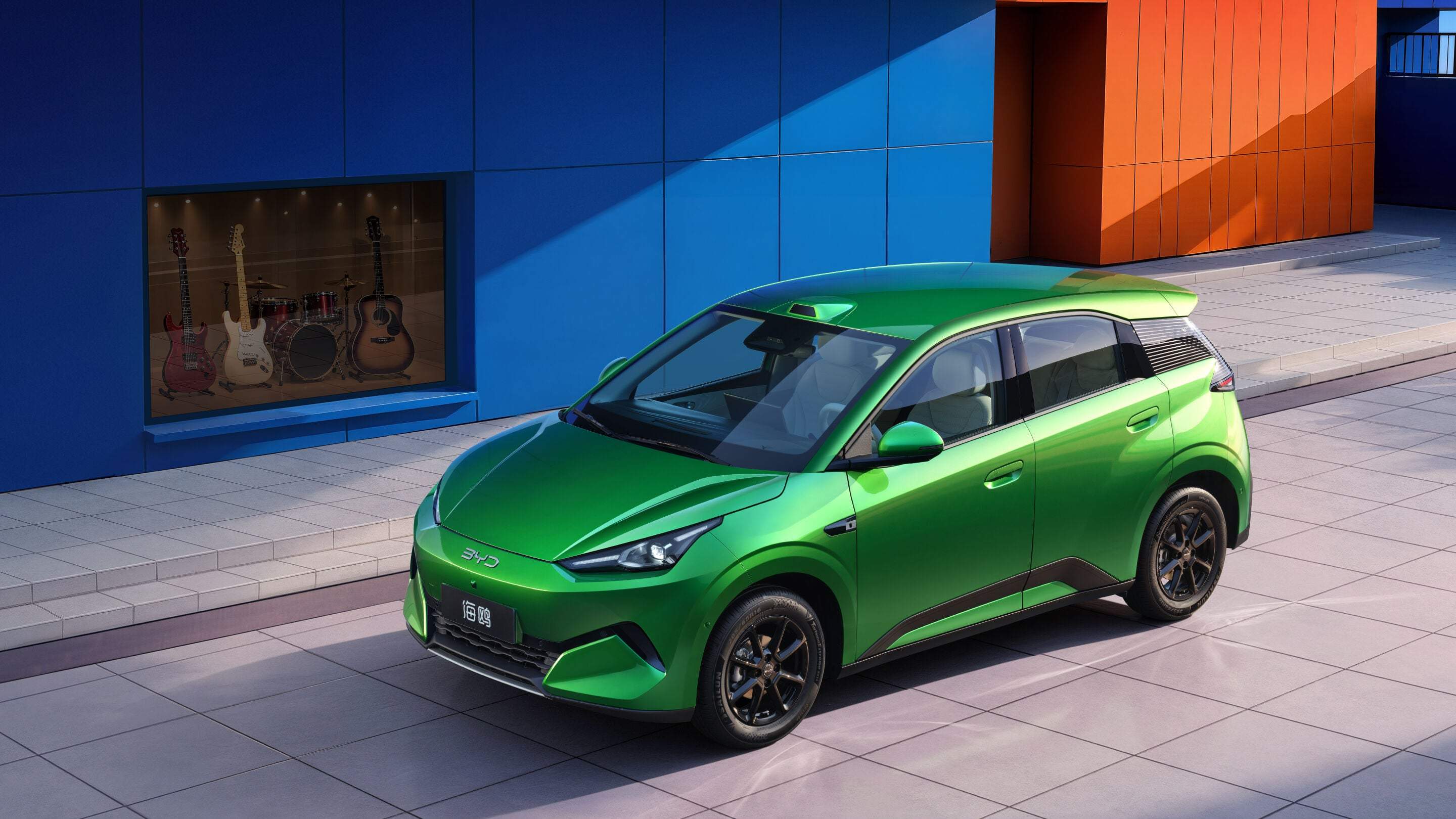
Electric Mobility Canada pointed to "experience in other jurisdictions" without naming them. The charging council was specific: it cited Mexico, where CCS1, CCS2, GB/T and NACS all entered the market at the same time, leaving drivers confused about where they can charge and pushing networks to install multi-cable chargers. BYD's own Mexican spec sheet for its Dolphin Mini small car lists a GB charging port for both DC and AC.
Ottawa chose the softer option. The guidance says it does not create, change or interpret any requirement under the Motor Vehicle Safety Act or its regulations, and it does not say how Transport Canada will track whether automakers follow it.
Where the quota stands
The timing matters because the first Chinese brands are only now starting to arrive. Canada allows 49,000 China-built EVs a year at the 6.1% most-favoured-nation tariff under a quota that took effect on March 1, 2026.
As of November 20, 16,291 vehicles had been counted against the first-year quota, leaving 32,709 spots open until February 28, 2027. That is about 33% of the quota used, by our calculation. Most of it went early: 15,603 vehicles were counted from March through August, against just 688 since September 1.
Tesla stopped taking orders for its China-built Model 3 Premium in October, saying its allocation had run out, and expects orders to reopen in March 2027. Global Affairs Canada has not disclosed individual automaker allocations. In a backgrounder, Global Affairs Canada said a second China-based automaker had met Transport Canada's requirements and begun importing vehicles with an expected import price below $35,000 CAD. The document did not name the company, though a government spokesperson later confirmed that Geely had received the green light, following earlier approvals for BYD.
The guidance does not name any automaker either. But for a Chinese brand that builds cars around GB/T at home, the message is clear: Ottawa would prefer a North American port from day one, even if it will not yet insist on it.
GCEV Weekly · Every Tuesday
China's EV industry in five minutes.
Launches, sales, batteries and policy — the week's stories that matter, with the context the headlines leave out.
Sent by GigaCharts Inc. Questions? Write to globalchinaev@gmail.com. Unsubscribe anytime. See our privacy policy.