
Greer faults Canada's Chinese EV quota as Ottawa holds to a joint-venture path

Washington's top trade negotiator has named Canada's Chinese electric vehicle quota as a concern in talks, as Ottawa restated that any Chinese automaker investment here must come through joint ventures with Canadian partners. U.S. Trade Representative Jamieson Greer said on Sunday, November 22, that the two countries were "fairly close on finding a landing zone" on a trade deal. He also faulted Canada for letting in more Chinese EVs and widening tariff relief for some Chinese steel and aluminum.
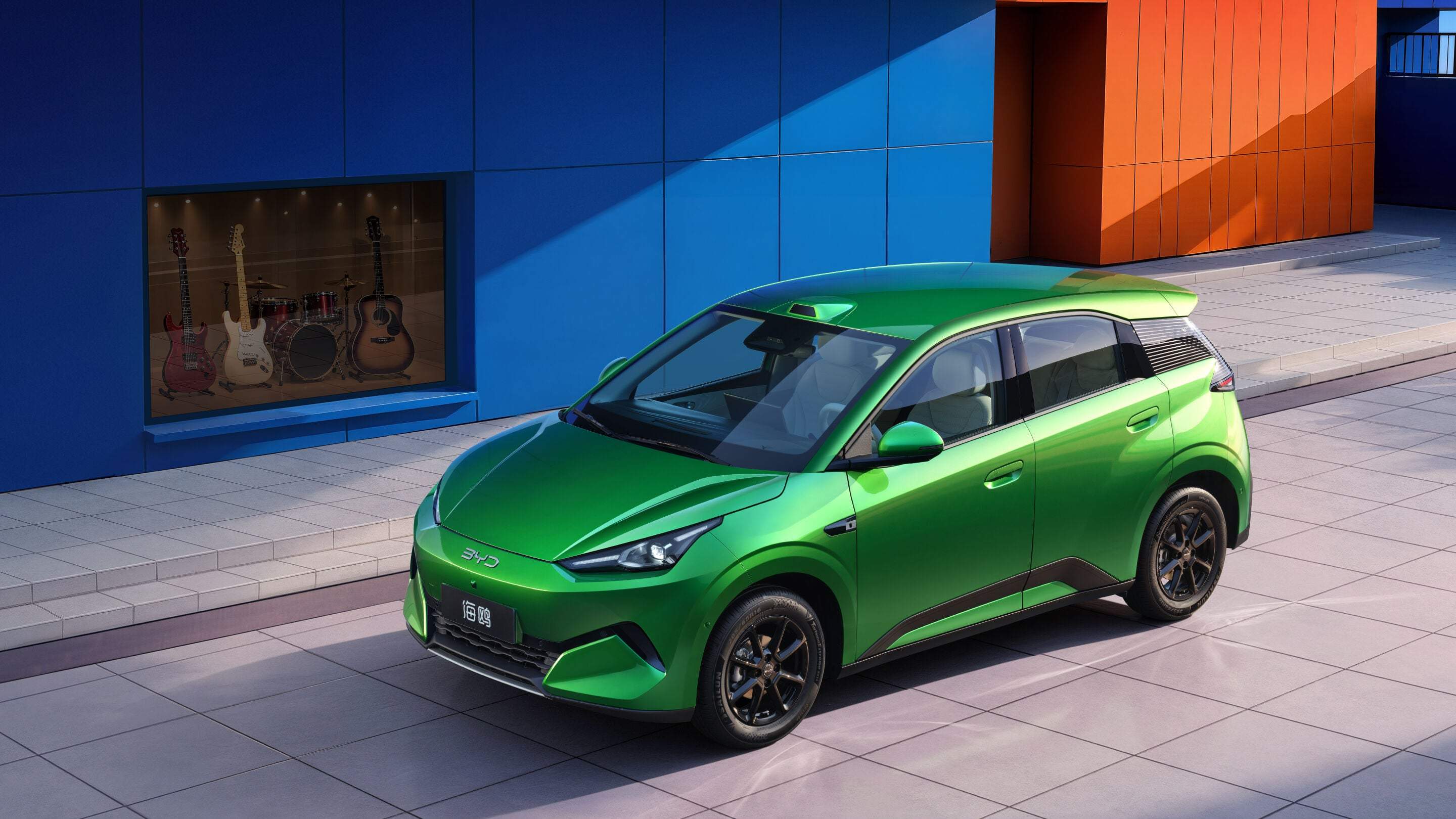
In the television interview, Greer said Ottawa's reset with Beijing had given Washington some concern, pointing in particular to the decision to let 49,000 Chinese EVs a year into Canada at a lower tariff. "We're trying to manage North American trade in auto steel and aluminum," he said. He called the gap philosophical, with Canada favouring freer trade and the United States focused on the problems of globalization.
The quota came out of the January deal between Prime Minister Mark Carney and Chinese President Xi Jinping, which cut Canada's tariff on Chinese-made EVs from 100% to 6.1% for up to 49,000 vehicles a year. It grows 6.5% a year, to about 67,000 vehicles by 2031. Greer had already criticized the decision in January.
Use is still well short of the cap. In the Global Affairs Canada report updated November 20, 16,291 of the 49,000 quota spots had been used, leaving 32,709 for the quota year that ends February 28, 2027.
The pressure comes with a deadline attached. President Donald Trump has threatened to double U.S. tariffs on Canadian vehicles and parts from 25% to 50% on January 1 if the two countries do not reach a deal. Talks collapsed in August and have since restarted.
On the same Sunday, Kody Blois, parliamentary secretary to Carney, said Ottawa sees a pathway to more industrial investment from Chinese automakers that will play out over the next year. He said that path sits alongside protecting the automakers already building here, from Ford (NYSE: F), General Motors (NYSE: GM) and Stellantis (NYSE: STLA) to Honda (TYO: 7267) and Toyota (TYO: 7203).
GCEV Weekly · Every Tuesday
China's EV industry in five minutes.
Launches, sales, batteries and policy — the week's stories that matter, with the context the headlines leave out.
Sent by GigaCharts Inc. Questions? Write to globalchinaev@gmail.com. Unsubscribe anytime. See our privacy policy.
Asked about U.S. opposition to Chinese EVs, Blois said he sees a pathway for investment regardless of that stance, and pointed to the joint-venture frame set by Industry Minister Mélanie Joly. "We want to see Canadian equity, we want to see Canadian partnership," he said. He added that Ottawa first needs to see how Chinese EVs actually sell in Canada.
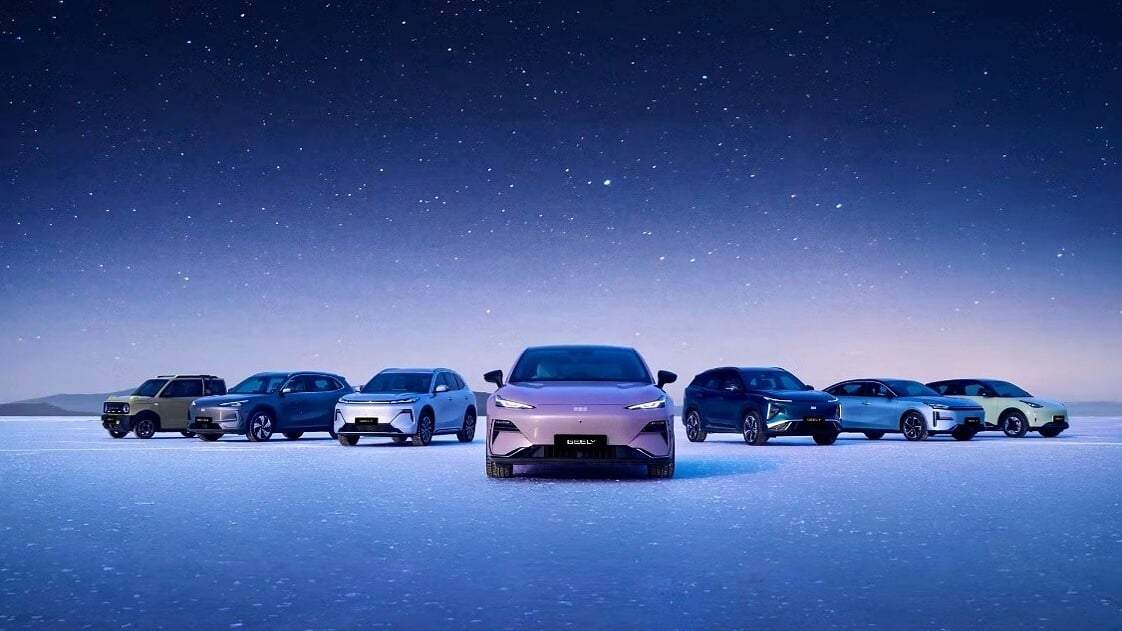
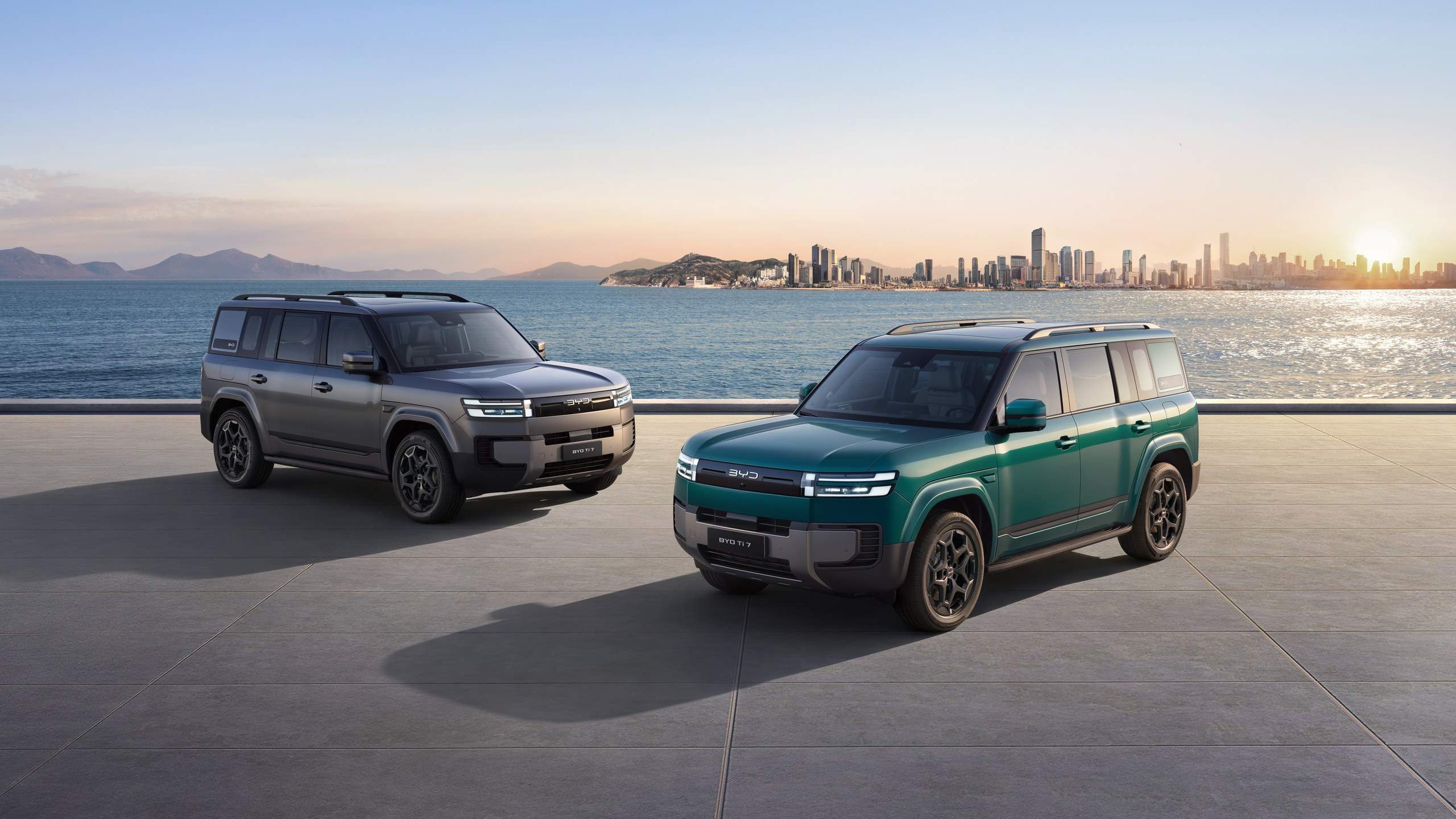
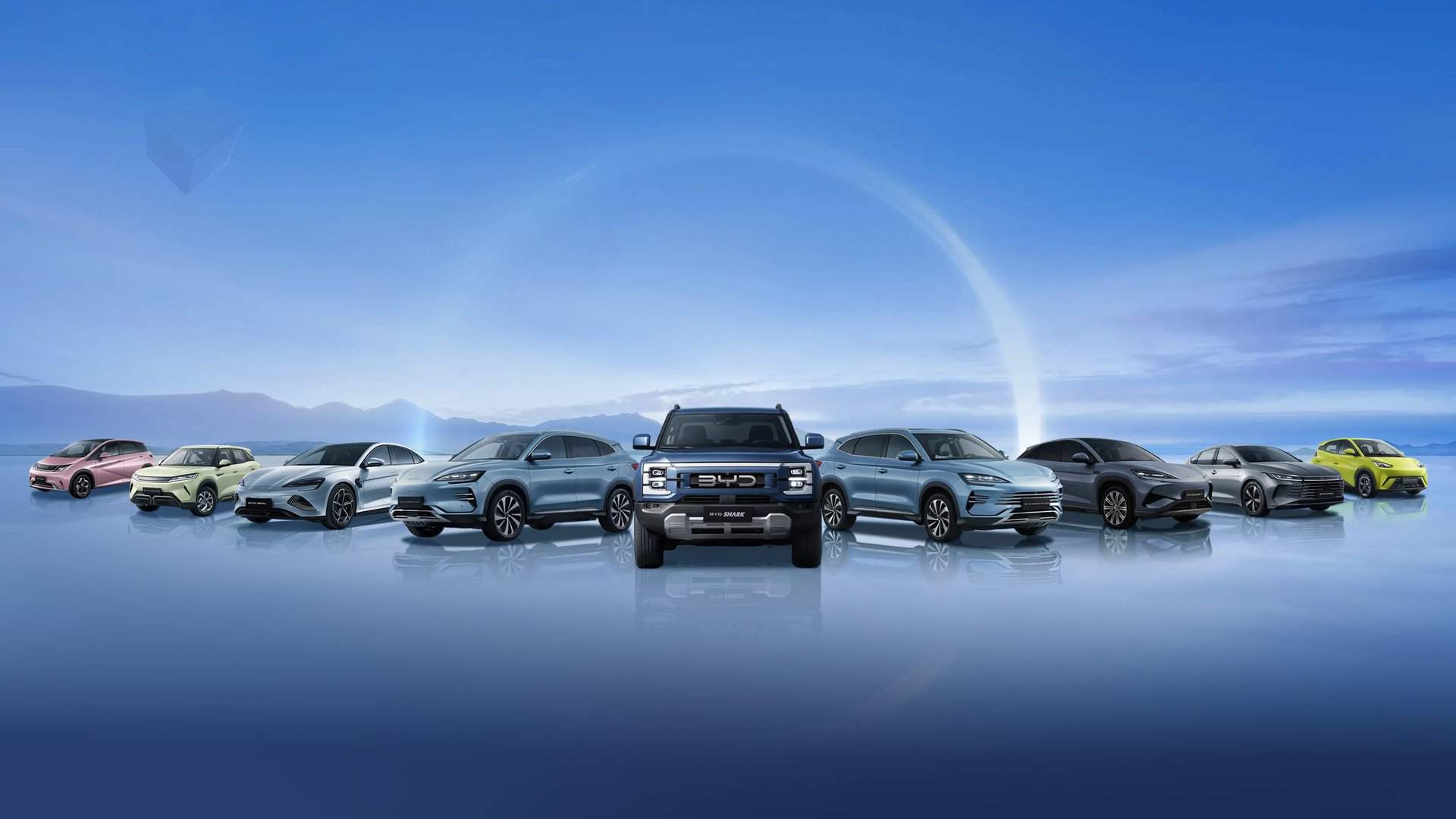
Joly set out those terms before a June trip to China. Any Chinese EV manufacturing investment must be a joint venture that is majority Canadian-owned, follow Canadian labour standards, use Canadian parts and run secure software that protects users' data. After meeting BYD (HKG: 1211), Chery (HKG: 9973), Geely Automobile (HKG: 0175) and Shanghai Launch Automotive Technology in China, she said all four were willing to explore joint ventures. She also said the only ways in were the quota or a joint venture that meets her rules.
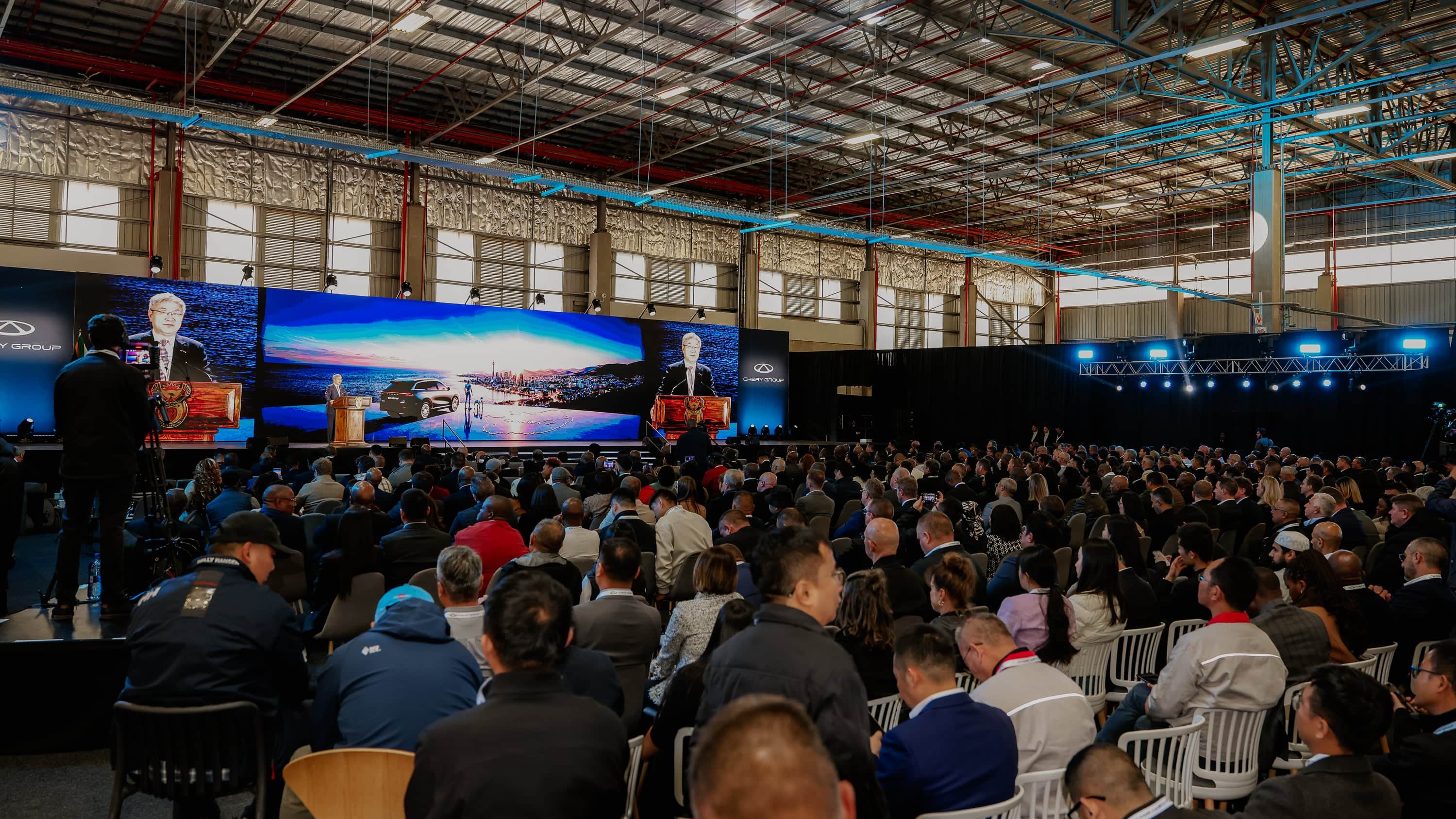
Joly has pointed to Chery's partnerships abroad as examples, including a deal with Nissan that could see EVs built in Britain and separate ventures in Spain and South Africa, where Chery opened its Rosslyn plant, a former Nissan factory, on July 3, 2026.
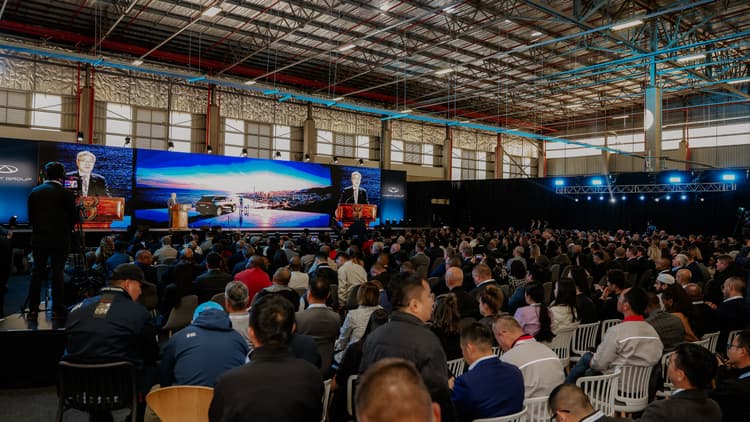
Chery's Rosslyn plant in South Africa, a former Nissan factory, at its July 3, 2026 opening (Chery)
Blois also drew a line on kits. After Stellantis sold its Brampton, Ont., assembly plant to defence manufacturer Roshel, Ontario Premier Doug Ford urged Ottawa to make sure Chinese-made EV kits are not assembled there. Blois said the focus is manufacturing and assembly, not only kits. In April, Joly had rejected Stellantis's plan to assemble Leapmotor (HKG: 9863) EVs from China-shipped kits at an idled factory near Toronto.
So far, about 17,000 vehicles have come in under this year's quota, Blois said, calling it early days. That is close to the official count of 16,291.
The U.S. stance also weighs on the business case for a plant. Vina Nadjibulla, then vice-president of research and strategy at the Asia Pacific Foundation of Canada, said in June that foreign automakers normally build in Canada to export to the United States, and Washington has made clear it does not want Chinese EVs. Flavio Volpe, president of the Automotive Parts Manufacturers' Association, said at the time that Ottawa will have to reconcile what Washington wants with what Canada agreed with Beijing.
Carney's November 17 meeting with Xi in Shenzhen added little on cars. It brought Chinese tariff cuts on Canadian pork and seafood and wider remission for some Chinese steel and aluminum, the relief Greer also flagged, but no update on EVs beyond January's quota.
With Washington calling the quota a concern and Ottawa saying the investment path will play out over the next year, which comes first: a U.S. trade deal or the first Chinese joint venture on Canadian soil?
GCEV Weekly · Every Tuesday
China's EV industry in five minutes.
Launches, sales, batteries and policy — the week's stories that matter, with the context the headlines leave out.
Sent by GigaCharts Inc. Questions? Write to globalchinaev@gmail.com. Unsubscribe anytime. See our privacy policy.