
No Chinese auto plant after Carney-Xi talks as 32,789 quota spots sit unused
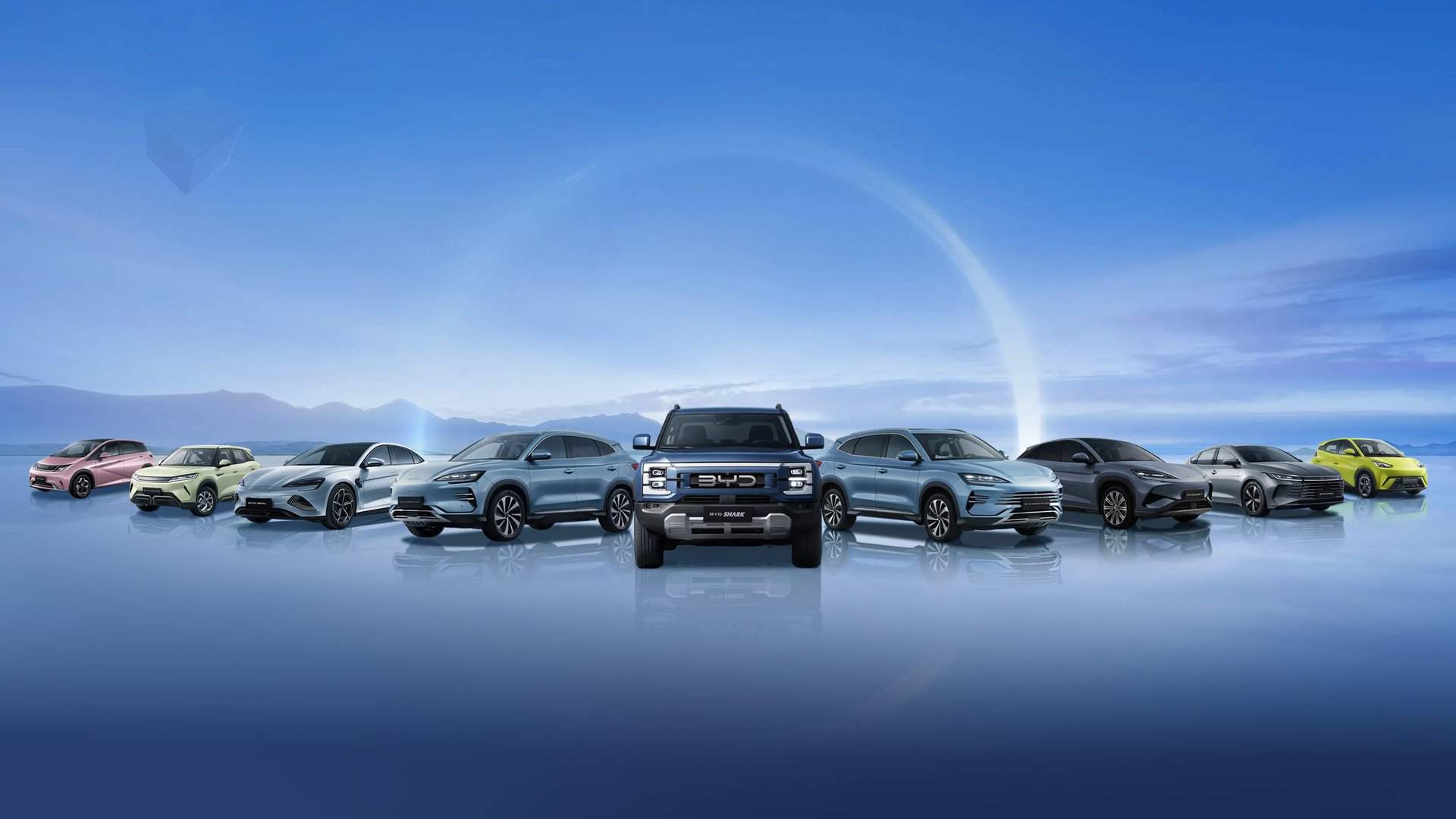

Prime Minister Mark Carney and Chinese President Xi Jinping met in Shenzhen on Tuesday, November 17, 2026, and agreed to extend and expand their trade arrangement. The leaders also discussed electric vehicles, but the announcements did not include a Chinese auto factory, a named manufacturer, an investment amount or a construction timetable.
The Prime Minister's Office said the expanded arrangement will provide additional tariff relief for approximately $400 million in Canadian exports, including $116 million of frozen pork cuts and $285 million of fish and seafood. China will suspend its anti-discrimination tariffs on those products from January 1, 2027, to December 31, 2028. In return, Ottawa will extend steel and aluminium remissions to the end of 2028 and expand them to 32 more tariff items that Canada does not produce in sufficient volume.
The two governments also agreed to extend tariff relief on canola meal, peas, lobster and crab to the end of 2028, send a major trade mission to China in 2027, and mark that year as a Canada-China Year of e-Commerce. A PMO readout said the leaders outlined opportunities to deepen cooperation in energy and electric vehicles. It stopped short of announcing a plant.
That omission is the auto story. A day earlier, in Phnom Penh, Carney had said Canada could turn to Chinese automakers if talks with the United States failed to preserve an integrated North American auto industry, provided any Chinese investment brought real manufacturing here. "It's not just about kit cars," he told reporters. He said he wanted "full-scale vehicle manufacturing" using Canadian parts, Canadian labour and Canadian critical minerals.
Those conditions still stand, and they still match the test Industry Minister Mélanie Joly restated in June. Any Chinese auto investment must be a joint venture that is majority Canadian-owned, follow Canadian labour standards, use Canadian parts and run secure software that protects users' data. It also needs the industry minister's approval. Nothing announced in Shenzhen changed that test, and nothing showed that a Chinese automaker has agreed to meet it.
Kits remain a live issue around the former Stellantis (NYSE: STLA) plant in Brampton, Ont. Stellantis announced on November 9 the sale of the idled assembly plant to defence manufacturer Roshel, after shifting planned Jeep Compass production to Illinois. Ontario Premier Doug Ford wrote to Carney on November 10 to oppose any assembly of Chinese-made knock-down kits there, saying it would cost more than 7,500 direct jobs in Brampton alone. The Prime Minister's Office said it is not considering any proposal to "replace full vehicle manufacturing and assembly with Chinese-made kit cars."
GCEV Weekly · Every Tuesday
China's EV industry in five minutes.
Launches, sales, batteries and policy — the week's stories that matter, with the context the headlines leave out.
Sent by GigaCharts Inc. Questions? Write to globalchinaev@gmail.com. Unsubscribe anytime. See our privacy policy.
Kits would not get around the import cap in any case. Under Global Affairs Canada's rules, a complete knock-down kit substantially made in China and assembled in Canada counts as an EV originating in China, so it falls under the same permit system as a finished car.
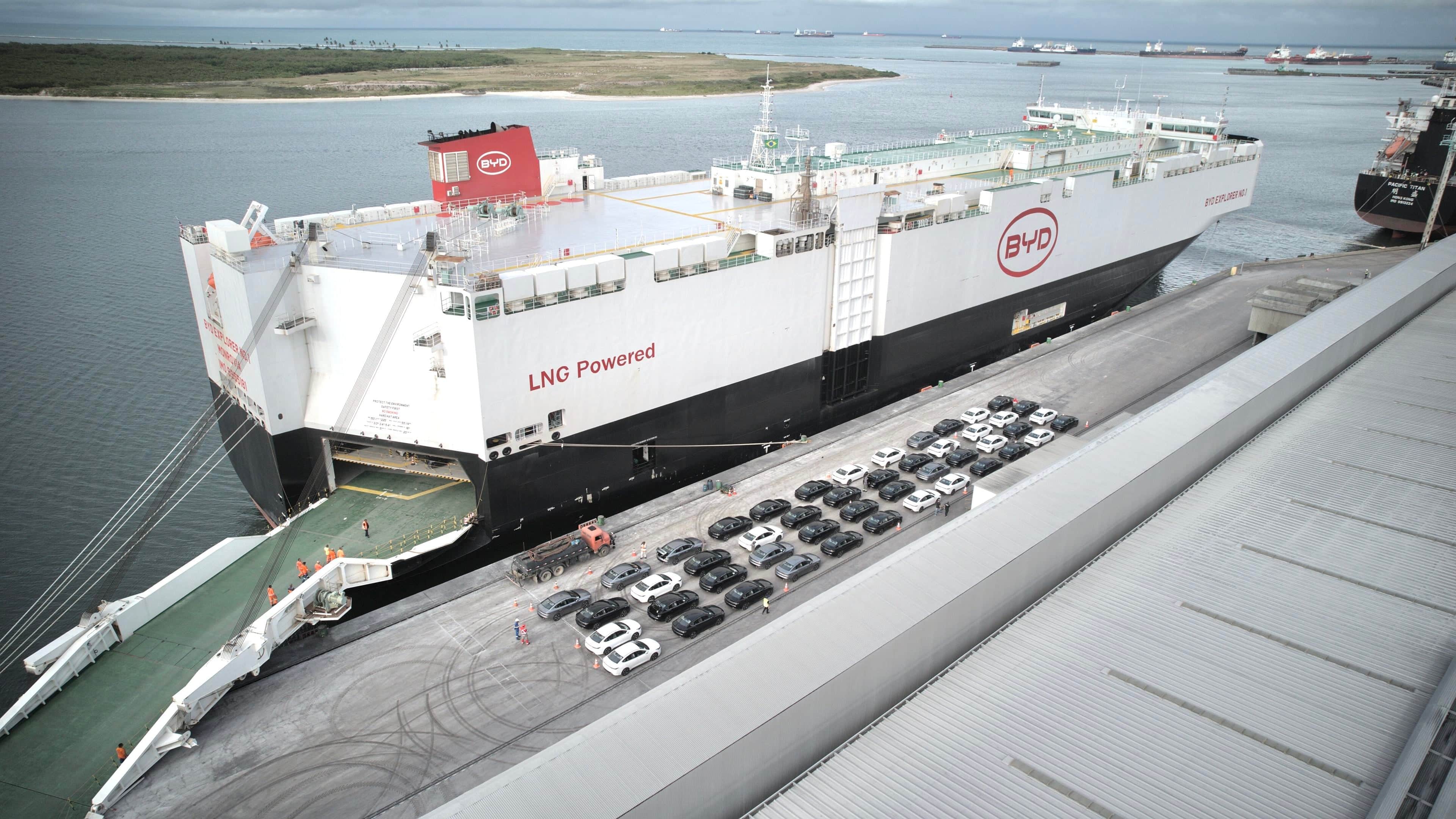
That system has been in place since March 1, 2026. Up to 49,000 China-built EVs a year can enter at a most-favoured-nation tariff of 6.1%, instead of the 100% surtax Canada imposed in 2024. In the Global Affairs report updated November 13, 2026, which was still the latest official update on November 19, importers had used 16,211 spots, leaving 32,789 for the quota year that ends February 28, 2027.
Imports have slowed sharply. Importers used 15,603 of the first-period spots in the six months to August 31, and the unused balance rolled into the second period that opened September 1. Since then, Global Affairs has recorded 608 imports: 603 in September, revised up from 328 in the October 9 report, none in October and five in November to the report date.

Monthly imports peaked at 5,982 in July 2026 and had fallen to five in November as of the November 13 report (Global Affairs Canada data)
Tesla (NASDAQ: TSLA), believed to be the quota's biggest user, stopped taking orders for its Shanghai-built Model 3 on October 12, 2026, saying its import quota was exhausted. Global Affairs does not publish figures by company. Permits are issued first come, first served, and the department can set aside part of the quota for automakers, including new entrants.
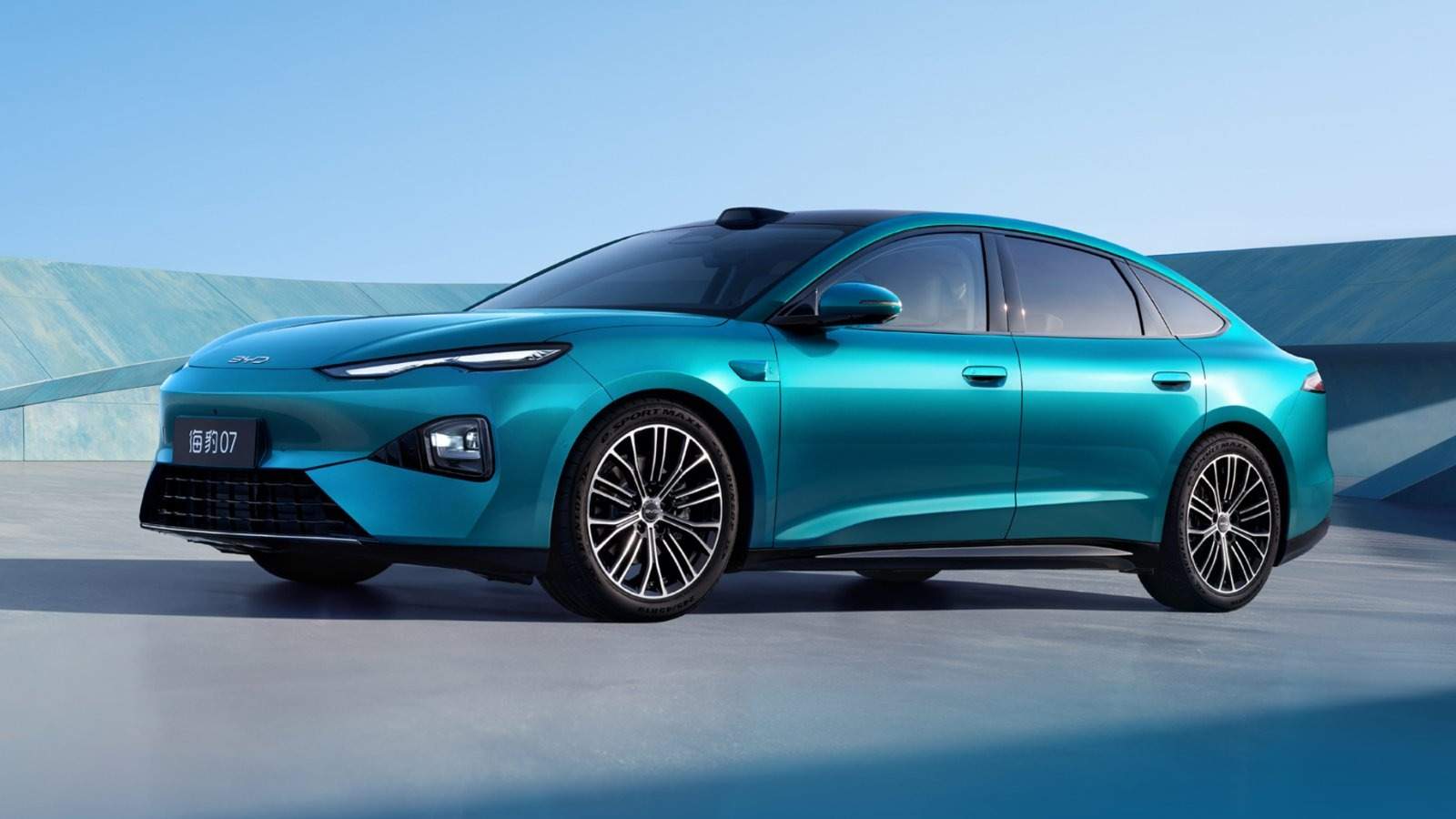
A Global Affairs backgrounder issued around the Shenzhen meetings said that in November, a second original equipment manufacturer based in China had fulfilled Transport Canada's requirements and had just started importing vehicles, with an expected import price of less than $35,000 CAD. The department did not name the company. A government spokesperson later said Geely had the green light. The November 13 quota report recorded five vehicles that month, including one electric SUV or van priced at or below $35,000 CAD, but it does not identify the importer, so those units cannot be assumed to belong to the new entrant.
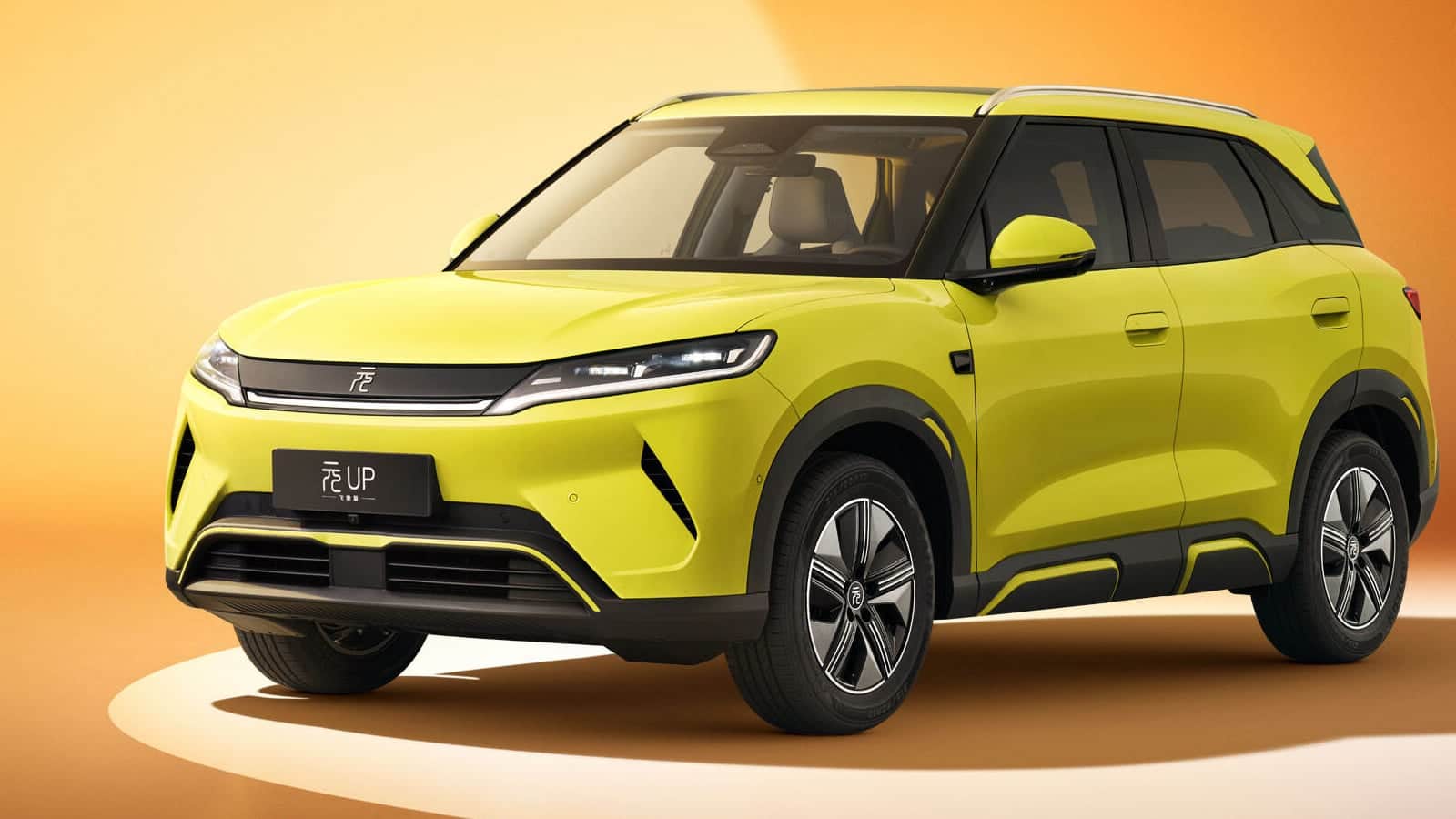
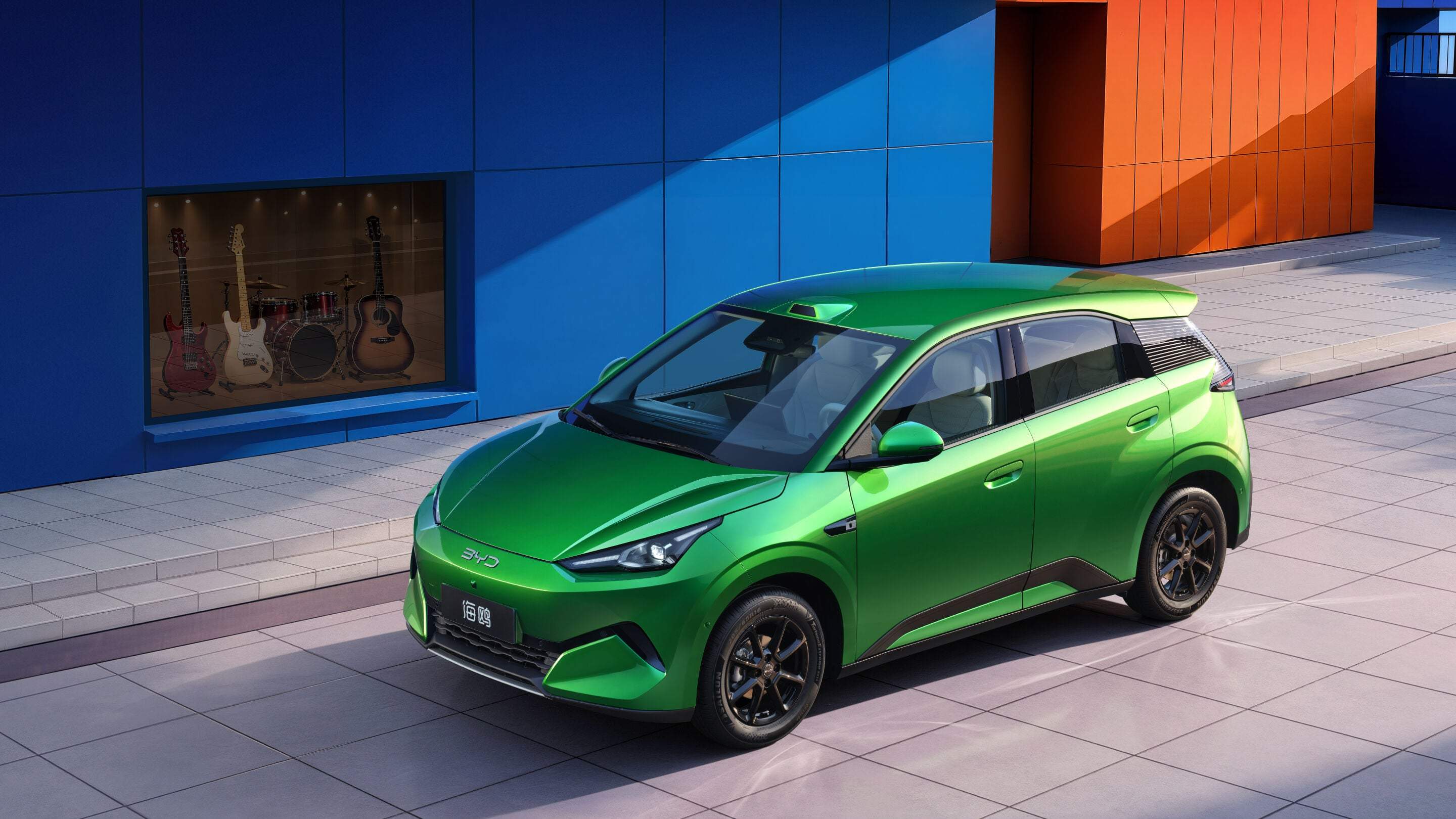
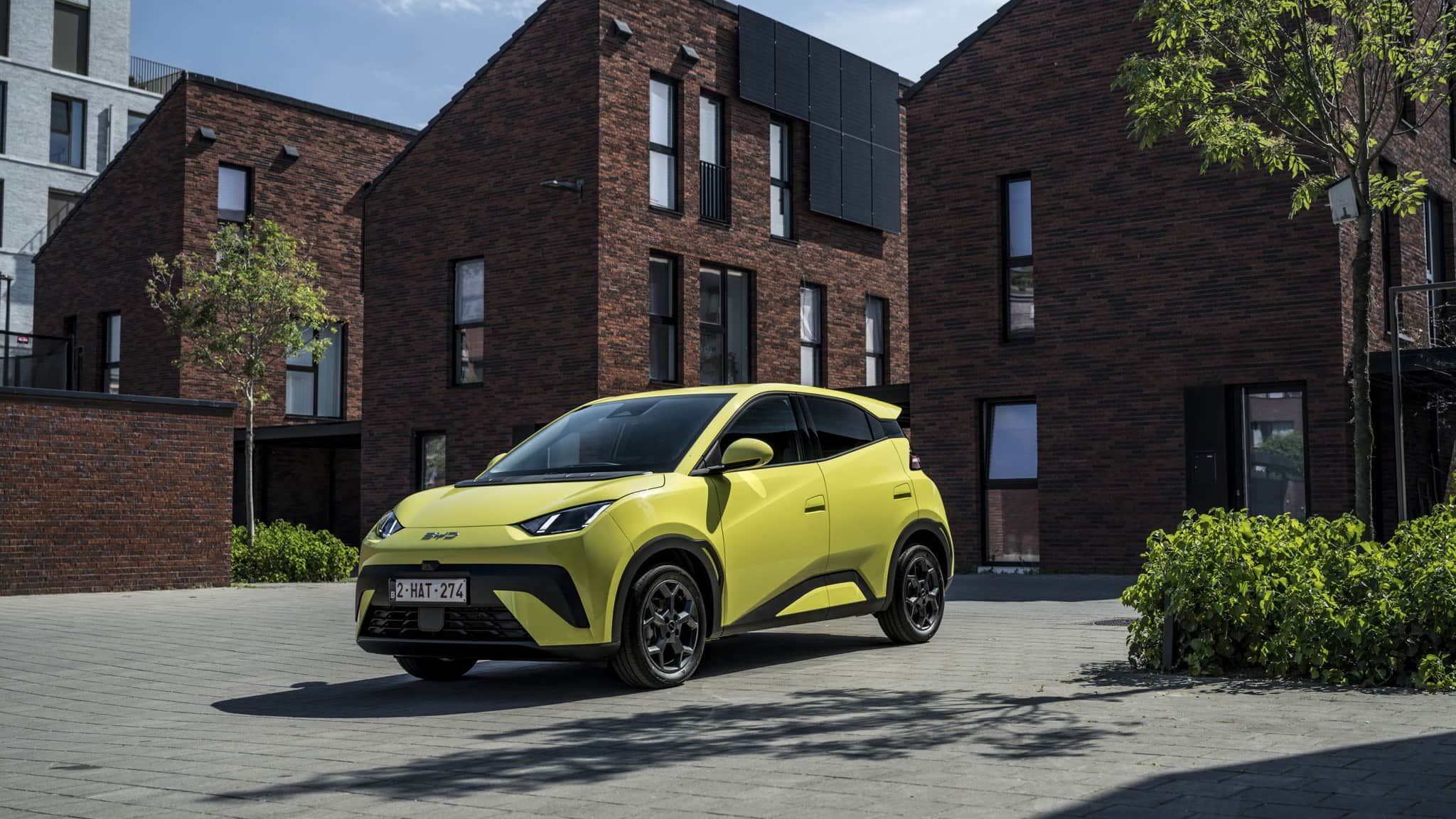
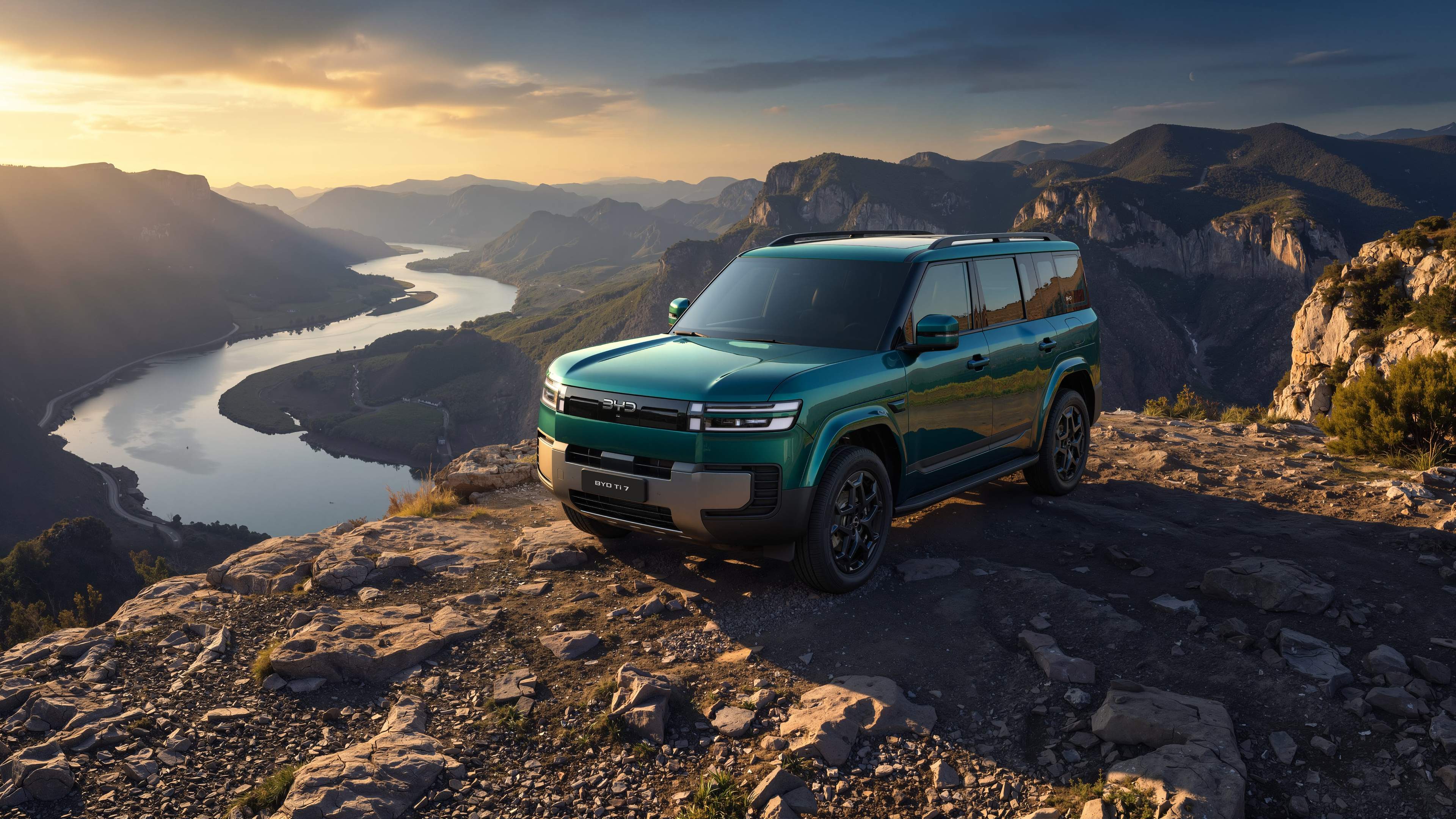
BYD (HKG: 1211) is often discussed as the first China-based brand in line for the Canadian market, but it is not taking orders on its Canadian site. BYD Canada's terms, last updated on November 18, 2026, still say the website does not currently permit purchases, leases, financing applications, reservations, pre-orders or deposits, and that vehicles will be sold through approved dealers.

The banner on the About page of BYD's Canadian site, as seen in mid-November 2026 (BYD)
Ottawa has been courting several brands. In June, Joly met BYD, Chery, Geely and Shanghai Launch Automotive Technology in China. International Trade Minister Maninder Sidhu met BYD, Chery and Geely during a trip to China earlier this month, and said Chinese makers were still studying the market before committing to plants. In January, the government said it expected significant Chinese auto investment in Canada within three years. After Shenzhen, that timetable is still a hope, not a contract.
The political risk still runs south. The United States keeps a 100% tariff on Chinese-made EVs, and Canadian officials have been trying to get Washington to scale back 25% tariffs on Canadian-made autos. Carney has said talks with the United States remain his priority, and that Chinese auto investment is not leverage in those talks.
Will any Chinese automaker accept a Canadian-controlled factory on Ottawa's terms, or will they keep shipping finished cars under a quota that is still two-thirds open?
GCEV Weekly · Every Tuesday
China's EV industry in five minutes.
Launches, sales, batteries and policy — the week's stories that matter, with the context the headlines leave out.
Sent by GigaCharts Inc. Questions? Write to globalchinaev@gmail.com. Unsubscribe anytime. See our privacy policy.