
Tesla threatens D1EV with police over unofficial FSD V14 test that lost to Aion


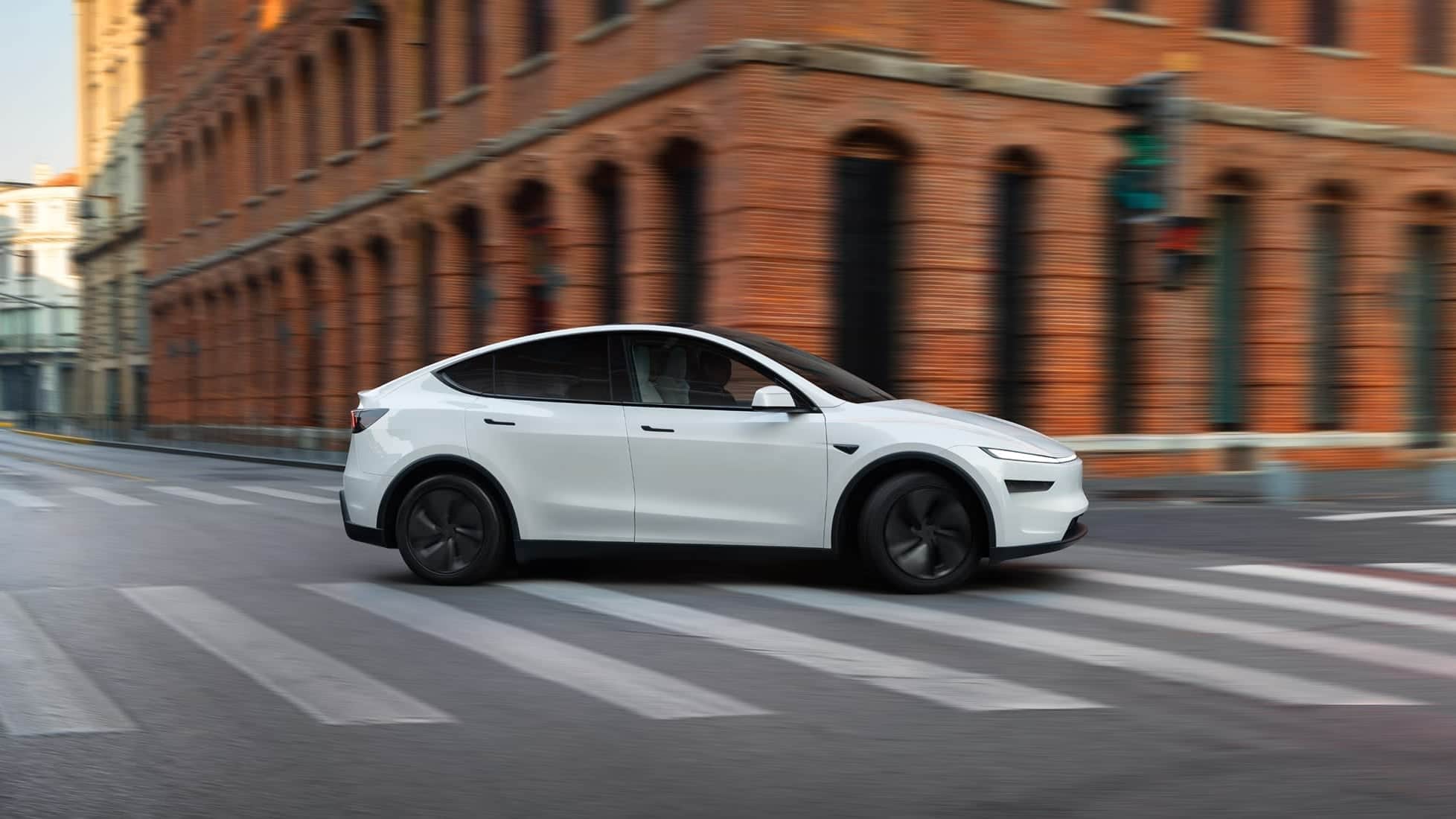
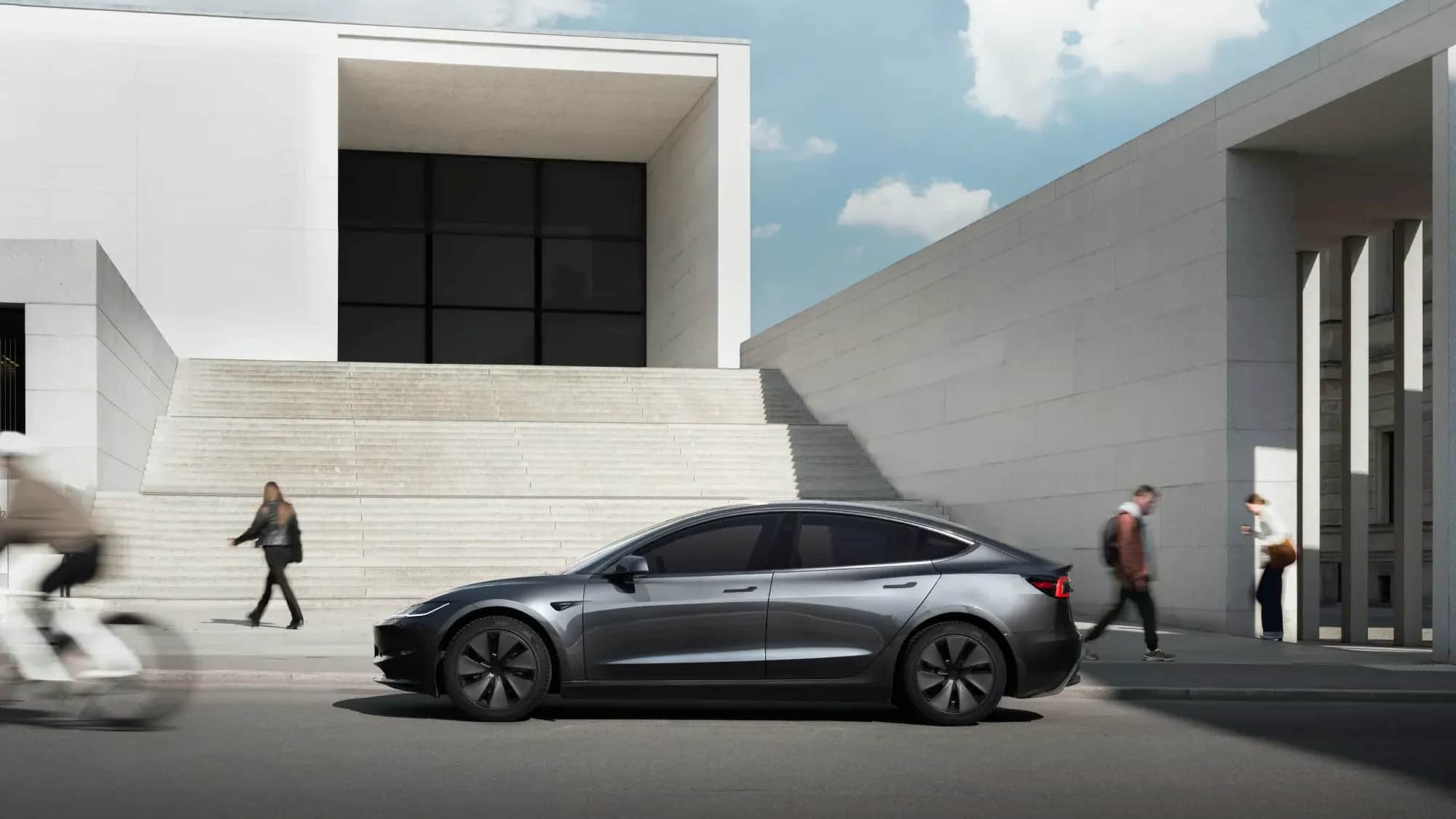
Tesla (NASDAQ: TSLA) has threatened to report Chinese EV media outlet D1EV to the police after it livestreamed a Model Y running what Tesla calls a cracked build of FSD V14, driver-assistance software Tesla has not been cleared to release in China. D1EV founder and CEO Pang Yicheng has refused to take the coverage down.
Pang posted the notice from Tesla (Shanghai) on Weibo on November 10, 2026, after first fielding calls from Tesla's PR team. It says the Tesla used in D1EV's November 8 Intelligent Driving Competition in Changsha had its driver-assistance software cracked and activated without authorization. That let a feature that should not run on that car in China operate on public roads, in a test streamed to the public.
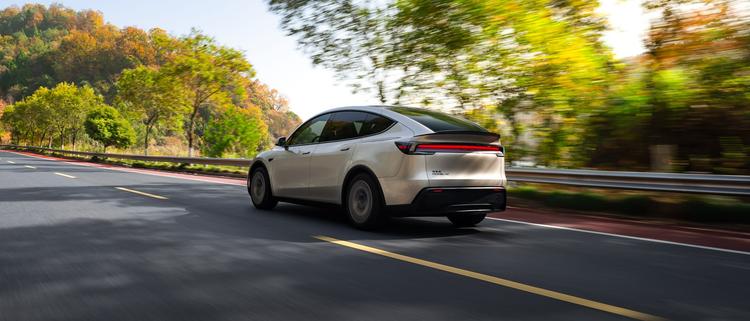
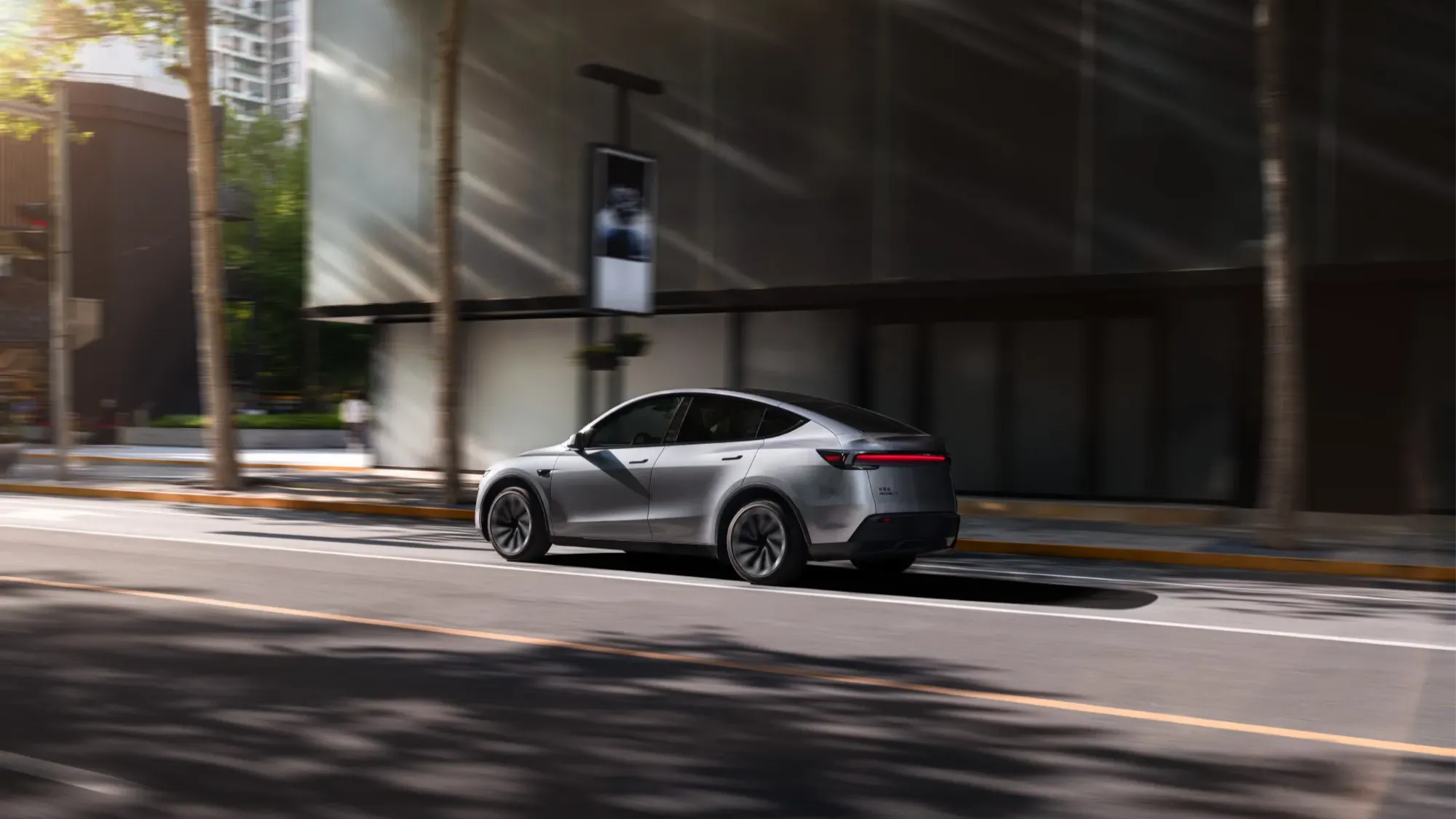
China-market Model Y L on a mountain road; no Tesla sold in China has an approved release of FSD V14 (Tesla)
Tesla also argues the broadcast breaks the Online Review Activity Rules that the Cyberspace Administration of China and the State Administration for Market Regulation issued in June 2026. Those rules require function and performance tests to be run by accredited testing institutions under recognized standards, and they bar comparing similar products with different standards or methods.
The letter makes four demands. D1EV must stop all cracking, activation, testing and distribution; delete every livestream replay, video, article and comment on the test and get reposting platforms to do the same; hand over the VIN of every car used within 48 hours so Tesla engineers can restore the factory software; and sign a company pledge never again to crack, reverse engineer or access Tesla systems without authorization.
If D1EV misses the deadline or keeps spreading the material, Tesla says it will report the case to public security authorities and seek criminal liability for those responsible. It has also reportedly threatened a civil suit over damage to its reputation.
Pang rejected the demands in a video. "If your legal department thinks action is necessary, then please act," he said, adding that D1EV does not believe the test broke any law or rule. He gave three reasons: D1EV had repeatedly asked Tesla for its official employee test build without success, he has been urging regulators to clear V14, and the Changsha run grew out of owners wanting to see how V14 copes with hard Chinese routes.
GCEV Weekly · Every Tuesday
China's EV industry in five minutes.
Launches, sales, batteries and policy — the week's stories that matter, with the context the headlines leave out.
Sent by GigaCharts Inc. Questions? Write to globalchinaev@gmail.com. Unsubscribe anytime. See our privacy policy.
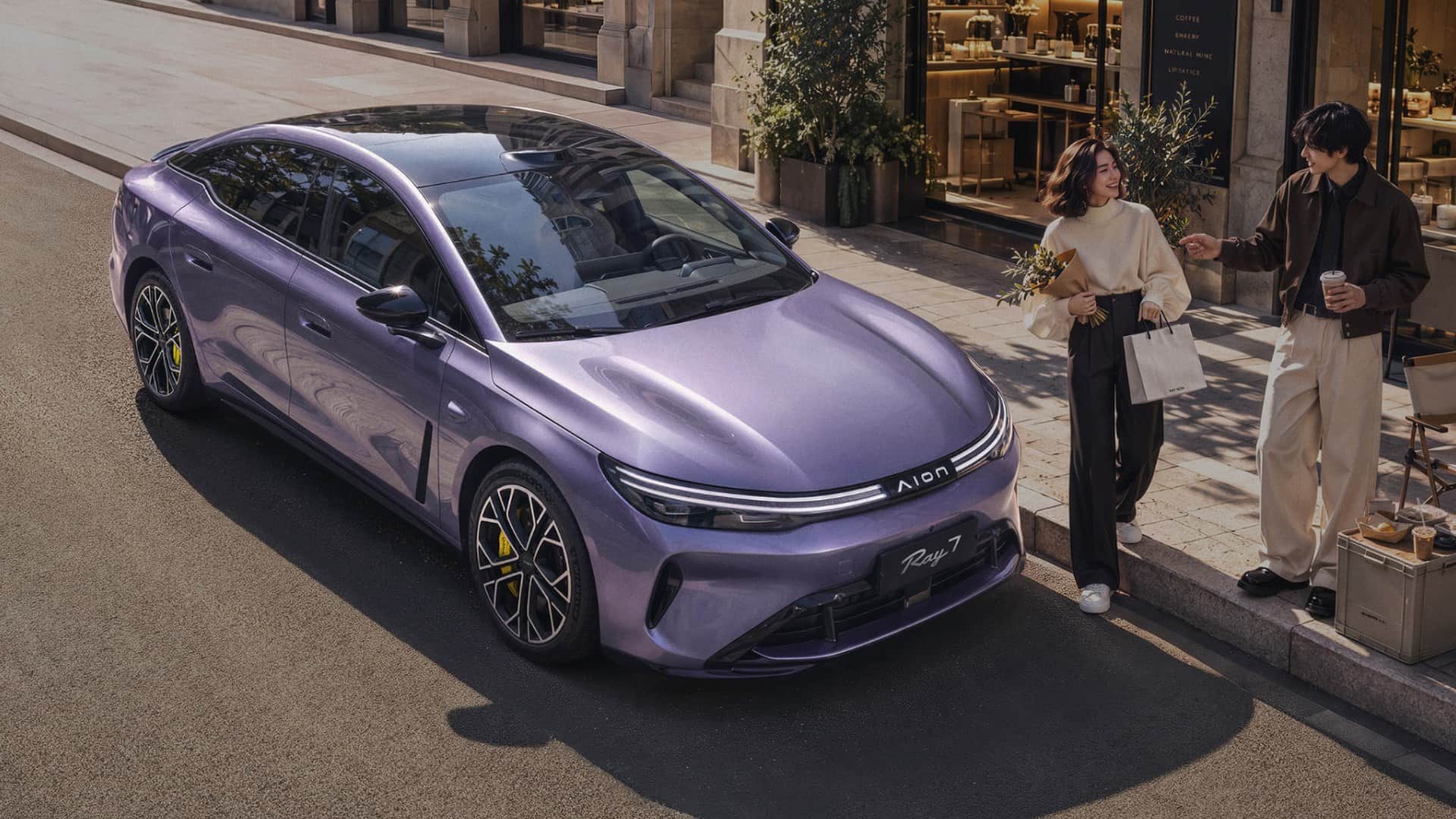
The Changsha leg pitted the Tesla, which D1EV's own posts identify as a Model Y L, on FSD V14.2.2, against a GAC (HKG: 2238) Aion Ray 7 running WeRide (NASDAQ: WRD) driver assistance. The route included reversing out of a parking space, a three-point turn on a narrow street, crowds on Changsha's Pozi Street and a parallel park at the finish. The Ray 7 won with 64.5 points to the Tesla's 56.76.
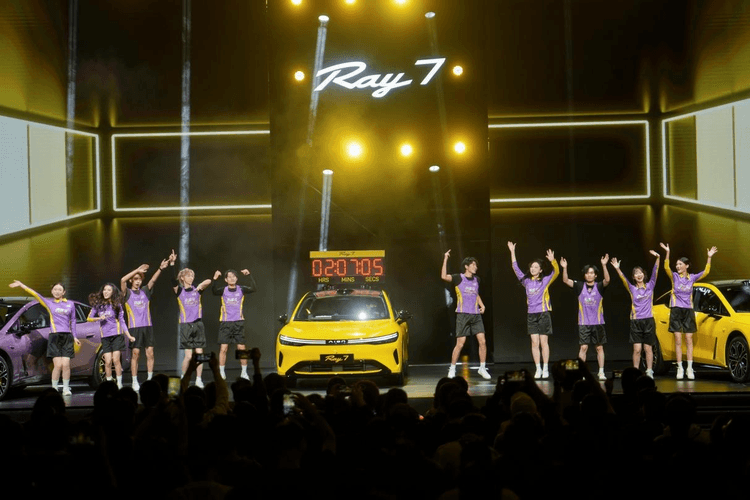
The Ray 7 at its presale event, where GAC named it an official car of the 2026 Beijing Marathon (GAC Aion)
Pang did not dismiss V14. He called its fundamentals the best in the world, with a higher ceiling than any Chinese rival, but said the build showed too little training on Chinese road data. After more than 800 km (497 miles) of highway, city, night and heavy-rain driving, he said the viral clips of V14 in China reflect survivorship bias. He put its distance per critical intervention at under 1,000 km (621 miles), better than Huawei and WeRide but not by an order of magnitude.
Tesla began a broad North American rollout of FSD V14 in October 2025, but the software has not completed regulatory approval in China. Owners there have paid 64,000 CNY (c. $9,525) for the package without getting the North American features. Tesla said on May 21, 2026 that supervised FSD could be used in China, and its CFO said on April 23, 2026 that Tesla was aiming for full approval in China in the third quarter. That quarter has passed without a full release.
The gap has fed a grey market. Unlock tools sell for a few hundred yuan on Chinese e-commerce platforms. In April 2026, Tesla began warning owners that it would cut off services to cars found using such devices, that owners would bear full responsibility for any crash and that it could refuse warranty repairs. Some Chinese owners caught using them have since lost FSD permanently with no refund.
The letter has also drawn comparisons with a June 2026 clip of a Tesla on V14 driving a cliffside mountain road in China, shot by a Chinese owner and reposted by Tesla's official account and Elon Musk to tens of millions of views.
Regulators abroad are already acting on unlock devices. On October 27, 2026, Seoul police booked 80 people for switching on FSD with devices bought in Europe and China or built at home, and seized 21 devices. The charges fall under Korea's Motor Vehicle Management Act, which carries up to two years in prison or a fine of up to 20 million won (about $15,000).
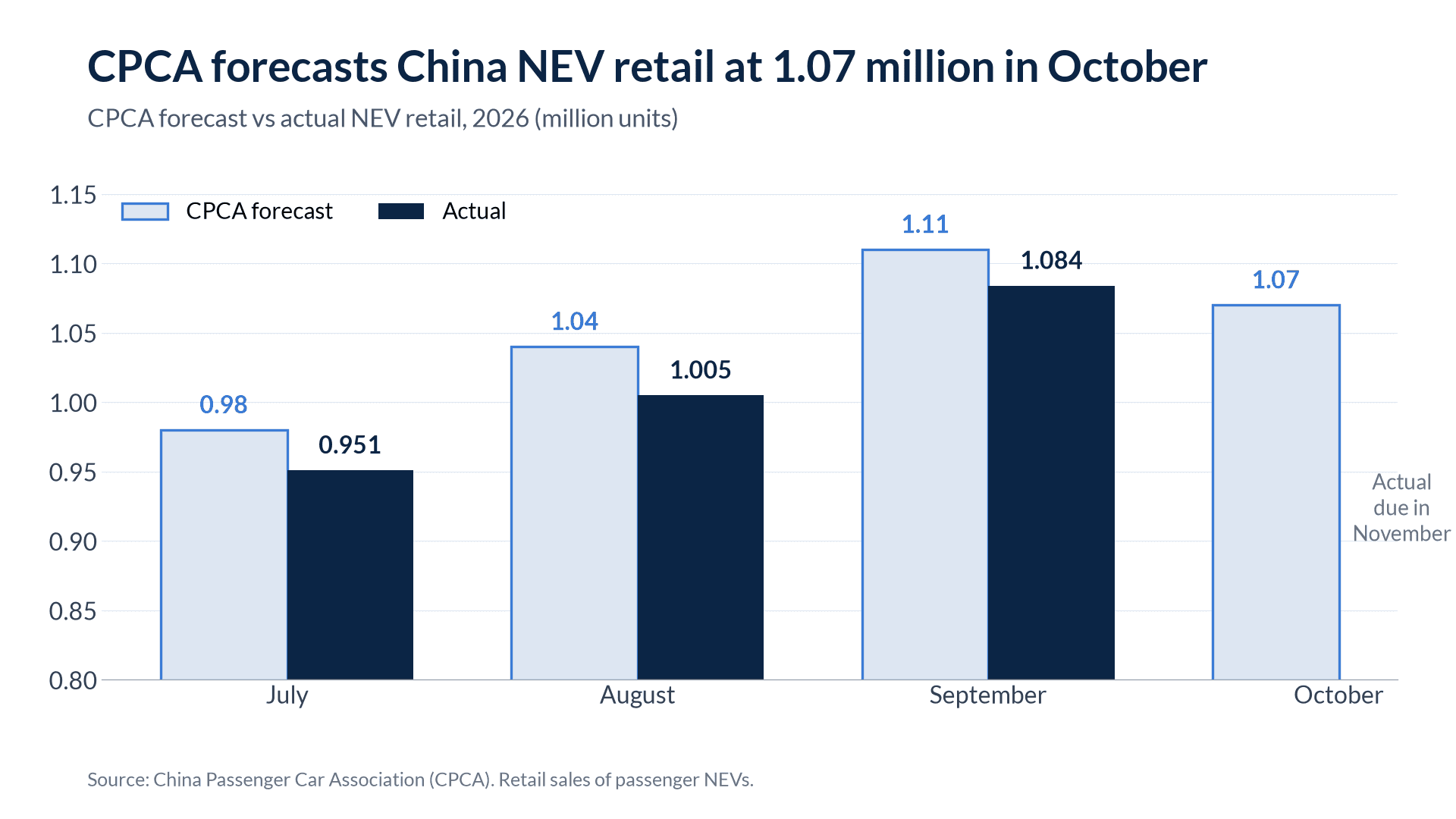
The fight lands as Tesla's China business weakens. Its domestic sales fell to 8,817 in October from 64,837 in September, down 66% from a year earlier and the lowest monthly total since July 2022, as Tesla China exported 59,012 of the 67,829 vehicles it shipped. The Model Y made up 7,807 of the domestic total.
The Ray 7 is a 4,960 mm electric sedan with a Huawei DriveONE drive unit and a 0.22 drag coefficient. It carries 27 driver-assistance sensors, including a 192-line Huawei lidar and three 4D radars, and runs a model GAC says comes from the same source as WeRide's L4 robotaxi system.
The Ray 7 that beat the Tesla goes on sale on November 12, 2026, with presale prices of 128,800 CNY (c. $19,169) to 158,800 CNY (c. $23,634), and GAC markets its WeRide system as an eight-time winner of the same competition series. Whether Tesla files a police report after its 48-hour deadline will show how hard it will push to keep V14 off Chinese roads before regulators let it on.
Conversion rate: 1 USD = 6.7191 CNY as of November 11, 2026.
GCEV Weekly · Every Tuesday
China's EV industry in five minutes.
Launches, sales, batteries and policy — the week's stories that matter, with the context the headlines leave out.
Sent by GigaCharts Inc. Questions? Write to globalchinaev@gmail.com. Unsubscribe anytime. See our privacy policy.