
Canada weighs keeping Chinese EVs off military sites as Geely gets green light

Canada will look at whether Chinese-made electric vehicles should be kept away from military bases and government buildings, Transport Minister Steven MacKinnon said on November 18, 2026. The review comes days after Ottawa confirmed that a second China-based automaker has cleared Transport Canada's requirements and started importing vehicles.
Asked whether the government would limit Chinese EVs' access to military and government facilities, MacKinnon said the question would be "part of a more cross-governmental review" involving Public Safety and other departments. Pressed on why Canada would import cars that might need location limits, he said the government watches for the risks that connected vehicles bring. He gave no timeline and did not say which brands or models the review would cover. No restriction has been announced.
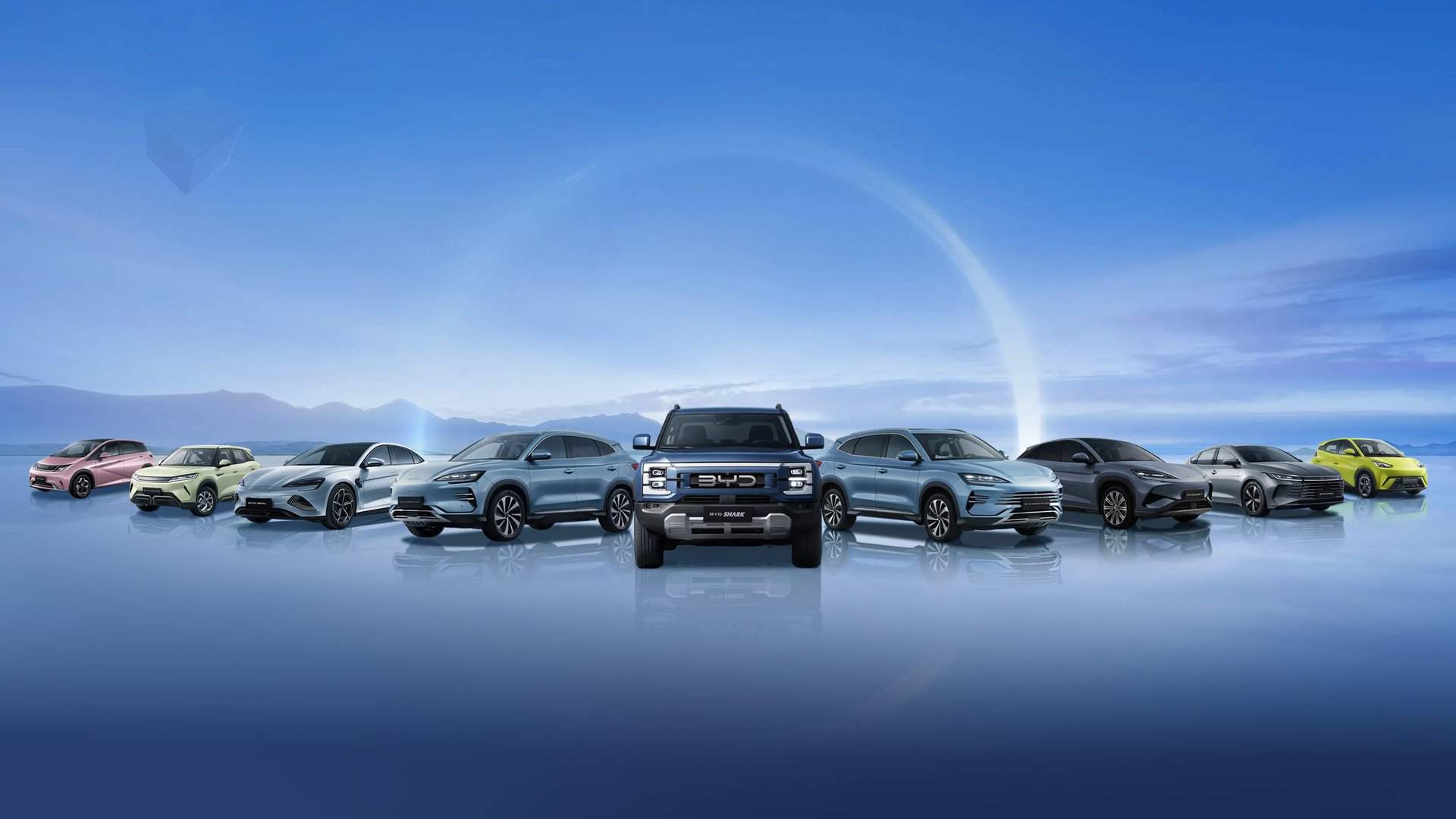
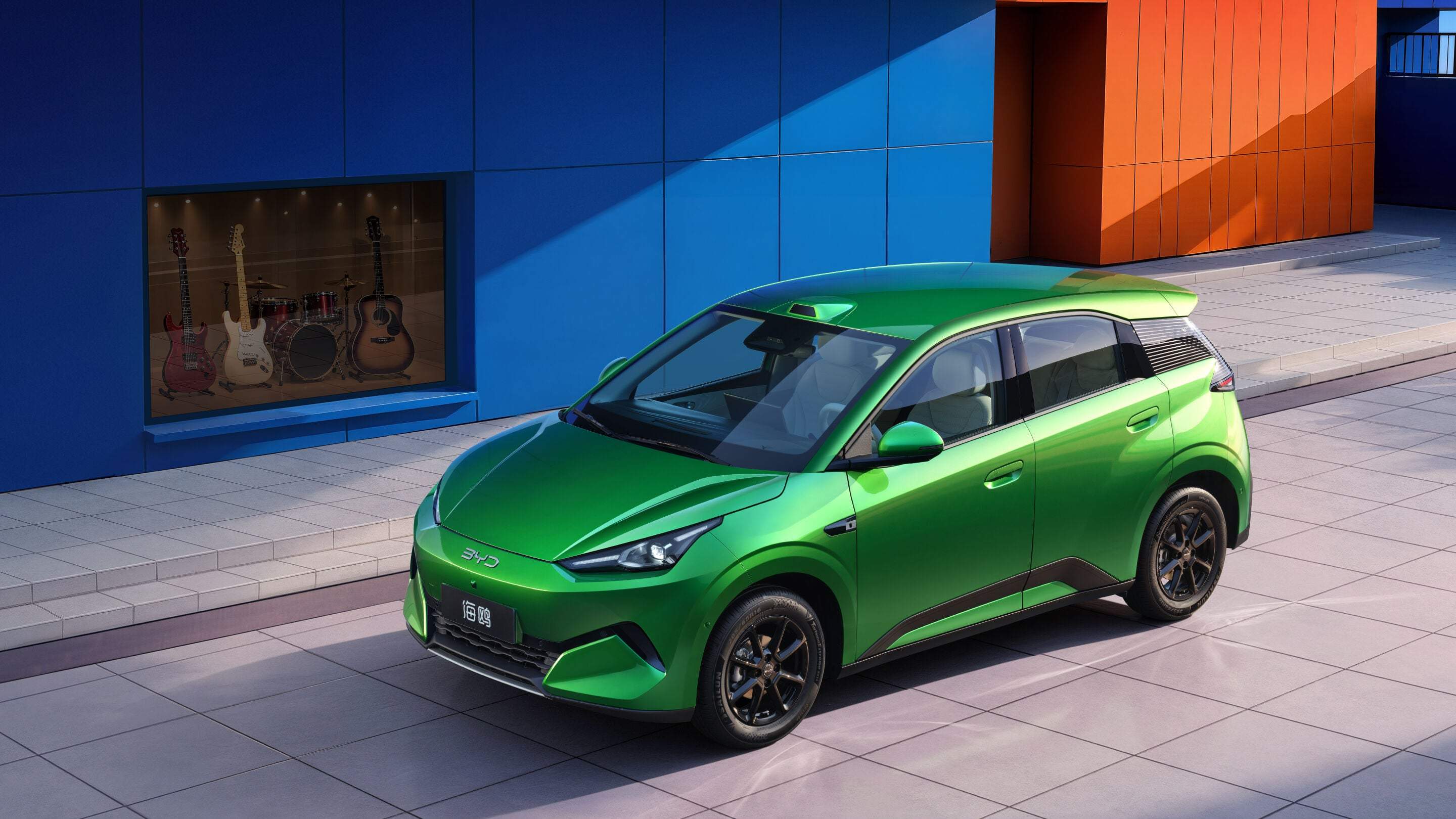
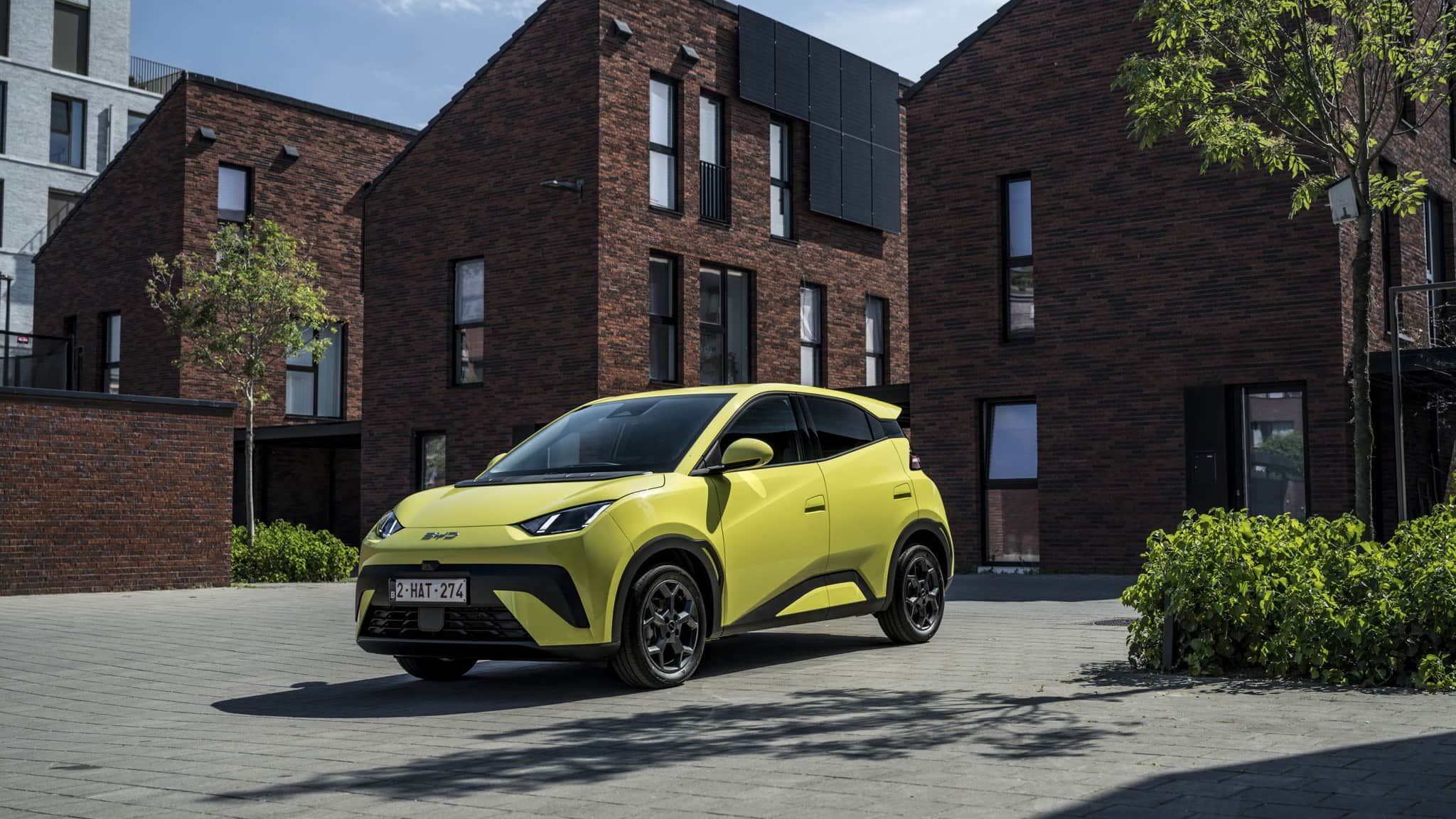
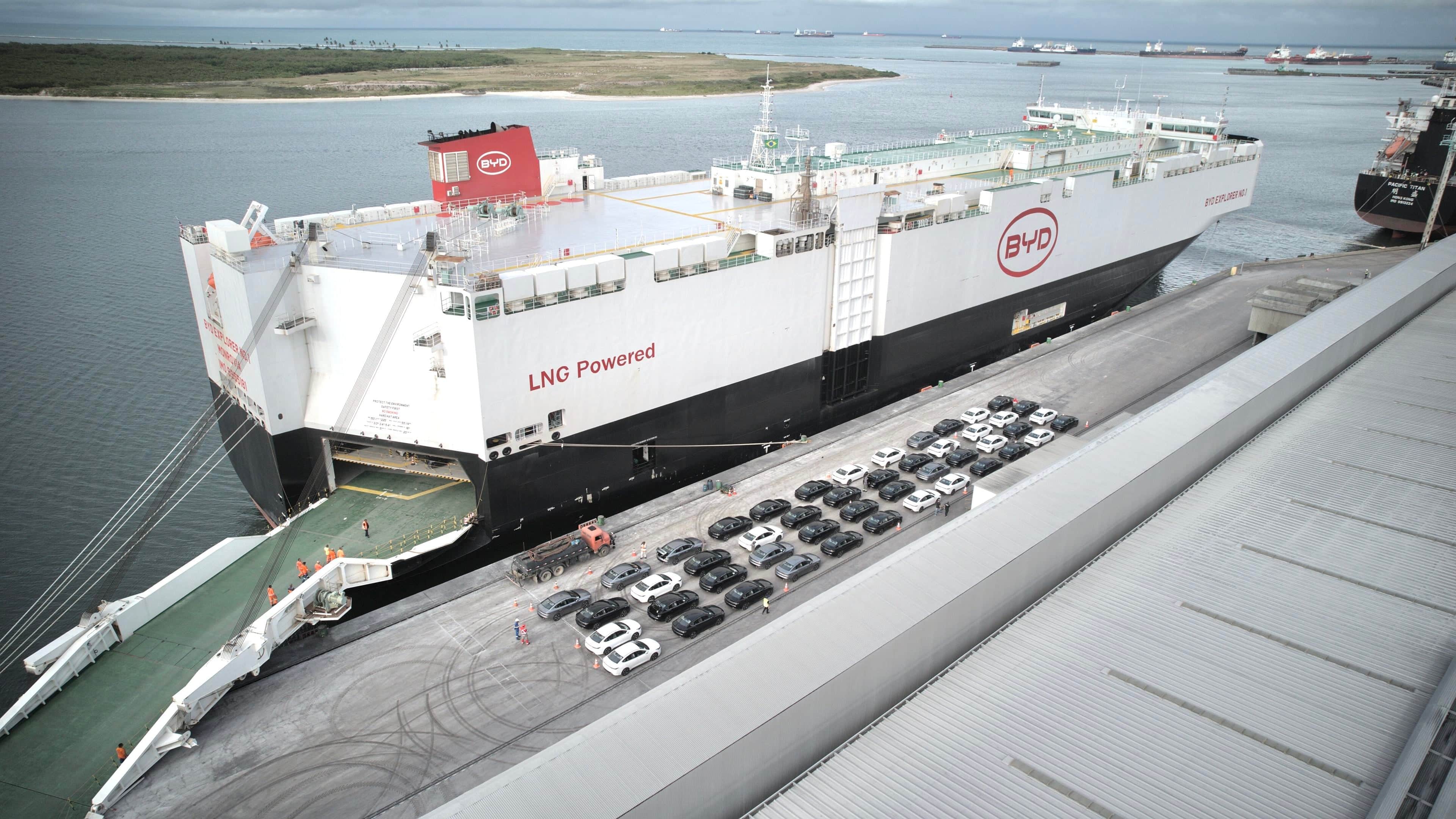
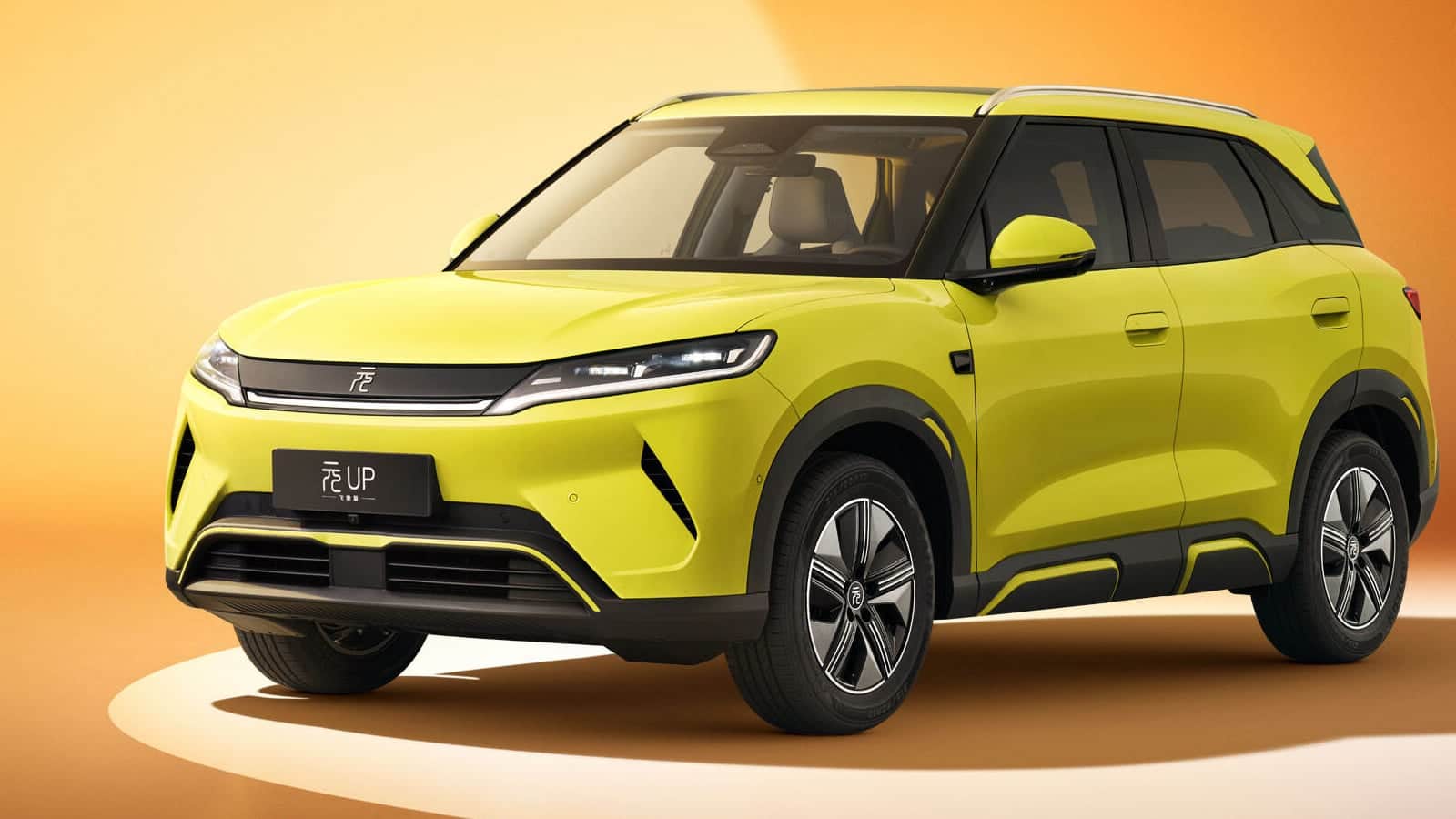
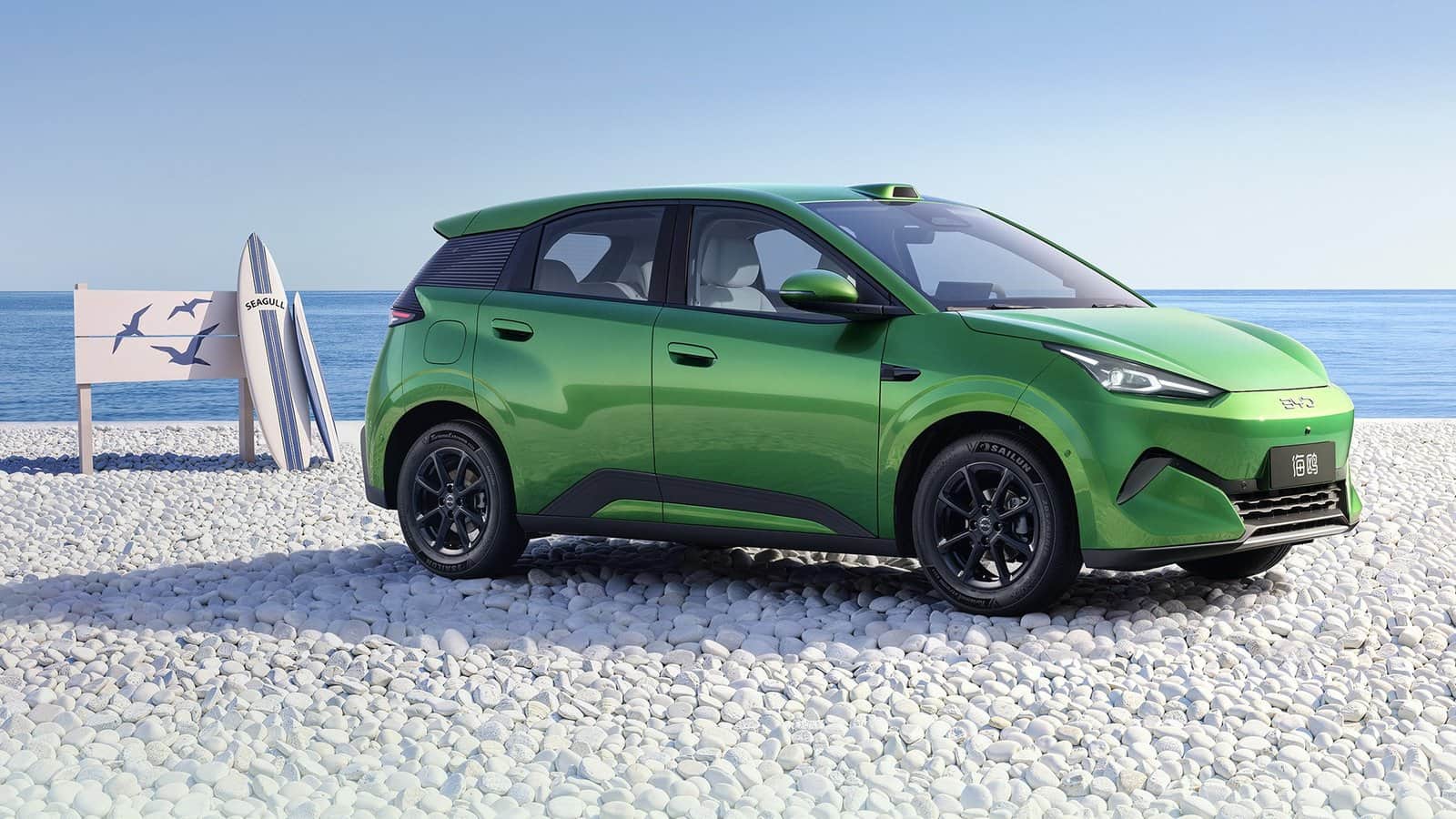
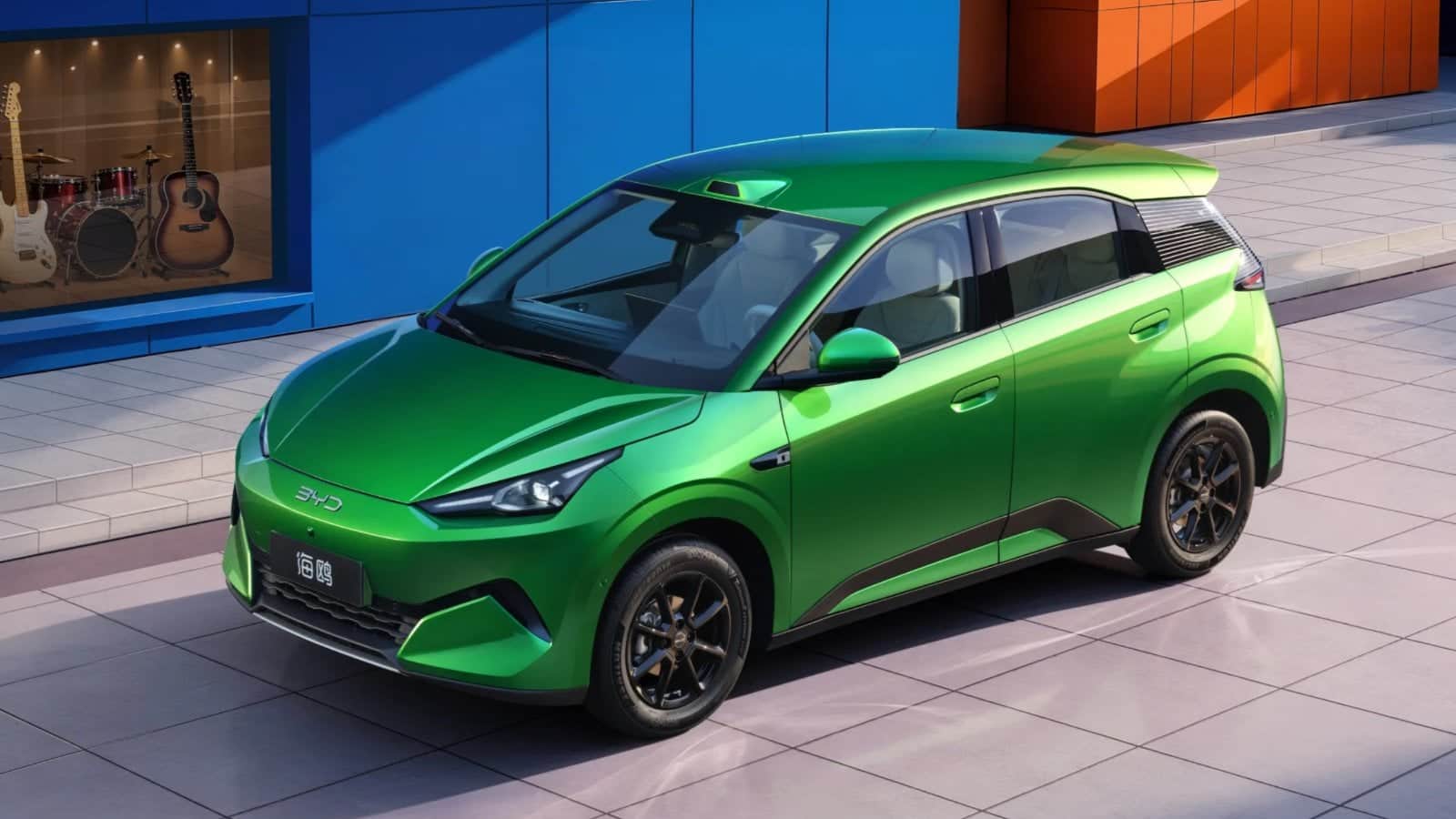
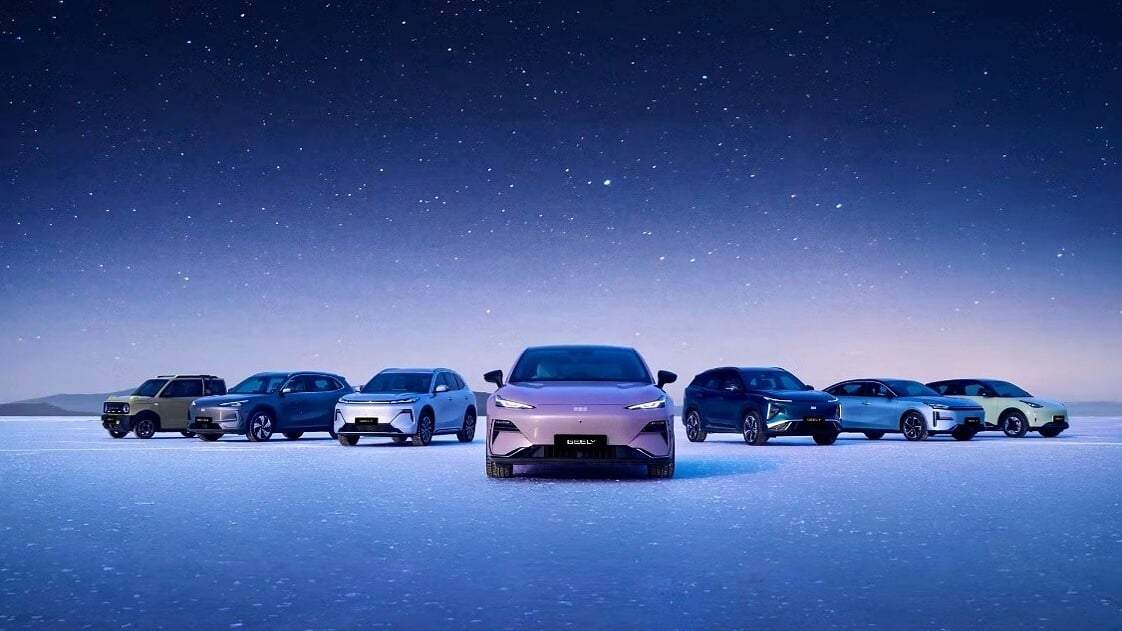
The newcomer is Geely Automobile (HKG: 0175). A Global Affairs Canada backgrounder issued for the Carney-Xi meeting in Shenzhen said that in November, a second China-based manufacturer had met all Transport Canada requirements and had just started importing vehicles, with an expected import price under $35,000 CAD. A government spokesperson then confirmed Geely now has the green light, following earlier approvals for BYD (HKG: 1211). MacKinnon said Transport Canada is still certifying some other Chinese automakers.
Those imports draw on the quota agreed in January and in force since March 1, 2026, which lets up to 49,000 China-built EVs a year in at a 6.1% tariff rather than the 100% surtax. In the Global Affairs report updated November 13, 2026, importers had used 16,211 spots, leaving 32,789 for the quota year that ends February 28, 2027. November showed five vehicles, one of them an electric SUV or van valued at or below $35,000 CAD.
So far, most of those cars have not come from Chinese brands. Conservative critic Adam Chambers said he had been told that 90 per cent of the quota had gone to Tesla (NASDAQ: TSLA), which ships the Model 3 from Shanghai. MacKinnon said he did not have recent numbers but acknowledged that some of the quota had gone to Tesla vehicles. International Trade Minister Maninder Sidhu has said the majority of imports were Teslas costing around $40,000, and Tesla paused orders for the Shanghai-built Model 3 Premium in October, saying its quota was exhausted.
GCEV Weekly · Every Tuesday
China's EV industry in five minutes.
Launches, sales, batteries and policy — the week's stories that matter, with the context the headlines leave out.
Sent by GigaCharts Inc. Questions? Write to globalchinaev@gmail.com. Unsubscribe anytime. See our privacy policy.

Tesla ships the Model 3 to Canada from Shanghai; Trade Minister Sidhu says Teslas make up most quota imports so far (Tesla)
The security worry is not new inside government. A Public Safety Canada memo obtained under access-to-information law and reported in June said the data connected vehicles collect on Canadians "can have intelligence value", and that unauthorized access could be used to map people's routines or watch sensitive sites. It warned that Chinese national security laws can compel manufacturers to share data with their government. It also said the government was assessing whether it needs additional tools.
Jody Thomas, a former national security adviser to Justin Trudeau, has gone further. She said she "would not buy a Chinese EV" and that anyone who buys one should understand that information on what they do and where they go will be sent to the Chinese government. Ontario Premier Doug Ford has also repeatedly raised concerns about what Chinese cars can collect. The federal government says the quota will represent about 3% of Canada's auto market.
Several of Canada's allies already limit Chinese cars at defence sites, though in different ways. In October 2026, the U.S. Air Force's 18th Wing barred BYD vehicles from Kadena Air Base on Okinawa, citing an "unacceptable and unmitigable risk" to personnel and the mission. The ban reportedly covers private cars, taxis, delivery trucks and contractor vehicles. The Pentagon had listed BYD as a Chinese military company in a Federal Register notice published June 10.
Germany's approach targets features rather than flags. Lists circulating in the Bundeswehr reportedly named BYD, Geely and NIO (NYSE: NIO) models that could no longer enter security-sensitive sites, leaving soldiers to park outside. But on November 11, Defence Ministry spokesperson Colonel Mitko Müller said there was no blanket ban by country or manufacturer. Local security officers can bar smart vehicles from specific sites because of their sensors and communications equipment, whatever the brand or origin, so in practice German-made cars with similar equipment could be covered too.
The United Kingdom, Poland and Czechia have full or partial bans on Chinese vehicles at military bases, and Poland has told service members not to connect their work phones to those cars. The United States has gone further for civilian buyers. A Commerce Department rule bars the sale of connected vehicles from Chinese- or Russian-controlled manufacturers, and of vehicles using their covered software, from the 2027 model year.
U.S. Ambassador Pete Hoekstra said in March that China-built cars could come into Canada, but "They're not going to cross the border into the US". For Canadian buyers, the review MacKinnon described is narrower. It is about where a car can go, such as a base or a federal office, rather than whether it can be sold here.
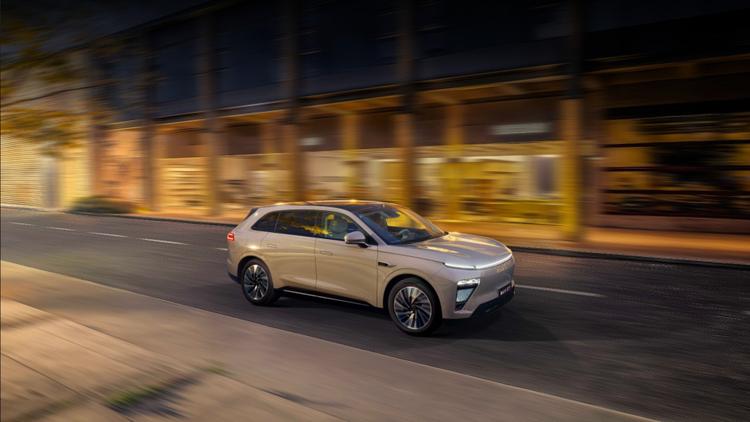
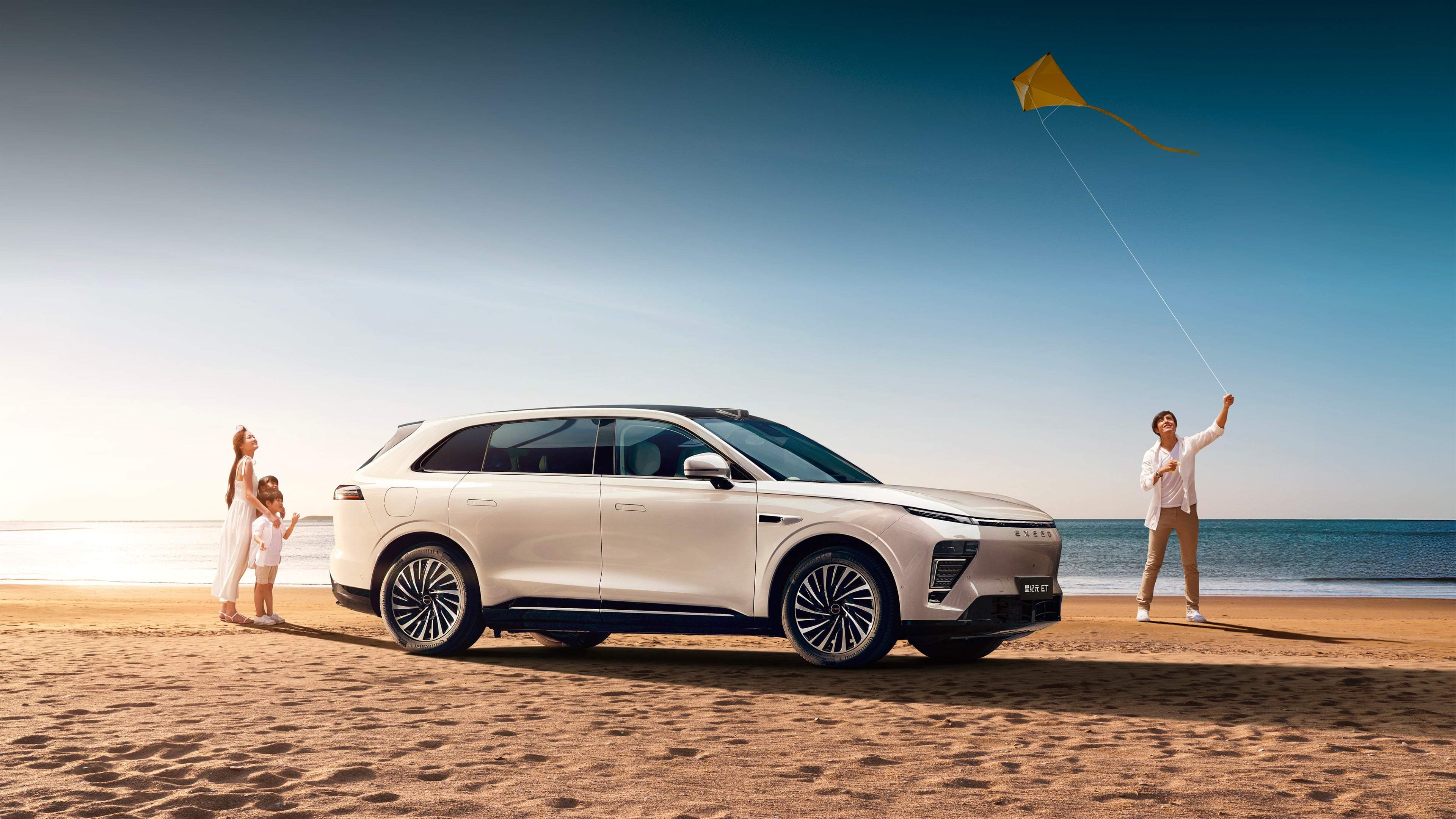
The China-market Exeed ET, which Chery plans to sell in Canada as the Jaecoo ET from early 2027 (Exeed rendering)
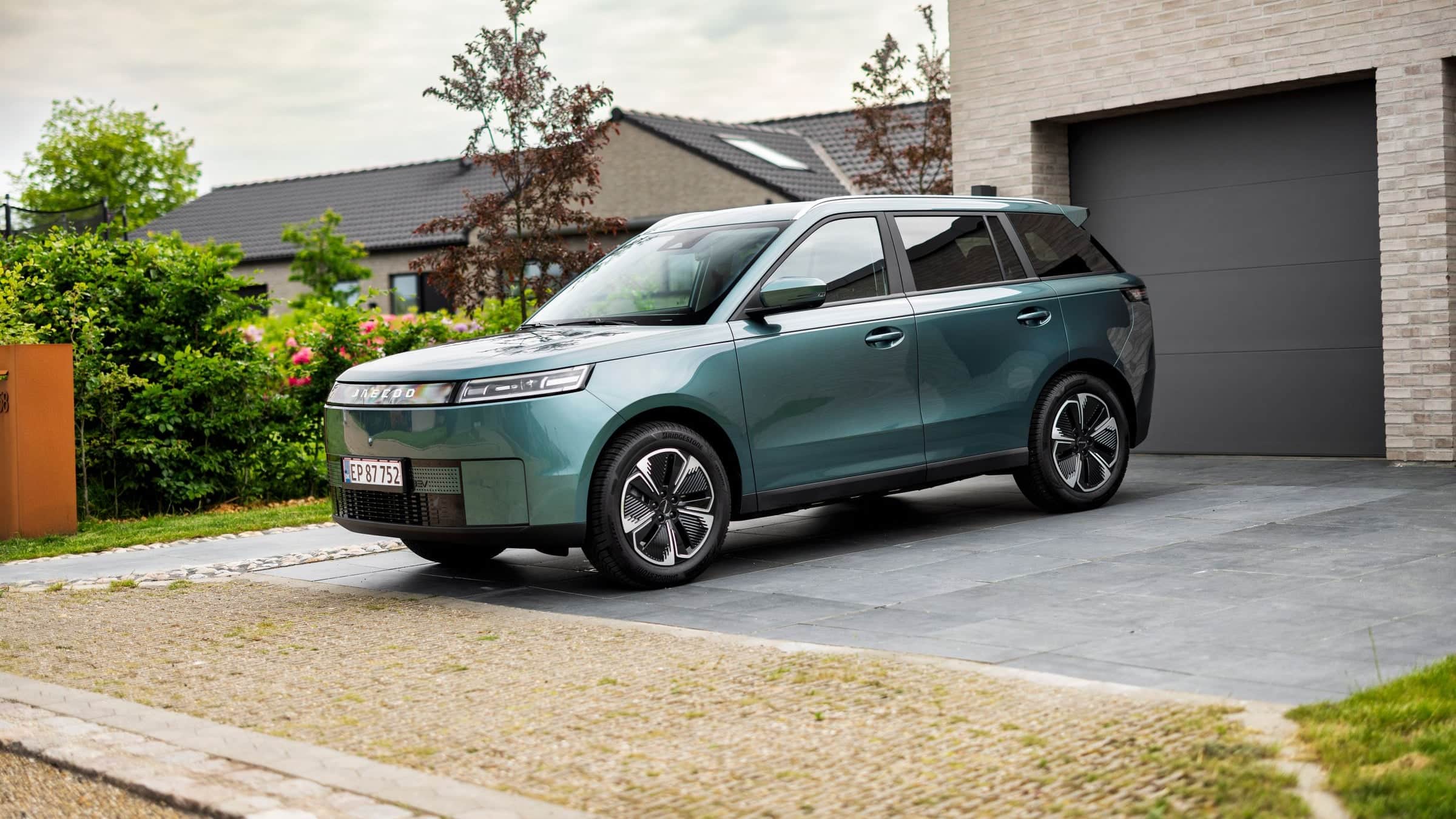
The brands lining up are still months away from showrooms. Geely says its first vehicles will reach Canadian buyers in 2027. Chery Automobile (HKG: 9973) plans to start its Jaecoo and Omoda brands with about 12 dealers in British Columbia, Ontario and Quebec, led by the Jaecoo ET electric crossover in early 2027. Roughly 40 dealers have approached the company. BYD's Canadian site, in terms updated November 18, 2026, still does not permit purchases, reservations, pre-orders or deposits.
If Ottawa follows Germany, any car with certain sensors could be kept out of sensitive sites. If it follows Kadena, the rules would name brands. Which approach will Canada choose before the first Chinese-brand models reach its dealers?
GCEV Weekly · Every Tuesday
China's EV industry in five minutes.
Launches, sales, batteries and policy — the week's stories that matter, with the context the headlines leave out.
Sent by GigaCharts Inc. Questions? Write to globalchinaev@gmail.com. Unsubscribe anytime. See our privacy policy.