Global NEV share hits 24.1% in 2026 as China supplies 62% of world's NEVs
On September 1, 2026, Cui Dongshu, secretary general of the China Passenger Car Association (CPCA), published new figures showing worldwide sales of new energy vehicles reached 13.52 million units in the first seven months of 2026, out of 56.11 million total vehicles sold. That puts the global NEV market share at 24.1% for the period.
Within that total, battery-electric vehicles accounted for 16.8% of all vehicles sold worldwide, plug-in hybrids held 7.3%, and conventional (non-plug-in) hybrids added another 8.1%, according to the data. When those non-plug-in hybrids are folded into a broader electrified-vehicle count, the combined total reaches roughly 18.07 million units, or about 32.2% of global vehicle sales in the same seven-month window.
The global penetration rate has climbed every year this decade: 13.1% in 2022, 15.9% in 2023, 19.5% in 2024, 23.6% in 2025, and now 24.1% through July 2026. The gain from 2025 to 2026 is far smaller than the jump seen between 2023 and 2024, a sign that the pace of global electrification, while still positive, may be starting to level off.
Advertisement – Continue scrolling for more
Adoption remains sharply uneven by country. Norway led the world with an NEV penetration rate of 81%, followed by the United Kingdom at 35% and Germany at 32.6%, while the United States trailed at just 7% and Japan at only 4%, the report found.
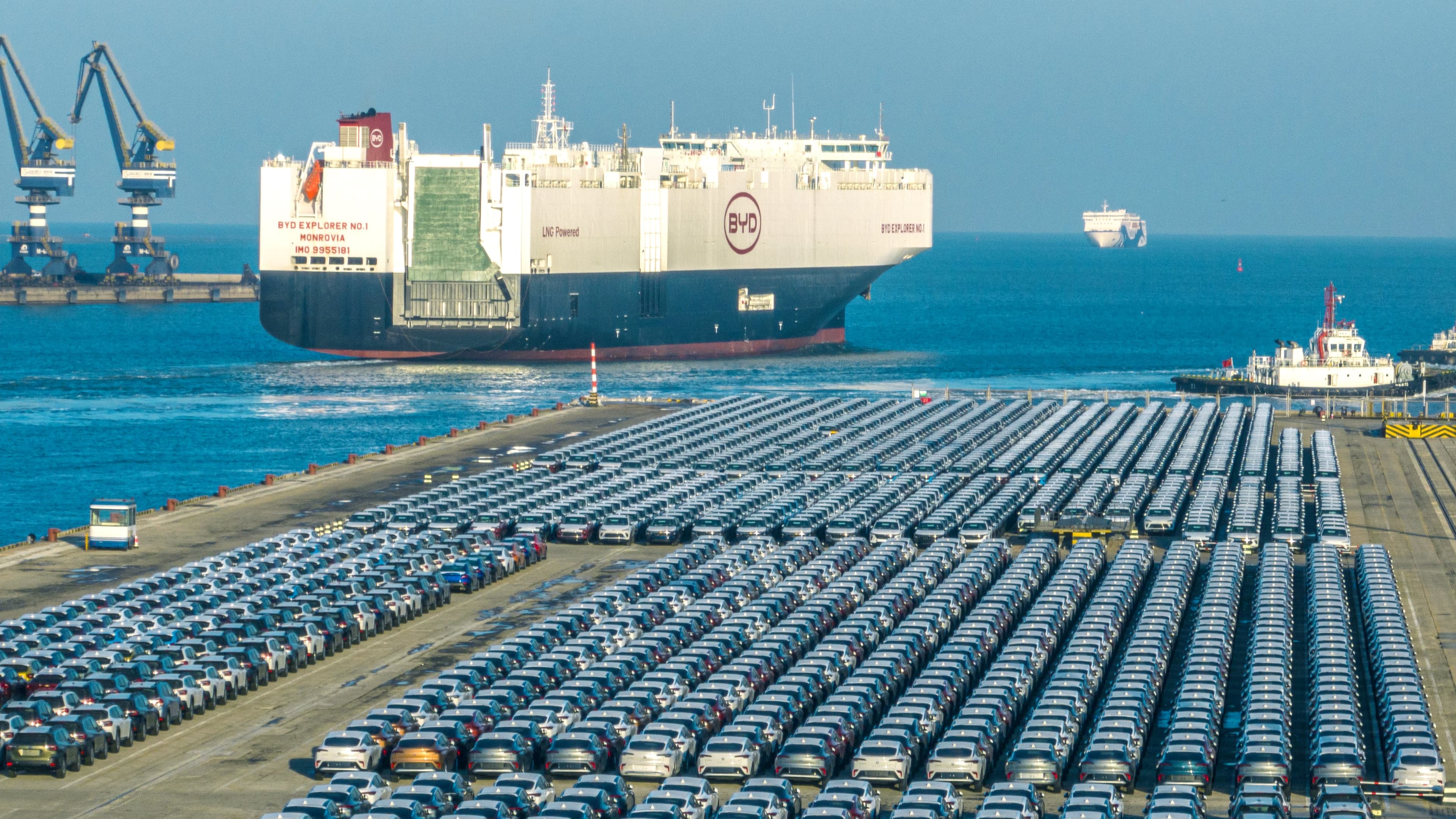
China continued to dominate global NEV output, accounting for 62% of all new energy vehicles sold worldwide from January through July and climbing to 65.3% in July alone. That is down from China's full-year share of 68.3% in 2025, even as EV adoption accelerates elsewhere in the world.
That figure describes China's share of global NEV output, which is a separate measure from how electrified China's own domestic market has become. By that second measure, China's own new-energy penetration rate reached 47.8% of its home auto market for the year to date and 56.8% in the third quarter alone, a figure the report placed alongside domestic penetration rates of 30.3% for France, 58.2% for Sweden, 25.2% for South Korea, and 16.2% for Italy.
Advertisement – Continue scrolling for more
The gap was widest in plug-in hybrids, where China supplied 71% of the world's PHEV sales through July and 74% in July alone, against a full-year high of 76.4% in 2025. China's share of the global battery-electric market held closer to 58% for the January-through-July period, a dip the report attributed to a softer start to the year, before recovering to 62% in the third quarter.
Within the NEV category itself, the mix has shifted further toward plug-in hybrids over time. Battery-electric vehicles made up 69.7% of global NEV sales through July 2026 and plug-in hybrids the remaining 30.2%, compared with a roughly 79%-to-21% split back in 2021, as automakers lean more on PHEVs to ease range anxiety in markets where fast-charging networks remain thin.
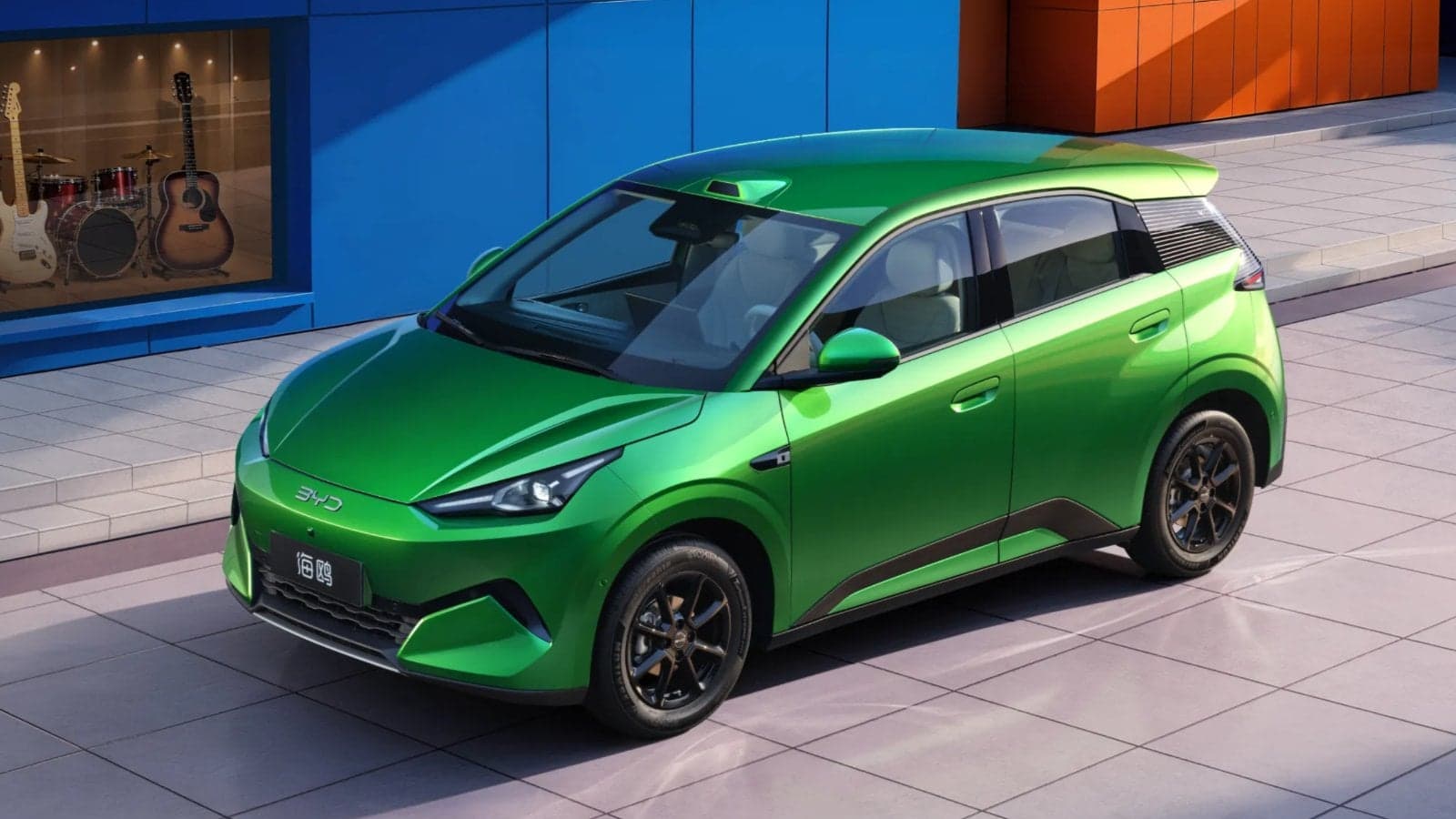
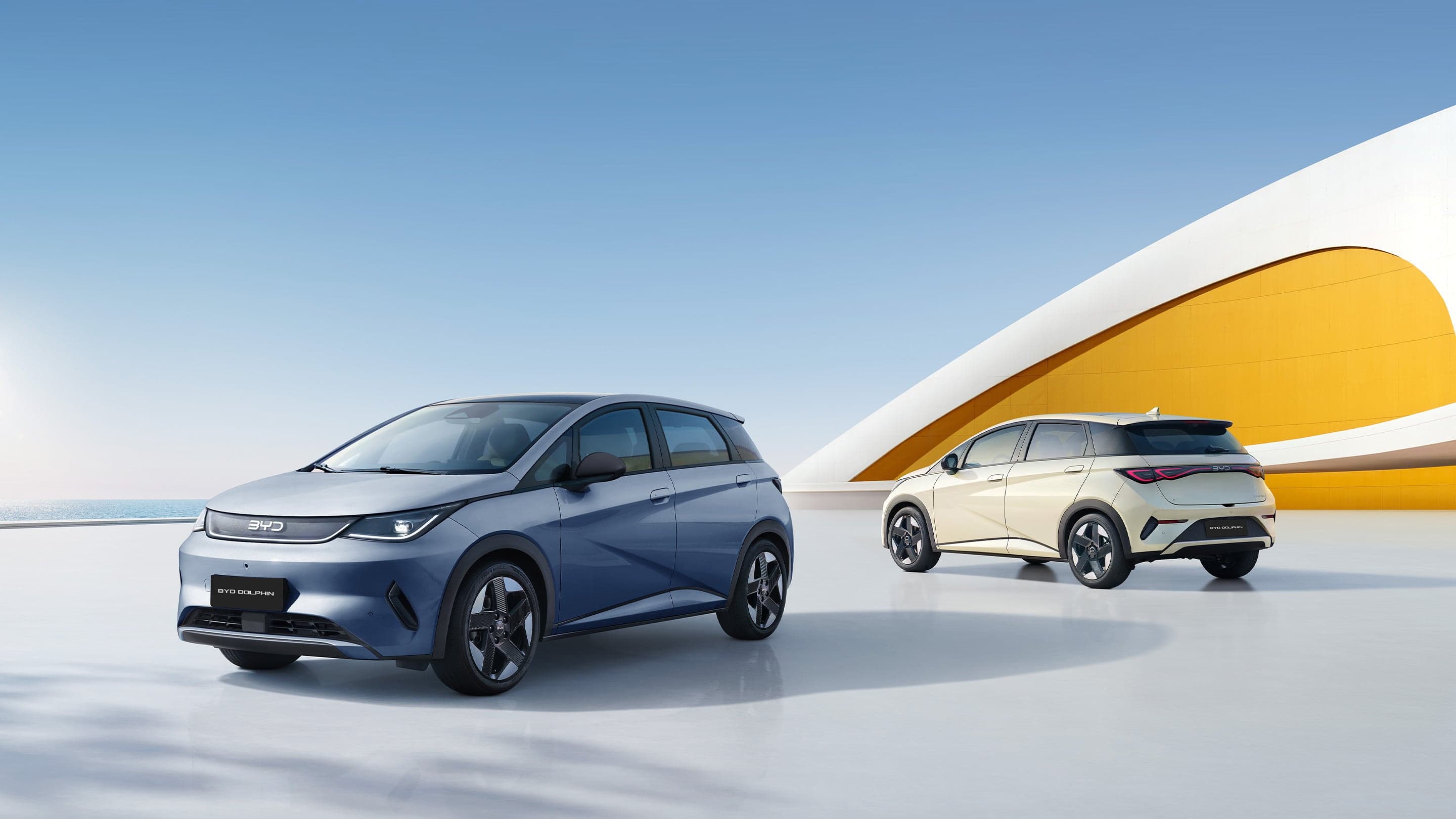
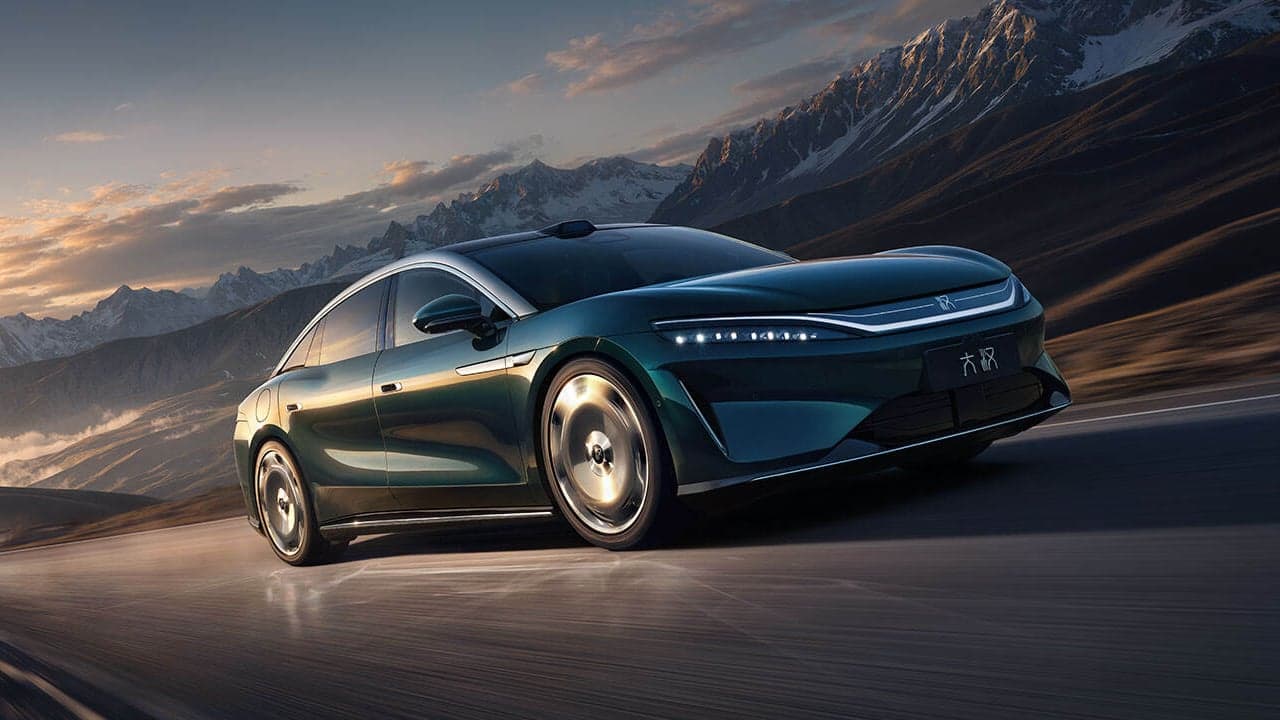
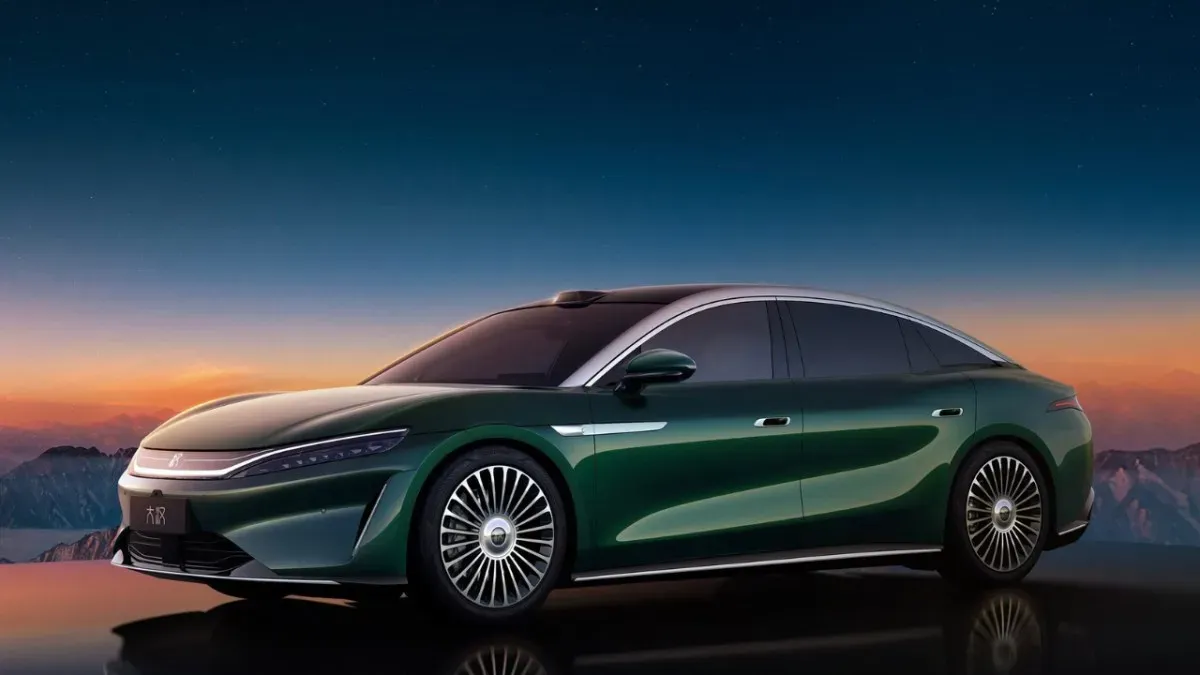
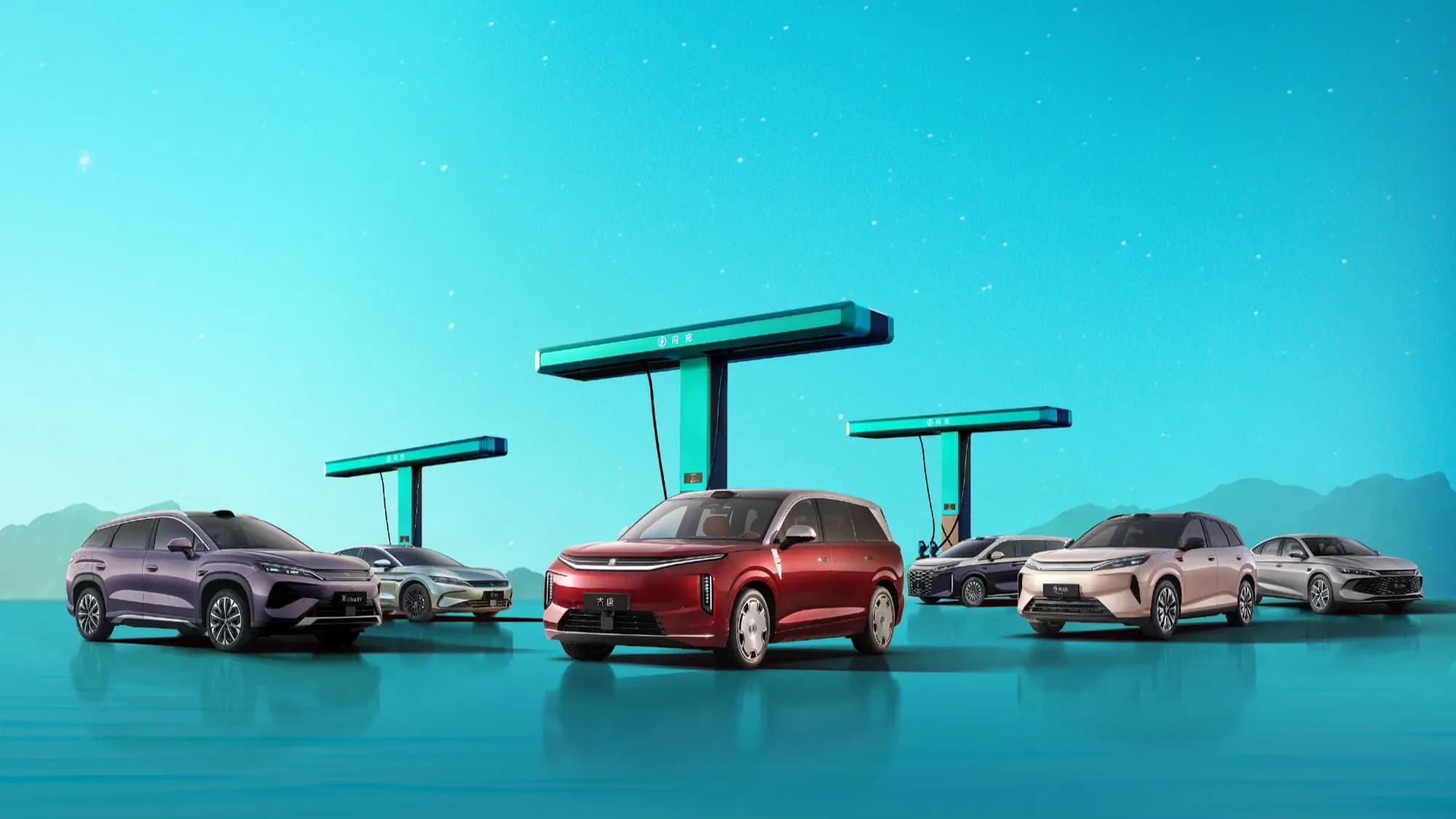
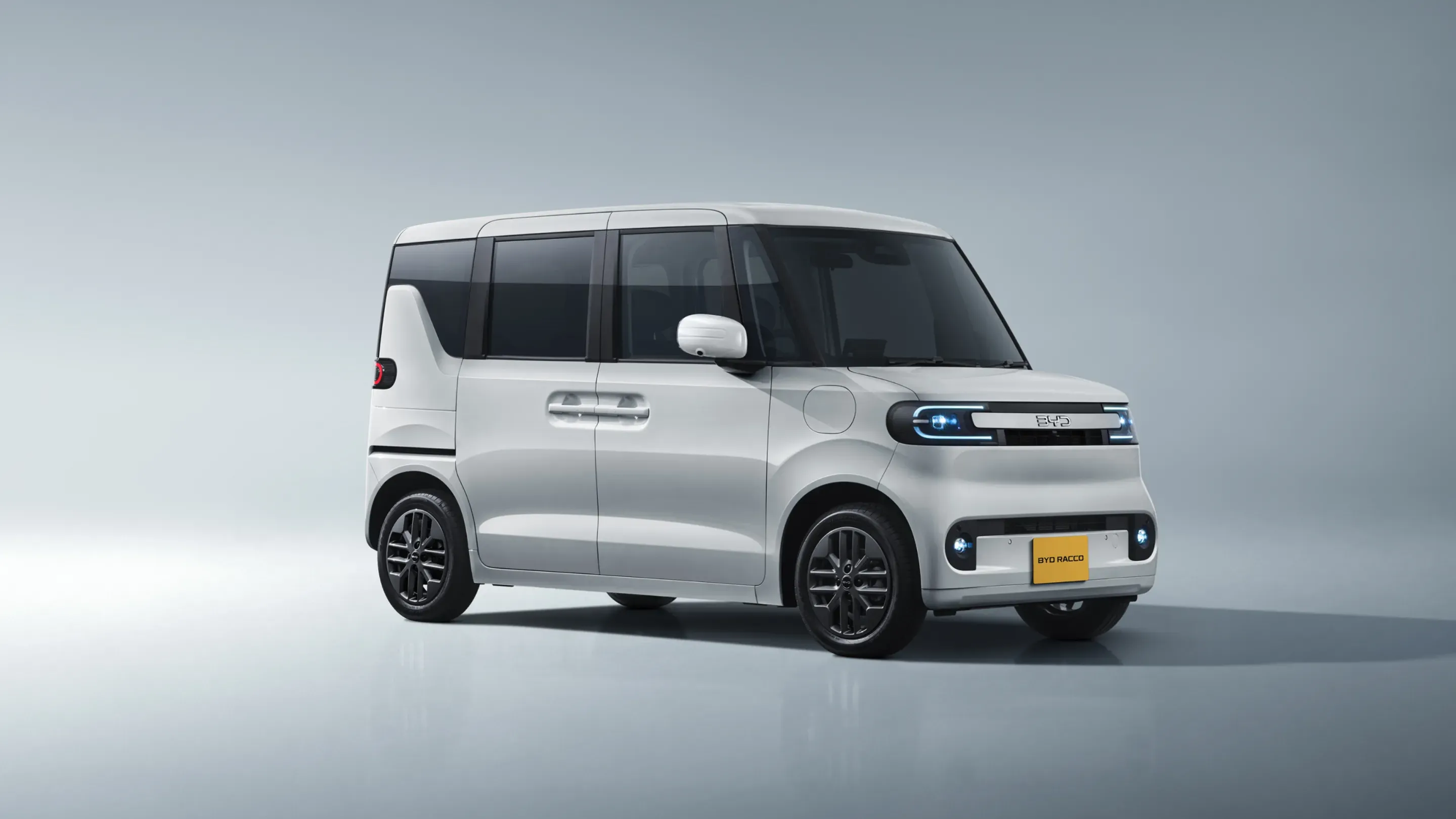
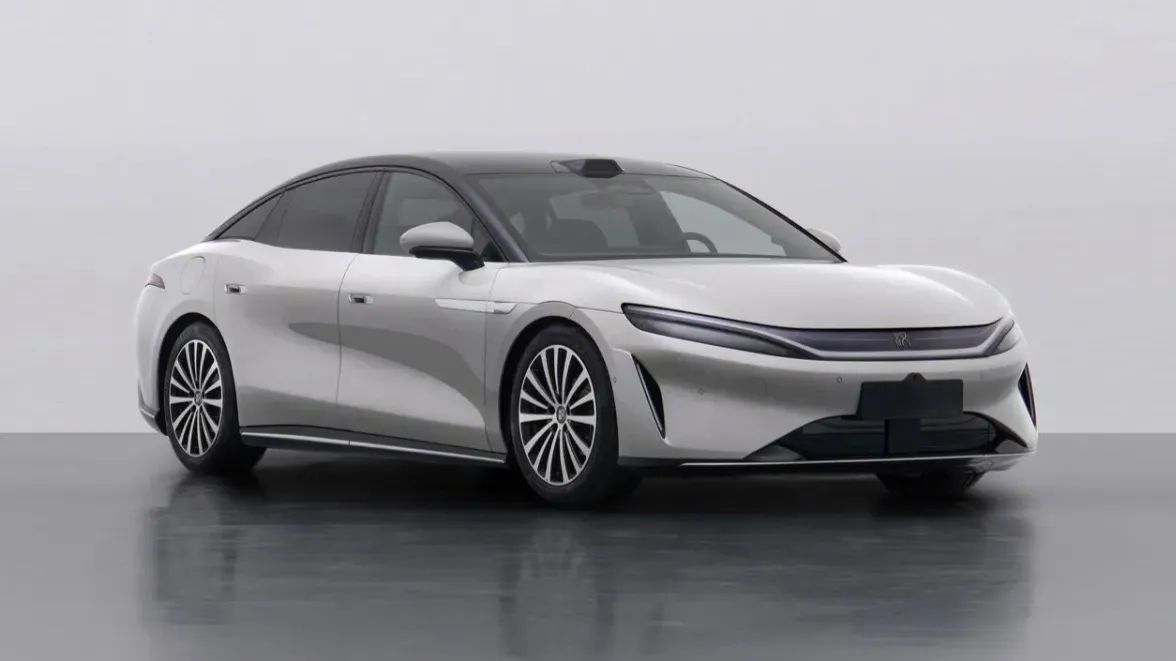
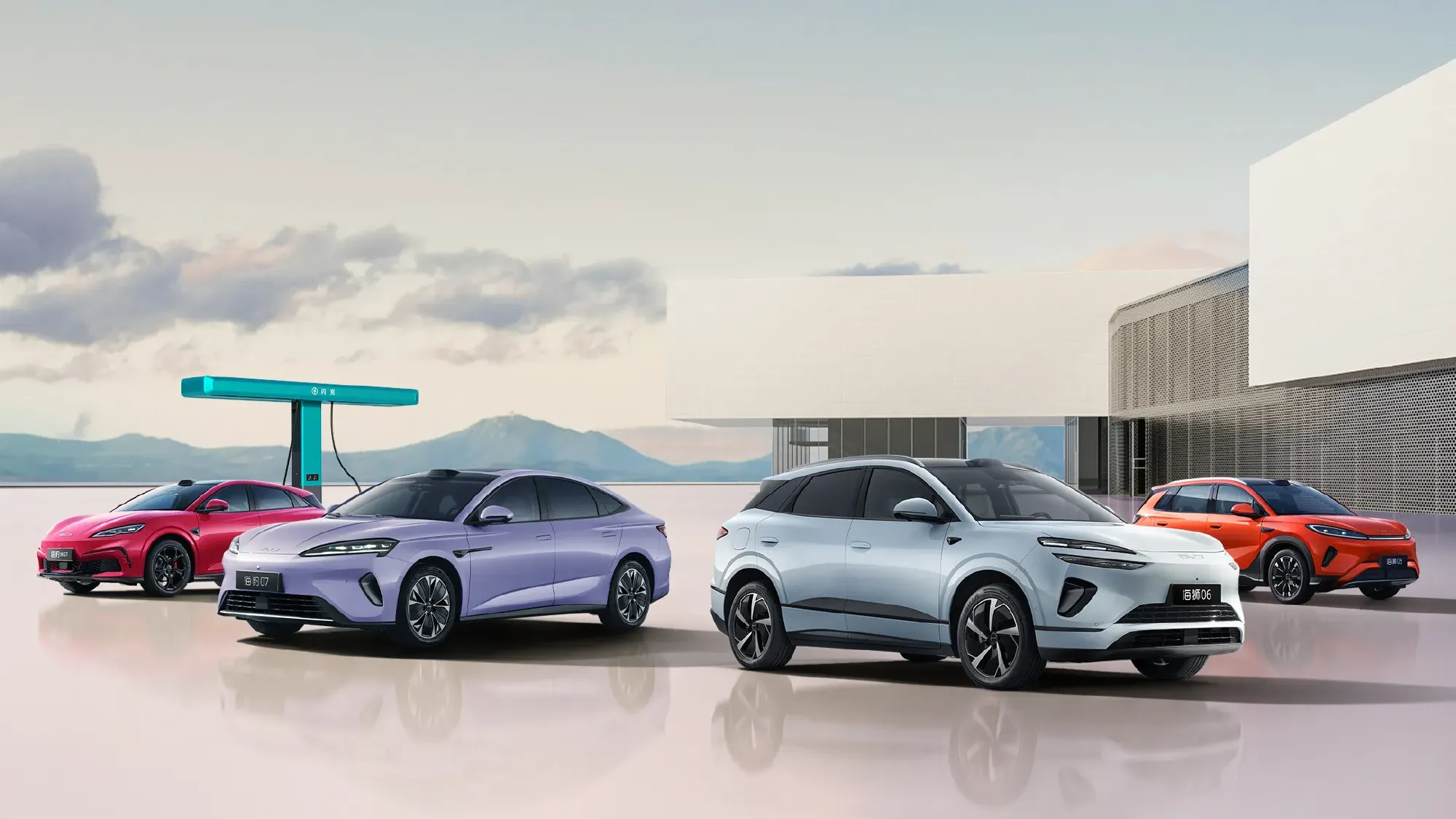
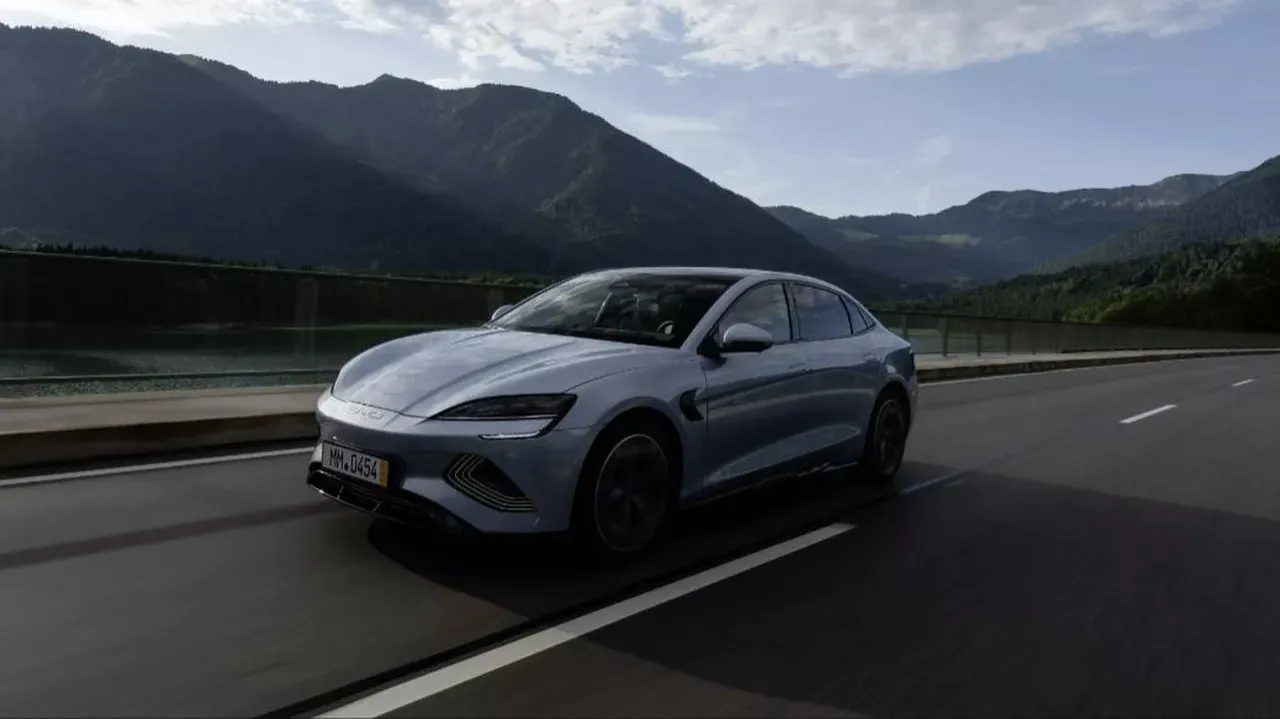
Among individual automakers, BYD (HKG: 1211) topped the global NEV sales ranking with a 20.7% share of worldwide sales for the year to date, more than double second-place Geely (HKG: 0175) at 10.1%. BYD's share has eased slightly from a full-year figure of 22.8% in 2025. Tesla (NASDAQ: TSLA) ranked third at 8.9%, a modest rebound from 8.1% in 2025 even as its quarterly trend keeps sliding, from 9.8% in the first quarter of 2026 down to 7.8% in the third.
Advertisement – Continue scrolling for more
Other Chinese manufacturers gained ground faster than the leaders. SAIC Motor (SHA: 600104) held 6.8% of the global NEV market for the year to date, Chery Automobile (HKG: 9973) climbed to 5.5% from 4.1% a year earlier, and Leapmotor (HKG: 9863) rose to 3.9% from 2.8%. Xiaomi's (HKG: 1810) automotive unit, which only entered the rankings in 2024 at 0.8%, reached 1.6% for the year to date, matching established players like NIO (NYSE: NIO) and Li Auto (NASDAQ: LI) at 1.7%.
Traditional volume leaders lost ground over the same stretch. Volkswagen Group's global NEV share fell to 5.6% for the year to date from 11.1% back in 2021, while Hyundai-Kia held 3.1%, BMW (ETR: BMW) 2.6%, and Toyota (NYSE: TM) just 2.1%, roughly level with Chinese newcomers XPeng (NYSE: XPEV) at 1.8% and GAC Group at 2.0%.
Advertisement – Continue scrolling for more
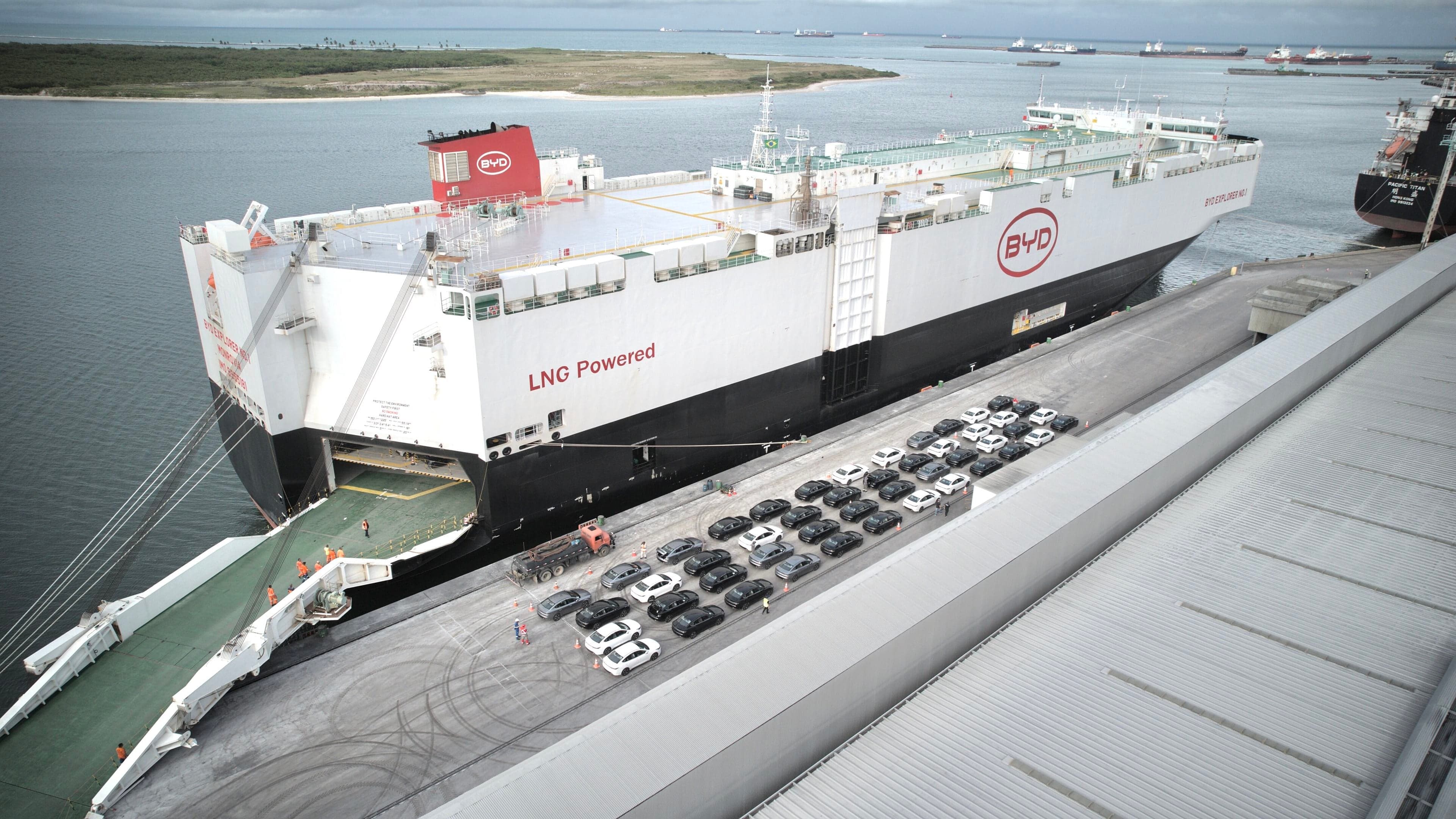
Beyond sales inside China, Chinese-brand NEVs also extended their reach in overseas markets. Chinese independent brands accounted for 28% of new energy vehicle sales in markets outside China in July 2026 alone, up sharply from a 15.8% share for all of 2025, the report said.
With Norway already past 80% penetration and the United States still in single digits, the widening gap between the world's fastest- and slowest-moving EV markets raises the question of how, or whether, the laggards close the distance even as the global average keeps climbing.
Advertisement – Continue scrolling for more