Could US strong-arm attempt push Canada to completely drop Chinese EVs quota?
Washington's trade war with Ottawa has intensified through the summer of 2026, but the pressure it is putting on Canada's Chinese EV policy runs in the opposite direction from what a straightforward reading of "strong-arm tactics" might suggest. Rather than forcing Canada to scrap its quota system and open the market fully to Chinese-built EVs, US pressure, combined with a powerful domestic auto lobby, is pushing Ottawa toward shutting that door again.
Canada imposed a 100 percent surtax on Chinese-made EVs on October 1, 2024, mirroring the US approach and shutting Chinese brands out of the market almost entirely. That changed on January 16, 2026, when Prime Minister Mark Carney, visiting Beijing, struck a deal cutting the tariff to 6.1 percent on a quota of up to 49,000 Chinese-built EVs a year, a volume set to climb roughly 6.5 percent annually toward 70,000 within five years. In return, China agreed to lower tariffs on Canadian canola, lobster, crab and peas, and committed to new joint-venture investment in Canadian auto manufacturing.
Advertisement – Continue scrolling for more
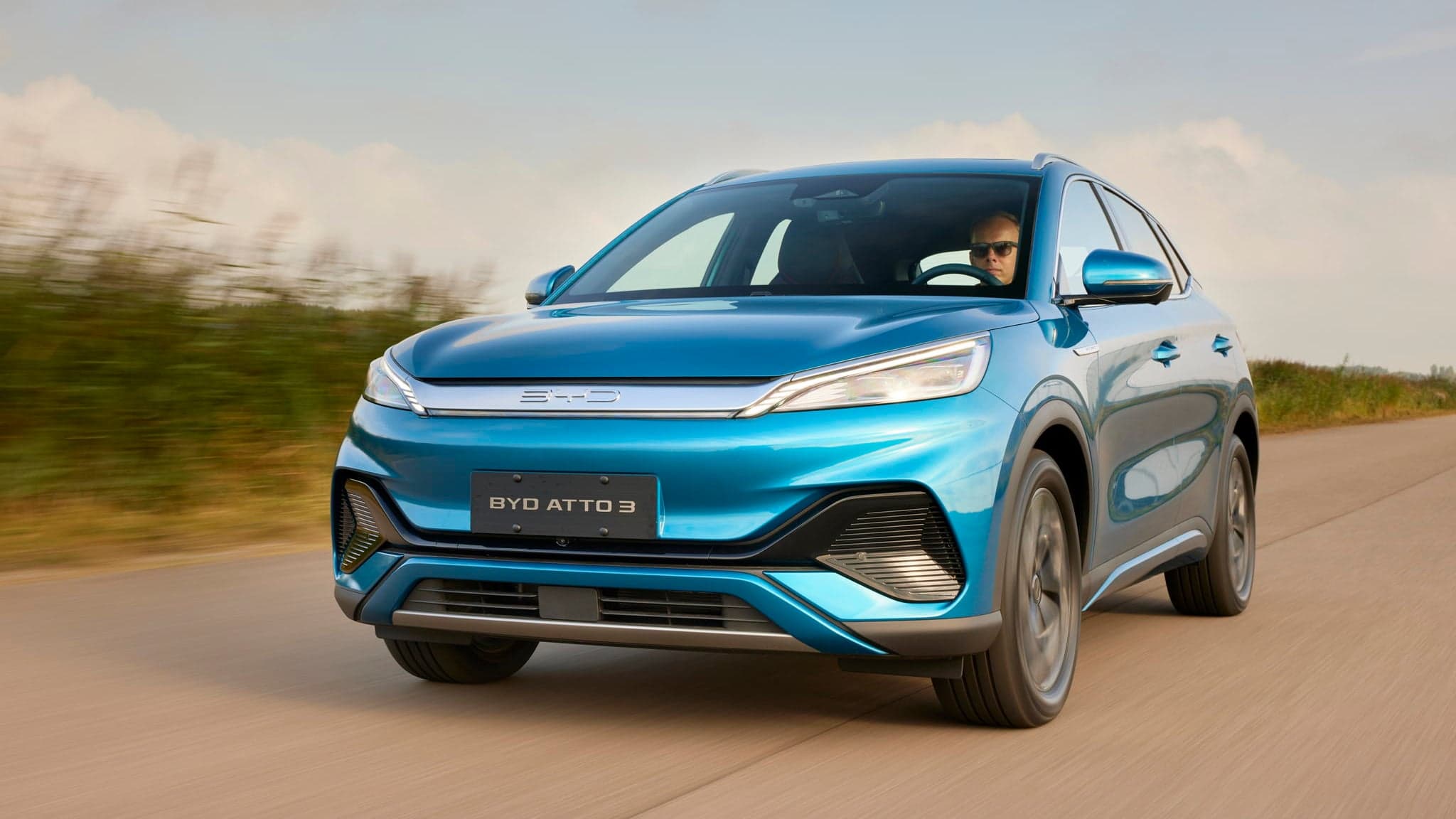
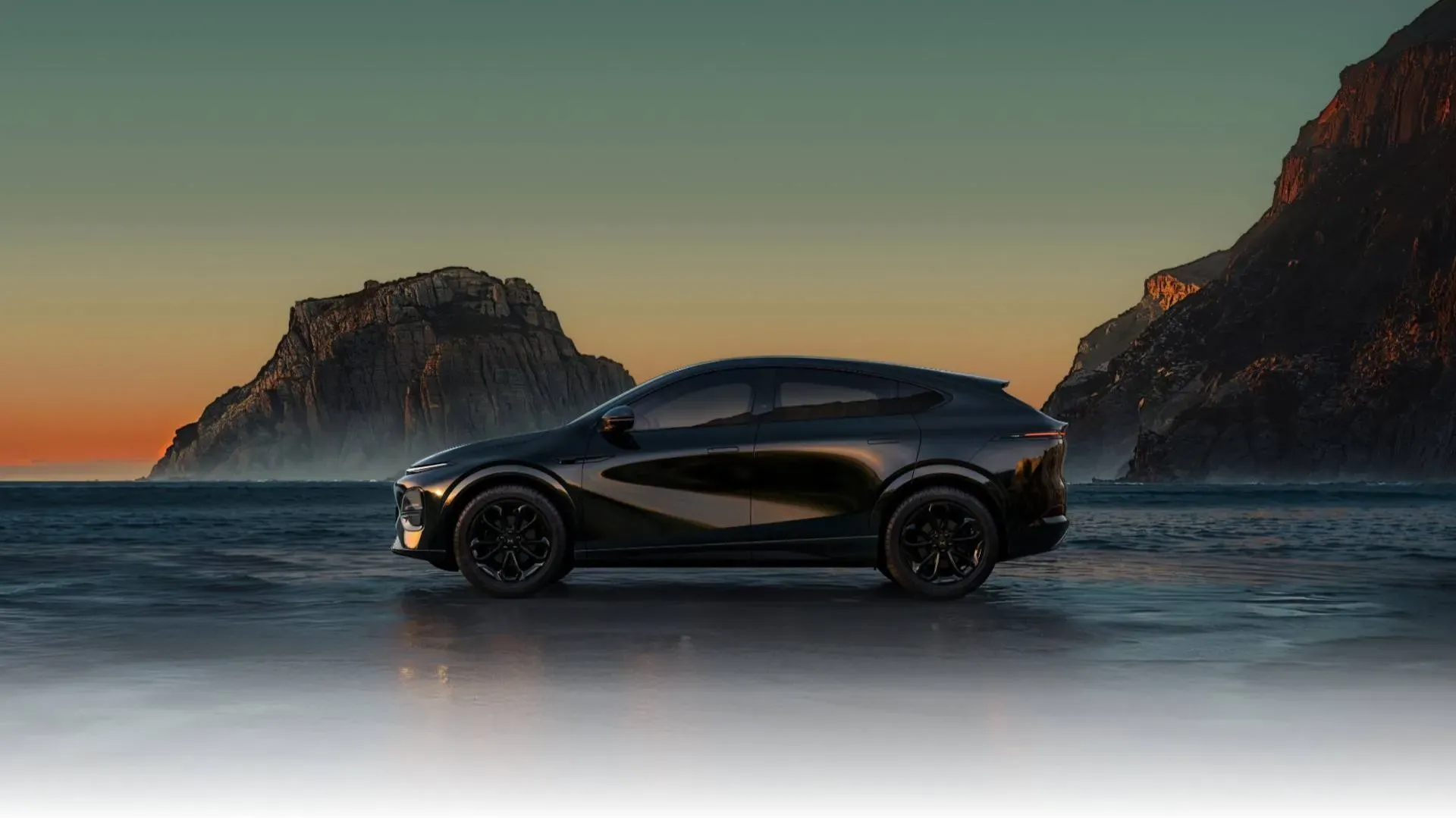
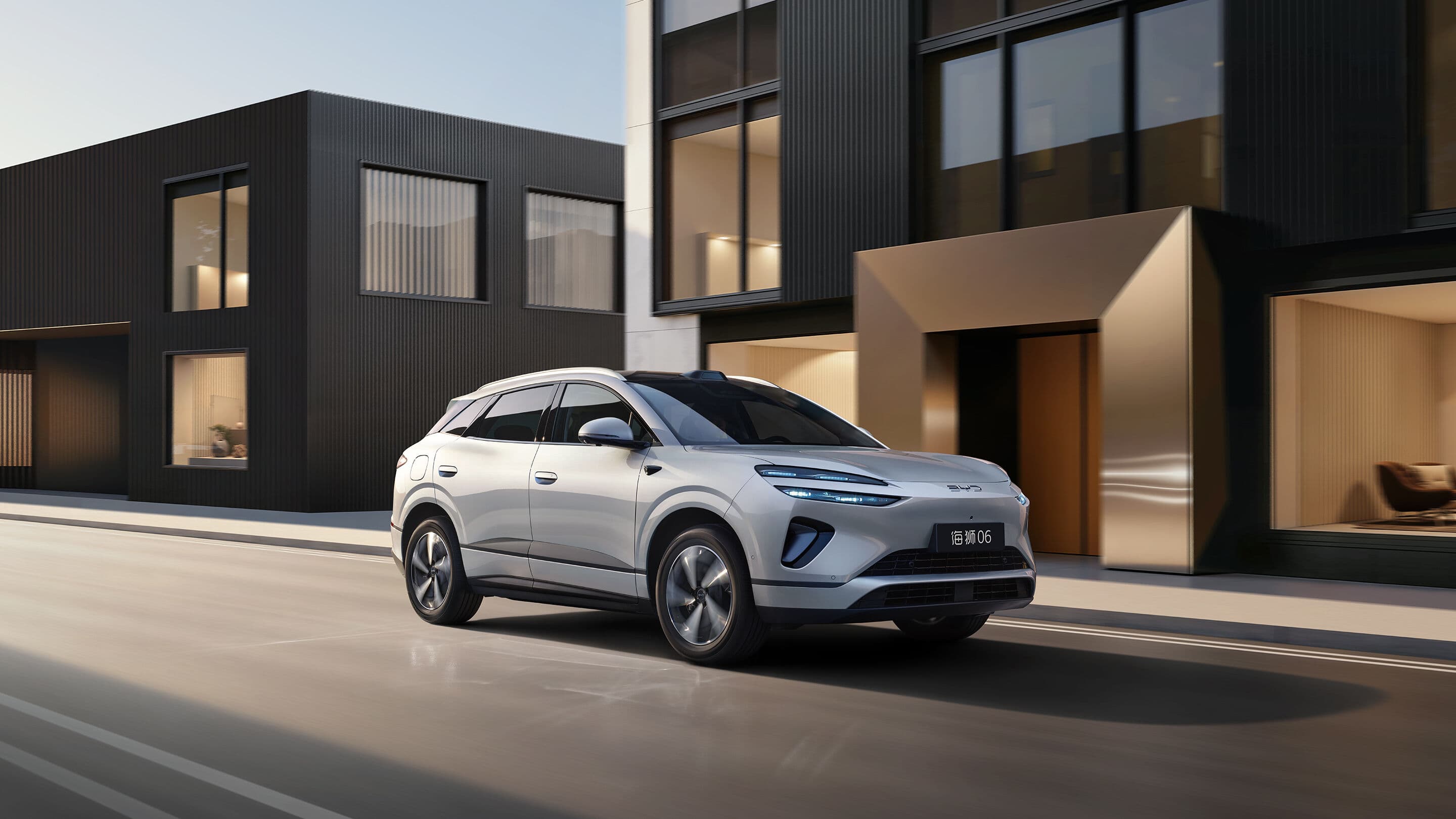
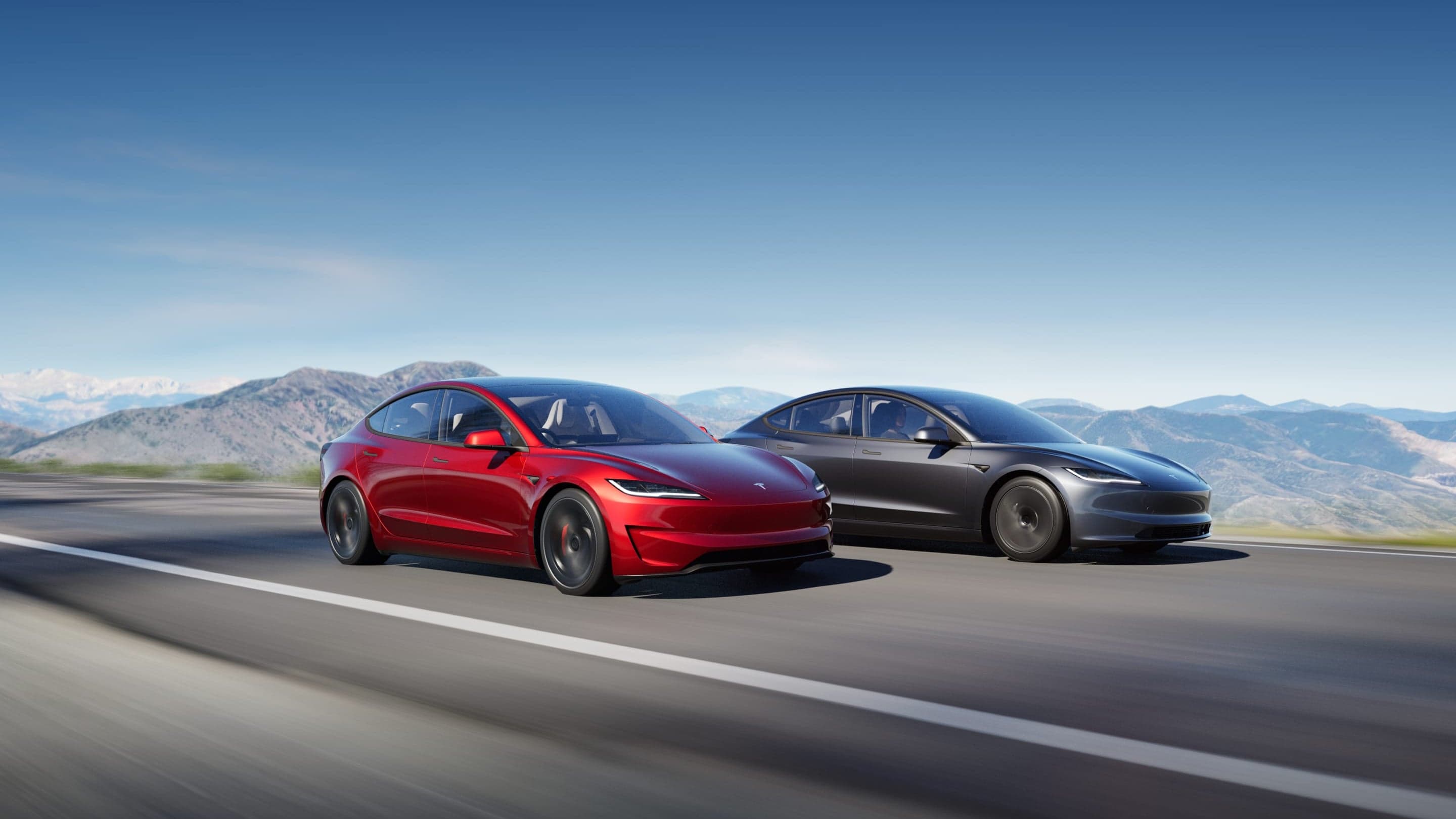
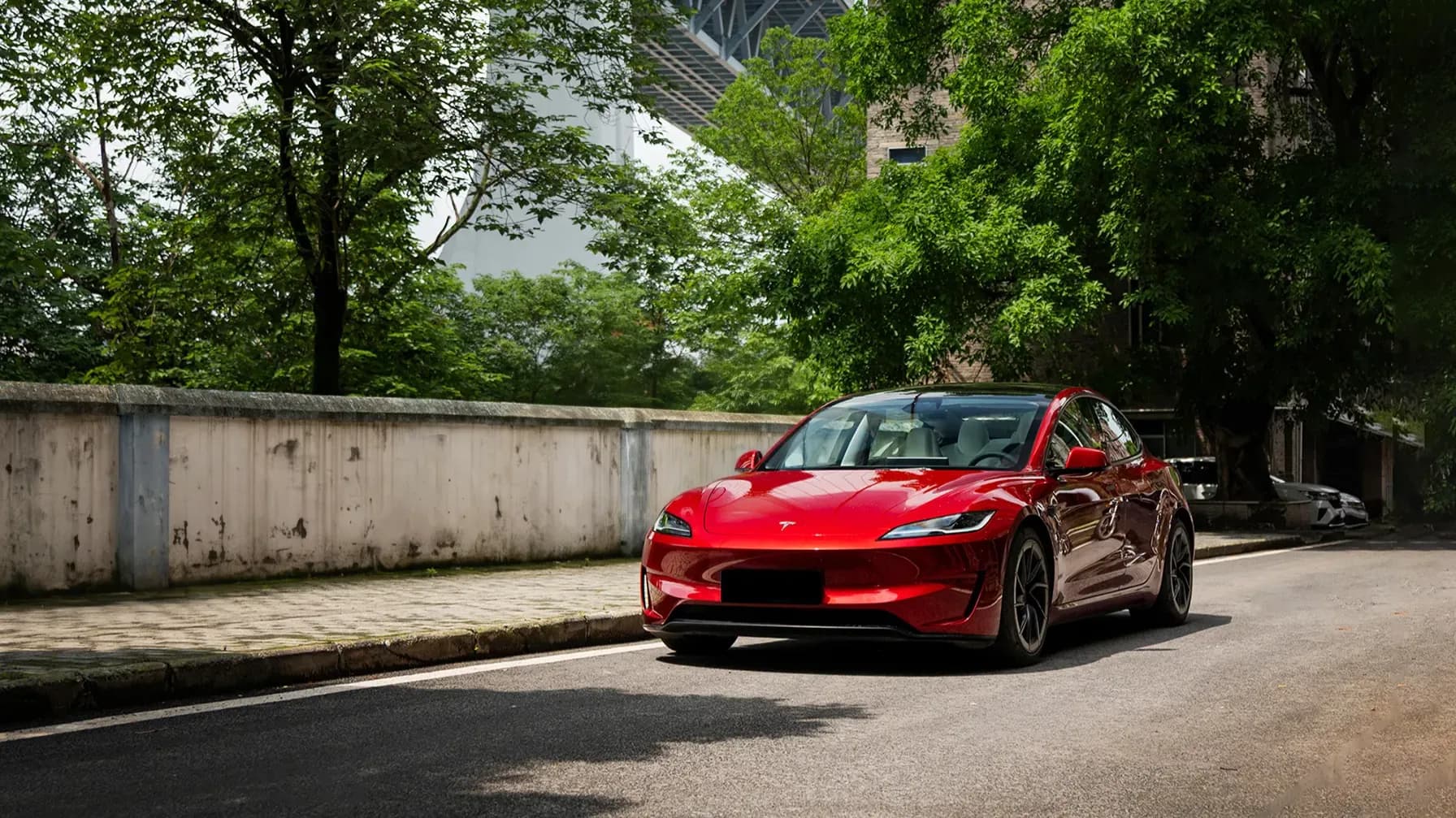
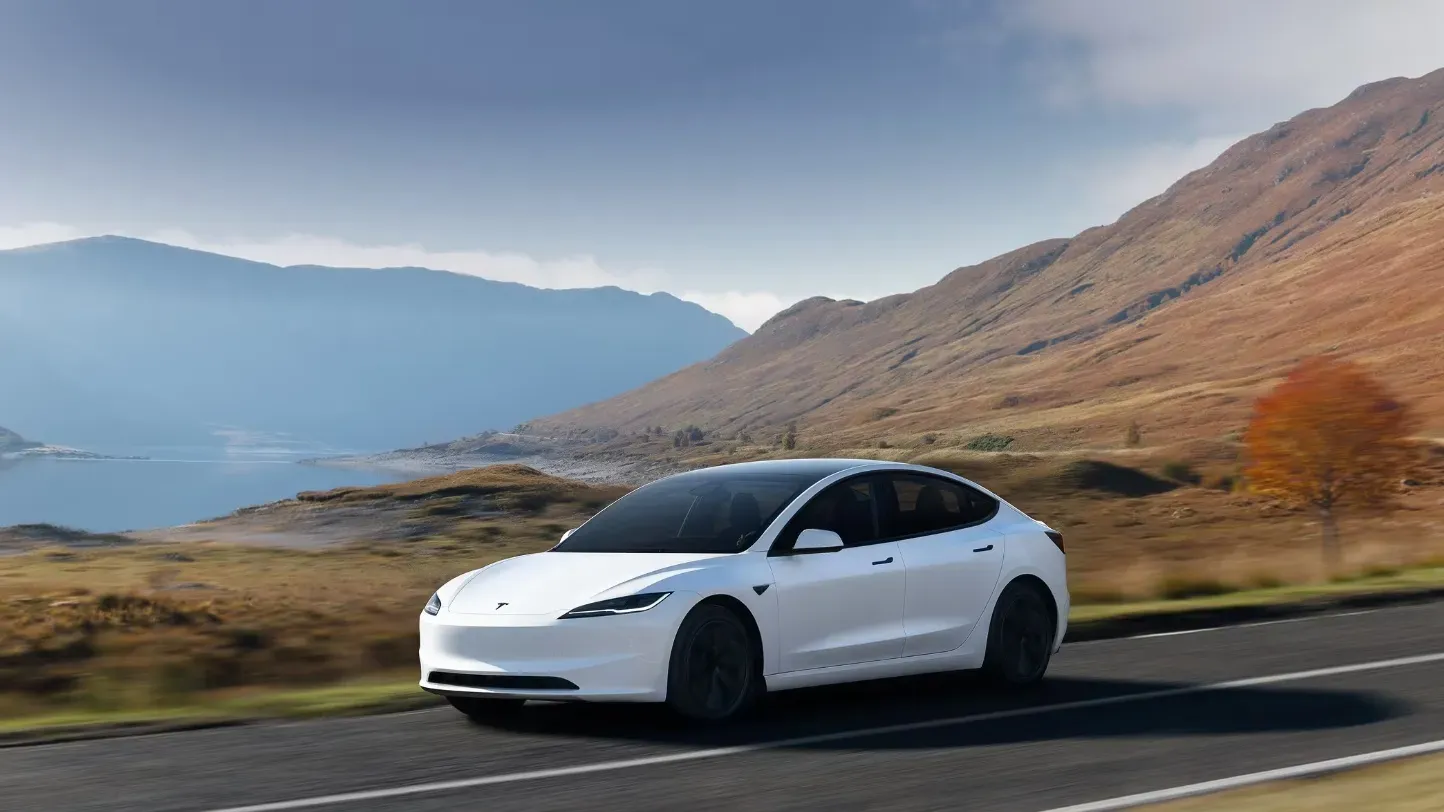
The quota took effect March 1, 2026, administered by Global Affairs Canada through shipment-specific import permits. The first six-month window allotted 24,500 vehicles on a first-come, first-served basis. As of late August 2026, roughly 15,000 of those spots, about 61.5 percent, had been claimed, with unused volume set to roll into the second half of the year starting September 1. Tesla (NASDAQ: TSLA) has been the biggest beneficiary so far, importing Shanghai-built Model 3s under the quota, alongside a smaller run of China-built Lincoln Nautilus hybrids; Chinese-branded entrants like XPeng and Geely have so far brought in only test vehicles ahead of a fuller 2026 to 2027 rollout.
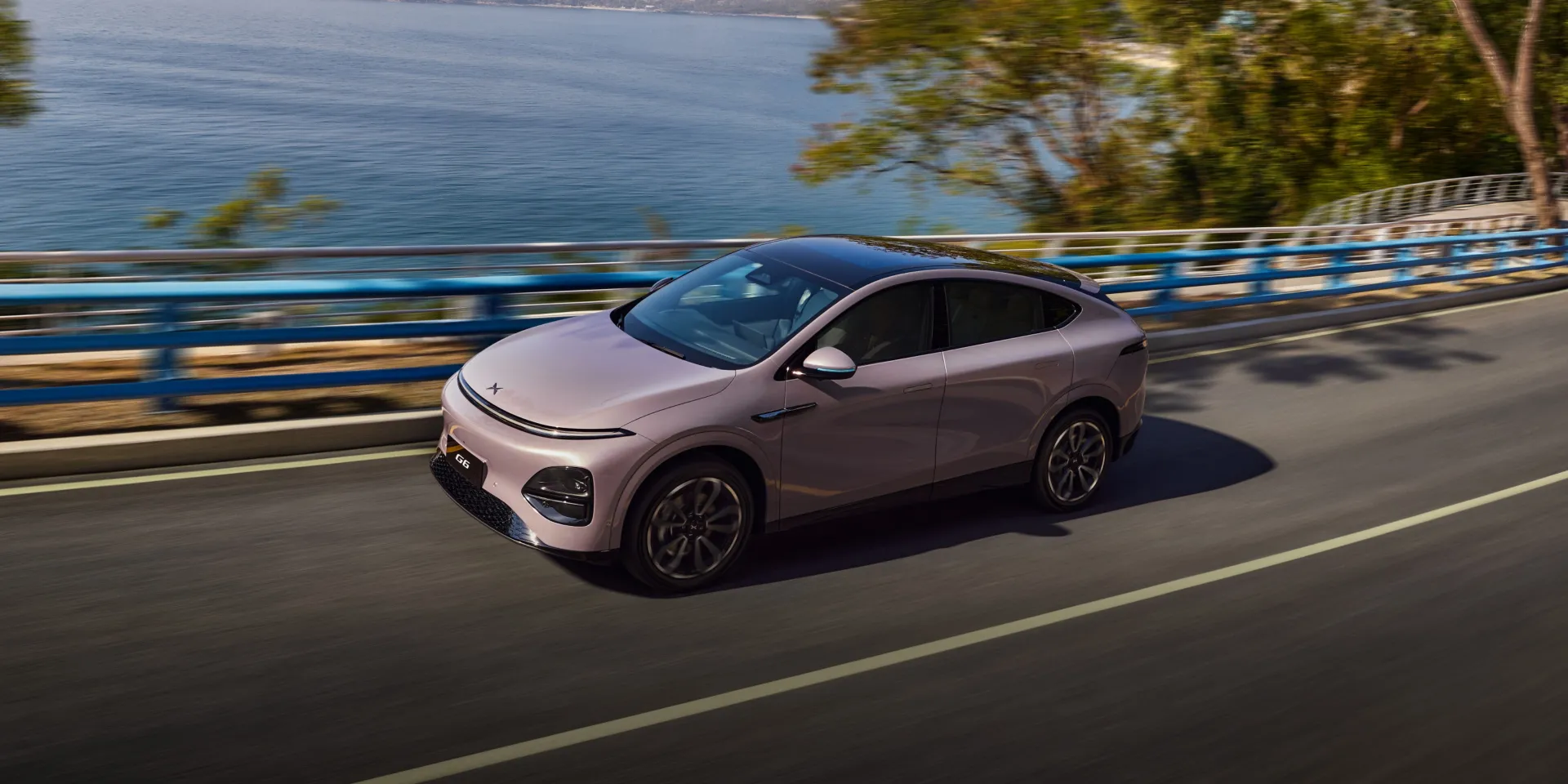
XPeng G6 (XPeng)
Washington's objection to the deal was immediate. US Transportation Secretary Sean Duffy said Canada would "regret" the decision, and US Trade Representative Jamieson Greer called it "problematic," arguing the vehicles were being kept out of the US by design: "There's a reason why we don't sell a lot of Chinese cars in the United States. It's because we have tariffs to protect American auto workers and Americans." President Donald Trump went further, accusing Carney of turning Canada into a "drop off port" for Chinese goods bound for the US market, a claim Carney rejected, saying Ottawa has "no intention" of pursuing a broader trade agreement with Beijing.
That friction has since been absorbed into a much wider trade rupture. Broader US-Canada trade talks collapsed on August 21, 2026, with Carney blaming last-minute American demands he called "unfair, uneconomic," while Greer countered that Canada had "declined to finalize" a deal and introduced "new demands and walk backs." Washington responded with 50 percent tariffs on roughly $20 billion CAD of Canadian goods, including dairy, alcohol, cement and hockey equipment, with Canadian retaliation set for September 8. Three days later, Trump pledged to double Canadian auto and steel tariffs to 50 percent effective January 1, 2027, and to add a new 50 percent tariff on auto parts, telling Canada it would no longer be "treated like a State."
Advertisement – Continue scrolling for more
The formal venue for resolving the Chinese EV standoff is the Canada-United States-Mexico Agreement's 2026 joint review process, which opened July 1, 2026, after the Trump administration opted for annual reviews over a full renewal. Trade analysts have flagged the review as the likely flashpoint, with tightened rules-of-origin requirements for EV batteries and critical minerals seen as Washington's most plausible lever against Canada's reliance on Chinese supply chains, rather than a direct demand to eliminate the quota outright.
Domestically, the pressure to reverse course is coming as much from Canada's own auto sector as from Washington. The Canadian Vehicle Manufacturers' Association, representing Ford (NYSE: F), General Motors (NYSE: GM) and Stellantis (NYSE: STLA) operations in Canada, has urged Ottawa to scrap the China deal entirely, reimpose a surtax and ban Chinese connected-vehicle software. CVMA president Brian Kingston argued that with more than 90 percent of Canadian vehicle production destined for the US market, "US market access and North American integration are the foundation" of the industry, not diversification toward China.
Advertisement – Continue scrolling for more
Conservative leader Pierre Poilievre has built a rival platform around the same instinct. His plan, unveiled March 16, 2026, after meetings with GM and Ford executives in Detroit, would scrap the Chinese EV quota, align Canada's China tariffs with US levels, ban Chinese and Russian vehicle software, remove the federal sales tax on Canadian-built vehicles, kill the $5,000 CAD EV rebate and the zero-emission vehicle mandate, and introduce a rule granting automakers duty-free CUSMA market access in proportion to what they build in Canada. The CVMA has backed the plan as a bet on North American integration over a Chinese hedge.
None of this points toward Canada fully opening its market to Chinese EVs under US pressure. If the trade war changes Ottawa's calculus at all, the direction of travel, so far, looks like a narrower door, not a wider one, leaving the quota itself as one of the more contested items still on the table when the CUSMA review concludes.
Advertisement – Continue scrolling for more