Rising gas prices drive Canadians to EVs while Chinese imports miss quota
Gasoline prices topped $1.80 a litre across Canada by September 9, 2026, and electric vehicle registrations have climbed with them through the year. Yet the wave of Chinese-made electric vehicles that Canadians have spent more than a year anticipating has been much slower to arrive under a new import quota, with automakers using only 64 per cent of their first six-month allotment.
The national average price for regular gasoline reached roughly $1.80 a litre this week, up from about $1.33 a litre a year earlier. Patrick De Haan, GasBuddy's head of petroleum analysis, said Brent crude broke above US$100 a barrel on September 9, 2026 for the first time since July, calling it "a major psychological milestone for markets." The increase reflects the war between the United States, Israel and Iran that began in late February 2026, which has disrupted tanker traffic through the Strait of Hormuz, along with Ukrainian strikes on Russian refineries. A federal excise tax pause that had held prices down since April 2026 also expired on September 7, adding another 10 to 11 cents a litre just as global crude climbed.
Canadians have been buying electric vehicles at a faster clip as those costs mount. Statistics Canada figures show 21,574 zero-emission vehicles were registered in March 2026, a 74.7 per cent jump from a year earlier that pushed ZEVs to 12.2 per cent of new vehicle sales, up from 6.5 per cent. Huw Williams, national spokesperson for the Canadian Automobile Dealers Association, said drivers trading in gas-powered trucks increasingly cite fuel costs as their reason for switching.
Advertisement – Continue scrolling for more
The pace has since levelled off without reversing. According to Electric Autonomy Canada's tracking of Statistics Canada data, zero-emission vehicles held a 10.7 per cent share of new registrations in the second quarter of 2026, essentially flat with the first quarter's 10.8 per cent but up sharply from 8.6 per cent in the same quarter of 2025. British Columbia led all provinces at 18.7 per cent, followed by Quebec at 17.8 per cent and Ontario at 8.2 per cent.
Two forces are doing the pulling: pain at the pump and a fresh incentive from Ottawa. The Electric Vehicle Affordability Program relaunched on February 16, 2026, with a $2.3 billion, five-year budget that Ottawa projects will support more than 840,000 vehicle purchases. It offers up to $5,000 toward a battery-electric vehicle and $2,500 toward a plug-in hybrid this year, tapering to $2,000 and $1,000 respectively by 2030.
Much of that renewed demand has been aimed at those incentives, not at the Chinese-brand vehicles Canadians have spent more than a year anticipating. Ottawa replaced its 100 per cent tariff on Chinese-made electric vehicles, imposed in the fall of 2024, with a quota-based system after trade talks between the Canadian and Chinese governments concluded in Beijing in January 2026. Under the new arrangement, vehicles manufactured in China can enter Canada at a 6.1 per cent tariff, matching the rate that applied before 2024, within an annual quota starting at 49,000 units and growing toward roughly 70,000 by 2030.
Advertisement – Continue scrolling for more
The first six-month window ran from March 1 to August 31, 2026, with 24,500 permits available on a first-come, first-served basis. Automakers used just 15,603 of them, leaving 8,897 unused permits that rolled into a second window opened September 1 with 33,397 vehicles available.
Tesla (NASDAQ: TSLA) has been the biggest beneficiary so far, not any Chinese-branded automaker. The quota applies to where a vehicle is built rather than which company owns the brand, letting Tesla resume shipping Shanghai-built Model 3 sedans, priced from $39,490 CAD, after it halted Chinese imports when the 100 per cent tariff took effect in 2024. Ford's (NYSE: F) Lincoln division imported 259 units of its China-built Nautilus Hybrid in August, and Lotus and Polestar brought in smaller volumes of their own.
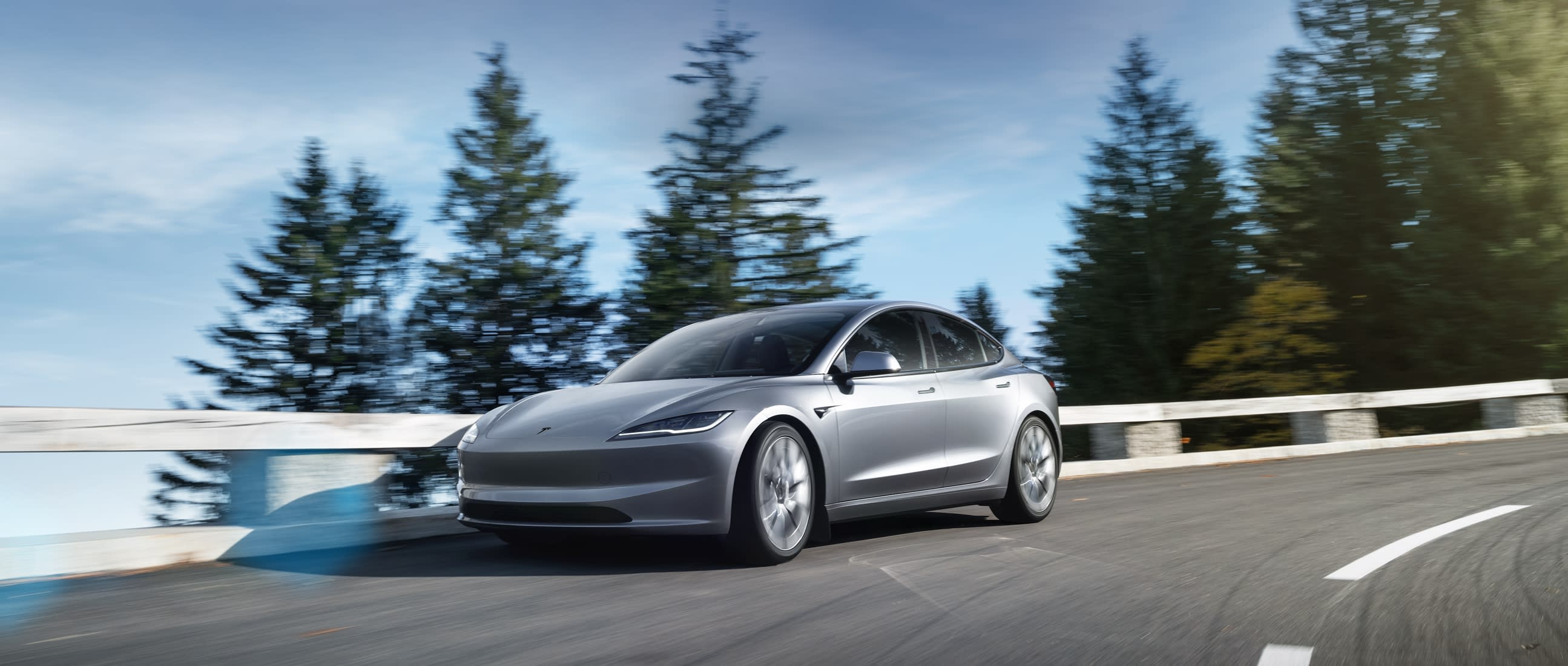
Tesla resumed importing Shanghai-built Model 3 sedans to Canada in May 2026 (Tesla)
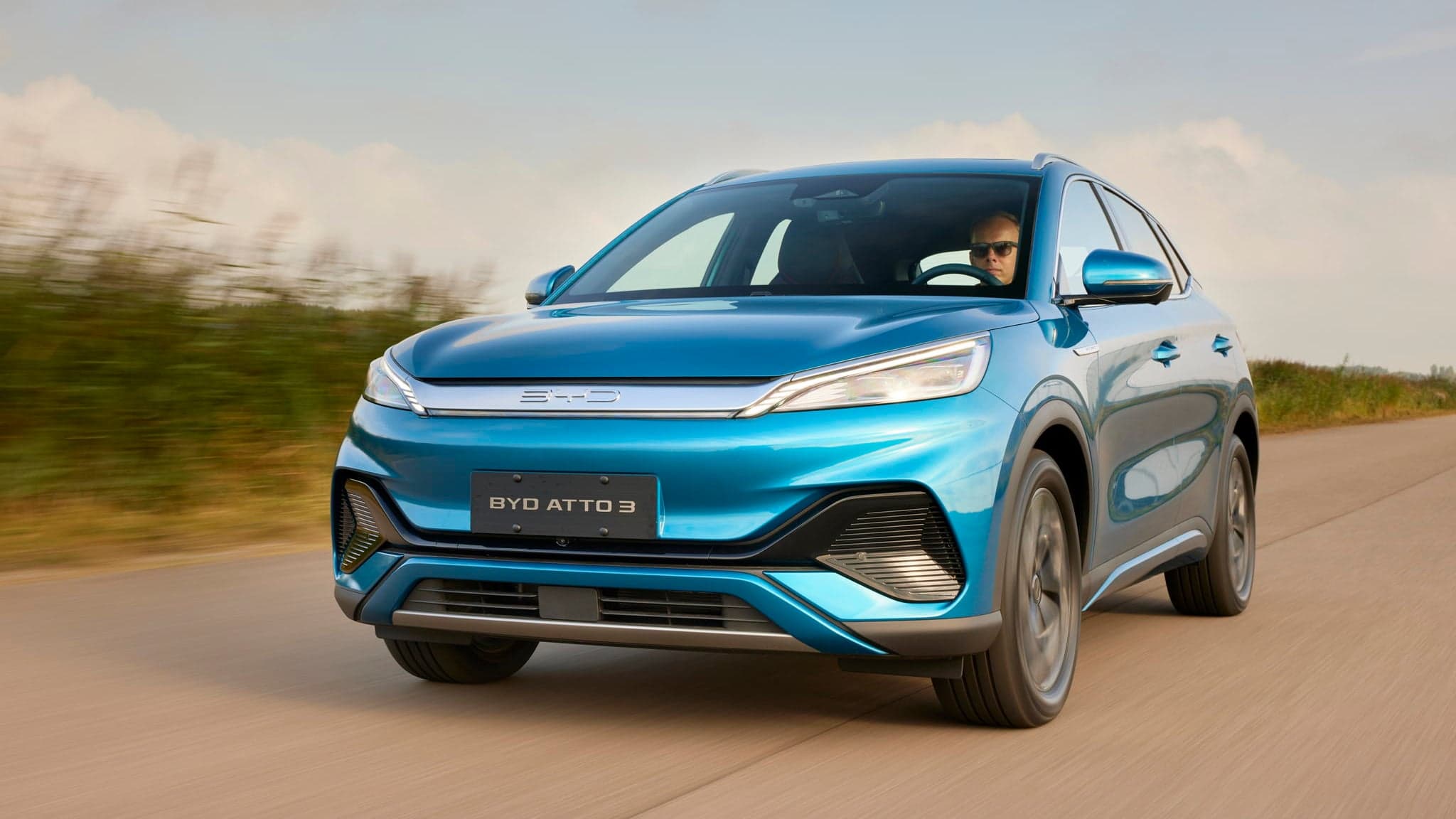
BYD (HKG: 1211) has launched a Canadian website advertising its Atto 3 and Seagull models as "coming soon," but had not begun deliveries as of early September. Chery, Geely, Leapmotor, MG, NIO, XPeng and Zeekr are still working through vehicle certification and testing, with most expected to reach Canadian buyers only in 2027.
Advertisement – Continue scrolling for more
The quota carries no requirement that early imports be affordable. Pricing rules only begin phasing in during the program's second year, requiring 10 per cent of imports to sell under $35,000 at the border by 2027, rising to 50 per cent by 2030. Chinese-built vehicles, including Tesla's Shanghai-made Model 3, also don't qualify for Ottawa's separate Electric Vehicle Affordability Program rebate, because China has no free trade agreement with Canada.
Interest hasn't cooled despite the wait. A survey of more than 1,800 Canadian new-vehicle shoppers by AutoPacific found 55 per cent would consider a Chinese-branded vehicle if it were available here, and 67 per cent described themselves as familiar with Chinese auto brands, with price, quality and overall value for money cited as the top reasons for that interest. "Canadian consumers are about to be able to access them starting later this year," said Ed Kim, AutoPacific's president and chief analyst.
Whether that patience holds may depend on what fills Canadian driveways before BYD and its rivals actually show up. If Tesla keeps absorbing most of the quota's low-tariff capacity through 2027, will a Chinese-made EV end up meaning something different to Canadian buyers than the affordable BYD hatchbacks they have been waiting for?
Advertisement – Continue scrolling for more