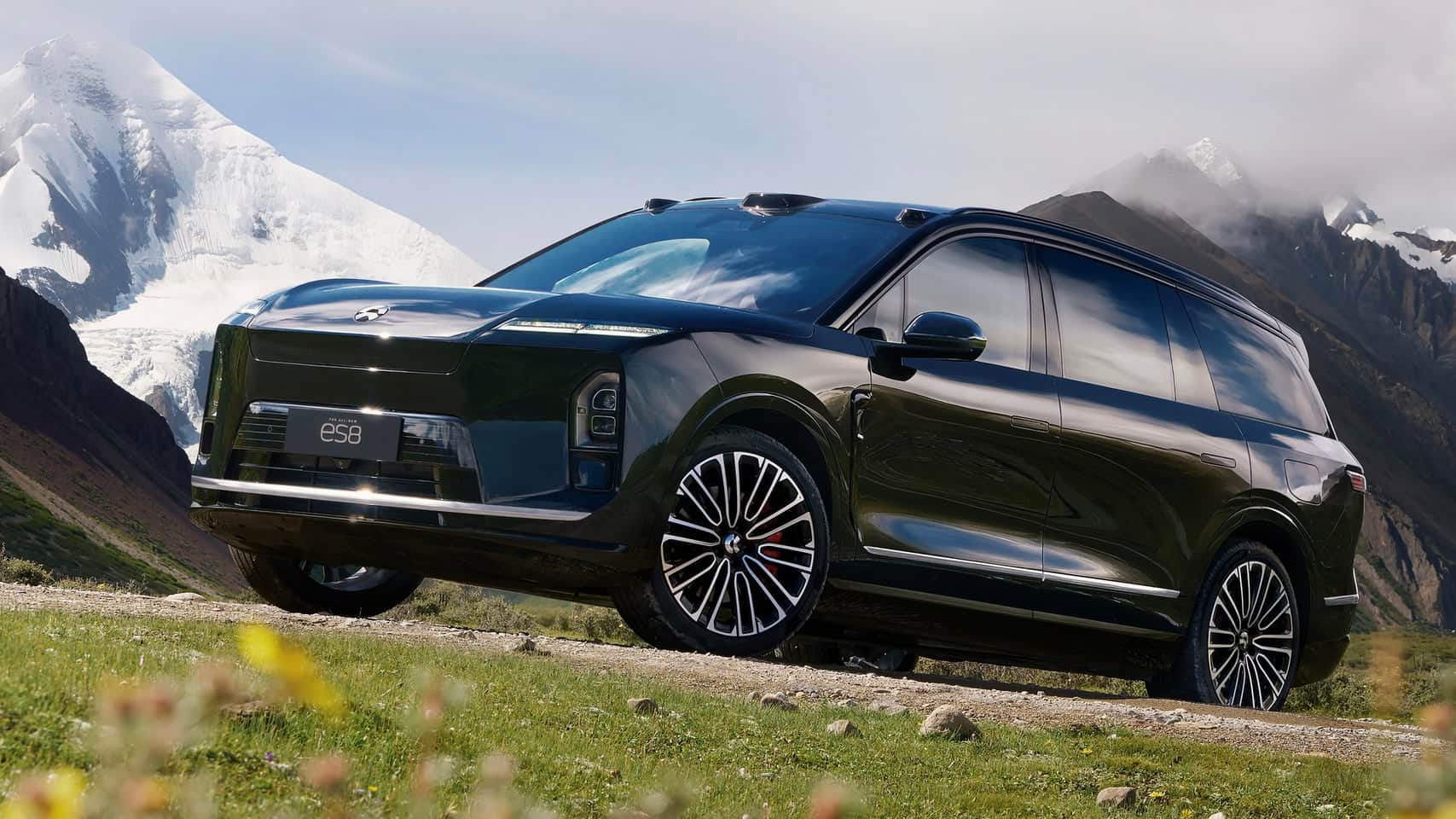

NIO pushes battery swapping to -48°C Heihe as its network hits 4,262 stations
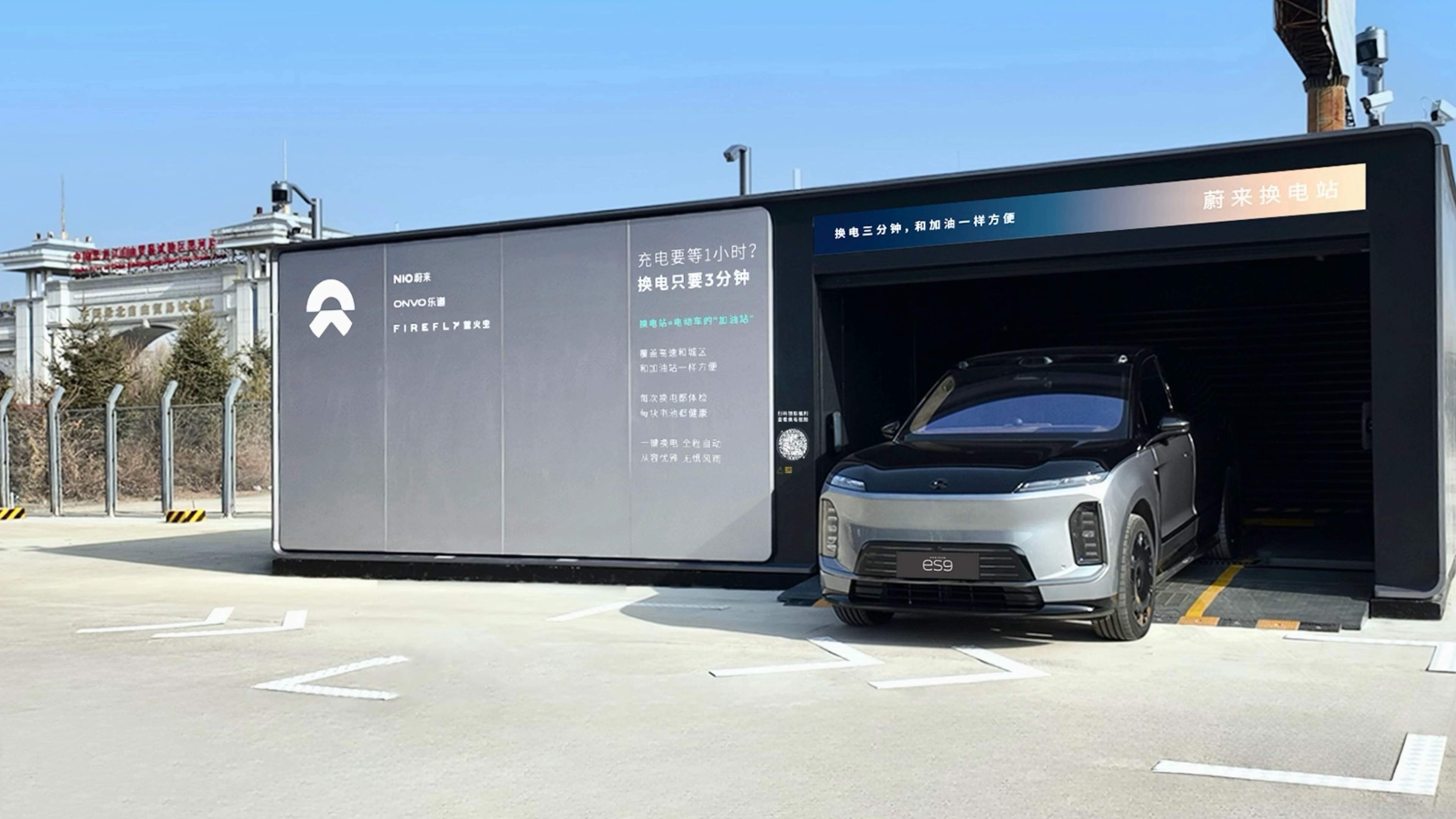

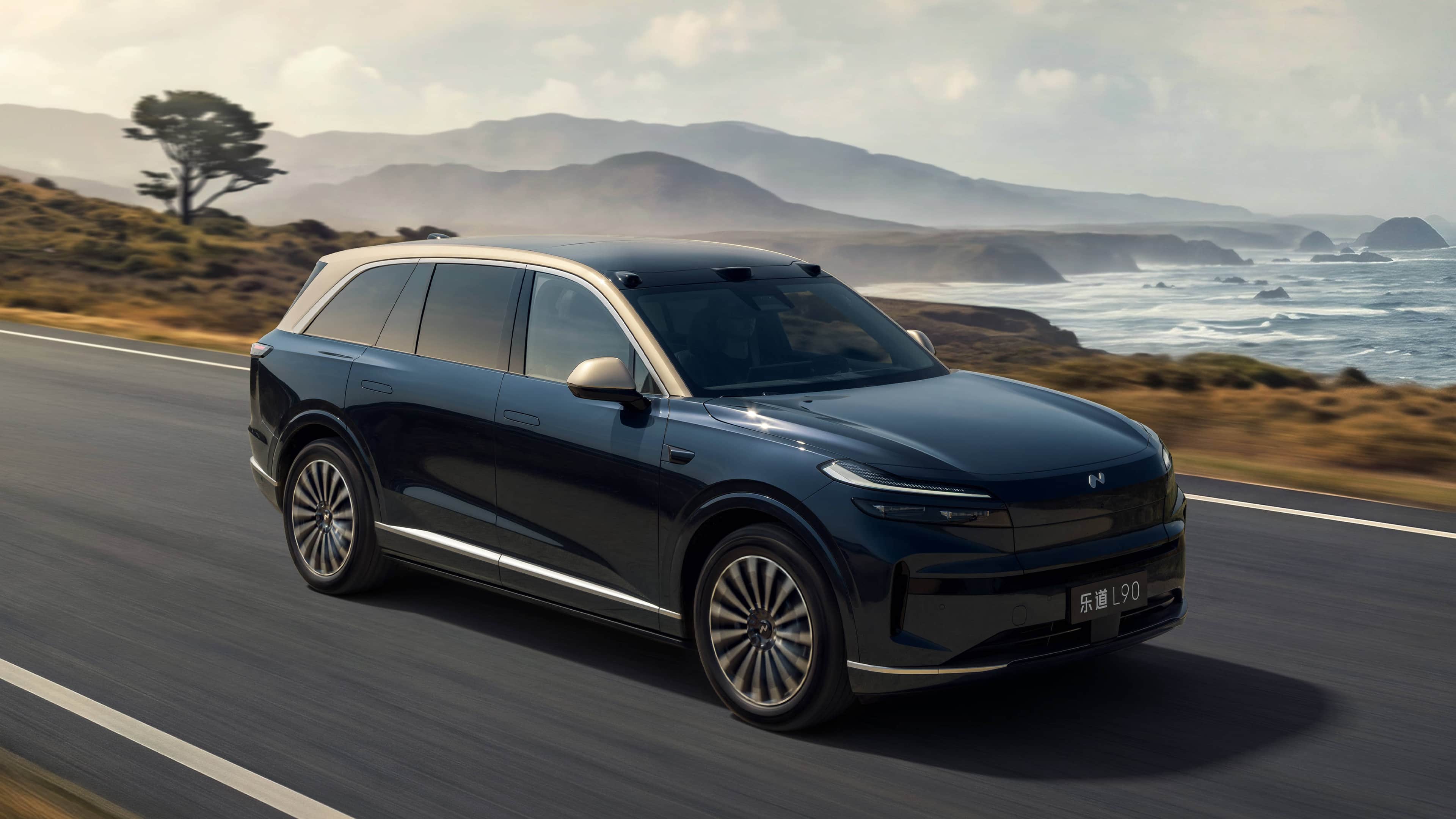
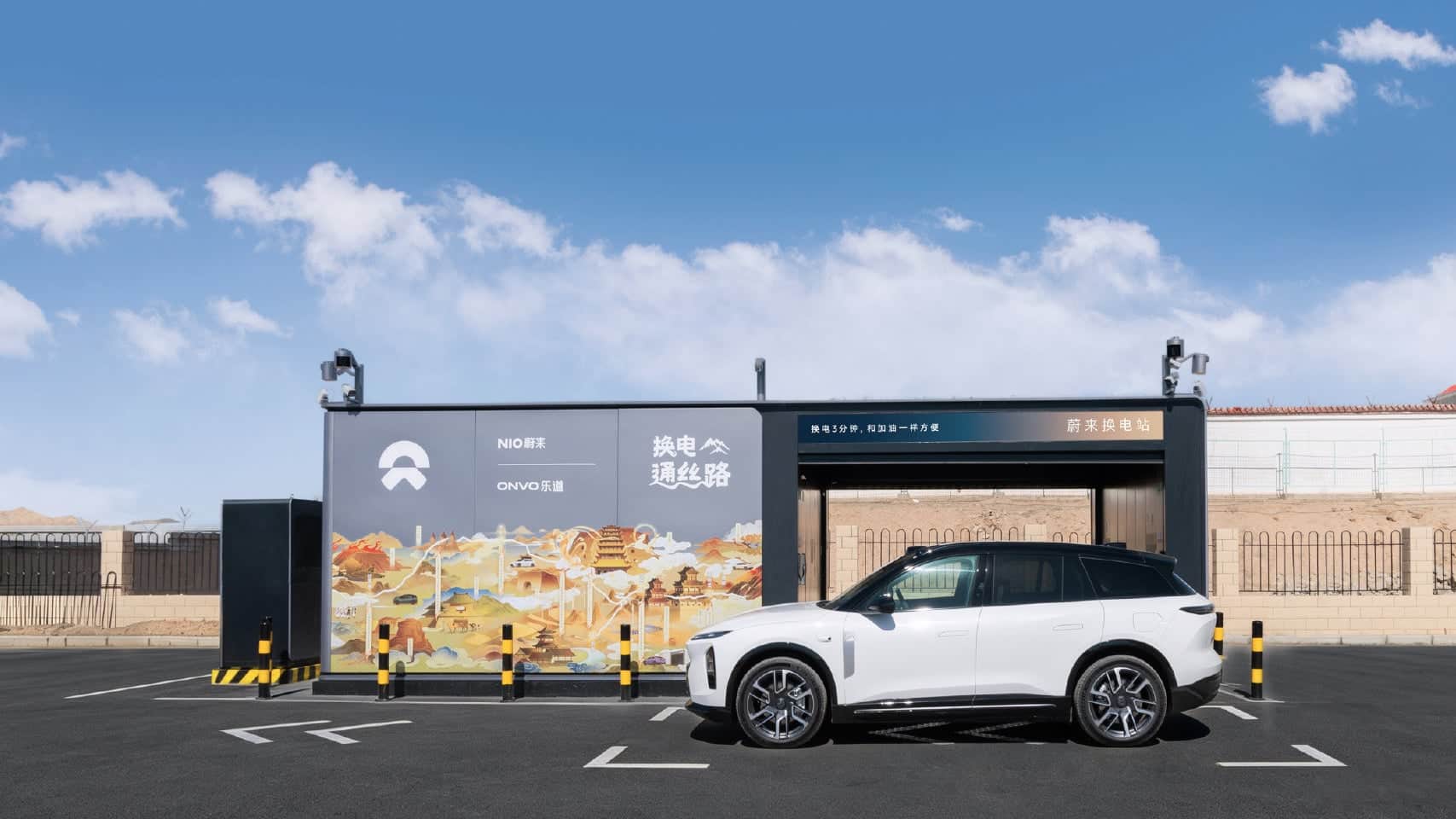
NIO (NYSE: NIO) opened its northernmost battery swap station on November 15, 2026, in the Heihe Free Trade Zone in Heilongjiang province, where winter temperatures can fall to -48°C (-54°F). The fifth-generation station serves cars from all three of the company's brands, NIO, ONVO and Firefly, and NIO says a swap still takes about three minutes without the driver leaving the car.
NIO describes Heihe, on China's northeastern border, as the country's northernmost prefecture-level city, with a freezing season of about 200 days a year. The company says deep cold leaves frost and ice on ordinary charging equipment, weakens battery activity and sharply cuts charging efficiency, and the Heihe site was built around that problem.
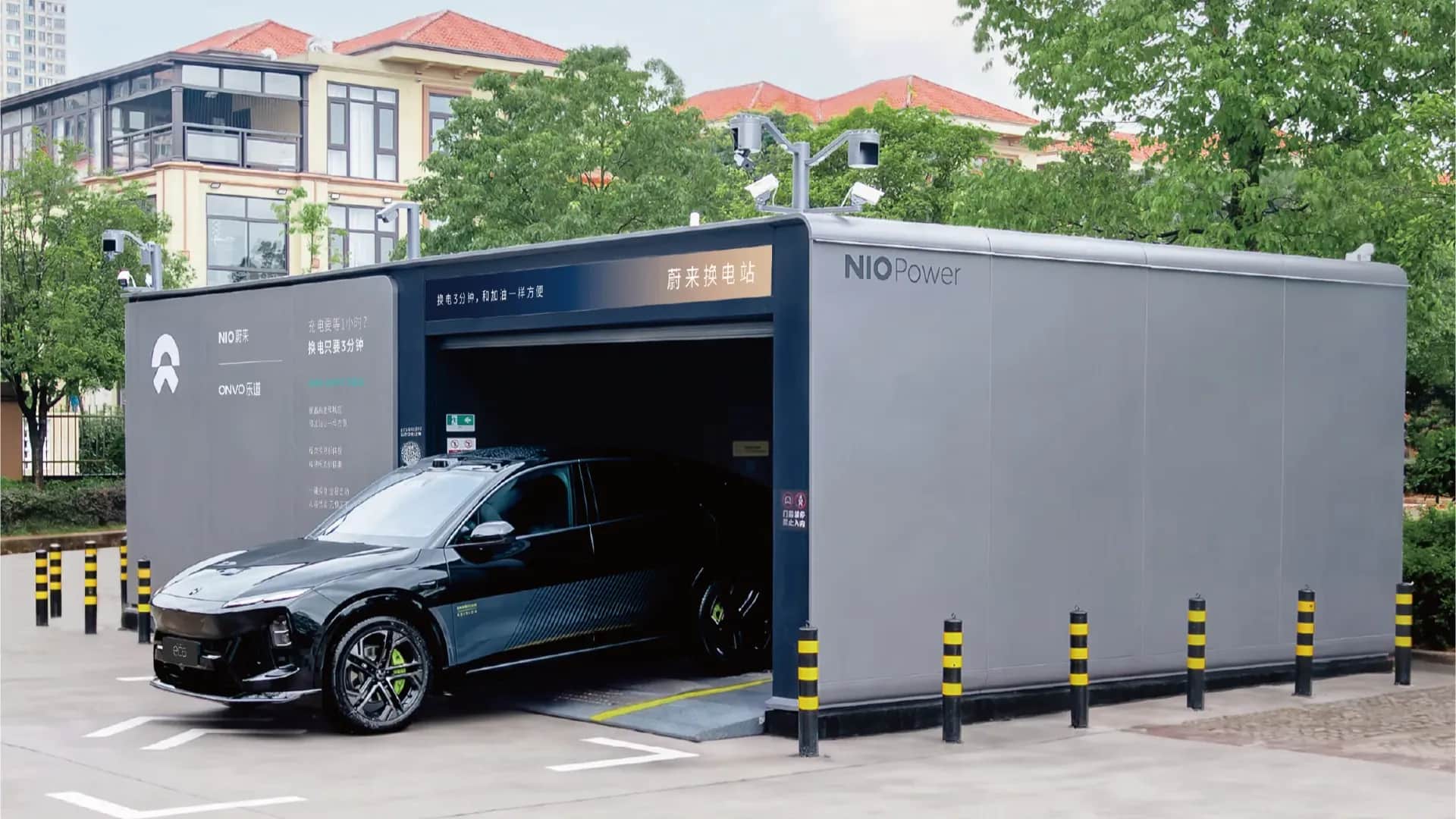
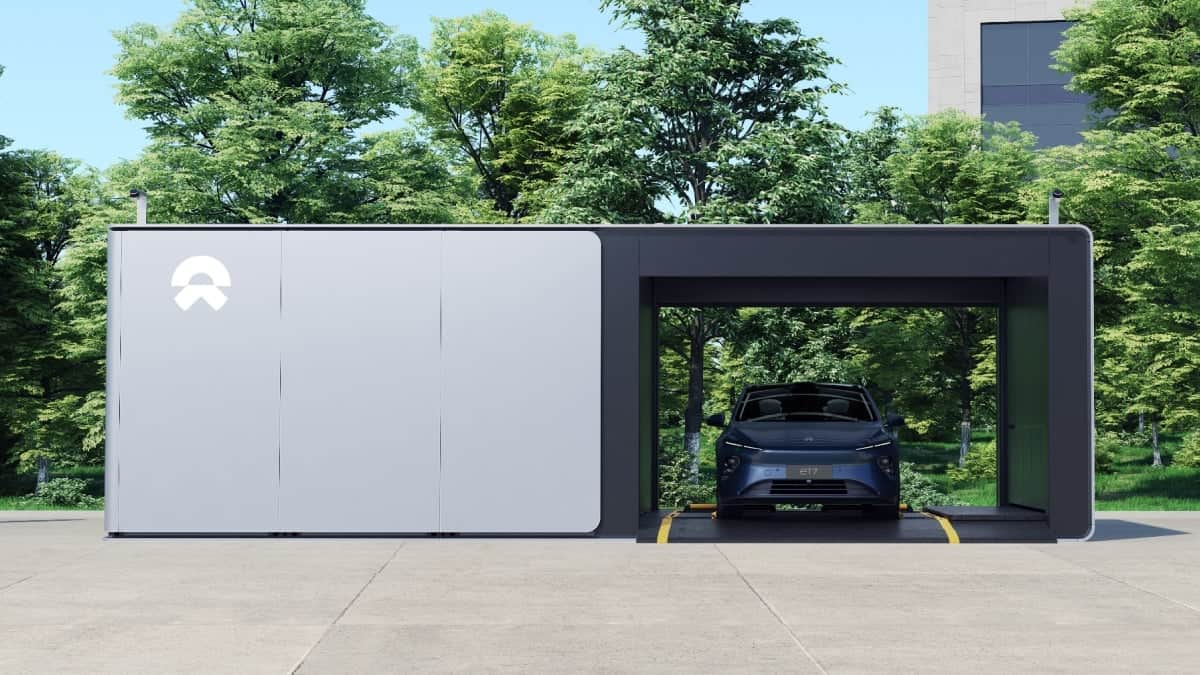
The station's shell uses insulated walls to form a separate temperature-controlled chamber. A thermal management system that runs around the clock holds the stored batteries at 15 to 30°C (59 to 86°F), and the swap machinery preheats itself so the mechanism keeps working in extreme cold. The pack a driver receives has been charged and kept warm indoors, rather than being charged from cold at an outdoor post.

Opening day at the Heihe Free Trade Zone swap station, November 15, 2026 (NIO)
William Li, NIO's founder, chairman and CEO, tied the opening to his own winter driving. He said that in early 2025 he made a 2,200 km (1,367 miles) cold-weather drive from Dalian to the Arctic Village in Mohe using only NIO's charging and swap network. On the coldest leg, from Heihe to Mohe, he said getting out to find a charging post at below -40°C showed him how cold that really is. The new station, he wrote, means NIO, ONVO and Firefly owners no longer have to stand in that cold, and he repeated NIO's aim of making charging as convenient as refueling.
With Heihe online, Li said the swap network now stretches from Jiamusi in the east to Khorgos in the west, with Sanya in Hainan at its southern tip. NIO counted 4,262 swap stations in China as of November 15, 1,083 of them on highways, plus 5,593 charging stations with 32,669 charging piles, for 9,855 sites in all.
The network is still adding sites quickly. On November 3, 2026, NIO reported 4,236 swap stations, 1,077 of them on highways, so the two counts imply a net 26 new swap stations, six of them on highways, between November 3 and November 15, Heihe included. The same day it said it had passed 130 million swaps, with the latest 10 million taking 88 days and swaps averaging more than 110,000 a day over that stretch. NIO also counts more than 1,781,000 third-party charging piles connected to its system, and it calls the network an important driver of its vehicle sales growth.
GCEV Weekly · Every Tuesday
China's EV industry in five minutes.
Launches, sales, batteries and policy — the week's stories that matter, with the context the headlines leave out.
Sent by GigaCharts Inc. Questions? Write to globalchinaev@gmail.com. Unsubscribe anytime. See our privacy policy.
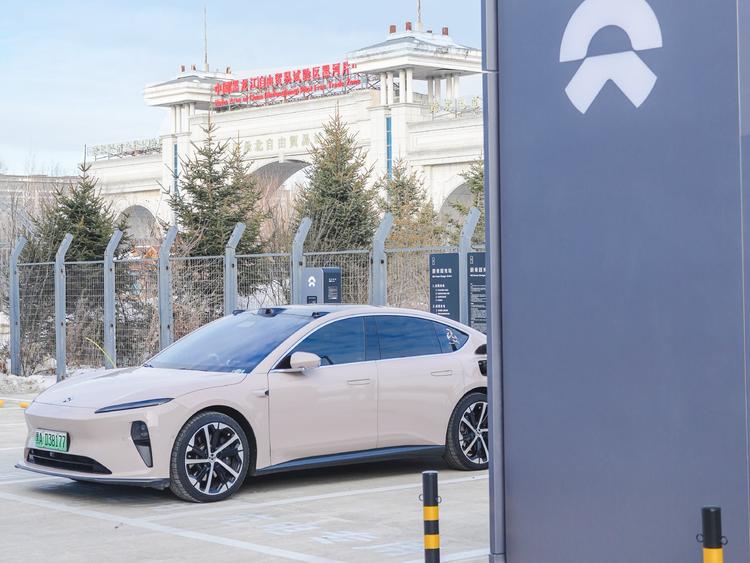
The station sits in the Heihe area of the Heilongjiang free trade zone, on China's northeastern border (NIO)
Northeast China has been a priority this autumn. NIO says it reached every prefecture-level city in Jilin and Liaoning with swap stations in October and has signed partnerships with groups including Liaoning Expressway and Greenland to build more sites in the region. As of November 15, it had 102 swap stations in the northeast, along with 388 charging stations and 1,378 charging piles, for 490 sites.
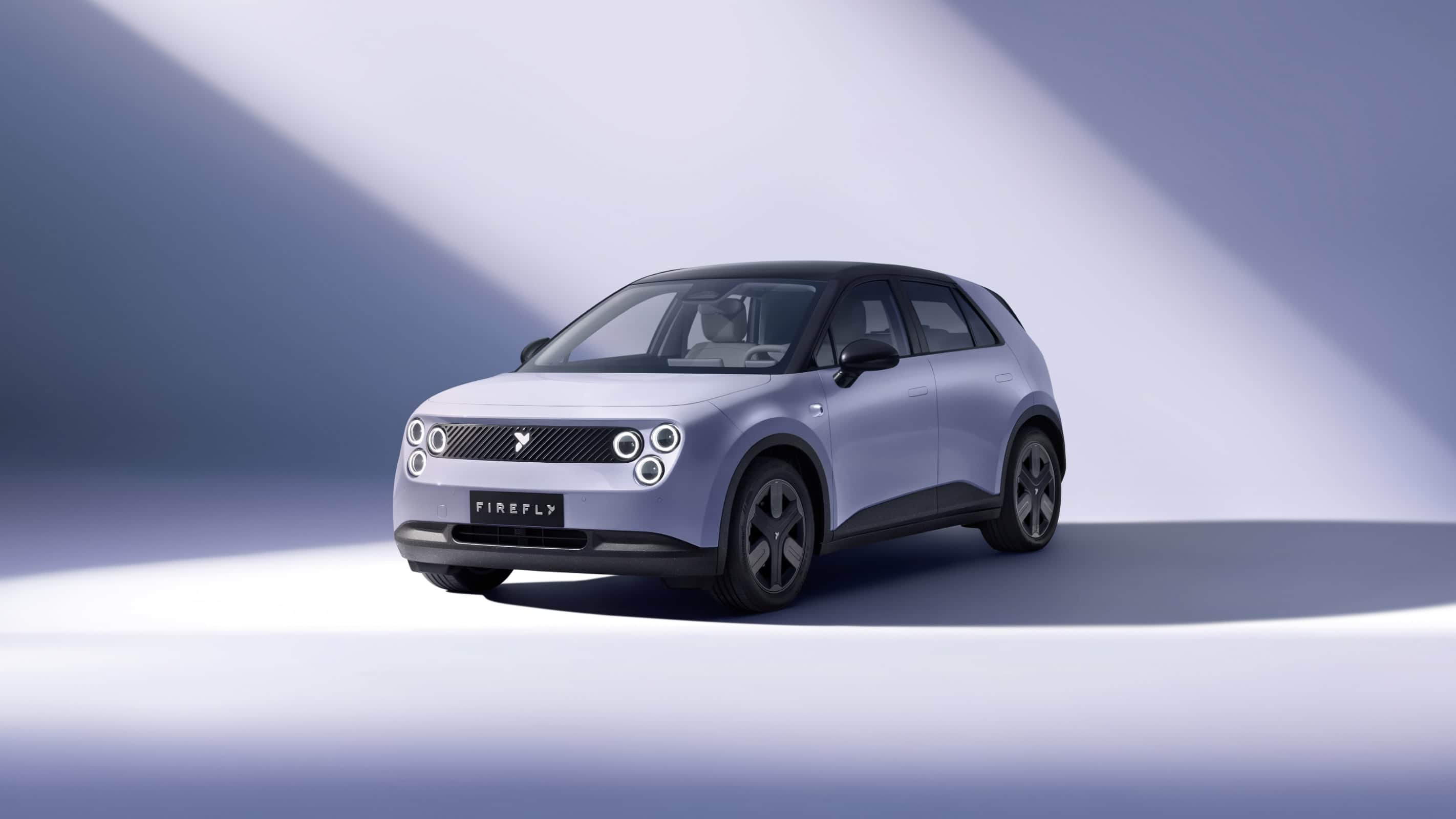
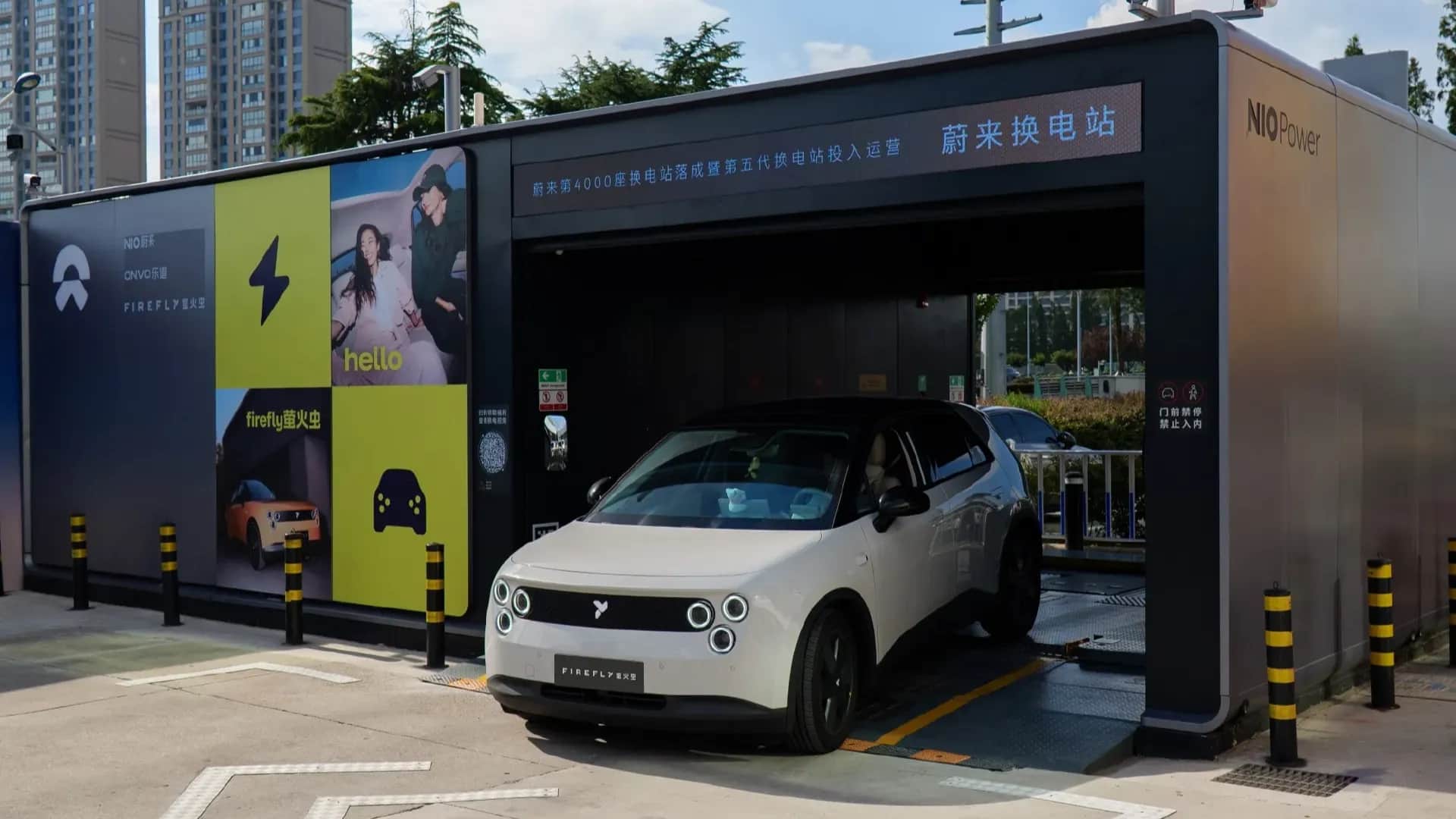
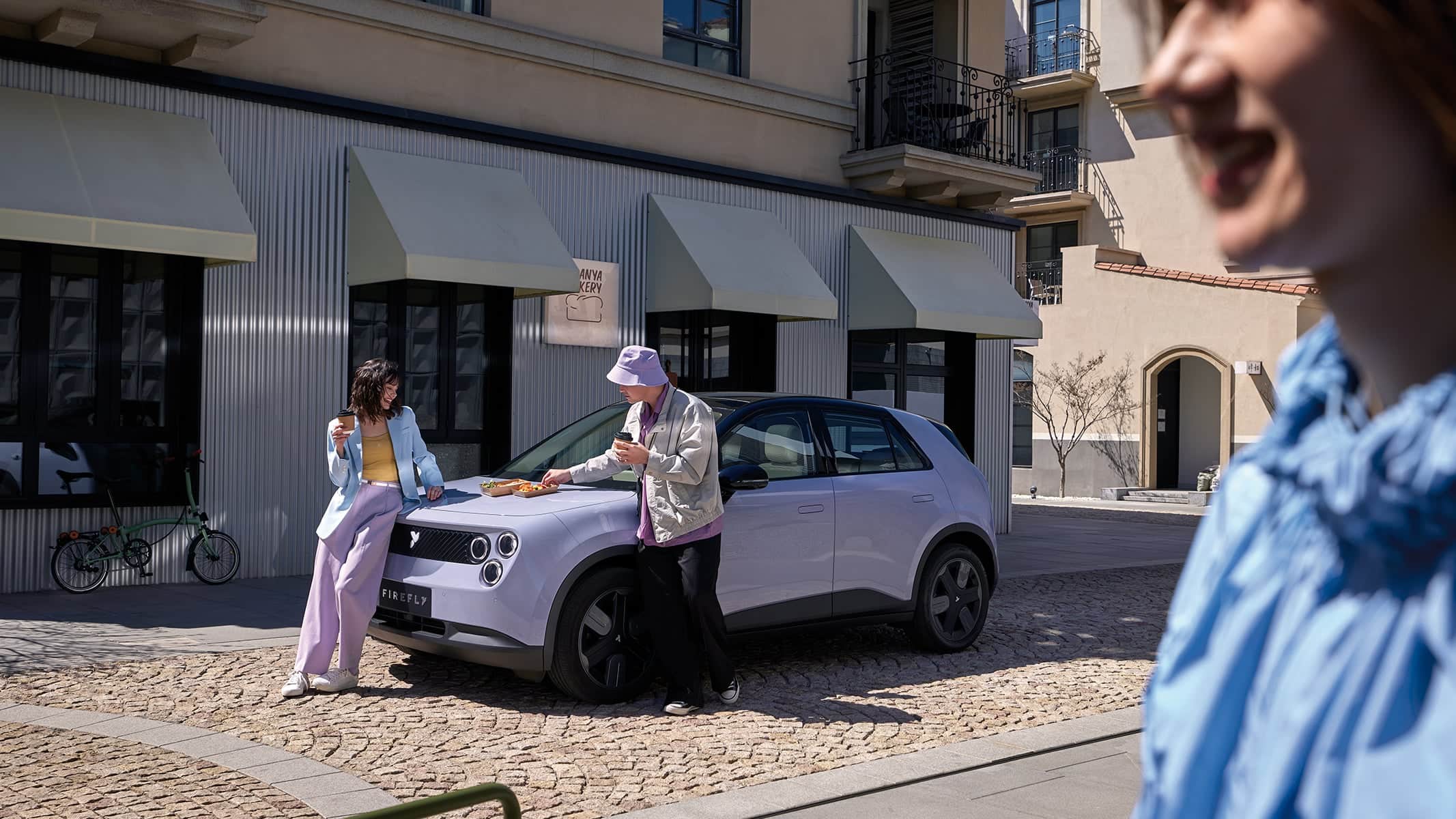
Heihe gives NIO a cold-weather bookend to its hot-climate sites. The company points to its station in Turpan, Xinjiang, which handles highs of 50°C (122°F). Fifth-generation stations first opened on August 7, 2026, in seven cities, the same day NIO's 4,000th swap station went up in Quanzhou, Fujian, and Firefly cars joined the swap network for the first time. At those stations a Firefly can park itself in the bay and start the swap from inside the car, and the station runs a full health scan of the battery pack at every swap.
Canadian drivers will recognize the problem. In a February 2025 winter test by the Canadian Automobile Association, 14 EVs driven at -7 to -15°C (19 to 5°F) covered 14% to 39% less distance than their official ratings, and a 15-minute DC fast-charging session added about 100 km (62 miles) of range on average. Four in 10 EV owners in CAA's survey said much slower charging in extreme cold was a problem, and Heihe's lows run far colder than that test. CAA said it wants Canadian EV labels to show winter driving performance rather than a single average range.
The comparison NIO faces at home is CATL (SZSE: 300750), whose Choco-swap network had 2,520 stations in 200 cities as of September 29, 2026. CATL expects to have about 3,000 by the end of 2026 and plans 6,000 stations in 2027 across 297 cities, 5,000 urban and 1,000 on highways. That 2027 total would pass NIO's current count, but NIO already runs more highway swap stations today than CATL's 2027 highway goal.
CATL's highway build-out aims for roughly one pair of swap stations every 100 km (62 miles) along a grid of 11 north-south and 9 east-west expressway corridors, with 1,000 highway stations planned across 2026 and 2027. As of September 29, the network spanned 31 provinces, and nearly 20,000 new CATL batteries had been stocked in its stations.
CATL chairman Robin Zeng said at an industry event in Shanghai on November 10, 2026, that the swap network will help speed adoption of sodium-ion batteries, which are generally seen as performing better in extreme cold. He said CATL builds the stations itself and leases the batteries to drivers. CATL has said 10,000 to 20,000 EVs will carry its sodium-ion batteries this year. With Heihe frozen for roughly 200 days a year, NIO's heated-chamber approach is about to get a full winter's test.
GCEV Weekly · Every Tuesday
China's EV industry in five minutes.
Launches, sales, batteries and policy — the week's stories that matter, with the context the headlines leave out.
Sent by GigaCharts Inc. Questions? Write to globalchinaev@gmail.com. Unsubscribe anytime. See our privacy policy.