NIO's Firefly adds a 560 km battery, and owners can swap it in for 17,000 CNY
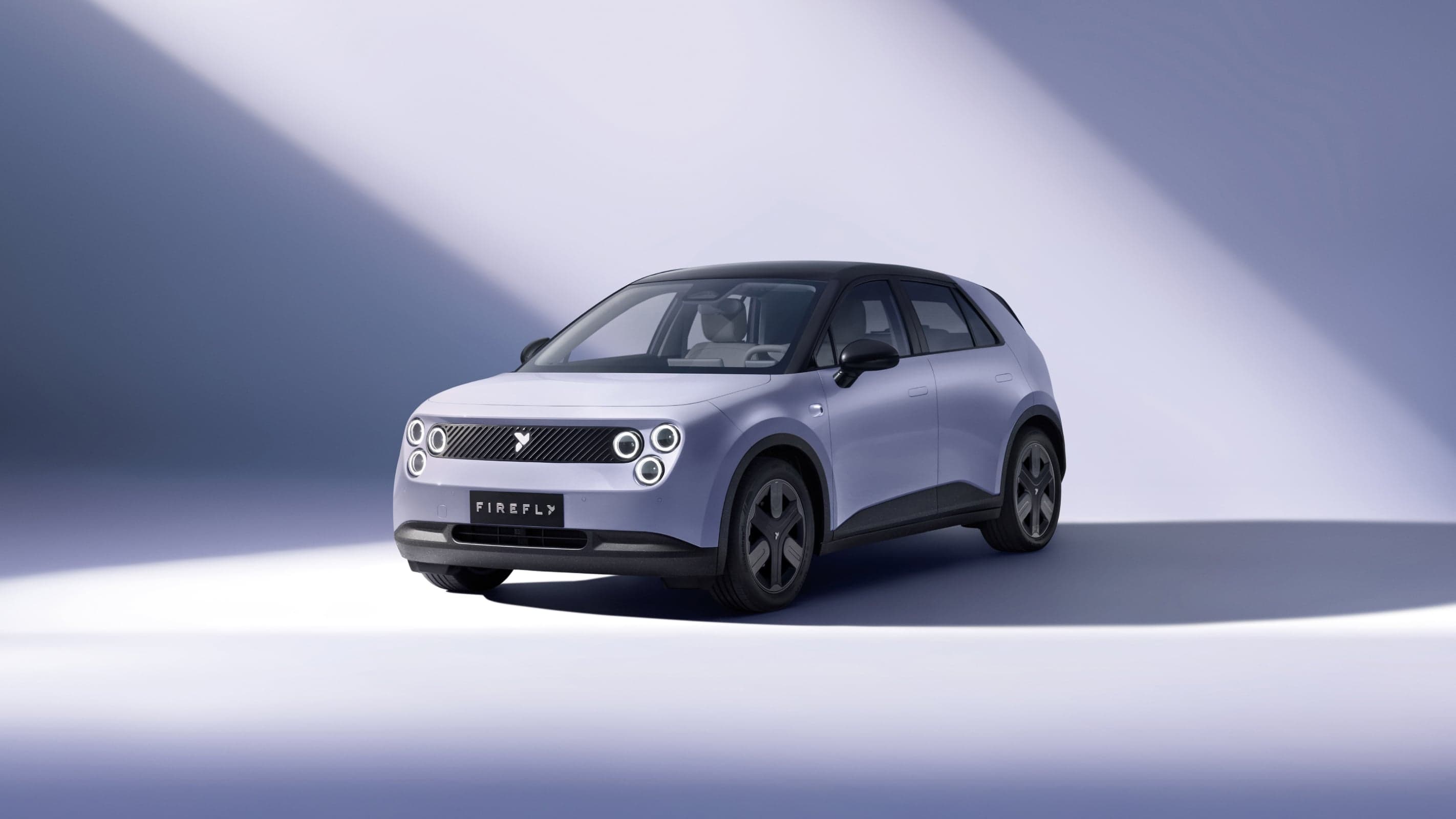
Firefly, the small-car brand of NIO (NYSE: NIO), launched a 60 kWh battery on October 23, 2026, raising the CLTC range of its only model to 560 km (348 miles) from 420 km (261 miles). A Firefly with the new pack starts at 136,800 CNY (c. $20,360), or 79,800 CNY (c. $11,880) under the battery-as-a-service (BaaS) plan, with a battery rental fee of 599 CNY (c. $89) a month.
The bigger pack is not reserved for new orders. Owners who bought their battery outright can move permanently to 60 kWh for a price difference of 17,000 CNY (c. $2,530), while BaaS users pay a 3,000 CNY (c. $447) upgrade fee and then the higher 599 CNY monthly rental. That 17,000 CNY is exactly the gap between the new starting price and the 119,800 CNY (c. $17,830) entry price of the 42 kWh car, so a current owner pays the same premium as a new buyer. According to one report, owners who bought outright must apply for the upgrade at least one year after the invoice date; Firefly's own launch release does not list that condition.
Advertisement – Continue scrolling for more
Firefly says the new pack uses ternary lithium cells and keeps the same acceleration and energy consumption as the standard-range car. The cells are rated at 187.2 Wh/kg, the pack reaches a 73.4% volume utilization rate, and the battery volume and the car's curb weight are unchanged. Both versions run from 0 to 100 km/h in 7.9 seconds.
The pack it sits beside is a 42.1 kWh lithium iron phosphate unit, so capacity rises by about 43% while rated range climbs by 140 km (87 miles), or about 33%. The car itself is otherwise unchanged: it is 4,003 mm long on a 2,615 mm wheelbase, with a rear-mounted motor rated at 163 hp and 205 Nm, and a 92-litre front trunk.
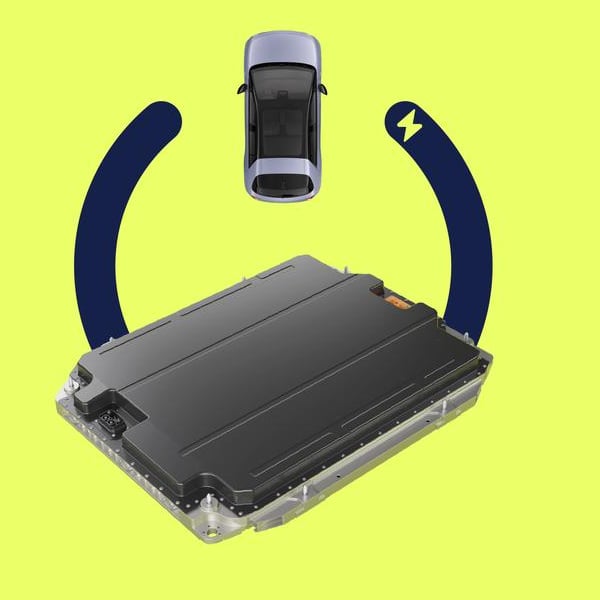
Firefly's illustration of the 60 kWh pack (Firefly)
On safety, Firefly says both packs follow the same battery standards as NIO, including 14 tests that go well beyond national requirements, an all-aluminium grid frame, a cross-shaped impact beam and a layout that keeps coolant lines physically apart from high-voltage parts. Because ternary chemistry has different thermal behaviour from lithium iron phosphate, the 60 kWh pack adds extra thermal protection aimed at isolating heat and containing thermal runaway. The brand also lists five cell technologies meant to slow degradation, from a low-lithium-loss anode to an electrolyte it describes as self-repairing.
The 42 kWh car stays on sale, so Firefly now offers two battery choices, which it says cover city commuting, nearby trips and longer drives. The other longevity measures it names are a passivated cathode, electrode microstructure design and adaptive management of cell swelling, which it ties to NIO's approach of pairing in-house battery research with how it runs the batteries in its network. That matters most for BaaS customers, who rent the pack rather than own it and may end up with a different one at every swap.
Advertisement – Continue scrolling for more
Outright prices for the 60 kWh car run from 136,800 CNY to 150,300 CNY (c. $22,370) depending on trim. Under BaaS, each trim's purchase price is the same with either battery, from 79,800 CNY for the base Free Edition to 93,300 CNY (c. $13,890) for the Halo Edition. What changes is the rental, which rises from 399 CNY (c. $59) to 599 CNY a month, or an extra 2,400 CNY (c. $357) a year.
Launch offers sweeten both paths. New buyers who lock in a 60 kWh order by November 30, 2026 get a "pay four, get one" deal on four years of BaaS rental, which one report puts at up to nine months of fees, or 20,000 credit points if they buy the battery outright. First owners whose 42 kWh orders were locked on or before October 22, 2026, and who complete the upgrade by December 31, 2027, get a 1,000 CNY (c. $149) coupon that cuts the BaaS upgrade fee to 2,000 CNY (c. $298), or 20,000 points if they own the battery. One report says BaaS owners who complete the upgrade in that window also get the same "pay four, get one" on four years of rental.
Advertisement – Continue scrolling for more
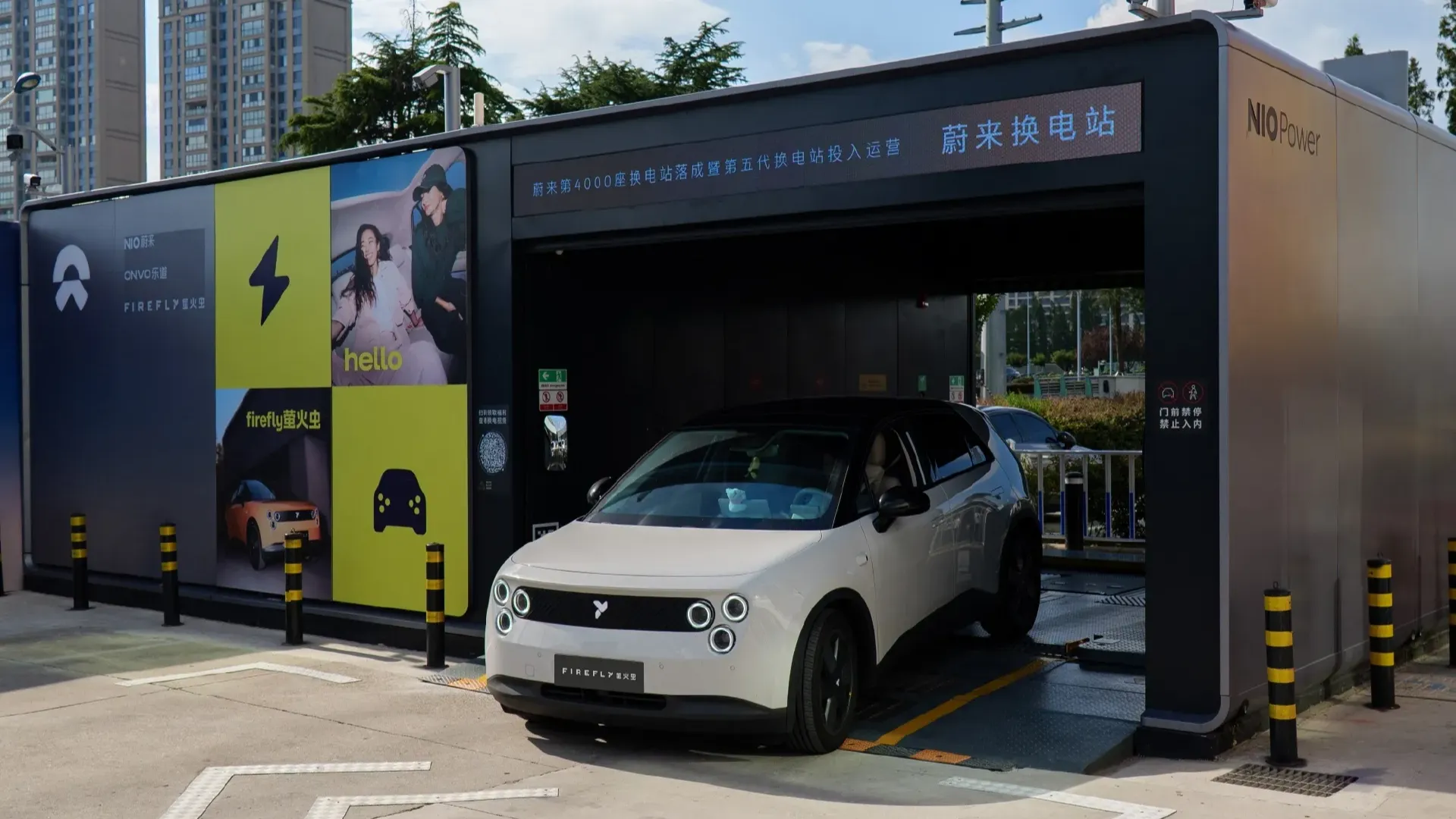
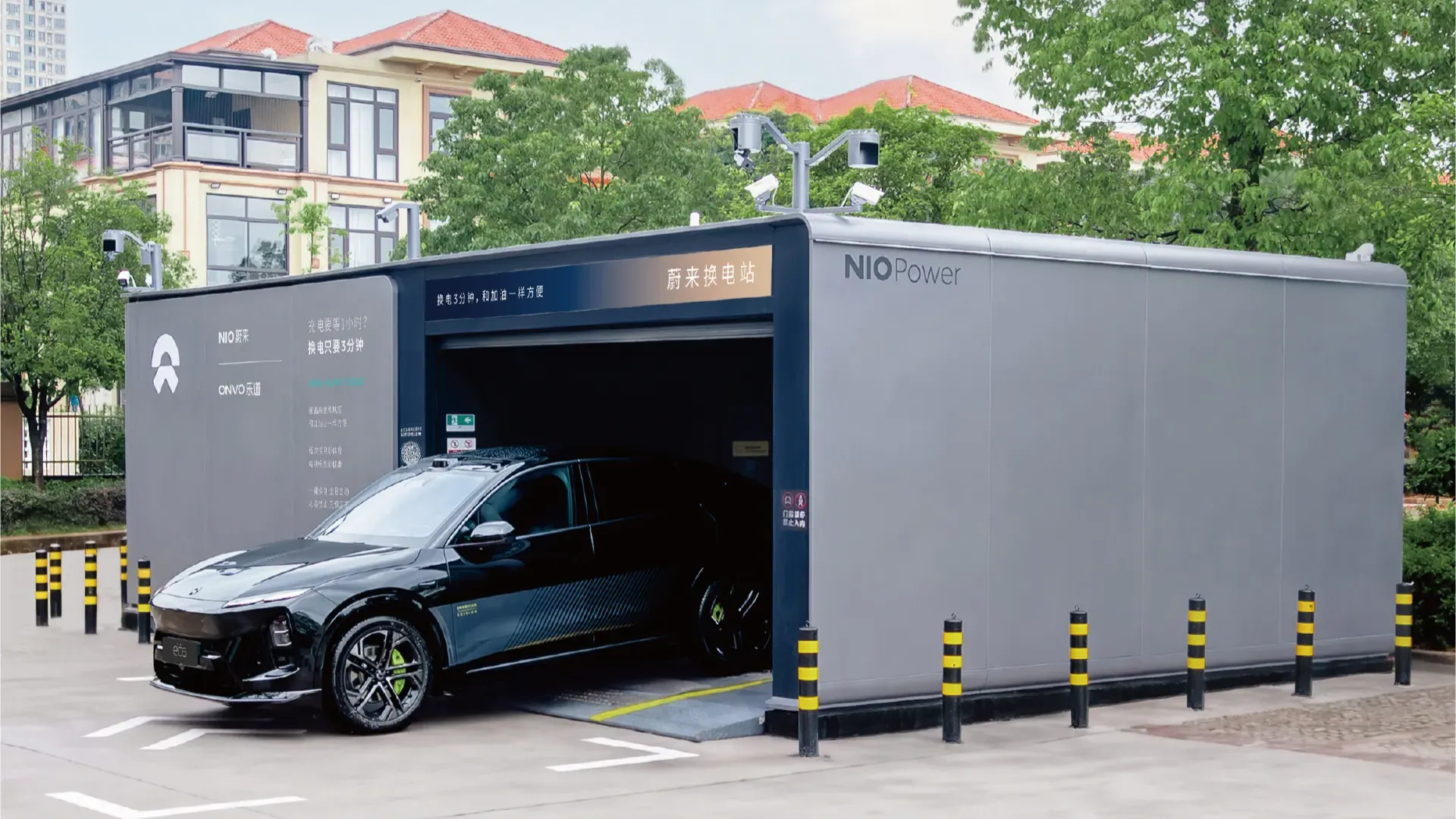
The upgrade path runs through NIO's swap network. Firefly was designed around standardized battery modules, and, according to one report, the two packs share the same housing dimensions, mounting points and locking mechanism, so a car already on the road can take the larger pack without other changes. The car only joined that network when NIO opened its first fifth-generation swap station on August 7, 2026, a design that works with NIO, ONVO and Firefly models alike.
At those stations, a Firefly can swap to a full battery in about three minutes, parking itself and starting the swap from inside the car, and the station runs a health scan on each pack it handles. The first fifth-generation sites covered seven cities, including Beijing, Shanghai, Guangzhou and Chengdu. With the new pack, Firefly now follows NIO's other brands in offering two capacities: the NIO brand sells 75 kWh and 100 kWh packs, and ONVO offers 60 kWh and 85 kWh.
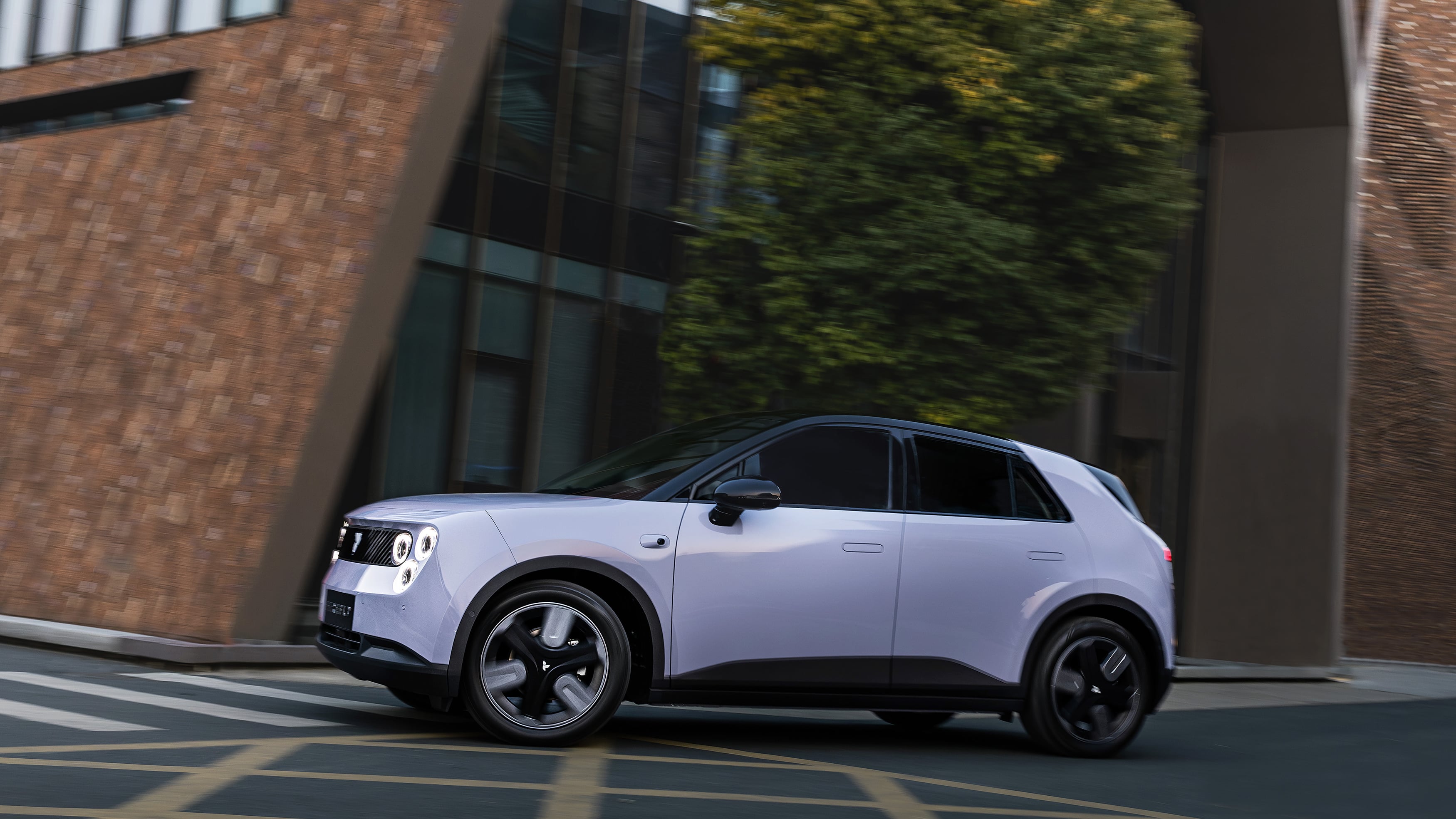
Firefly launched in China in April 2025 and is still offered as a single model with two battery sizes (Firefly)
The battery arrives a week after a volume milestone. Firefly delivered its 90,000th car on October 16, 2026, at a ceremony in Zhengzhou, less than 18 months after first deliveries began on April 29, 2025, and about six weeks after its 80,000th. The official launch statement repeats the 90,000 cumulative deliveries figure. According to one data provider, retail sales rose to 7,200 units in September 2026 from 5,718 in August, up about 26%.
Advertisement – Continue scrolling for more
The extra range also opens a gap over cheaper small EVs. The second-generation Seagull from BYD (HKG: 1211), which launched on October 20, 2026, offers CLTC ranges of 320 km and 420 km (199 and 261 miles), with trade-in pricing from 62,900 CNY (c. $9,360). The 42 kWh Firefly matched the Seagull's longer range; the 60 kWh version now goes 140 km further, at a much higher price.
For Firefly, the upgrade turns its swap-ready design from a convenience feature into something it can sell twice to the same customer. The open question is how many of its 90,000 owners will pay 17,000 CNY, or 200 CNY (c. $30) more each month, for range they did not ask for when they first bought a city car.
Conversion rate: 1 USD = 6.7180 CNY as of October 23, 2026.
Advertisement – Continue scrolling for more