China drafts ban on blue driver-assist lamps below L3, new models from 2028
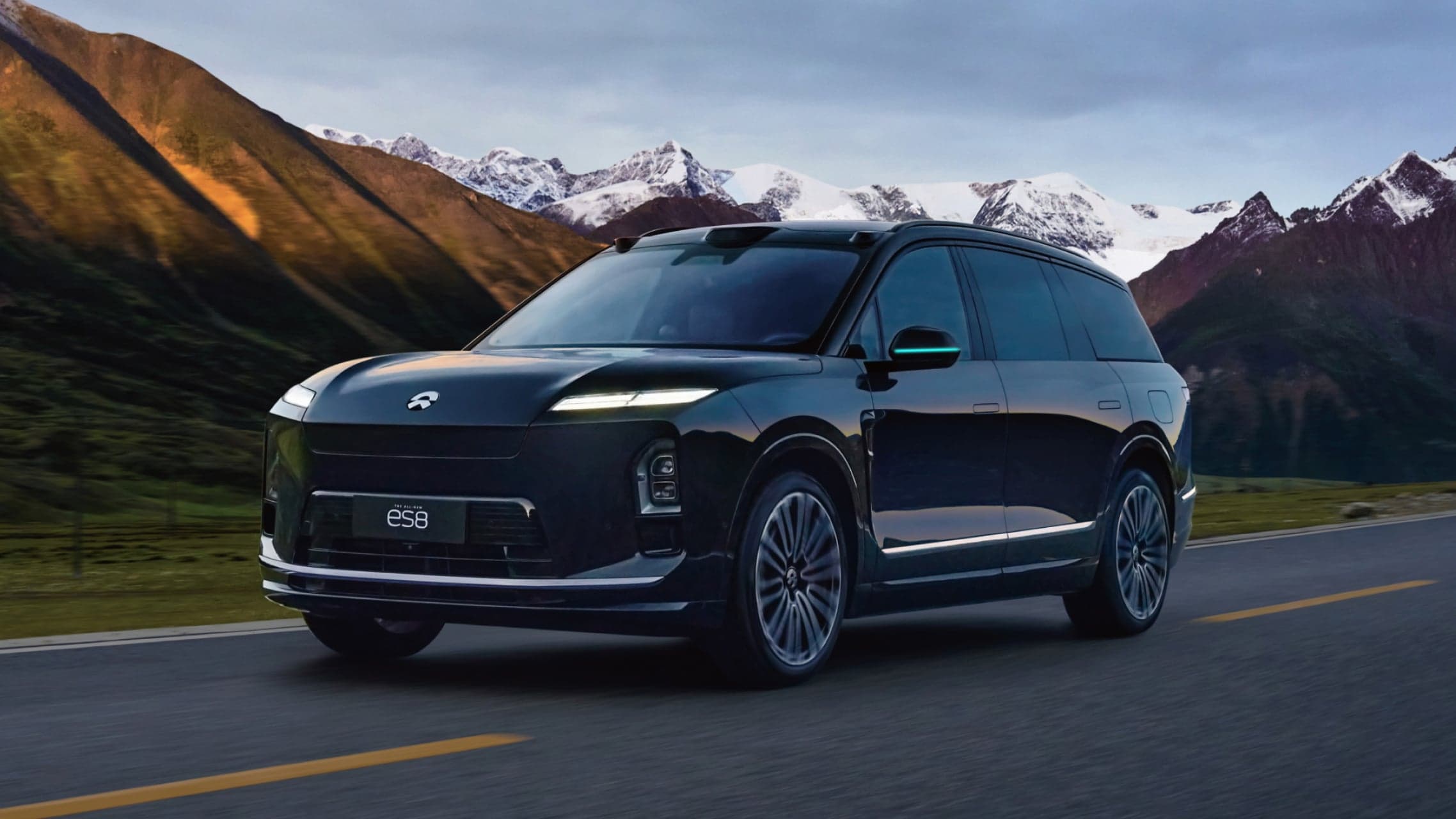
China's Ministry of Industry and Information Technology (MIIT) has proposed banning the blue "assisted driving" lamps that Li Auto (NASDAQ: LI), XPeng (NYSE: XPEV), NIO (NYSE: NIO) and others fit to their cars on any vehicle without a Level 3 (L3) or higher automated driving system. The ban sits in a draft revision of GB 4785, the mandatory standard for installing exterior lights, which MIIT published for comment on October 20, 2026 with a proposed start date of January 1, 2028.
Clause 5.24.1 of the draft lets only vehicles with an L3 or higher automated driving system that meets GB 44721 fit front, rear and side "ADS marker lamps", and it prohibits the lamps on every other vehicle. The lamps must switch on automatically when an L3 or higher function engages, stay lit while it runs and go out when it exits. They are banned from lighting at L2 or below, and drivers may not turn them on or off by hand.
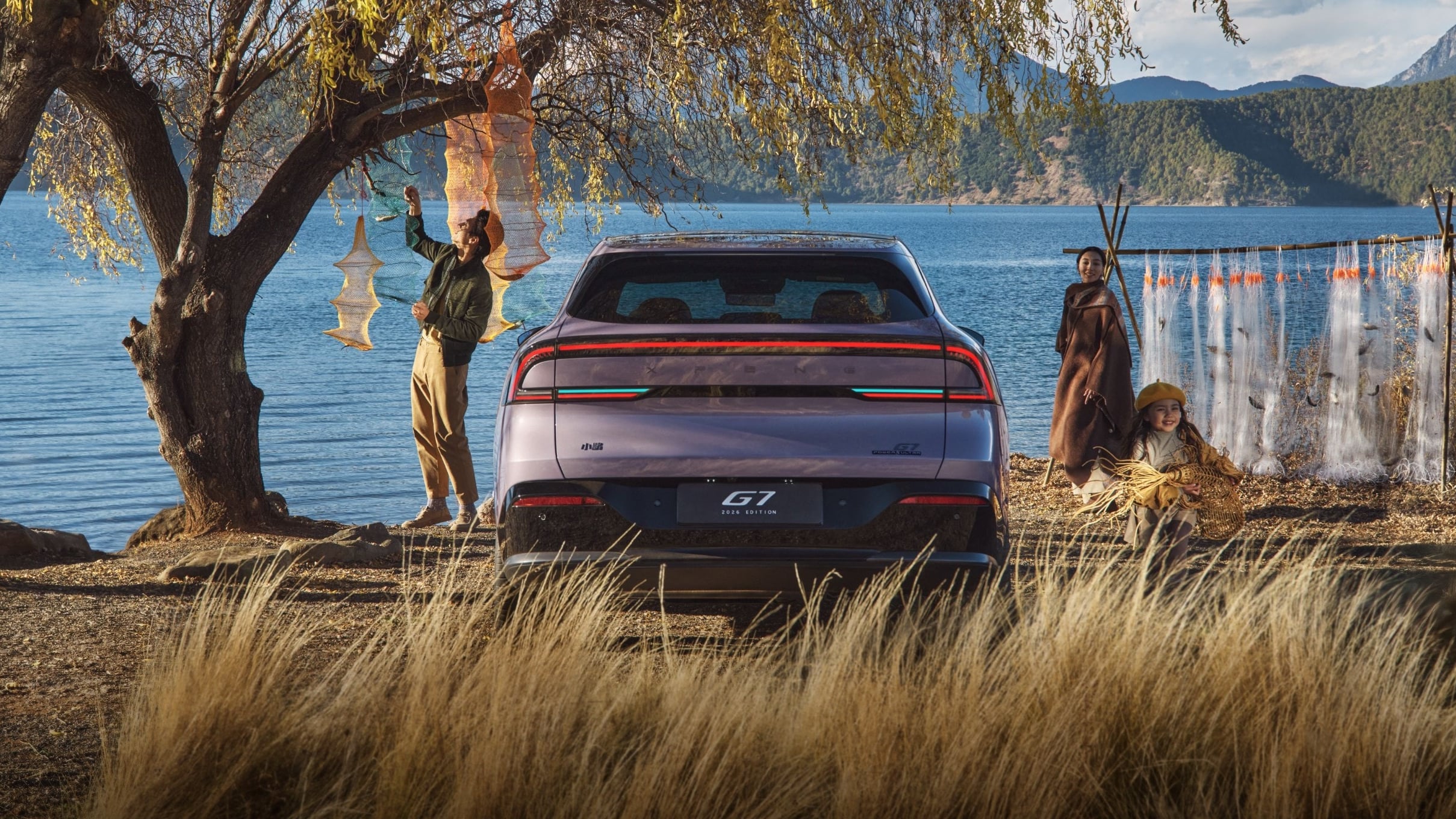
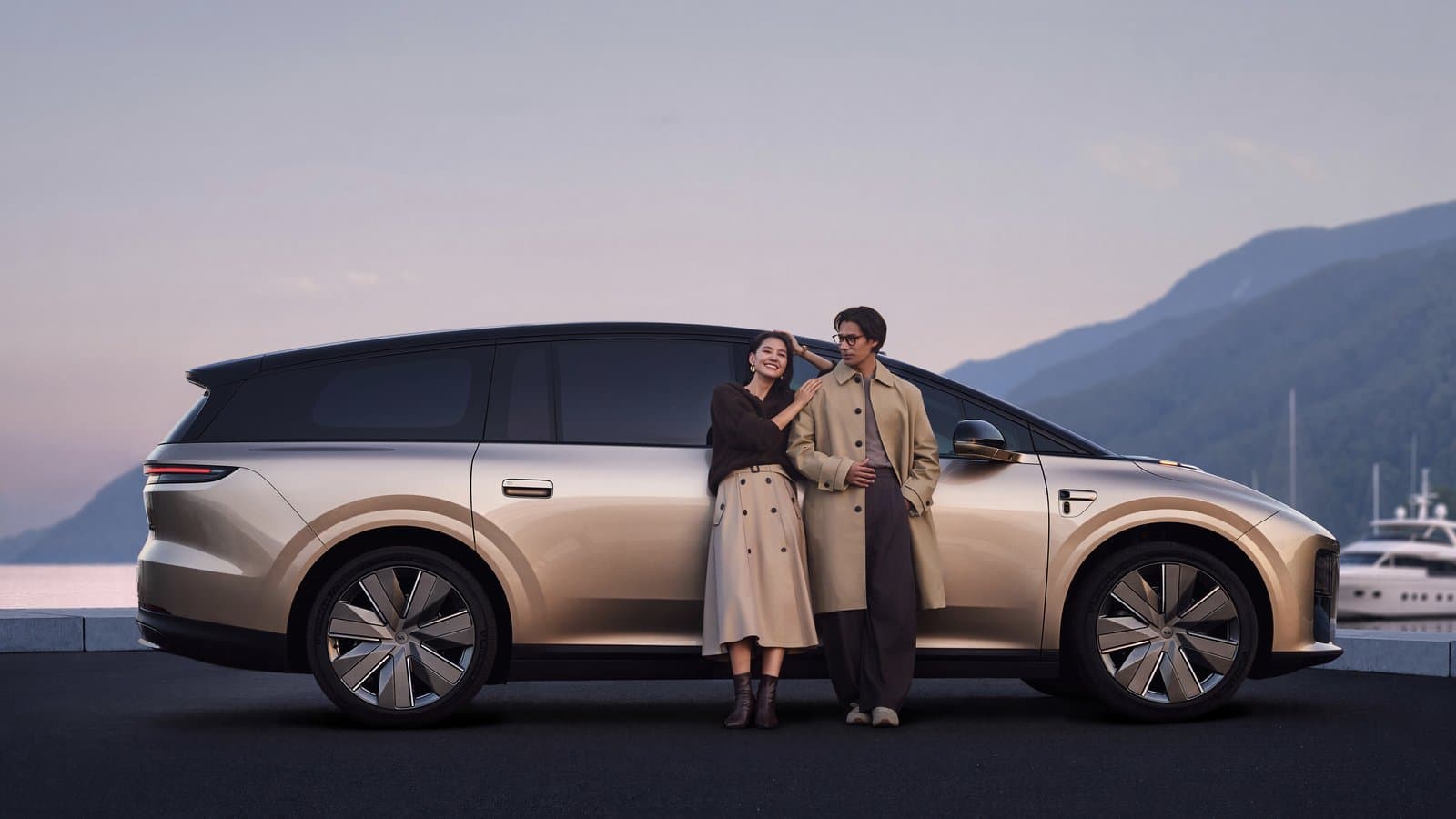
XPeng fits teal assisted-driving indicators into the G7 tail lamps, the kind of lamp the draft would reserve for L3 cars (XPeng)
The draft also gives the marker lamp a colour of its own. It adds a blue-green colour range reserved for ADS marker lamps and bars carmakers from using a similar shade on other non-standard lights, such as charging indicators that may glow while a car is parked. Public comments close on December 19, 2026.
For newly type-approved models, the marker-lamp clause would apply from the day the standard takes effect. Models that are already approved would have until the 37th month after that date, which on the proposed timetable means January 2031. Most other new requirements reach new models from the seventh month.
Advertisement – Continue scrolling for more
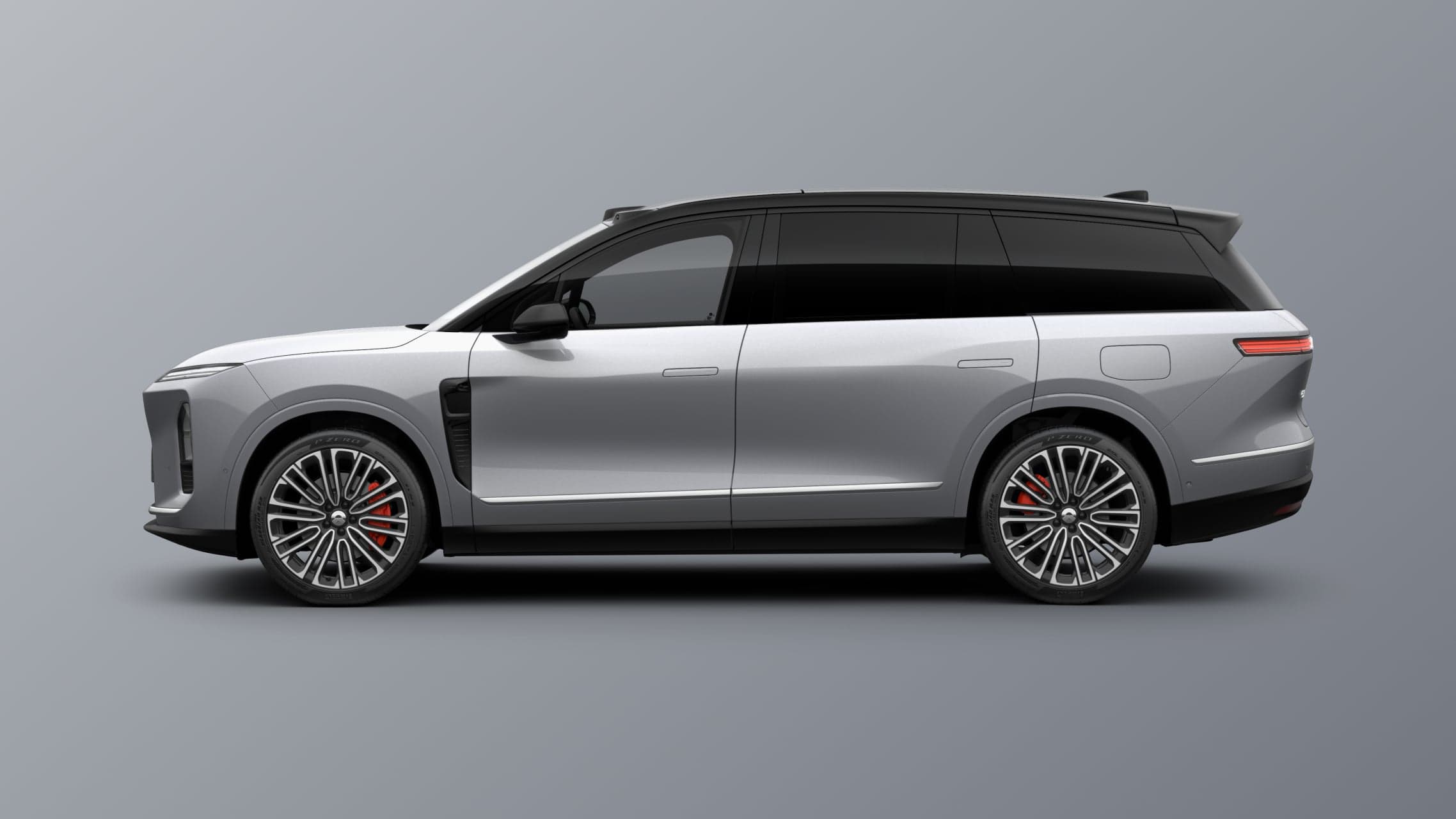
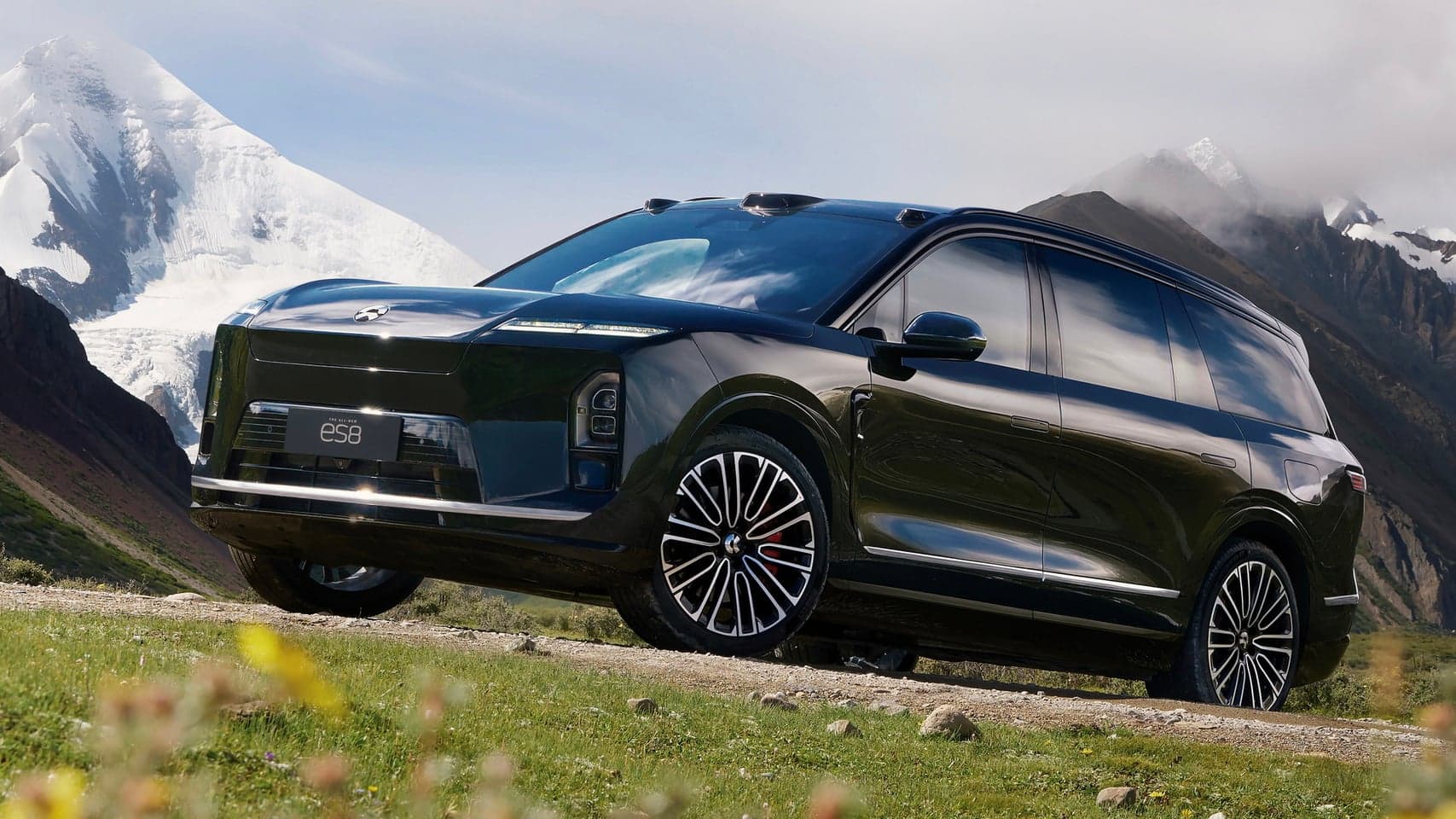
The lamps have been a showroom signal for driver assistance rather than a regulated feature. Li Auto's L9 became the first production car in China to carry one in August 2022, and XPeng, NIO, AITO and BYD (HKEX: 1211) followed. NIO describes the lamp on the ES8's door mirrors as a 6 mm strip with 30 LEDs, while XPeng lists a blue mirror lamp and a rear indicator on the G7.
The current standard, GB 4785-2019, took effect on July 1, 2020 and allows only colours such as white, red and amber on exterior lamps, leaving blue in a grey zone that was neither approved nor banned. A 2021 draft would have required blue-green ADS lamps on L3 cars, but that clause never made it into a final standard.
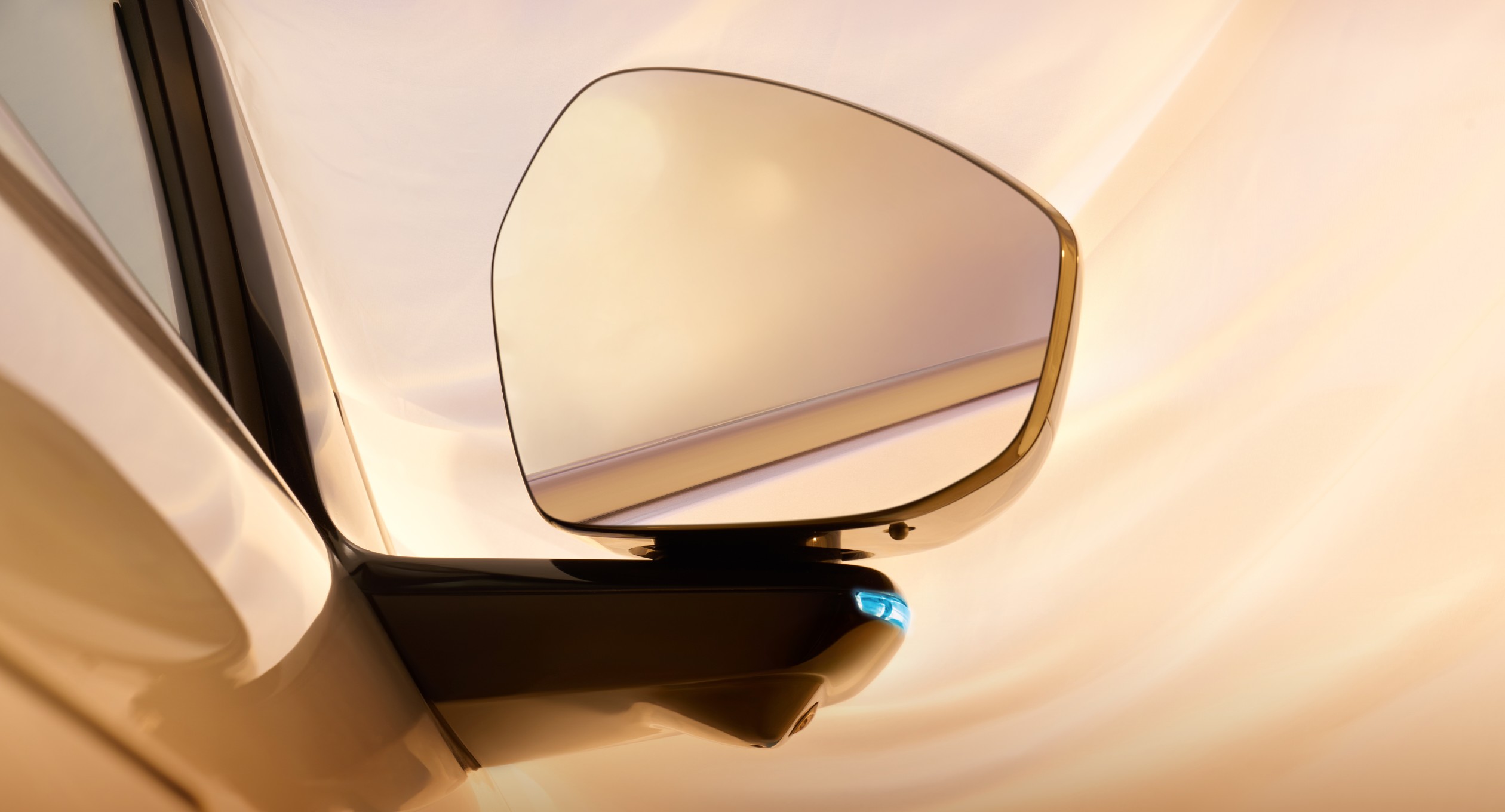
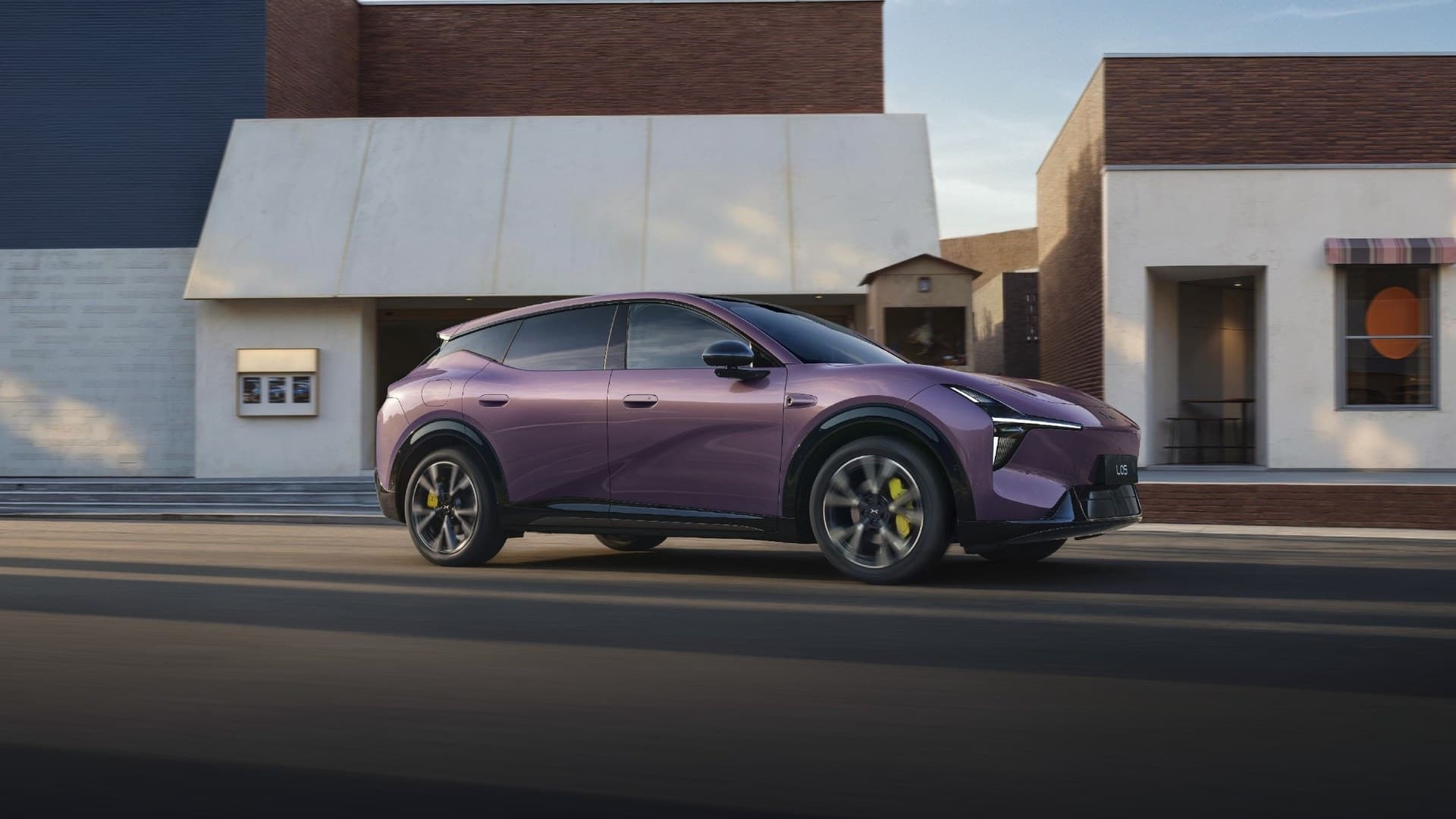
The G7 places its blue assisted-driving lamp under the door mirror, a common spot since Li Auto launched the L9 in 2022 (XPeng)
The squeeze started before this draft. In late July, there were reports that MIIT would tighten approvals for cars with the lamps from its 410th batch of new-vehicle filings, and a supplier executive said new and modified model filings were already being held to that line. Geely said it would follow national rules, and Li Auto executive Zhai Yuan posted on social media that the lamp should be cherished while it lasts.
The draft is written for type approvals and says nothing about removing lamps from cars already sold. Commentary on the draft also says existing cars will not be forced to remove them, with the focus on new filings.
Advertisement – Continue scrolling for more
Very few new models could carry the lamp under the new rule. According to Guo Shougang of MIIT, speaking on October 22, Changan (SZSE: 000625) and BAIC received conditional market access for L3 products in December 2025, and Guo said a second batch of L3 pilots is under way. Under the draft, every model that offers only L2 combined driver assistance would be barred from fitting the lamp.
MIIT's explanatory note shows the lamp has been on the drafters' agenda for more than a year. A dedicated meeting on ADS marker lamps in August 2025 agreed in principle on how they would fit into the standard, and in September 2026 the drafters consulted the Ministry of Public Security's road traffic safety research centre on the lamp clauses. The drafting group included Huawei's Yinwang unit, BYD and SAIC Volkswagen.
The revision tightens other lighting habits too. No lamp may display text except an illuminated logo, and lamp patterns may not form faces or other human-like images. Drivers may not control the defined lamps by gesture or switch them off by voice, and while a car is being driven on a public road it may not light any lamp the standard does not define.
Advertisement – Continue scrolling for more
The marker lamp is a Chinese addition to the rulebook. GB 4785 is largely based on UN Regulation No. 48, and MIIT's note says the UN rule has no ADS marker lamp requirement. The draft also adds a graphic signal interaction function, meant to work alongside the ADS lamp when the car communicates with people outside it.
The proposal lands as regulators press carmakers on how they sell driver assistance. Li Changqing, an official in the quality development bureau of the State Administration for Market Regulation (SAMR), said on October 22 that marketing must never become a fig leaf for safety hazards. Days earlier, on October 16, four departments told more than 30 carmakers not to mislead buyers about the limits of their systems or encourage drivers to neglect their responsibility.
Advertisement – Continue scrolling for more
Li also said China carried out 617 recalls covering 20,393,800 vehicles from January to September, with 71.23% prompted by defect probes, regulatory interviews and on-site checks. Reports of his speech differ on the category, describing the total as recalls of new energy vehicles or as recalls of intelligent connected vehicles.
Carmakers now have until December 19 to argue their case. The bigger question is how many L3 models MIIT will approve before 2028, since only those cars would be allowed to light the blue-green lamp at all.
Advertisement – Continue scrolling for more