How can US automaker Tesla claim most of the Chinese EV quota in Canada?
Global Affairs Canada opened a quota in March 2026 letting up to 24,500 Chinese-built electric vehicles into the country over six months at a reduced 6.1 percent tariff. Six months later, the vehicle doing most of that importing isn't from BYD, Chery, or Geely. It's a Tesla.
The quota traces back to a trade agreement Prime Minister Mark Carney struck with Beijing, announced January 16, 2026. It replaced the 100 percent surtax Canada had imposed on Chinese-made EVs since October 2024, cutting the rate back to the 6.1 percent most-favoured-nation level in exchange for China lifting retaliatory tariffs on Canadian agricultural exports. The deal caps Chinese EV imports at 49,000 vehicles in year one, rising roughly 6.5 percent annually to about 70,000 by 2030, with half of that volume required to carry an import price under $35,000 CAD by then.
Global Affairs Canada formalized the mechanics on February 25, 2026, in Notice to Importers Serial No. 1162. Permits are shipment-specific, valid for 60 days, and issued to Canadian-resident automakers on a first-come, first-served basis. Applications opened March 1 for the first 24,500-unit window, running through August 31. Non-resident manufacturers can qualify through a Canadian agent, but nothing in the notice reserves space by brand or country of ownership beyond requiring Chinese manufacture.
Advertisement – Continue scrolling for more
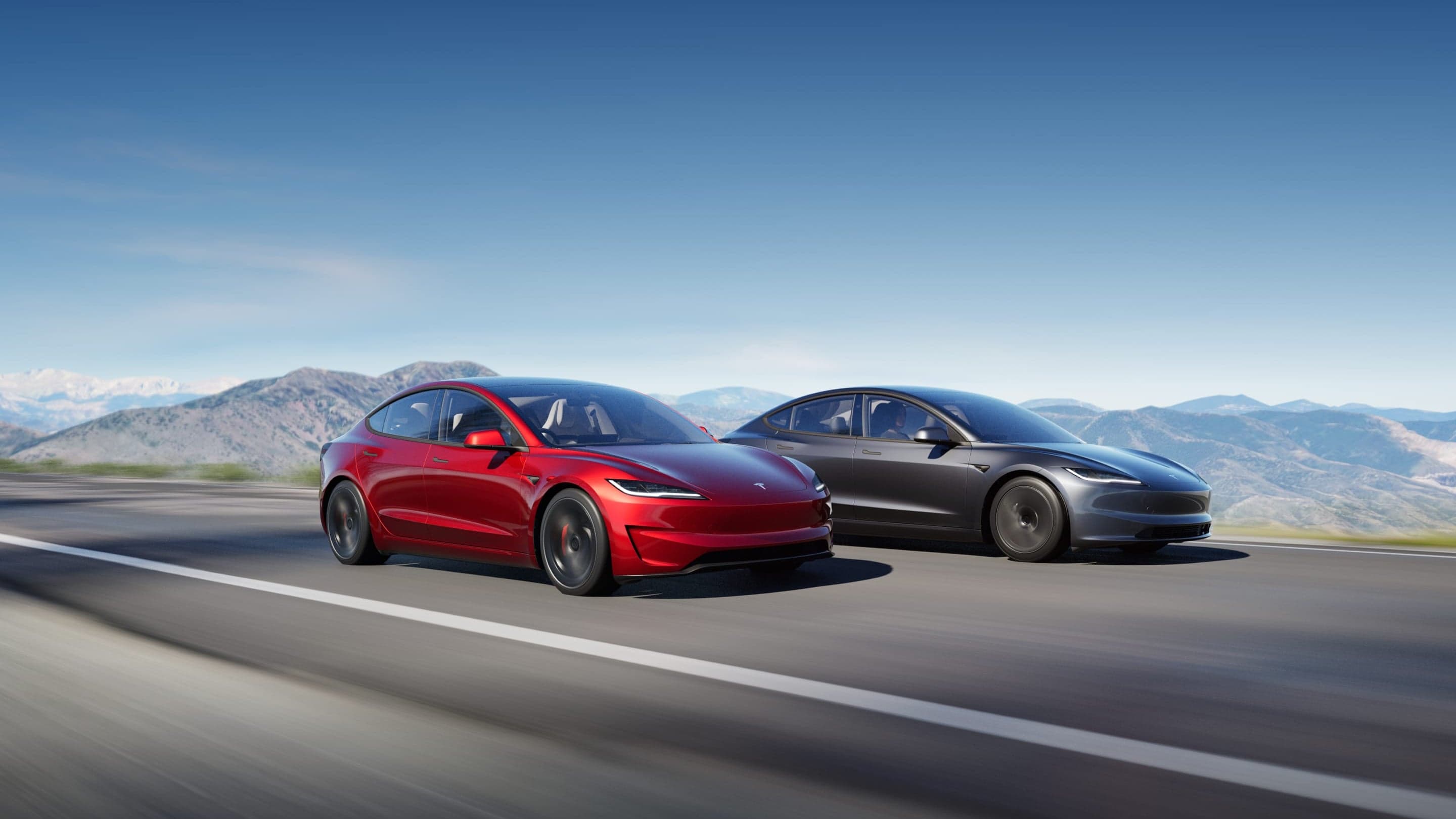
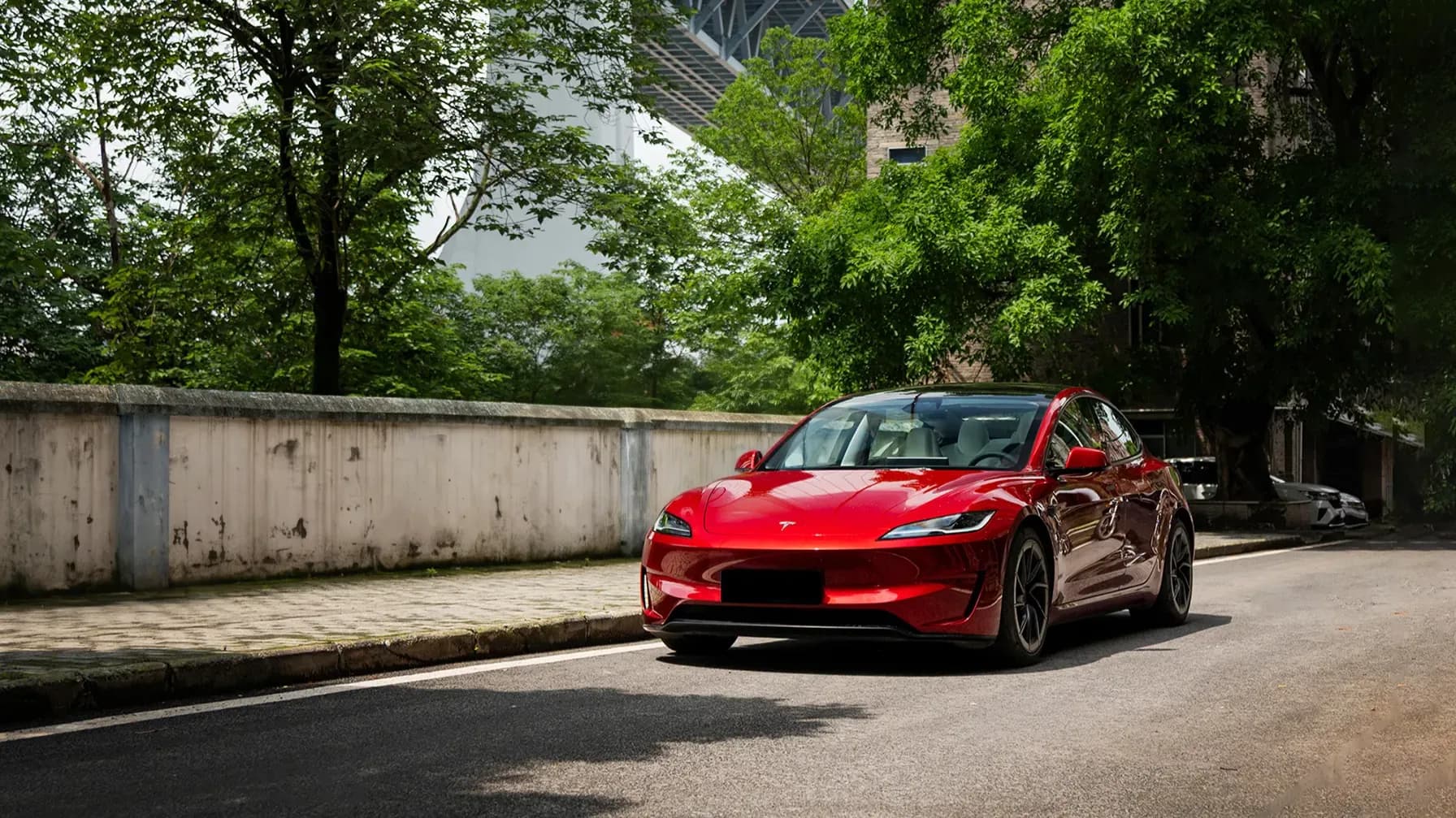
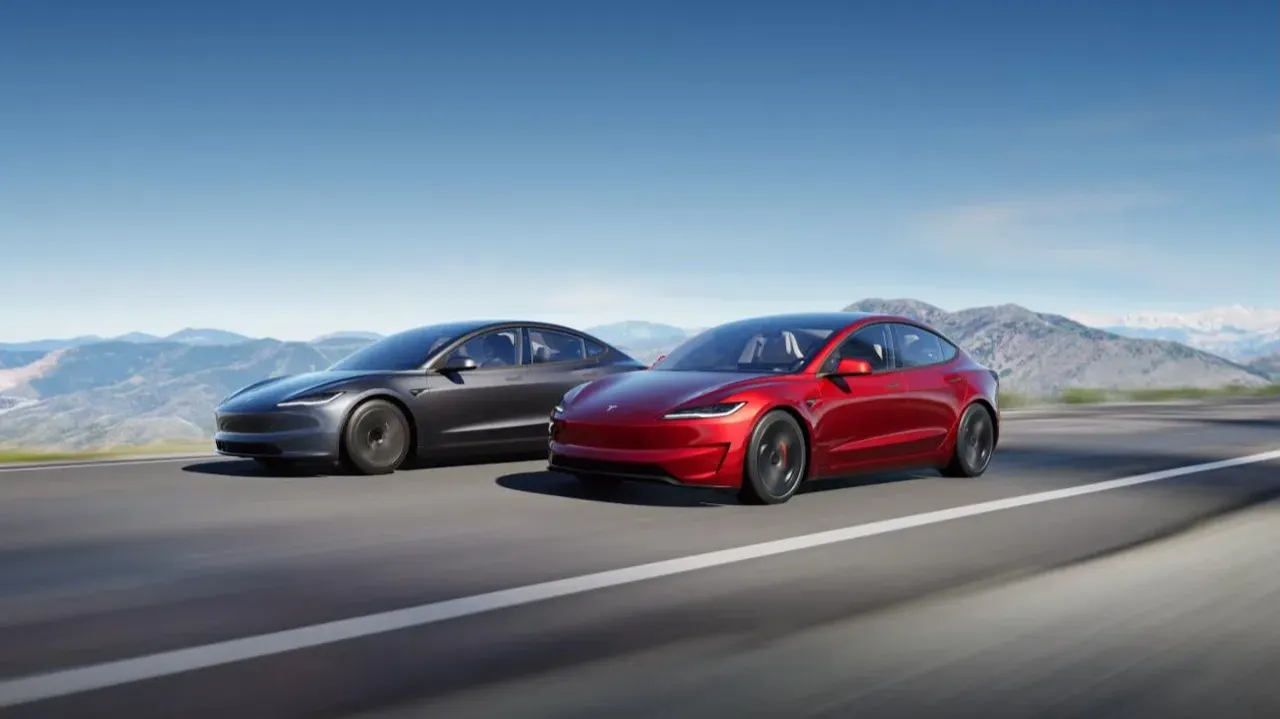
That gap mattered almost immediately. Tesla (NASDAQ: TSLA) relaunched a Shanghai-built Model 3 on the Canadian market on May 1, 2026, priced from $39,490 CAD, using the quota to avoid the steeper tariff route tied to its US-built inventory. By the end of May, importers had drawn down 2,910 vehicles under the program, with only 18 confirmed as something other than a Tesla: Lotus Eletre SUVs from Geely's stable. Global Affairs Canada does not break its utilization reports down by importer or brand, but with Tesla and Lotus the only Chinese-built models actually shipping into Canada in volume that spring, the Model 3 accounted for the bulk of the total by elimination.
The pace kept climbing. Quota usage reached 37.7 percent by mid-July, crossed 51 percent in early August at 12,513 vehicles, and hit 15,063 of 24,500 permits, or 61.5 percent, by August 21, with roughly 9,400 permits left before the window closed at the end of the month.
The vehicles moving through the quota were not exclusively budget models. By late August the price split ran nearly even, with 7,747 vehicles entering under $35,000 CAD against 7,013 above that line, and Tesla's $39,490 Model 3 sitting just over the threshold. The deal's affordability rule, requiring half of Chinese EV imports to carry a sub-$35,000 price tag, does not bind until 2030, so for now importers are free to bring in whatever price point sells.
Advertisement – Continue scrolling for more
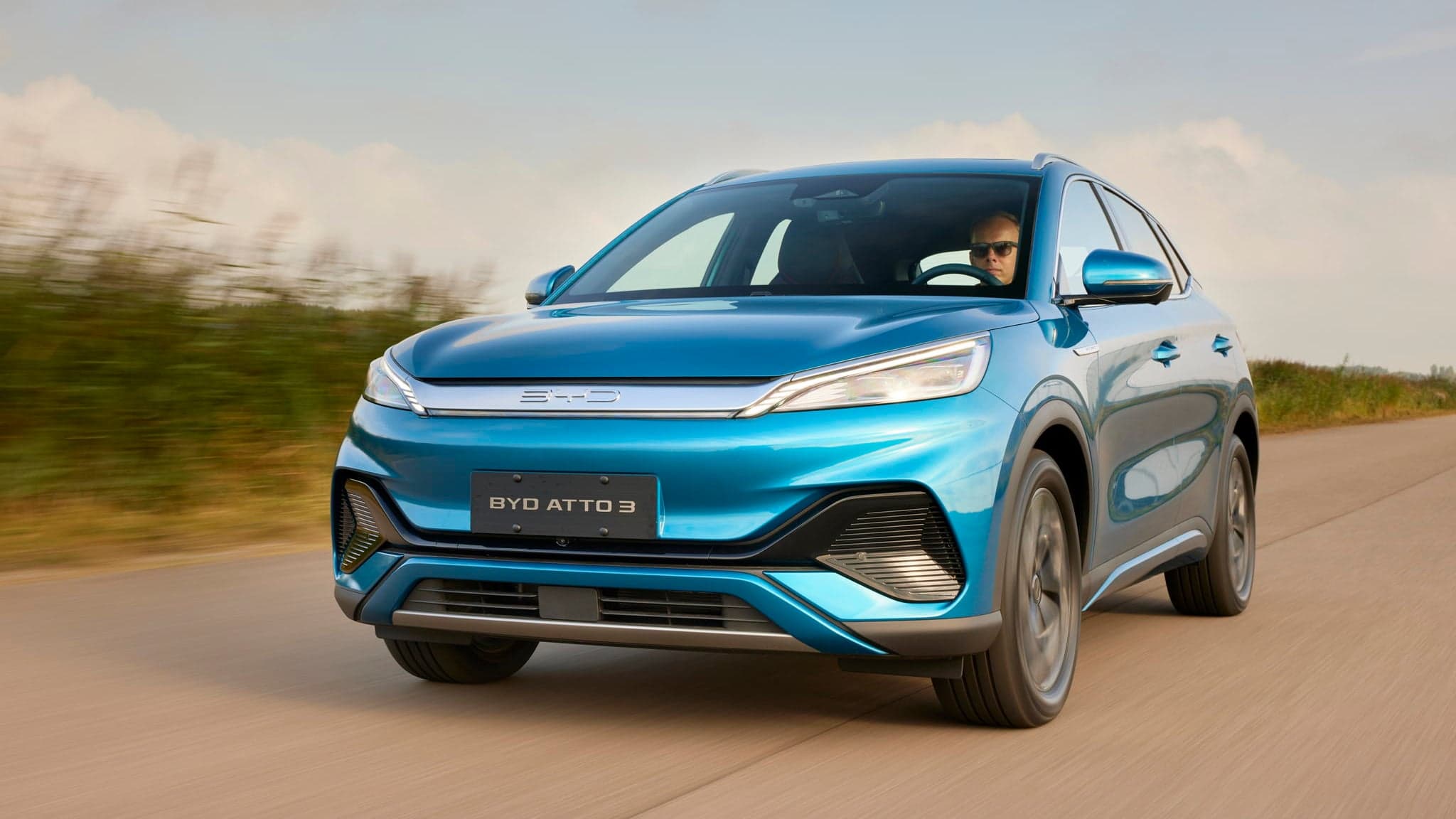
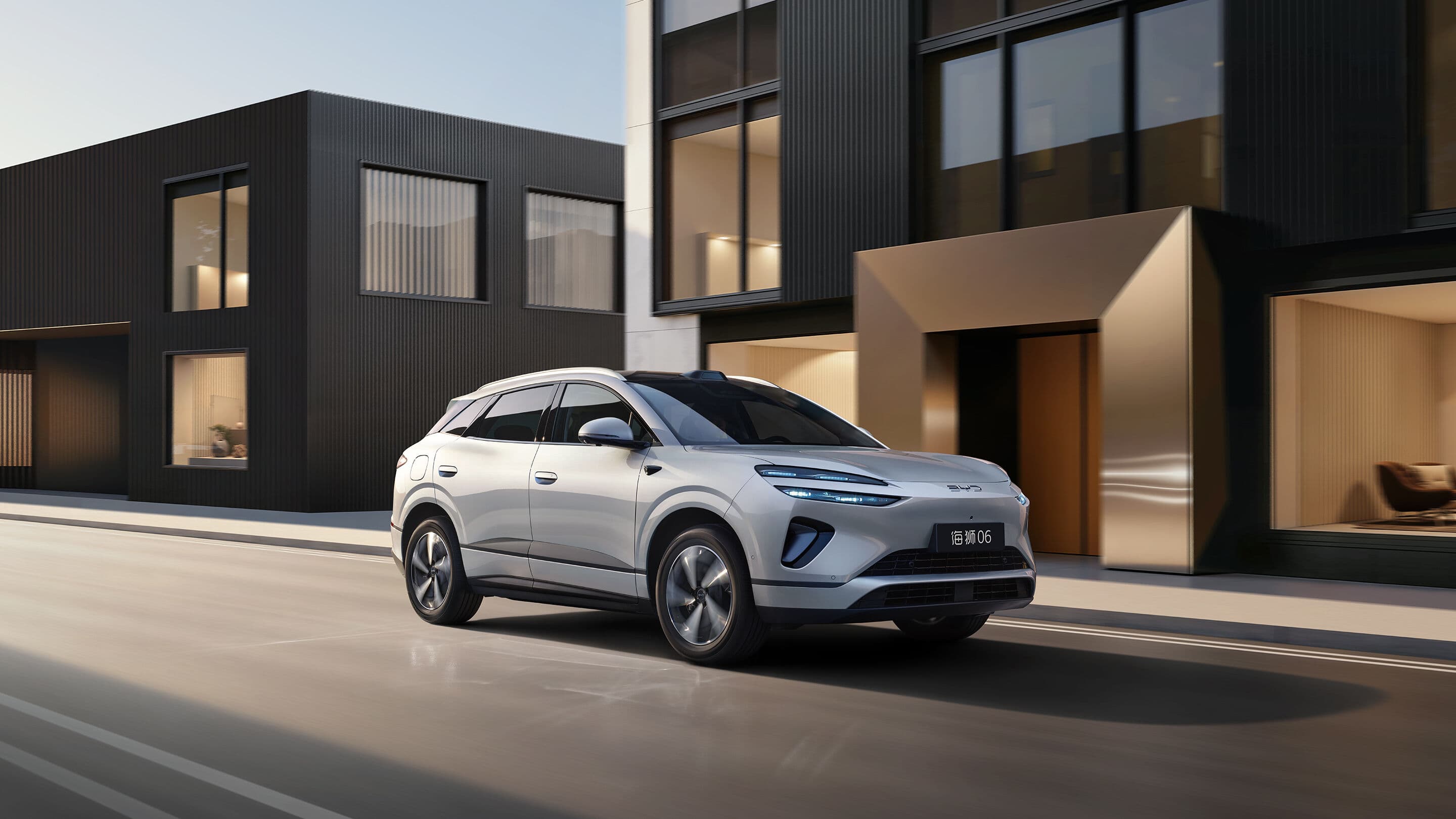
Meanwhile, the automakers the quota was built to welcome have been slow to show up. BYD scaled back plans for as many as 20 Canadian dealerships to a handful of stores in Toronto, Vancouver, and Montreal, and several Chinese brands originally targeting late-2026 deliveries have pushed launches into 2027. Vehicle certification with Transport Canada is taking a year or longer, and dealers are wary of committing capital without knowing how much of the quota will still be open once Chinese-badged models are actually ready to sell. "In phase one, they're going to be very conservative," DSMA's Jason Zhao said of the automakers' approach.
Global Affairs Canada consulted industry between April 7 and May 1 on replacing the first-come, first-served rule with per-manufacturer allocations, a step that could cap how much of the quota Tesla or any single company can claim. No such rule has been published. The second six-month window opens September 1, carrying forward whatever permits go unused from the first, and the government has not yet said how it will be administered. Industry Minister Mélanie Joly told visiting Chinese automakers in June that access to volume beyond the 49,000-vehicle annual cap would depend on agreeing to "build where you sell," meaning Canadian-based joint-venture manufacturing with majority Canadian ownership.
Advertisement – Continue scrolling for more
The deal was politically contentious from the start. Ontario Premier Doug Ford called it "lopsided" and warned China now has "a foothold in the Canadian market" that would come "at the expense of Canadian workers," later urging Canadians to boycott Chinese EVs entering under the arrangement. Unifor national president Lana Payne said the union was "extremely disappointed" and called the terms risky for autoworkers.
The political pressure grew on August 21, 2026, when separate tariff talks between Canada and the United States collapsed without a deal, and Ottawa announced retaliatory tariffs set to begin September 8. Auto tariffs were a central sticking point in those talks, adding weight to the argument that Chinese EV access should be shown to produce Canadian jobs and investment rather than simply cheaper imports assembled abroad, Tesla's included.
Advertisement – Continue scrolling for more
Whether Ottawa moves to ring-fence a share of the quota for the Chinese automakers it was designed to help, or leaves the door open for Tesla's Shanghai plant to keep filling it first, should become clearer once the rules for the September window are published.
Advertisement – Continue scrolling for more