U.S. bill would block Chinese-connected cars in Canada from crossing the border

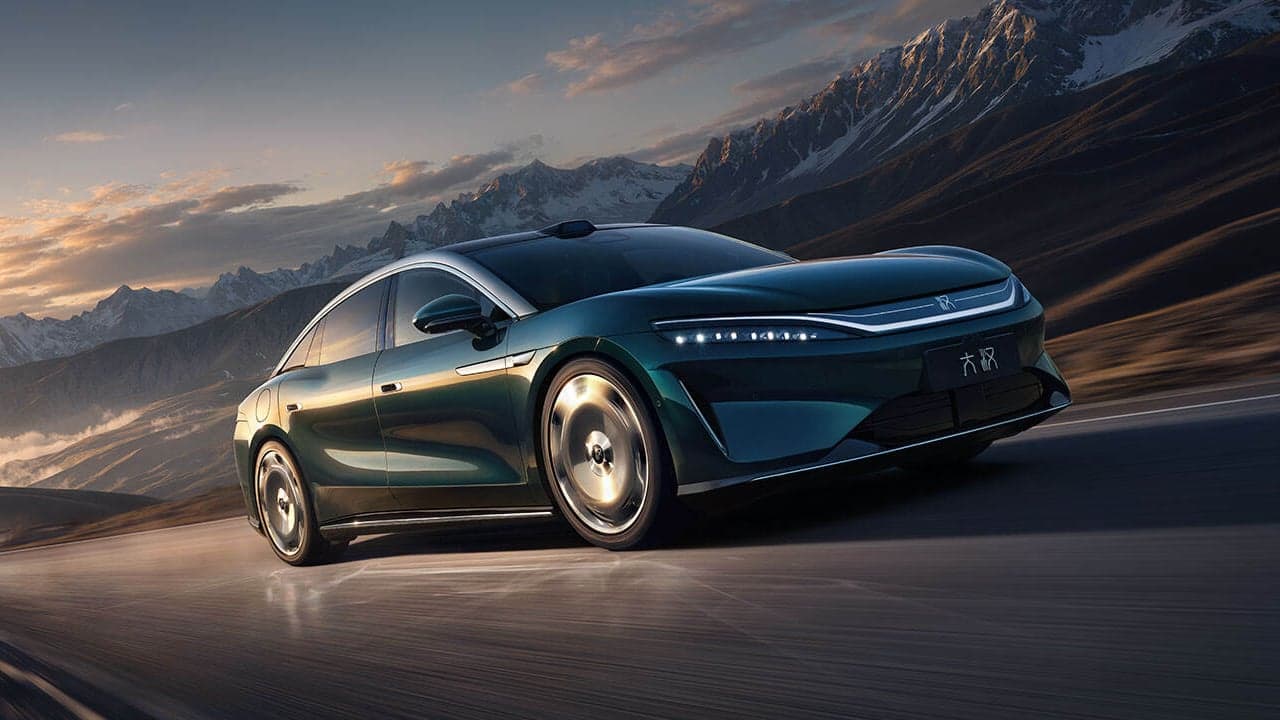
U.S. lawmakers have proposed legislation that would prevent Canadians driving Chinese-connected vehicles from crossing into the United States, even for a day trip, as Washington moves to close what it describes as a loophole created by Canada's recent trade deal with China.
Senator Elissa Slotkin (D-MI) and Representative Haley Stevens (D-MI-11) announced the Protecting America from Chinese Cars Act on May 27, 2026, at the Mackinac Policy Conference in Michigan. The bill targets connected vehicles manufactured or designed in China, as well as those produced by companies in which Chinese entities hold a greater than 15% ownership stake.
Advertisement – Continue scrolling for more
The announcement came months after Canada struck a trade arrangement with China in January 2026 that reduced tariffs on up to 49,000 Chinese electric vehicles per year to 6.1%, down from a previous rate of 100%. That quota is set to rise to 70,000 vehicles annually by 2030. Lawmakers cited that deal directly as a catalyst, warning that Chinese vehicles would soon reach American roads through cross-border travel.
"This is an economic security issue and a national security issue, and we must prevent these vehicles from driving over our border and into our communities. They're surveillance packages on wheels — fully capable of geolocating individual drivers, collecting full-motion video, and mapping sensitive infrastructure sites, including our military." — Senator Elissa Slotkin
The bill covers more than just tourism. If enacted, it would apply to any entry into the United States by a prohibited vehicle, including routine cross-border commutes and commercial trips. U.S. Customs and Border Protection would have 90 days from the bill's enactment to develop enforcement procedures and compile a list of prohibited vehicles. Vehicle manufacturers could apply for specific exemptions, but approvals would require strict conditions and congressional oversight.
Advertisement – Continue scrolling for more
The Protecting America from Chinese Cars Act builds directly on the bipartisan Connected Vehicle Security Act of 2026, introduced by Slotkin and Senator Bernie Moreno (R-OH) in late April 2026. That legislation takes a broader approach, banning the import, sale, and operation of Chinese-connected vehicles and their hardware and software components from the U.S. market entirely, with restrictions phased in from 2027. It drew support from the UAW, General Motors (NYSE: GM), Ford (NYSE: F), Stellantis (NYSE: STLA), Honda, and the Alliance for Automotive Innovation.
The cross-border bill addresses a narrower but more immediate concern: vehicles already purchased in Canada arriving on American soil before any domestic ban takes effect. Mexico adds urgency to the equation — Chinese vehicles have captured roughly 15% market share there, creating a second front of concern for U.S. policymakers.
Not all Chinese-built vehicles sold in Canada would necessarily fall under the ban. Tesla (NASDAQ: TSLA) has begun importing Model 3 sedans manufactured at its Shanghai Gigafactory under Canada's new EV quota. However, those vehicles connect to Tesla's North American data infrastructure rather than Chinese servers, which analysts suggest may distinguish them from the vehicles the bill targets — though the legislation's final language will determine how such cases are treated.
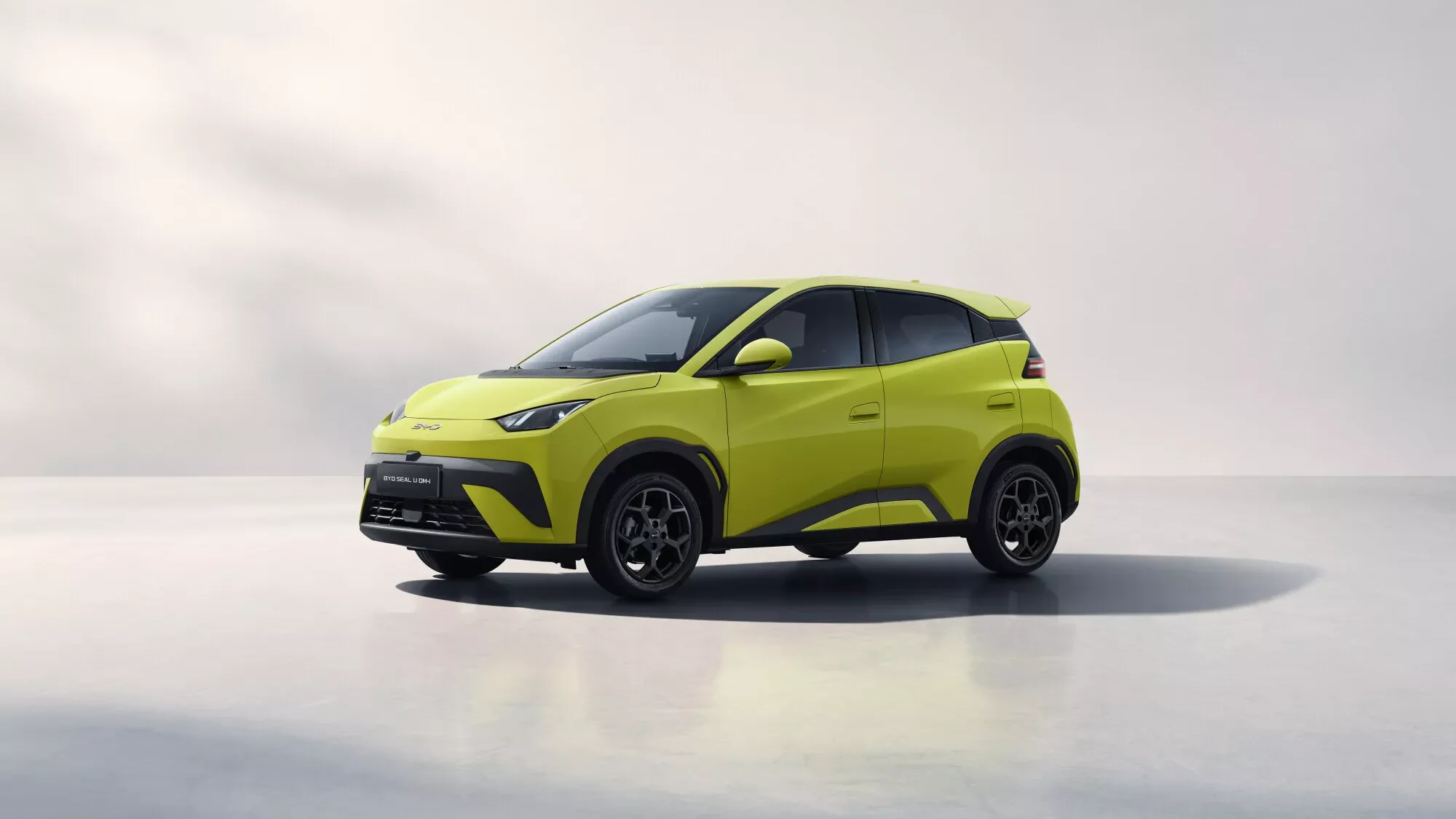
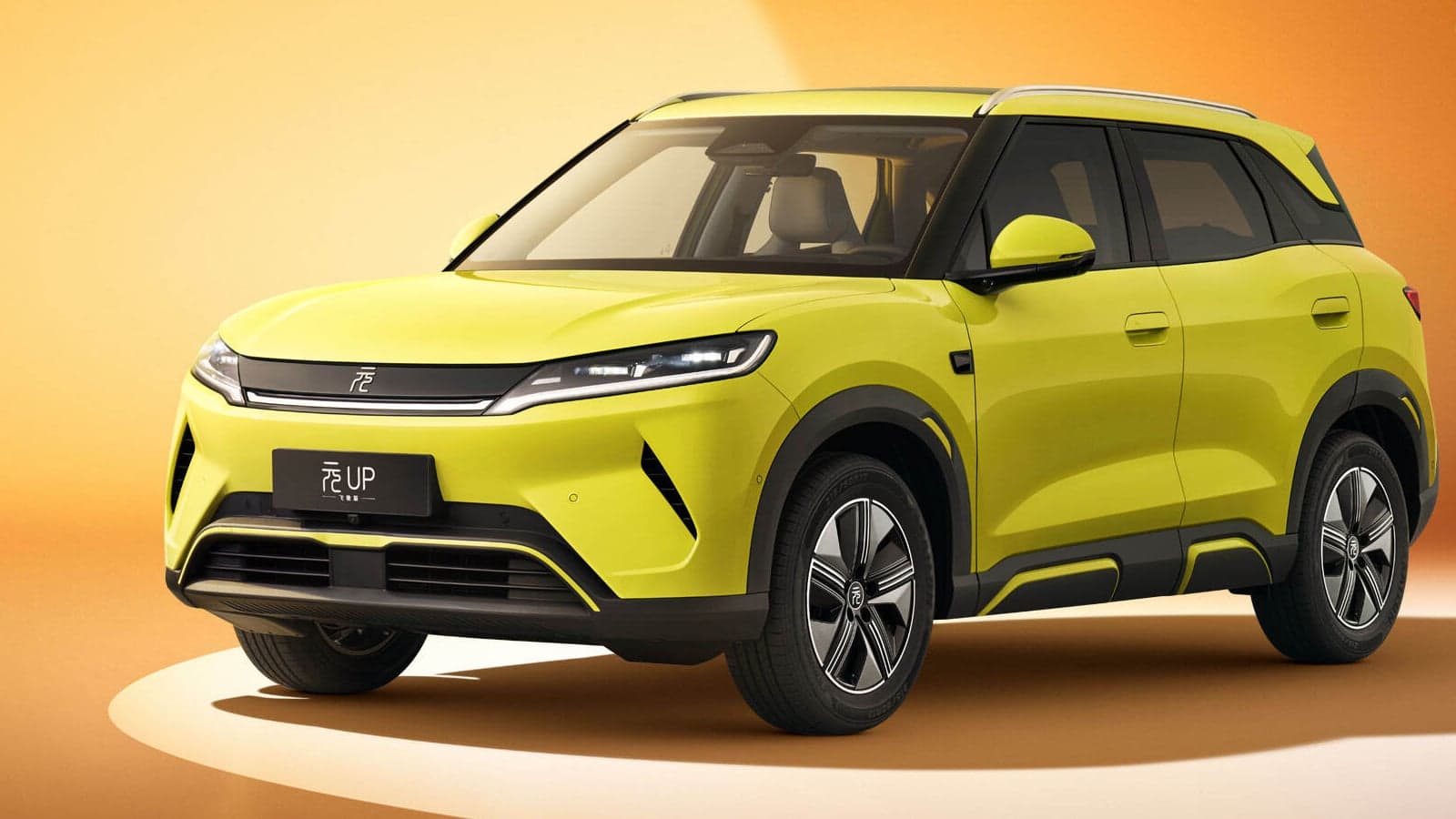
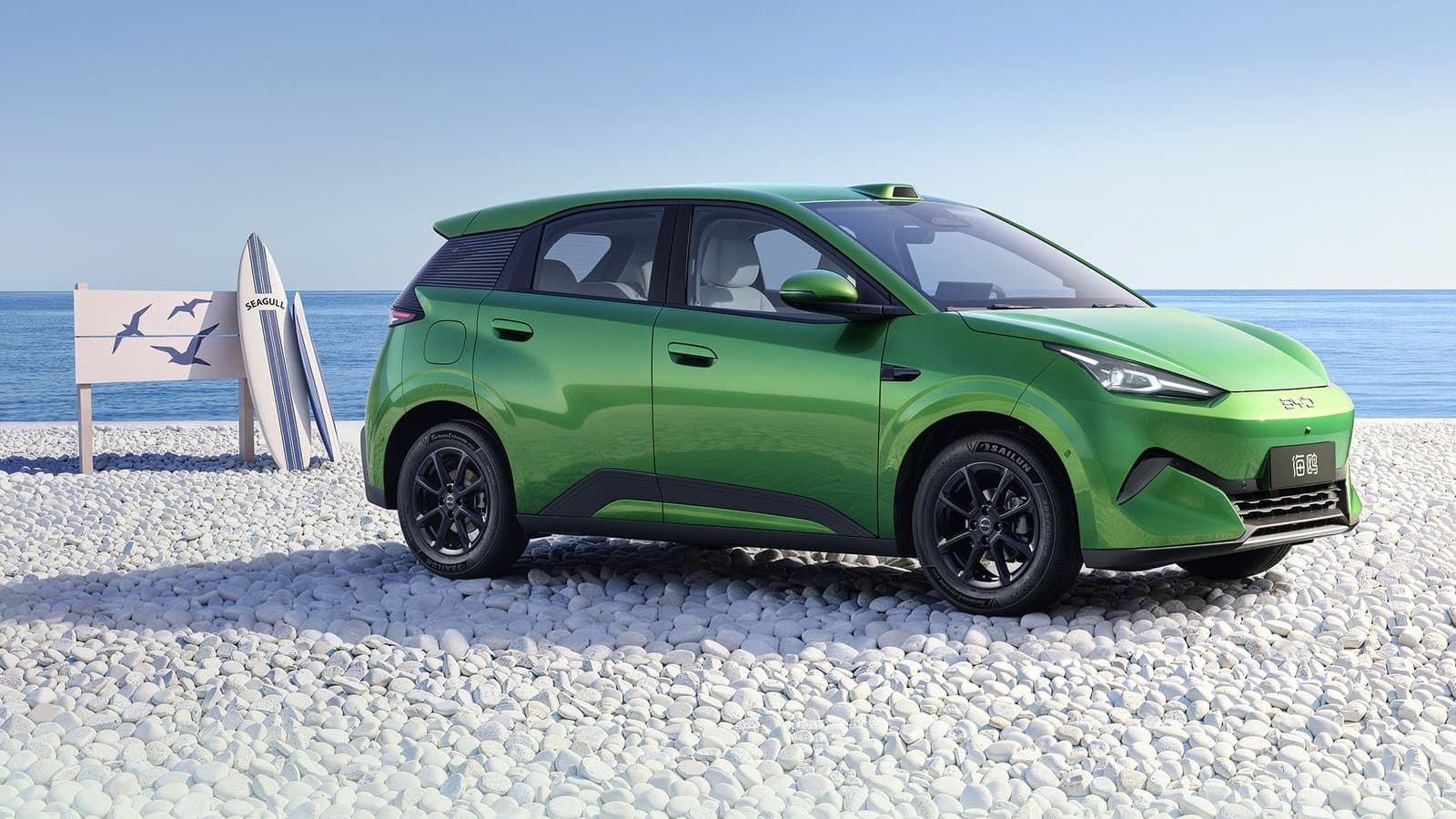
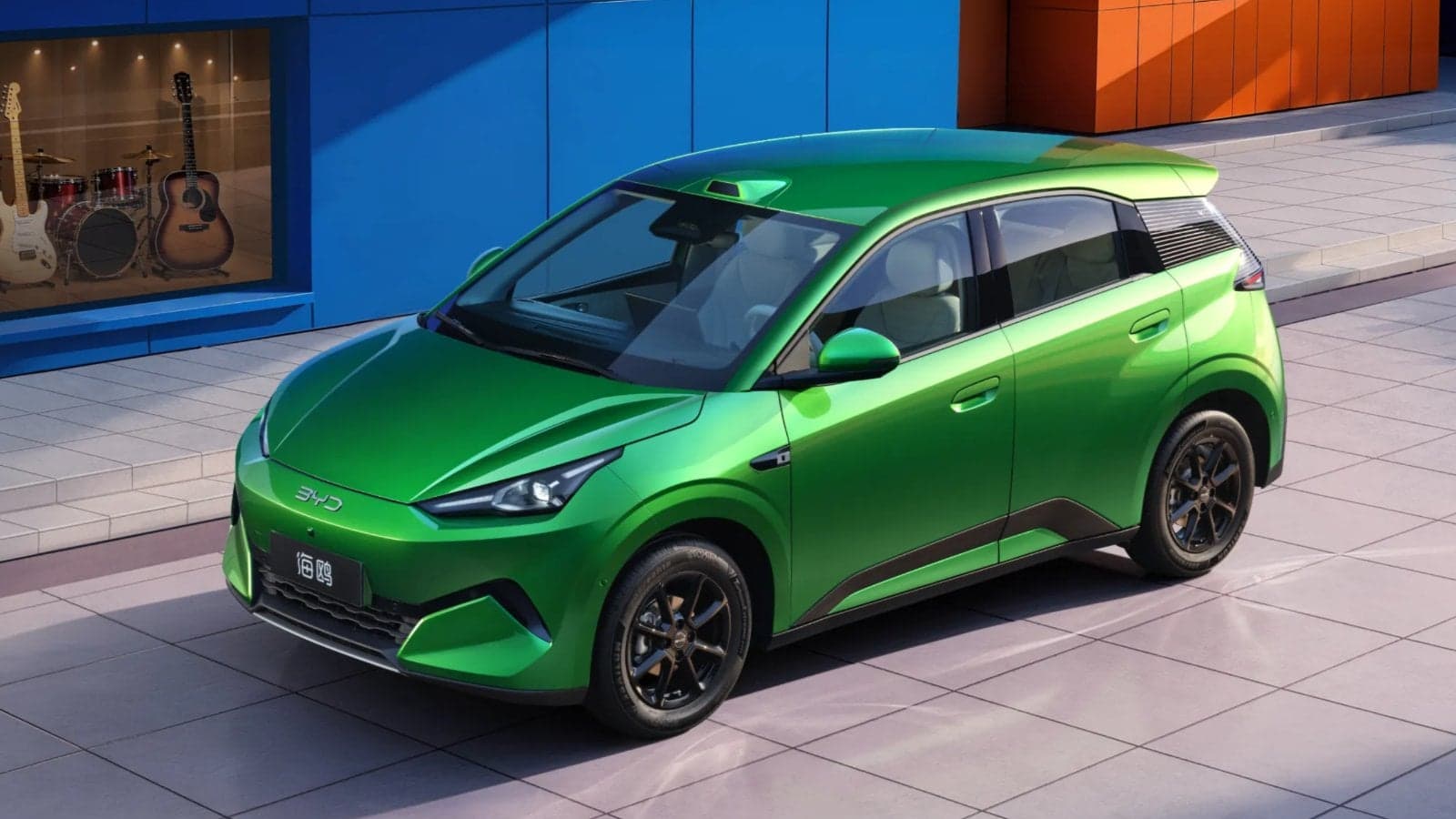
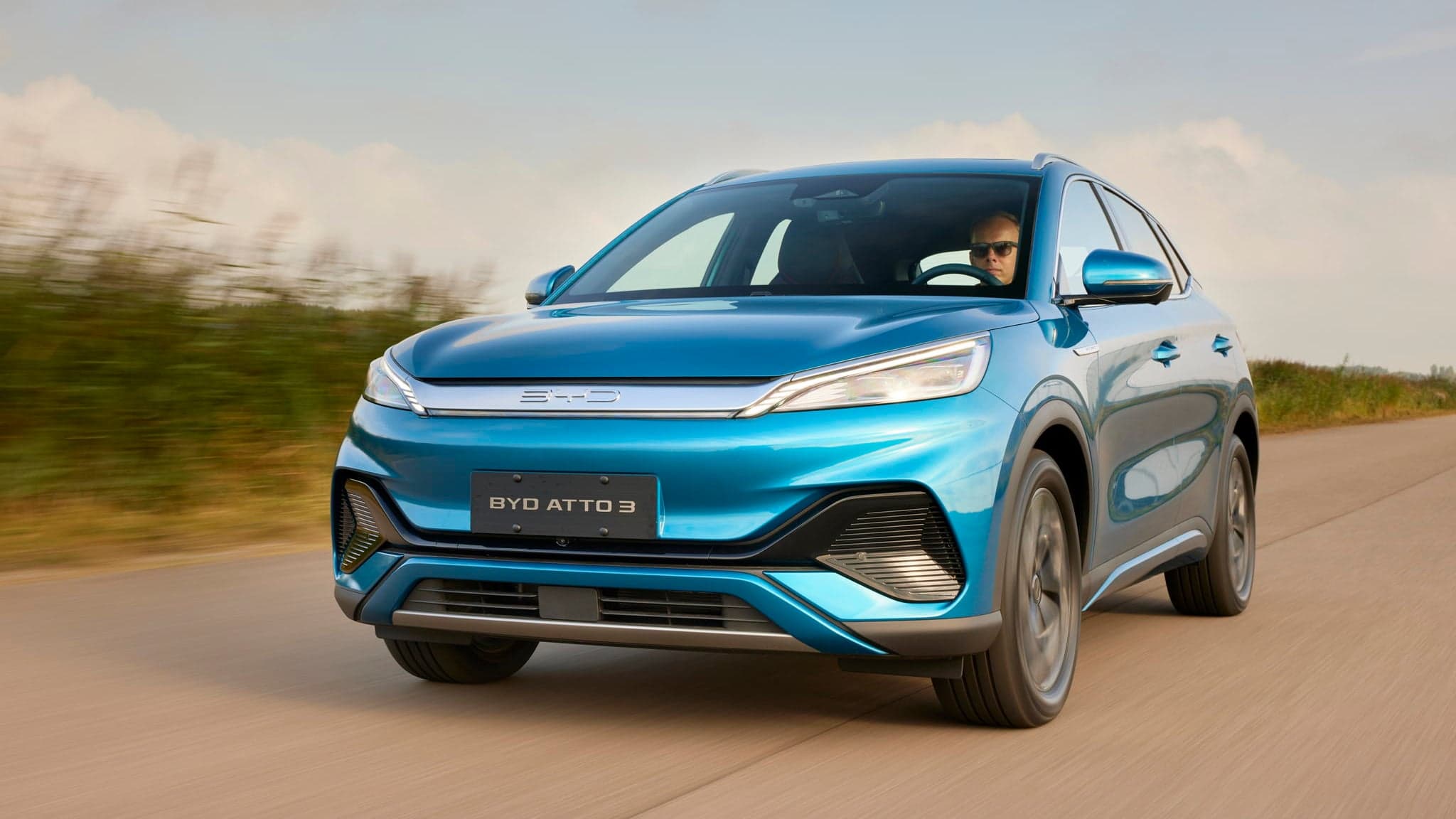
The bill remains in its early stages. It must clear committee review and pass both chambers of Congress before reaching the president's desk. With bipartisan momentum building around Chinese vehicle security, and BYD (HKG: 1211) preparing for a Canadian market launch, the question is whether Washington moves fast enough to match the pace of Chinese automakers entering North America.
Advertisement – Continue scrolling for more