Volvo turns to Geely for six China-only cars as China revenue nearly halves
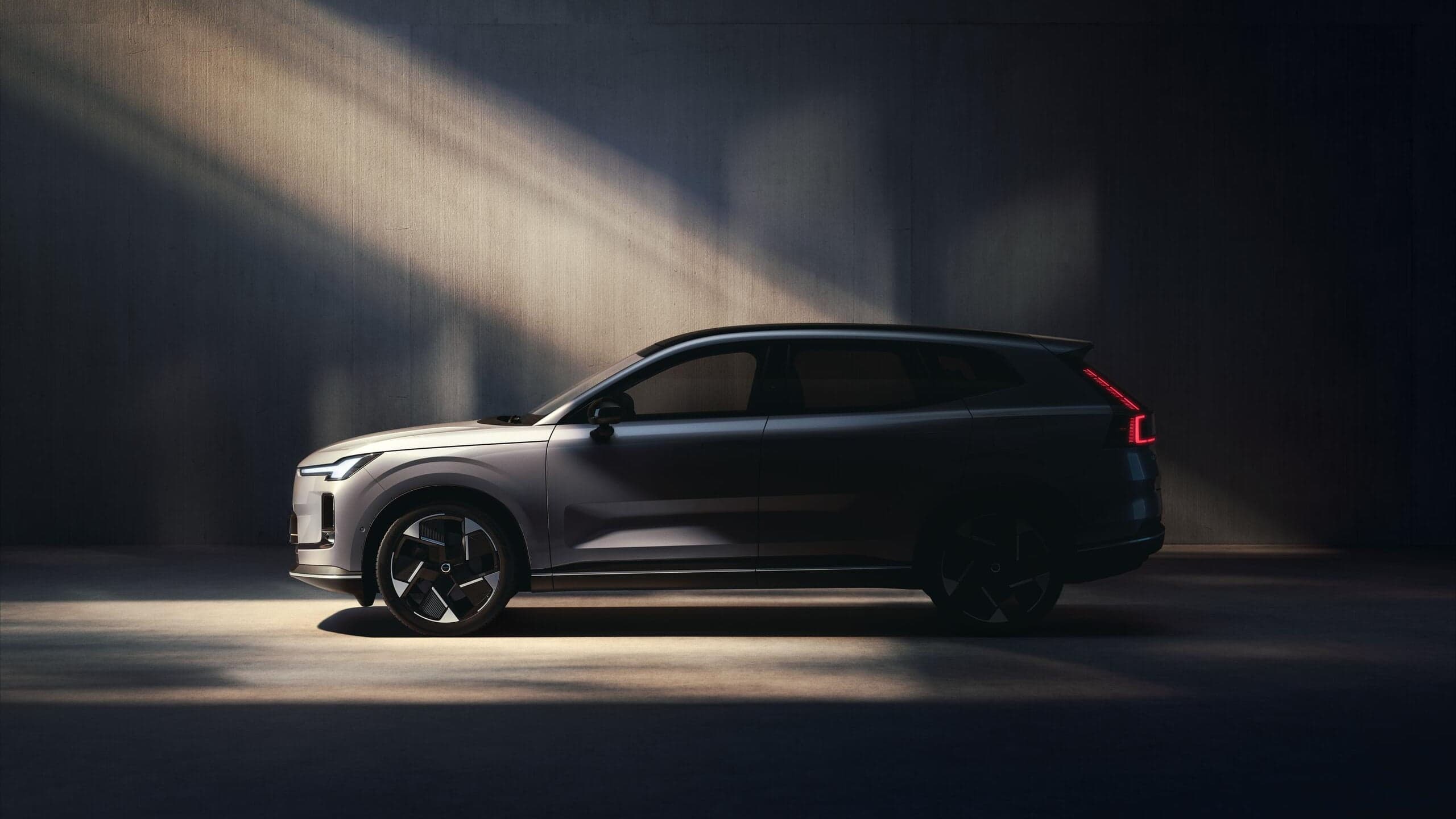
Volvo Cars (Nasdaq Stockholm: VOLCAR B) said on October 23, 2026 that its revenue in China fell by almost 50% year on year in the third quarter. Its answer is to lean harder on its owner: the first two of six China-tailored cars developed with Geely will be revealed and enter production in mid-2027.
China revenue came to SEK 7.50 billion (c. $754 million), down from SEK 14.08 billion (c. $1.42 billion) a year earlier, a 46.7% drop. Group revenue fell to SEK 66.9 billion (c. $6.7 billion) from SEK 86.4 billion, and Volvo swung to an operating loss of SEK 5.6 billion (c. $563 million) from a SEK 6.4 billion profit. The shares closed 24.2% lower on the day.
Advertisement – Continue scrolling for more
Volume tells the same story. Volvo's retail sales in mainland China fell 43% to 18,600 cars in the quarter, from 32,800, while Greater China, which adds Hong Kong and Taiwan, fell 41% to 19,900. China was Volvo's largest market in the third quarter of 2025; this time it ranked third, behind the US with 23,800 and the UK with 19,000. Over the first nine months, mainland China retail sales are down 38% to 63,400.
The wider market was weak, but not that weak. Volvo's own report puts the Chinese passenger car market down 18% in the quarter and the premium segment down 21%, so Volvo fell about twice as fast as its segment. Chief executive Håkan Samuelsson wrote that intense competition from new Chinese alternatives is "basically eliminating profitability for legacy premium brands."
Speaking in an interview on October 23, Samuelsson said the shift in China "has come faster than we thought" and that selling global cars developed in Europe no longer works there. He said Volvo needs regionally adapted cars, shared platforms with Geely, and key software developed in China, including infotainment and driver assistance, adding that buyers are now looking for domestic alternatives.
Advertisement – Continue scrolling for more
That is the brief for the six new models. The cars will use a Chinese tech stack and the latest ADAS technologies, Volvo said. At its September 17 strategy update, it described them as six all new China-specific models built on shared platforms, a software stack for China, common parts and a common supply chain with Geely. They sit inside a plan for 13 new cars by the end of 2030, of which three will be revealed in 2027: one for Europe and two for China.
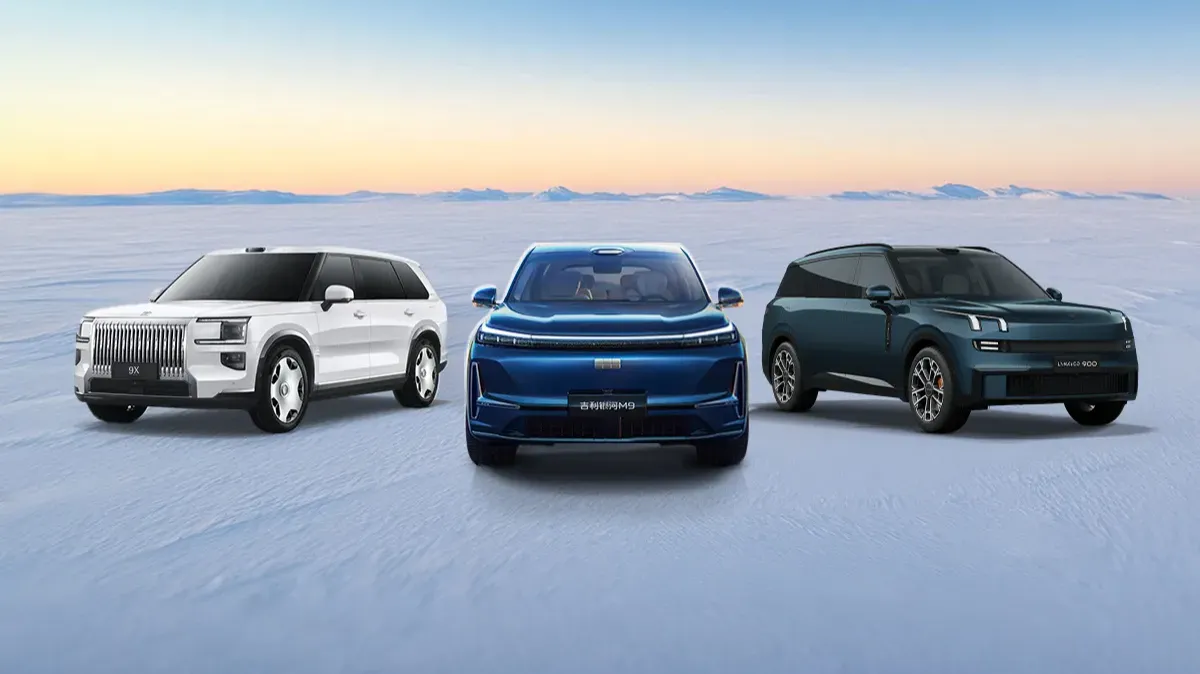
Geely already controls the company that will build them. Geely Sweden Holdings owns 78.65% of Volvo Cars' shares and capital, and is ultimately owned by Zhejiang Geely Holding Group. The ties run both ways: in September, Volvo and Geely Auto (HKEX: 0175) finalised a deal that makes Volvo the exclusive distributor of Lynk & Co cars in Europe from January 2027.
Advertisement – Continue scrolling for more
The factories may follow. Volvo said it will concentrate on five dedicated Volvo plants globally, and for its Chengdu and Ghent plants it is exploring multi-brand assembly together with Geely. A Volvo executive said in September that Ghent and Chengdu would take on contract manufacturing, while, according to one report, the other five plants would build only models on Volvo's own platforms. Chengdu is one of three Volvo plants in China, alongside Daqing and Taizhou.

Volvo's Chengdu plant, shown in an April 2014 company photo, is one of two Volvo sites being studied for multi-brand assembly with Geely (Volvo Cars)
Sharing goes beyond assembly. Volvo plans to raise full parts commonality to around 30% by 2030, up from 10%, which it expects to cut material costs by about 5%. In the third quarter it said it would also add more common suppliers with Geely Group and more shared hardware parts.
Costs are being cut at the same time. Volvo is targeting an additional SEK 5 billion (c. $503 million) in savings on indirect spend and variable costs, which will remove about 2,500 jobs globally, 2,000 of them in Sweden, through ended consultant contracts, attrition and targeted exit packages. In China, where it expects the next two years to remain tough, it will move its Shanghai sales office into its local headquarters in Jiading.
Advertisement – Continue scrolling for more
Volvo's current China line-up leans on plug-in hybrids rather than pure electric cars. Electrified models made up 29% of Greater China sales, up from 14%, but fully electric cars were only 2%, with the XC70 leading the plug-in hybrid mix. The XC70, which opened for pre-orders in China in August 2025, is Volvo's first long-range plug-in hybrid, with more than 200 km (124 miles) of CLTC electric range.
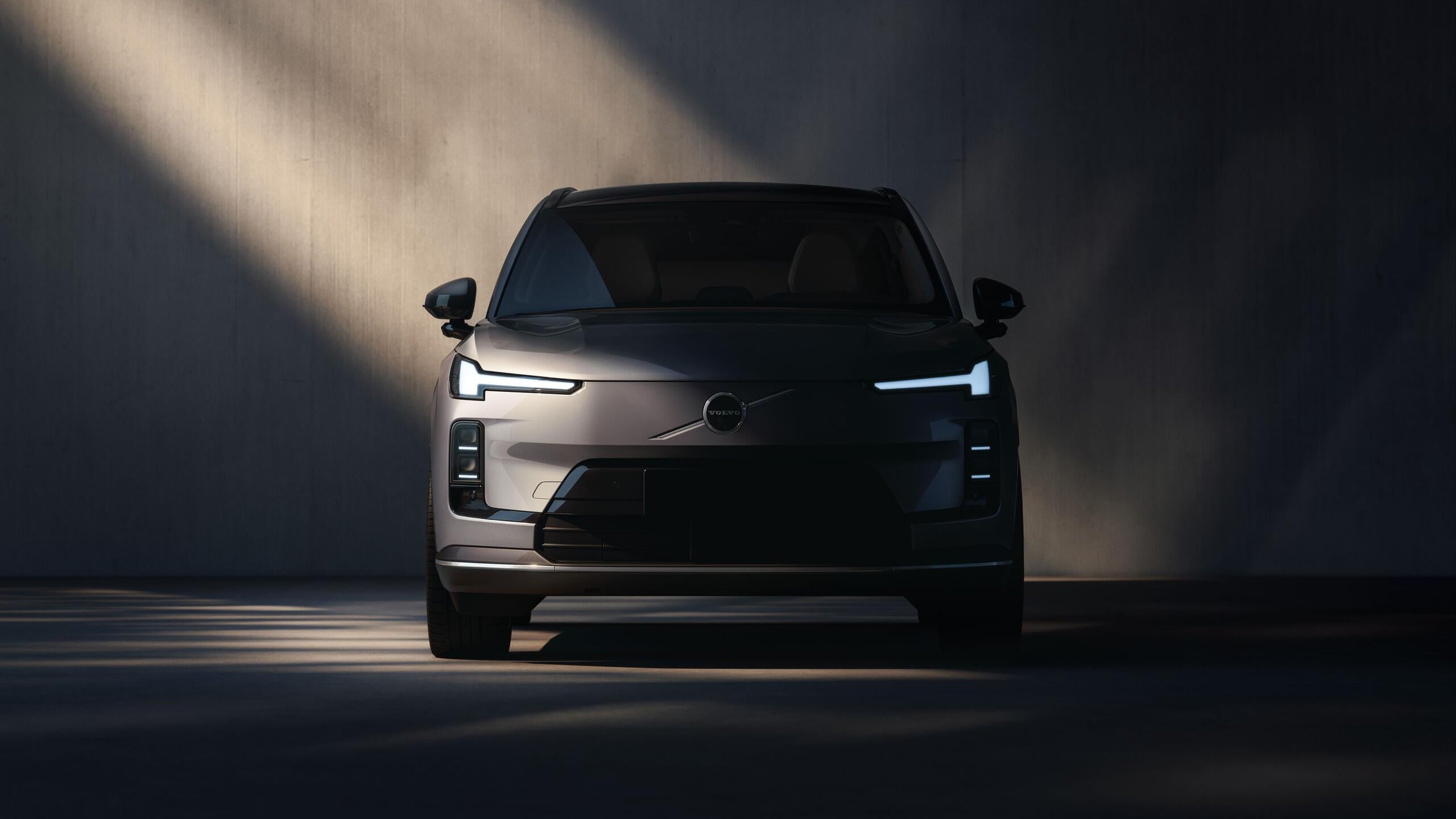
The XC70 opened for pre-orders in China in August 2025 and is rated for more than 1,200 km (746 miles) of combined range on the CLTC cycle (Volvo Cars)
Europe is carrying the business for now. Samuelsson wrote that weak results in the US and China meant half of the business was not contributing to profitability, leaving Europe as the only positive contributor. Retail sales in Europe and the rest of the world rose 2%, fully electric cars took 45% of Volvo sales in Europe, and the EX60 has drawn more than 50,000 European orders, though its ramp-up is running slower than planned. In the US, Volvo will localise XC60 production in Charleston in the first quarter of 2027.
China was not the only drag. Volvo booked a negative SEK 1.1 billion revaluation of US CAFE credits and a SEK 0.9 billion hit from recognising Polestar's second-quarter losses, and free cash flow was minus SEK 8.9 billion (c. $895 million). It also said the impairment headroom for certain China-related platforms has shrunk, though it took no charge.
Volvo has already removed its forward-looking statements for the rest of 2026, and Klaus Zellmer will take over from Samuelsson as chief executive no later than October 1, 2027. Whether Chinese buyers will pay a Volvo premium for cars built on shared Geely platforms and Chinese software is the question the mid-2027 launches will have to answer.
Conversion rate: 1 USD = 9.9446 SEK as of October 23, 2026.
Advertisement – Continue scrolling for more