EU-China hybrid deal targets projected exports as July imports climb 22%

The European Union and China have agreed to moderate Chinese exports of hybrid and plug-in hybrid cars to the bloc, but the halving Brussels is pointing to is measured against a forecast, not against the cars arriving now. The understanding came out of two days of talks in Beijing on October 8 and 9, 2026, between EU Trade Commissioner Maroš Šefčovič and Chinese Commerce Minister Wang Wentao, and sits as a single line in a 16-point list of deliverables.
Šefčovič said in his closing remarks that the understanding "opens the prospect of cutting China's exports by more than a half." Asked in the question session what that figure was measured against, he said the Commission was working from projected trade flows over four years under a no-change scenario, and that the difference came to several million cars. The cut is therefore a cut from where exports were expected to go, not from current volumes or from 2025 levels. He also described it as the first time China had agreed to moderate its exports without a prior trade dispute.
Advertisement – Continue scrolling for more
None of the operating detail has been published. The joint statement says only that the two sides reached an understanding on trade in hybrid vehicles in a WTO compliant manner, with no cap, base year, start date or enforcement mechanism attached. Šefčovič said the numbers would go to member states and leaders first, and EU leaders will weigh the package at the European Council on October 15 and 16, 2026 before the Commission starts any formal procedure.
Customs data show what any halving would be set against. In July 2026, the latest month Eurostat has published, the EU imported 50,098 new plug-in hybrids from China, up 27.4% from 39,332 in June, plus 32,797 new non-plug-in hybrids, up 14.6% from 28,628. Combined, that is 82,895 cars in one month, 22.0% more than June's 67,960. The plug-in hybrids alone carried a declared customs value of €939.6 million (c. $1.05 billion).
Advertisement – Continue scrolling for more
The year-to-date total has already overtaken all of 2025. From January to July 2026, the EU took in 377,301 new China-built hybrids and plug-in hybrids, against 301,695 for the whole of last year. Those counts are by country of origin, so they include cars that non-Chinese brands build in China.
Held flat at July's pace, four years of imports would come to roughly 4 million cars, so halving even a no-growth line would keep out about 2 million. Brussels has not published the projection it is actually measuring against, or said whether it assumes the growth seen this year continues.
Hybrids became the pressure point because of how the EU's electric car case was built. Since October 2024, China-built battery electric cars have carried countervailing duties of up to 35.3% on top of the standard 10% import duty, while hybrids and plug-in hybrids still pay only the standard 10%. Chinese brands took 25% of Europe's plug-in hybrid market in the first half of 2026, up from 2% in 2024, and 14% of the non-plug-in hybrid market, also up from 2%.
Advertisement – Continue scrolling for more
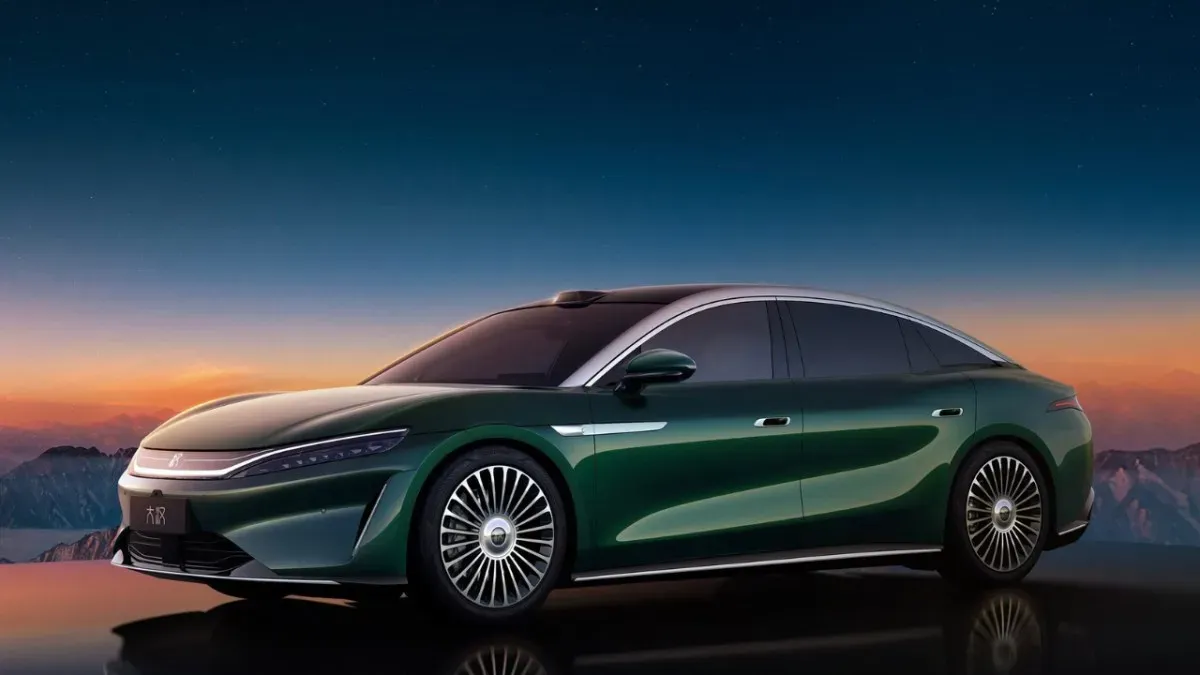
Reuters reported that EU plug-in hybrid imports from all origins rose 86% in the year to September while prices fell 20%, with more than half now coming from China against a 30% value share in 2025. Unit values in the customs data point the same way: a new China-built plug-in hybrid averaged about €18,755 (c. $21,030) in declared value in July, down from €21,433 (c. $24,030) a year earlier. On the registration side, the Seal U DM-i from BYD (HKG: 1211) was Europe's best-selling plug-in hybrid from January to July, ahead of the BYD Atto 2 DM-i and the Jaecoo 7 from Chery (HKG: 9973).
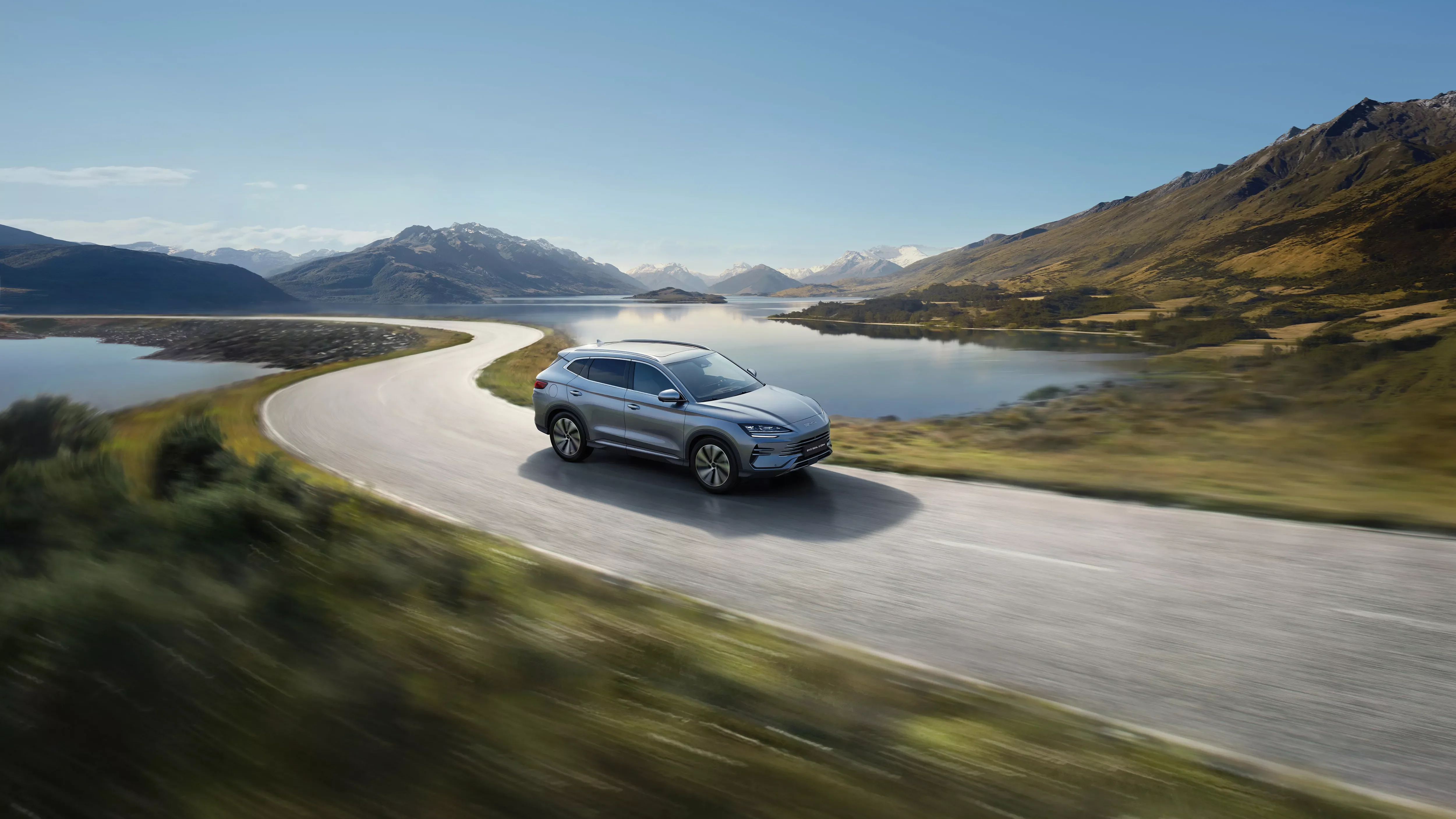
The Seal U DM-i is the plug-in hybrid version of the Seal U SUV, which BYD also sells in Europe as a battery electric model (BYD)
Beijing's account of the same deal reads differently. On September 18, 2026, a Commerce Ministry spokesperson said voluntary export restraints seriously violate WTO rules and that China firmly opposed them. After the Beijing round, the ministry's Europe department said the talks had avoided an escalation and protected Chinese companies' actual export interests in hybrid trade, without giving any reduction figure.
Šefčovič would not say which tool will deliver the cut. Asked how the EU could limit sales if European buyers want the cars, he said there were different techniques and that he first had to discuss the procedure with leaders. Before the talks, the Commission had reportedly weighed a safeguard tariff quota, and Brussels had reportedly sought to hold China-built hybrids to around 15% of the EU market, a figure the EU never officially confirmed.
Advertisement – Continue scrolling for more
The hybrid line is one of three deliverables Šefčovič highlighted. The two sides also reached an understanding on lower Chinese MFN tariffs for seven tariff lines, from car parts to olive oil and footwear, worth almost €4 billion (c. $4.5 billion) in current EU exports and at least €225 million (c. $252 million) in duty savings, while China said it would keep fast-tracking rare earth and permanent magnet export licences. Existing EU duties on Chinese battery electric cars stay in place, with price undertaking and review procedures continuing separately. The talks ran against an EU goods deficit with China of about €103 billion (c. $115 billion) in the second quarter of 2026.
European carmakers welcomed the step while waiting for the detail. ACEA Director-General Sigrid de Vries said the announcement could help manage the transition to "a new era of Chinese presence in the European market in an orderly way." Reuters reported that Germany's VDA cautiously welcomed the agreement but said it was too early to judge whether it addresses unfair competition. Bernd Lange, who chairs the European Parliament's trade committee, said the hybrid deal needed to extend to other sectors as well.
The two sides will hold a ministerial video call in January and a third round of talks in March 2027. With July imports still climbing and no baseline on the record, the open question is whether Brussels will publish the projection China has agreed to halve, or whether exporters will only learn the number once the mechanism is already running.
Conversion rate: 1 USD = 0.892 EUR as of October 9, 2026.
Advertisement – Continue scrolling for more