
Zeekr 7X refresh launches at an unchanged 229,800 CNY, now 900V across the range
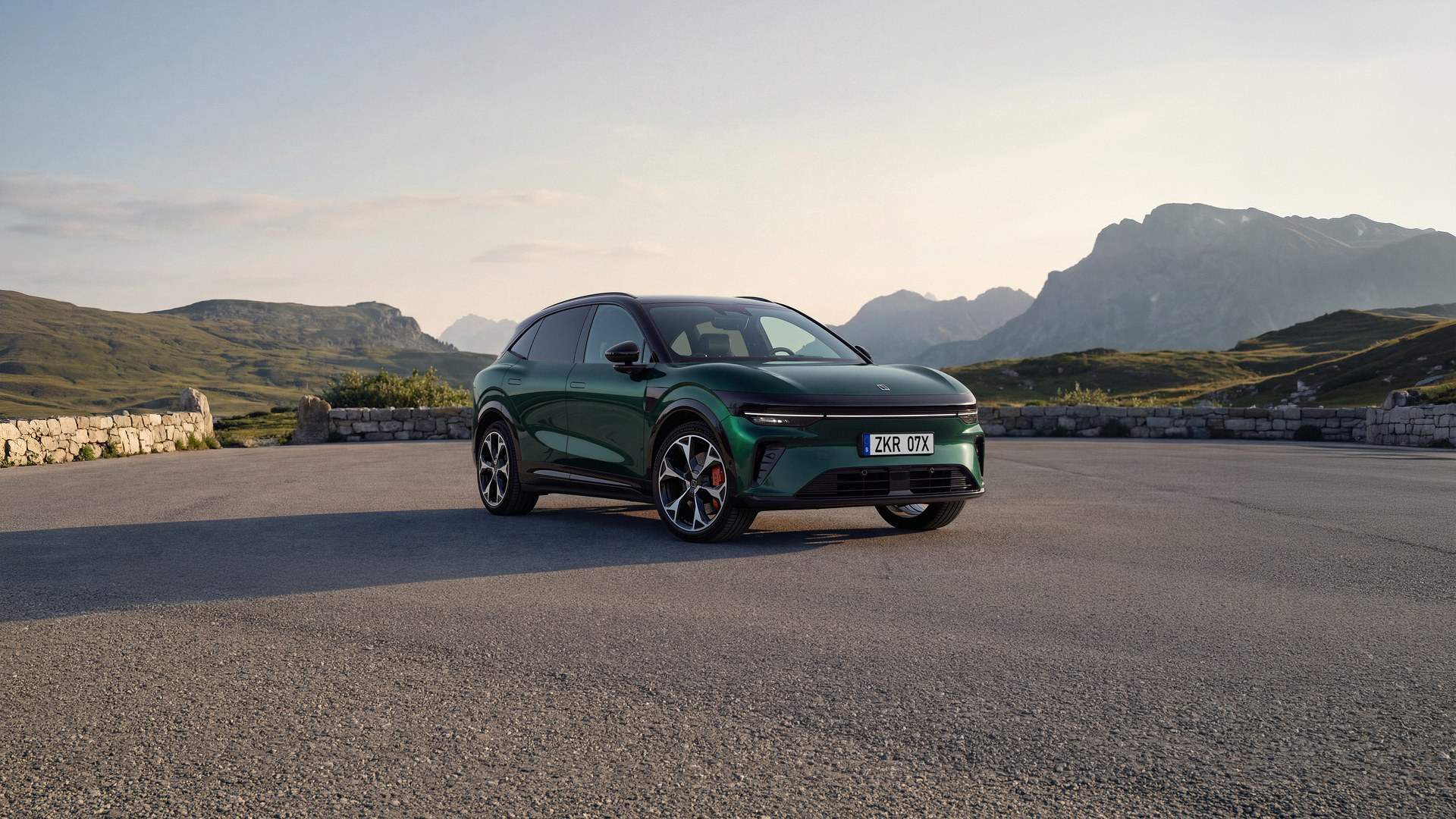

Zeekr launched the 2027 version of its 7X electric SUV at the Guangzhou auto show on November 27, 2026, at official guide prices of 229,800 to 269,800 CNY (c. $34,260 to $40,220). The starting price is unchanged from the outgoing model and from the pre-sale that opened on November 5, but every version now runs on a 900-volt electrical architecture.
The 7X is one of the brand's core models. Its cumulative global sales have reached 240,000 since launch, and the SUV is now sold in more than 50 countries and regions.
There are three versions. The rear-wheel-drive Max costs 229,800 CNY, a new rear-wheel-drive Max+ costs 239,800 CNY (c. $35,750) and the all-wheel-drive Ultra costs 269,800 CNY. Buyers who pay a 5,000 CNY deposit before December 31 get limited-time prices of 216,800 to 256,800 CNY (c. $32,320 to $38,290).
Early orders also come with a free upgrade package that Zeekr values at 31,000 CNY (c. $4,620), covering zero-gravity front seats, a rear seat package, 20-inch multi-spoke wheels and an exclusive paint color, plus a trial of its H7 driver assistance. Zeekr adds five years of free charging for trade-in and additional purchases, a two-year zero-interest loan and a lifetime warranty on the battery, motor and electronics. It also says 141 premium and tech features are standard on every version, with the added equipment coming at no extra cost.
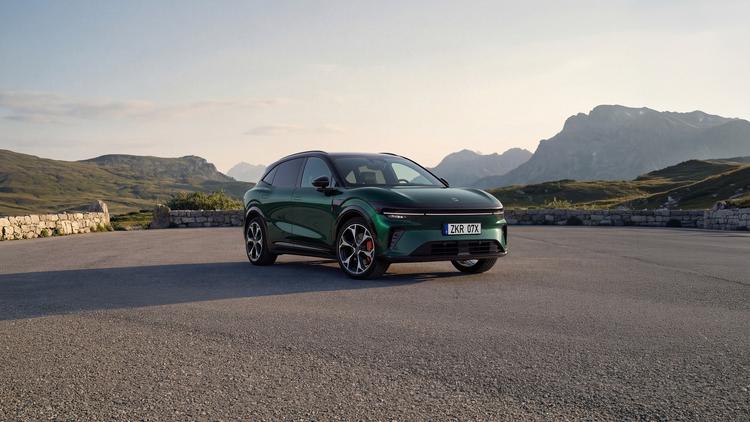
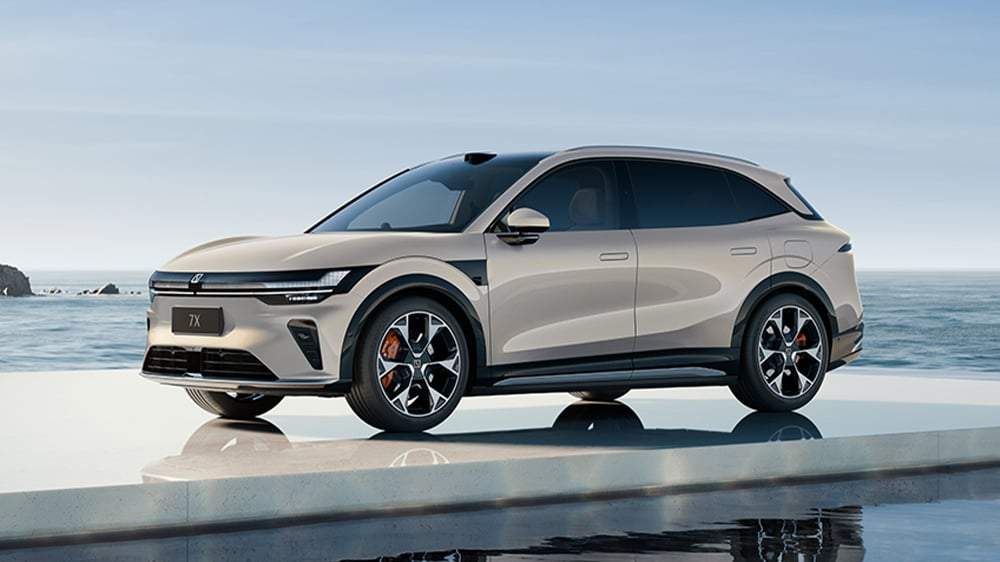
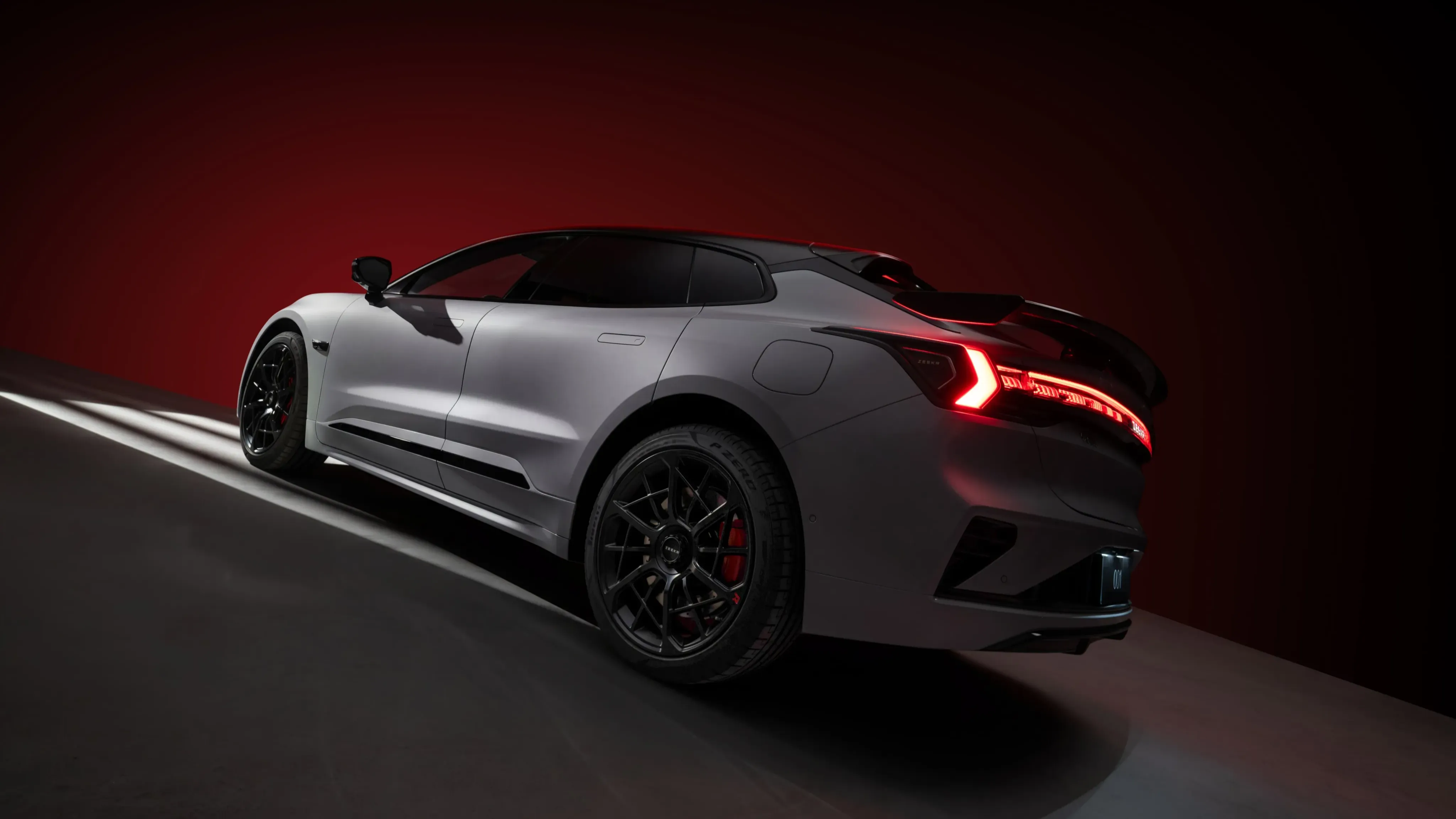
The updated 7X in European specification, in a Zeekr brand image cropped by us. It is not the China-market 2027 launch car.
The battery line-up is where the refresh changes most. The Max keeps a 75 kWh pack rated at 620 km (385 miles) on the CLTC cycle. The new Max+ fills the gap between the previous 75 and 103 kWh options with an 85 kWh pack for 680 km (423 miles), and both support 5.5C charging, which Zeekr says takes them from 10 to 80% in 10.5 minutes.
GCEV Weekly · Every Tuesday
China's EV industry in five minutes.
Launches, sales, batteries and policy — the week's stories that matter, with the context the headlines leave out.
Sent by GigaCharts Inc. Questions? Write to globalchinaev@gmail.com. Unsubscribe anytime. See our privacy policy.
The Max+ can also be ordered with CATL's 103 kWh Qilin battery, which raises its range to 802 km (498 miles) and cuts its 0 to 100 km/h time from 5.4 to 5.1 seconds. The Ultra gets the Qilin pack as standard for 715 km (444 miles), with 6C charging that does 10 to 80% in 10 minutes.
Rear-wheel-drive versions use a 370 kW rear motor. The Ultra adds a front motor for a combined 585 kW and 812 Nm, reaching 100 km/h in 2.98 seconds, and it rides on closed air suspension. Zeekr puts the efficiency of the drive system at 93%, and continuous electromagnetic damping is standard on every version.
The exterior design carries over, with matrix LED headlights, an active closing grille and hidden electric door handles, and the SUV measures 4,825 mm long, 1,930 mm wide and 1,666 or 1,656 mm tall on a 2,925 mm wheelbase. The front trunk is smaller, but rear cargo space grows from 616 to 905 liters, according to one launch report. Two new paint colors, a gold and a red, join the range, and the cabin gets a new interior color, Nappa leather seats, a suede headliner and what Zeekr counts as 15 detail upgrades.
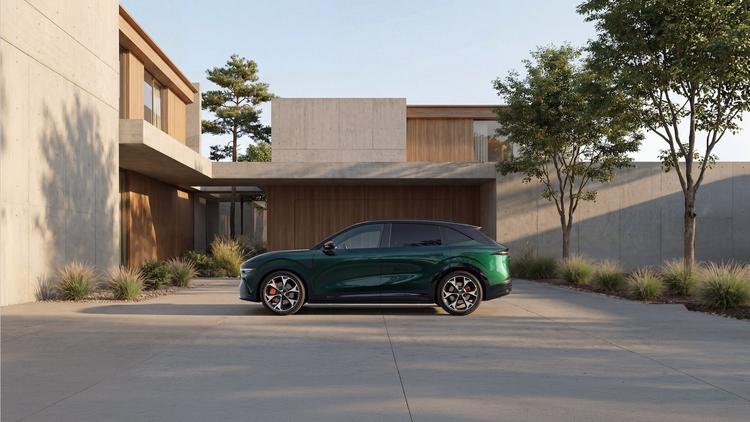
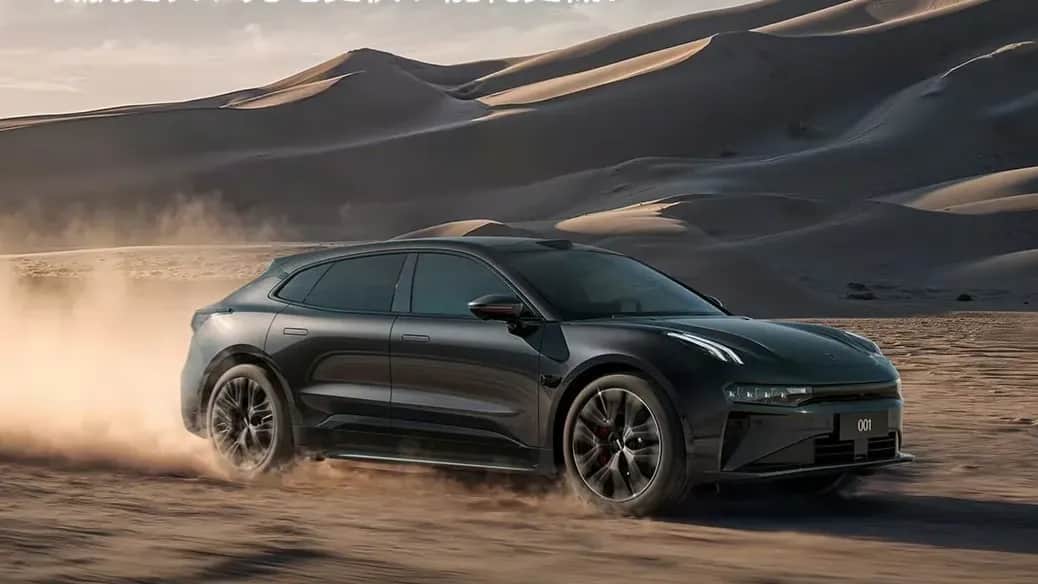
The updated 7X in European specification, cropped by us. Not the China-market launch car (Brand rendering).
The dashboard keeps a 13.02-inch instrument display, a 36.21-inch augmented-reality head-up display and a 16-inch 3.5K center screen on a Qualcomm Snapdragon 8295 chip running the latest ZEEKR OS, and buyers can add Zeekr's Super Eva robot as an option. Active noise cancellation, tuned for road and cavity noise between 60 and 500 Hz, and laminated glass on all four doors are now standard, and the front zero-gravity seats offer 12 massage points and eight modes. In the back, the seats recline to 134 degrees, slide up to 215 mm and get graphene heating and pneumatic massage, and Zeekr quotes 1,021 mm of second-row headroom and, with an 863 mm front overhang, an 83.34% ratio of cabin space to body size. The cabin has 43 storage spaces.
Zeekr also lists 125 noise-reduction measures, including 112 acoustic packages, and a tire-blowout stability system is now standard across the line-up. The body uses 2,000 MPa hot-formed steel in several areas, part of what the brand calls 11 safety technologies, including protection under the battery.
The 7X is also the first car with version 4.1 of Geely's G-ASD driver assistance. Every version carries 31 sensors, including one lidar, and the system offers navigation-guided assistance on all road types, parking-spot-to-parking-spot guidance and roaming in parks without high-definition maps. Zeekr says its AI destination guidance can steer drivers to the parking space nearest a building's elevator or entrance.
The update comes as 7X sales cool. According to one sales tracker, the SUV sold 4,515 units at retail in October, against 5,544 in September, an 18.6% drop by our calculation. Exports were larger than retail in both months, at 5,844 vehicles in October and 6,497 in September.
Zeekr as a brand is still growing on the year but slowed in October. It sold 32,483 vehicles in October, down 12.7% from 37,216 in September by our calculation but up 52% from a year earlier, according to sales reported by parent Geely Automobile (HKG: 0175). Its sales for January to October rose 94% to 320,887.
Holding the starting price while adding a new battery option and 900-volt hardware across the range gives Zeekr a stronger offer heading into the end of the year. With the limited-time offer running to December 31, the first full month of 2027 7X deliveries will show whether it is enough to lift the model's sales again.
Conversion rate: 1 USD = 6.7075 CNY as of November 27, 2026.
GCEV Weekly · Every Tuesday
China's EV industry in five minutes.
Launches, sales, batteries and policy — the week's stories that matter, with the context the headlines leave out.
Sent by GigaCharts Inc. Questions? Write to globalchinaev@gmail.com. Unsubscribe anytime. See our privacy policy.