
XPeng to charge for driver assist from Q2 2027, early buyers keep it for life

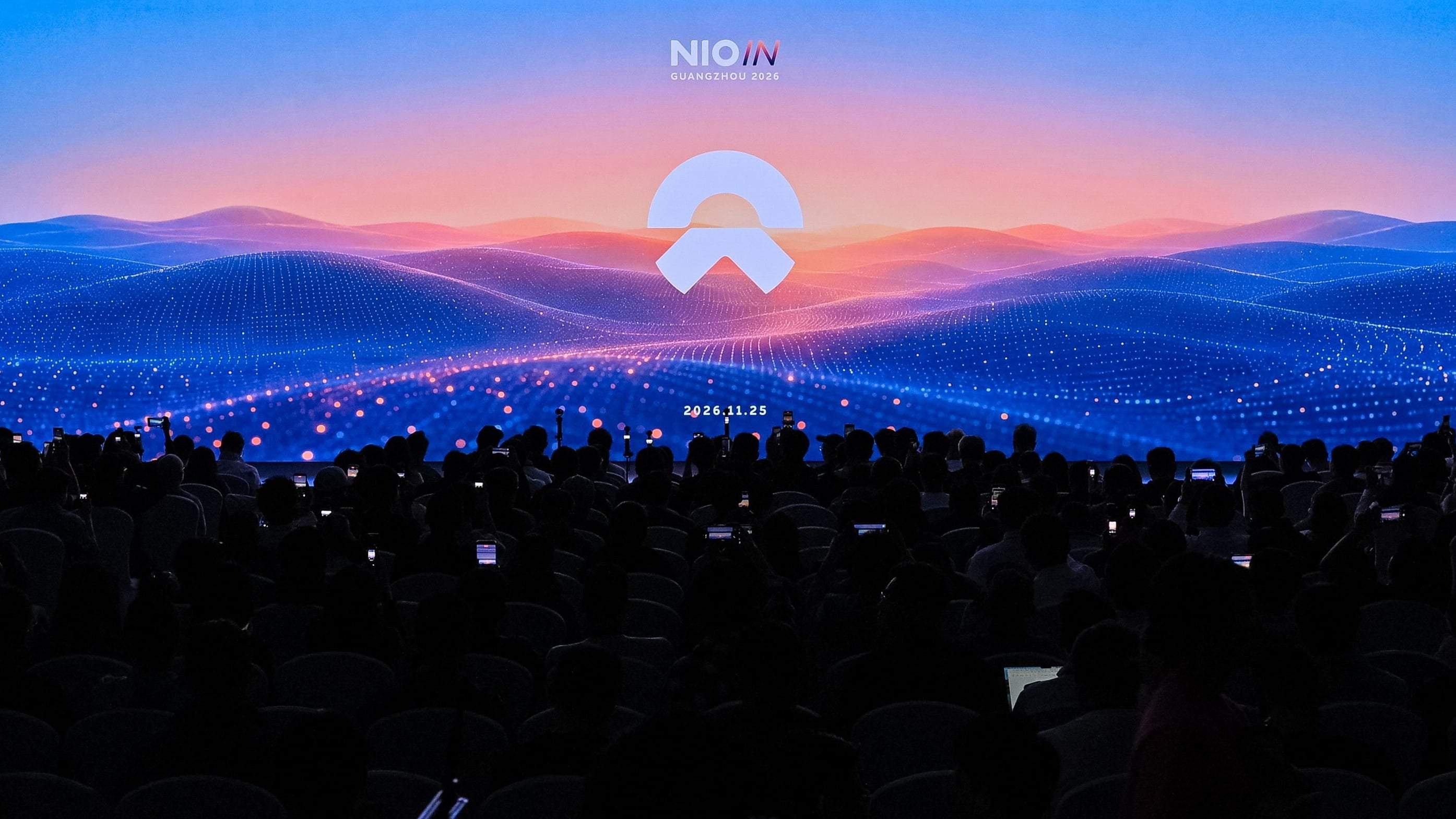
XPeng (NYSE: XPEV; HKEX: 9868) will start selling its Turing AI driver assistance as a subscription to new car buyers worldwide from the second quarter of 2027, chairman and CEO He Xiaopeng said at the company's annual tech day in Guangzhou on November 25, 2026. Owners who have ordered or taken delivery before the service starts will keep their current driver-assist entitlements for life. XPeng has not given a price, a billing period or a list of covered features, and says the plans will be announced next year.
The change reverses a promise XPeng made in plain terms less than two years ago. When it launched the 2025 G6 and G9 in March 2025, the company said Turing AI driver assistance came standard with no options, no subscription and no fees, and that buyers could use point-to-point assistance from the day of delivery. In October 2024, according to one report, He had said high-level driver assistance would be standard, with no paid subscription.
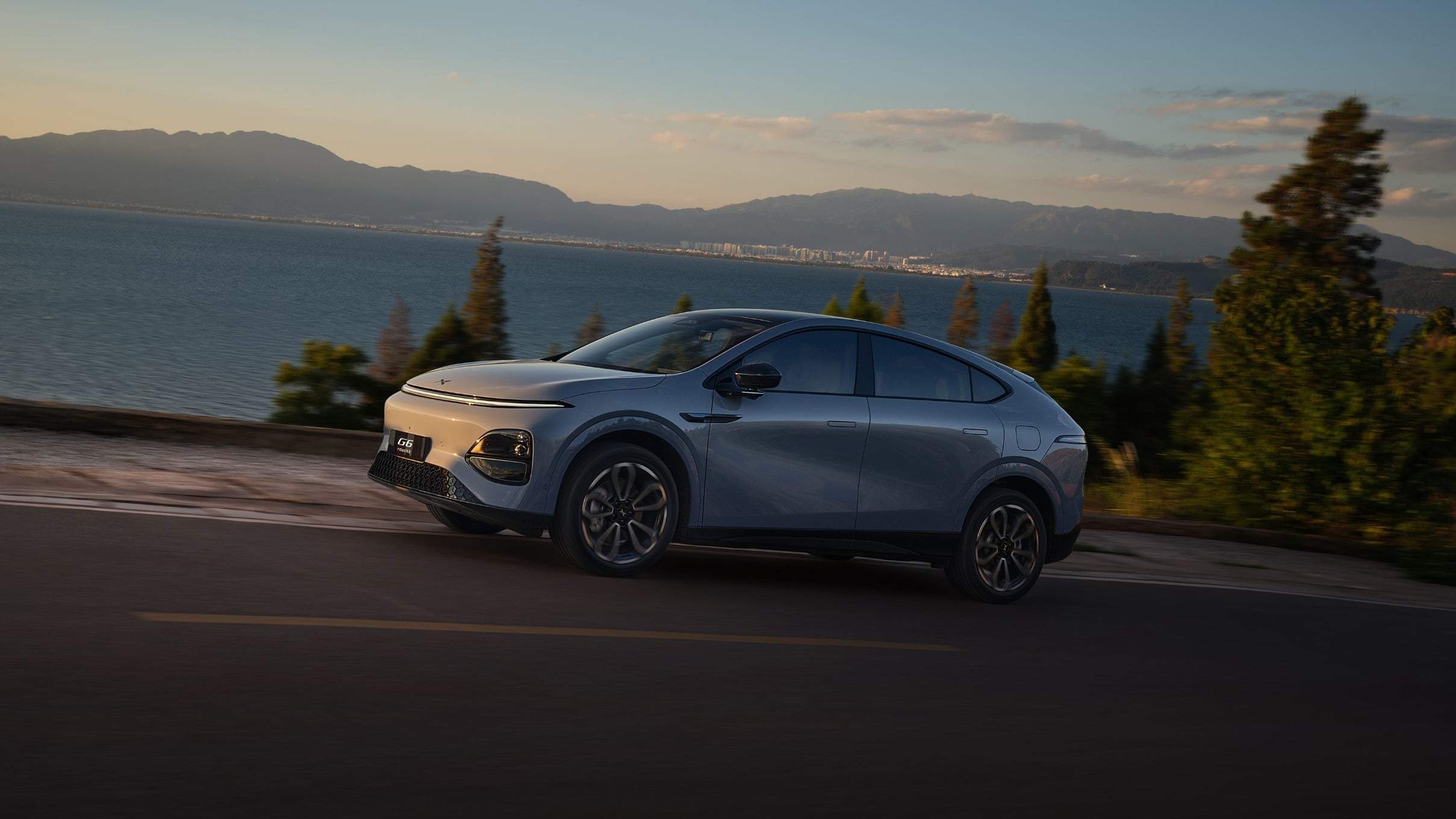
XPeng has already started charging for the hardware behind its best system. At its January 8, 2026 launch of the 2026 P7+, G6, G9 and the range-extended G7, it split the lineup into three computing tiers from 750 to 2,250 TOPS, with only the Ultra and Ultra SE versions running its full second-generation VLA model. On the 2026 G6, the base Max trims still include city and highway NGP on one Turing chip, using a lighter VLA Lite model, while an Ultra SE package that adds a second chip costs 12,000 CNY (c. $1,790) and the Ultra package, which adds a third chip for the cockpit, costs 20,000 CNY (c. $2,980).
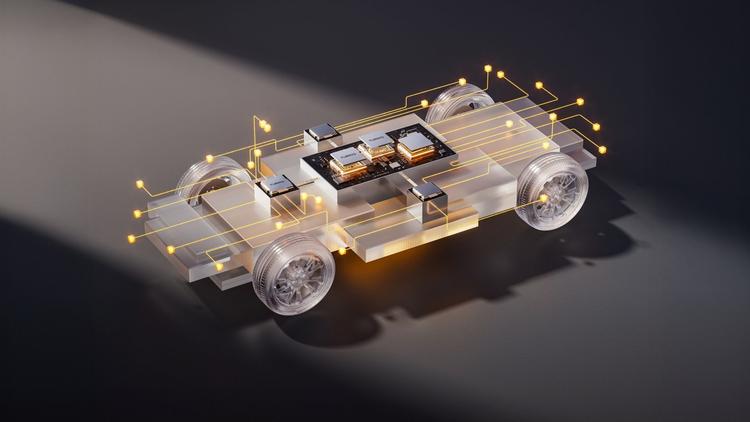
XPeng's Turing chips on a car platform; on the 2026 G6, the Ultra package adds two of them for 20,000 CNY (XPeng rendering)
A subscription would go a step further than those one-off packages by turning the software itself into a recurring charge. He told the tech day audience that driver assistance is not a one-time development but needs long-term training and continuous iteration, and that many driver-assist companies have rolled out subscriptions to fund it. He called a healthy and reasonable business model the key to keeping the experience improving.
He also told a reporter that XPeng now spends as much on AI research in a year as many listed companies spend in one or two years, and that spending will keep rising as it needs more engineers, computing power and data. XPeng's research spending reached 8.67 billion CNY (c. $1.29 billion) in the first three quarters of 2026, up 31% year on year, with 2.85 billion CNY (c. $425 million) in the third quarter alone. The company still lost 870 million CNY (c. $130 million) in that quarter, despite record revenue of 24.28 billion CNY (c. $3.62 billion).
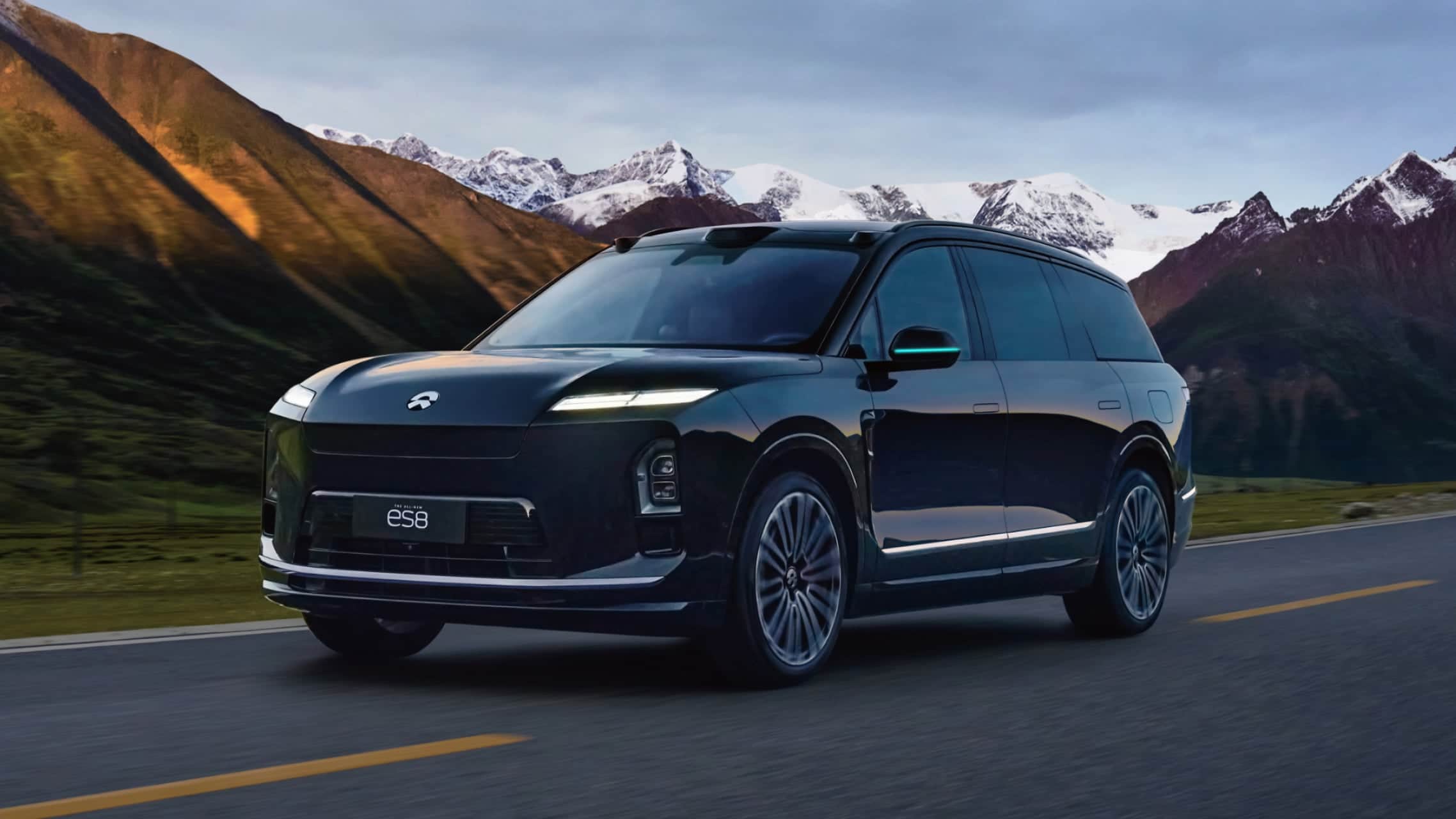
Paid driver assistance is already common among XPeng's rivals in China. NIO (NYSE: NIO) prices its NOP+ enhanced navigation assist at 380 CNY (c. $57) a month, Tesla (NASDAQ: TSLA) sells its China driver-assist package as a 64,000 CNY (c. $9,540) option, and, according to one report, some cars with Huawei's Qiankun system offer the top ADS functions as a one-time purchase or a monthly or yearly plan.
GCEV Weekly · Every Tuesday
China's EV industry in five minutes.
Launches, sales, batteries and policy — the week's stories that matter, with the context the headlines leave out.
Sent by GigaCharts Inc. Questions? Write to globalchinaev@gmail.com. Unsubscribe anytime. See our privacy policy.
NIO founder and CEO William Li was quick to respond. In remarks reported on November 26, he advised anyone thinking of buying an XPeng to do it early. He said he was fairly happy with NIO's own paid subscription rate, but added that most of its paying users bought their NIO cars second-hand, because new owners are still in their free period.
Li argued that driver-assist promises without a sustainable business model are hollow, since the systems cost more to maintain as they branch out. He said a system's real quality comes down to two numbers: whether users are willing to pay for it, and its accident rate. He welcomed more companies, XPeng included, moving to subscriptions.
XPeng used the same event to show what owners are getting now. He said that a month after second-generation VLA began rolling out in March, assisted driving accounted for more than 50% of total mileage. A distilled VLA Lite version will reach six older Max models with dual Nvidia Orin-X chips in December, including the 2024 P7+ Max, the Mona M03 Max and the 2025 G6, G7, G9 and X9 Max, with the remaining Orin-X cars following in the first quarter of 2027.
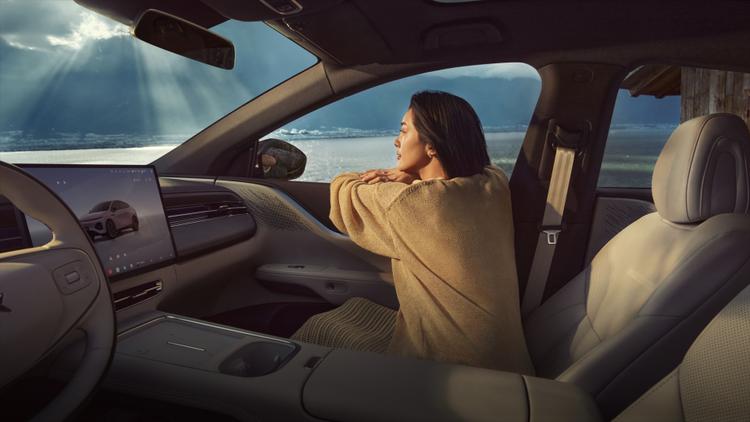
The 2026 G6 cabin; older dual Orin-X Max cars, such as the 2025 G6 Max, get VLA Lite in December (XPeng)
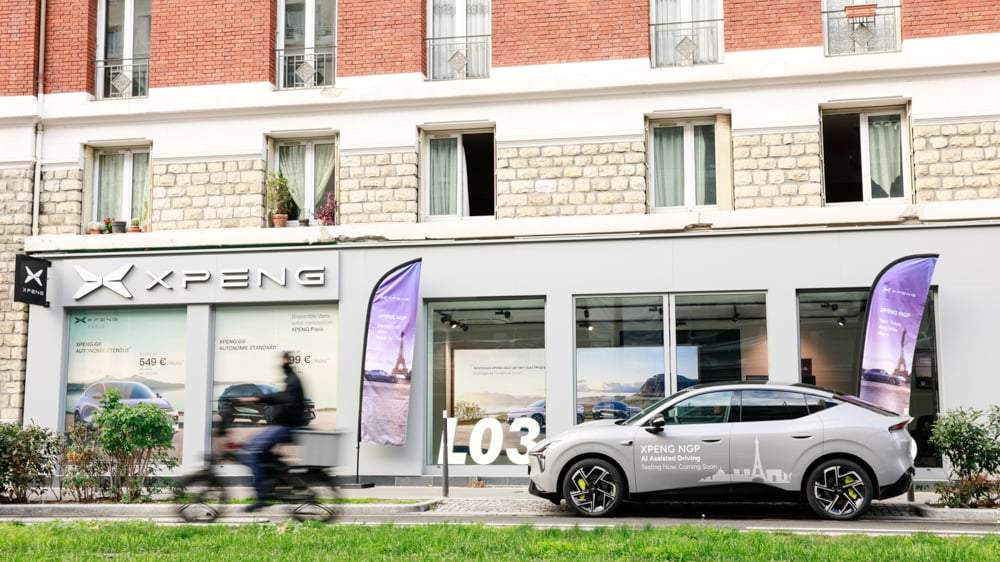
Several other updates also arrive over the air. A new adaptive deceleration feature, which adjusts regenerative braking while the driver is in control, starts rolling out in December on the G9L and Mona L05 and cuts brake pedal use by 95% in congested traffic. XPeng also plans to raise the charging rate of all its 5C battery models to 6C over the air, cutting a 10 to 80% charge to 10.7 minutes, and it aims to begin the first global deliveries of second-generation VLA in the first half of 2027, following public NGP rides at its Paris store this month.
The timing comes as XPeng's sales are at a high. It delivered a record 50,237 vehicles in October, up 22% from September, including 13,326 overseas. A lifetime carve-out for anyone who orders before the subscription starts in the second quarter of 2027 gives shoppers a reason to buy sooner, which is exactly the point William Li made.
What XPeng publishes next year will decide how much the change matters. If the subscription covers only new capabilities, today's standard NGP on Max trims stays free and the fee becomes an upsell. If it covers the NGP features that now come with every Max, a buyer in mid-2027 could pay every month for what someone ordering this winter keeps for life.
Conversion rate: 1 USD = 6.7096 CNY as of November 26, 2026.
GCEV Weekly · Every Tuesday
China's EV industry in five minutes.
Launches, sales, batteries and policy — the week's stories that matter, with the context the headlines leave out.
Sent by GigaCharts Inc. Questions? Write to globalchinaev@gmail.com. Unsubscribe anytime. See our privacy policy.