Huawei's Yinwang joins CATL's 2,520-station swap network, first car due 2027

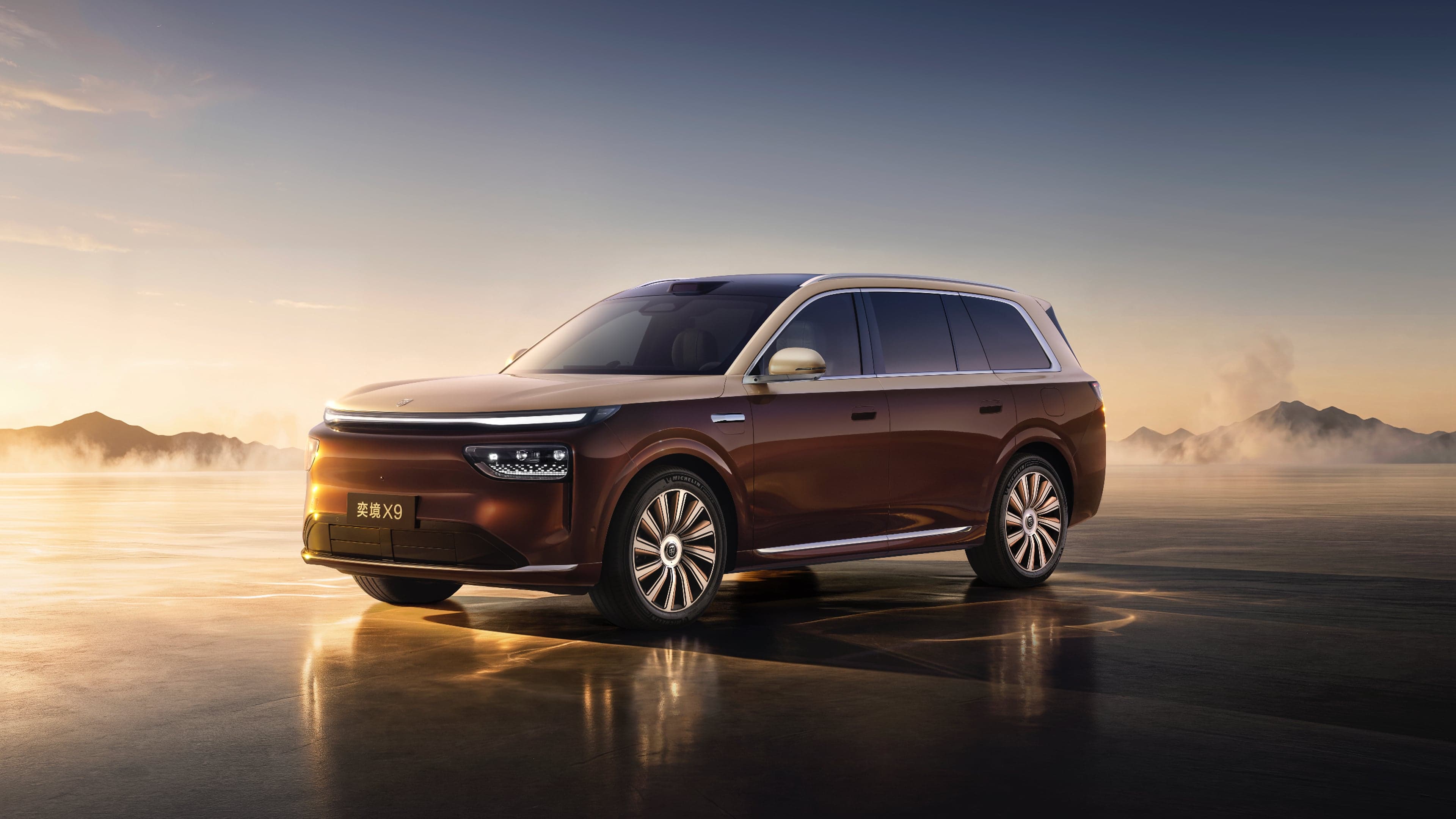
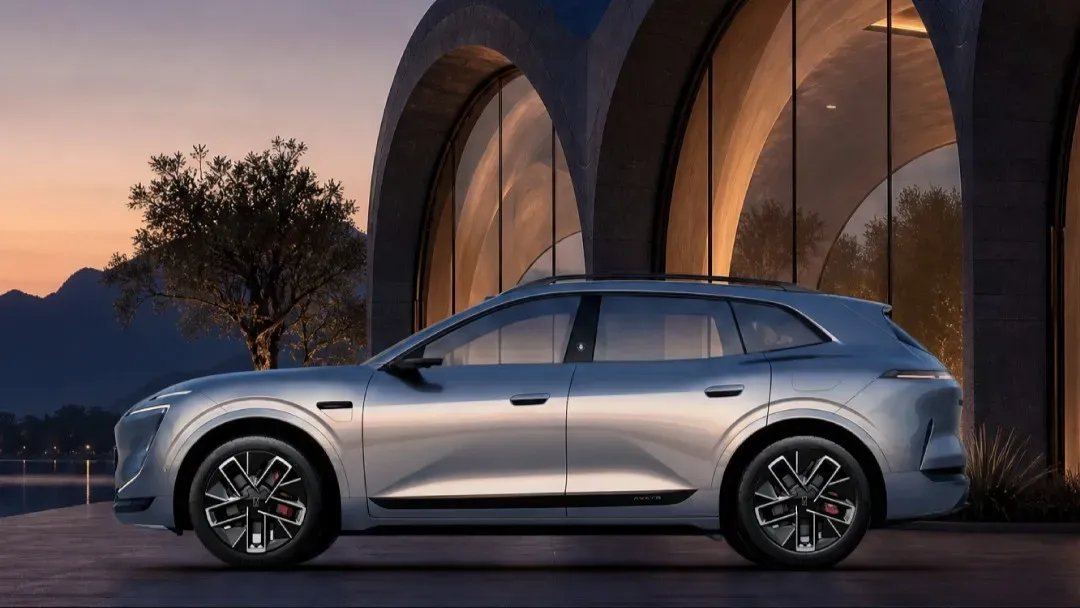
Yinwang, Huawei's smart car unit, signed a smart energy replenishment ecosystem agreement with CATL (SZSE: 300750, HKEX: 3750) and its battery swap operator CAES in Ningde, Fujian on October 19, 2026, joining the Choco-Swap network. The first car built for it is reportedly planned for 2027 and will come from Epicland, the brand Dongfeng launched with Huawei.
The deal links Huawei Qiankun ADS, the assisted driving system Yinwang supplies to partner carmakers, with the Choco network at system level across car, station and cloud. Huawei says a compatible car would use its battery state and the driver's travel patterns to judge when it needs energy, then find a station, drive in, align itself and complete a 99-second automatic swap before driving off.
Advertisement – Continue scrolling for more
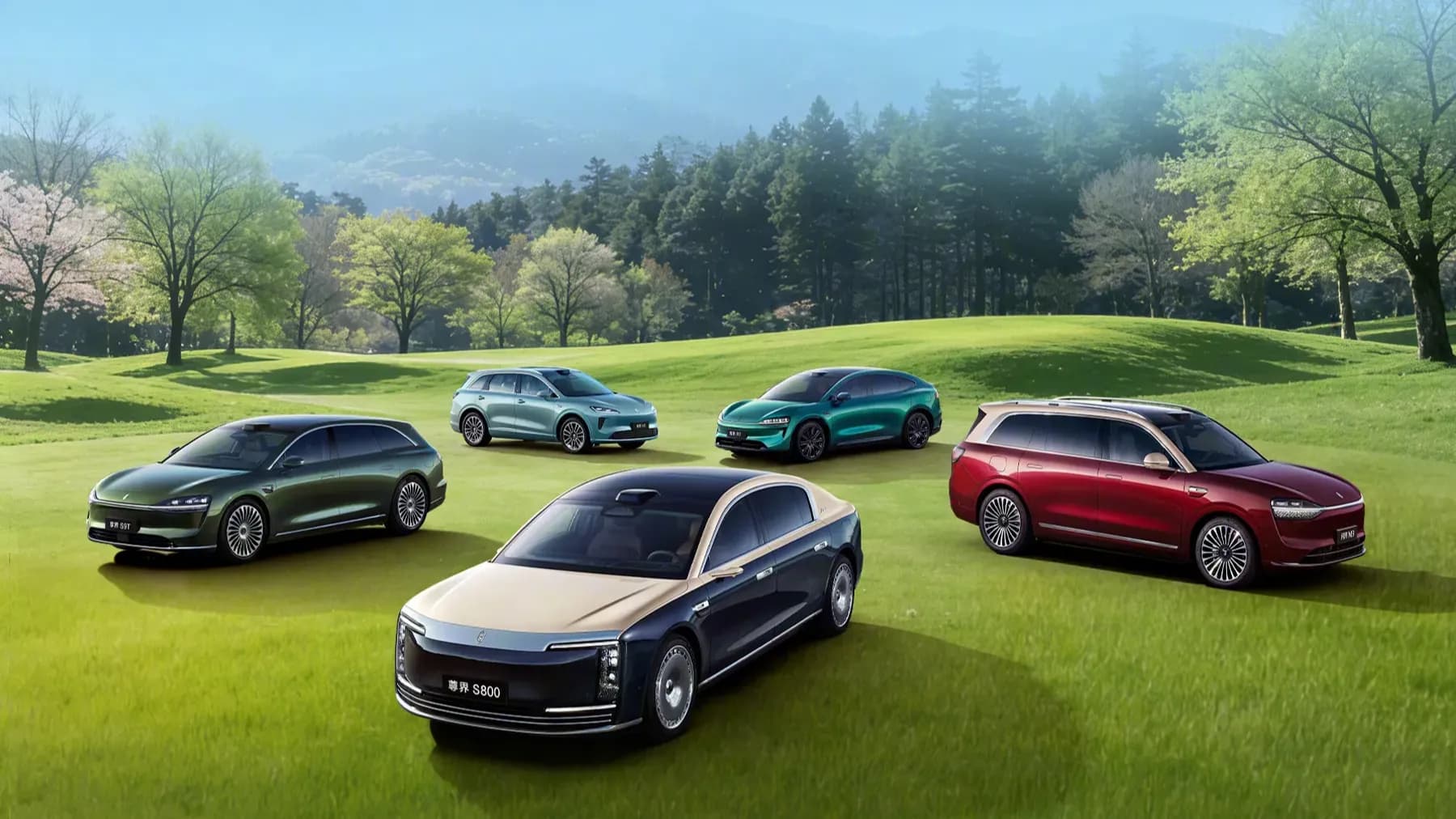
CATL chairman Robin Zeng and Jin Yuzhi, Huawei senior vice president and Yinwang CEO, attended the signing. Swapping is the newest piece of what Huawei calls its 10-minute Qiankun life circle, launched at the end of 2025, which already ties the system to parking payment at more than 300,000 car parks and smart charging at 2 million charging sites. Huawei owns 80% of Yinwang, with Seres (HKEX: 9927) and Avatr, the premium EV brand of Changan (SZSE: 000625), holding 10% each.
Huawei's statement named no cars, dates or coverage targets. The 2027 Epicland timing came a day later in a report citing unnamed sources, which did not say which model it will be. Epicland's first car, the X9 three-row extended-range SUV, began nationwide deliveries on October 18 after a September launch priced below the Aito M8, and nothing announced so far marks it as the swap model.
Advertisement – Continue scrolling for more
CATL's network had more than 2,520 swap stations in 200 cities across 31 provinces as of September 29, with nearly 20,000 new batteries deployed. That is about 1,050 more than the 1,470 stations in 99 cities CATL reported in April, or roughly 200 a month by simple arithmetic, close to the more than 200 a month CAES claims for the second and third quarters. CATL expects to pass 3,000 stations by the end of 2026 and has floated a long-term goal of 30,000.
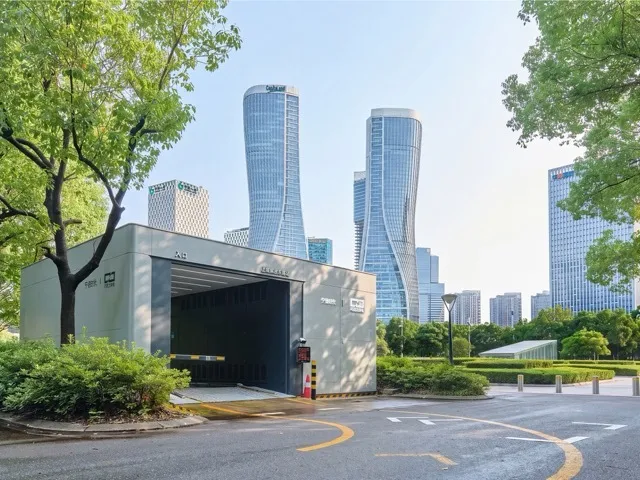
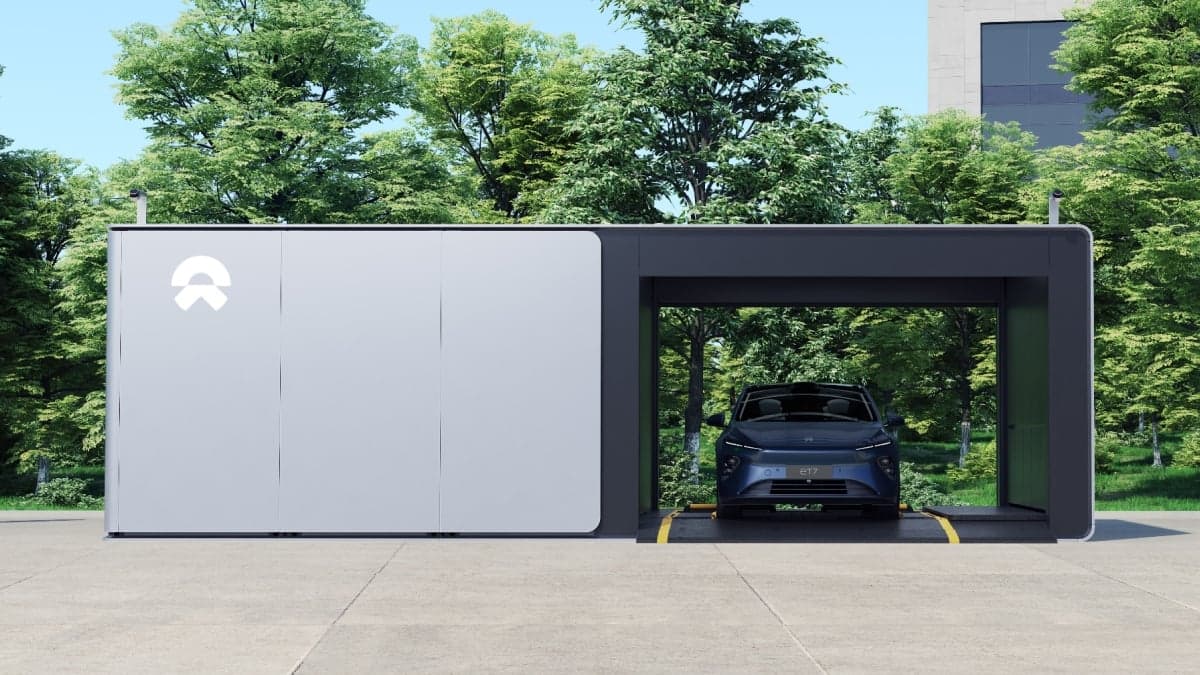
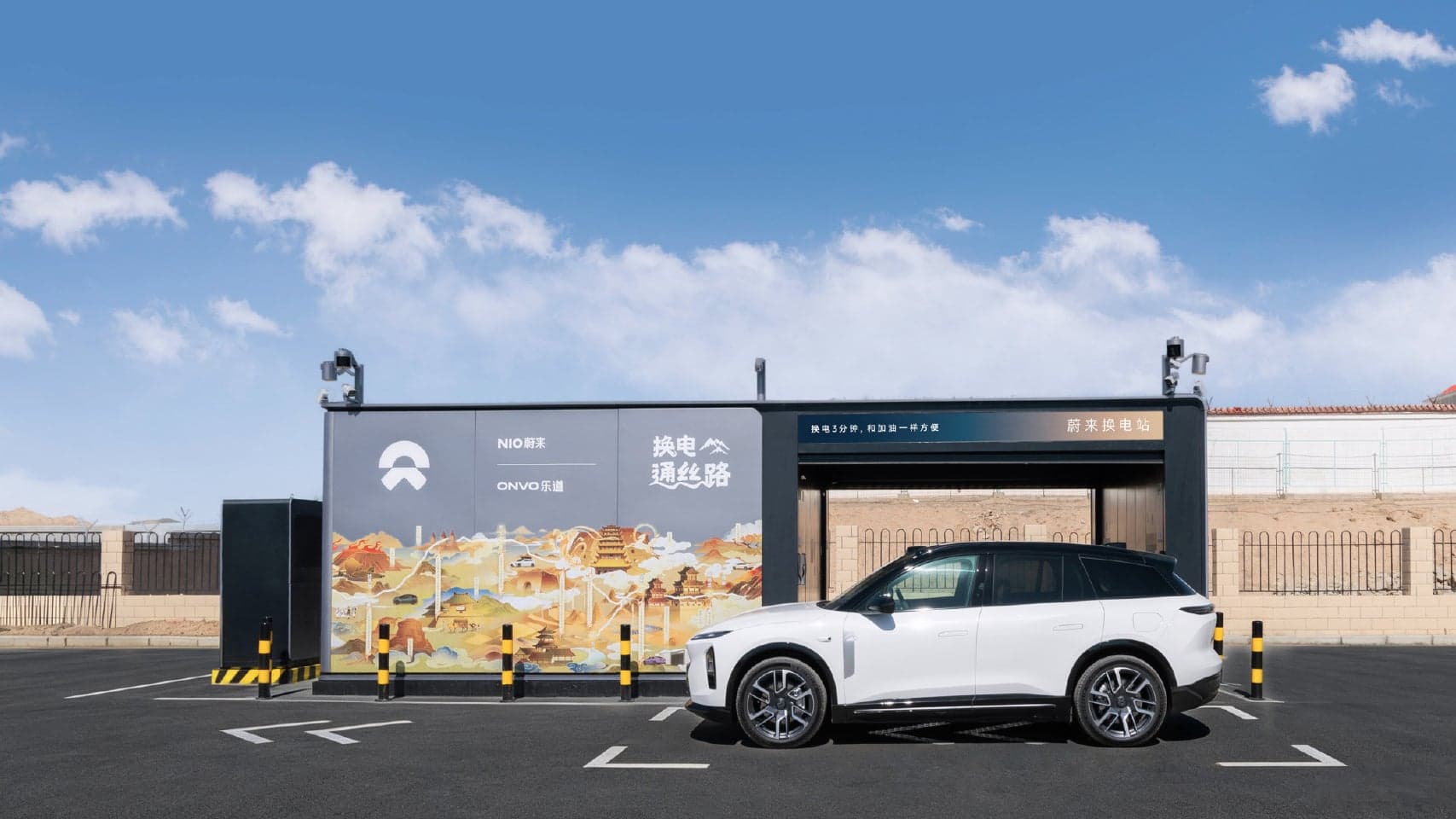
A Choco-Swap station, part of a network CAES puts at more than 2,520 stations in 200 cities (CAES)
NIO (NYSE: NIO) still runs the bigger network. It had 4,168 swap stations in early October, up from 3,520 a year earlier, so it added about 54 a month while Choco added close to four times as many. NIO has also served more than 127 million swaps in total. If both held those paces, Choco would close the 1,648-station gap in roughly 11 months, around the time the first Huawei-linked car is due.
Advertisement – Continue scrolling for more
Station count is the easier race. NIO handled 1,192,221 swaps over the October 1 to 7 holiday, 22% more than a year earlier, yet that works out to about 41 swaps per station per day. NIO executives have said a fourth-generation station breaks even at roughly 40 to 50 swaps a day, according to a September 28, 2026 report, which puts the network average at the bottom of that range. In February 2025, finance chief Qu Yu had cited a higher bar of 60 to 70 a day. The fleet feeding those stations is still growing: NIO's three brands sold 37,231 cars at retail in September, up 4.4% from 35,655 in August.
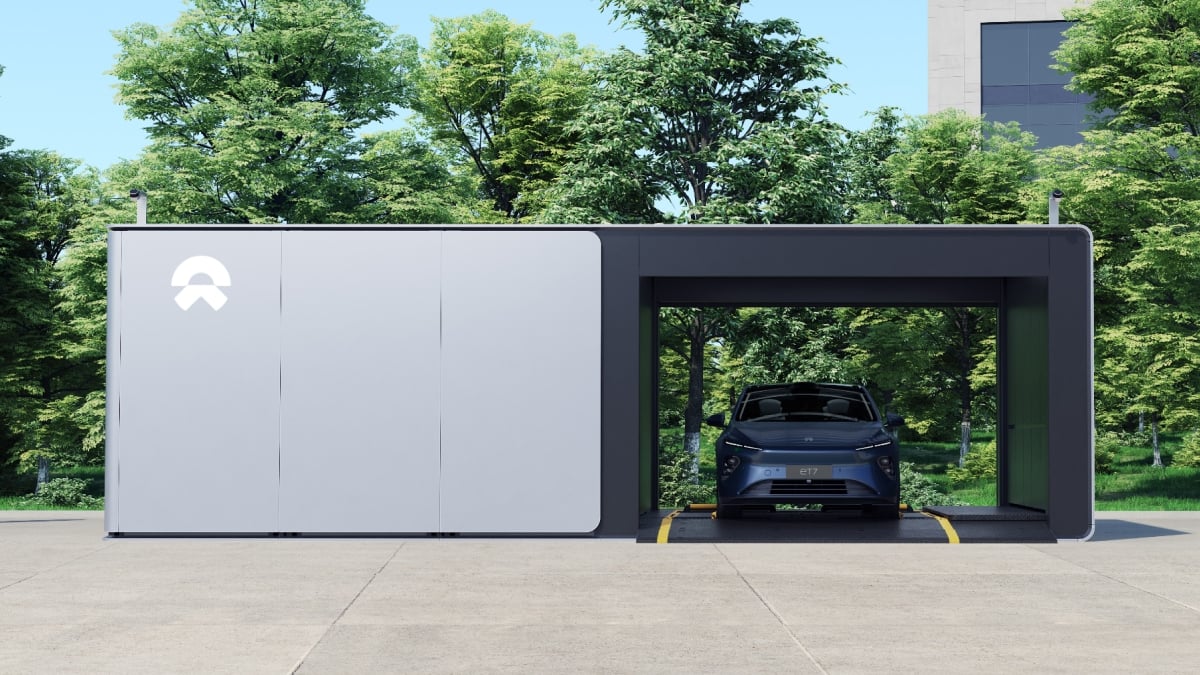
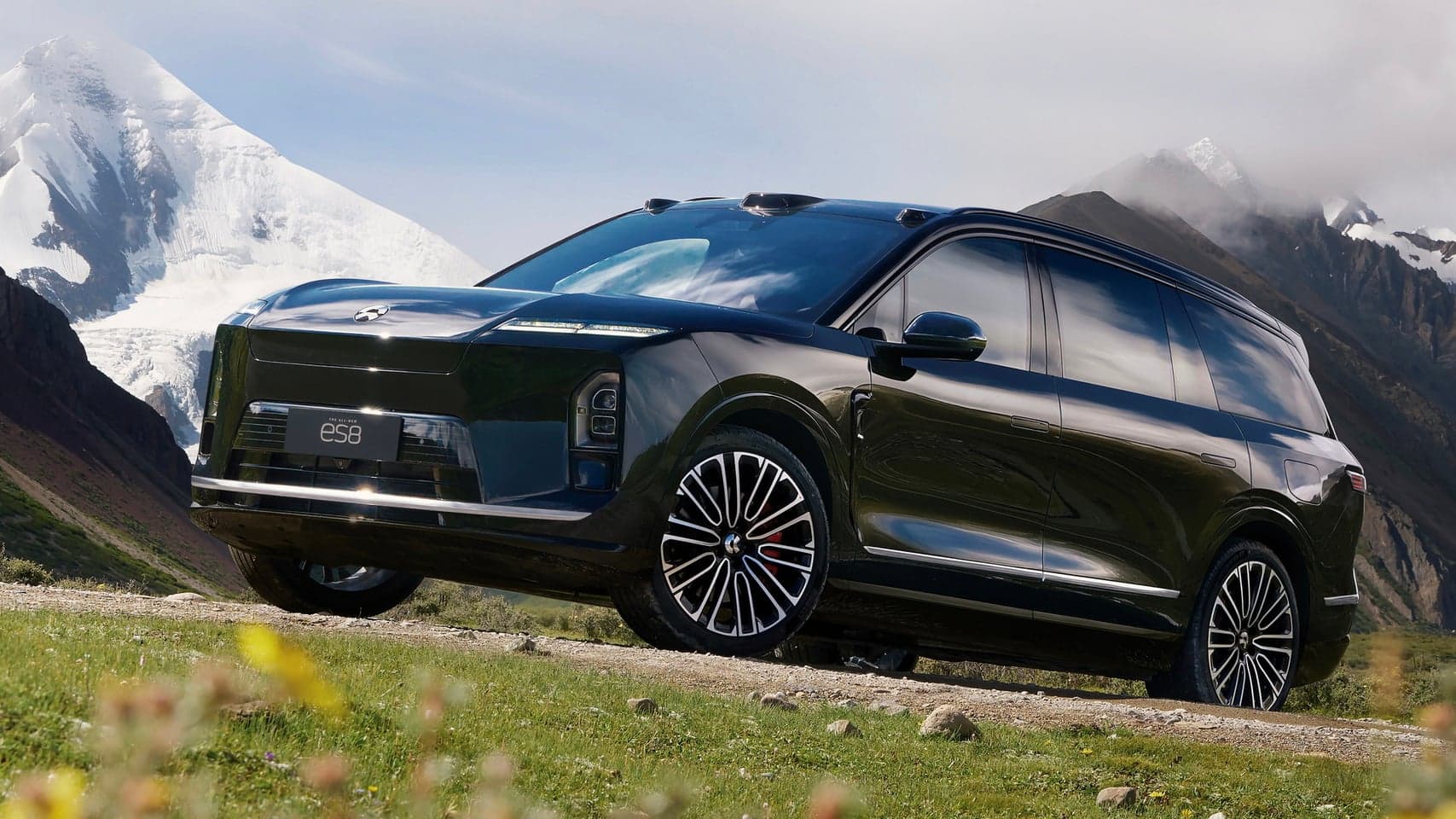
Rendering of a NIO ET7 in a swap station; NIO had 4,168 swap stations in early October (NIO)
CAES's September update gave station and battery counts but no swap volumes, so there is no public per-station figure to set against NIO's. The company says a single Choco station can handle up to 600 swaps a day. Cars built for the system can also plug in and charge like any other EV, so their owners are not tied to the stations.
Choco is open to any carmaker that builds a compatible model. Models already using it include the Arcfox S3 and BEIJING EU8 from BAIC and the Aion RT super and UT super from GAC. BAIC, an early partner, and Chery, which said it will fully adopt the Choco-Swap system, both signed deals with CATL and CAES on April 25. Arcfox S3 buyers can lease the battery instead of buying it.
Advertisement – Continue scrolling for more
NIO already offers much of what Huawei described. A software update this year lets NIO's assisted driving steer its newer Banyan-platform cars into more than 2,000 of its urban swap stations, wait in a queue and park in the swap bay on its own. CAES also plans 1,000 highway stations over 2026 and 2027, aiming for a pair about every 100 km (62 miles) on major routes, against the 1,073 highway stations NIO reported in October.
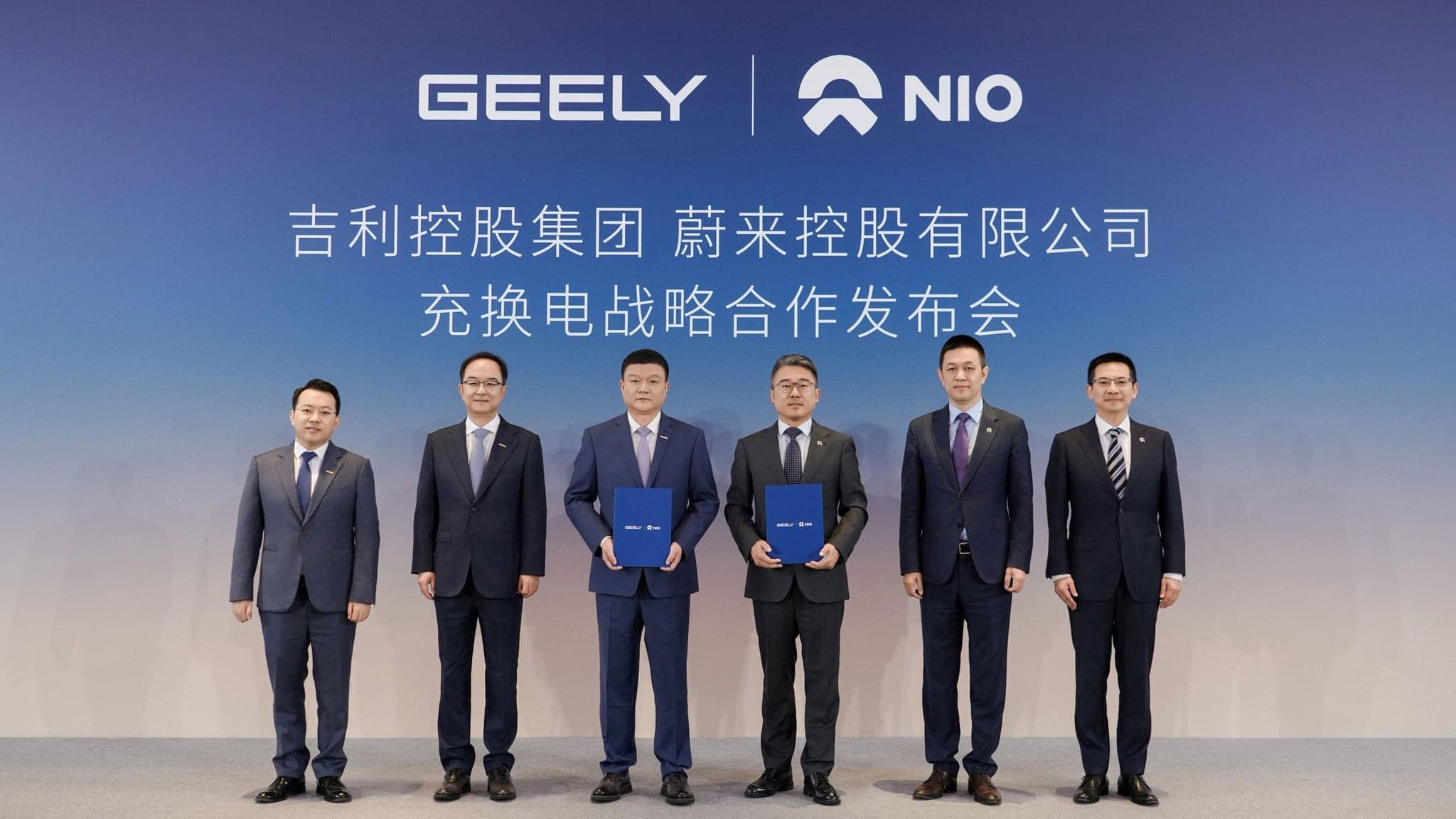
NIO has also started selling a piece of its network to an outside carmaker. Under agreements announced September 27, a Geely Holding subsidiary will take 30% of NIO Power, paying with its Yiyi swap business plus 640 million CNY (c. $95.2 million) in cash, at a post-money valuation of about 16 billion CNY (c. $2.38 billion). The deal includes early plans for Geely models to use swapping and still needs regulatory approval.
Advertisement – Continue scrolling for more
For CATL, Huawei adds software reach more than stations. Yinwang says it will work with its strategic partners to adapt their models to the Choco network, and any carmaker using Qiankun ADS could in principle route drivers into Choco bays. That only happens once a partner builds a car designed for CATL's swap batteries, and none has announced one beyond the reported Epicland model for 2027.
The open question is whether a multi-brand network can reach NIO-level use per station before Huawei-linked cars arrive, or whether Choco simply passes NIO on station count with fewer swaps at each. For NIO Power, now heading for 30% Geely ownership, the test is whether its stations can climb clear of the 40 to 50 swap breakeven band as Choco adds competition.
Conversion rate: 1 USD = 6.7200 CNY as of October 20, 2026.
Advertisement – Continue scrolling for more