Xiaomi Auto, the electric-vehicle unit of Xiaomi Corporation (HKG: 1810), signed memoranda of understanding with eight German automotive dealer groups on September 3, 2026, formalizing part of the retail network it plans to use when it enters the European market in 2027. The agreements were signed at IFA Berlin 2026, the consumer electronics trade show where Xiaomi has built a growing presence for its car business. Germany will be the company's first European market, with additional countries expected to follow.
The eight partners are Ernst Dello, Autohaus Dinnebier, Emil Frey Germany, Fett & Wirtz Automobile, Hahn Automobile, LUEG Mobility, Penske-Jacobs Innovation, and SPT Avior, a mix of long-established regional dealer groups across Germany. Dr. Yu Liguo, vice president of Xiaomi Auto and head of its international business department, said the company was glad to begin work with "some of the most respected automotive dealer partners in Germany."
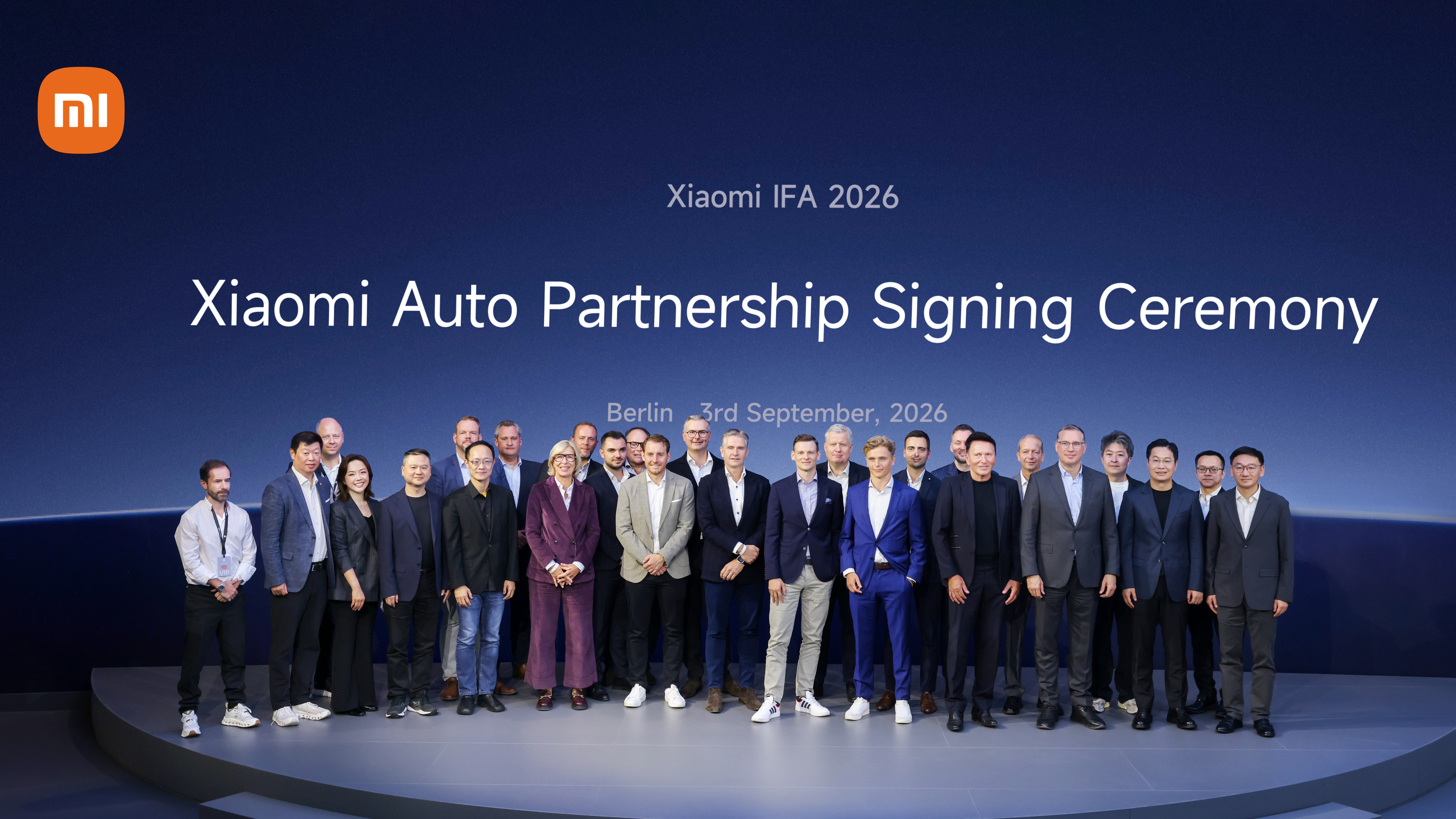
Xiaomi Auto's dealer partnership signing ceremony at IFA Berlin, September 3, 2026 (Xiaomi)
Xiaomi's timeline for Europe has held steady for more than a year. Lu Weibing, Xiaomi Group's president, first confirmed the 2027 target in 2025, and chief financial officer Lin Shiwei reaffirmed the schedule during a March 2026 earnings call. In an August 18, 2026 update, Lu described Europe as the market Xiaomi chose to enter first specifically because it is difficult, and said teams were already on the ground scouting sites and recruiting local partners.
Advertisement – Continue scrolling for more
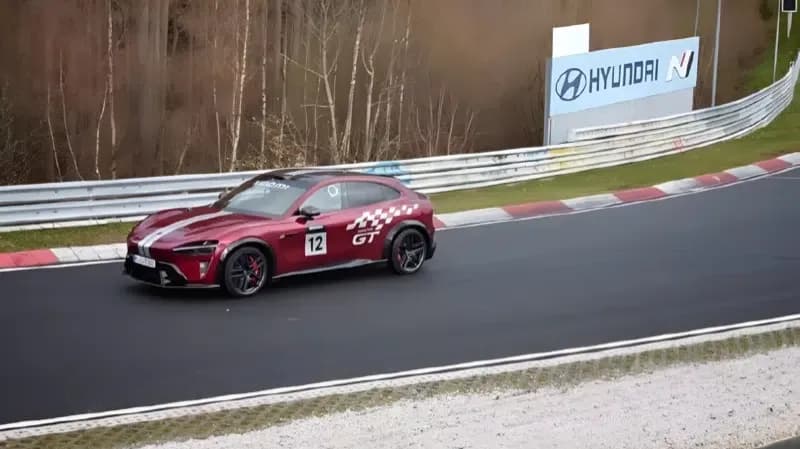
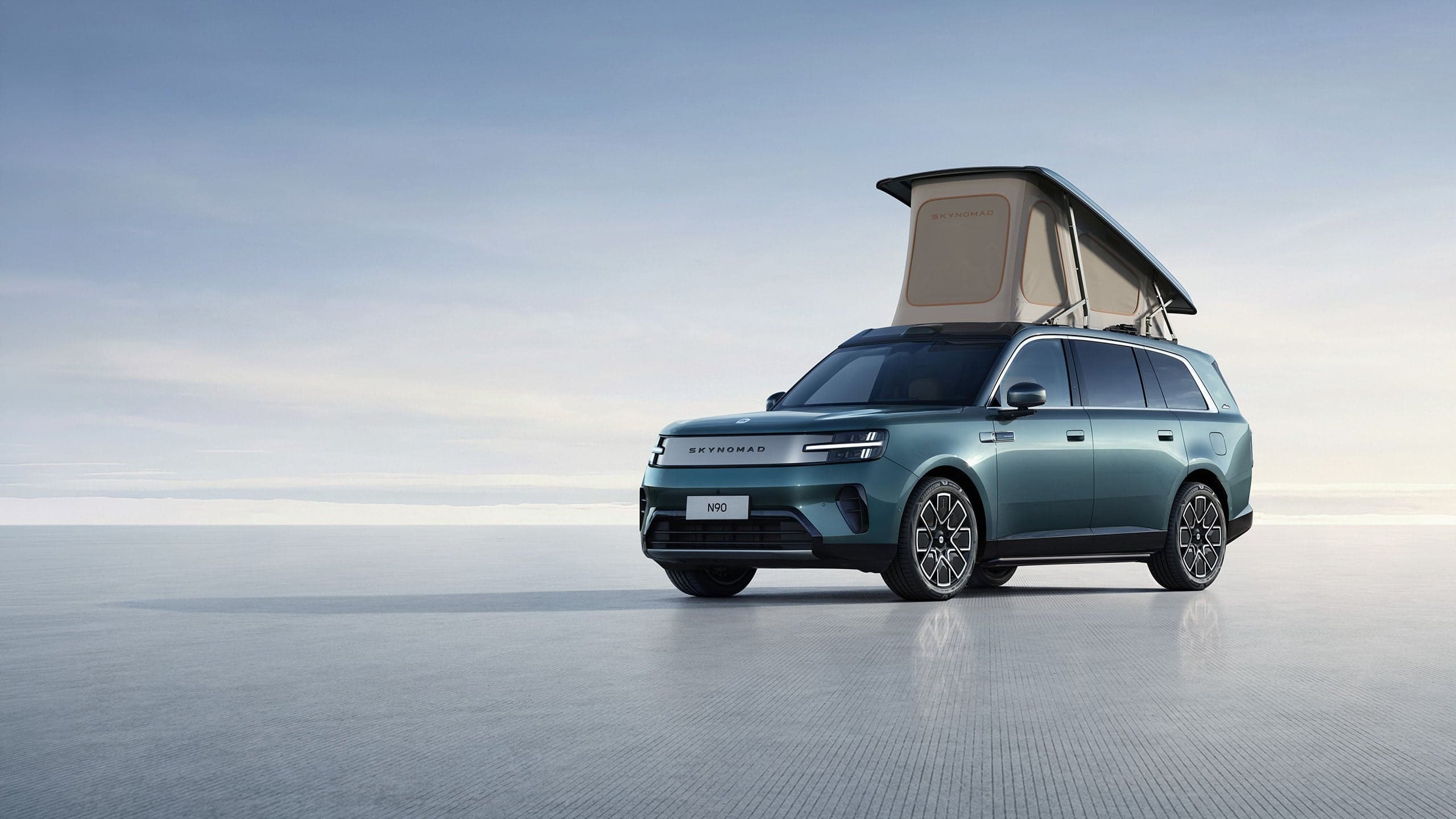
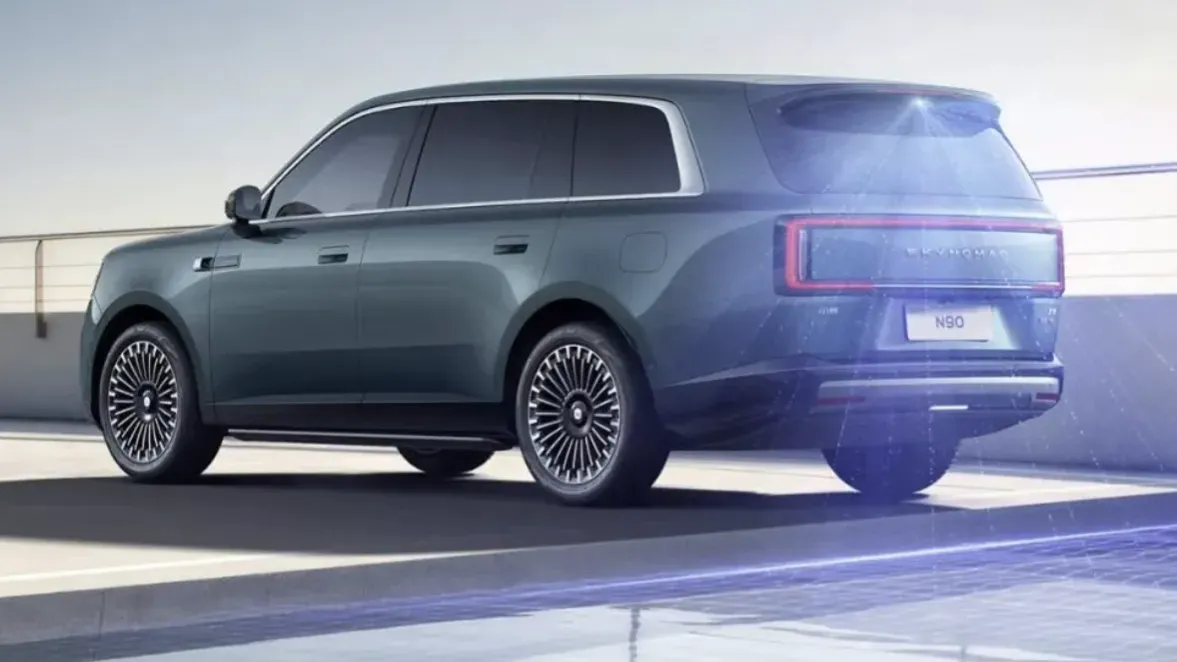
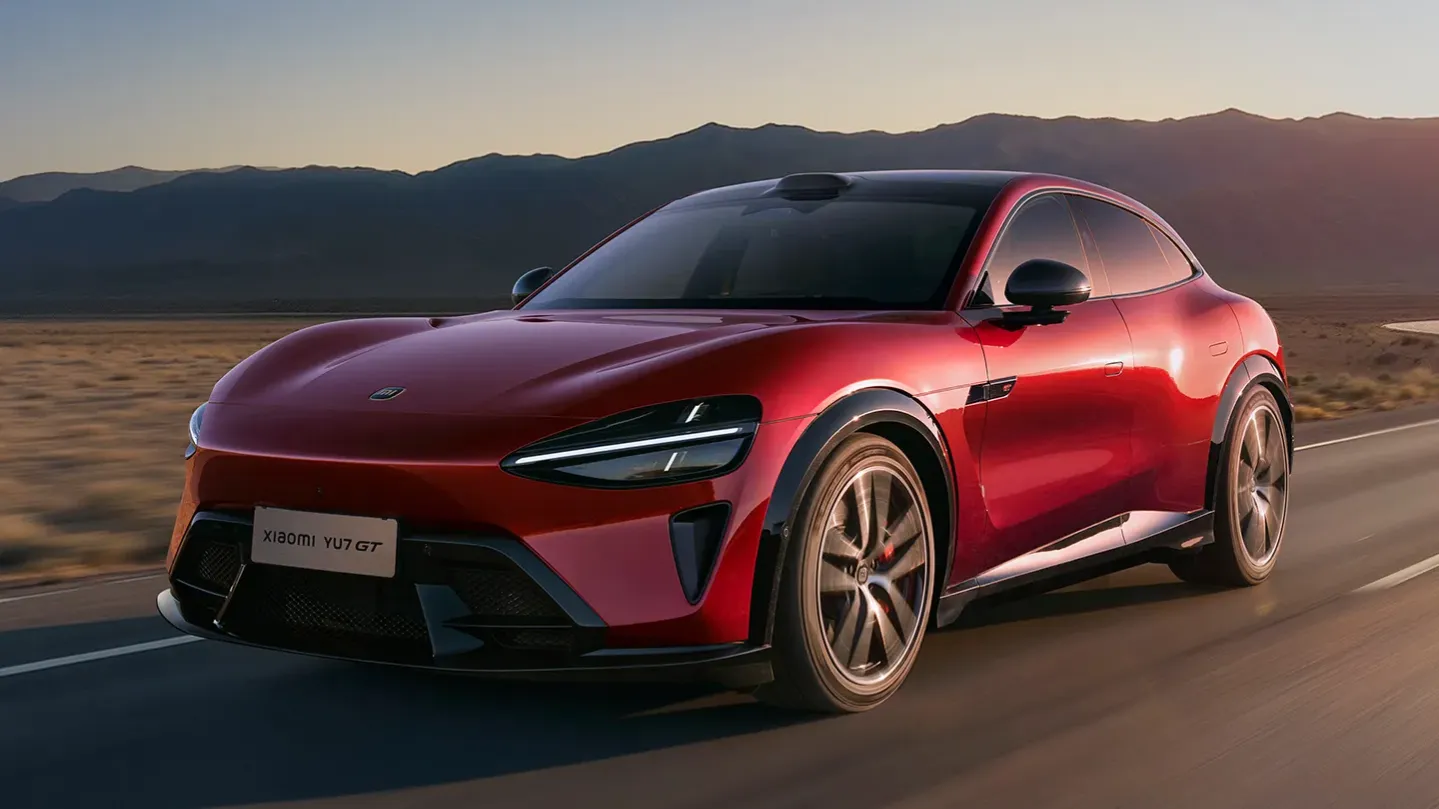
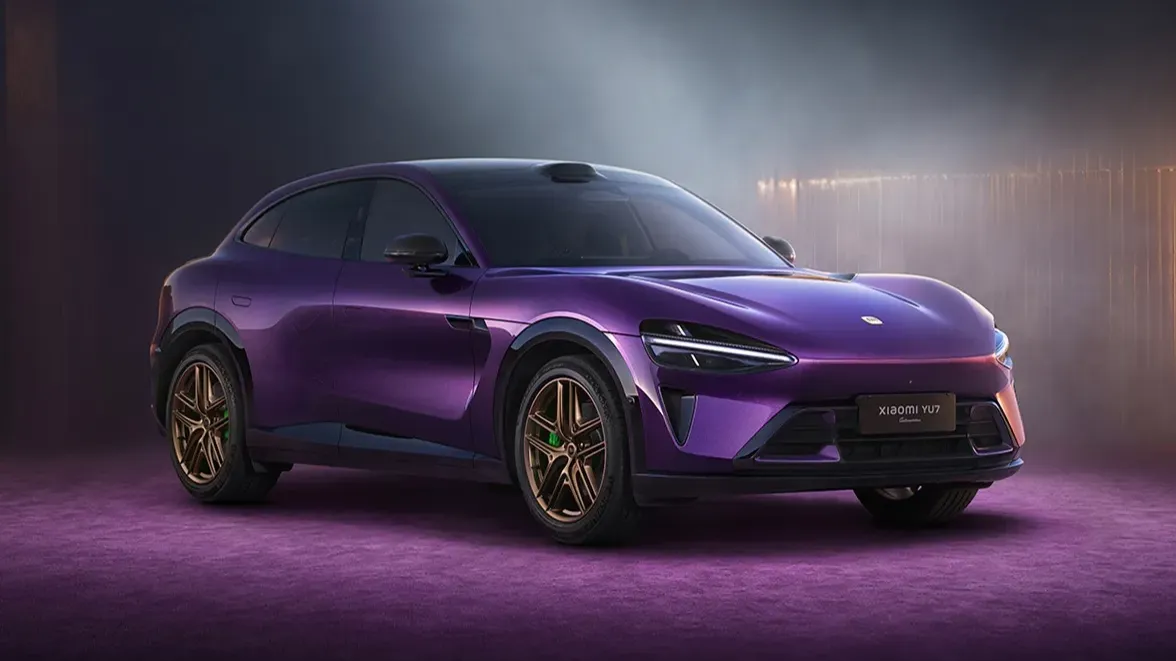
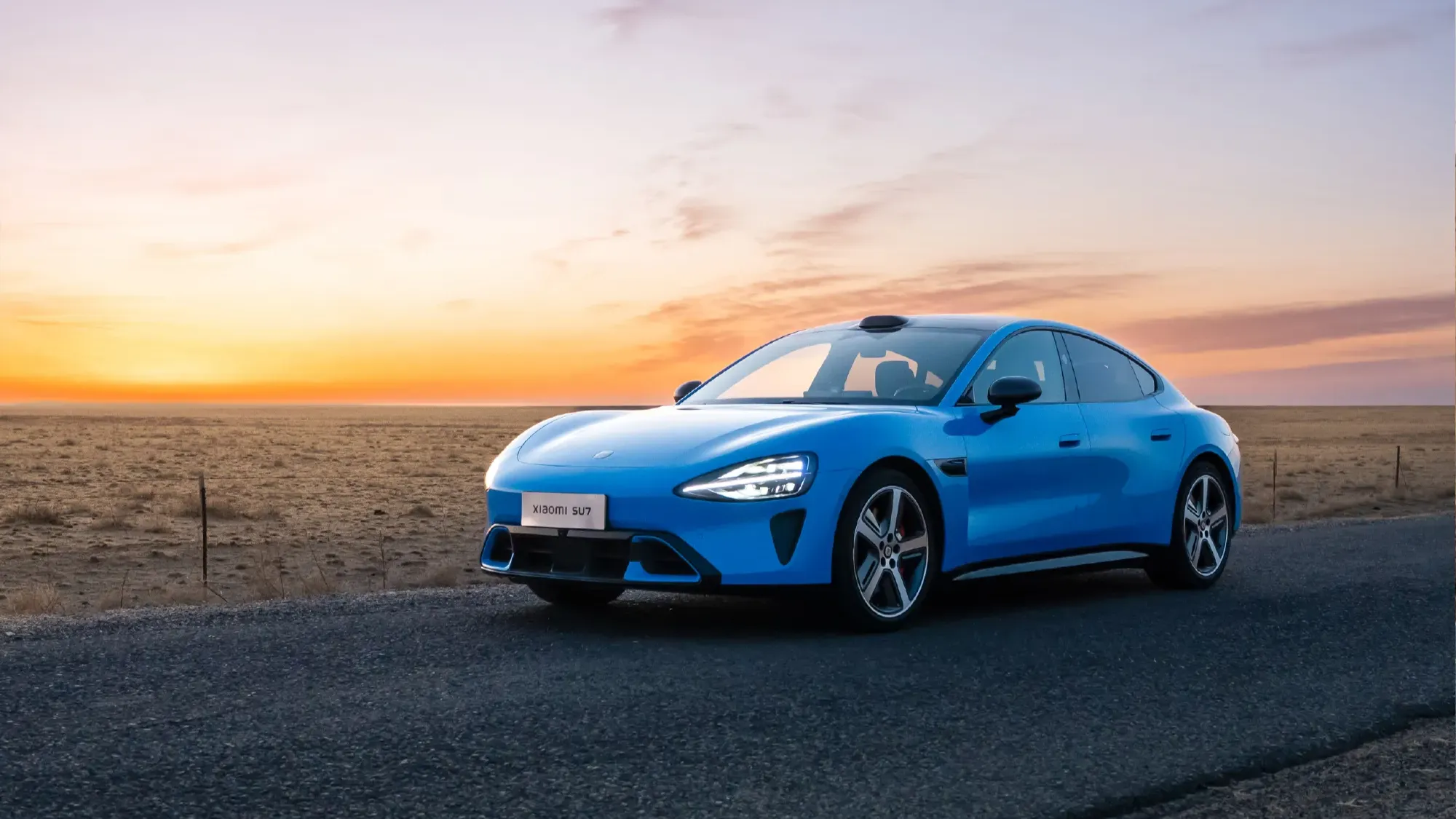
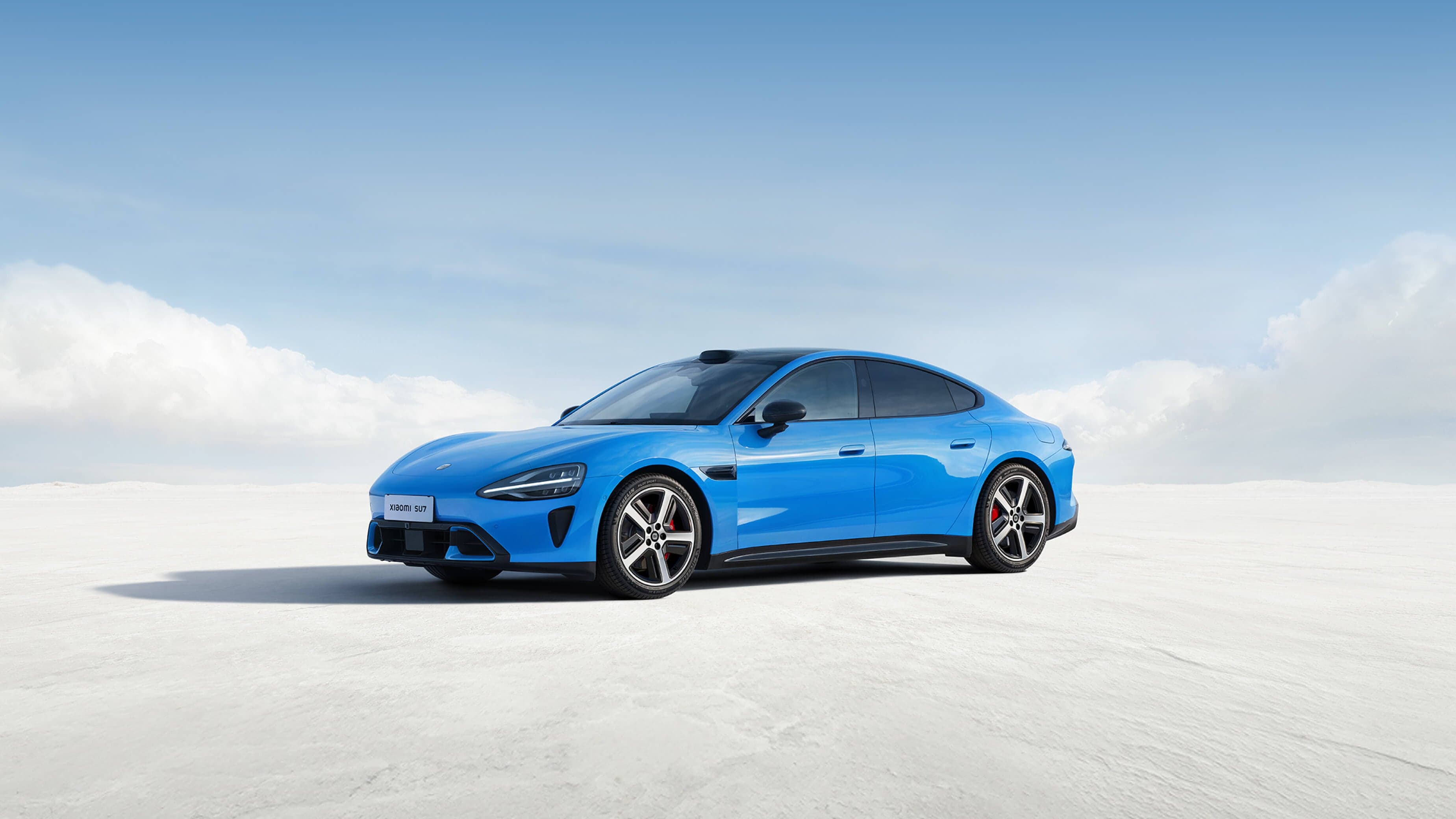
The dealer signings followed the quiet launch of Xiaomi's international automotive website and social media accounts on August 26, 2026, first reported in Chinese media two days later. The site's homepage tells visitors Xiaomi is officially coming to Europe in 2027 and features the SU7 sedan, the SU7 Ultra performance variant, the Xiaomi SkyNomad wagon, and the Vision Gran Turismo, a concept electric supercar the company has used to signal its performance ambitions abroad. The SkyNomad, a boxier all-terrain wagon Xiaomi opened for presales in July 2026, is due for its full public debut on September 7, 2026, days after the German dealer signings.
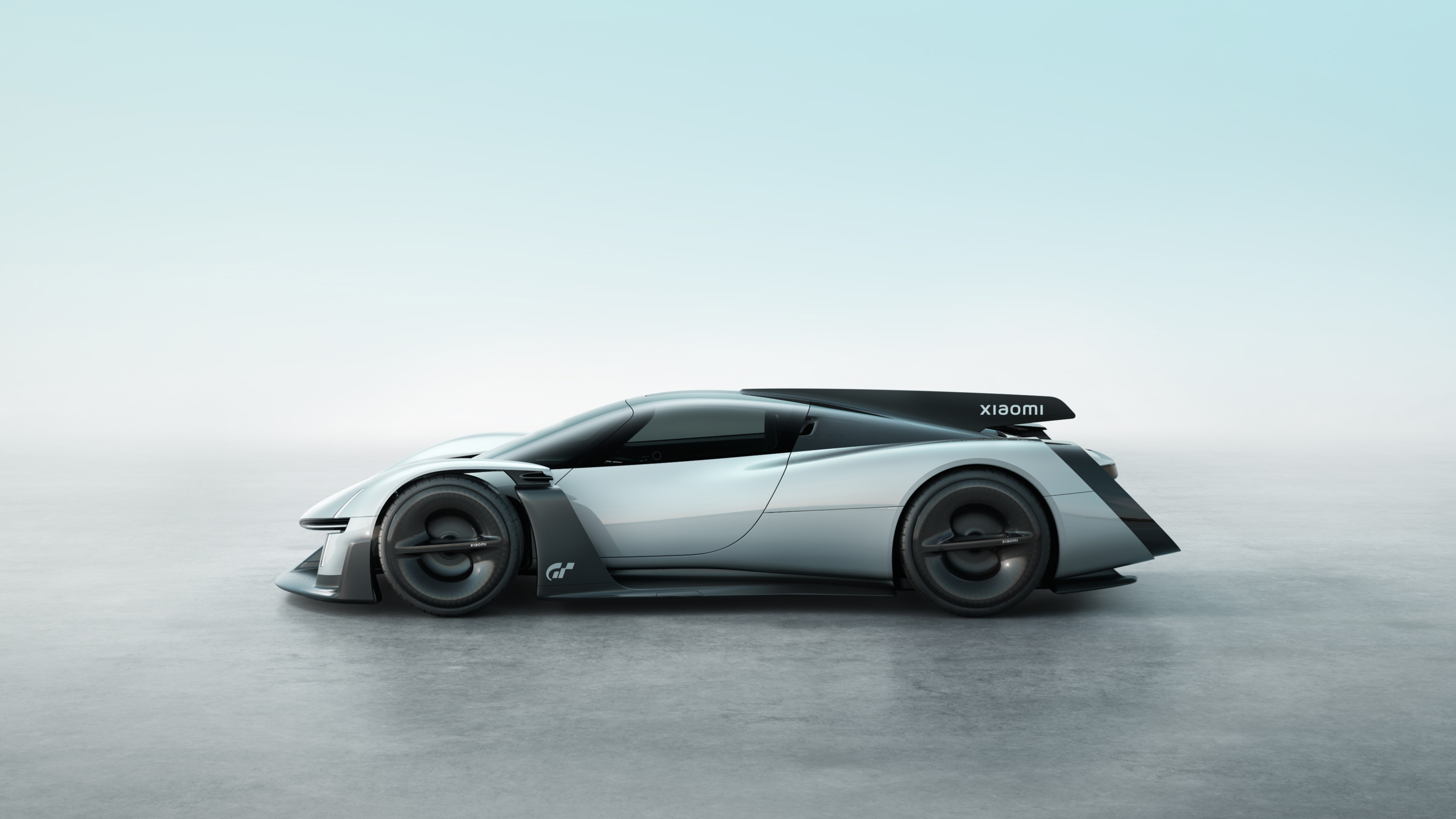
The Xiaomi Vision Gran Turismo, a concept car rendering featured on Xiaomi Auto's new international website (Xiaomi)
Xiaomi has cast Germany as more than just another line item on an expansion map. Company messaging around the IFA signings described Europe as the birthplace of the modern automobile and one of the world's most mature and demanding car markets, arguing that a foothold there would validate Xiaomi's engineering and quality standards ahead of a wider regional push. Xiaomi Auto's leadership has treated the eight German signings as an opening move rather than the finished network.
Xiaomi is opting for a franchised dealer model in Europe rather than the direct-sales approach Tesla (NASDAQ: TSLA) popularized, or the company-owned-store strategy some Chinese rivals have leaned on overseas. In China, Xiaomi runs a hybrid network that mixes company-owned stores with authorized dealers under centralized pricing and ordering; the German MoUs suggest it will hand more retail responsibility to established local partners as it expands into unfamiliar territory.
Advertisement – Continue scrolling for more
That caution reflects the scale of what Xiaomi is protecting. The company has delivered more than 700,000 vehicles in mainland China since it began deliveries in March 2024, with the SU7 series alone surpassing 500,000 cumulative units in 28.5 months. The YU7 SUV drew more than 240,000 locked-in orders within 18 hours of going on sale, and Xiaomi has said its automotive division reached profitability within six quarters of starting deliveries.
The company has also built infrastructure ahead of the launch, including a research and development center in Munich that opened in 2025. Xiaomi has framed the European push as part of a broader "Human x Car x Home" ecosystem strategy pairing its vehicles with Mijia smart-home products, an approach it showcased at IFA Berlin alongside the dealer announcement.
Advertisement – Continue scrolling for more
Xiaomi is entering a European market where Chinese brands collectively have been gaining ground despite trade friction. Chinese-badged models held 14.2% of Western Europe's battery-electric vehicle sales in the first five months of 2026, roughly one in seven BEVs sold, according to data from Schmidt Automotive Research. The European Union's trade measures against Chinese-built EVs remain a live variable for how far that growth can extend: Brussels imposed countervailing duties of up to 38% on top of a 10% base tariff on Chinese battery-electric imports in October 2024, and in January 2026 the European Commission began allowing Chinese manufacturers to propose minimum-price commitments as an alternative to those duties, though it has said any accepted arrangement must offset subsidies it considers "multifaceted and pervasive" across China's EV industry.
Chinese rivals including BYD (HKG: 1211) have already established European retail and manufacturing footholds, and Xiaomi has not yet disclosed which models, trims, or prices it will bring to Germany first, or how the EU's evolving tariff framework will apply to its imports.
Xiaomi has also signaled interest in markets beyond Europe. Job postings from July 2026 point to early discussions with Malaysian agencies, including MIDA, MITI, and MARii, about a possible local assembly operation, suggesting the German dealer network is one piece of a wider international rollout rather than a one-off move.
Advertisement – Continue scrolling for more
The agreements signed at IFA Berlin are memoranda of understanding rather than binding dealership contracts, marking a preliminary stage that Xiaomi will still need to convert into formal franchise agreements before cars reach showroom floors. Executives have characterized the eight-group signing as a starting point, saying the company expects to add further dealer partners across Germany and other European markets as 2027 approaches and as its retail buildout matures.
Whether Xiaomi's dealer-based approach in Germany can match the momentum it built in China, where waiting lists for the SU7 and YU7 have stretched into months, will become clear only once the company publishes pricing and specifications for the European lineup it has so far kept under wraps.
Advertisement – Continue scrolling for more