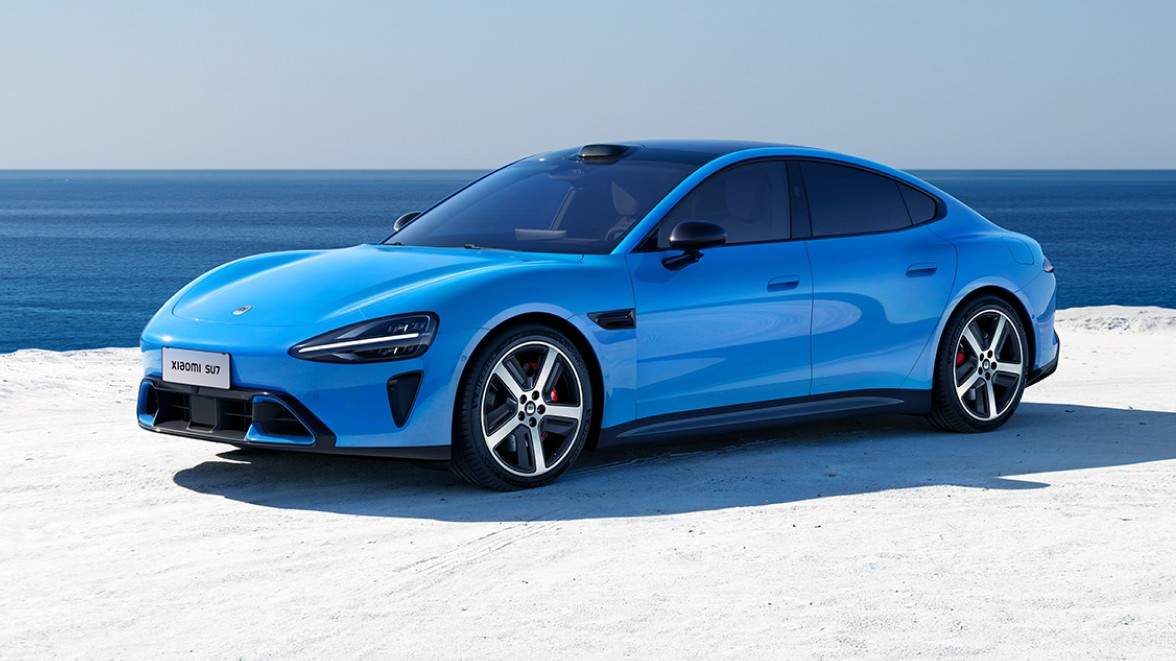

Next Xiaomi SU7 Ultra surfaces with a two-seat version, still at 1,138 kW
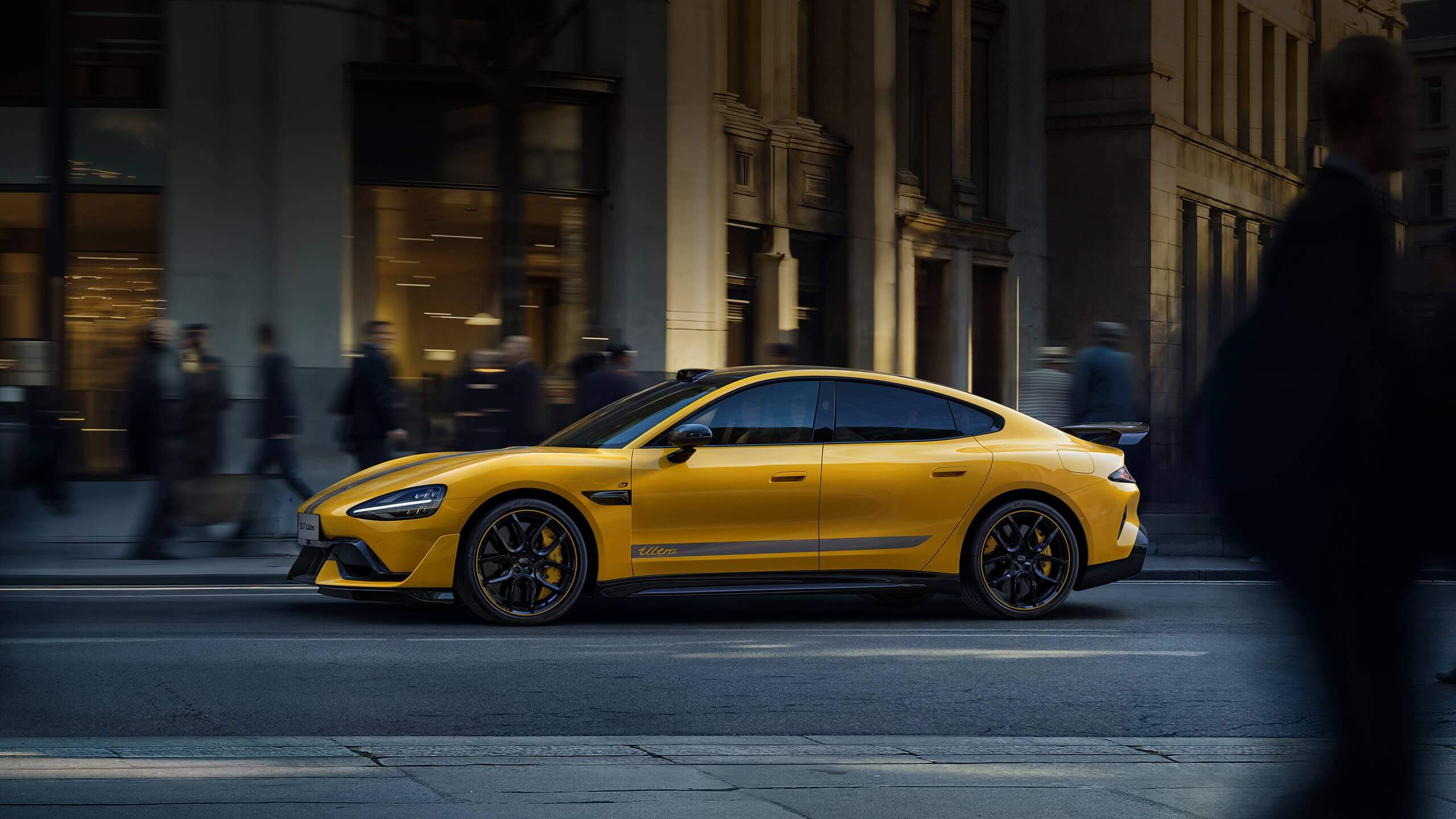

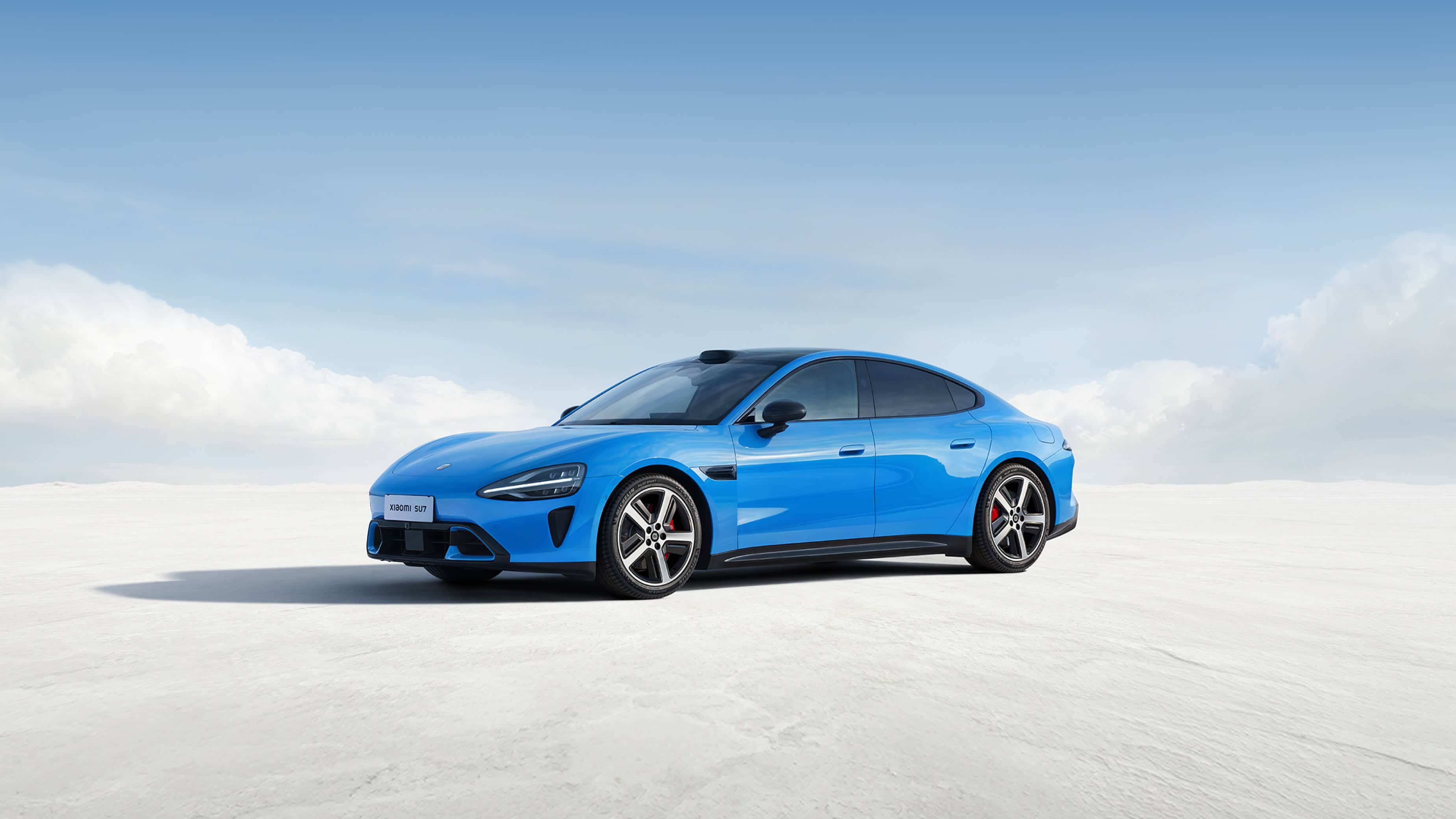
A new version of the Xiaomi (HKG: 1810) SU7 Ultra has appeared in China's latest batch of vehicle filings, and the biggest change is not under the skin. The listing in the Ministry of Industry and Information Technology's (MIIT) 414th new-product notice, published on November 25, 2026, adds a two-seat configuration, a wider body and an optional swan-neck rear wing. Output stays at 1,138 kW, the same as the car on sale today.
The filing, for what reports describe as the next-generation SU7 Ultra, lists a high-performance battery-electric sedan offered in several body sizes. Length ranges from 5,086 mm to 5,315 mm, width is either 1,970 mm or 2,014 mm, and height is 1,465 mm or 1,509 mm. The wheelbase stays fixed at 3,000 mm. Rated seating is five or two.
The two-seat version weighs 2,375 kg at curb, according to one report, and looks aimed at track use. Xiaomi has built a two-seat Ultra before, but only in tiny numbers.
Its Nurburgring limited edition removes the rear seats and adds a half roll cage, saving 30 kg and raising body stiffness by 8%. It also gets FIA-certified carbon racing seats and six-point harnesses. Xiaomi caps that edition at 100 cars in total, with only 10 allotted to the 2025 edition, and it lists at 814,900 CNY (c. $121,467).
The 2,014 mm width belongs to a new wide-body version, by our calculation 44 mm wider than the current car's 1,970 mm. Its options include wheel-arch extensions, semi-open fenders and shark-gill vents. Reports on the filing images say the large fixed swan-neck wing is an option rather than standard equipment. Two staggered tire setups are filed: 265/35 ZR21 front with 305/30 ZR21 rear, or 295/30 ZR21 front with 325/30 ZR21 rear.
GCEV Weekly · Every Tuesday
China's EV industry in five minutes.
Launches, sales, batteries and policy — the week's stories that matter, with the context the headlines leave out.
Sent by GigaCharts Inc. Questions? Write to globalchinaev@gmail.com. Unsubscribe anytime. See our privacy policy.
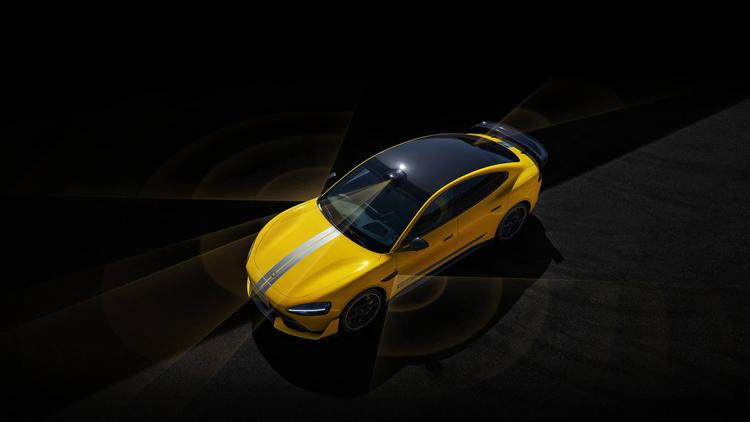
The current SU7 Ultra with its standard rear wing raised; it also offers fixed or three-position adjustable carbon wings, and reports on the filing say a large swan-neck wing will be optional (Xiaomi rendering)
The aero push builds on a car that already leans on downforce. Xiaomi says the current Ultra's aerodynamic package produces up to 285 kg of downforce, measured at 350 km/h (217 mph). Its kit already includes a large front splitter, an active rear diffuser and a choice of fixed or three-position adjustable carbon wings. The filing also lists a long menu of other options, from the front hood, roof, mirrors and side skirts to bumpers, rims, decals and brake-caliper colors.
The powertrain carries over. The filing shows a three-motor all-wheel-drive layout with a 288 kW front motor and two 425 kW rear motors, for a combined 1,138 kW and a listed top speed of 318 km/h (198 mph). The battery is a ternary lithium-ion pack from CATL (SZSE: 300750), with cells made by its Jiangsu unit and packs assembled by its Henan unit. A Bosch ESP10 anti-lock braking unit, a standard event data recorder and an optional ETC toll unit round out the technical entries.
Several numbers that matter to buyers are missing. Xiaomi has not published range, pricing or a launch date for the new version, and a regulatory filing is not a launch.
For reference, the current Ultra went on sale on February 27, 2025 at 529,900 CNY (c. $78,986). At launch Xiaomi quoted 1,548 PS, 0 to 100 km/h in 1.98 seconds, 620 km (385 miles) of CLTC range and a 10% to 80% charge in 11 minutes on its 897 V architecture. Data provider Yiche also lists a second trim bundling the track professional package at 629,900 CNY (c. $93,892), rated at 555 km (345 miles) of CLTC range, though one report says only one version is currently on sale.
Track times have been central to the Ultra's pitch. Xiaomi says the car began testing at the Nurburgring on June 11, 2024, and on April 1, 2025, an Ultra fitted with the track package, a carbon dual-duct hood and an aero underbody set what Xiaomi calls the Nordschleife lap record for a production electric car.
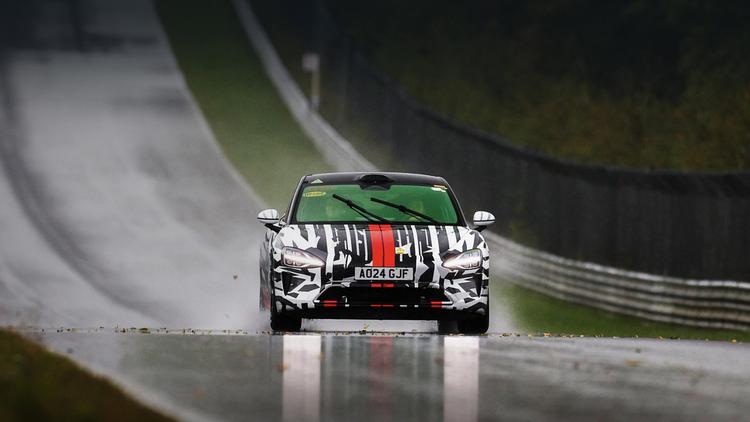
A camouflaged development car for the current SU7 Ultra at the Nurburgring, where Xiaomi says testing began on June 11, 2024 (Xiaomi)
The current car is still on sale, but buyers face a long wait. Xiaomi's November offers include five-year zero-interest financing on the Ultra from 529,900 CNY. Orders placed now are expected to be delivered in April or May 2027, according to one report, which suggested those buyers could receive the new version. Across all models, Xiaomi delivered more than 50,000 cars in October, about 10,000 more than in September, and more than 336,000 from January to October, roughly 61% of Lei Jun's 550,000 target for the year.
Demand for the Ultra has been small. It did not make the top ten in data provider Yiche's October ranking of domestic sales of mid-to-large sedans priced 400,000 to 800,000 CNY, a list where the tenth-placed Audi A6L e-tron recorded just 96 units. It was also missing in September, when tenth place took 62 units. In the same October list, the Avatr 12 sold 418 units and the BMW i5 sold 258.
The Ultra has also been left behind within Xiaomi's own lineup. The new-generation SU7 launched on March 19, 2026 at 219,900 CNY (c. $32,778), with Pro and Max versions at 249,900 CNY (c. $37,250) and 303,900 CNY (c. $45,299), and logged more than 15,000 locked orders within 34 minutes. The Ultra on sale is still the 2025 model-year car, and any new model launched from January 2027 must meet China's new door-handle standard, which requires a mechanical release.
Xiaomi now has a two-seat Ultra in the approval pipeline and a 2027 delivery window. The open question is whether a wider, winged Ultra can sell more than the current one, which by our reading of that ranking sold fewer than 100 cars a month at home in September and October.
Conversion rate: 1 USD = 6.7088 CNY as of November 25, 2026.
GCEV Weekly · Every Tuesday
China's EV industry in five minutes.
Launches, sales, batteries and policy — the week's stories that matter, with the context the headlines leave out.
Sent by GigaCharts Inc. Questions? Write to globalchinaev@gmail.com. Unsubscribe anytime. See our privacy policy.