
Xiaomi's EV arm swings to a 3.4 billion CNY loss as Q3 deliveries slip 7%

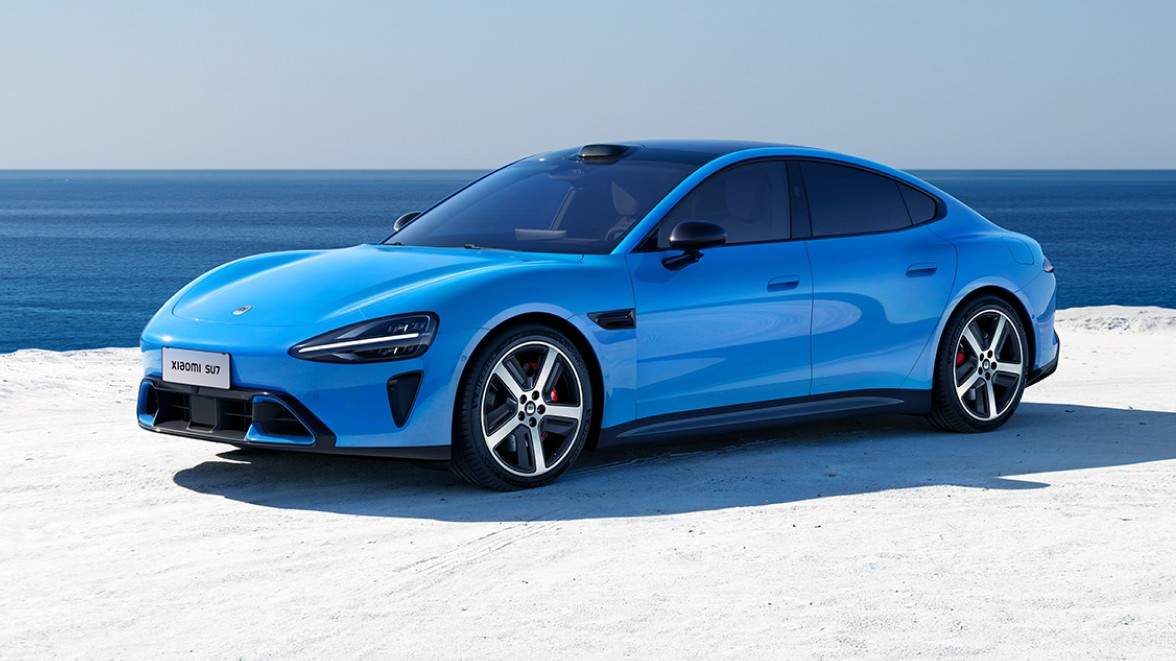
Xiaomi (HKG: 1810) said on November 24 that its car and AI business lost 3.4 billion CNY ($507 million) from operations in the third quarter of 2026. A year earlier, the same segment posted its first-ever quarterly operating profit, of 0.7 billion CNY ($104 million). Xiaomi delivered 100,975 vehicles in the July to September quarter, down 7.2%, by our calculation, from 108,796 a year before.
Revenue from the cars themselves fell 19.9% to 22.7 billion CNY ($3.38 billion), from 28.3 billion CNY a year earlier. Xiaomi blamed fewer deliveries and a shift in product mix, including a smaller contribution from the high-priced SU7 Ultra. The wider segment, renamed this quarter from smart EV to NEV, AI and other new initiatives, brought in 23.9 billion CNY, down 17.7%.
The loss also widened from the previous quarter. In the second quarter, the segment lost 2.6 billion CNY from operations on 104,199 deliveries, so third-quarter volume fell 3.1% sequentially, by our calculation. Car revenue slipped 5.1% from 23.9 billion CNY in the second quarter to 22.7 billion CNY, while operating expenses tied to the segment rose 8.0% to 8.0 billion CNY ($1.19 billion).
Margins tell a similar story. The segment's gross margin was 19.2%, down from 25.5% a year earlier and unchanged from the second quarter. Xiaomi pointed to fewer SU7 Ultra deliveries, higher prices for key components and rising costs in its AI business. Dividing car revenue by deliveries puts the average at roughly 225,000 CNY ($33,500) per vehicle, by our calculation, against 229,312 CNY in the second quarter.
It was the segment's biggest loss of the year so far. Xiaomi lost 3.1 billion CNY from operations in the first quarter on 80,856 deliveries, and 2.6 billion CNY in the second, taking the nine-month total to about 9.1 billion CNY ($1.36 billion), by our calculation. Segment revenue for the nine months was 68.6 billion CNY, slightly below the 68.9 billion CNY of the same period in 2025.
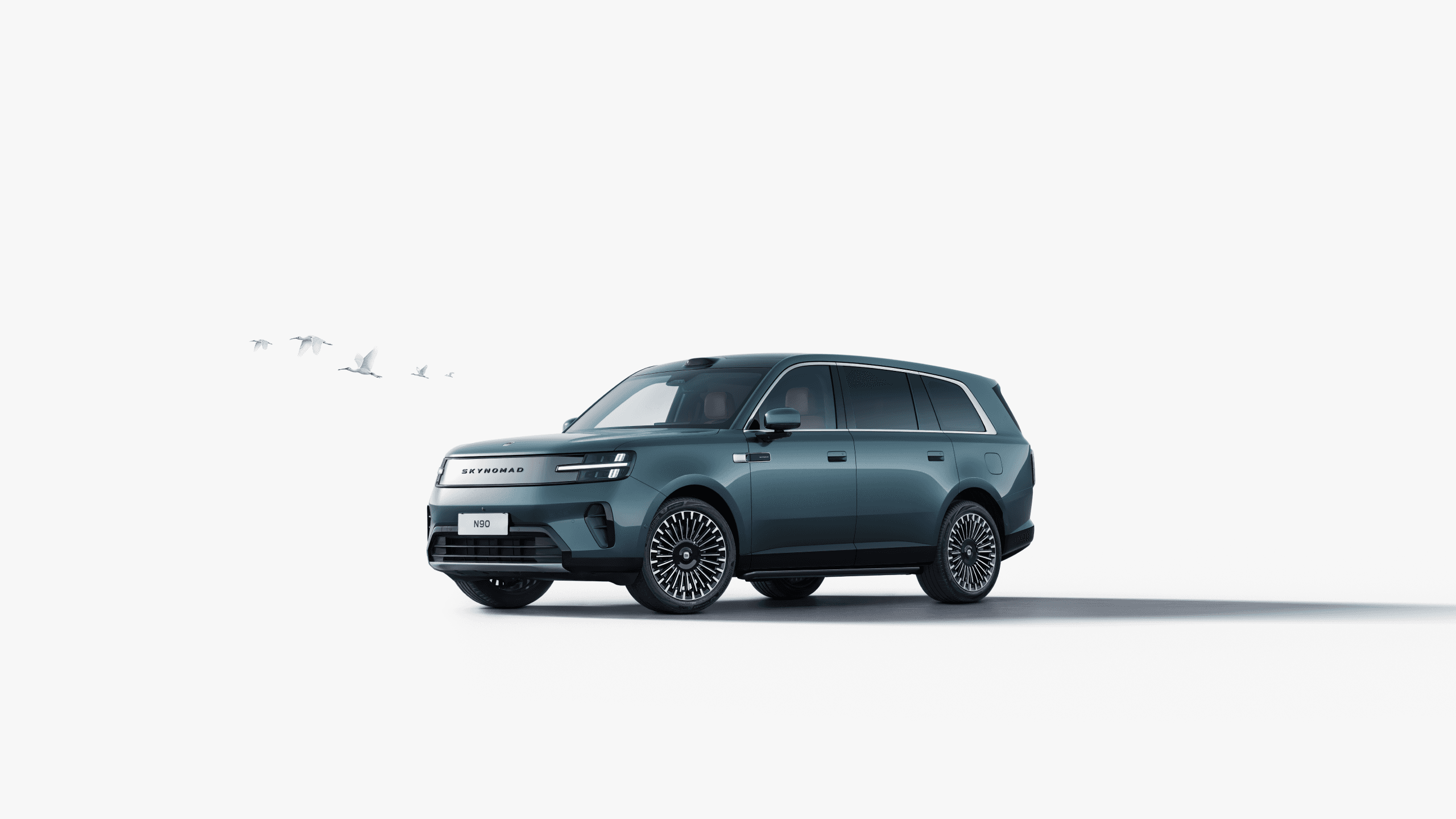
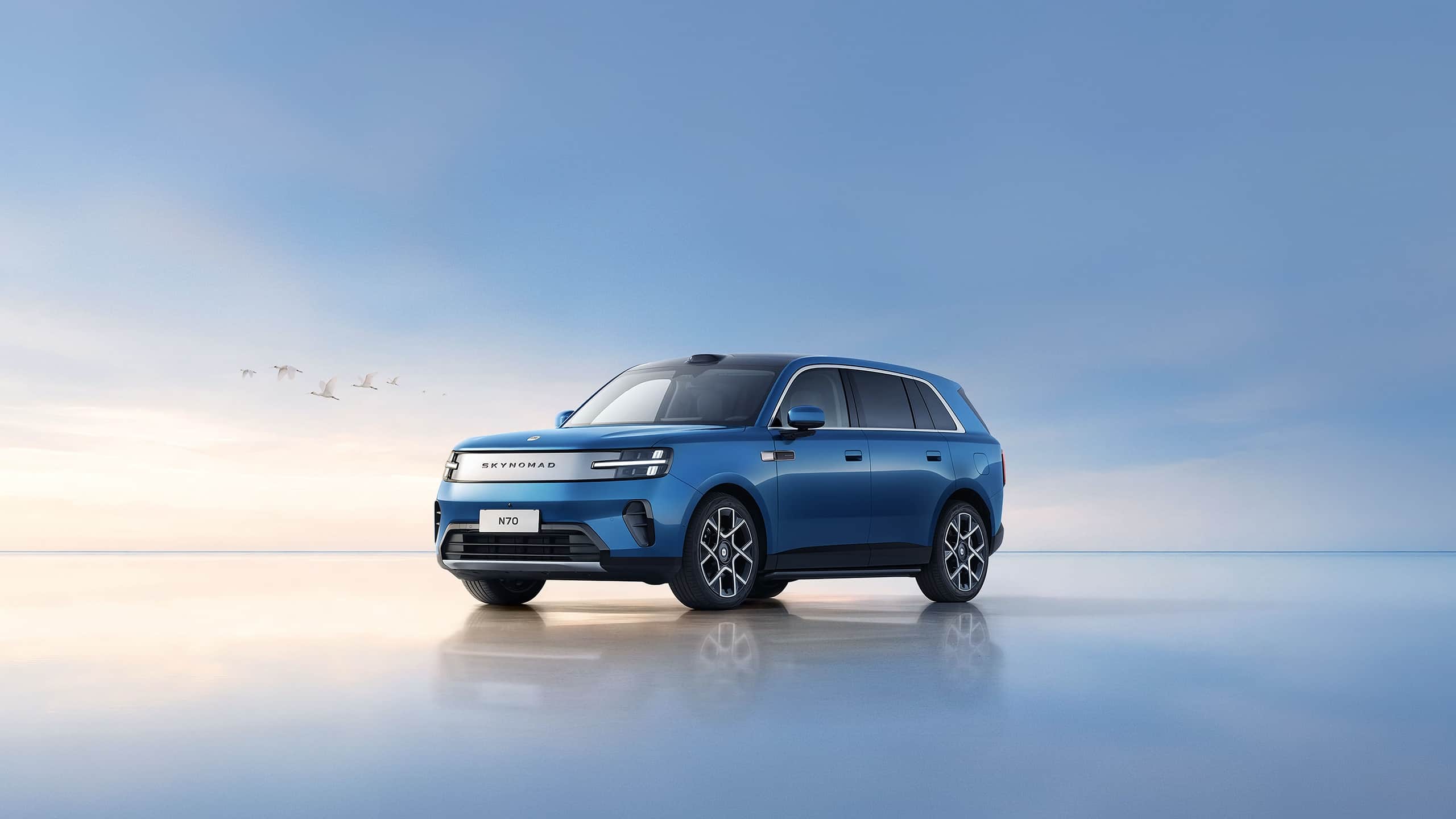
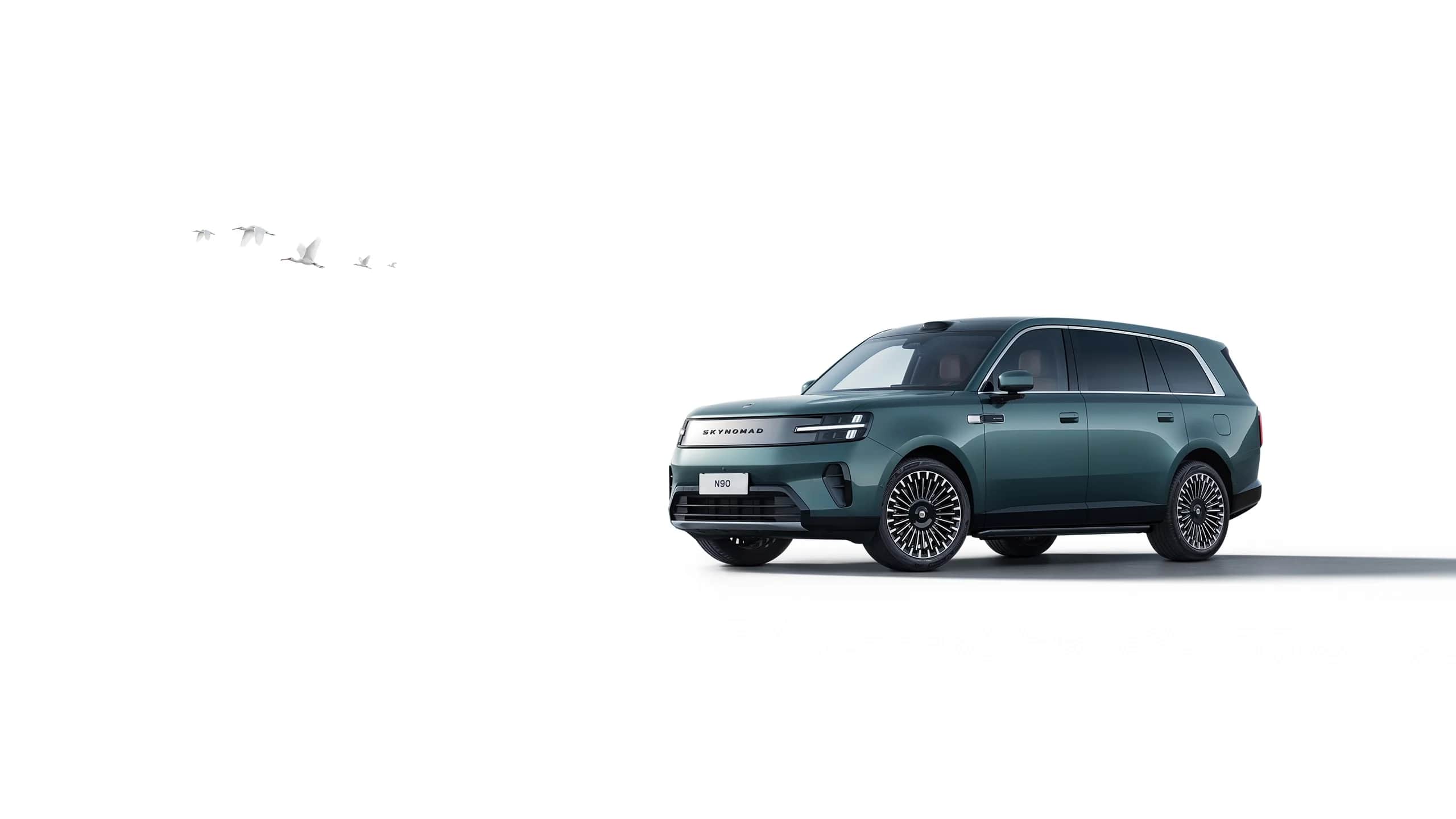
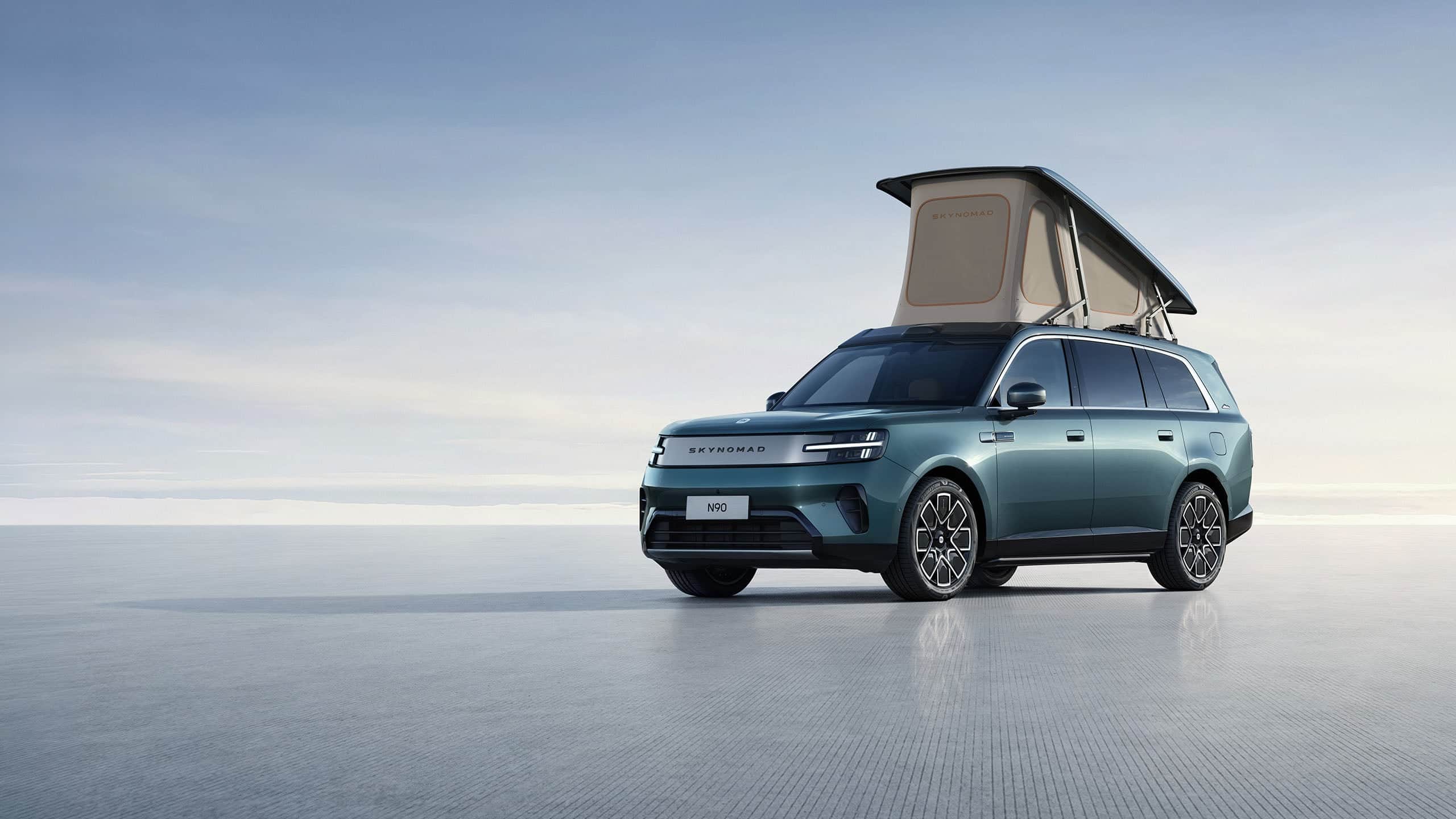
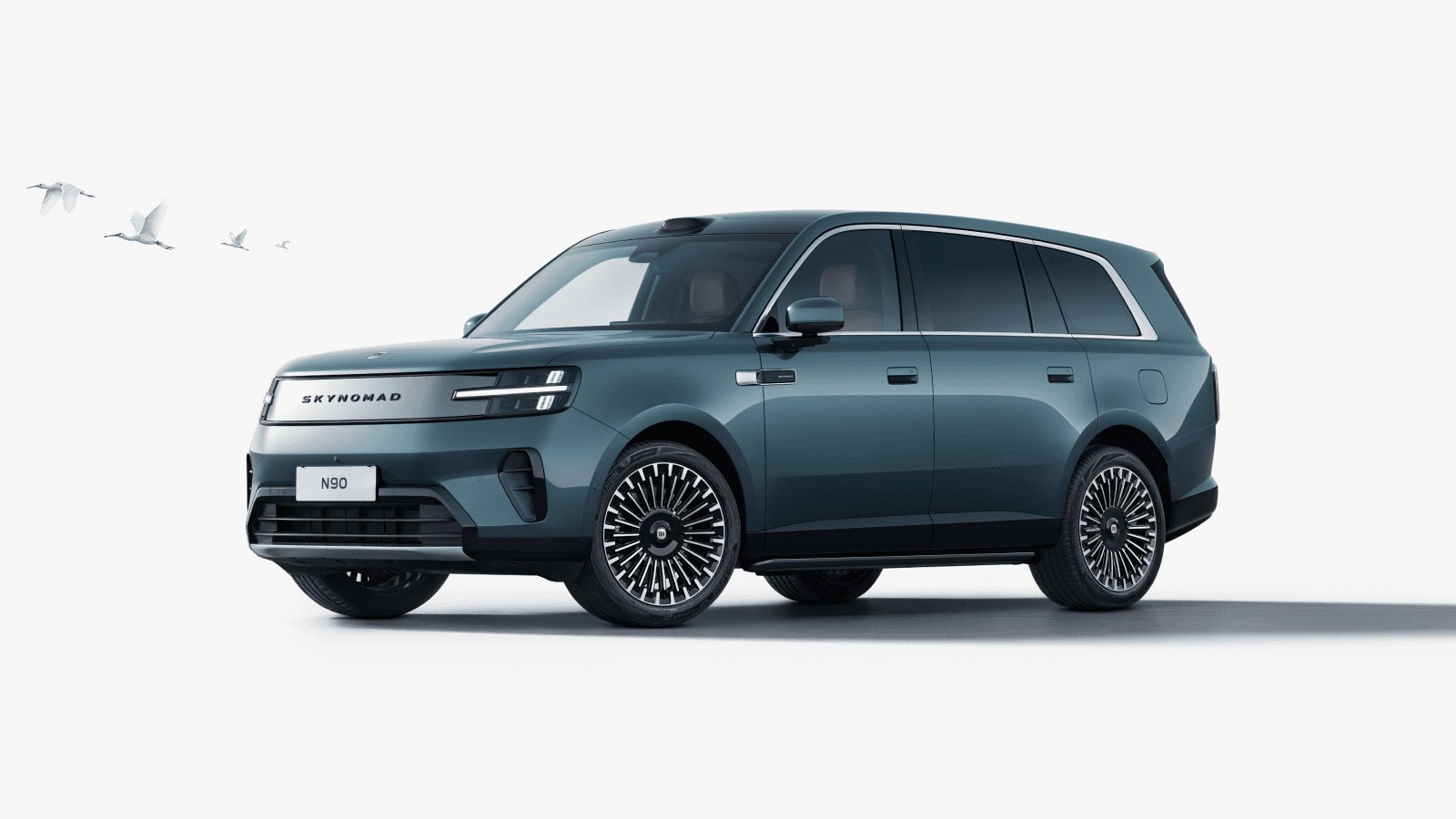
The quarter only partly captures Xiaomi's new SkyNomad line. The four extended-range SUVs went on sale in September at 209,900 CNY ($31,277) for the N70 Pro, 239,900 CNY for the N70 Max, 269,900 CNY for the N90 Max and 299,900 CNY for the N90 Max Studio. Xiaomi said locked-in orders passed 70,000 in the first month on sale, and it delivered more than 10,000 SkyNomads before the quarter ended.
GCEV Weekly · Every Tuesday
China's EV industry in five minutes.
Launches, sales, batteries and policy — the week's stories that matter, with the context the headlines leave out.
Sent by GigaCharts Inc. Questions? Write to globalchinaev@gmail.com. Unsubscribe anytime. See our privacy policy.

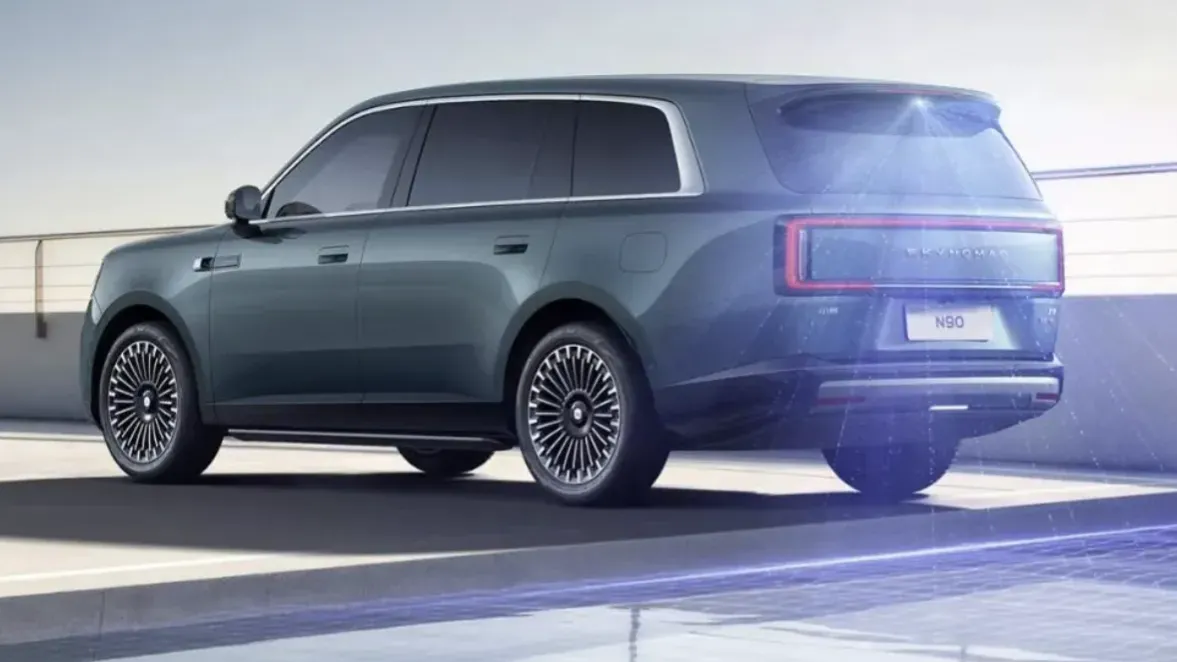
The SkyNomad N90 is the larger of Xiaomi's two extended-range SUVs and starts at 269,900 CNY in N90 Max form (Xiaomi)
That changed in October. Xiaomi's October retail sales were 50,123, the brand's highest month of 2026, up from 40,015 in September, before its retail and wholesale figures first diverged. SkyNomad retail sales more than doubled to 27,132, by our calculation, and made up more than half of the total for the first time, with the N70 at 14,545 and the N90 at 12,587.
Xiaomi said in its results that all four of its models sold more than 10,000 units in October and ranked in the top ten for mainland China NEV retail above 200,000 CNY. The SkyNomad N70, SU7 and SkyNomad N90 took the top three places in that price band, and the YU7 placed eighth.
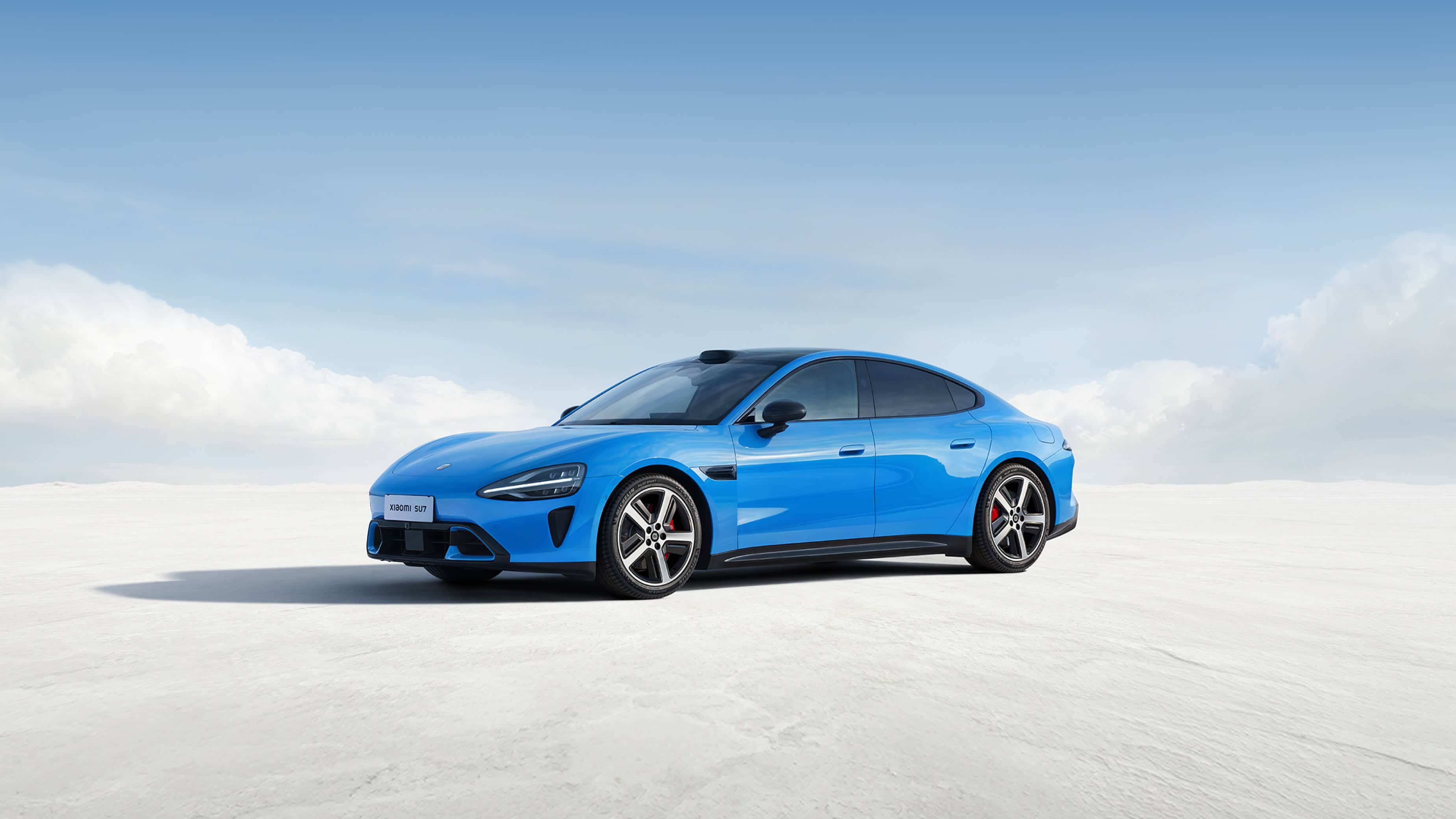
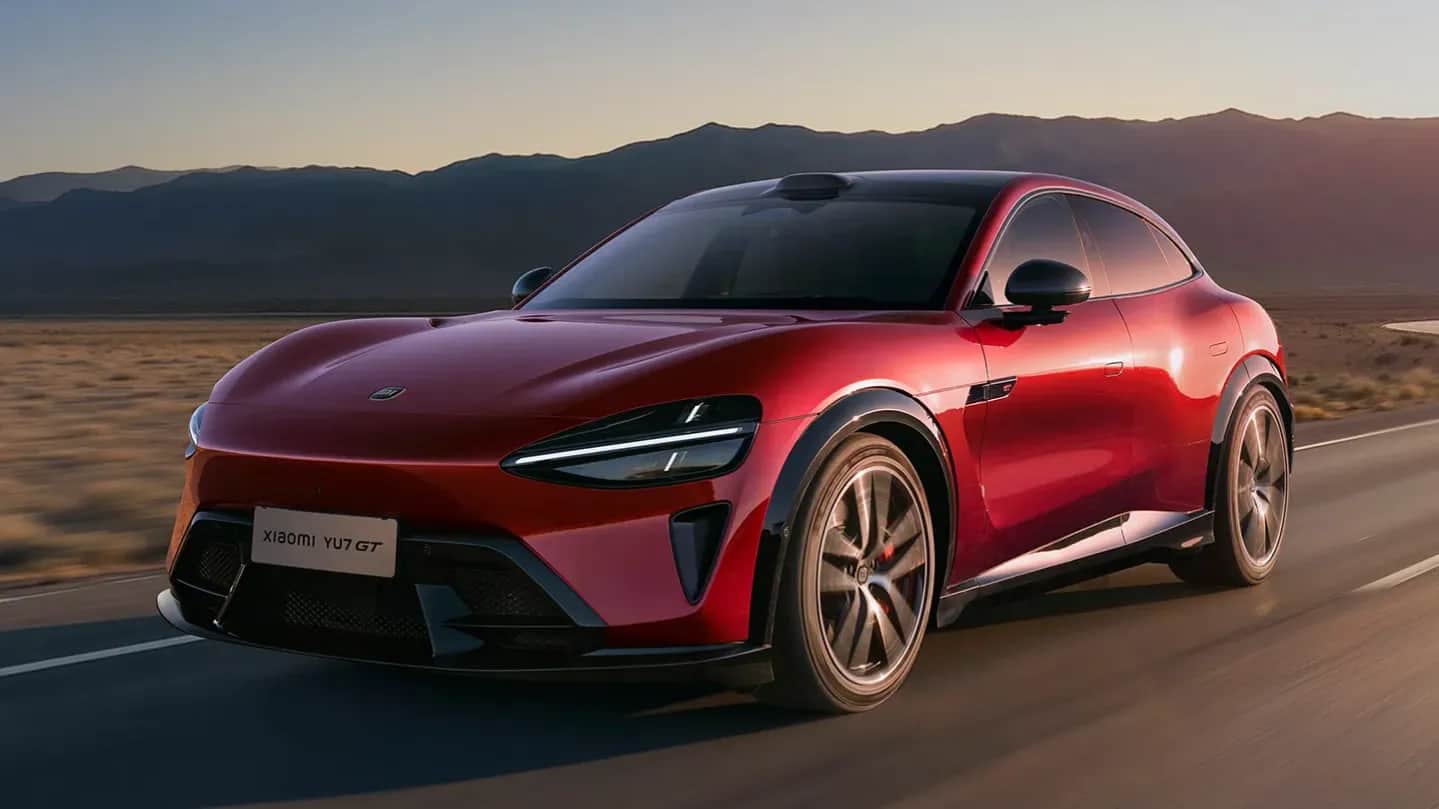
The battery-electric models that built the brand kept losing ground. SU7 sedan retail sales fell to 12,954 in October from 15,751 in September and below 14,992 a year earlier, the thirteenth straight month of year-on-year decline. YU7 SUV retail sales dropped to 10,037 from 11,820, down 70.18% from October 2025, when the then-new SUV sold 33,662.
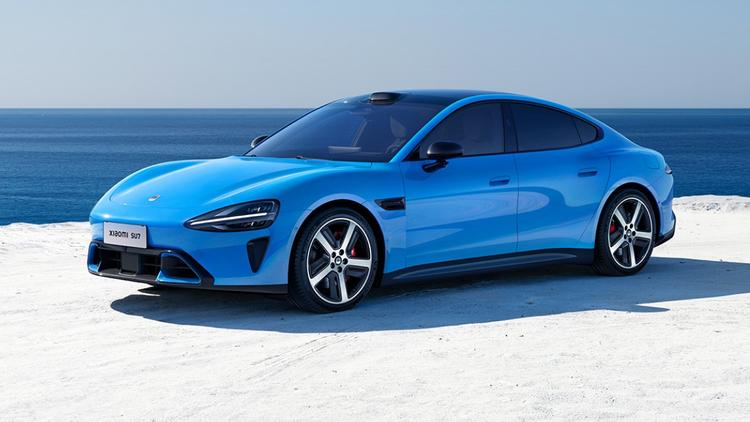
The SU7 sedan, Xiaomi's first car, has posted thirteen straight months of year-on-year sales declines (Xiaomi)
Xiaomi still has a long way to go on its own target. Founder and CEO Lei Jun set a goal of 550,000 deliveries for 2026 in January. Monthly figures put Xiaomi at 336,658 deliveries through October, which leaves 213,342 for November and December. That is about 106,700 a month, more than twice October's pace, the best month of the year so far.
Stock is also building up. Inventory in the car and AI segment stood at 10.27 billion CNY ($1.53 billion) on September 30, up from 6.23 billion CNY at the end of 2025. Capital spending in the segment was 2.28 billion CNY in the third quarter, a little below the 2.38 billion CNY spent in the second.
The company's sales footprint keeps growing despite the slowdown. Xiaomi had more than 520 car sales centers in mainland China at the end of September. On the earnings call, President Lu Weibing said, according to one report, that Xiaomi's first export models will go to Sweden, Germany, Spain and Italy when it enters Europe in 2027. He said Xiaomi has set up a research and design center in Germany and signed eight leading German dealer groups.
The rest of Xiaomi is under pressure too. Group revenue fell 5.2% to 107.2 billion CNY and adjusted net profit dropped 56.8% to 4.9 billion CNY, below an average analyst estimate of 5.2 billion CNY, according to one report, though another report said it beat a market forecast of 4.75 billion CNY. Smartphone gross margin fell to 9.2% from 11.1% as key component prices, including memory, rose. Xiaomi's shares closed down 3.7% at HK$26.5 on the day of the release.
Xiaomi said China's overall car market was a headwind, with passenger car retail volume down 24% year on year in the third quarter, worse than the 22% decline it cited for the second. Its own explanation also points to product mix, with fewer SU7 Ultra sales cutting both revenue per car and margin. SkyNomad volume, meanwhile, arrived mostly after the quarter closed, with just over 10,000 of the quarter's deliveries.
October's jump shows extended-range demand can lift Xiaomi's volume quickly. The third-quarter accounts show it has not yet lifted profit: gross margin sat at 19.2% in both the second and third quarters, while the segment's operating loss grew by 0.8 billion CNY, by our calculation.
Conversion rate: 1 USD = 6.7111 CNY as of November 24, 2026.
GCEV Weekly · Every Tuesday
China's EV industry in five minutes.
Launches, sales, batteries and policy — the week's stories that matter, with the context the headlines leave out.
Sent by GigaCharts Inc. Questions? Write to globalchinaev@gmail.com. Unsubscribe anytime. See our privacy policy.