
Xiaomi tops 50,000 in October, but needs about 107,000 a month for its 2026 goal

Xiaomi (HKG: 1810) delivered more than 50,000 vehicles in October 2026, the highest monthly total for its car business so far this year. The total was up from more than 40,000 in September, a month-over-month rise of roughly 25%, and came in the second full month of its first range-extender SUVs.
The jump still leaves Xiaomi far behind its own plan. Reuters reported that January to October deliveries reached about 336,000 vehicles, roughly 61% of the 550,000-unit target founder Lei Jun set in January 2026. Hitting that number means delivering about 214,000 cars in November and December, or about 107,000 a month, about double October's pace.
Before the new SUVs arrived, Xiaomi's volume had stalled. Deliveries reached 39,002 in January before dropping to 20,414 in February and 21,440 in March. From April through July, the monthly figure stayed between 31,267 and 36,702, and August only just topped 30,000.
That changed with the SkyNomad series, launched on September 7, 2026, when Lei said Xiaomi's cumulative car deliveries had passed 800,000. Lei said SkyNomad's first month of deliveries topped 10,000 units, out of more than 40,000 Xiaomi cars delivered in September. Xiaomi later said SkyNomad locked orders passed 70,000 in its first 30 days on sale, through October 7. Xiaomi has not broken out SkyNomad's October volume, so the share of October's gain that came from the new SUVs remains unconfirmed.
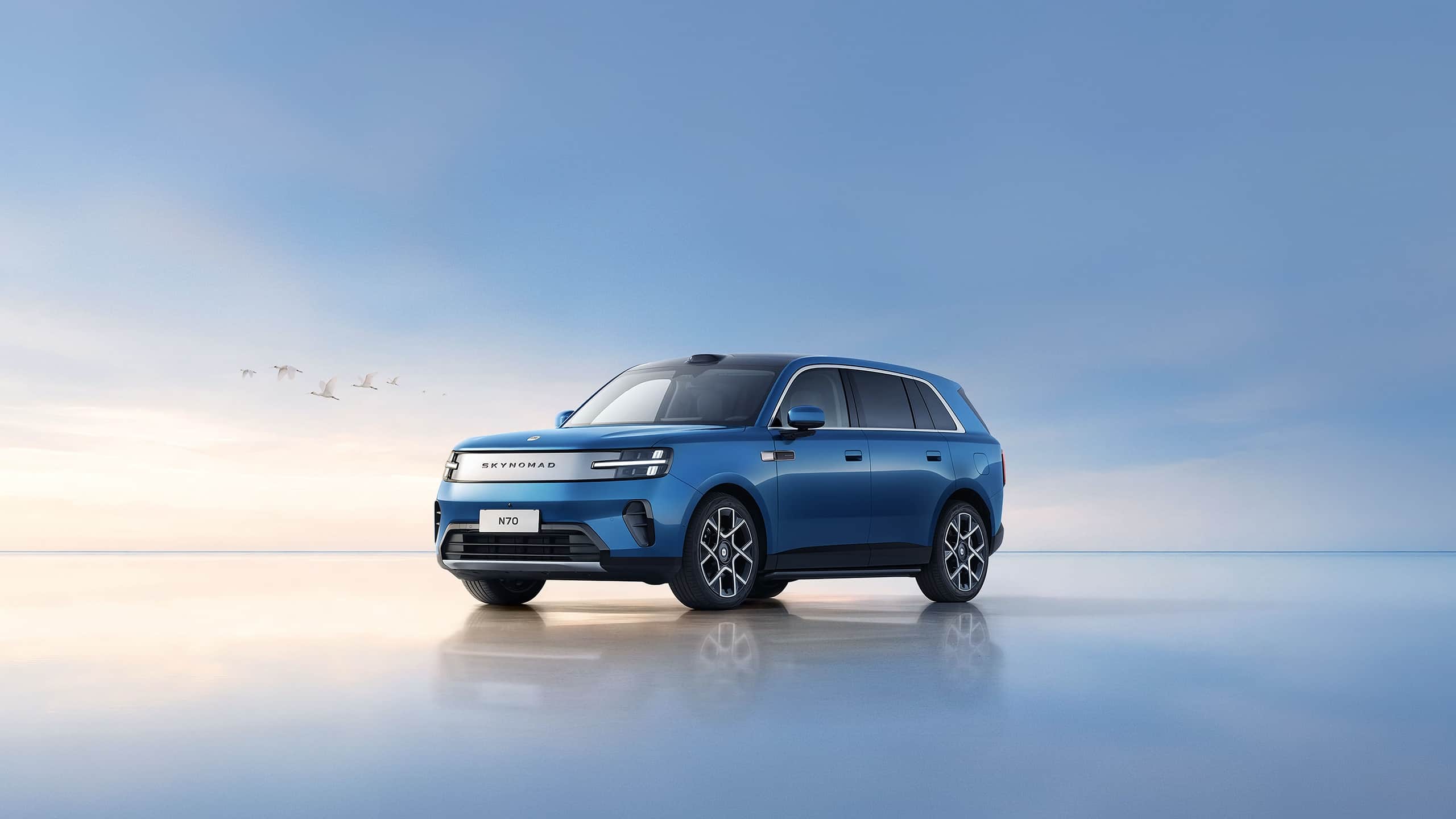
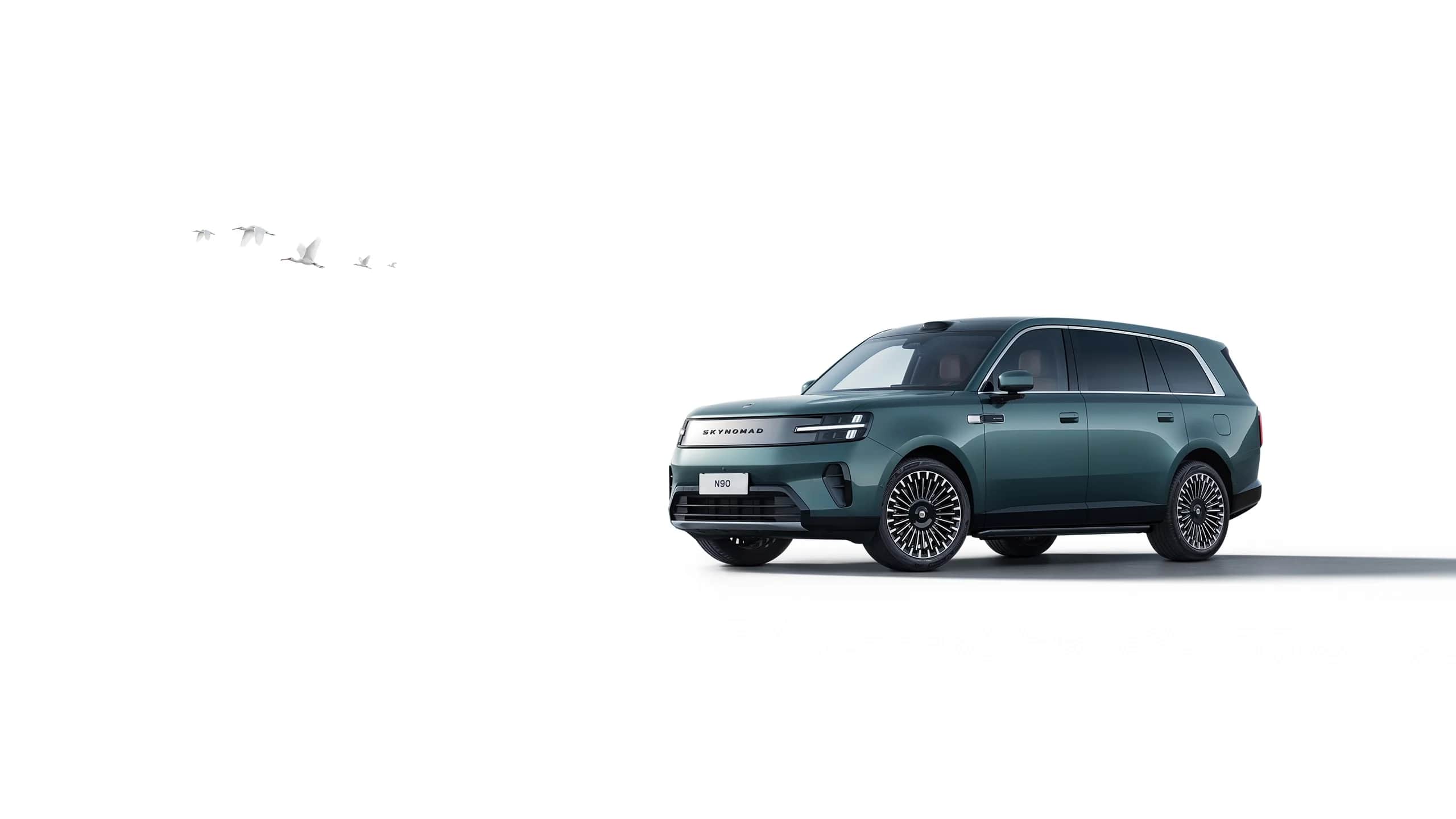
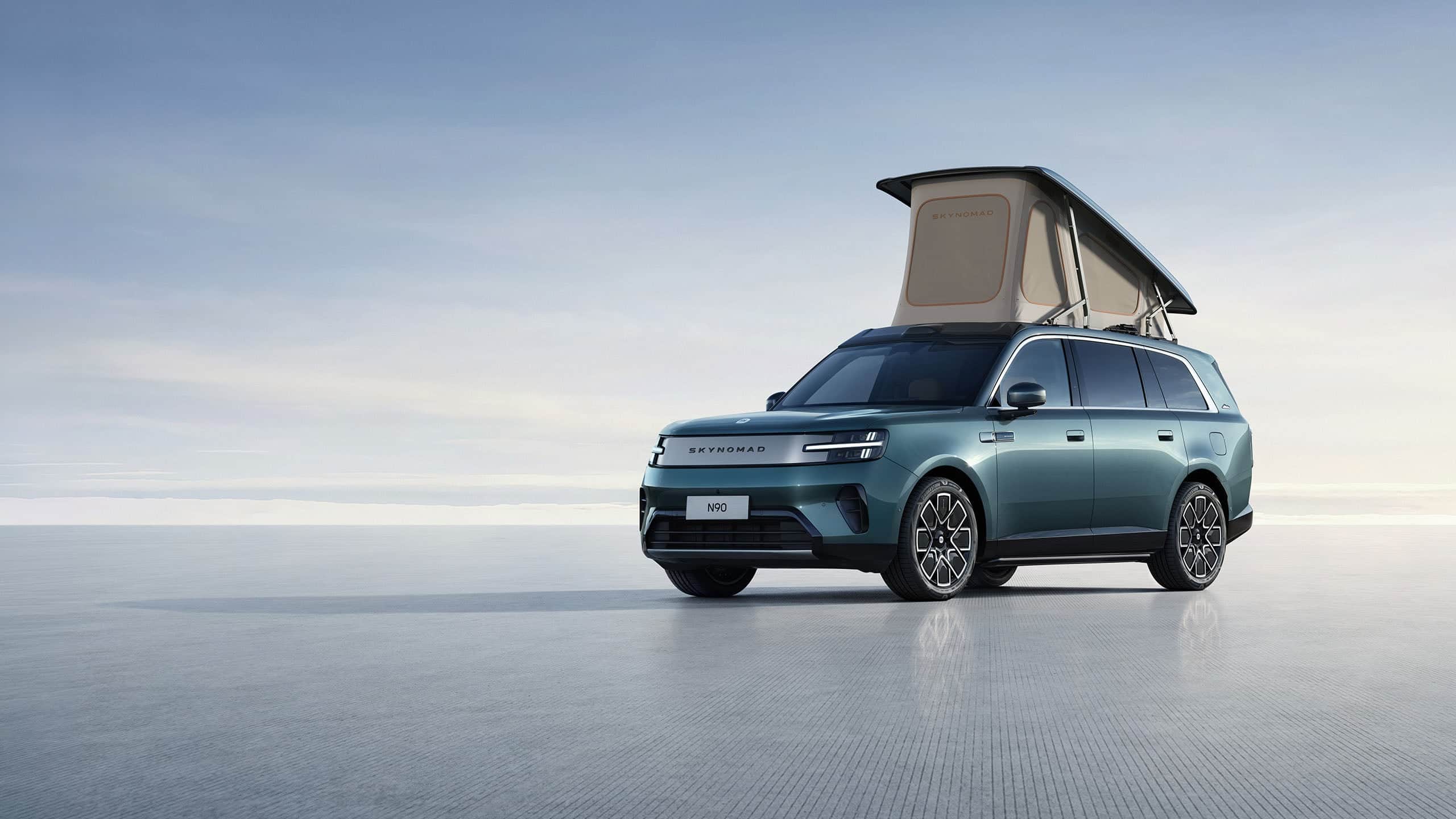
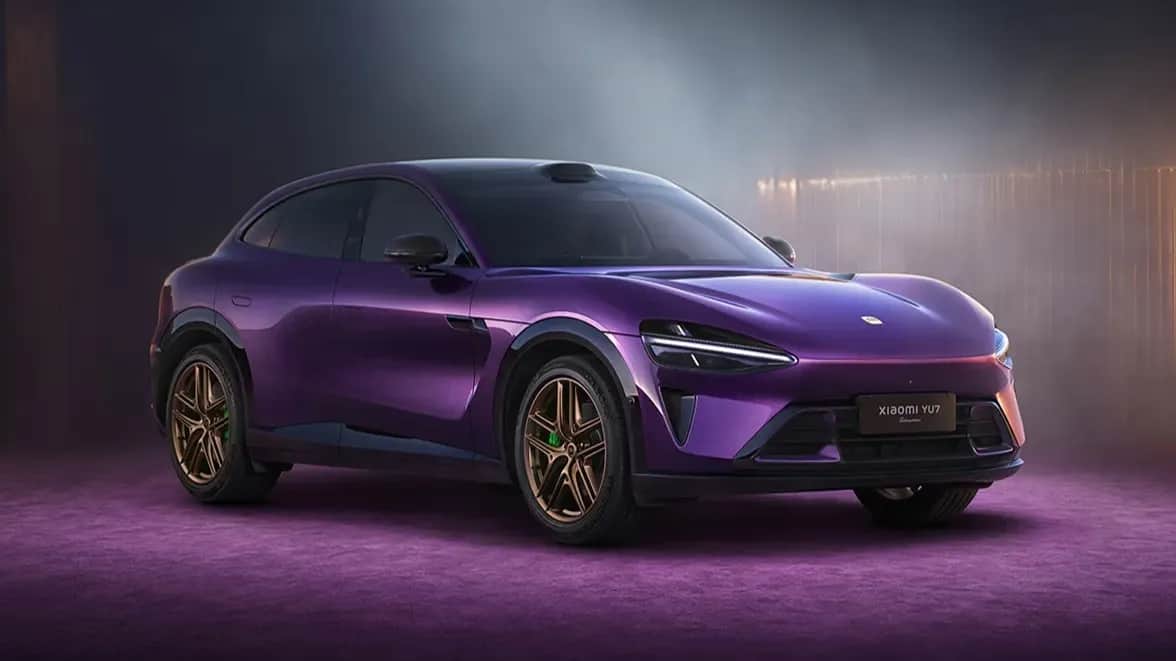
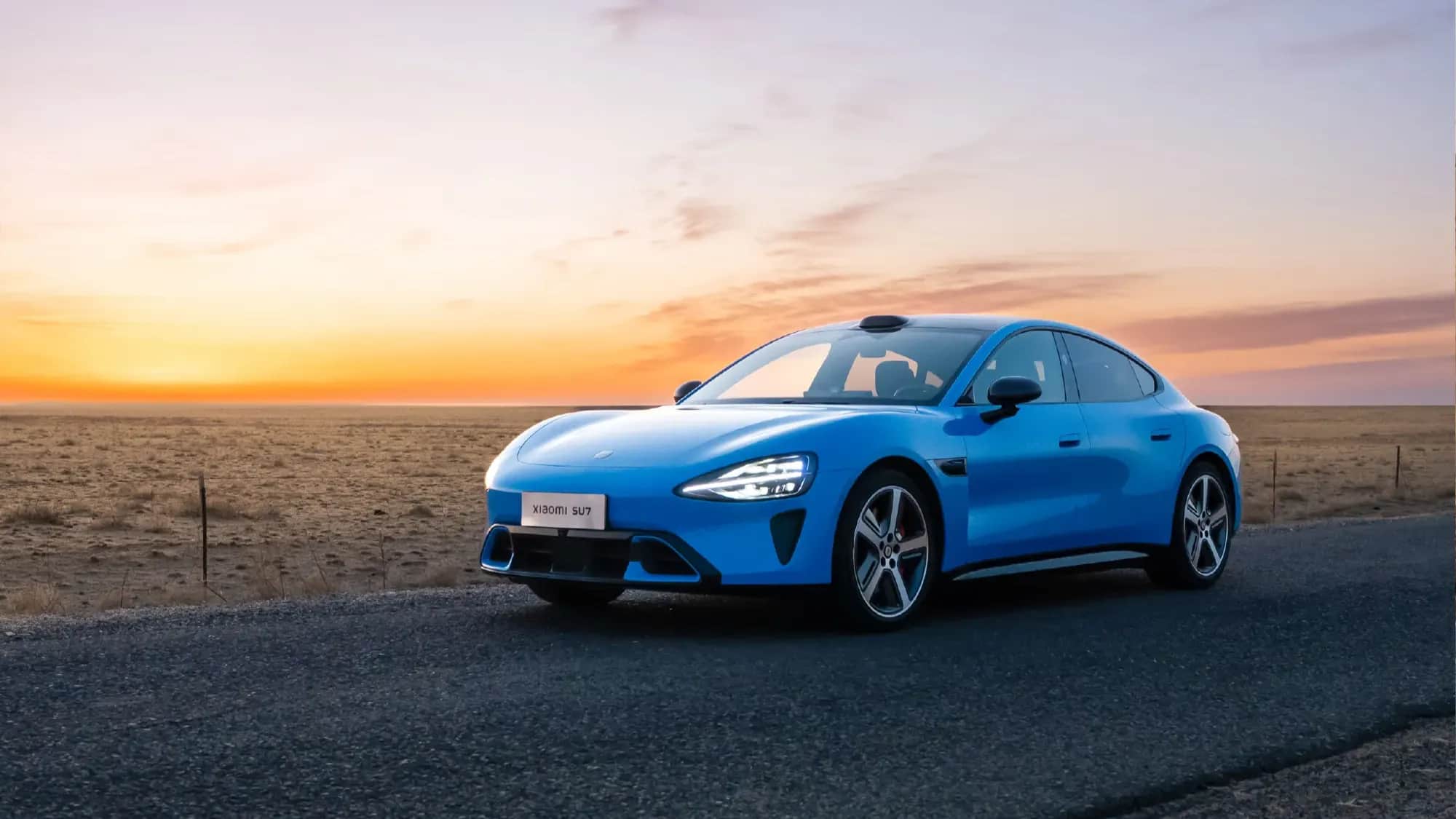
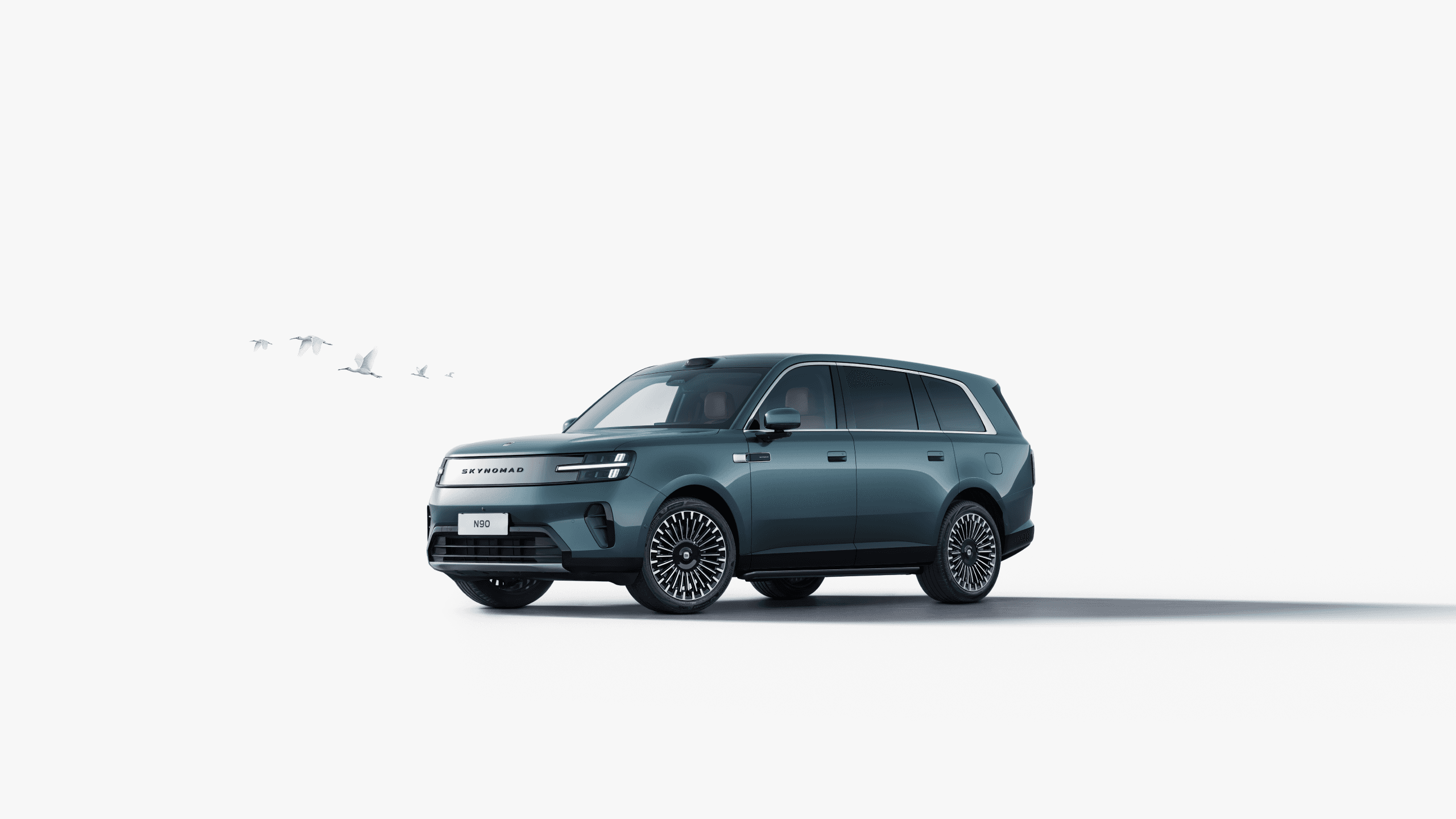
SkyNomad is Xiaomi's first step beyond battery-electric cars. The range starts with the five-seat N70 Pro at 209,900 CNY (c. $31,400), followed by the N70 Max at 239,900 CNY (c. $35,900), the seven-seat N90 Max at 269,900 CNY (c. $40,400) and the N90 Max Explorer Edition, which has a pop-up roof, at 299,900 CNY (c. $44,900). The N70 Pro is now the cheapest car Xiaomi sells, below the SU7's 215,900 CNY (c. $32,300) launch price and well below the YU7's 253,500 CNY (c. $38,000).
GCEV Weekly · Every Tuesday
China's EV industry in five minutes.
Launches, sales, batteries and policy — the week's stories that matter, with the context the headlines leave out.
Sent by GigaCharts Inc. Questions? Write to globalchinaev@gmail.com. Unsubscribe anytime. See our privacy policy.

The SkyNomad N70, Xiaomi's five-seat range-extender SUV. Image: Xiaomi
The launch prices also undercut the pre-sale figures Xiaomi opened with on July 30, 2026. The N70 Max came in 20,000 CNY (c. $3,000) below its 259,900 CNY pre-sale price, and the N90 Max came in 30,000 CNY (c. $4,500) below its 299,900 CNY pre-sale price. Xiaomi said locked orders passed 10,000 within four minutes of the launch. Lei said a price under 200,000 CNY was out of reach because costs "really can't support it."
All four models pair a 1.5-litre turbocharged range extender with an electric drivetrain. The single-motor N70 Pro uses a 52 kWh LFP pack rated for 351 km (218 miles) of CLTC electric range and 1,351 km (839 miles) combined. The dual-motor N70 Max moves to a 76 kWh pack and 505 km (314 miles) of electric range, and reaches 0 to 100 km/h in 5.5 seconds.
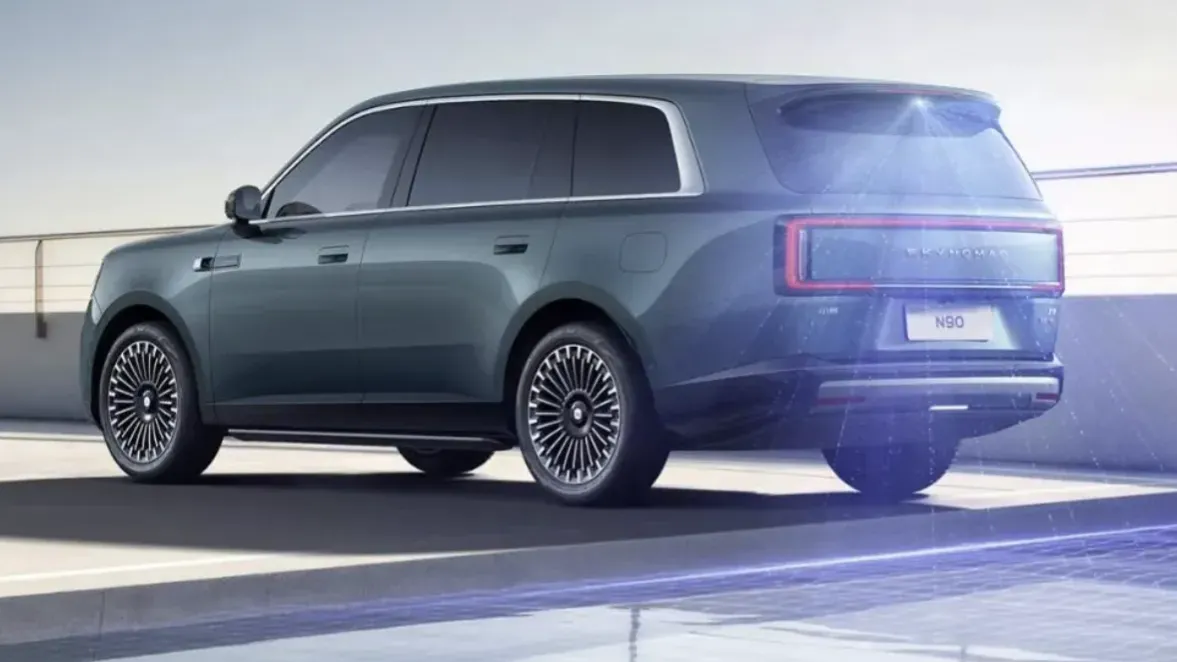
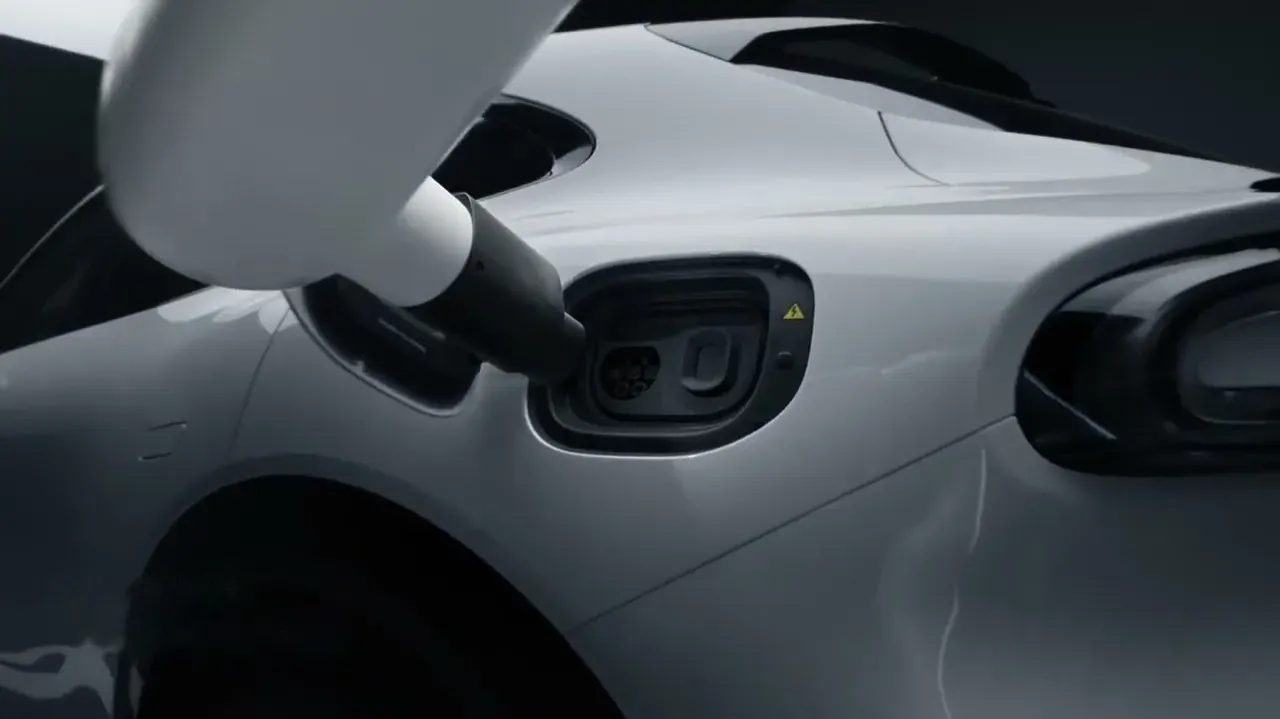
The 5,285 mm N90 Max carries the same 76 kWh pack, rated at 464 km (288 miles) of electric range and 1,705 km (1,059 miles) combined. Every trim charges from 20% to 80% in 18 minutes and runs on an Nvidia Thor driver-assistance chip.
The two lines are built for different buyers. The N70 is a 4,960 mm five-seater on a 2,950 mm wheelbase, while the N90 Max seats seven in a 2+2+3 layout on a 3,080 mm wheelbase. The N70 models carry one LiDAR sensor and the N90 models carry two. The Explorer Edition's powered roof raises interior height to 2,294 mm, and Xiaomi limits its use to vehicles parked off public roads.

The SkyNomad N90 Max Explorer Edition. Image: Xiaomi
Xiaomi is entering a segment that has been losing buyers. China's extended-range retail sales fell 15.35% year over year in the first seven months of 2026, to 535,000 units. Li Auto (NASDAQ: LI), the brand SkyNomad most directly targets, delivered 29,025 vehicles in October, down 8.78% from September. Huawei-backed HIMA, home of the AITO range-extender SUVs, fell 10.54% to 33,537.
Other startups had a stronger month. XPeng (NYSE: XPEV) set a record with 50,237 deliveries, and Leapmotor (HKG: 9863) delivered 106,127, its fourth straight month above 100,000. Leapmotor's October total is about the monthly pace Xiaomi now needs. Because Xiaomi reported its total only as "more than 50,000," it is not possible to say whether it beat XPeng.
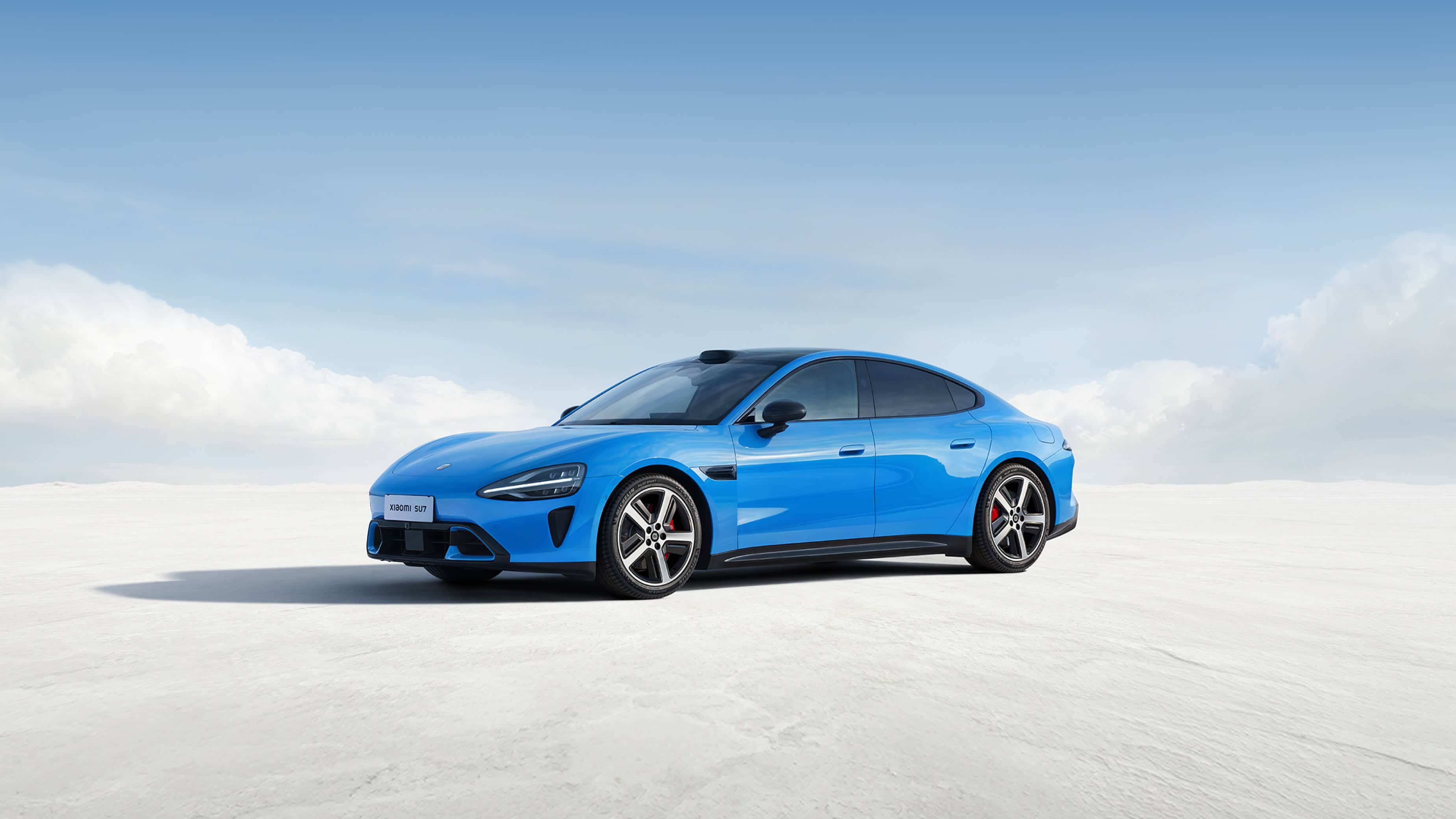
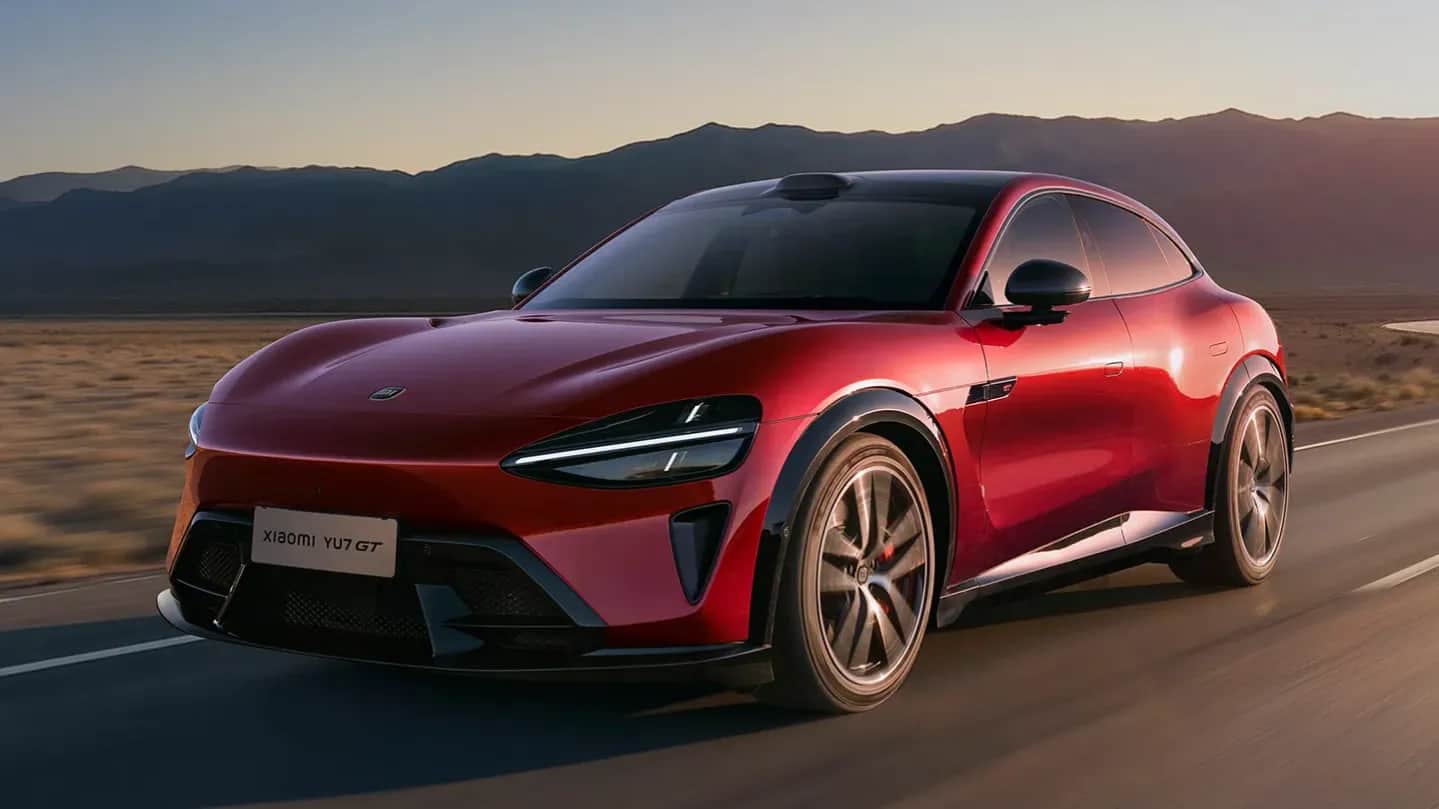
NIO (NYSE: NIO) delivered 34,246 vehicles across its three brands, down 8.45% from September, though its Firefly brand set a record of 7,738. Xiaomi's SU7 sedan and YU7 SUV remain its battery-electric core, and the company has not said how October's total split between them and SkyNomad.
Xiaomi has two months left to show whether SkyNomad can push it from 50,000 a month toward the 100,000-plus level that only Leapmotor reached among China's EV startups in October.
Conversion rate: 1 USD = 6.6741 CNY as of October 26, 2026.
GCEV Weekly · Every Tuesday
China's EV industry in five minutes.
Launches, sales, batteries and policy — the week's stories that matter, with the context the headlines leave out.
Sent by GigaCharts Inc. Questions? Write to globalchinaev@gmail.com. Unsubscribe anytime. See our privacy policy.