
Denza Z9 GT lands in India at 3 times its China price as Sealion 7 cap lifts
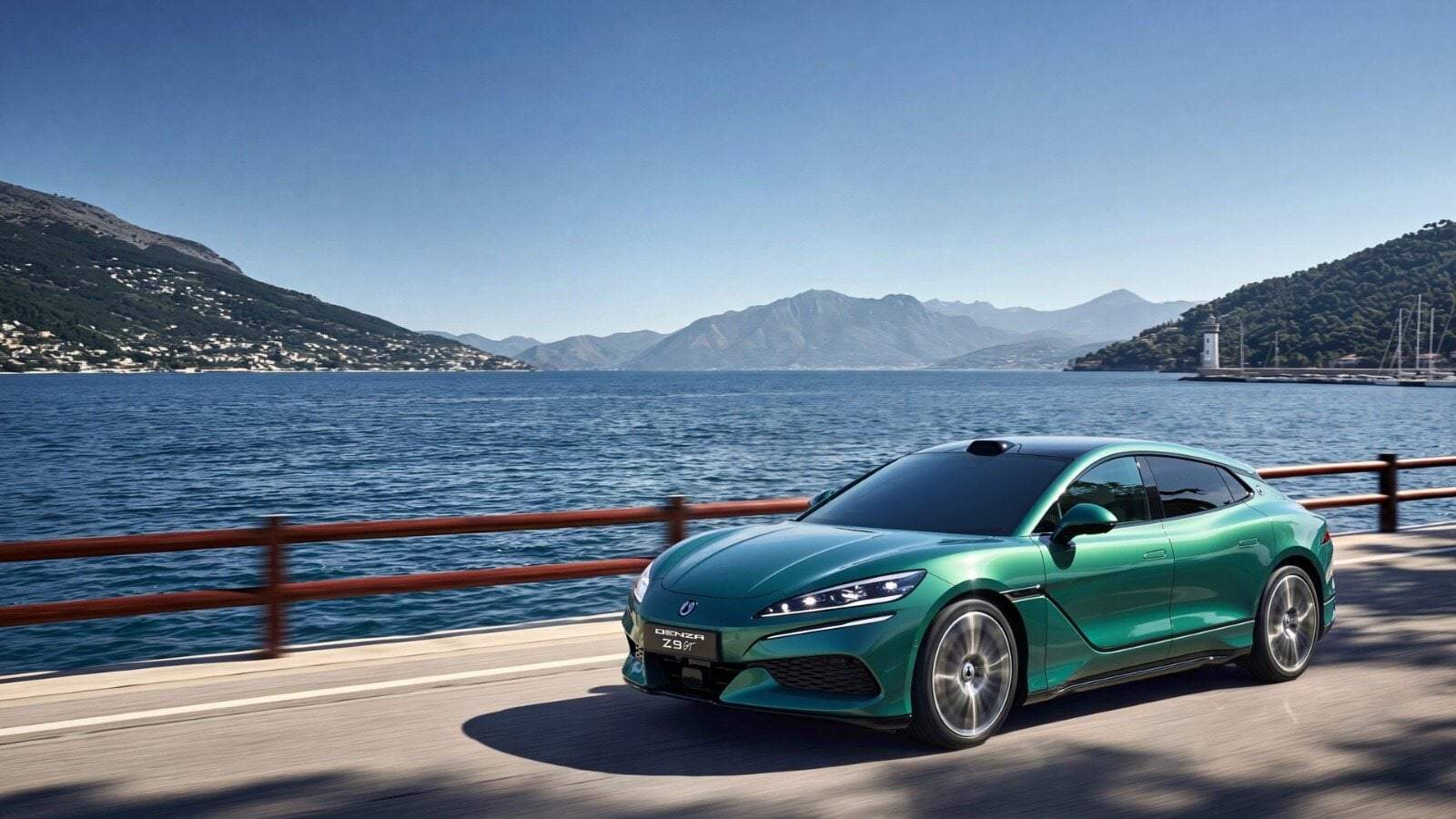

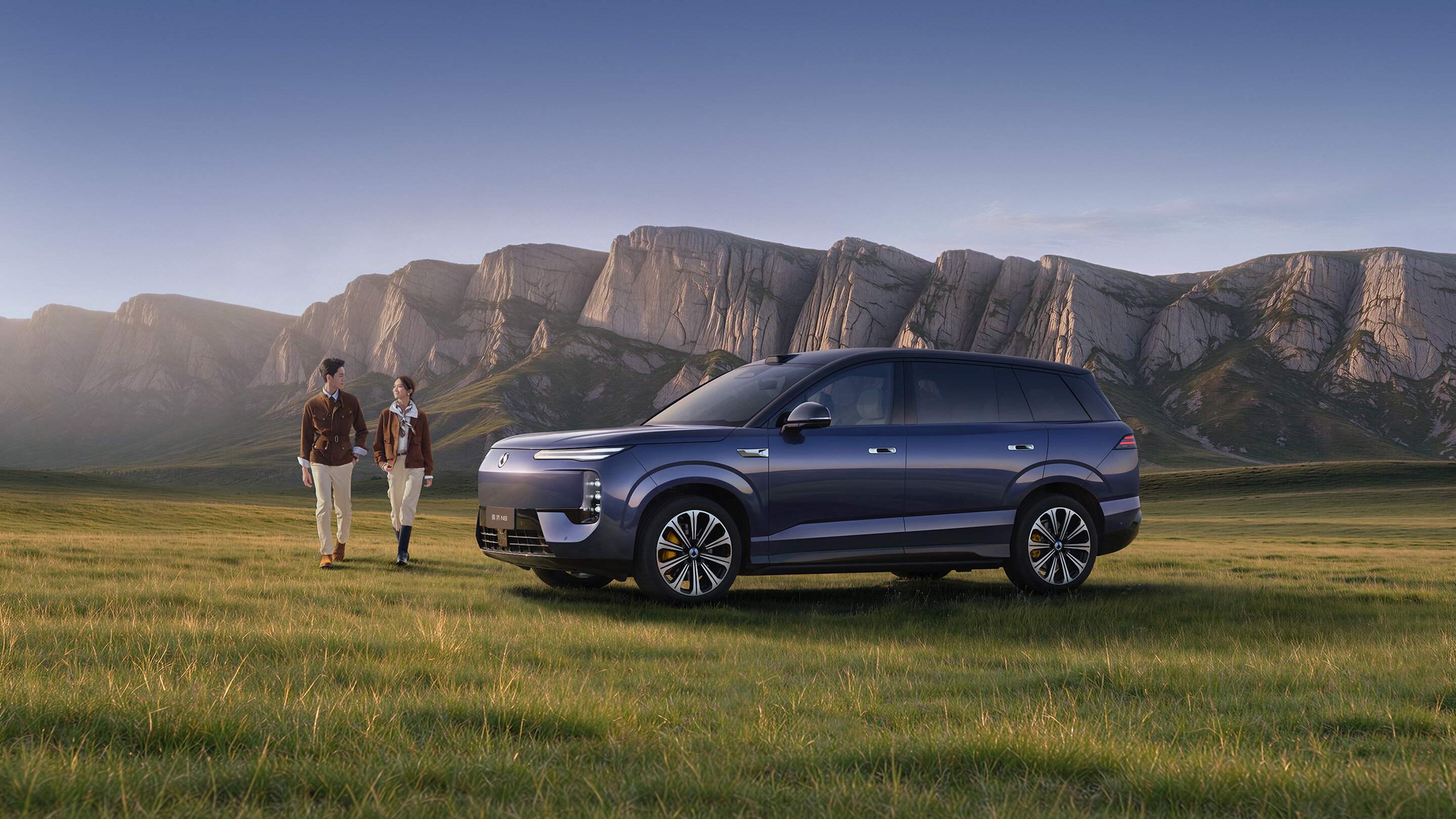
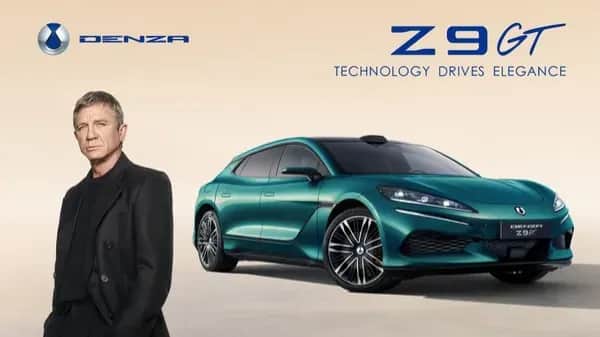
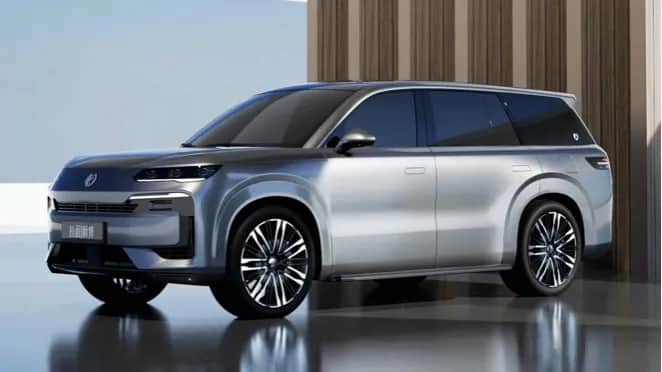
BYD's (HKG: 1211) luxury brand Denza launched the Z9 GT shooting brake in India on November 13, 2026 at an introductory ₹1.568 crore (c. $166,455) ex-showroom, about three times what the matching tri-motor version costs in China. The seven-seat D9 MPV arrived alongside it at ₹90 lakh (c. $95,542), about 1.7 times the cheapest China electric trim and about 1.4 times the China flagship.
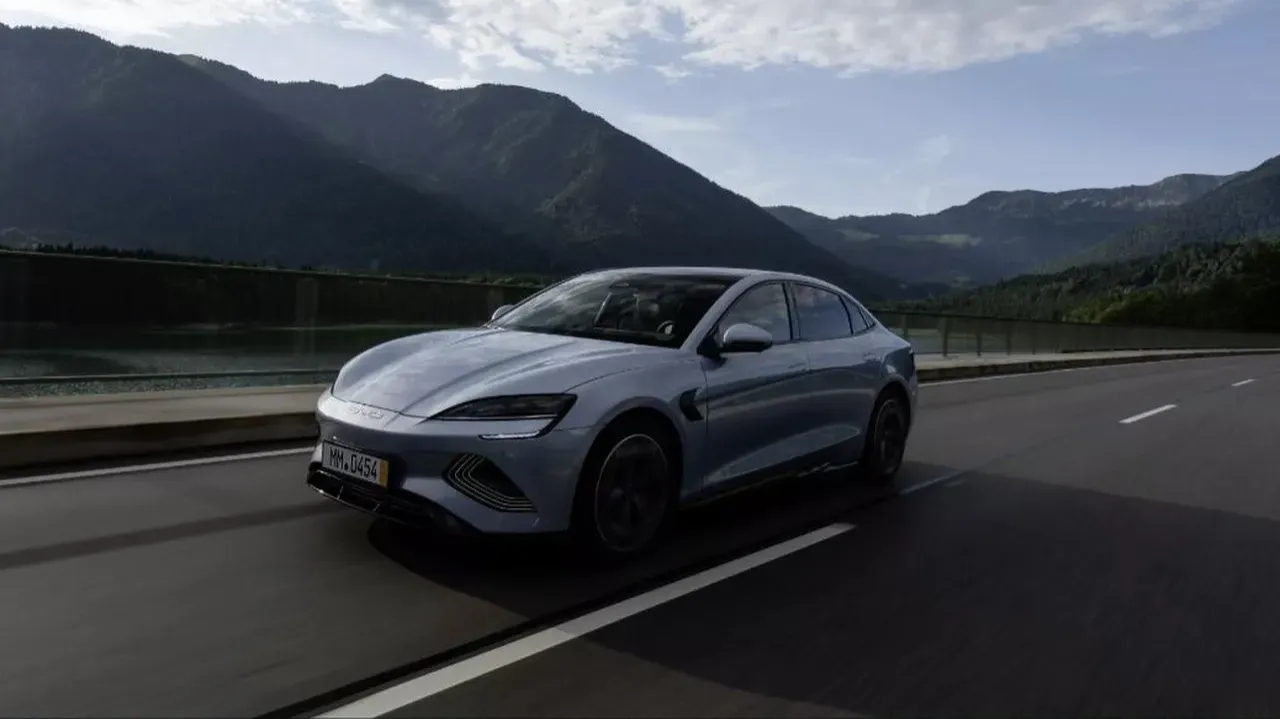
The launch came with a quieter regulatory win. Rajeev Chauhan, who heads BYD India's electric passenger vehicle business, said on the sidelines of the event that three of BYD's four India models, every one except the Seal, now hold Automotive Research Association of India (ARAI) certification. That frees them from India's 2,500-unit annual import limit on cars approved only abroad, and the biggest beneficiary is the Sealion 7, since the Atto 3 and eMax 7 were already certified in India by March.
Back home, the Z9 GT version sold in India, with three motors, 850 kW, 1,210 Nm and a 2.7-second 0-100 km/h time, tops the Chinese range at 369,800 CNY (c. $55,069) after its March 5, 2026 relaunch. The second-generation D9 EV, with a 340 kW (456 hp) front motor and 115 kWh battery, lists from 369,800 CNY for the cheapest electric trim, with mid and flagship electric versions at 409,800 and 469,800 CNY, following its April 27, 2026 launch. At the November 13 reference rates, the cheapest D9 electric trim works out to about ₹51.9 lakh and the flagship to about ₹65.9 lakh (c. $69,961).
India's Z9 GT matches that top Chinese version closely. Its front motor makes 308 bhp and each of the two rear motors 416 bhp, drawing on a 122.49 kWh second-generation Blade battery rated at 670 km (416 miles) on the NEDC cycle, with a top speed of 270 km/h (168 mph). BYD's e³ system brings rear-wheel steering, crab walk and 360-degree compass turns, while the five-seat cabin gets a 17.3-inch touchscreen, a 13.2-inch passenger display, DiSus-A air suspension and a 20-speaker Devialet system.
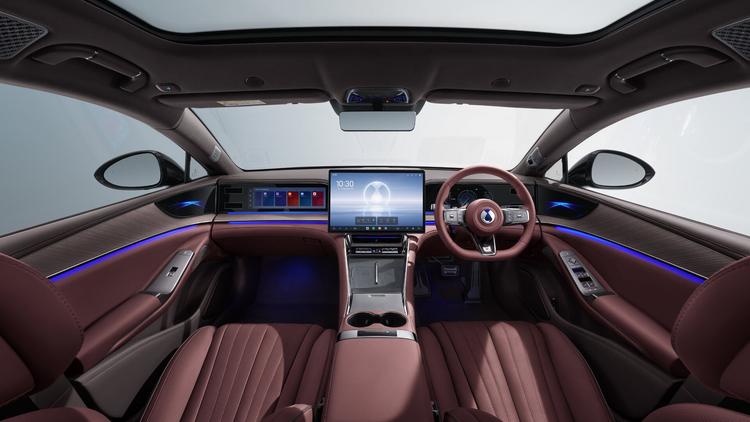
Right-hand-drive Z9 GT cabin as shown on Denza India's site, with the 17.3-inch central screen (Denza)
That leaves ₹66.8 lakh between the two India prices. Both are shipped to India as completely built units, and BYD faces tariffs of up to 100% on the cars it imports, because India's investment rules for countries sharing its land border have kept the company from building a local factory.
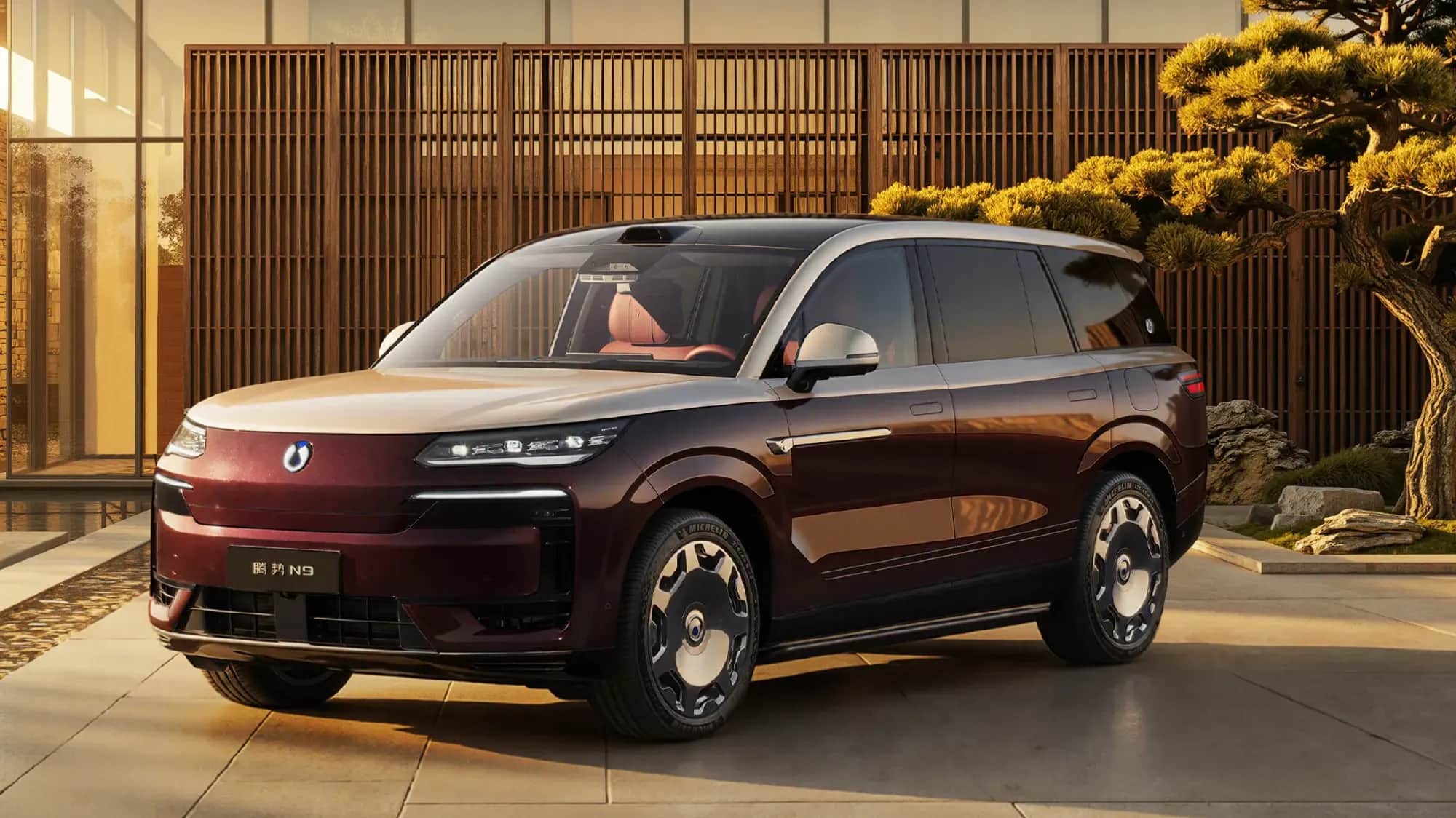
The D9 comes in a single, fully loaded seven-seat trim with a 115.07 kWh lithium iron phosphate battery rated at 730 km (454 miles) on the NEDC cycle. Its front motor produces 340 kW (462 PS) and 365 Nm, enough for 0-100 km/h in 8.5 seconds, and DC charging from 10% to 97% takes a claimed nine minutes. The India car gets a 16-speaker Devialet system, where the second-generation D9 in China comes with a 30-speaker setup.
GCEV Weekly · Every Tuesday
China's EV industry in five minutes.
Launches, sales, batteries and policy — the week's stories that matter, with the context the headlines leave out.
Sent by GigaCharts Inc. Questions? Write to globalchinaev@gmail.com. Unsubscribe anytime. See our privacy policy.
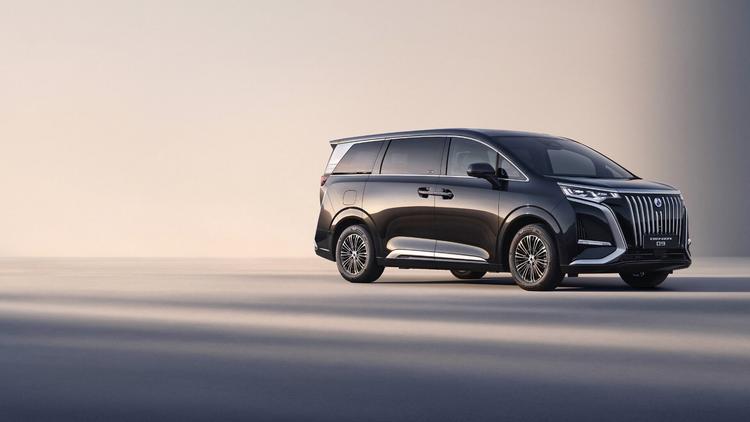
The D9 is sold in India in one fully loaded seven-seat trim, priced at ₹90 lakh ex-showroom (Denza)
At ₹90 lakh, the D9 sits just above the MG M9 at ₹79.95 lakh and well below the Toyota Vellfire at ₹1.20 crore to ₹1.30 crore and the Mercedes-Benz V-Class at ₹1.40 crore. The Z9 GT has no direct rival in India and will chase buyers weighing cars such as the BMW i5 M60. BYD expects the D9 to deliver most of the volume, with the Z9 GT there to set the brand's performance credentials.
It is a small but crowding segment. India's luxury market accounted for just over 1% of the 4.4 million passenger cars sold in the country in 2025, and Hyundai will bring its Genesis brand next year. JSW MG Motor India already sells the M9 and the Cyberster as electric luxury models, but Denza, which BYD founded with Daimler in 2010, is the first dedicated Chinese luxury brand to enter the market.
Both cars take bookings of ₹10 lakh and carry a vehicle warranty of six years or 150,000 km (93,206 miles), plus eight years or 160,000 km (99,419 miles) on the high-voltage powertrain. Sales will run through dedicated Denza showrooms in Gurugram, Mumbai, Ahmedabad, Bengaluru, Chennai and Hyderabad, separate from BYD's network, with all six due within 30 to 45 days. "For the next couple of months, we should be doing 80-100 odd cars," Chauhan said, adding that buyers wanting specific colour and trim combinations face waits of three to four months.
Denza's own cars sit outside the new certification. BYD has not yet decided whether to seek Indian approval for the D9 and Z9 GT, and Chauhan said the company will first gauge reaction from customers and the media. That would leave each Denza model subject to the same 2,500-unit annual limit, well above the volumes BYD is forecasting for now.
The Sealion 7 is a different story. Launched in February 2025, it has become one of BYD's most important models in India, and its import quota had already begun to constrain sales earlier this year. BYD India's October 2026 retail sales came to 737 electric cars, down 11.8% from 836 in September and up 4.1% from a year earlier, placing it eighth among India's electric car brands.
Annual figures look stronger. BYD's India retail sales rose 54% to 5,361 in the fiscal year that ended in March 2026, up from 3,481 a year earlier, and its calendar-2025 sales climbed 88% to 5,402. Chauhan said in March that double-digit growth in 2026 was the company's bare minimum expectation.
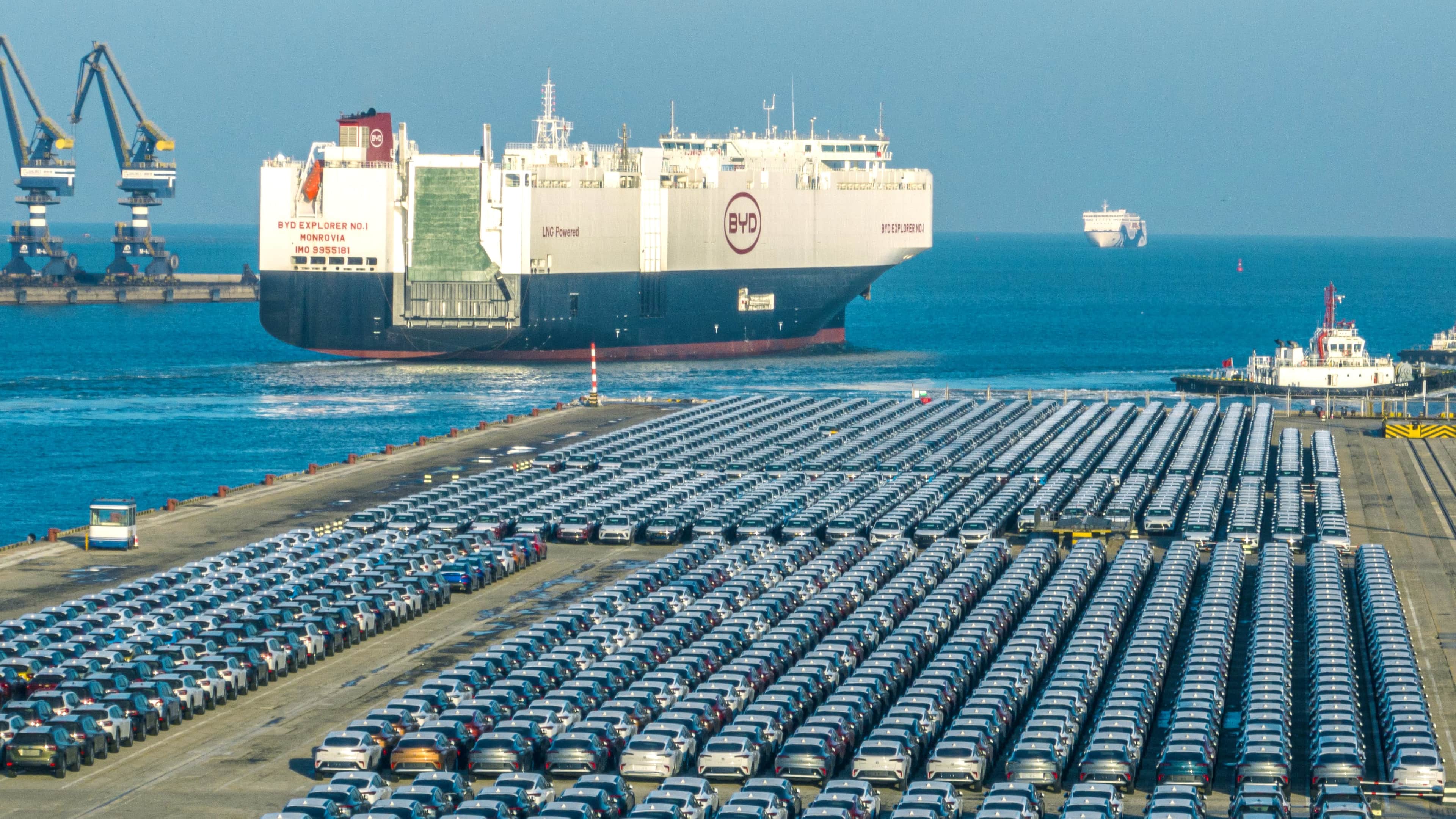
Broader India-China ties have thawed only partly. Prime Minister Narendra Modi and President Xi Jinping met at the BRICS summit in September, and direct flights have resumed. New Delhi eased parts of its Press Note 3 investment screening in March, but the automobile sector was left out of the relaxation, so BYD still has no local assembly and sells only imported cars through its roughly 50 showrooms in 40 cities.
With the Sealion 7 now free of its quota and Denza's showrooms opening within weeks, the next few months of dealer data should show whether BYD can regain a place among India's five largest electric carmakers.
Conversion rate: 1 USD = 6.7152 CNY and 1 USD = 94.1997 INR as of November 13, 2026.
GCEV Weekly · Every Tuesday
China's EV industry in five minutes.
Launches, sales, batteries and policy — the week's stories that matter, with the context the headlines leave out.
Sent by GigaCharts Inc. Questions? Write to globalchinaev@gmail.com. Unsubscribe anytime. See our privacy policy.