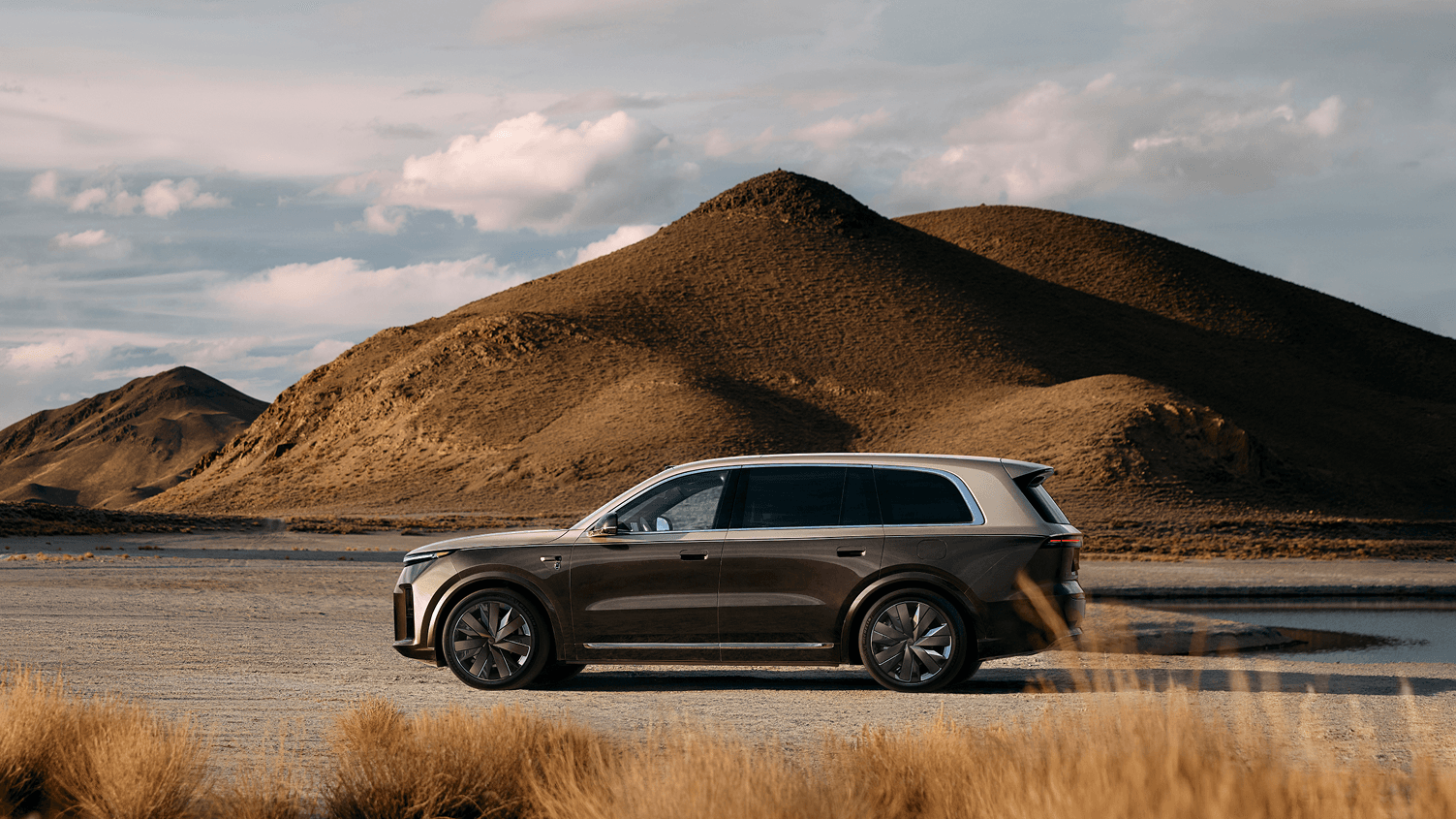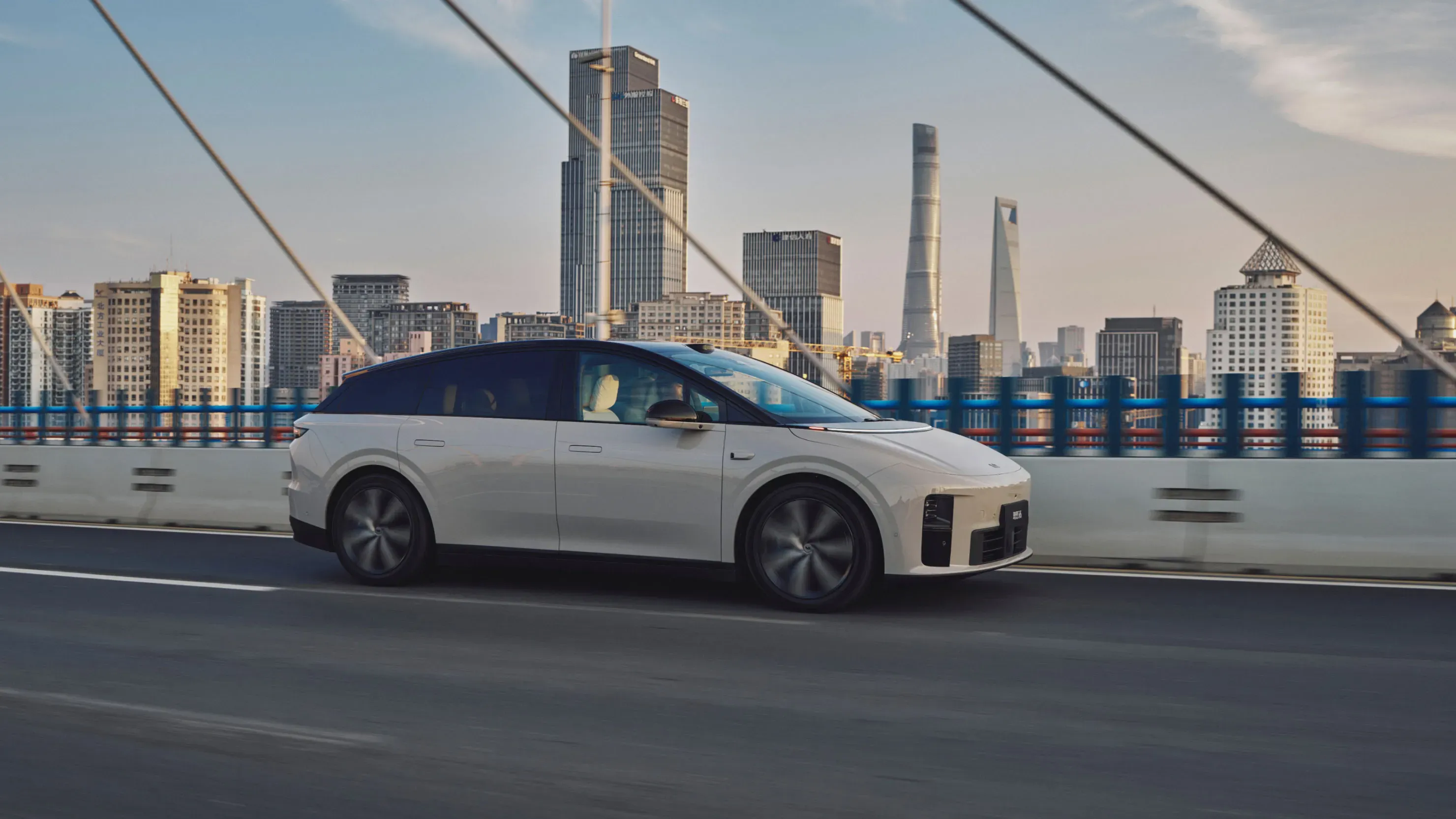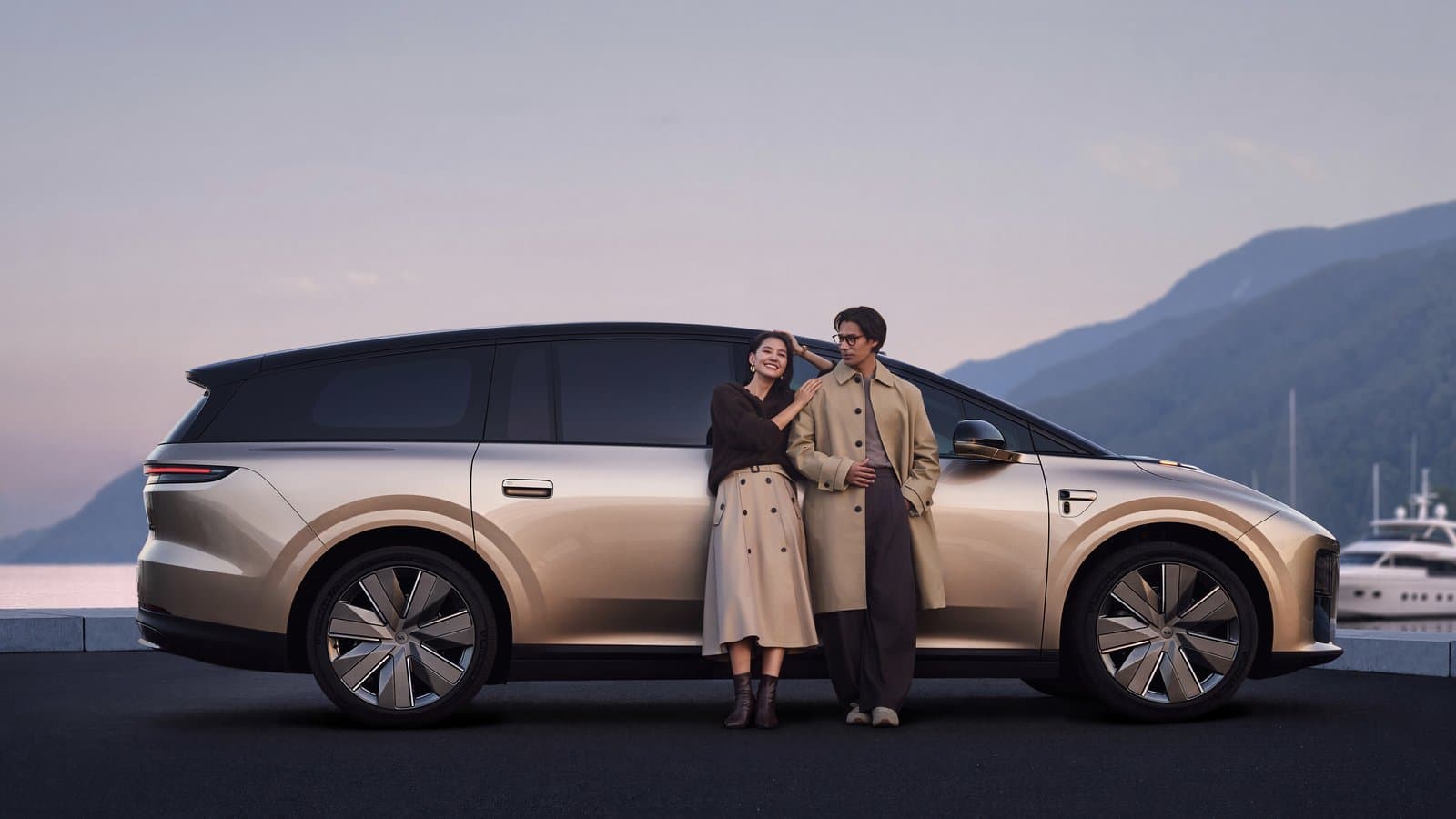
Li Auto (NASDAQ: LI, HKEX: 2015) will give owners a new car of the same configuration if one of its in-house batteries self-ignites because of a quality defect and the car has to be scrapped. The pledge was the headline of the company's Power Day in Beijing on October 20, 2026, where it gave its in-house battery, electric drive, charger and charging network technology a single name, Lianshan.
A second lifetime pledge covers fires after impacts. If a collision or an underbody scrape sets the battery alight and the car is scrapped, Li Auto will pay the gap between the sum insured under the owner's vehicle damage policy and what the insurer actually pays. Li Auto's head of product line said the plan covers every Li model with its in-house battery, including cars already delivered. Li Auto hasn't published the full conditions. It also hasn't said whether cars with CATL packs, including the MEGA, are covered.
Advertisement – Continue scrolling for more
Li Auto designs its batteries and makes the packs itself, setting the cell materials, structure, pack and battery management system. For the i6, Li Auto designs the cells and contract partners build them; for the 2026 i6's 5C cells those are Sunwoda and CALB. CALB joined Li Auto's supply chain in September with the 2026 Li i6. President Ma Donghui said the company combines its own manufacturing with contract production and stays open to suppliers on shared data and standards.
Li Auto has tied itself closely to Sunwoda. The two set up a 50-50 battery joint venture in Shandong in 2025, and on September 4 Li Auto agreed to put 2.65 billion CNY (c. $394.4 million) into Sunwoda's power battery unit, Sunwoda EVB, for an 8.79% stake. With related entities it will hold 11.17%, making it the second-largest shareholder. Liu Liguo, senior vice president for electric powertrain R&D, has said in-house cells get no fixed share of Li Auto's orders and must compete with outside suppliers on safety, quality, cost and delivery.
Advertisement – Continue scrolling for more
Sunwoda brings its own history. According to Economic Information Daily, Geely-owned Vremt sued Sunwoda EVB in December 2025, claiming 2.314 billion CNY (c. $344.4 million) over cells delivered between June 2021 and December 2023, and the two settled in February with Sunwoda EVB paying 608 million CNY (c. $90.5 million) over five years. Zeekr, whose 001 carried most of the disputed cells, recalled 38,277 Zeekr 001 WE cars the same month over battery parts whose internal resistance could rise abnormally with long use.
Li Auto has also dealt with a battery fire. A 2024 Li MEGA caught fire in Shanghai on October 23, 2025, and the company recalled 11,411 MEGA 2024 vehicles because a batch of coolant with poor corrosion resistance could eat through cooling plates and, in extreme cases, cause thermal runaway. Chairman Li Xiang has said that MEGA's battery was developed jointly with CATL. In the Lianshan pack, Li Auto said at Power Day, coolant lines have walls 25% thicker and are split into separate compartments to limit leaks.
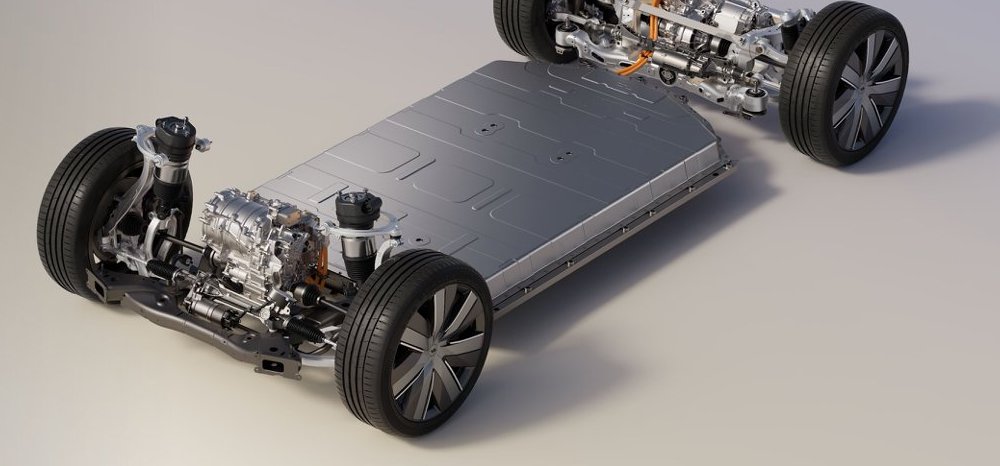
The battery-electric chassis of the Li i9, which Li Auto says carries its in-house battery, motor and chip technology (Li Auto)
CATL remains in the picture. When it signed a five-year cooperation agreement with Li Auto in September 2025, CATL said more than 1 million Li Auto vehicles with its batteries had been delivered with no thermal runaway caused by the batteries themselves. Li Auto said in March that from 2026 all its models would follow a dual-brand battery route, its own and CATL's, held to one standard. The day before Power Day, chairman Li Xiang argued that carmakers need their own core technology alongside expert suppliers, likening the two to legs that take turns.
Advertisement – Continue scrolling for more
Li Auto says the Lianshan pack withstands an equivalent 500-joule underbody impact without fire or explosion, meets the IPX8 and IPX9K water protection ratings, and stays free of fire for 24 hours after a single cell fails at 50 degrees Celsius. Each cell's production data is kept for 20 years, and the car, charger and cloud together can flag risks 72 hours ahead. Batteries are designed to keep above 75% health after eight years or 160,000 km (99,419 miles).
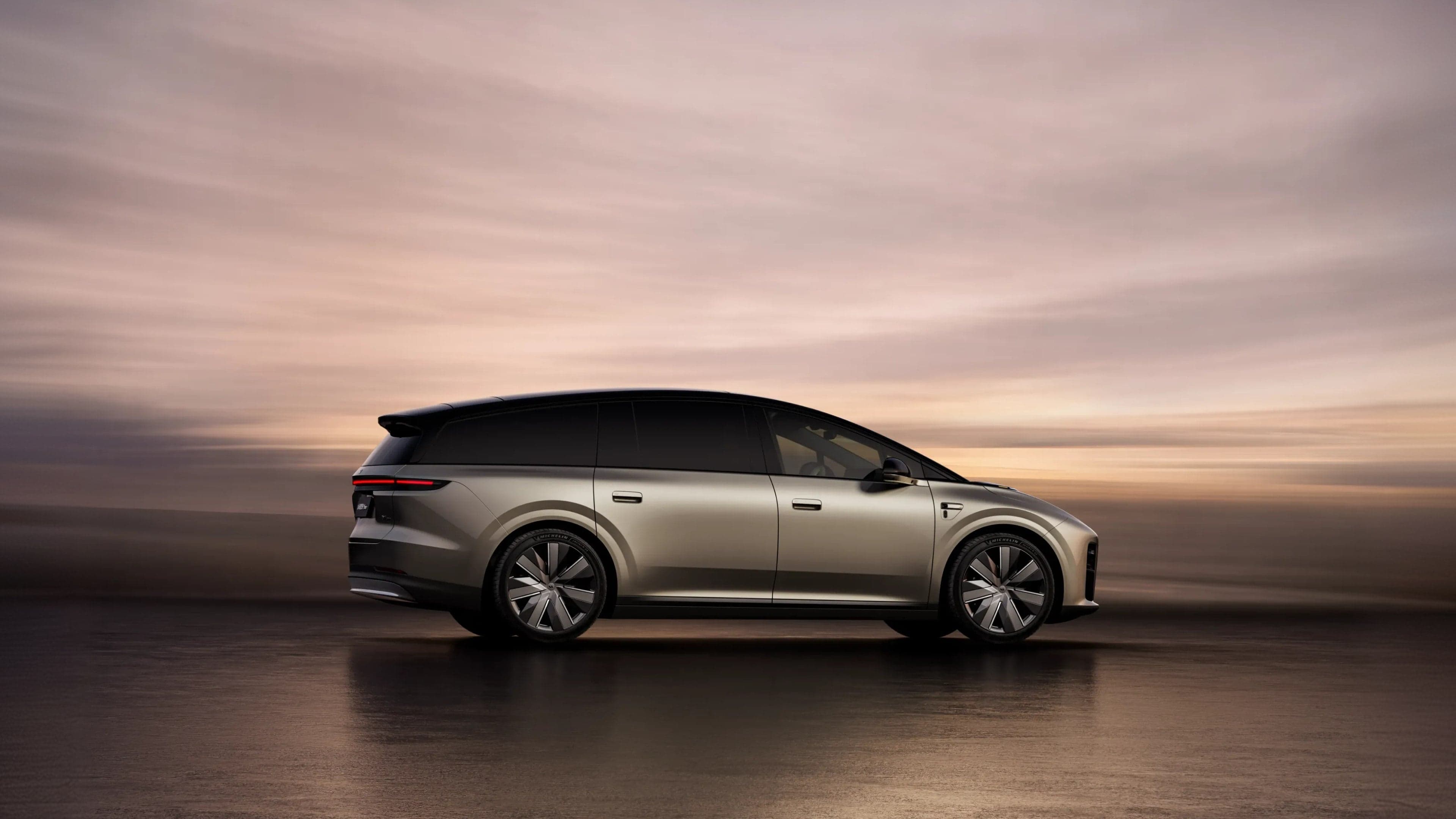
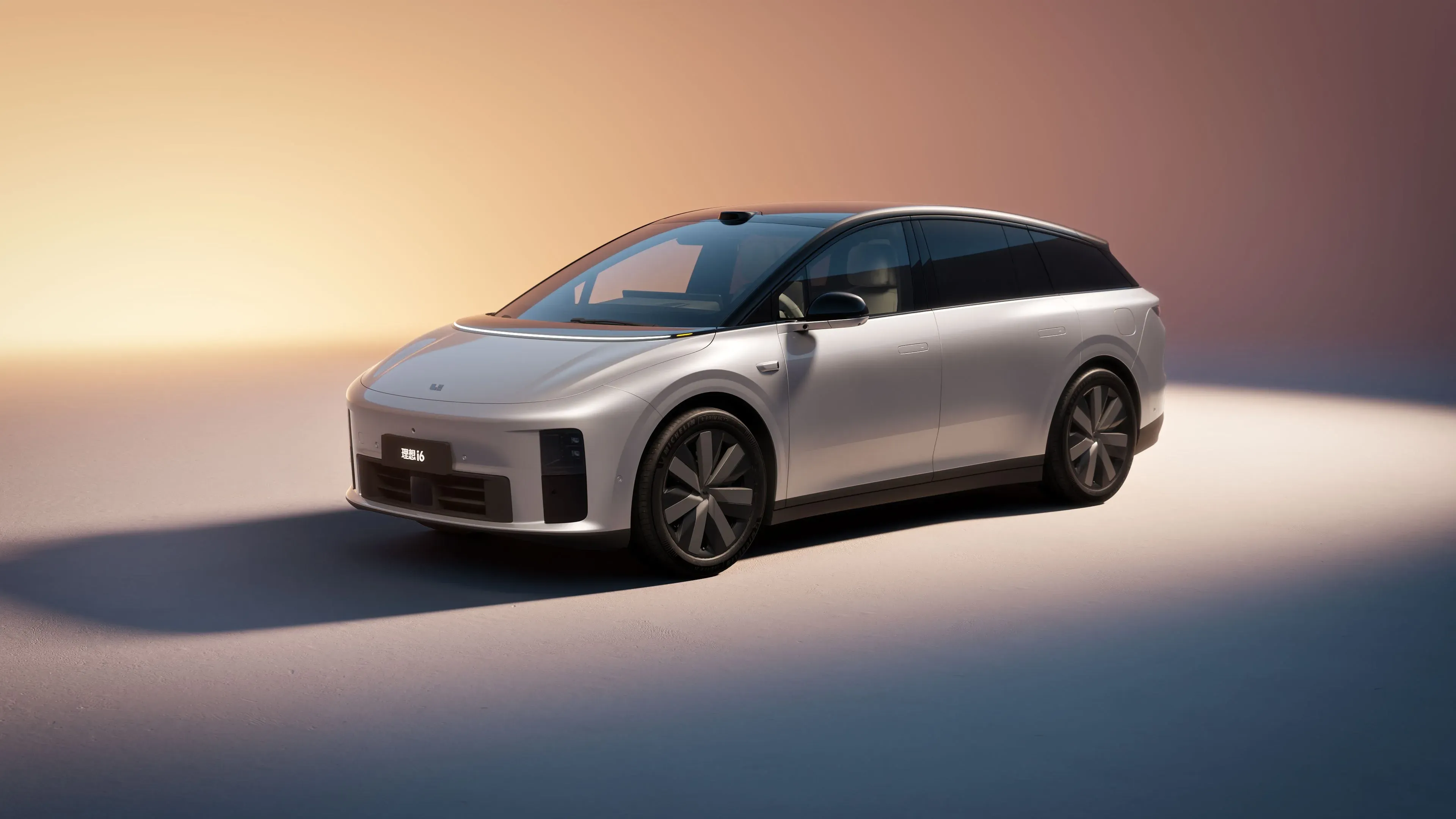
On range, the new extended-range Li L8 reaches 430 km (267 miles) on battery power under CLTC with an in-house 5C ternary lithium battery, and the 2026 Li i6, due on October 28, reaches up to 780 km (485 miles), 8% more than the 2025 version. Li Auto says its 5C cells add 500 km (311 miles) in 10 minutes of charging under suitable conditions. For lithium iron phosphate packs, its software holds state-of-charge error within 3% and lifts winter peak power by more than 40%.
The charging network is the other half of the system. Li Auto runs 4,200 supercharging stations with more than 23,000 chargers across 25 national expressway corridors, nearly 1,400 of them at highway sites, and plans one station every 100 km of national expressway by the end of 2026. It aims to raise its 5C charging guns to 8,300 before the 2027 Spring Festival.
Advertisement – Continue scrolling for more
Li Auto is not the only carmaker moving into batteries. BYD already makes its own cells, and XPeng, Xiaomi, Geely, GAC, Changan and Leapmotor all announced in-house batteries in the second half of 2026. The push comes as margins thin, with the operating profit margin of China's auto manufacturing industry falling to 3.8% in the first half, according to the National Bureau of Statistics.
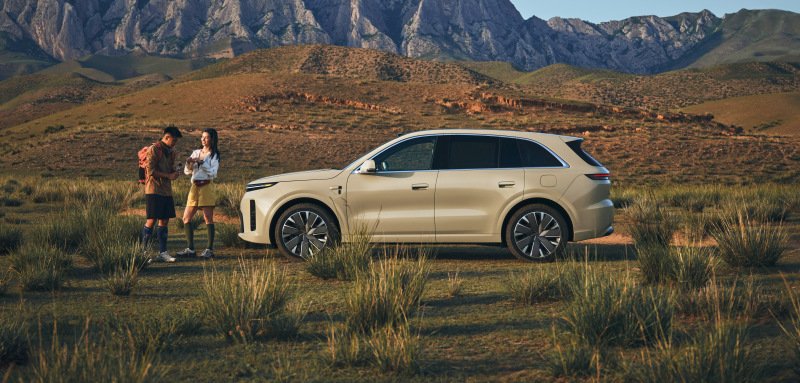
The new-generation Li L6, one of the first models Li Auto named as using its in-house battery (Li Auto)
The new technology arrives as volumes slip. Li Auto delivered 31,817 vehicles in September, down 15.6% from 37,679 in August. Domestic sales of the current Li i6 were 7,379 in September, down from 16,979 a month earlier, with the 2026 version due on October 28, while the L6 rose to 10,666 from 9,918 and the i8 to 1,738 from 1,576.
The offer is narrower than it sounds: it pays out only when a fire ends in a scrapped car, and Li Auto has tied it to its in-house batteries without saying how CATL-pack cars are treated. Whether it persuades buyers to accept partner-built cells will show first in 2026 i6 deliveries, due to start in early November.
Conversion rate: 1 USD = 6.7192 CNY as of October 21, 2026.
Advertisement – Continue scrolling for more