
Li Auto slows to two-year model cycles after six launches in under six months

Li Auto (NASDAQ: LI; HKEX: 2015) will stop refreshing its models every year and move to a cycle of roughly two years, chairman and CEO Li Xiang told analysts on the company's third-quarter earnings call on the evening of November 25, 2026, Beijing time. For 2027, he said, the company will add one or two standalone models and will not carry out large-scale facelifts. According to one account of the call, it will also update one or two existing models on their own rather than refresh the whole range.
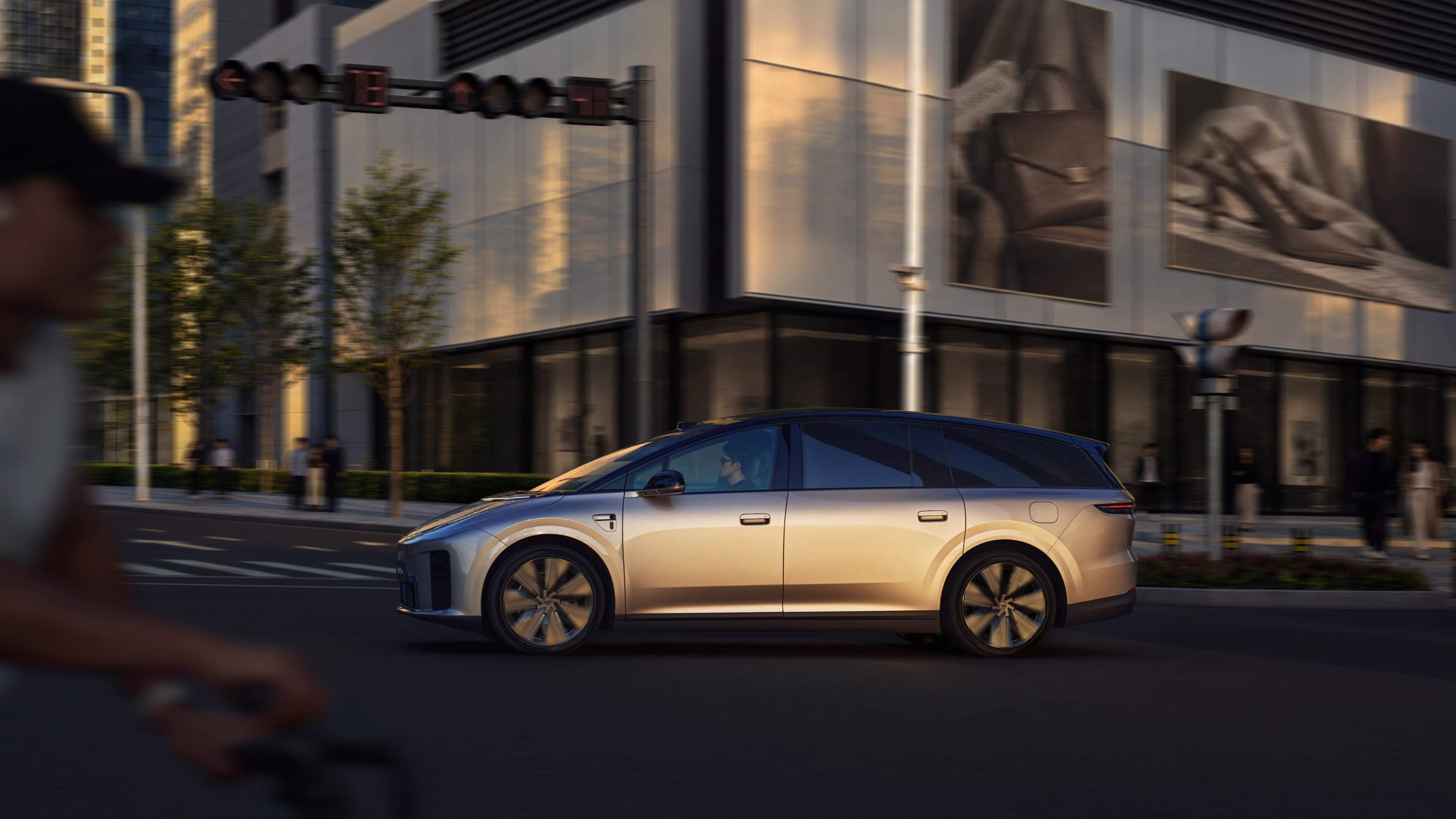
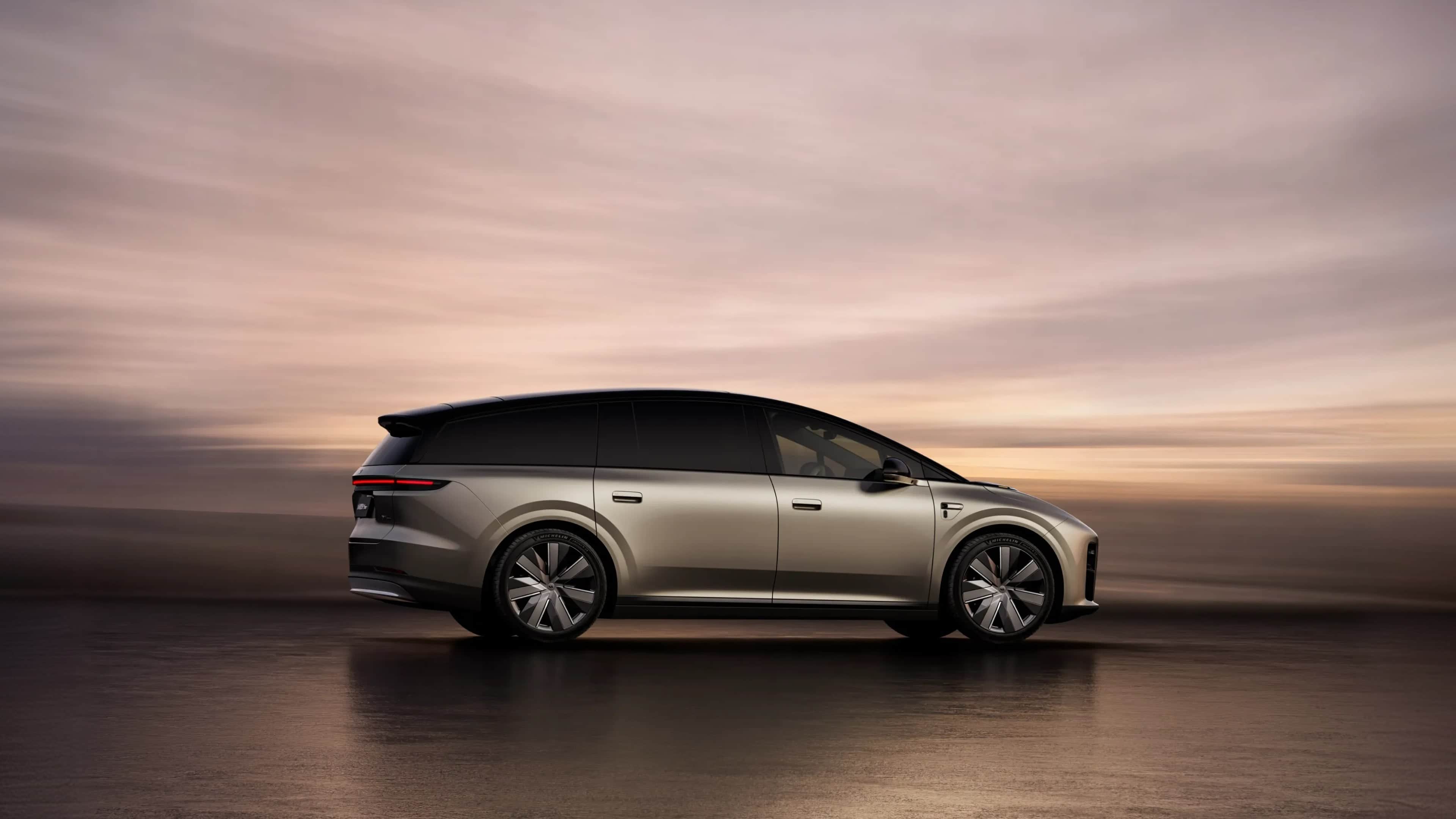
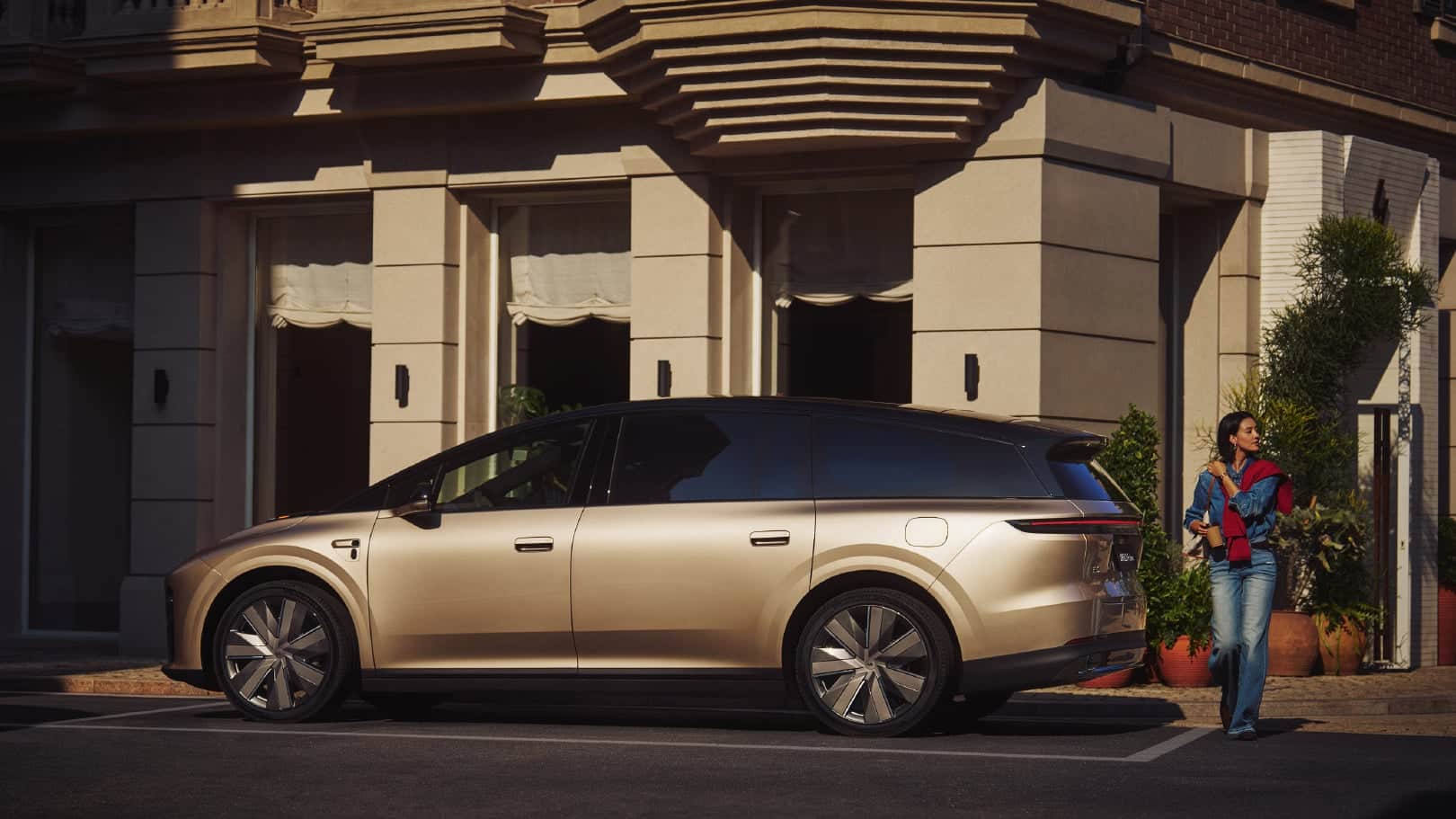
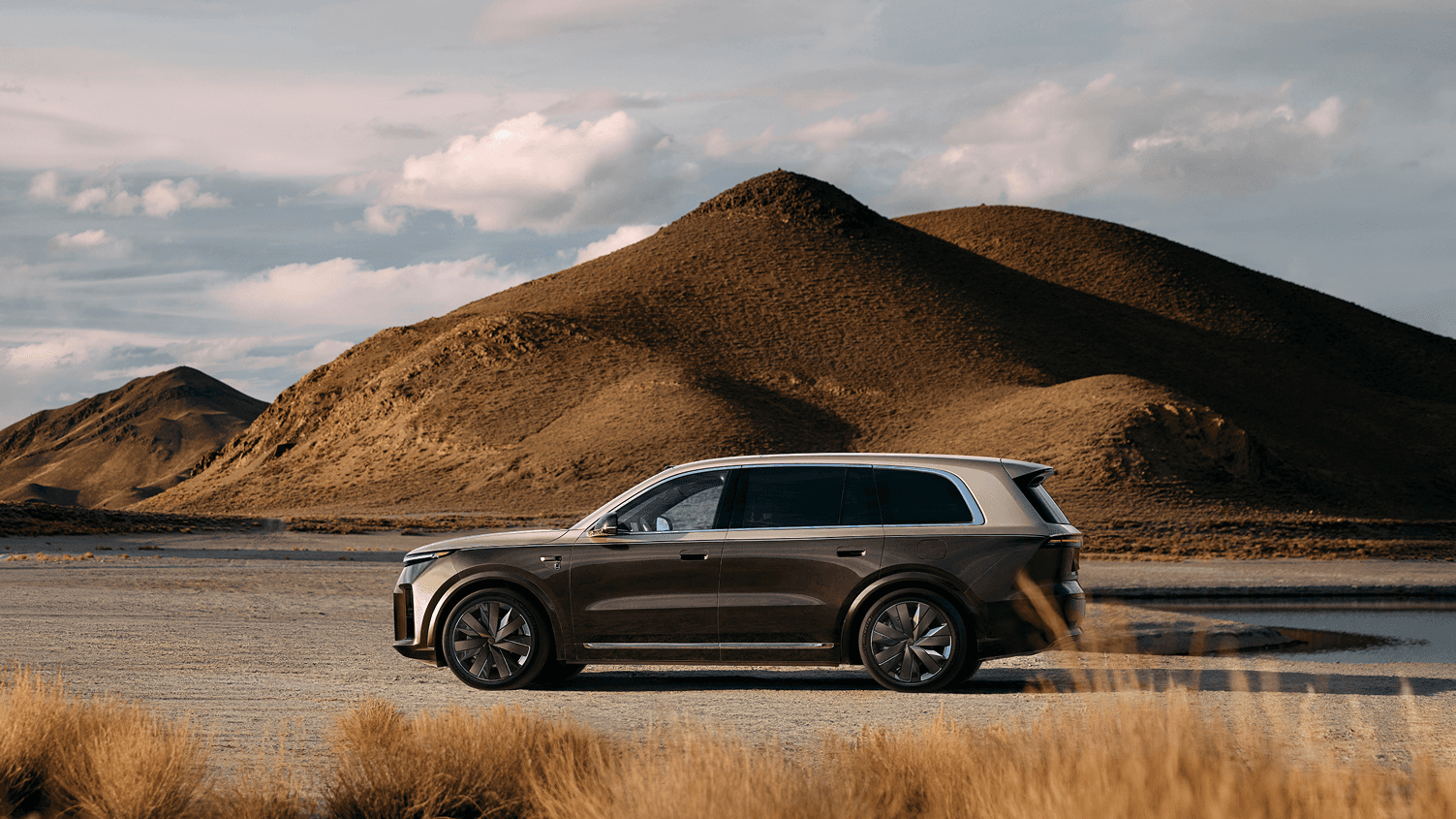
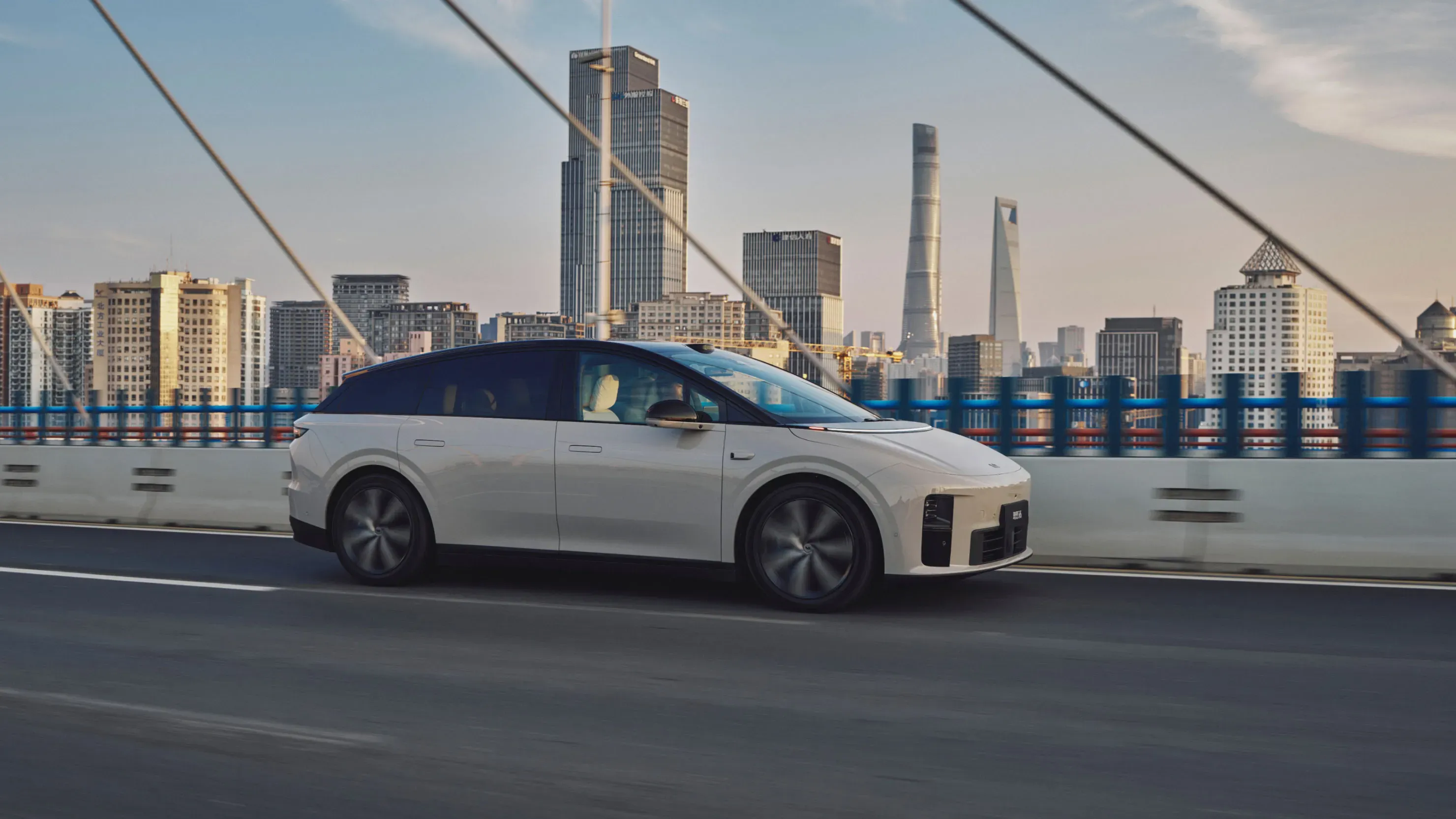
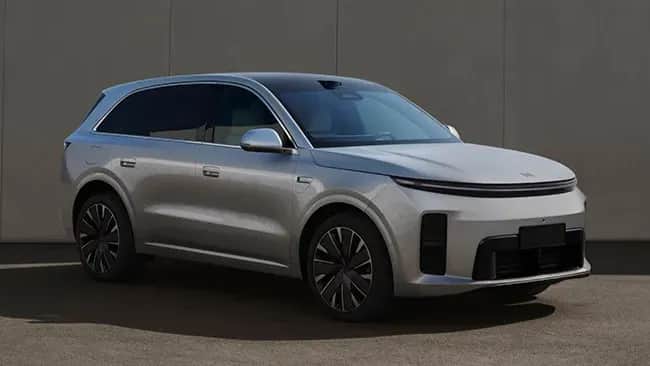
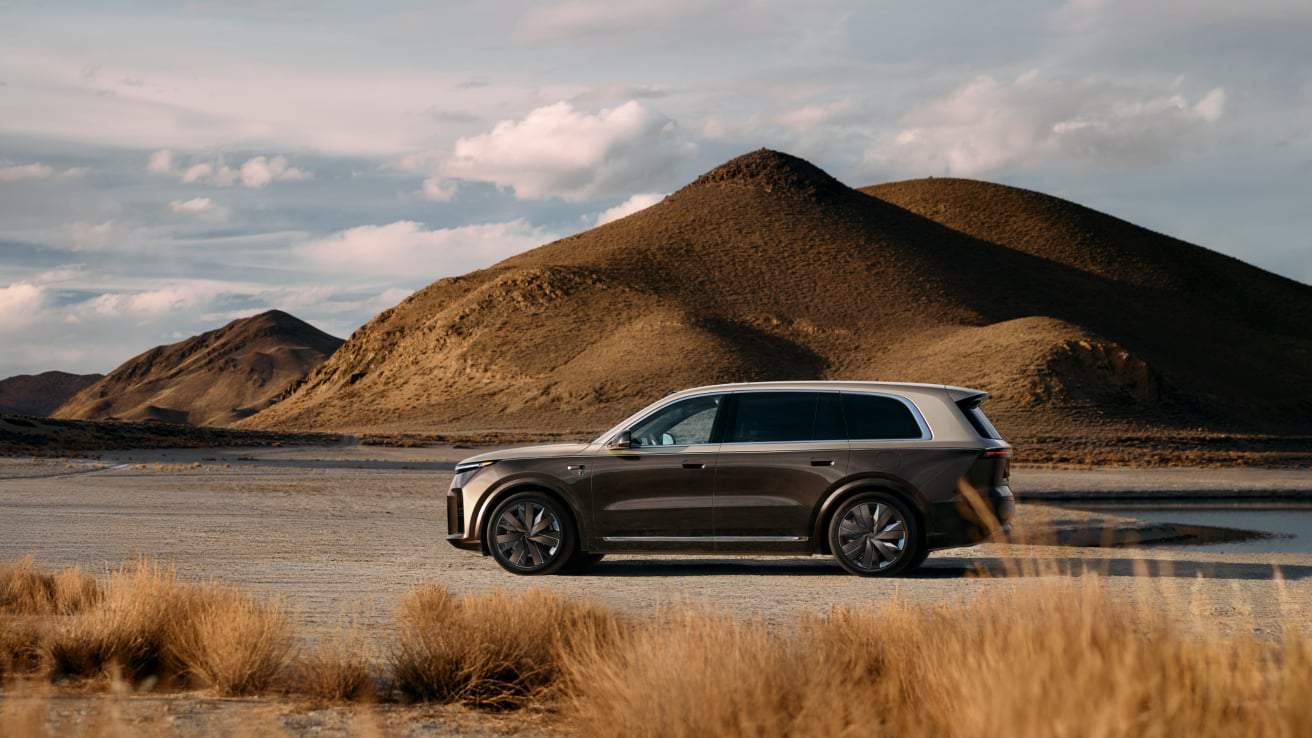
The plan is a sharp change of pace from 2026, when Li Auto rebuilt nearly its whole lineup in under six months. The new-generation L9 went on sale on May 15 from 459,800 CNY (c. $68,530), and the new L8 followed on June 23 from 369,800 CNY (c. $55,120). The new-generation L6 launched on July 16 at 249,800 CNY (c. $37,230).
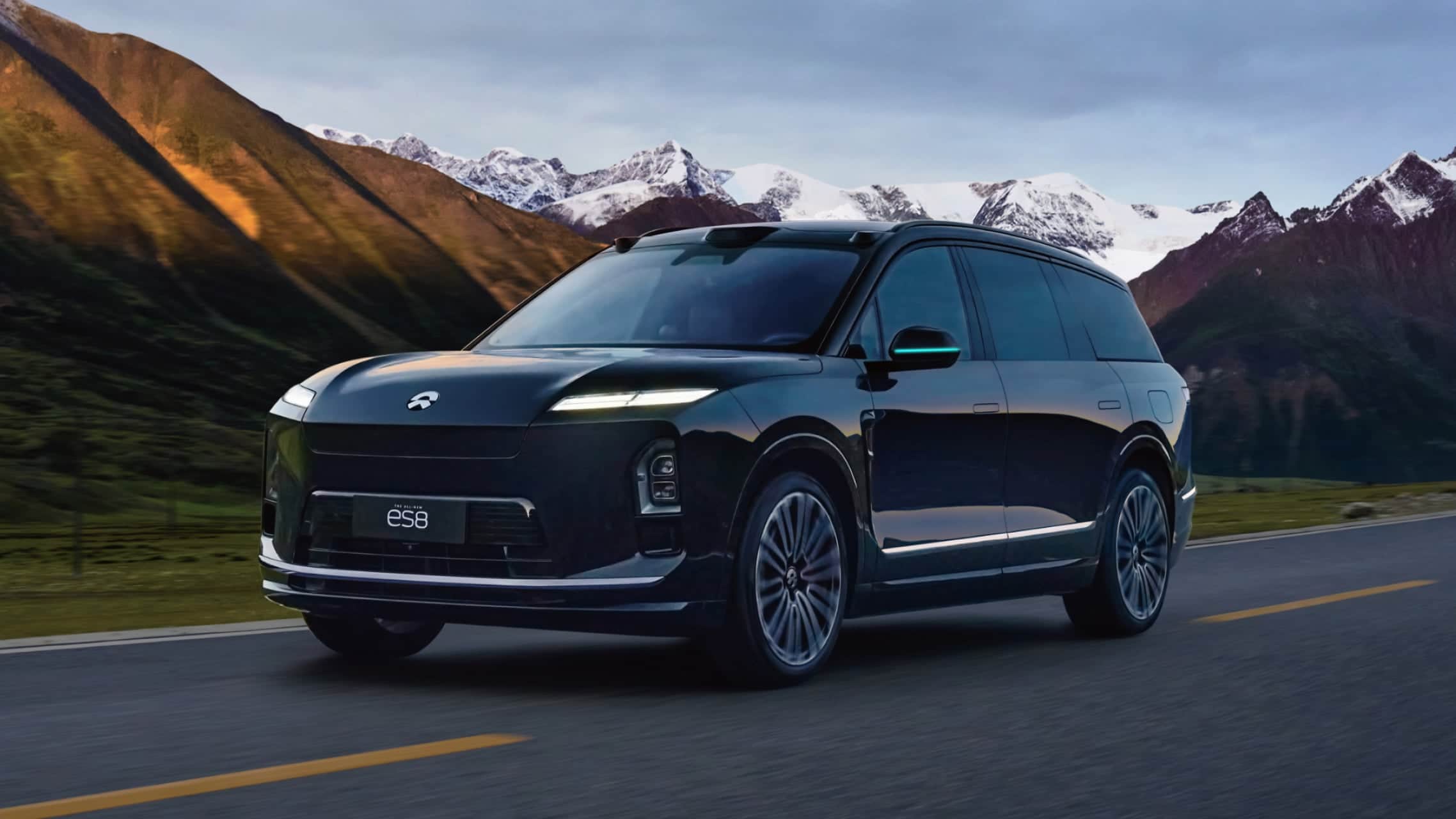
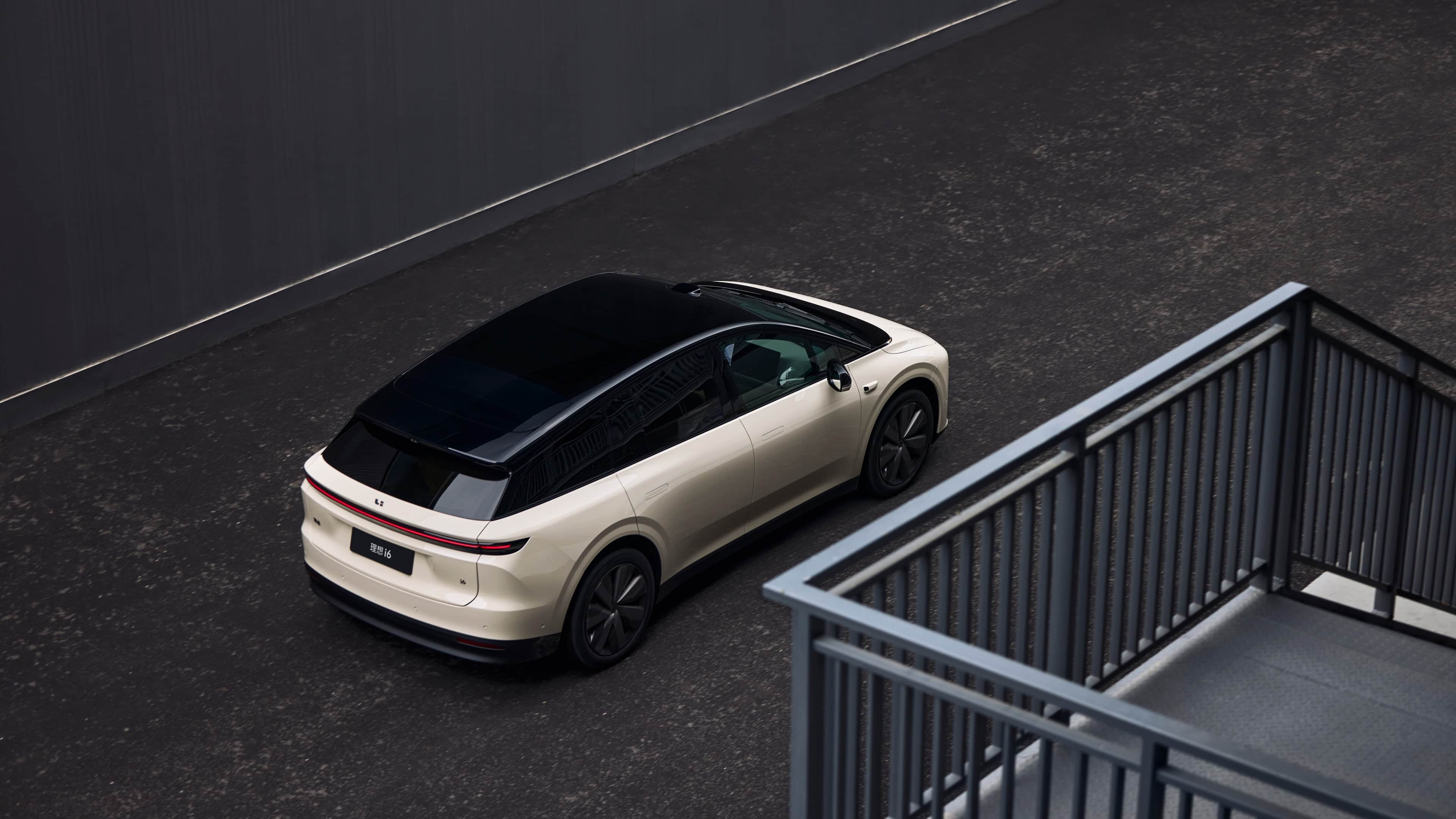
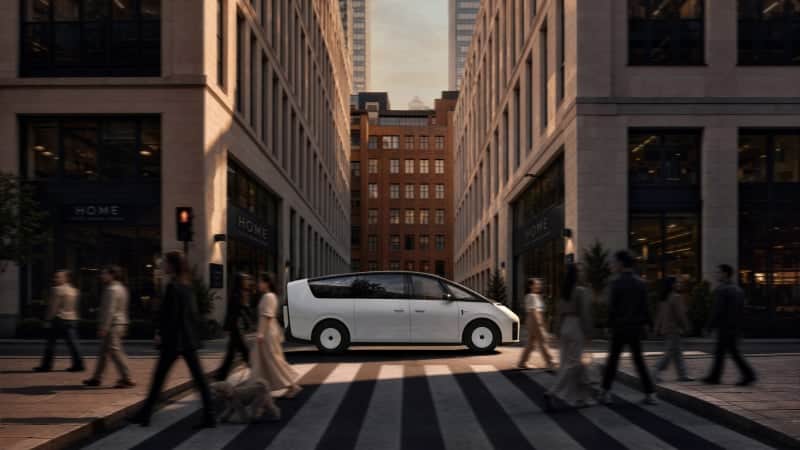
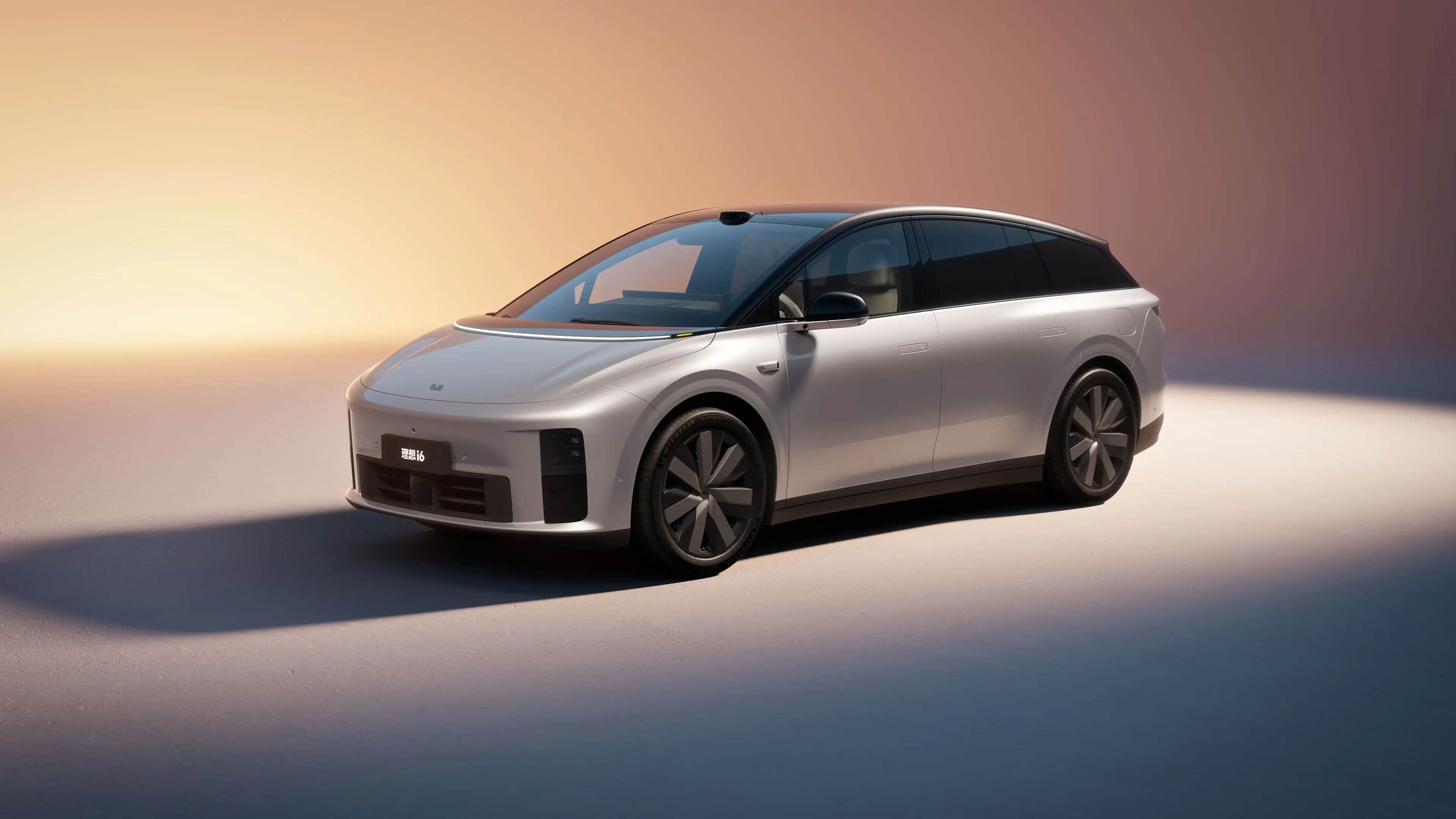
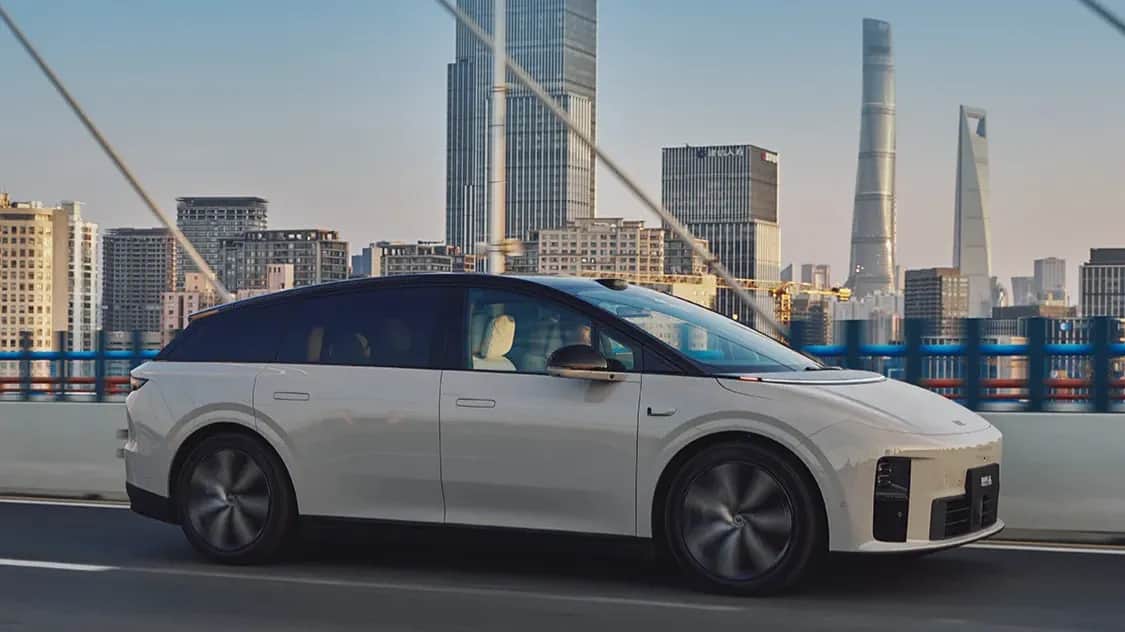
The battery-electric side moved just as fast. The new-generation MEGA minivan arrived on September 2 at 509,800 CNY (c. $75,980), the new i9 SUV on September 16 at 369,800 CNY (c. $55,120), and the 2026 model-year i6 update was released on October 28 with Li Auto's own battery and its Mach M100 chip. That is six launches, five of them new or new-generation models, in a little over five months.
Li gave three reasons for slowing down. First, he said, the new rhythm fits the ministry of industry's requirement for testing through two winters and a summer, which he called good for vehicle quality and for the industry. Second, longer product cycles mean better resale values, more stable service and better software updates for owners.
The rule he cited is still a draft. Four ministries, led by the Ministry of Industry and Information Technology (MIIT), published it for comment on October 10, and it would apply to new type-approval filings from January 1, 2027. It requires automakers to finish a full set of reliability, durability and environmental tests before a new model is approved, and environmental validation must run for at least one year, in a cold, hot, cold sequence that covers the model's key configurations.
GCEV Weekly · Every Tuesday
China's EV industry in five minutes.
Launches, sales, batteries and policy — the week's stories that matter, with the context the headlines leave out.
Sent by GigaCharts Inc. Questions? Write to globalchinaev@gmail.com. Unsubscribe anytime. See our privacy policy.
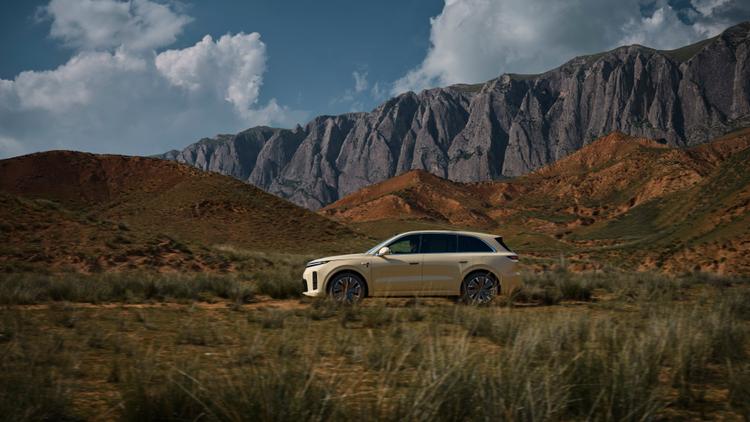
The new-generation L6 launched on July 16 at 249,800 CNY (Li Auto)
The third reason is Li Auto's own technology. Li said the company finished putting its in-house electric drive, batteries and chips into its cars this year, so its schedule no longer has to follow battery and chip suppliers' launch cycles, and steadier cycles also help suppliers plan capacity and quality. According to one report, Li Auto has now fitted more than 210,000 Mach M100 driver-assist chips to its cars, and the Lianshan battery and motor system Li Auto unveiled on October 20 is fitted across the 2026 i6 and the new MEGA.
The slower pace arrives after a soft autumn. Li Auto delivered 29,025 vehicles in October, down 8.8% from 31,817 in September by our calculation, and below August's 37,679. The company has guided to 110,000 to 115,000 deliveries in the fourth quarter, 0.7% to 5.3% more than a year earlier, which means November and December together need 80,975 to 85,975 cars, or about 40,500 to 43,000 a month by our calculation.
Management pointed to the newest models to close that gap. According to one published account of the call, President Ma Donghui said the 2026 i6 is ramping faster than the 2025 version and its monthly capacity will reach 20,000 units in November. He said the new MEGA will average more than 3,000 deliveries a month in October and November, the i9 is close to 10,000 cumulative deliveries, and battery-electric models now make up more than half of Li Auto's sales. He also expects overseas sales to double in 2027 from this year's level.
The finances are improving too. Third-quarter revenue rose 5.4% from a year earlier and 12.3% from the second quarter to 28.83 billion CNY (c. $4.30 billion), and the net loss narrowed 50.4% from a year earlier to 310 million CNY (c. $46.2 million). Gross margin climbed to 16.7% from 11% in the second quarter, and the company still had a cash position, including deposits and investments, of 88.2 billion CNY (c. $13.15 billion) at the end of September.
Chief financial officer Li Tie said he expects Li Auto to swing to a net profit in the fourth quarter. He credited the third-quarter margin gain to a better product mix as the new L8, MEGA and i9 reached customers, and said fourth-quarter gross margin should improve again on cheaper lithium carbonate, which lowers battery costs, and on the efficiency of the company's in-house technology.
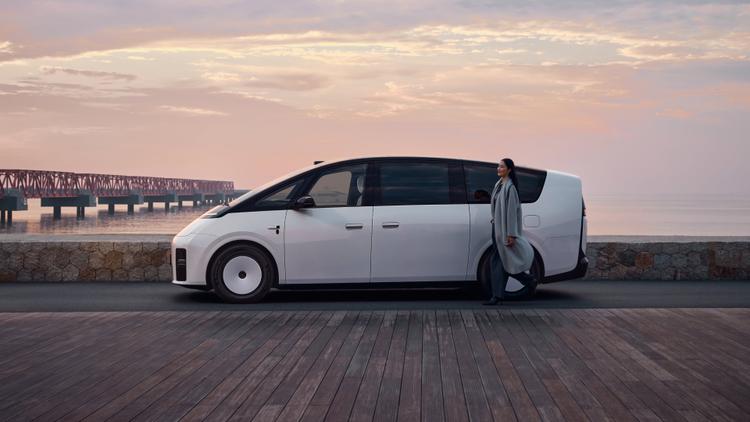
The new MEGA, launched September 2, runs on Li Auto's own Lianshan battery (Li Auto)
A two-year cycle also changes what buyers can expect from the cars already on sale. Instead of a new model year every spring, Li Auto is leaning on software. In November it began pushing OTA 9.2 with its Mach VLA 2.5 model to owners. According to the same account of the call, Ma said the update adds a 3D vision model that helps the system judge the relationship between cars, pedestrians and the road, and lets automated parking use rear-wheel steering.
He called the next release, OTA 9.3 due at the end of the year, the biggest update of 2026. Li Auto has retrained the vision encoder on about 30% more data and is targeting 15 frames per second of model inference with end-to-end latency of about 215 milliseconds. Updates like these are how the company plans to keep a car fresh through a second year without new hardware.
That leaves Li Auto heading into 2027 with a lineup that is almost entirely less than a year old, and with only one or two new nameplates to add volume. If the draft testing rule is finalized on its current timetable, rivals that still launch on a yearly rhythm will face the same one-year validation floor from January, and Li Auto will have adopted the slower clock before it was required to.
Conversion rate: 1 USD = 6.7096 CNY as of November 26, 2026.
GCEV Weekly · Every Tuesday
China's EV industry in five minutes.
Launches, sales, batteries and policy — the week's stories that matter, with the context the headlines leave out.
Sent by GigaCharts Inc. Questions? Write to globalchinaev@gmail.com. Unsubscribe anytime. See our privacy policy.