
Li Auto narrows Q3 loss to 310 million CNY, Q4 guide barely tops last year

Li Auto (NASDAQ: LI, HKG: 2015) cut its third-quarter net loss to 309.7 million CNY (c. $46.2 million), down from 1.7 billion CNY in the second quarter, as a richer model mix pushed its margins back to around last year's level. The outlook was cooler. Li Auto guided 110,000 to 115,000 deliveries for the fourth quarter, only 0.7% to 5.3% more than the 109,194 it handed over in the same quarter of 2025.
The results, published on November 25, 2026, put total revenue at 28.83 billion CNY (c. $4.30 billion), up 5.4% from a year earlier and 12.3% from the second quarter. Deliveries reached 99,964, up 7.2% year over year and only slightly ahead of the second quarter's 98,330. Gross margin rose to 16.7%, from 11.0% in the second quarter and 16.3% a year earlier, while vehicle margin recovered to 15.3% from 9.4%. The year-on-year margin comparison is helped slightly because the third quarter of 2025 carried estimated costs for a Li MEGA recall.
Revenue grew much faster than volume, and that gap is the story of the quarter. Vehicle sales brought in 27.09 billion CNY. Spread across 99,964 deliveries, that works out by our calculation to roughly 271,000 CNY (c. $40,400) per car, up about 11% from around 244,800 CNY in the second quarter. Li Auto attributed the quarter-on-quarter increase to a higher average selling price from a different product mix, though the average was still lower than a year earlier.
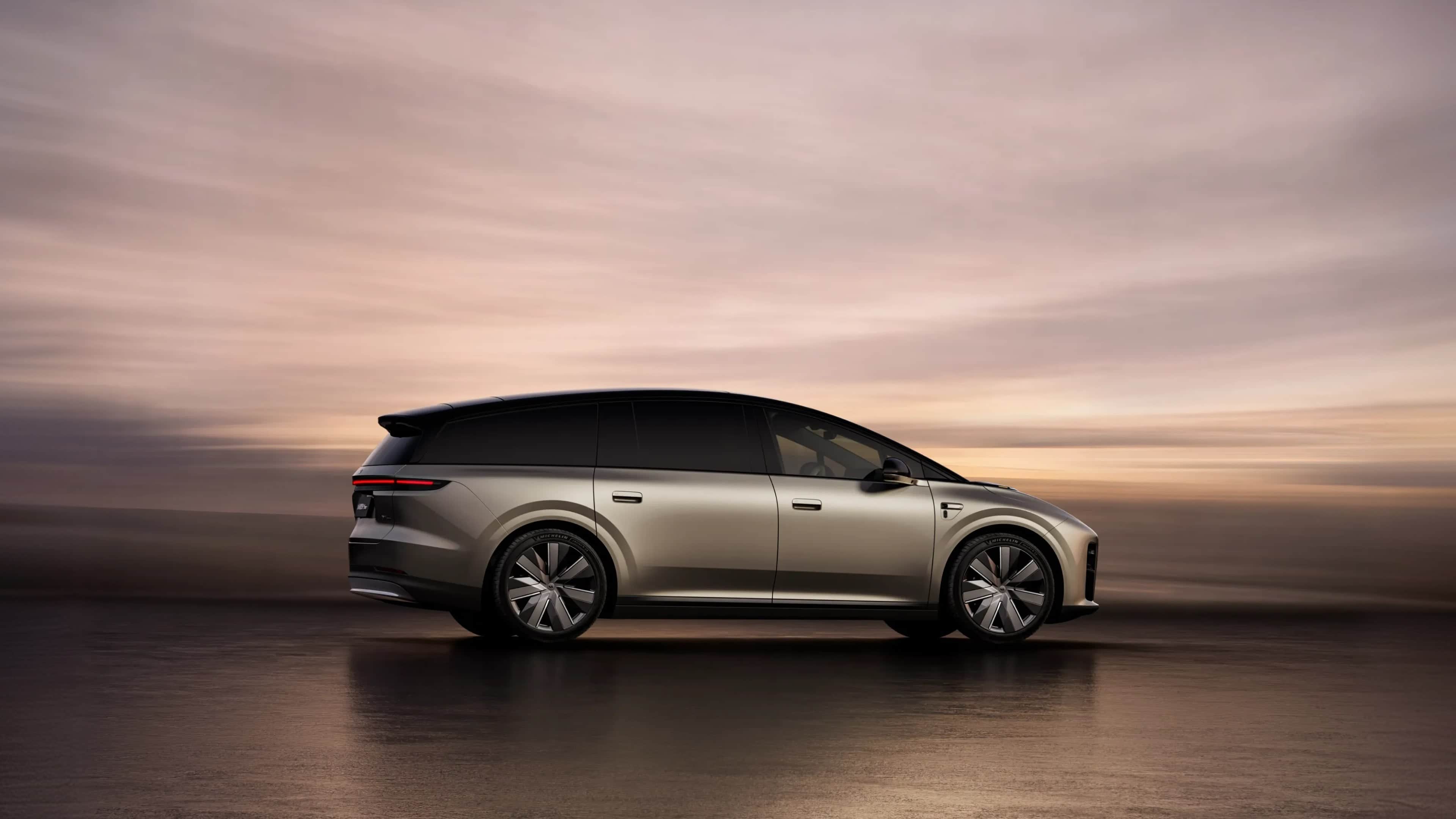
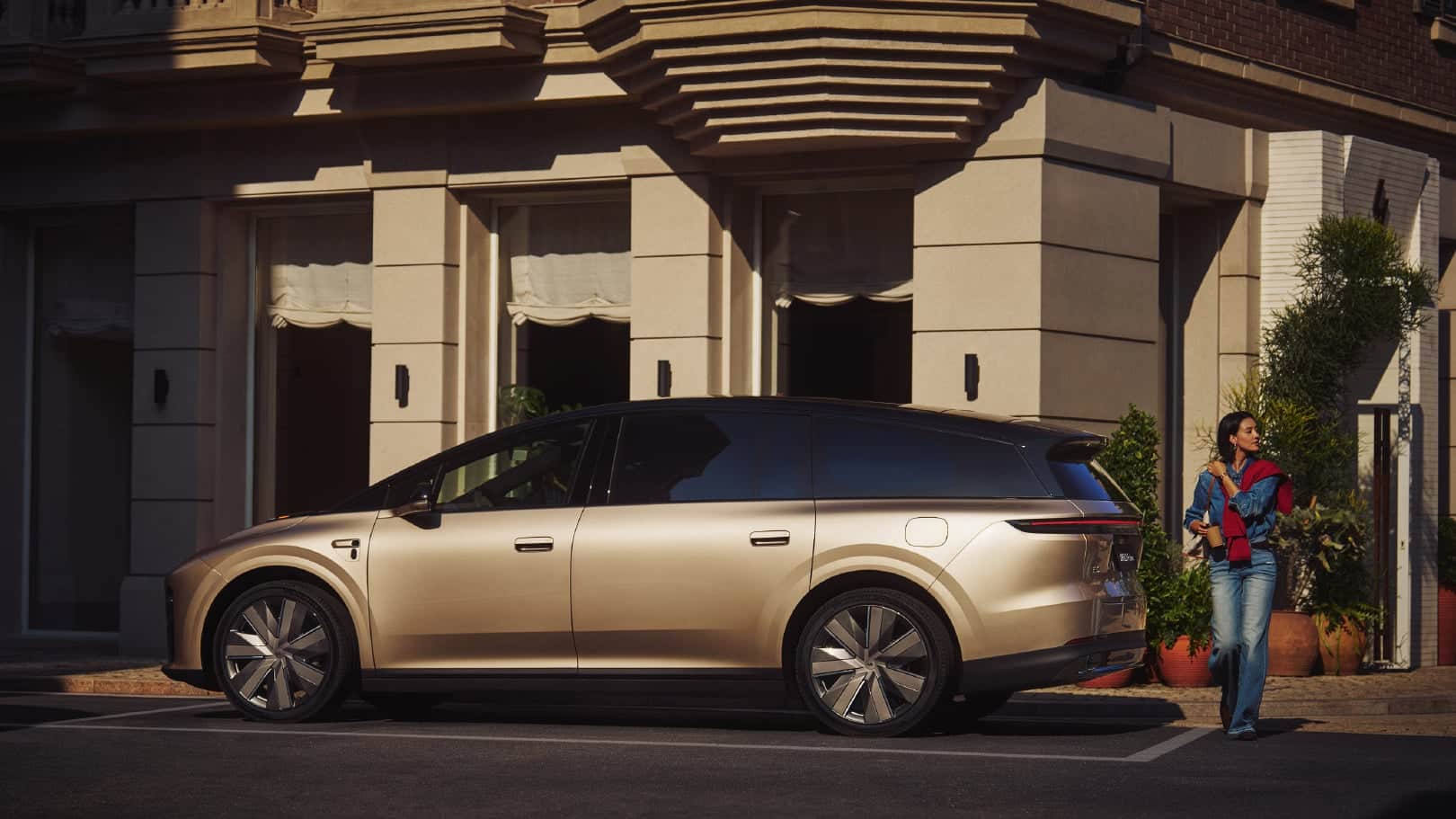
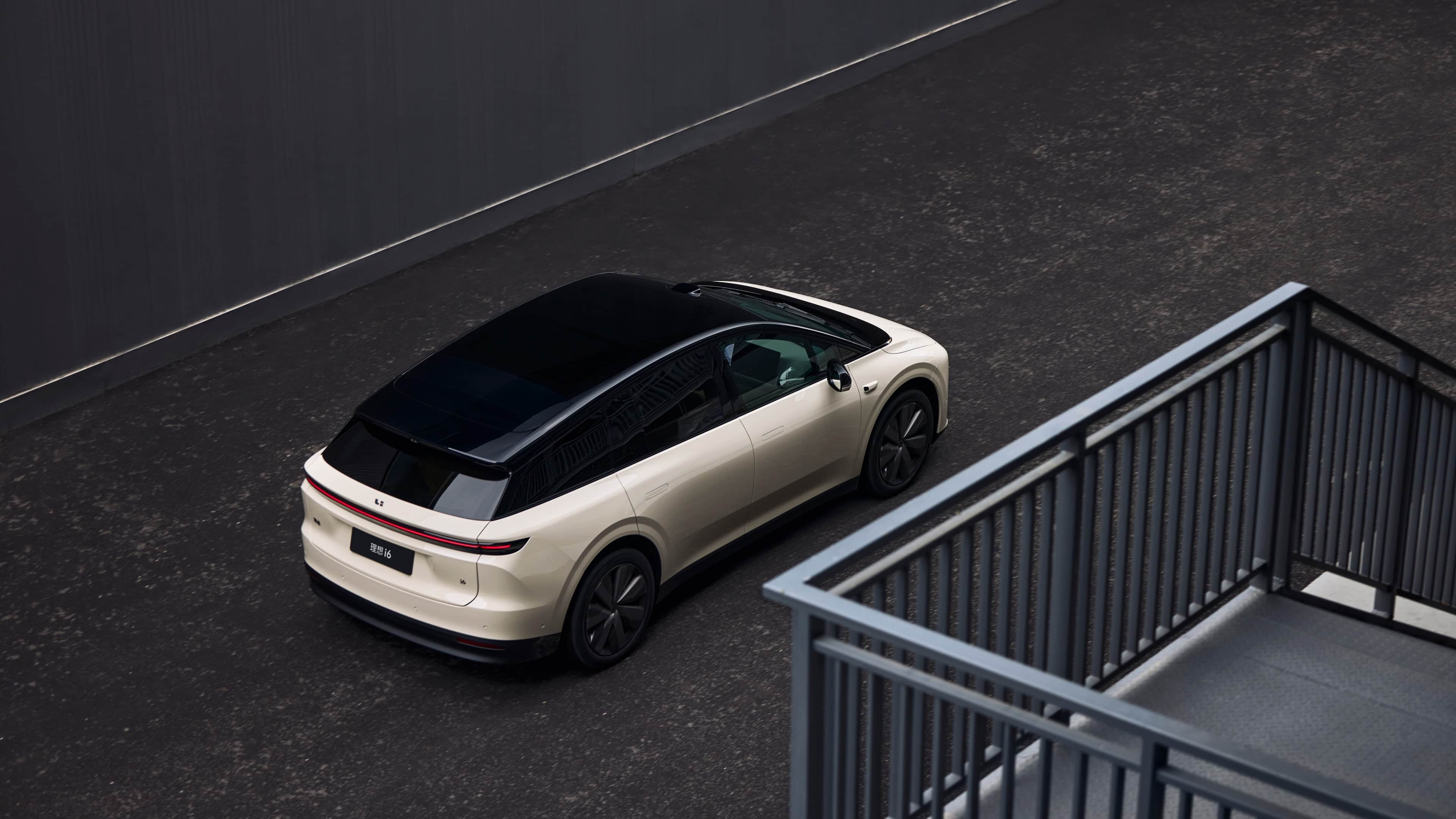
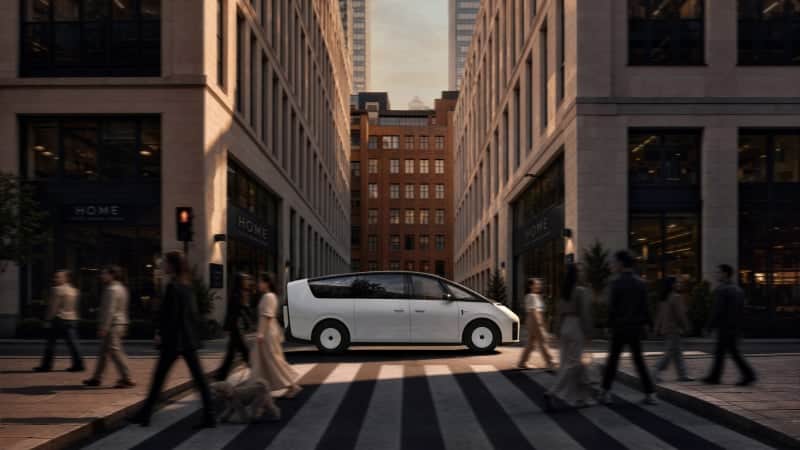
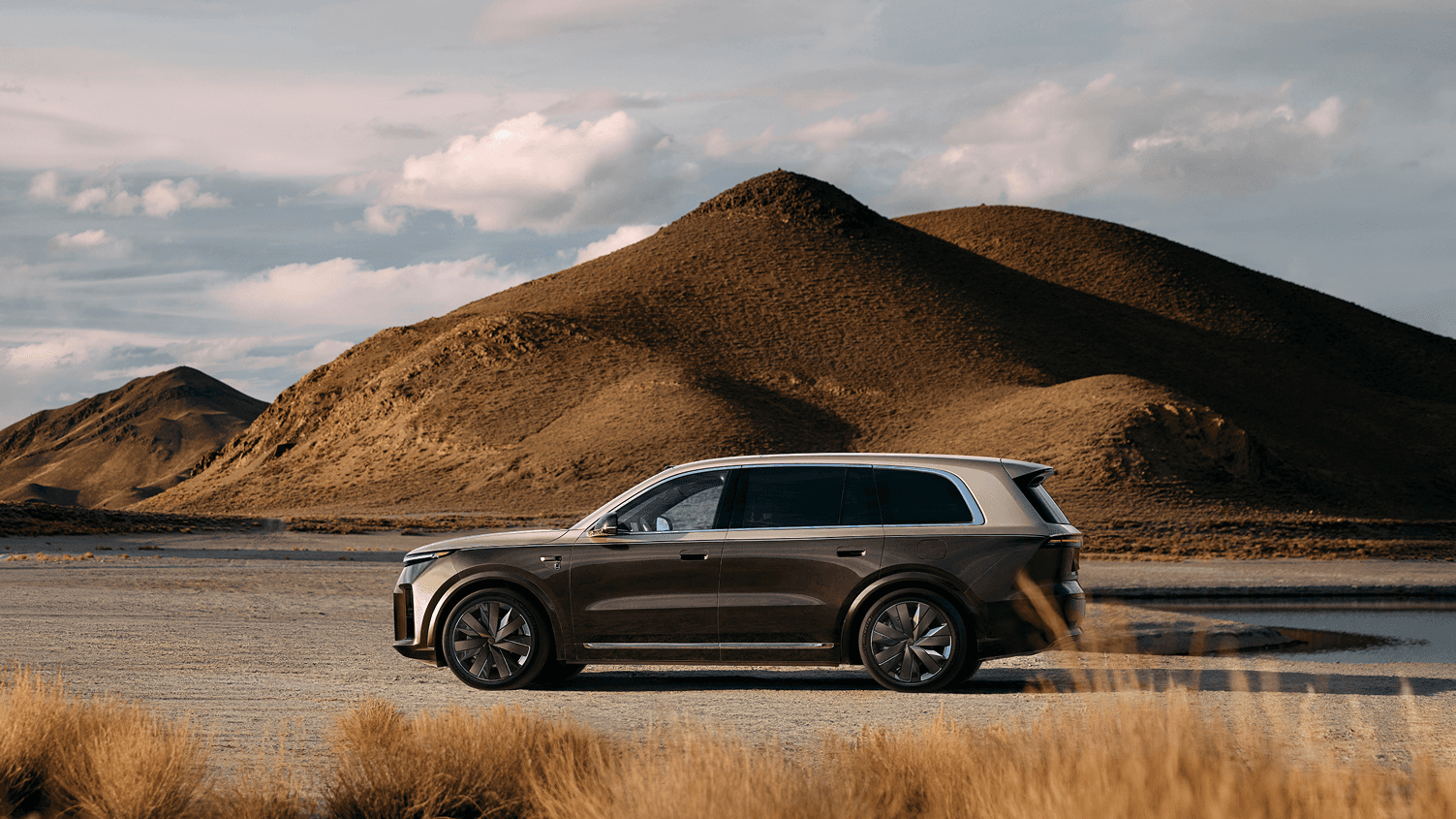
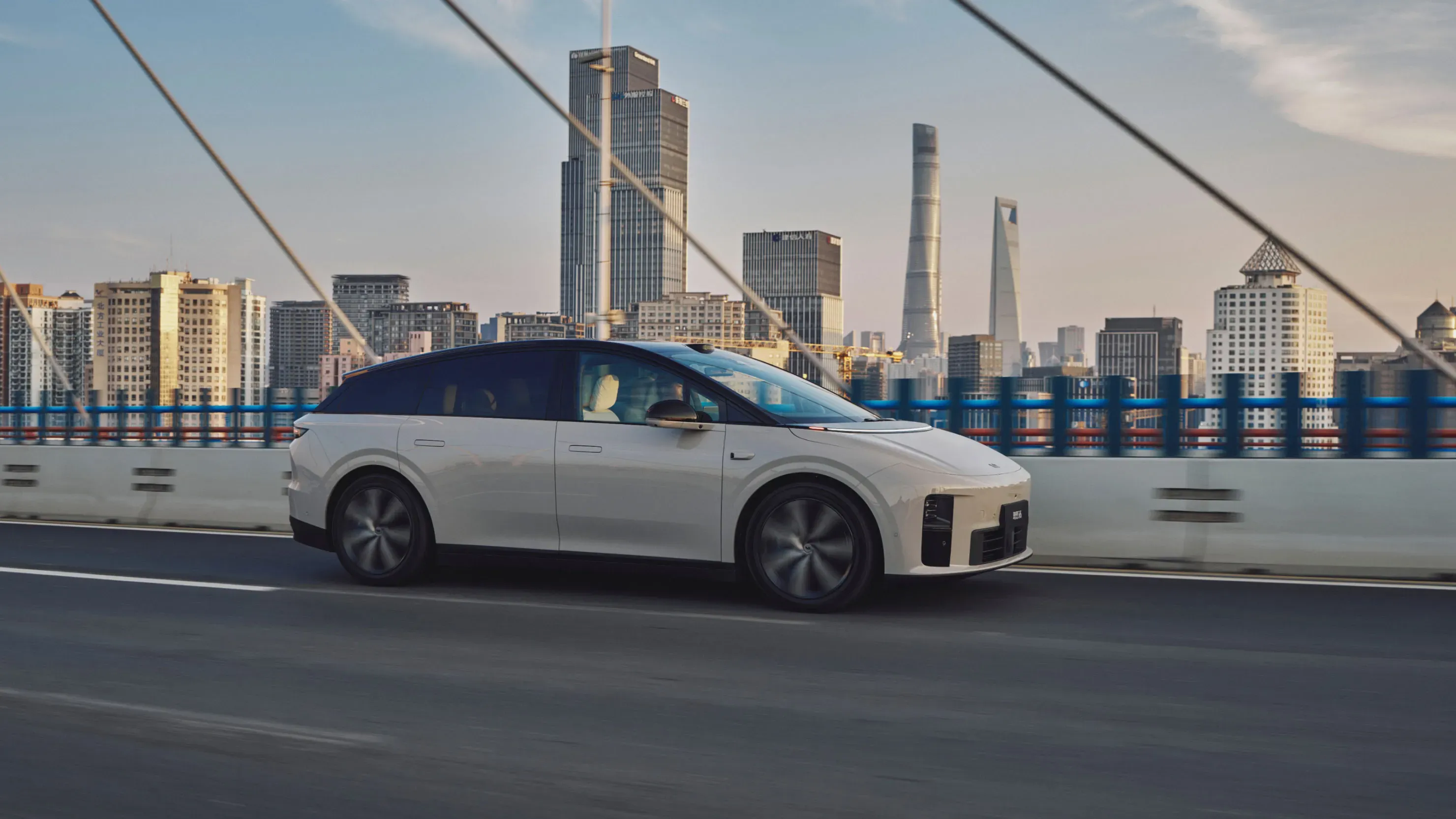
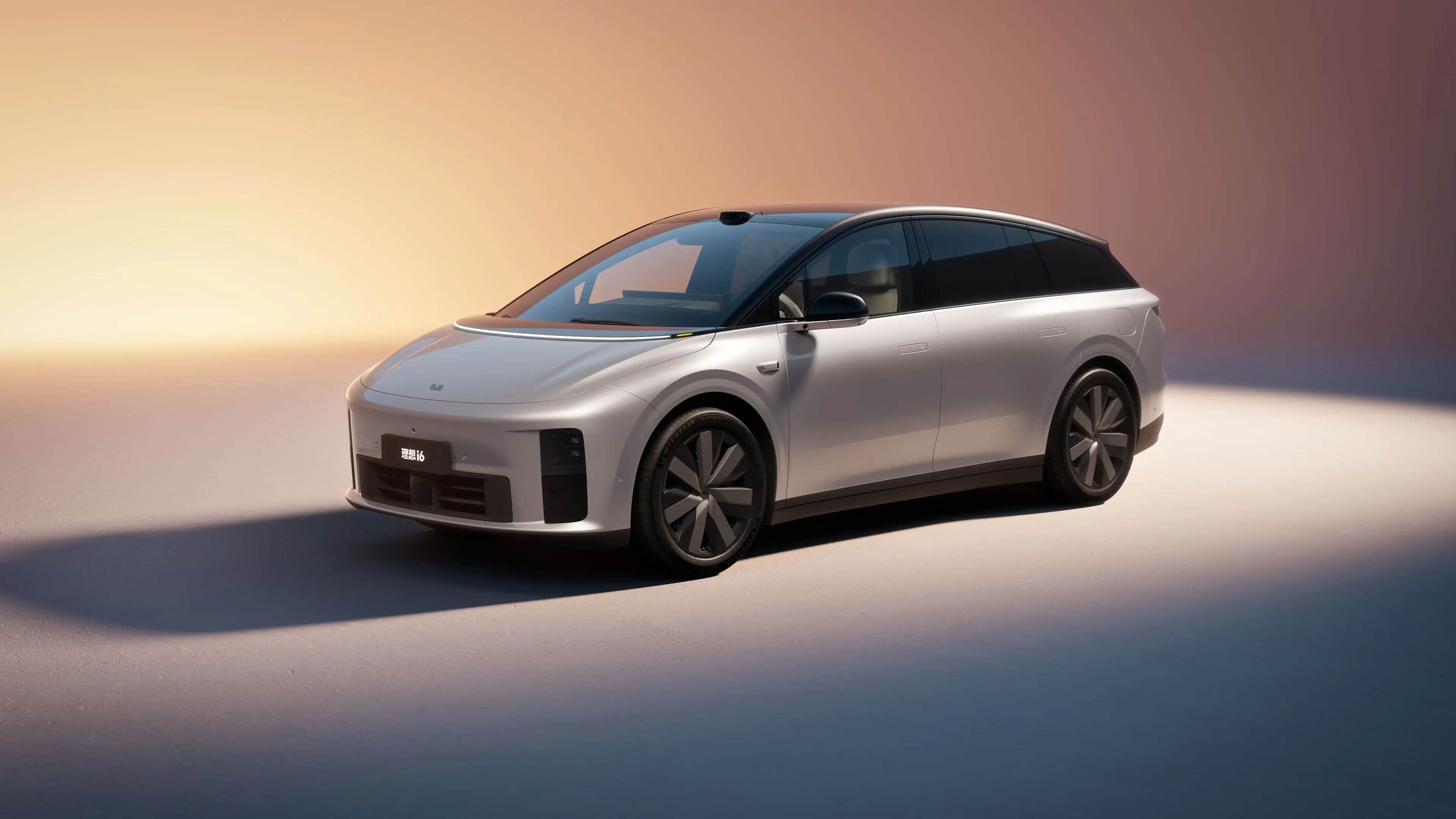
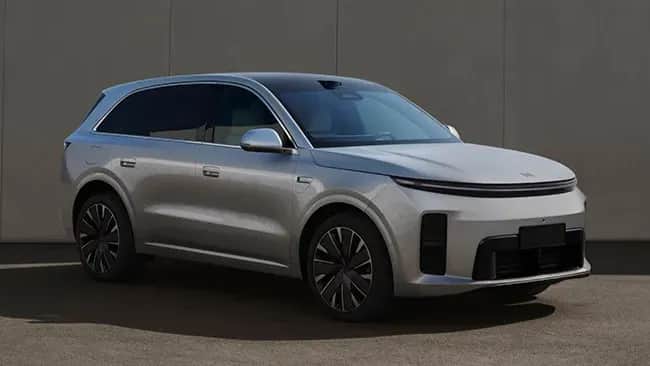
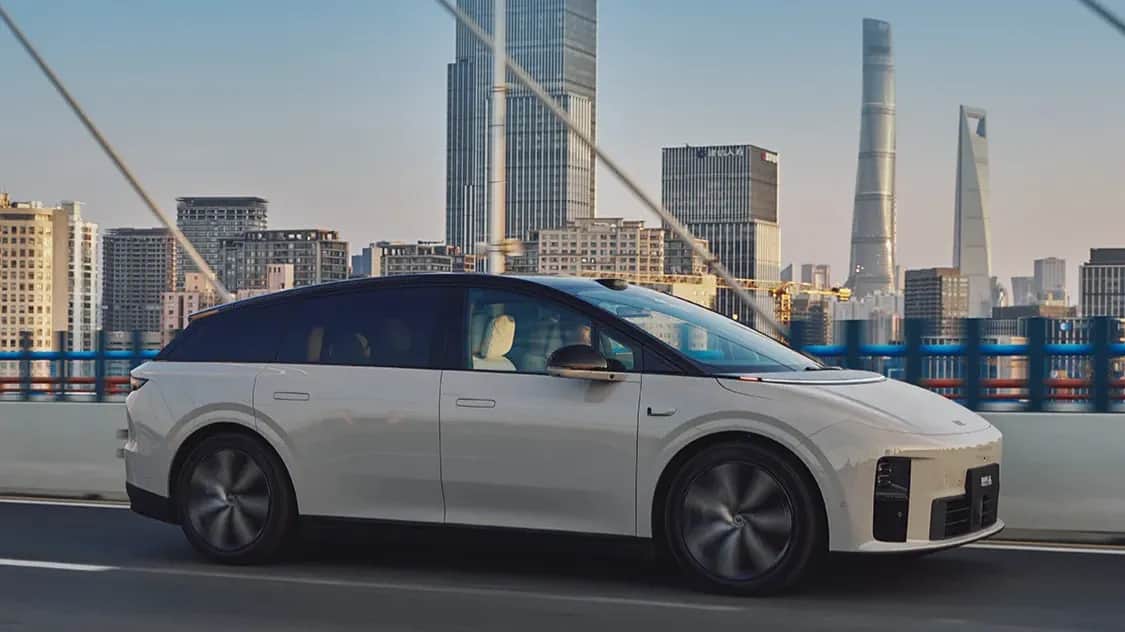
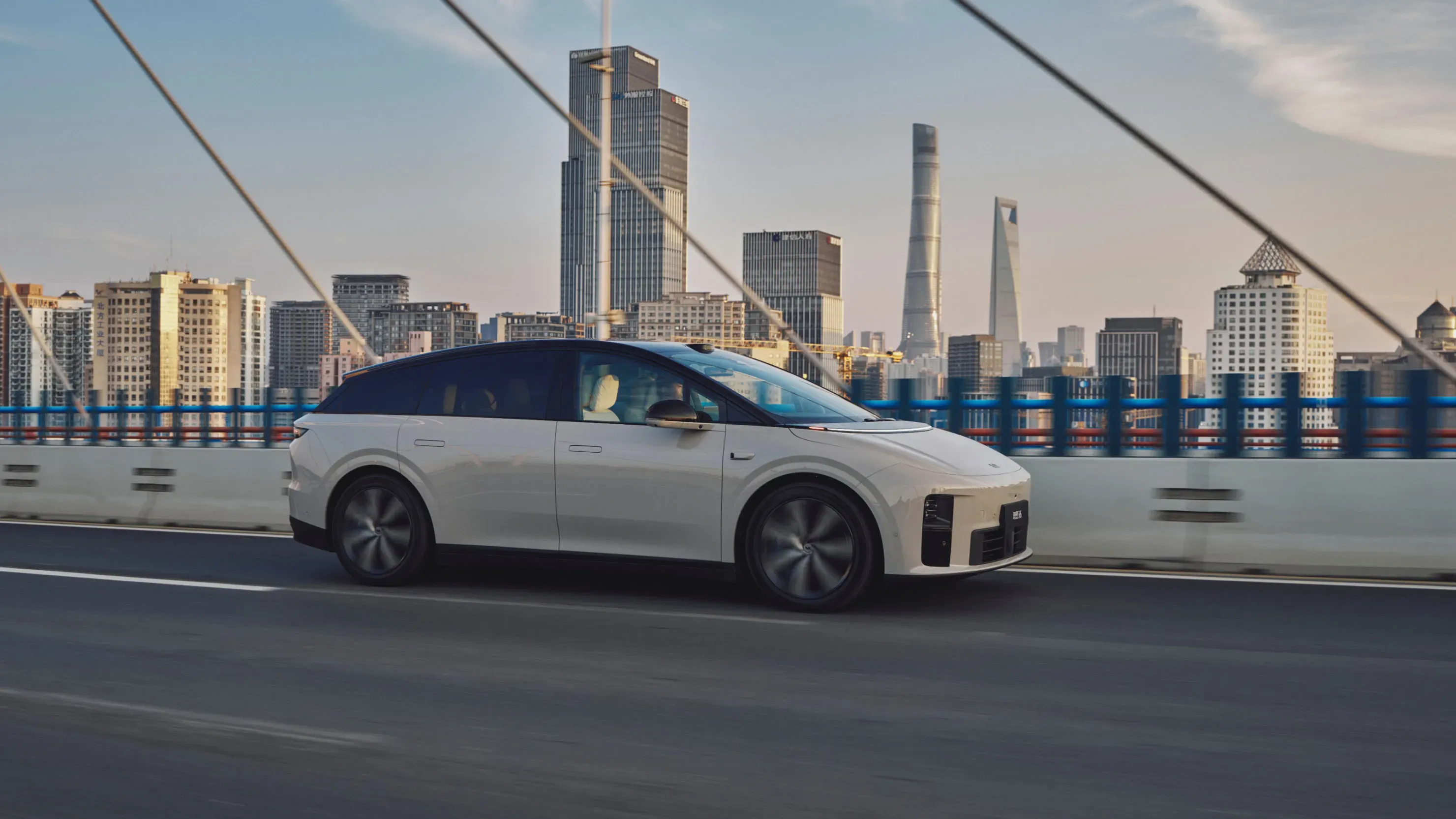
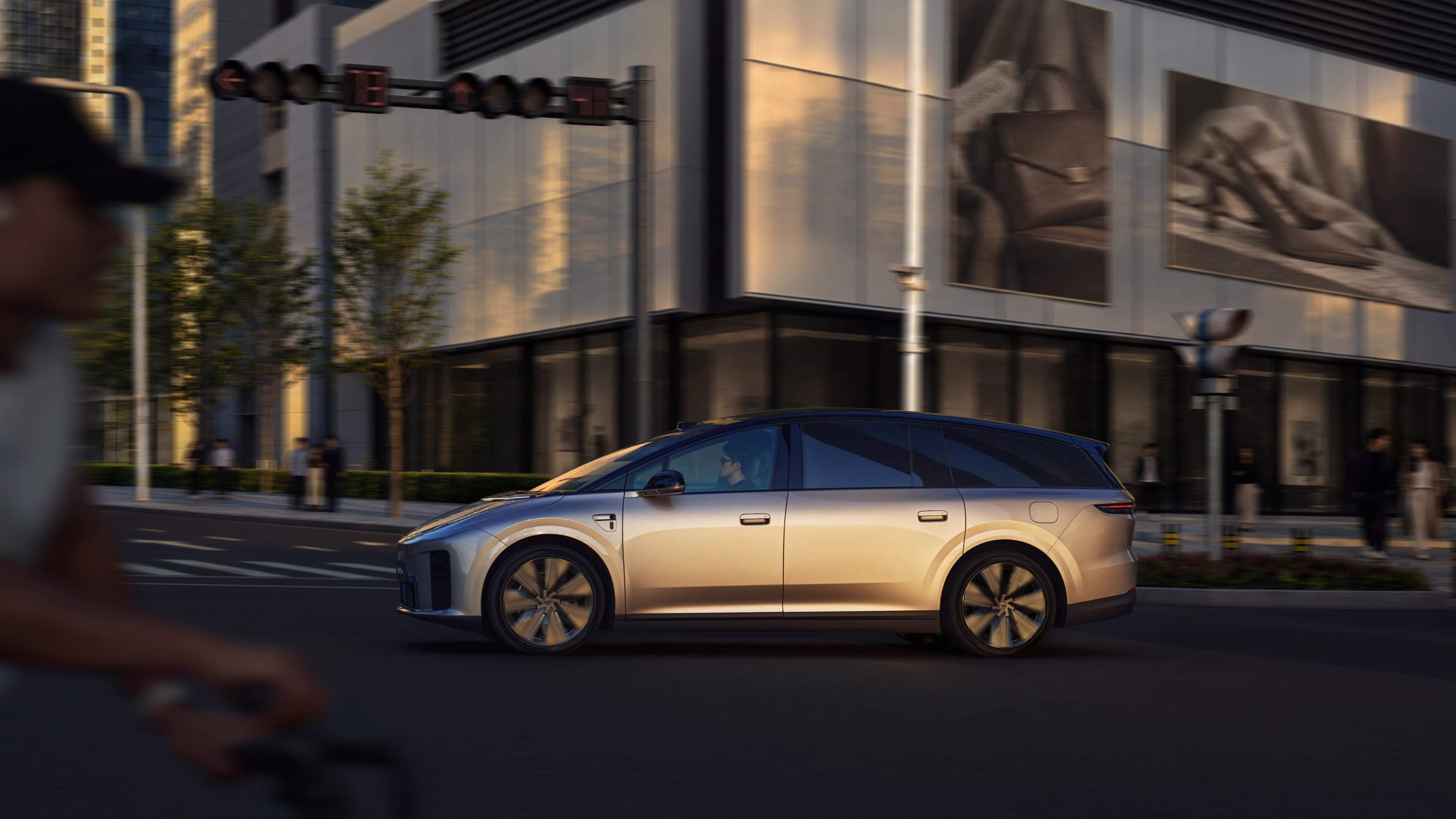
The mix shifted because of three launches in September and October. The new Li MEGA MPV is priced at 509,800 CNY (c. $75,990), the Li i9 family SUV at 369,800 CNY (c. $55,120), and the 2026 Li i6 five-seat SUV at 249,800 CNY (c. $37,230). The MEGA and i9 began deliveries in September and the i6 followed in October. All three use Li Auto's in-house MACH M100 chip and Lianshan Battery, which chairman and chief executive Li Xiang credited for the stronger delivery performance in the quarter.

The Li i9 began deliveries in September 2026 at 369,800 CNY (Li Auto)
Losses narrowed further down the income statement. The operating loss shrank to 699.6 million CNY (c. $104.3 million) from 2.3 billion CNY in the second quarter, taking operating margin to minus 2.4% from minus 9.0%. On a non-GAAP basis, which strips out share-based compensation, the net loss was 112.9 million CNY (c. $16.8 million), down 92.5% from the second quarter.
Spending did not fall to get there. Operating expenses rose 7.4% from the second quarter to 5.5 billion CNY, with research and development up 12.3% to 3.1 billion CNY. Selling, general and administrative costs were 2.4 billion CNY, 14.7% lower than a year earlier, which Li Auto put down mainly to lower employee pay and lower costs for its sales and service network.
GCEV Weekly · Every Tuesday
China's EV industry in five minutes.
Launches, sales, batteries and policy — the week's stories that matter, with the context the headlines leave out.
Sent by GigaCharts Inc. Questions? Write to globalchinaev@gmail.com. Unsubscribe anytime. See our privacy policy.
Cash flow turned the other way from a year ago. Operating activities brought in 3.2 billion CNY in the quarter, against an outflow of 7.4 billion CNY in the third quarter of 2025, mainly because Li Auto paid less for inventory. Free cash flow was 2.0 billion CNY (c. $292 million), compared with minus 8.9 billion CNY a year earlier and minus 1.3 billion CNY in the second quarter. Chief financial officer Tie Li said that "despite ongoing industry-wide cost headwinds, our gross margin continued to improve sequentially." The cash position stood at 88.2 billion CNY (c. $13.1 billion) at the end of September.
The fourth-quarter math is harder. Li Auto delivered 29,025 vehicles in October, 8.8% fewer by our calculation than the 31,817 it delivered in September. To land in its guidance range, it needs, by our calculation, 80,975 to 85,975 deliveries across November and December combined. That is an average of roughly 40,500 to 43,000 a month, or 39% to 48% above October's pace. Revenue guidance of 31.7 billion to 33.1 billion CNY (c. $4.73 billion to $4.93 billion) would mean growth of 10.1% to 15.1% from a year earlier.
The wider market is not offering much help. Preliminary China Passenger Car Association figures put national new-energy passenger car retail sales at 702,000 units from November 1 to 22, down 13% from the same stretch of November 2025, although up 7% from the same period in October. Year-to-date new-energy retail of 9.57 million units was also down 13%.
Li Auto's own footprint shrank slightly in October. It had 481 retail stores in 159 cities at the end of the month, down from 485 stores in 160 cities at the end of September, while its super charging network grew to 4,206 stations with 23,163 stalls. Under its $1.0 billion share repurchase program, the company has bought back about 102.3 million Class A shares for roughly $694.4 million so far. In October it also agreed to put 1.0 billion CNY into MHX Technology, its chip and domain controller unit, alongside 625 million CNY from outside investors.
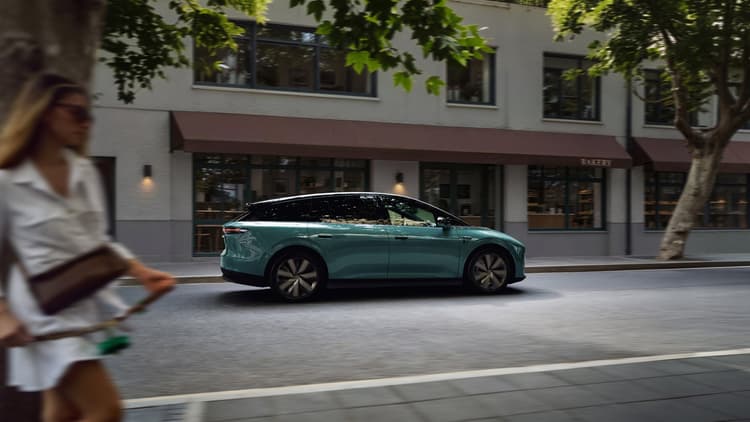
The Europe-spec version of the i6 will be sold as the Li 6, with deliveries due in Q1 2027 (Li Auto)
Outside China, the next steps are in Asia and northern Europe. Li Auto signed partner agreements covering Hong Kong, Thailand, Singapore, the Philippines and Vietnam in November 2026. It plans to show a right-hand-drive Li MEGA at the Thailand International Motor Expo and launch it in Hong Kong in December. Deliveries of the Li 6, the European version of the i6, are due to start in the Netherlands and Norway in the first quarter of 2027.
Li Auto also used its October Power Day to launch a warranty program for the Lianshan Battery, and its finance chief tied part of the margin recovery to efficiency gains from the company's own technology. Whether the i6 and i9 can lift November and December above 40,000 deliveries a month, in a market running well below last year, will show up in the December delivery figures at the start of January.
Conversion rate: 1 USD = 6.7088 CNY as of November 25, 2026.
GCEV Weekly · Every Tuesday
China's EV industry in five minutes.
Launches, sales, batteries and policy — the week's stories that matter, with the context the headlines leave out.
Sent by GigaCharts Inc. Questions? Write to globalchinaev@gmail.com. Unsubscribe anytime. See our privacy policy.