
Draft EU hybrid quotas reach beyond China's 350,000 to Japan, Turkey and the UK


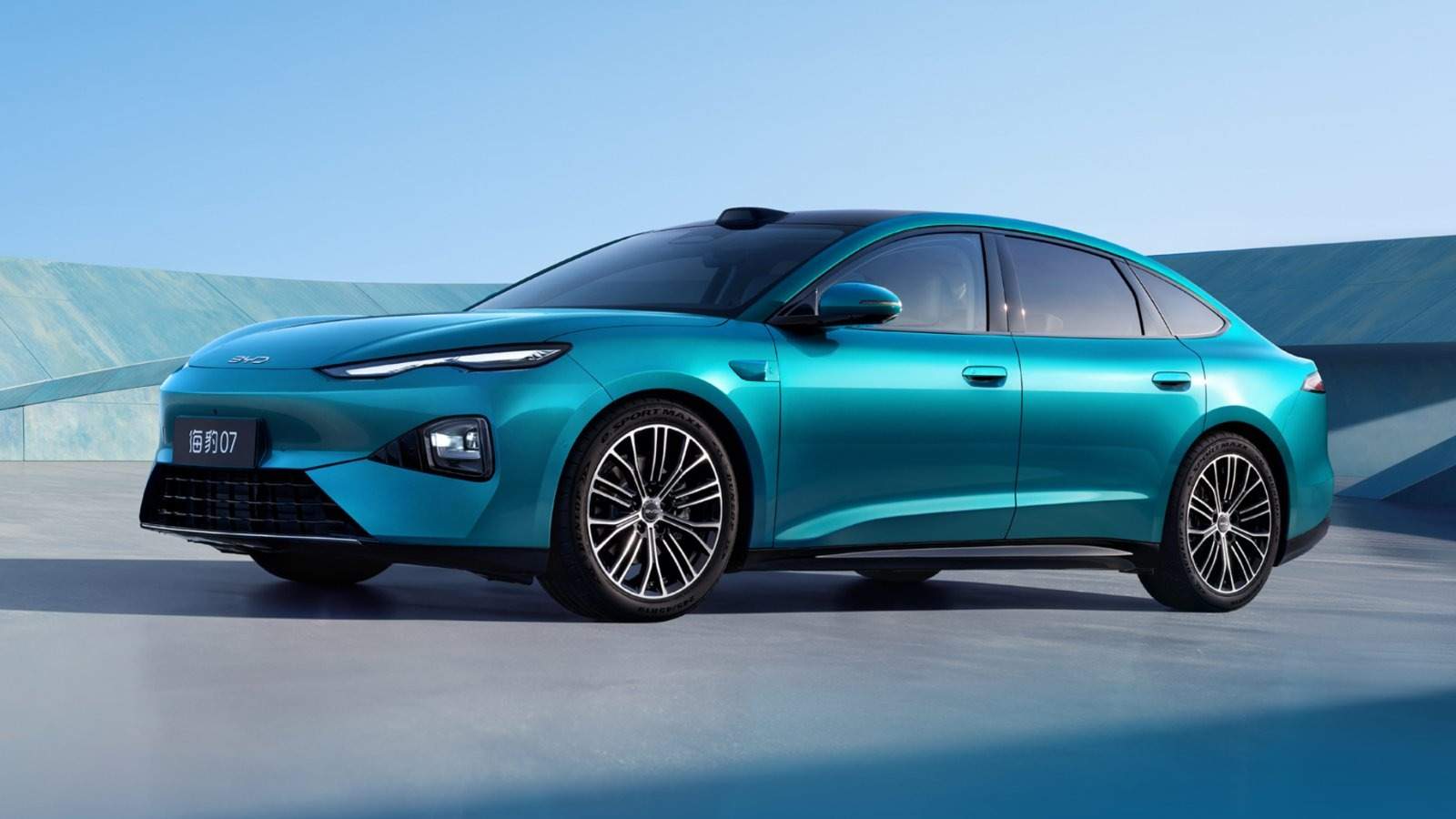
The European Union's planned cap on hybrid car imports would reach well beyond China. According to a leaked draft of the safeguard measure seen by one trade publication, it would set first-year quotas of 350,000 vehicles for China, 310,000 for Japan, 230,000 for Turkey, 190,000 for the United Kingdom and 105,000 for South Korea. The European Commission has not published the text, and the figures could still change before it does.
The quotas would cover conventional hybrids and plug-in hybrids cleared through EU customs from December 1, with each cap calculated from 2025 import volumes. Cars imported before that date could still be sold normally. Each country's quota would rise 6% a year after the first year over a four-year term, taking China's to about 417,000 vehicles in 2030.
For China, the headline number is not new. Trade Commissioner Maroš Šefčovič and Commerce Minister Wang Wentao reached an understanding on hybrid vehicle trade in Beijing on October 9. Šefčovič said at the time that it "opens the prospect of cutting China's exports by more than a half." A Commission representative has since confirmed the 350,000 first-year limit for Chinese hybrids.
That would be a sharp turn for one of China's fastest-growing export lines. EU imports of Chinese hybrids rose from about 46,000 in 2023 to 107,000 in 2024 and roughly 302,000 in 2025. At the growth rate seen this year, a Commission official estimated 2026 imports at around 800,000, according to one report, more than twice the planned cap.
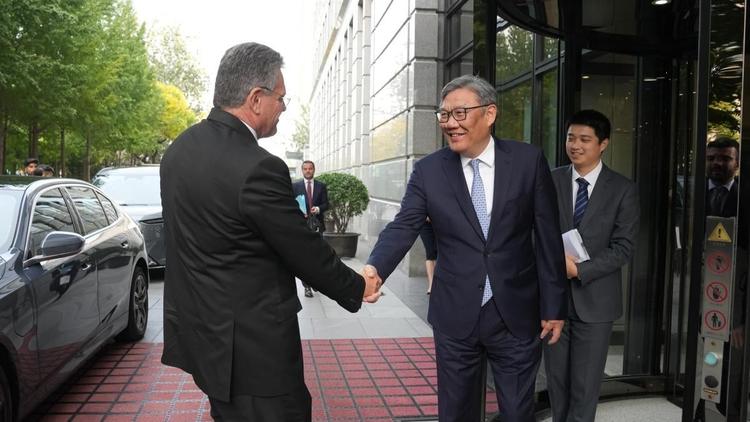
Šefčovič and Wang Wentao meet in Beijing on October 8, 2026, the first day of the talks that produced the hybrid understanding (European Commission)
What is new is everyone else. World Trade Organization rules require a safeguard to apply on a non-discriminatory basis, so the Commission opened its investigation on October 30 into hybrid imports from all third countries, not only China. The EU notified the WTO the same day. The initiation notice said hybrid imports rose from 957,965 units in 2023 to 1,423,691 in the 12 months to June 30, 2026, a 49% increase.
GCEV Weekly · Every Tuesday
China's EV industry in five minutes.
Launches, sales, batteries and policy — the week's stories that matter, with the context the headlines leave out.
Sent by GigaCharts Inc. Questions? Write to globalchinaev@gmail.com. Unsubscribe anytime. See our privacy policy.
The leaked list also reportedly includes Morocco and Serbia. Quotas would follow where a car is built, not the badge on it. A Chinese-brand car built in Turkey would count against Turkey's allocation, a European-brand car built in China would use up China's, and cars built inside the EU would not count at all.
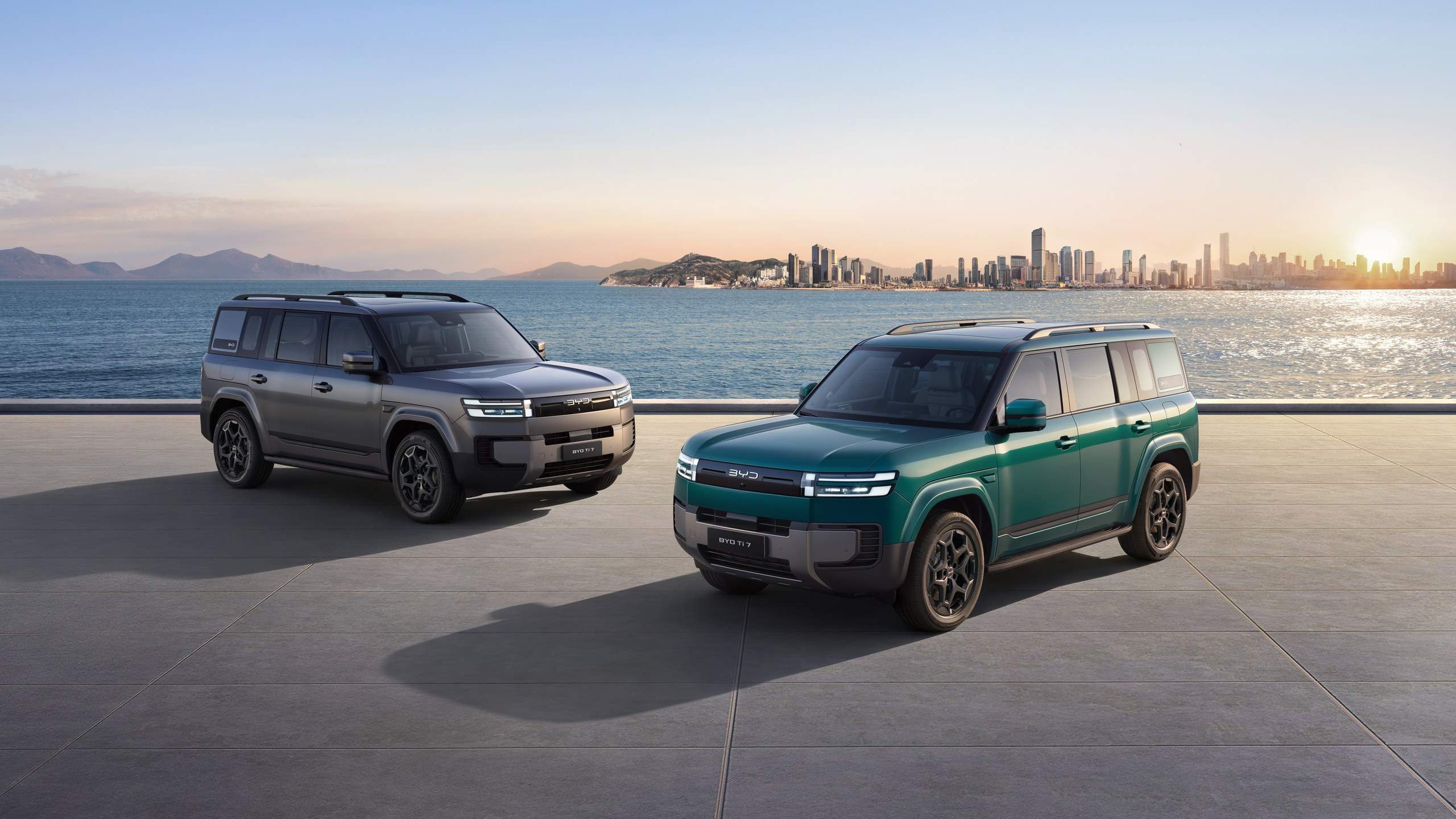
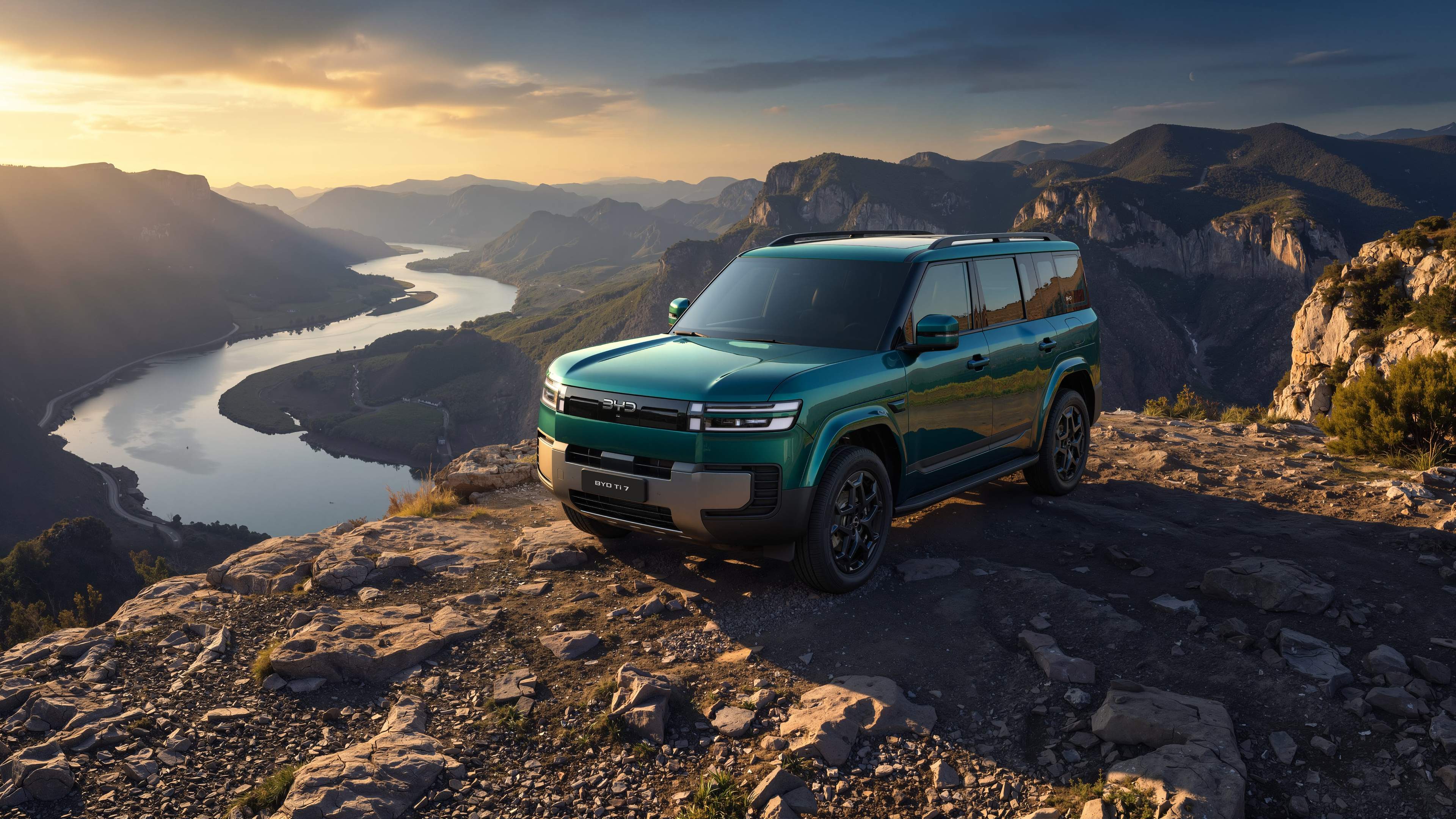
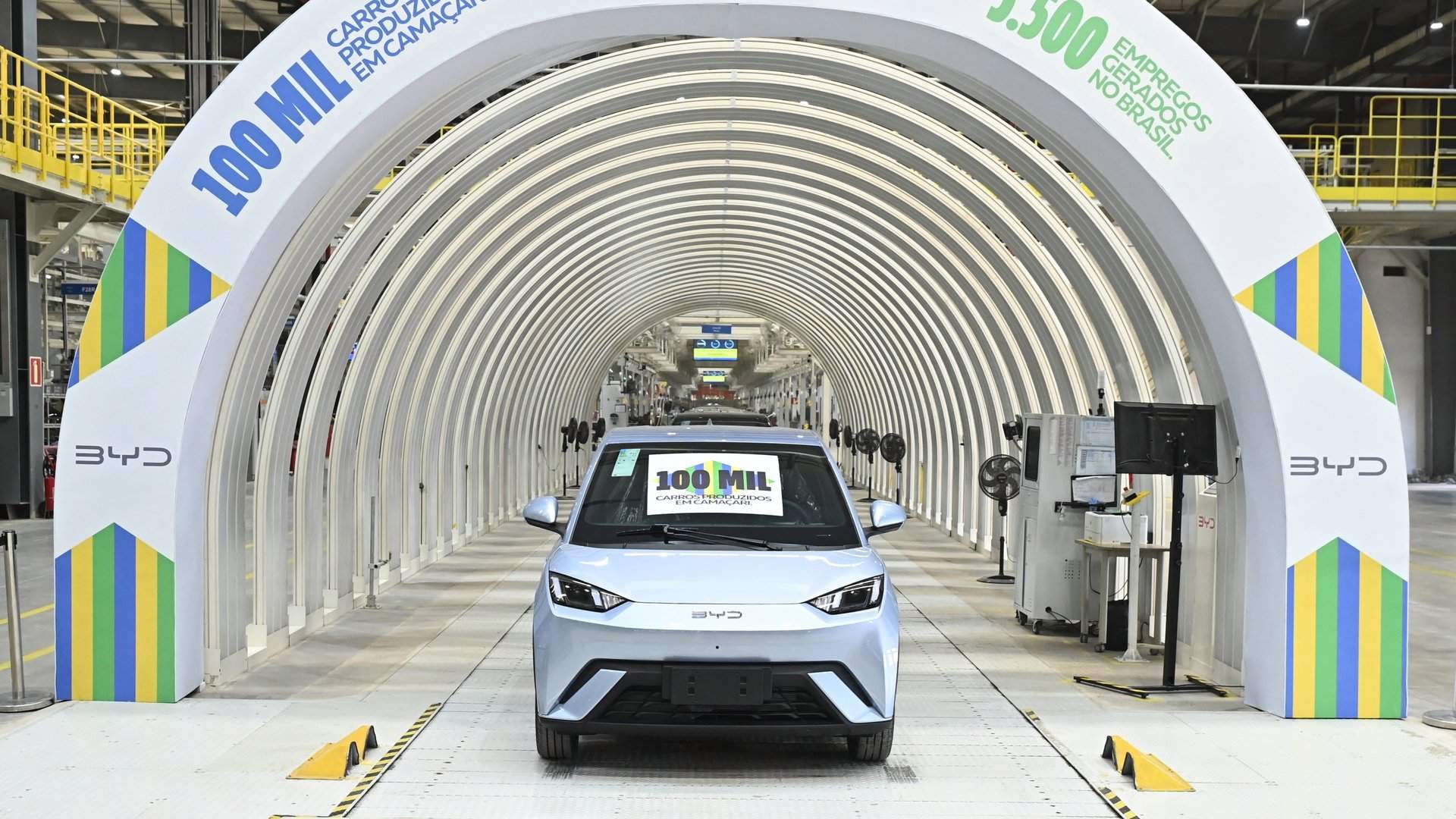
That rule favours automakers that already build in Europe. Hyundai and Kia build some hybrid models, including the Tucson and Sportage, in Czechia and Slovakia, and only cars shipped from plants in South Korea would draw on its 105,000. BYD (HKG: 1211) has said its plant in Hungary will soon enter mass production, though, according to Hungarian press reports, the full ramp-up may run into 2028.
The countries newly in the frame have pushed back. At a WTO goods council meeting on November 16 and 17, South Korea questioned whether the investigation was fair and transparent, raising concerns about a predetermined outcome, how quotas would be allocated and how different kinds of hybrids would be treated. Japan, the UK, Switzerland and Turkey stressed transparency and due process.
Where EU governments stand is reported inconsistently. One report on November 18 said member states were due to vote that Friday on provisional restrictions. Another on November 20 said governments had backed provisional measures that day, with publication possible as early as November 24 and a December 1 start targeted. Coverage of the leaked draft on November 23 still described the proposal as pending, and the legal act had not been published. Under the safeguard procedure, a qualified-majority vote on definitive measures would come later.
Key mechanics are also unpublished. It is not clear whether imports above a quota would be blocked outright or face an extra duty, though the November 18 report, citing people familiar with the matter, said Brussels was keeping a hard quota. How China's 350,000 would be split among automakers is open too, and, according to one report, several Chinese automakers met officials in Beijing from November 2 to argue for their share.
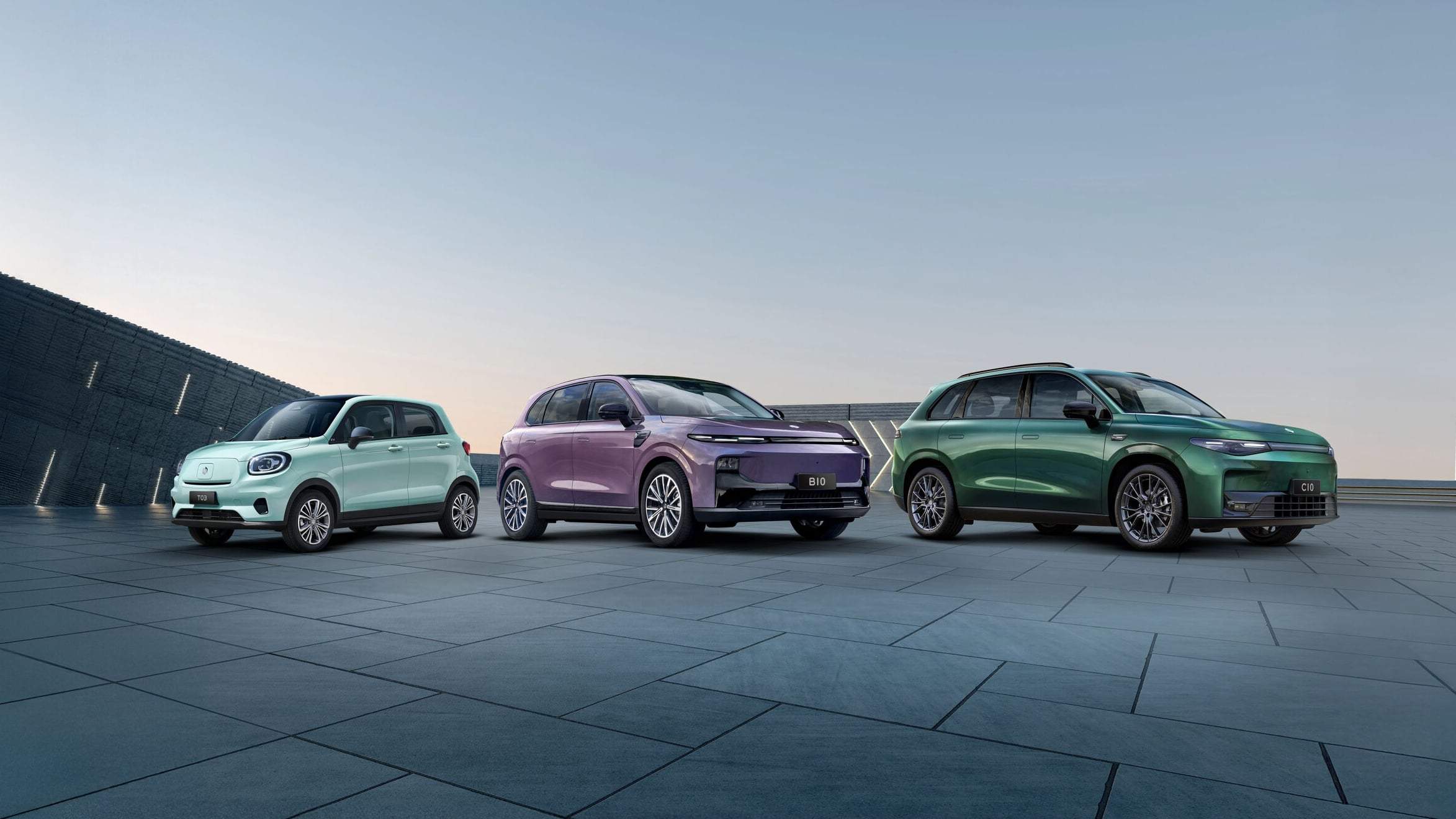
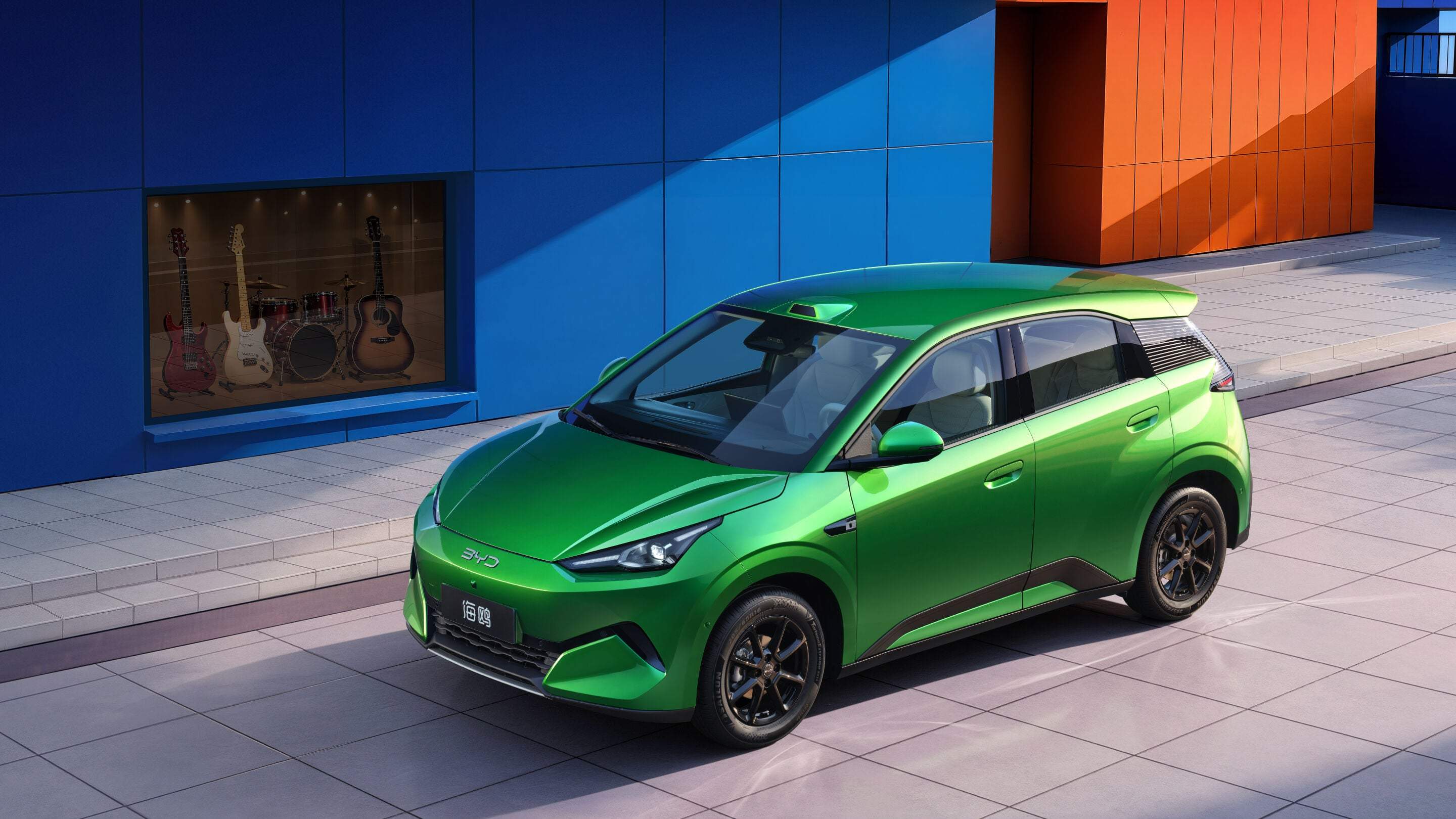
Range-extender EVs may sit outside the scheme. Because customs rules class them as battery-electric vehicles, they are unlikely to count against the hybrid quota, but they remain exposed to the EU's anti-subsidy duties on Chinese EVs. Those reach up to 35.3% on top of the standard 10% import duty. Leapmotor (HKG: 9863) and XPeng (NYSE: XPEV) already sell range-extender models in Germany.
China got something back for the hybrid understanding. Beijing agreed to cut most-favoured-nation tariffs on EU goods from car parts to olive oil and footwear, worth almost 4 billion euros in current exports, for at least 225 million euros in duty savings.
With Japan, Turkey and the UK now facing caps of their own, will Brussels change the numbers before the planned December 1 start?
GCEV Weekly · Every Tuesday
China's EV industry in five minutes.
Launches, sales, batteries and policy — the week's stories that matter, with the context the headlines leave out.
Sent by GigaCharts Inc. Questions? Write to globalchinaev@gmail.com. Unsubscribe anytime. See our privacy policy.