
BMW i3 launches in China at 249,900 CNY, undercutting its iX3 sibling by 20,000

BMW (ETR: BMW) put its China-built, long-wheelbase i3 on sale at the Guangzhou auto show on November 27, 2026, at 249,900 to 319,900 CNY (c. $37,260 to $47,690). Orders opened the same day and customer deliveries are due to start in January 2027. The entry price sits, by our calculation, 20,000 CNY below the 269,900 CNY start of the iX3 SUV that went on sale two days earlier.
BMW describes the i3 as the first Neue Klasse sedan developed specifically for China and its first locally produced Neue Klasse sedan. The company presents it as the 3 Series family's next chapter for the electric era, and it arrives ahead of the Neue Klasse 3 Series itself, which BMW plans to unveil in the first half of 2027.
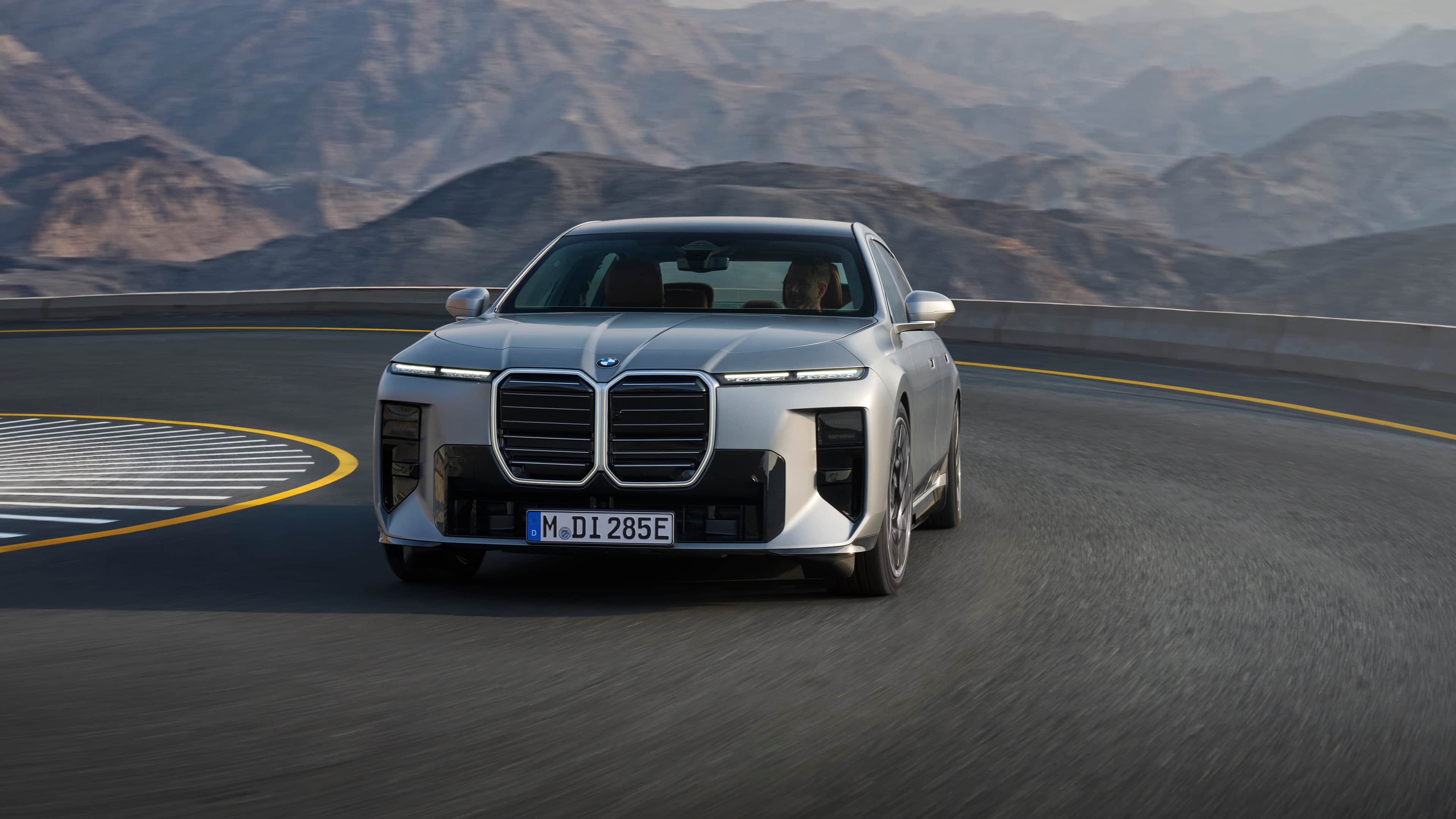
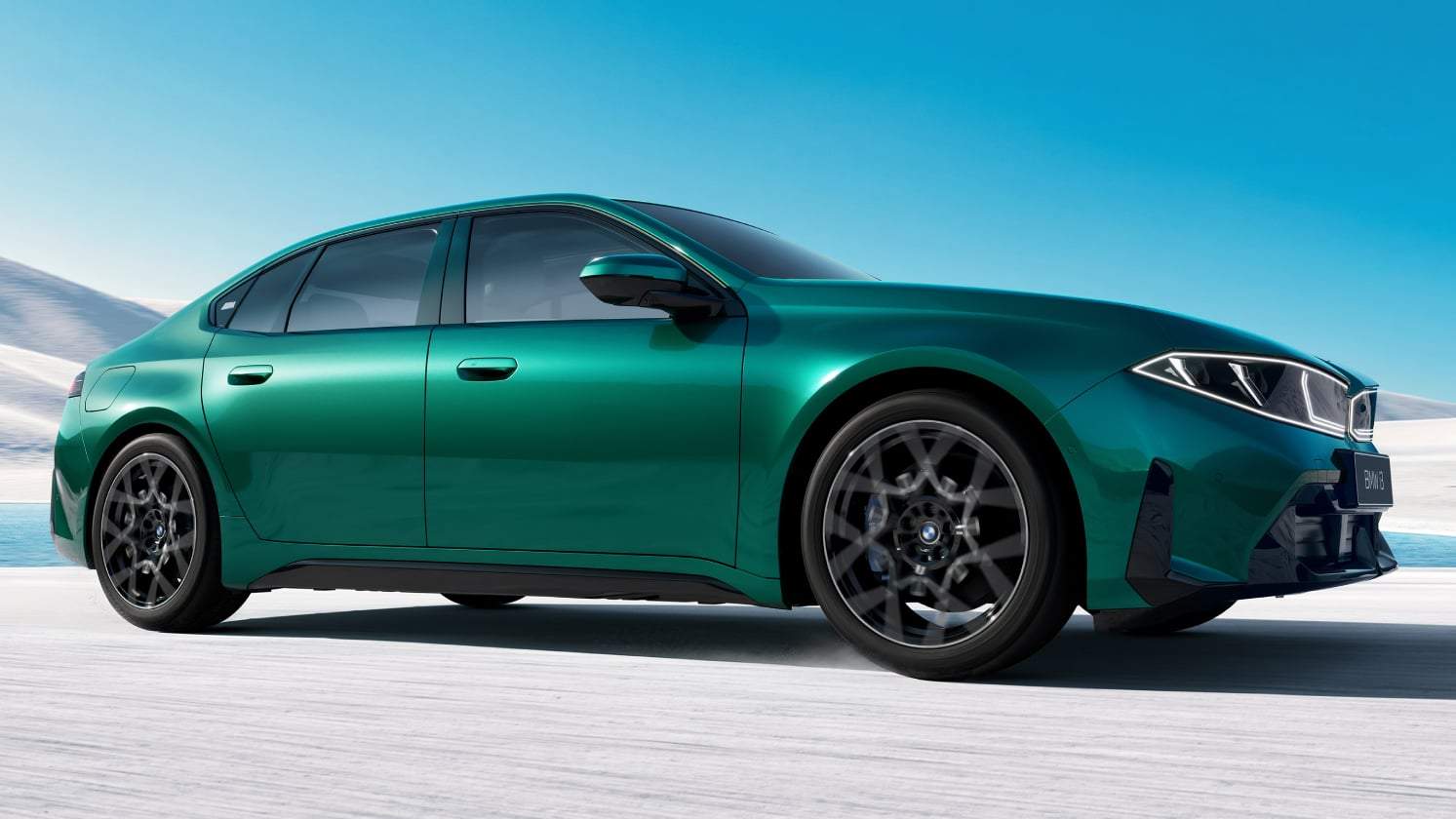
The design shares the Neue Klasse look of the iX3. The twin-kidney grille and four-eye headlights merge into one lighting unit that BMW calls Digital Angel Light Wings, with the radar and cameras for driver assistance mounted behind it. The car has semi-concealed door handles, an illuminated M badge on the rear pillar and a choice of nine paint colors.
Three versions are offered, each at one national price that every dealer must charge: the 30L at 249,900 CNY, the 40L at 279,900 CNY (c. $41,730) and the 50L at 319,900 CNY (c. $47,690). BMW also dropped the small refundable deposit stage that usually precedes a China launch, so buyers place a firm order straight away, with a cooling-off period attached.
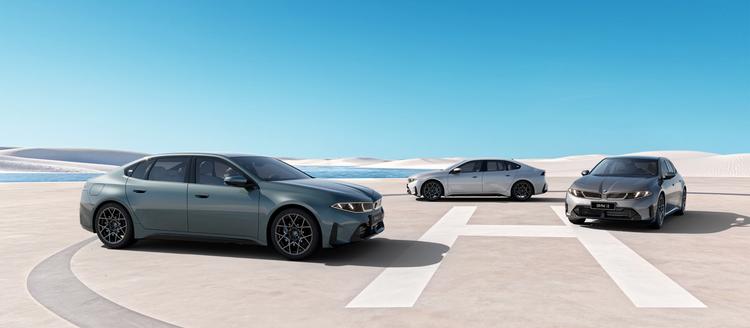
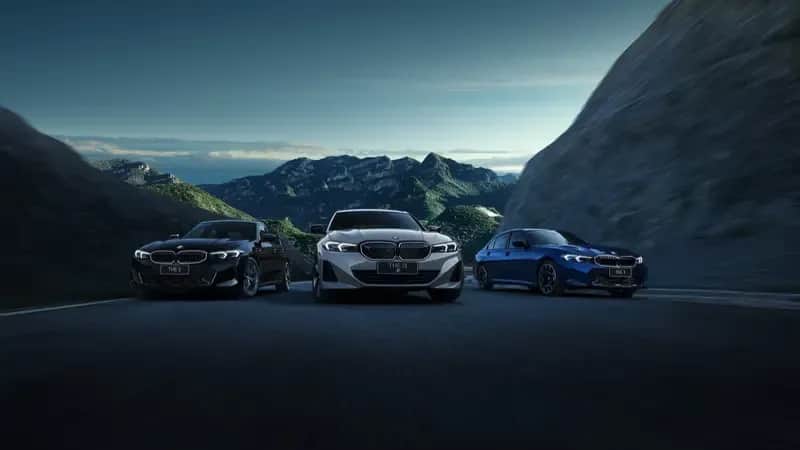
Three i3 sedans in BMW's launch rendering; the car is offered in nine paint colors (BMW)
Range is where the trims split. The 30L uses a lithium iron phosphate pack supplied by CATL and is rated at 708 km (440 miles) on the CLTC cycle, with 195 kW of output. The 40L moves to an 86.9 kWh BMW cylindrical-cell battery for 802 km (498 miles) and 235 kW, while the 50L carries a 113.4 kWh pack for 1,028 km (639 miles) and 240 kW.
GCEV Weekly · Every Tuesday
China's EV industry in five minutes.
Launches, sales, batteries and policy — the week's stories that matter, with the context the headlines leave out.
Sent by GigaCharts Inc. Questions? Write to globalchinaev@gmail.com. Unsubscribe anytime. See our privacy policy.
BMW quotes 0 to 100 km/h in 6.6 seconds for the 30L, 5.9 seconds for the 40L and 6.0 seconds for the 50L, with CLTC energy use of 11.5 to 12.2 kWh per 100 km. Every version runs on an 800-volt system. On the 50L, peak charging power reaches 400 kW and ten minutes on a fast charger adds up to 469 km (291 miles) of range, with a 10 to 80% charge taking about 21 minutes.
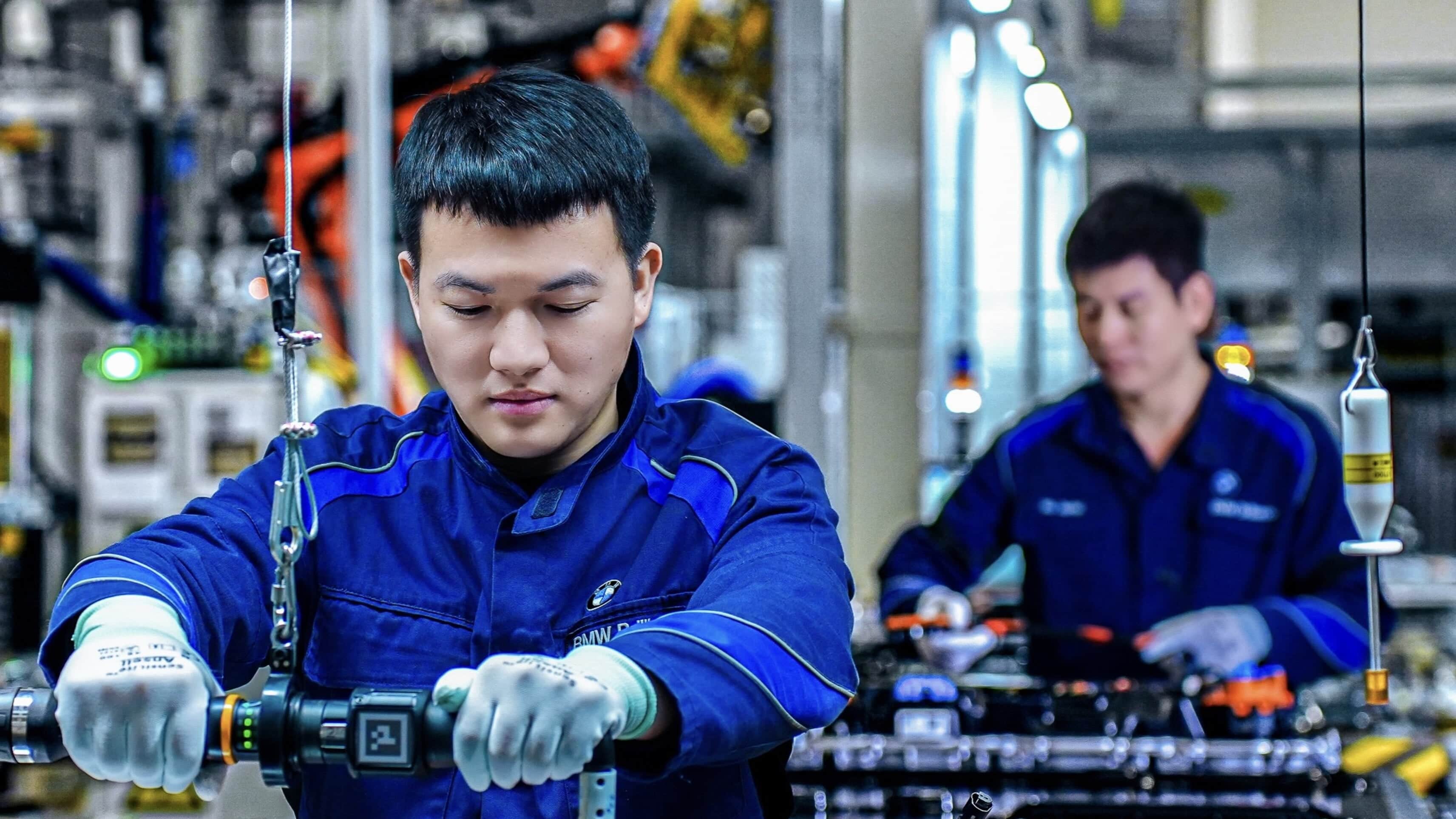
BMW builds the cells straight into the pack without modules and makes the pack part of the body structure, and it uses an electrically excited synchronous motor rather than a permanent-magnet unit. It says development included more than 300,000 simulated crashes, about 210 full-vehicle tests, 2 million km (1.24 million miles) of road testing in China and hot and cold weather trials from minus 46 to 56 degrees Celsius.
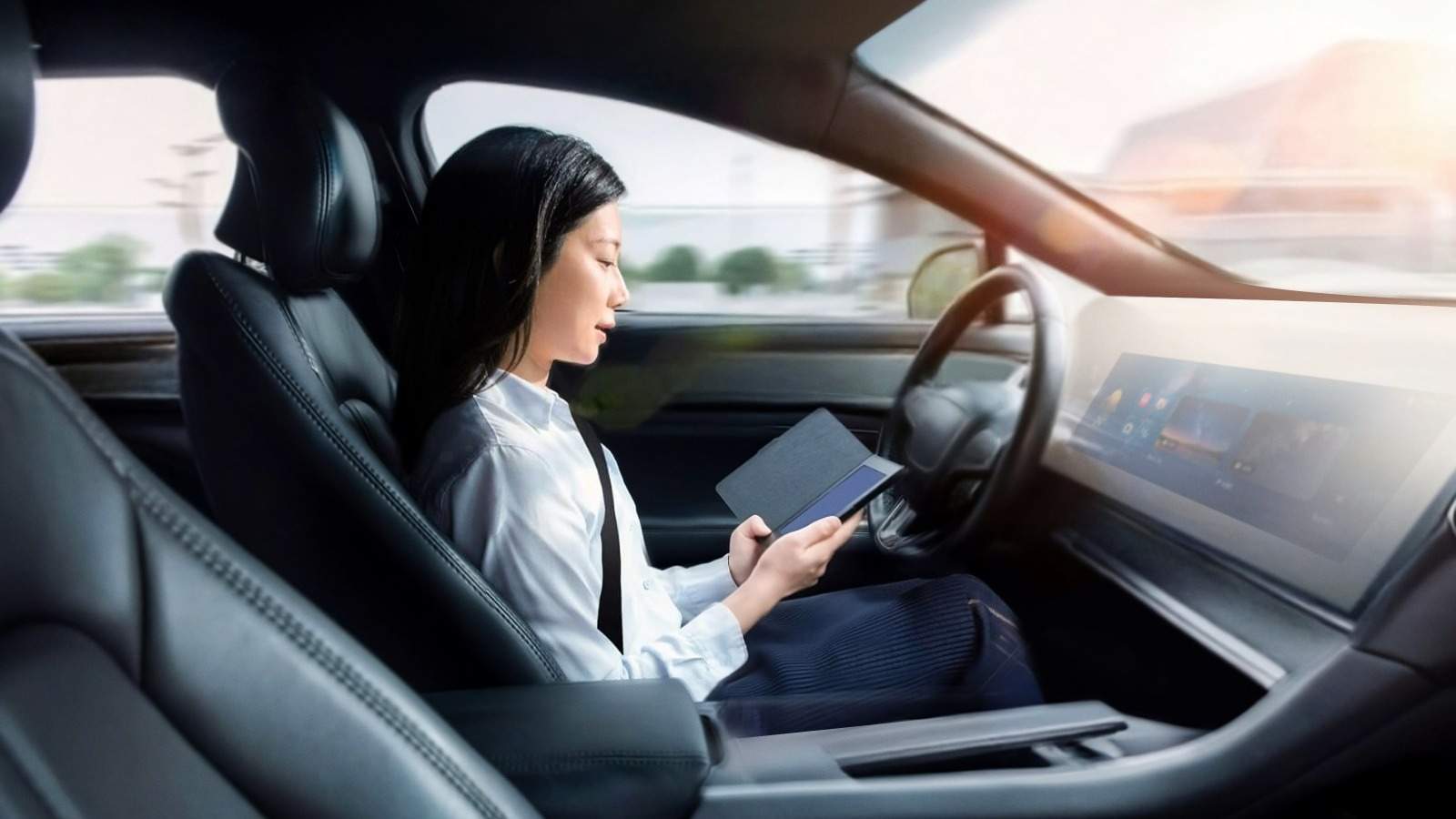
The i3 measures 4,864 mm long, 1,865 mm wide and 1,490 mm tall on a 3,005 mm wheelbase, and BMW says the extra length goes to the rear seat. Luggage space is a 31-liter front trunk and a 420-liter rear trunk. Inside, BMW's Panoramic iDrive projects information across the base of the windshield above a 17.9-inch center screen, and the system supports both Apple CarPlay and Huawei HiCar.
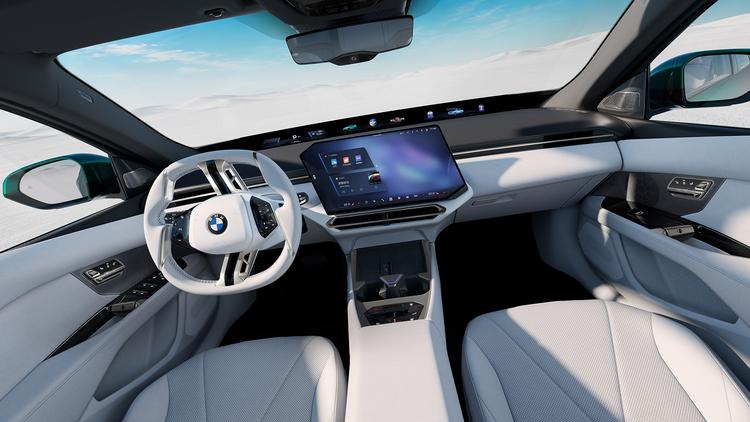
The cabin pairs the windshield-wide Panoramic iDrive strip with a 17.9-inch center screen (BMW rendering)
Chassis control runs through BMW's Heart of Joy computer, which manages drive, braking and energy recovery from one unit. BMW says the friction brakes are not needed in 98% of driving situations, and that brake pads can last up to 100,000 km (62,137 miles). Driver assistance was developed with Momenta on its R7 world model, trained on more than 20 billion km of Chinese road data, and it is standard on all three versions. BMW says the driver can still steer or accelerate while it is active without the system switching off.
BMW says the car comes with nearly 40 standard features, and the base car keeps most of them. Ventilated front seats, heated front and rear seats, a heated steering wheel, a Harman Kardon sound system and a fixed panoramic sunshade roof are standard on every trim, while the 40L adds a 3D head-up display and 20-inch M aerodynamic wheels.
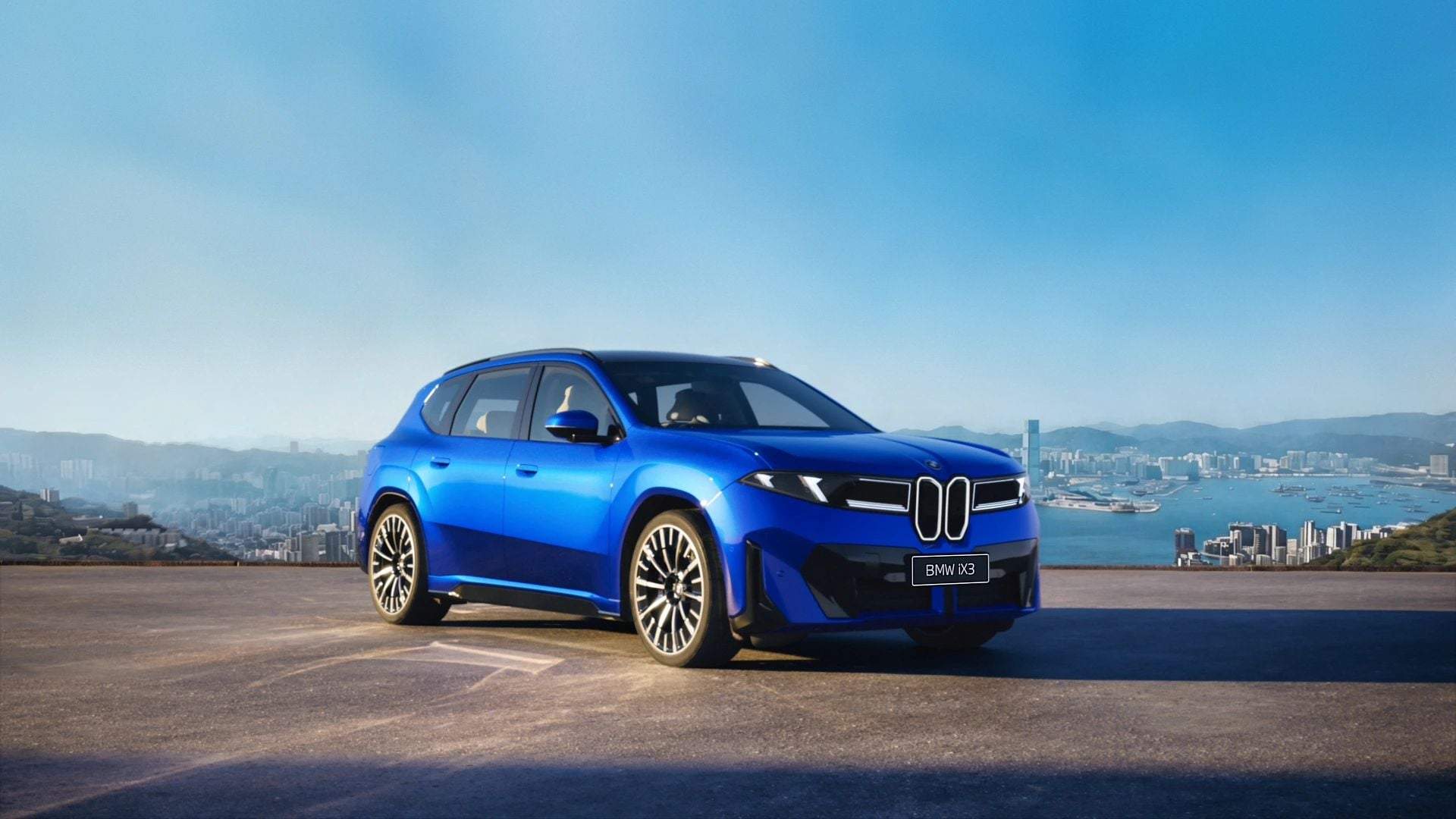
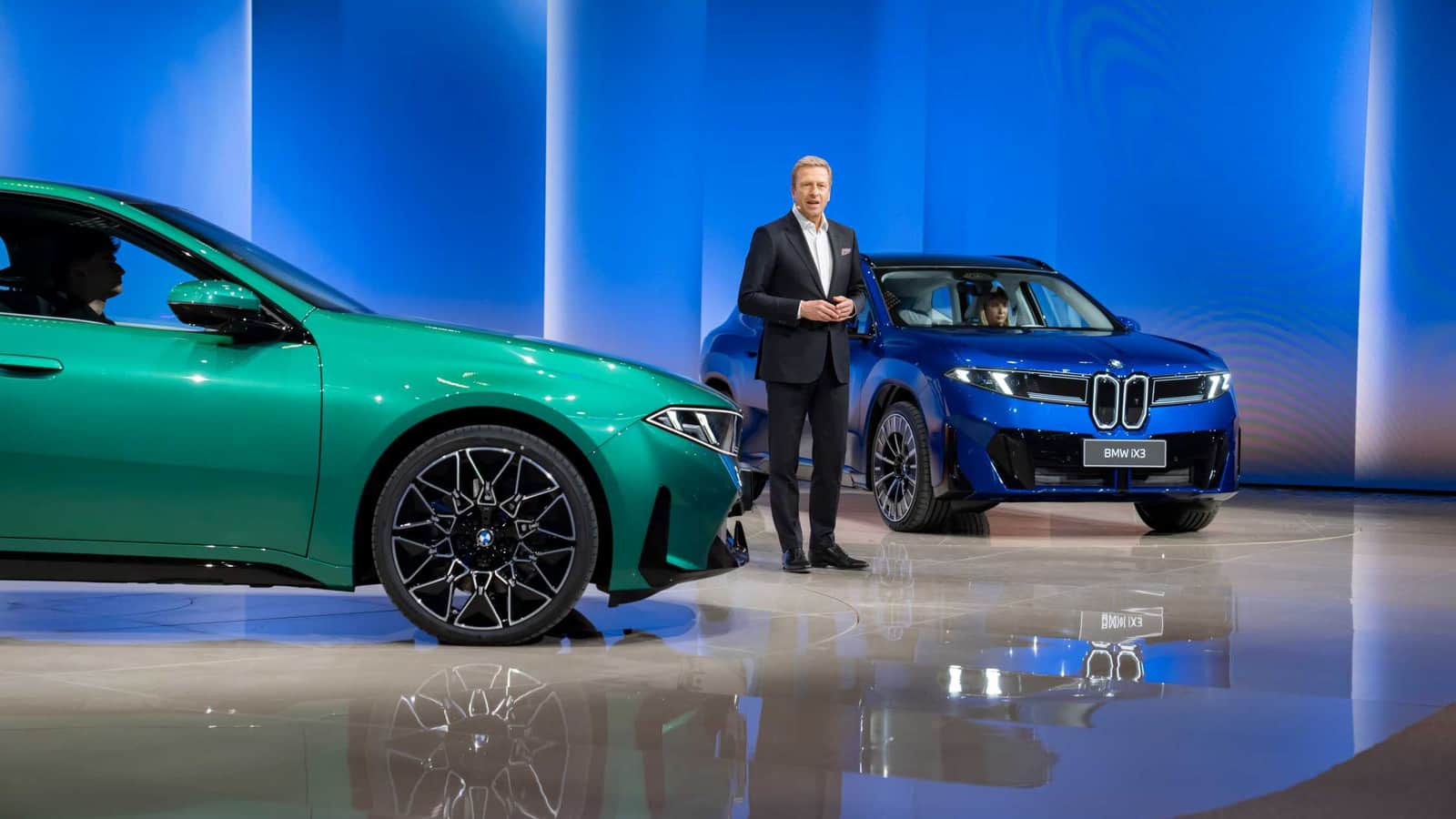
The i3 shares its battery line-up with the iX3, which launched on November 25 at 269,900 to 339,900 CNY with the same 86.9 and 113.4 kWh packs in its upper trims, while each car's base version uses a lithium iron phosphate pack. The lower, sleeker sedan goes further on each one, at 708 to 1,028 km against the SUV's 630 to 919 km. The iX3's two upper trims are dual-motor xDrive versions, while BMW lists a single output figure for each i3, from 195 kW to 240 kW.
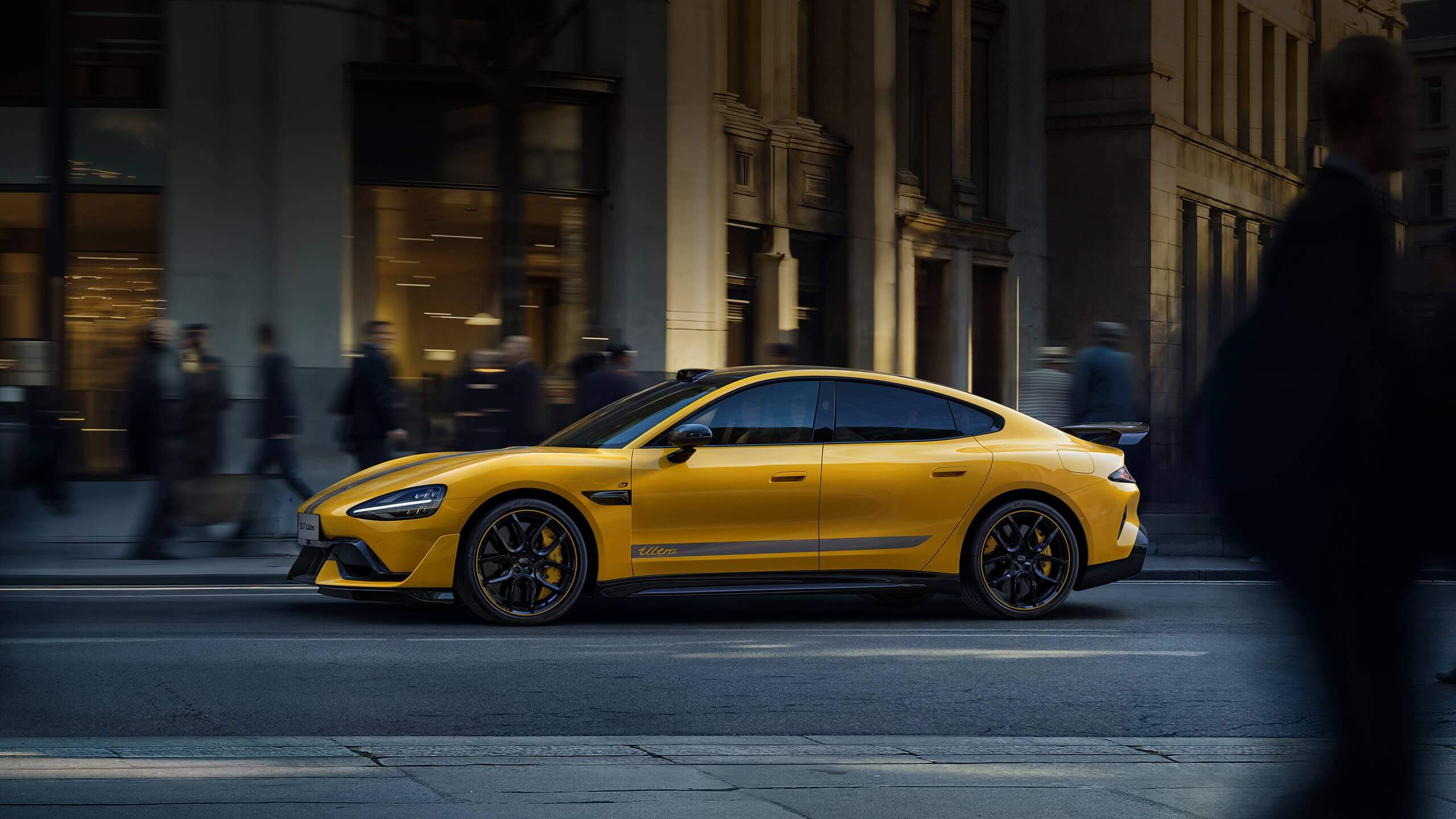
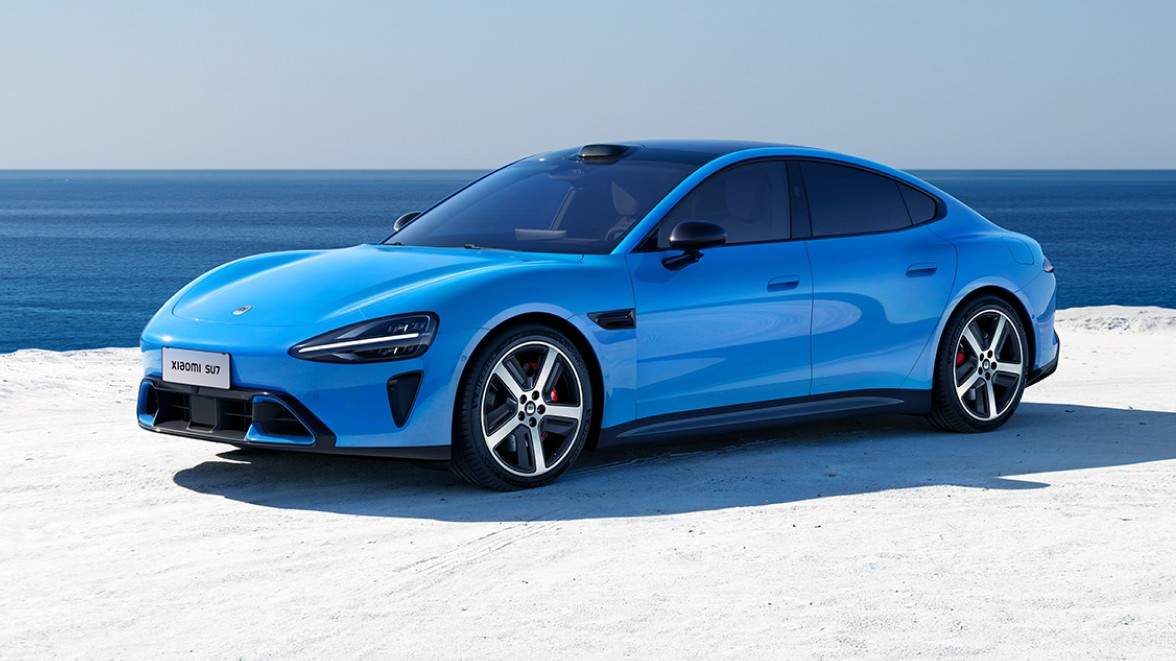
The car it replaces has faded. The outgoing i3 posted 394 domestic sales in October, according to data provider Yiche, down from 604 in September, a 34.8% drop by our calculation. The Xiaomi (HKG: 1810) SU7, which starts at 219,900 CNY (c. $32,780), sold 12,954 domestically in October, down from 15,751 in September, and by our calculation it still outsold the old BMW more than thirtyfold.
BMW needs the new cars to turn things around in China. Deliveries in its China sales region fell 24.8% to 114,355 vehicles in the third quarter of 2026. The company plans nearly 20 new and updated models using Neue Klasse technology in China by 2027, covering battery-electric and combustion cars, with the Neue Klasse X5 due for its global debut in 2027.
Deliveries will be staggered, with the three versions arriving between January and April 2027, according to one report. Display cars will reach dealers in stages after the launch for test drives. Whether a single national price, with no dealer discounts to fall back on, can carry a sedan priced, by our calculation, 30,000 CNY above the SU7's starting price through to April is the test BMW has set itself.
Conversion rate: 1 USD = 6.7075 CNY as of November 27, 2026.
GCEV Weekly · Every Tuesday
China's EV industry in five minutes.
Launches, sales, batteries and policy — the week's stories that matter, with the context the headlines leave out.
Sent by GigaCharts Inc. Questions? Write to globalchinaev@gmail.com. Unsubscribe anytime. See our privacy policy.