
Lexus ES goes electric in China from 339,900 CNY, 40,000 above the hybrid
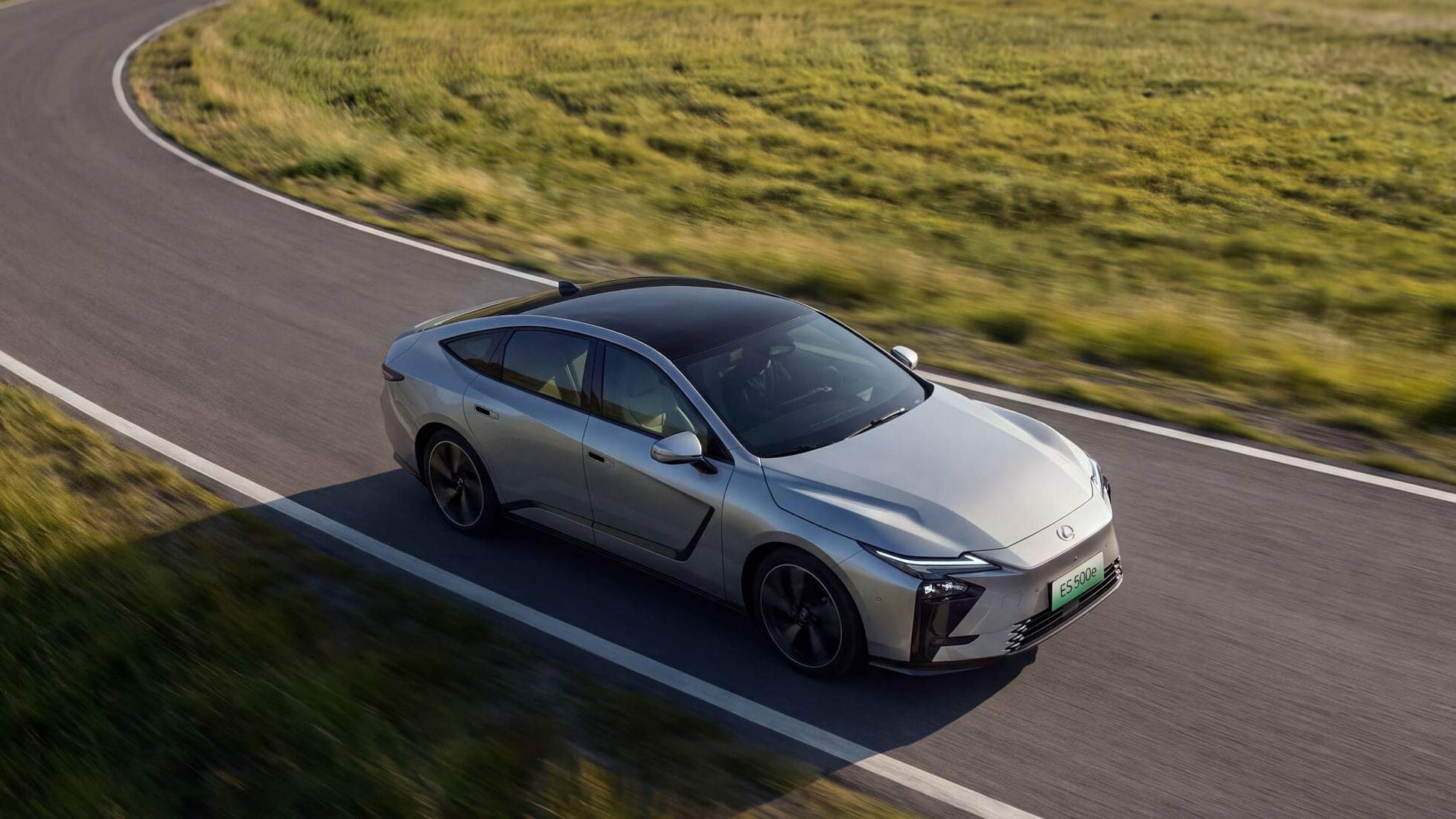

Lexus, Toyota's (NYSE: TM) luxury brand, put the electric version of its new-generation ES sedan on sale in China on November 22, 2026. The ES 350e Long Range starts at 339,900 CNY (c. $50,630) and the ES 500e Performance at 359,900 CNY (c. $53,610).
That puts the cheapest electric ES, by our calculation, 40,000 CNY (c. $5,960) above the ES 300h hybrid, which carries a suggested retail price of 299,900 CNY (c. $44,670). Both electric versions are on order now through Lexus's eLexusClub app and mini program, or at authorized dealers.
The hybrid came first. Lexus launched the new-generation ES 300h at the Beijing auto show on April 24, 2026, alongside two optional packages priced at 12,000 CNY (c. $1,790) and 30,000 CNY (c. $4,470), and said then that the electric version would follow in the second half of 2026. Lexus says the ES has been chosen by more than one million Chinese households since it arrived in the country, and the electric version adds a battery-only option to the line.
Both versions use CATL ternary lithium-ion cells. The ES 350e Long Range is rated at up to 707 km (439 miles) on the CLTC cycle, with average consumption as low as 12.2 kWh per 100 km (62 miles). A new low-loss silicon carbide inverter feeds a system output of up to 252 kW (338 hp).
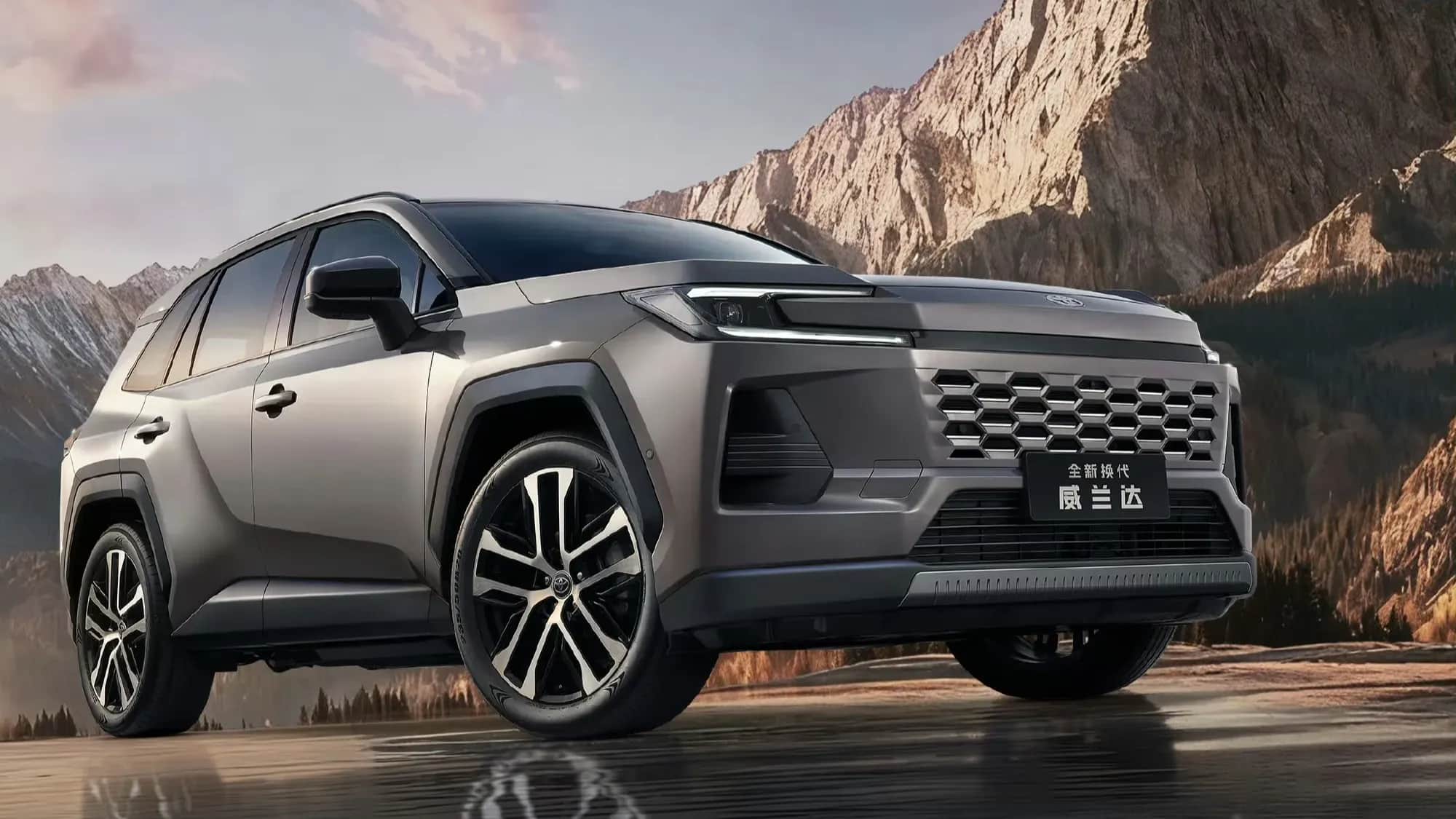
The gap over the hybrid is wide on paper. The ES 300h uses a 2.0-liter hybrid system with a combined output of 145 kW (194 hp) and is rated at 4.39 liters per 100 km, so the electric car's peak output is 107 kW higher, by our calculation. The new-generation design, shown first on the hybrid, has a seamless spindle-shaped body, Twin-L running lights and a full-width tail lamp.
GCEV Weekly · Every Tuesday
China's EV industry in five minutes.
Launches, sales, batteries and policy — the week's stories that matter, with the context the headlines leave out.
Sent by GigaCharts Inc. Questions? Write to globalchinaev@gmail.com. Unsubscribe anytime. See our privacy policy.
The ES 500e Performance gets Lexus's DIRECT4 electronic all-wheel drive, which shifts torque between the front and rear axles, and reaches 100 km/h (62 mph) from rest in 5.5 seconds. Some versions also offer an interactive simulated manual shift mode, called IMD, paired with an active sound system that plays engine-like tones in time with each shift.

The ES 500e Performance is the version with DIRECT4 all-wheel drive and a 5.5-second 0-100 km/h time (Lexus)
DC fast charging peaks at 105 kW, and a 30% to 80% top-up takes about 23 minutes. The car also has a 1,500 W cabin power socket and can supply 3,500 W to external devices. A liquid-cooled thermal system manages the battery, which Lexus says lowers battery degradation over long-term use.
Lexus tuned the car at Toyota's Shimoyama technical center, whose test track is built at one-quarter scale of the Nürburgring. The body uses hot-formed steel rated at up to 2,000 MPa, and the rear suspension is a new five-link design with swing-valve dampers. Lexus says the tuning aims to cut the abrupt, dragging feel that electric cars are prone to.
Lexus pitches the new ES as built around China. Li Hui, general manager of Toyota Motor (China) Investment, said at the April launch that the new-generation ES "comes for Chinese users" (our translation). The ES line dates back to 1989, when it arrived alongside the LS flagship that launched the Lexus brand, and the electric car offers a green bamboo interior color reserved for China.
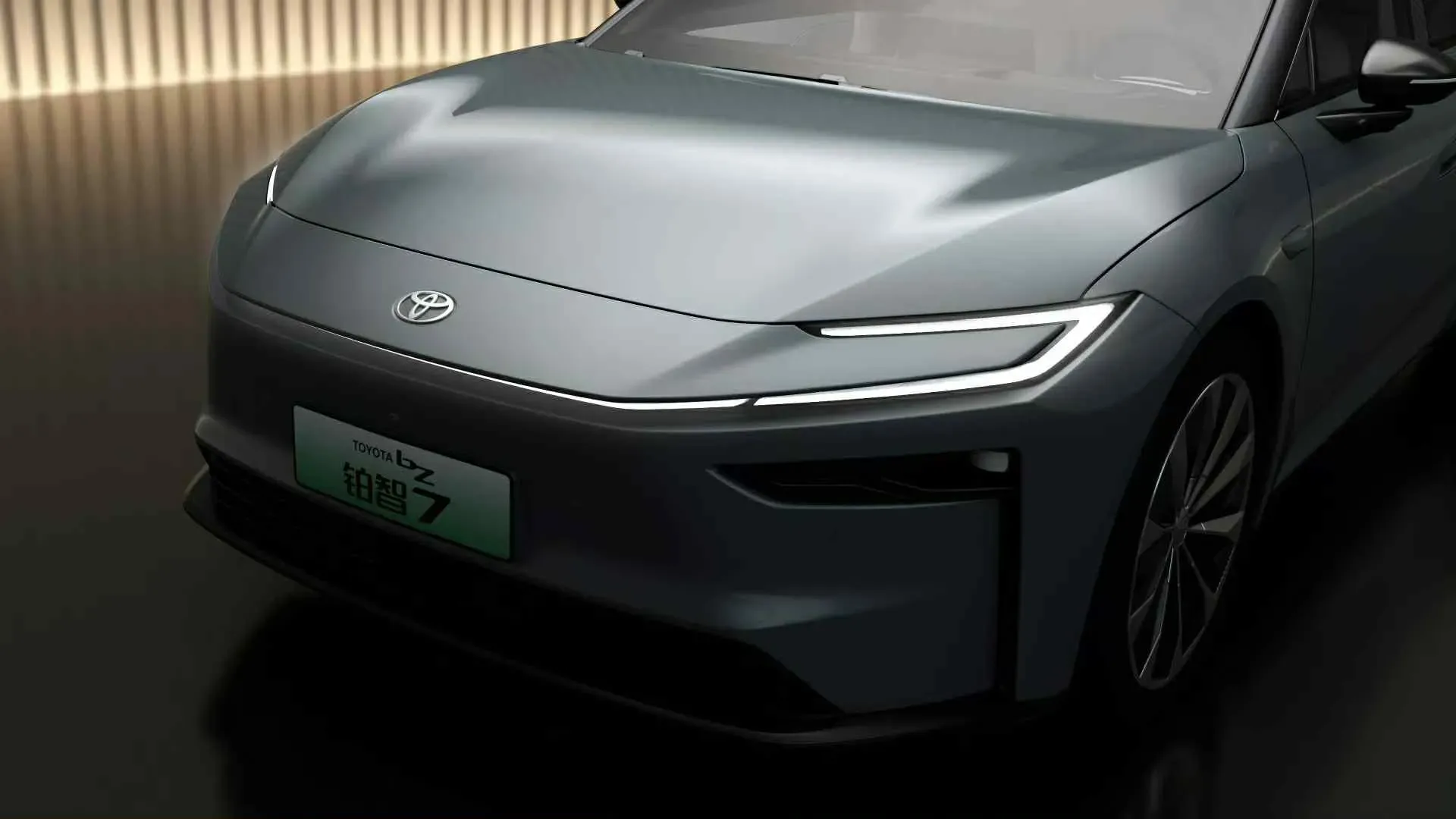
The electric ES shares the new generation's larger body. It is 5,140 mm long, 165 mm more than the previous ES, with a width of 1,920 mm, a height of 1,555 mm and a wheelbase stretched by 80 mm to 2,950 mm. The front end is redesigned, with lines running from the hood into the corners of the bumper.

The Ottoman rear leg rest is an option, as are rear seat heating, ventilation and massage (Lexus rendering)
Inside, the car gets a 14-inch central touchscreen and a second 14-inch touchscreen for the front passenger. The LEXUS Interface multimedia system was developed for Chinese buyers and supports continuous voice commands across four cabin zones. A Mark Levinson sound system with Dolby Atmos, a dimming glass roof and an occupant monitoring system that supports health checks and gesture control are also listed.
The driver's seat adjusts 14 ways, and the front seats have infrared knee warmers. Options include an Ottoman executive seat for the rear right passenger, rear seat heating, ventilation and massage, semi-aniline leather, and backlit bamboo-effect trim panels. Every version comes with the Lexus Safety System+ 4.0, which includes Advanced Park parking assist, lane change assist and proactive driving assist. The car also gets pixel-type micro LED headlights with adaptive high beams.
For orders placed from November 22 to December 31, 2026, Lexus is offering buyers a choice between 0% financing for up to five years and a 10,000 CNY (c. $1,490) subsidy, open to Lexus and Toyota owners and to trade-ins that qualify under the national scrappage scheme. Orders also come with a free charger. The battery is covered for 8 years or 160,000 km (99,419 miles) if its capacity drops below 70%, while the battery, drive motor and motor controller carry a 10-year or 200,000 km (124,274 miles) warranty.
A locally built electric Lexus is still to come. Lexus has long sold only imported cars in China, and Toyota announced in February 2025 that it would set up a wholly owned Lexus electric vehicle and battery company in Shanghai's Jinshan district. That plant, with a planned capacity of 100,000 vehicles a year, is due to start production in autumn 2027 with Lexus's first China-built electric model.
With the electric ES priced 40,000 CNY above its hybrid twin, the question is whether Chinese luxury buyers will pay extra for a battery-only Lexus before the brand's locally built EVs arrive.
Conversion rate: 1 USD = 6.7131 CNY as of November 20, 2026.
GCEV Weekly · Every Tuesday
China's EV industry in five minutes.
Launches, sales, batteries and policy — the week's stories that matter, with the context the headlines leave out.
Sent by GigaCharts Inc. Questions? Write to globalchinaev@gmail.com. Unsubscribe anytime. See our privacy policy.