
EU proposes freezing plug-in hybrid CO2 rules until 2030 for models with 80 km of electric range
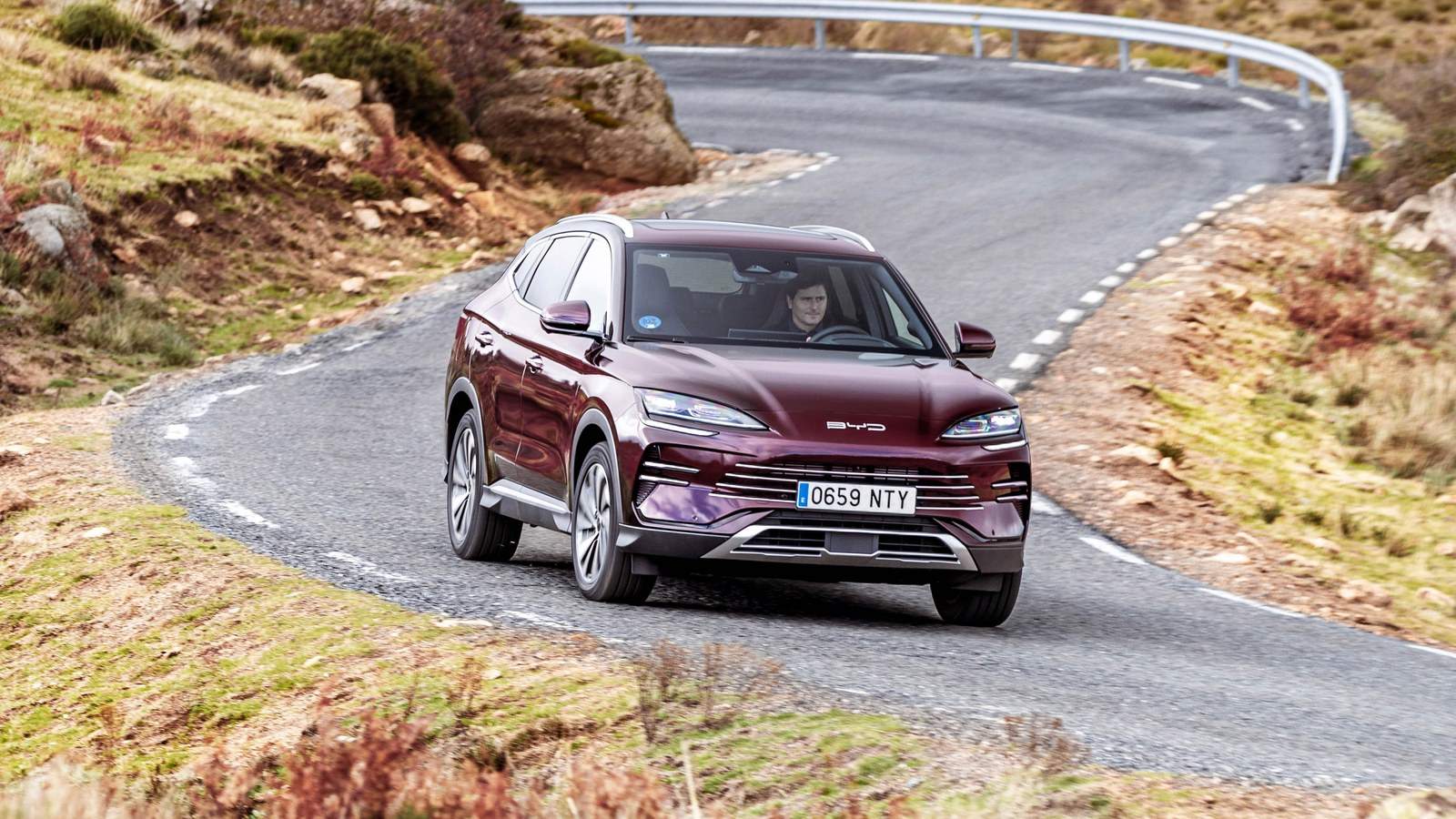

The European Commission wants to hold back a tougher way of calculating plug-in hybrid emissions until 2030, but only for cars that can drive at least 80 km on electricity. In a statement on November 28, 2026, the Commission said it is consulting member states on the Technical Committee on Motor Vehicles about amendments to the Euro 6 and Euro 7 type-approval rules. They would postpone until January 1, 2030 the planned update of the "utility factors" for certain plug-in hybrids and keep them at the levels that applied in 2025.
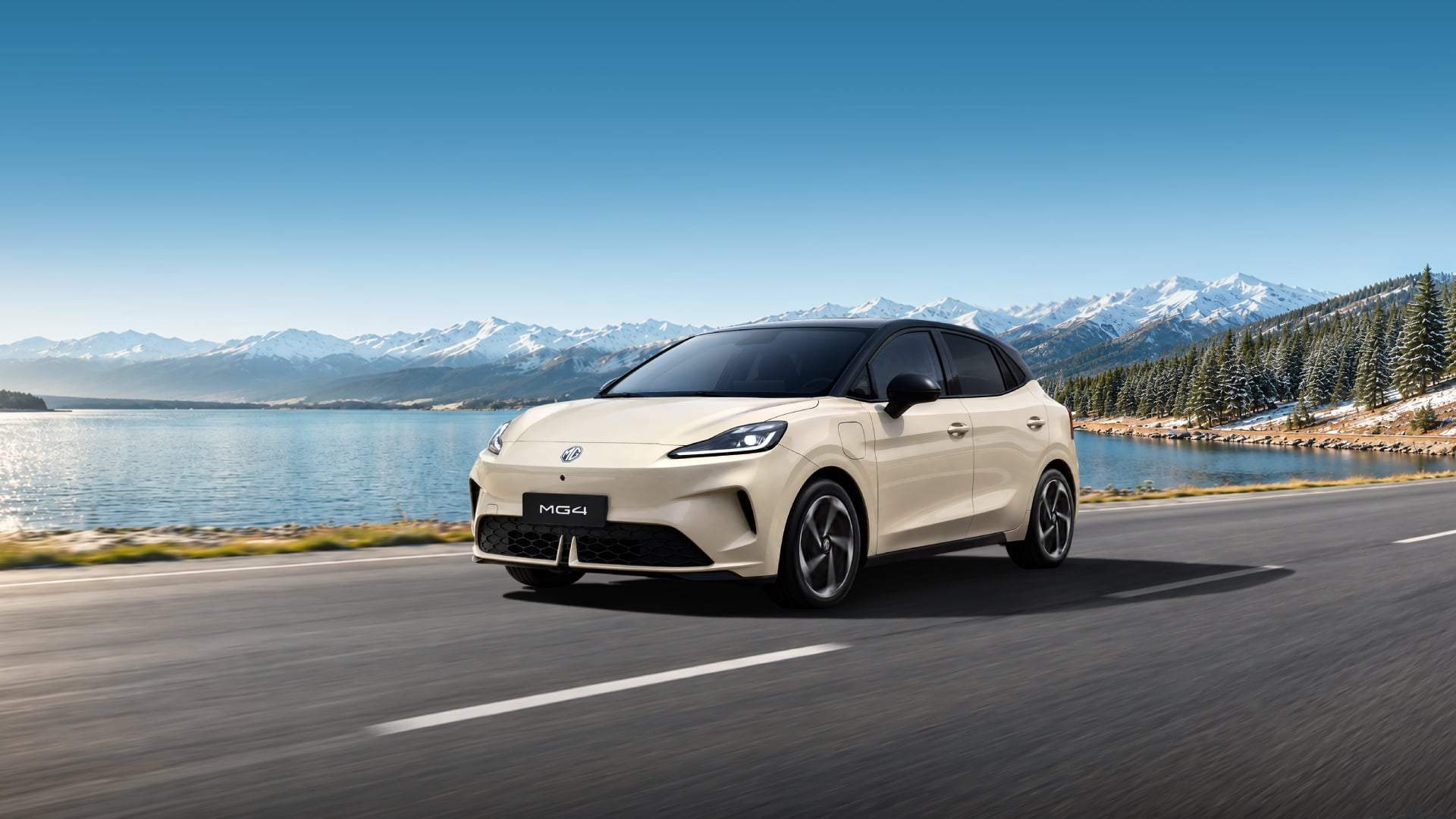
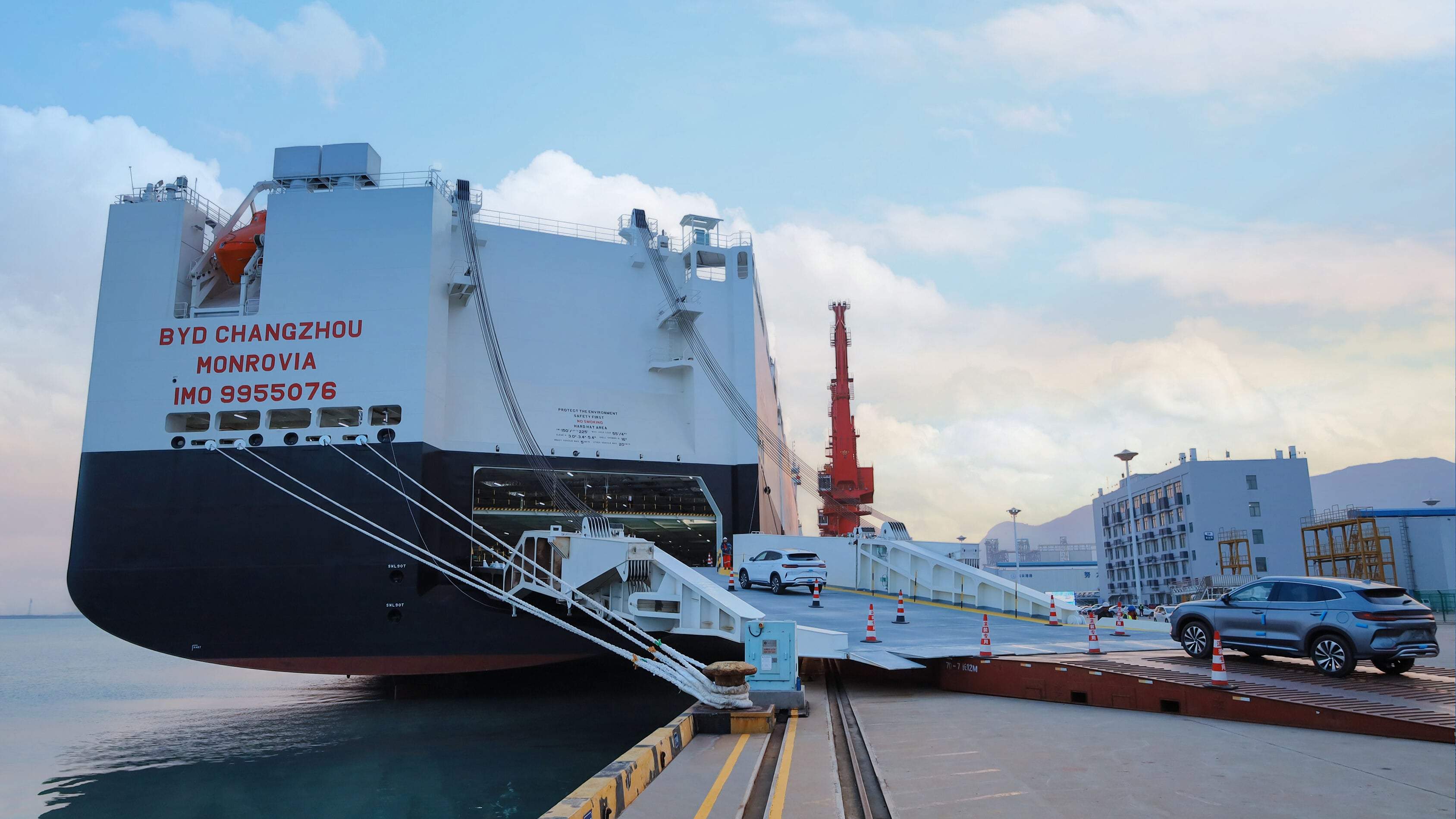
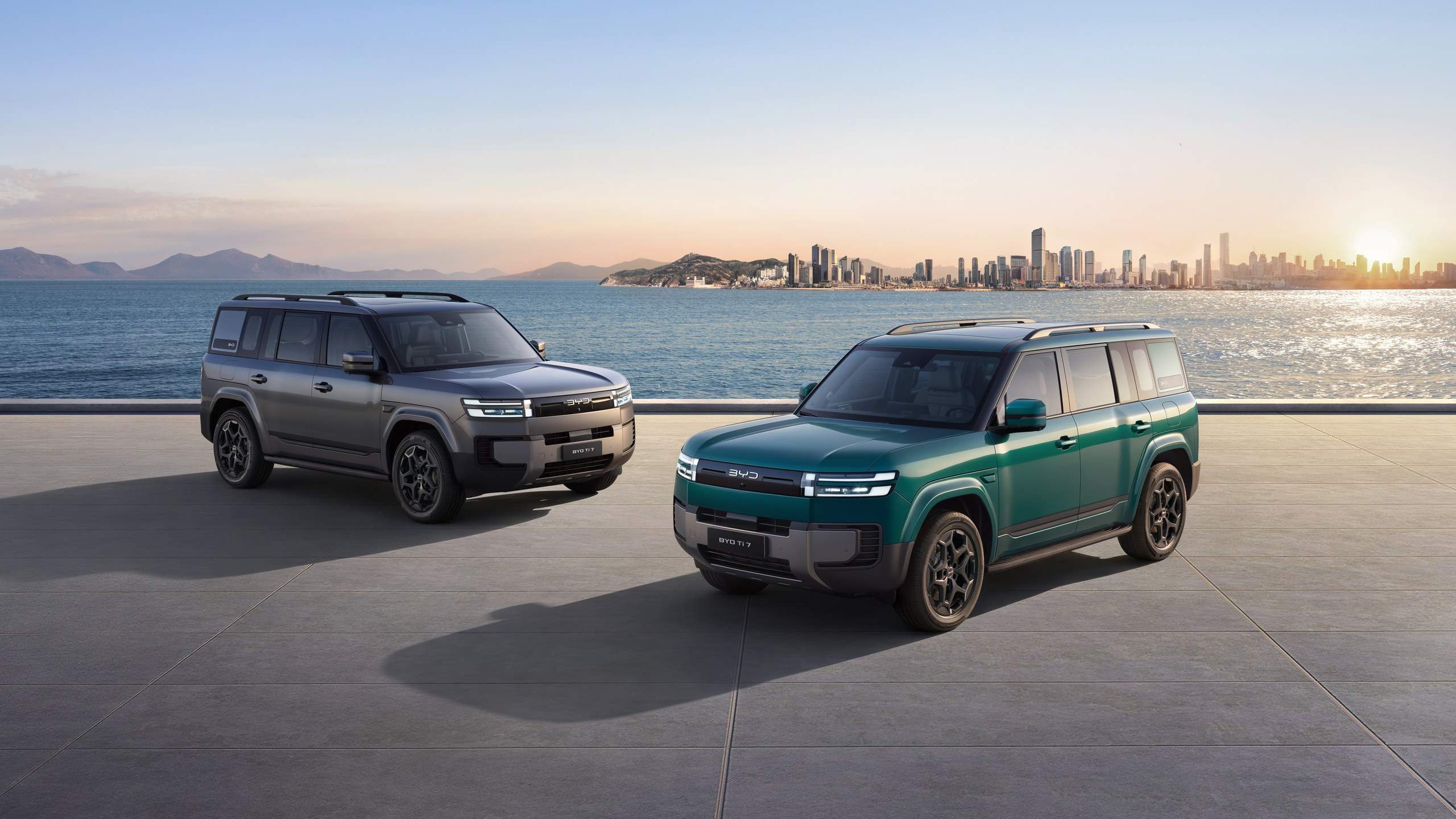
The freeze would apply retroactively from November 29, 2026, the date the update was due. It comes two days before the EU's provisional import quota on hybrids, plug-in hybrids included, takes effect on December 1. China's own country-specific quota is 191,780 vehicles over up to 200 days. For Chinese brands that sell long-range plug-in hybrids in Europe, BYD and MG among them, the two rules now work side by side: one limits how many China-built hybrids can come in; the other decides how clean they look on paper.
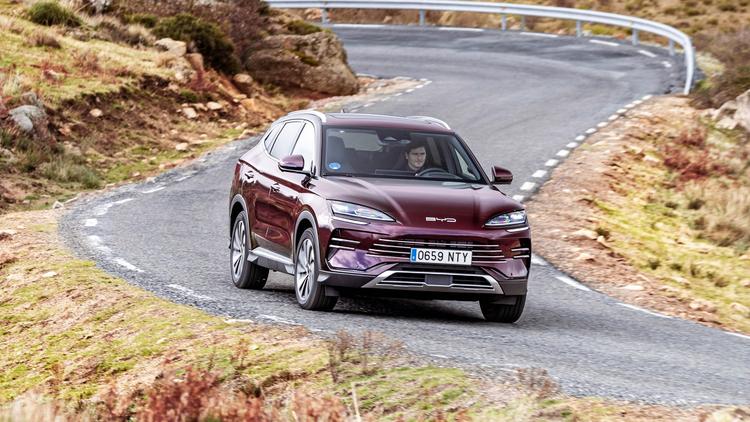
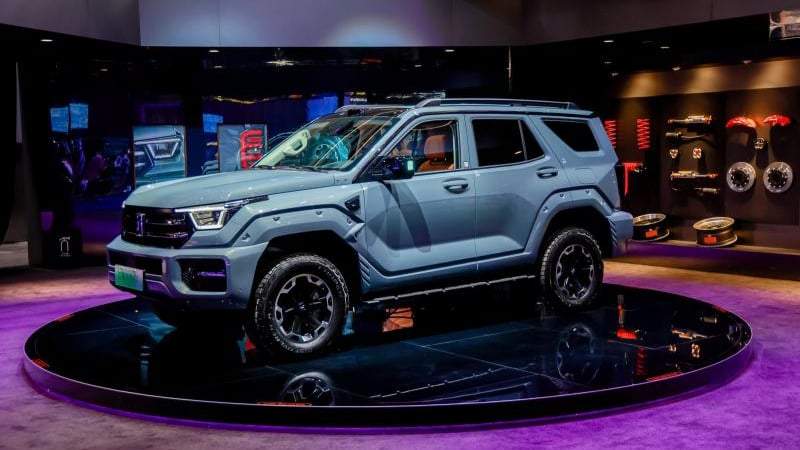
The 2027 BYD Seal U DM-i, rated in Europe at 80 km to 130 km of electric range depending on version (BYD)
What a utility factor does
Utility factors are part of the WLTP test procedure that sets a plug-in hybrid's official CO2 figure. They represent the share of driving assumed to happen in electric mode, so a higher factor means a lower official emissions number. The update due on November 29 was designed to bring that assumption closer to real-world driving, which has shown a smaller share of electric travel, according to one report. The same report said a chief reason for the gap is that owners do not charge their cars as much as is assumed.
The Commission presents the freeze as "temporary short-term flexibility" for carmakers, giving them "the opportunity to invest in the improvement of such vehicles." It says the measure favours longer electric ranges because the factors "will only be frozen for vehicles having an electric range of at least 80 kilometres." By our reading of the text, plug-in hybrids below that line are not covered by the freeze. From 2030, the Commission said, the factors will be updated regularly using real-world data. The Commission also concedes that official figures already differ from the real-world data it collects, and that postponing the update means "such discrepancy remains stable."
The proposal is not final. The Euro 7 act would be adopted by the Commission after the committee gives its opinion, while the Euro 6 act must first go to the European Parliament and the Council for scrutiny. Member states or Parliament may still object, the same report noted. Germany's car industry association VDA welcomed the move, according to the same report, and its president, Hildegard Müller, said it would support suppliers in particular and help ensure plug-in hybrids remain an attractive option for consumers.
Where Chinese plug-in hybrids stand
The 80 km line splits the plug-in hybrids Chinese brands sell in Europe. BYD's updated Seal U DM-i for model year 2027, announced in Germany on November 19, clears it in every version. The entry Boost has an 18.3 kWh battery and a WLTP electric range of exactly 80 km. The Comfort keeps its 26.6 kWh battery for 130 km, and the all-wheel-drive Design now takes the same larger battery, lifting its range by more than 62.8% to 114 km, according to BYD.
GCEV Weekly · Every Tuesday
China's EV industry in five minutes.
Launches, sales, batteries and policy — the week's stories that matter, with the context the headlines leave out.
Sent by GigaCharts Inc. Questions? Write to globalchinaev@gmail.com. Unsubscribe anytime. See our privacy policy.
BYD calls the Seal U DM-i Europe's best-selling plug-in hybrid of 2025. German deliveries of the updated car start in the first quarter of 2027. In Spain, BYD lists the Boost from 30,790 euros once its own campaigns, Plan Auto+ aid and a finance discount are included.
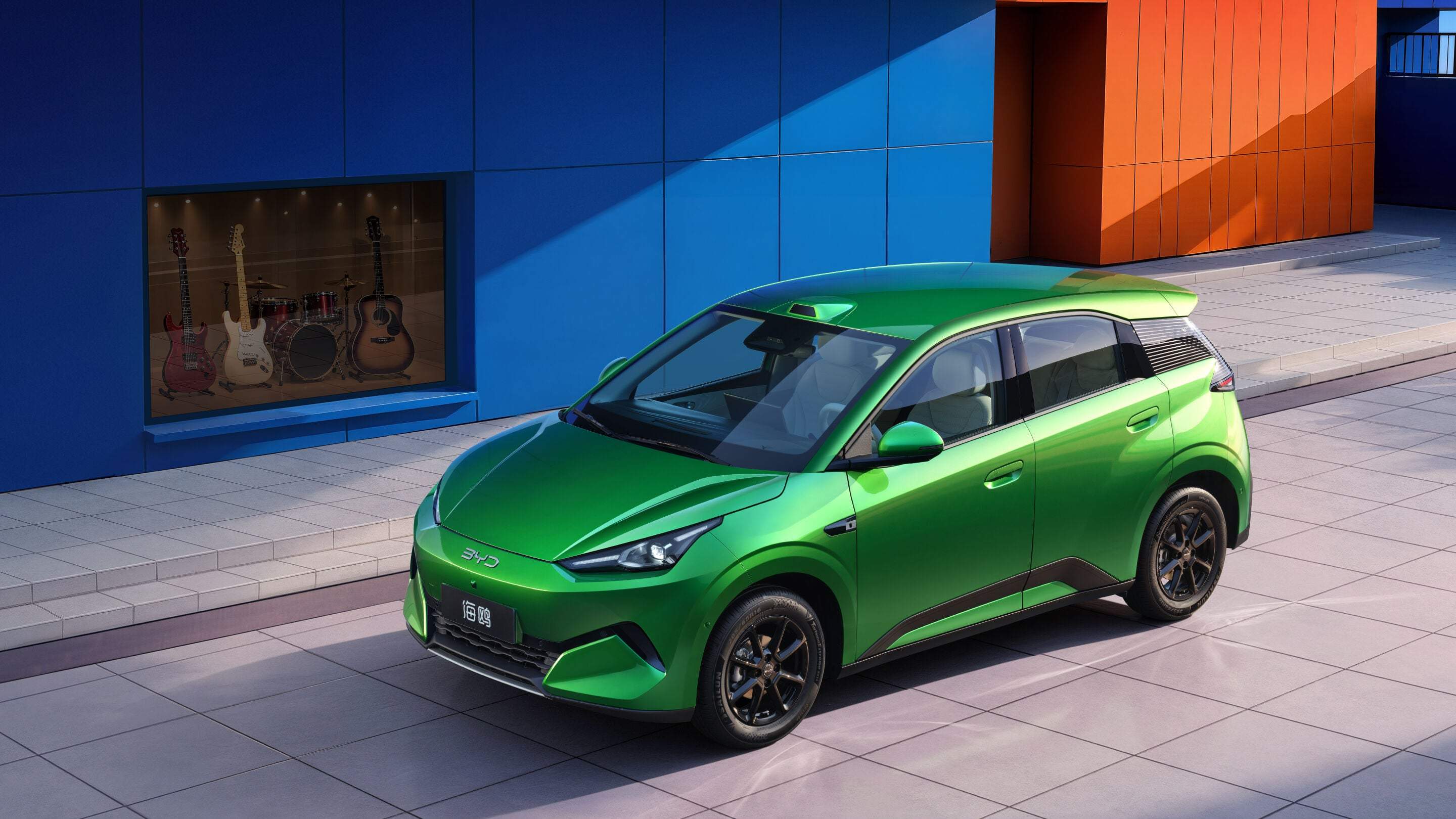
BYD's smaller Atto 2 DM-i shows the other side of the line. In Luxembourg, BYD lists the Active version at 40 km of WLTP electric range, well short of 80 km, while the Boost version reaches 90 km. MG's HS Plug-in Hybrid is rated at up to 100 km of WLTP electric range.
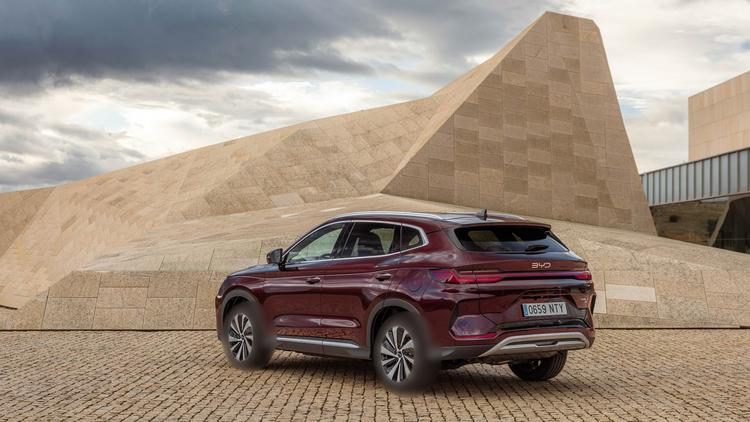
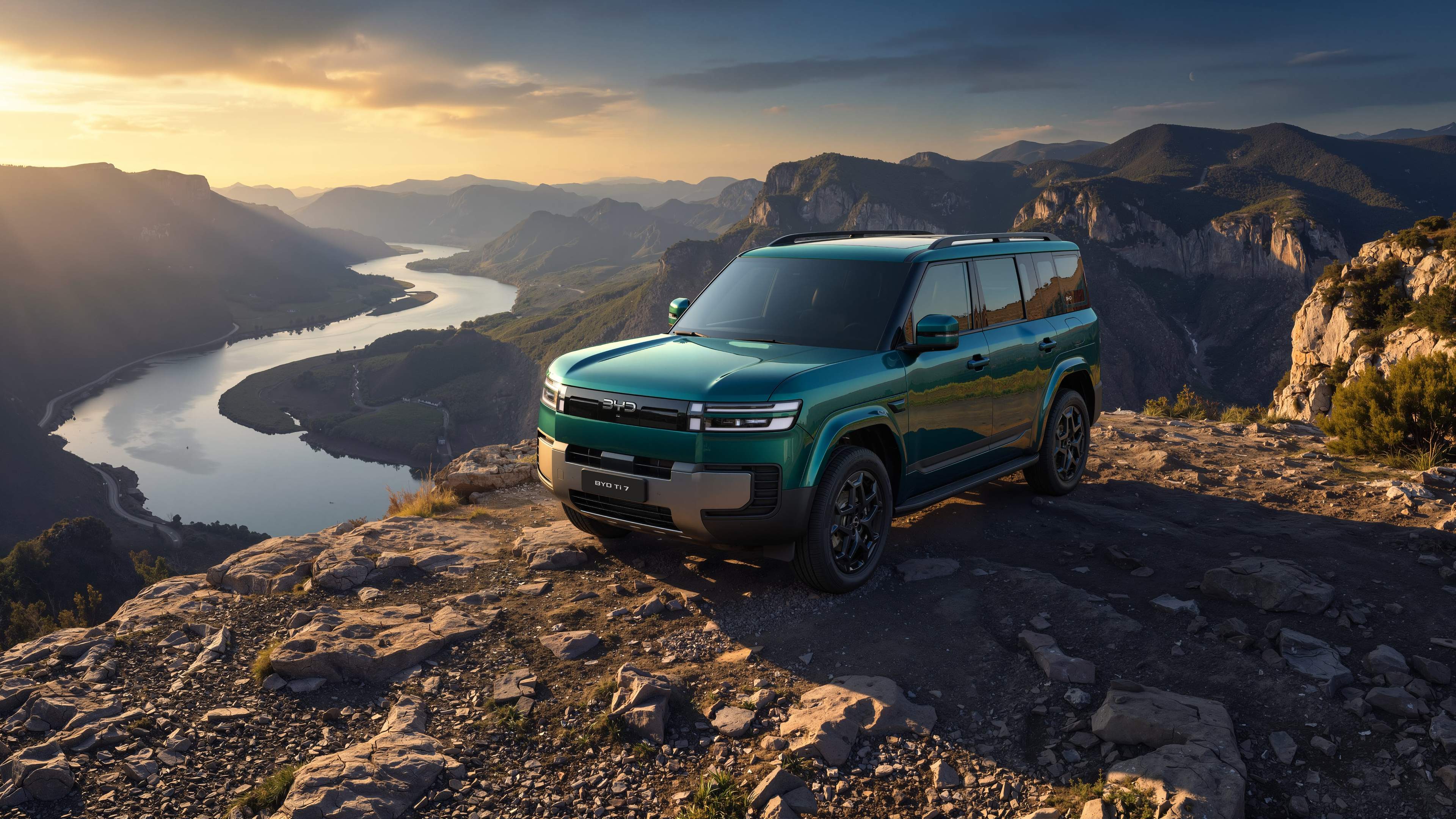
The Seal U DM-i had the highest electric-to-engine power ratio among 2024 plug-in hybrids in the campaign group's analysis; tyre lettering blurred by us (BYD)
The case against the freeze
The campaign group Transport & Environment had argued against dropping the update. In a report published on October 15, it said real-world CO2 emissions of 2024 plug-in hybrid models were nearly six times their official values on average, up from a five-fold gap in 2023. Weighted by sales, the gap was 5.3 times.
The same report singled out the Seal U. Among 2024 plug-in hybrids, it had the highest ratio of electric motor power to engine power, at 1.64, and its real-world emissions were 20% above its WLTP figure recalculated with the updated factors that were due from November 2026, the update the Commission now wants to postpone.
It also estimated that freezing the factors would be the single change to the EU's car CO2 framework with the largest effect on battery-electric sales, lowering them by 13 percentage points in 2030 and 18 points in 2035. That estimate was modelled on a car CO2 proposal from European Parliament rapporteur Massimiliano Salini, before the Commission limited the freeze to cars with at least 80 km of range.
China is tightening its own rule
China is moving the other way. According to the same report, China adopted a revised utility factor curve for plug-in hybrids in May 2026 that takes effect on January 1, 2028. A plug-in hybrid with 100 km of electric range, previously assumed to run on electricity 80% of the time, will be assumed to do so about 65% of the time, and the factor is capped at 88% no matter how long the range.
BYD's plug-in hybrid sales are slipping
The decision comes as BYD's plug-in hybrid sales fall. In its October filing, BYD reported plug-in hybrid passenger car sales of 177,382, down from 183,570 in September. That is a drop of 3.4% month on month and 17.2% from October 2025's 214,297, both by our calculation. From January to October, its plug-in hybrid sales were 1,625,969, down 11.02% from a year earlier, according to the filing.
BYD's new energy vehicle exports, which include battery-electric models, were 170,194 in October against 180,700 in September, down 5.8% by our calculation. These are BYD's own reported figures, and the filings do not break out Europe or exported plug-in hybrids.
If the freeze holds, an 80 km car such as the Seal U Boost keeps its 2025-basis factors until 2030, while shorter-range versions such as the 40 km Atto 2 DM-i Active fall outside it. For Chinese brands working within the hybrid quota from December 1, the 80 km line now marks which plug-in hybrids keep the more favourable rating.
GCEV Weekly · Every Tuesday
China's EV industry in five minutes.
Launches, sales, batteries and policy — the week's stories that matter, with the context the headlines leave out.
Sent by GigaCharts Inc. Questions? Write to globalchinaev@gmail.com. Unsubscribe anytime. See our privacy policy.