
EU locks in 191,780-car cap on Chinese hybrids, 86,301 allowed by February

The European Union has confirmed how many hybrid cars China can ship into the bloc over the next 200 days: 191,780. The European Commission published the provisional safeguard measure on November 24, 2026, and it takes effect on December 1. The quota runs until June 18, 2027, and anything above it is not allowed into the EU at all.
That settles two questions left open by the leaked draft reported on November 23. Imports above a quota will be blocked rather than charged an extra duty, and the measure covers full hybrids, plug-in hybrids and mild hybrids.
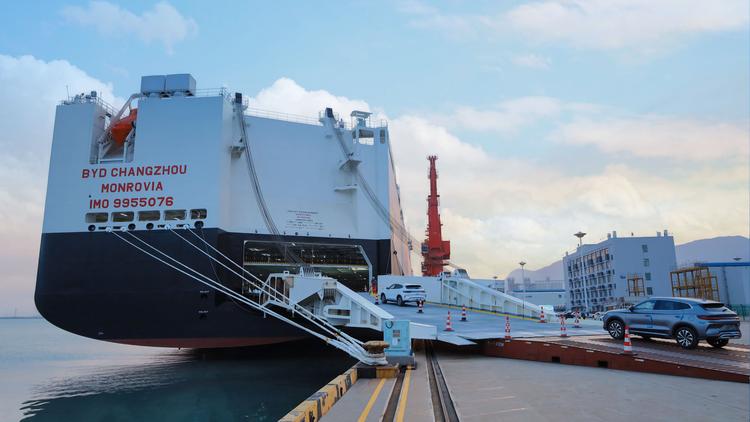
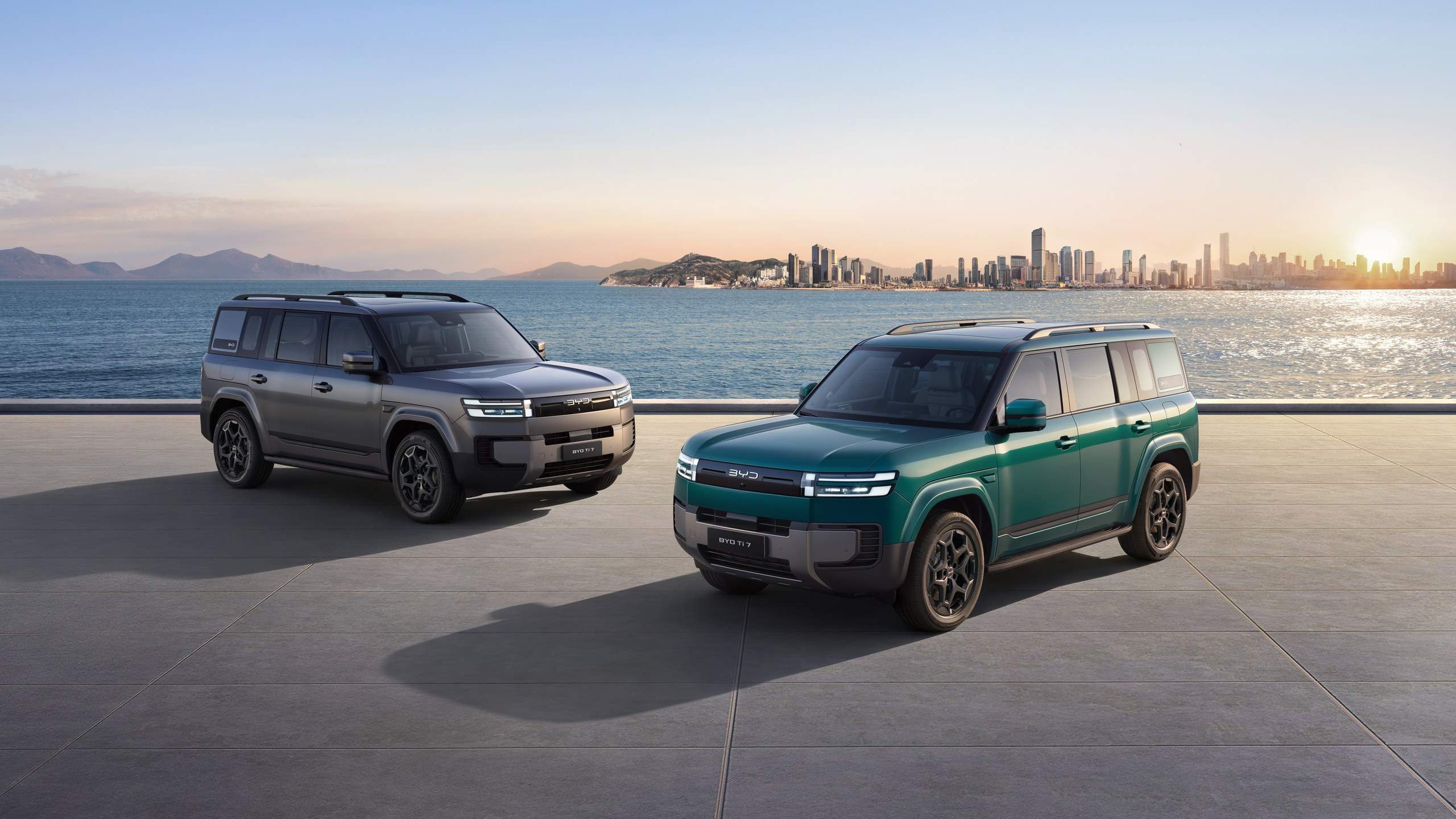
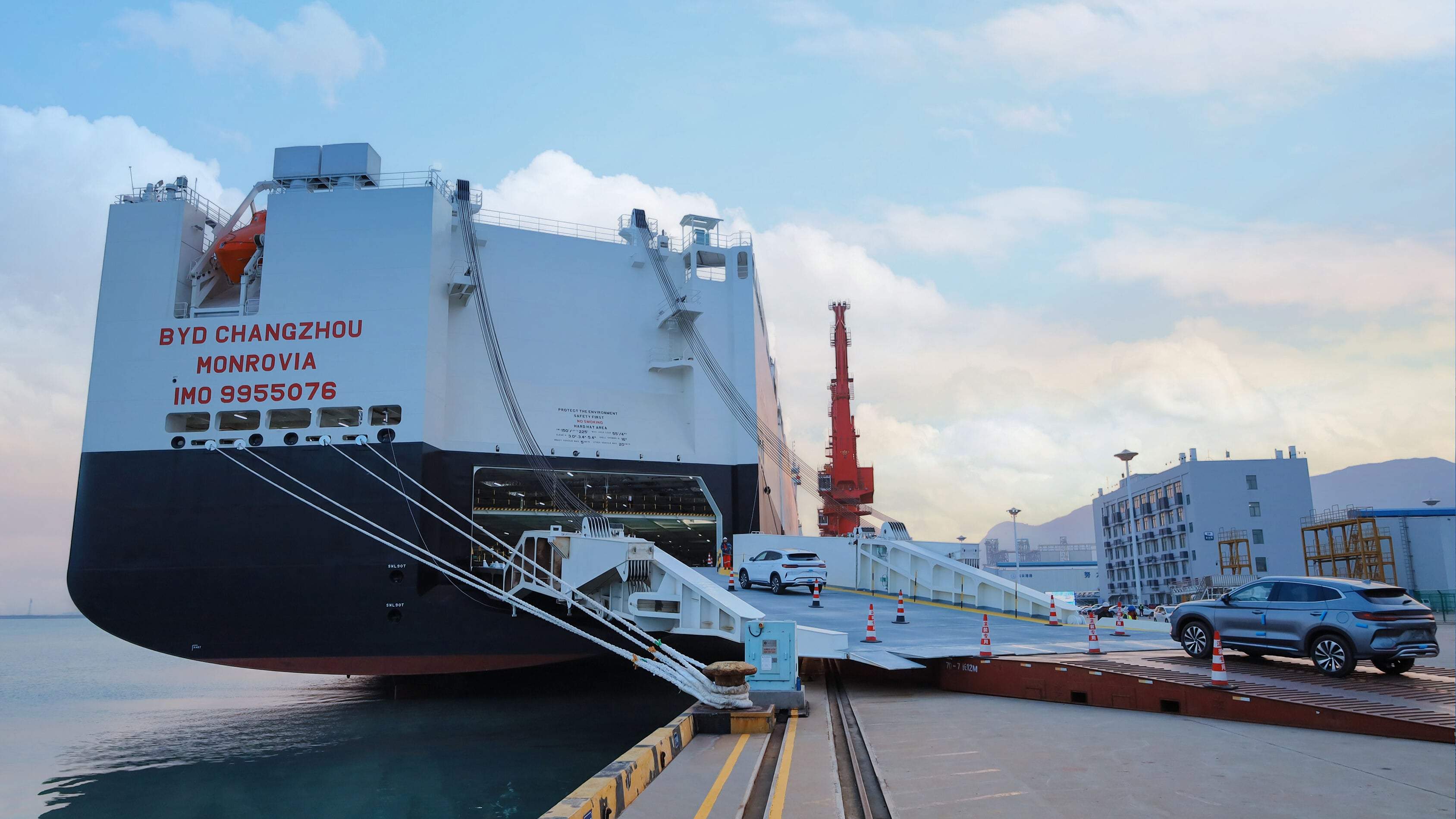
BYD cars board the company's own car carrier, the BYD Changzhou. Chinese hybrids shipped to the EU from December 1 will count against a fixed quota (BYD)
Three windows, about 959 cars a day
The Commission split China's quota into three windows: 86,301 vehicles from December 1 to February 28, 88,219 from March 1 to May 31, and 17,260 from June 1 to June 18. Each works out to roughly 959 vehicles a day, by our calculation. The 200-day total matches the 350,000-a-year figure agreed between the EU and China in October, scaled to 200 days, by our calculation.
Country quotas were set at each supplier's 2025 import level plus a little over 15%. Countries with more than 2% of EU hybrid imports in 2025 got their own allocation, and everyone else shares a residual quota. Countries in the European Economic Area, Ukraine, Kenya and smaller developing-country suppliers are exempt, according to one report.
| Origin | Dec 1 to Feb 28 | Mar 1 to May 31 | Jun 1 to Jun 18 | 200-day total* |
|---|---|---|---|---|
| China | 86,301 | 88,219 | 17,260 | 191,780 |
| Japan | 76,900 | 78,609 | 15,380 | 170,889 |
| Turkey | 56,844 | 58,107 | 11,369 | 126,320 |
| United Kingdom | 47,431 | 48,485 | 9,486 | 105,402 |
| South Korea | 30,566 | 31,245 | 6,113 | 67,924 |
| Mexico | 15,640 | 15,987 | 3,128 | 34,755 |
| Morocco | 10,779 | 11,019 | 2,156 | 23,954 |
| Serbia | 8,709 | 8,902 | 1,742 | 19,353 |
| United States | 8,317 | 8,502 | 1,663 | 18,482 |
Provisional hybrid import quotas by origin, in vehicles. Source: the Commission's implementing regulation, as tabulated by an EV trade publication. *Totals by our calculation.
How tight is it?
The EU's own figures, according to one report, show how fast the trade grew. Hybrid imports from China were 46,001 in 2023, 106,542 in 2024 and 302,403 in 2025, then 486,582 in the 12 months from mid-2025 to mid-2026. At that most recent pace, China would ship about 266,600 hybrids in 200 days, so the quota sits roughly 28% below it, by our calculation.
GCEV Weekly · Every Tuesday
China's EV industry in five minutes.
Launches, sales, batteries and policy — the week's stories that matter, with the context the headlines leave out.
Sent by GigaCharts Inc. Questions? Write to globalchinaev@gmail.com. Unsubscribe anytime. See our privacy policy.
This year ran even hotter. China shipped 378,000 hybrids to the EU in the first seven months of 2026, 41.3% of all EU hybrid imports, another report says. That is about 1,780 a day, by our calculation, so the quota allows a little over half that daily rate. The quota amounts to about half the Chinese hybrids expected to arrive in the next 12 months, according to one British newspaper's reading of the regulation.
Why a hard cap and not a tariff? The Commission argued that exporters' spare capacity is so large, with China's hybrid capacity utilization at only about 43%, according to one report on the regulation, that companies could simply absorb an extra duty. A quota that closes the border once it is used up was the only way to stop the surge, it said.
Where a car is built, not whose badge it wears
Quotas follow the country of manufacture. A European-brand car built in China uses up China's quota, and cars built inside the EU do not count at all. Range-extender EVs are classed as battery-electric vehicles, so they fall outside the hybrid quota but remain subject to the EU's anti-subsidy duties on Chinese EVs.
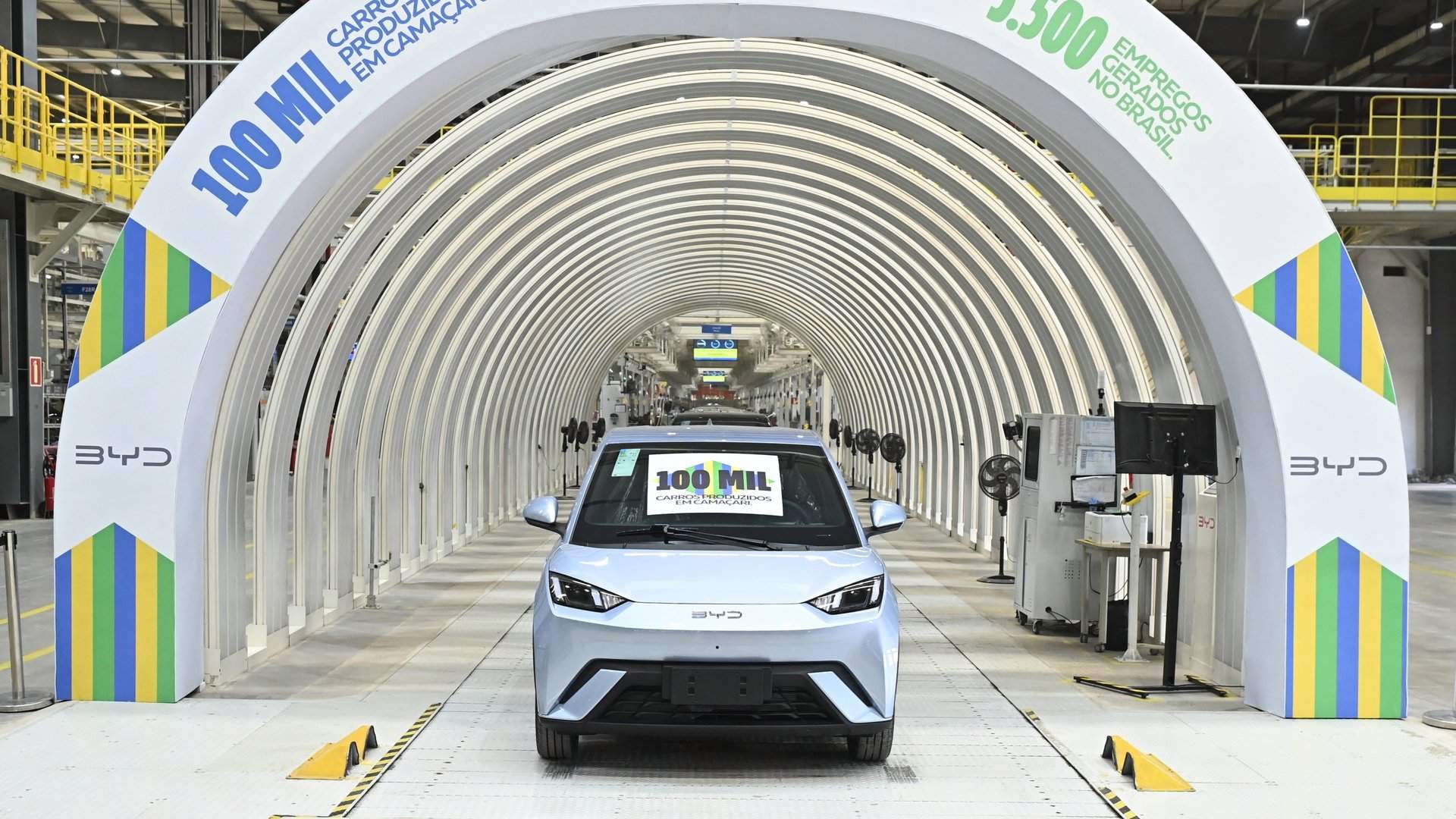
That rule makes European factories more valuable. On the same day the quota was published, INEOS Automotive said it is in exclusive negotiations to sell its plant in Hambach, France, to BYD (HKG: 1211).
Other exporters are caught too. Japan gets 170,889 vehicles over the 200 days and the UK gets 105,402, by our calculation from the table. The UK shipped 166,000 hybrids to the EU last year. Japan, South Korea, the UK and Turkey have raised objections at the WTO, and South Korea has questioned whether the investigation was fair and transparent.
Beijing's response
China's Ministry of Commerce said it had taken note and hoped the EU would "meet China halfway" to provide a stable, predictable and sustainable trade and investment environment for both industries (our translation). It also said China reserves all rights under the WTO framework, including dispute settlement and requests for trade compensation.
The safeguard investigation opened on October 30. Definitive measures can be imposed within nine months of that date, a deadline that can be extended by up to two months.
The Canadian comparison
Canada runs its own quota on China-built vehicles, 49,000 in the year to February 28, 2027, and its tally counts some hybrids too. As of the November 20 update, 16,291 spots had been used and 32,709 remained. Conventional hybrid SUVs and passenger vans account for 771 of the spots used so far, by our calculation from that table, and battery-electric vehicles for the rest.
With 86,301 spots in the first window, the question for the first quarter of 2027 is how fast the window fills, and who decides which automakers get to use it.
GCEV Weekly · Every Tuesday
China's EV industry in five minutes.
Launches, sales, batteries and policy — the week's stories that matter, with the context the headlines leave out.
Sent by GigaCharts Inc. Questions? Write to globalchinaev@gmail.com. Unsubscribe anytime. See our privacy policy.