
Nissan reportedly plans China-built plug-in hybrids for Japan, its first PHEVs at home
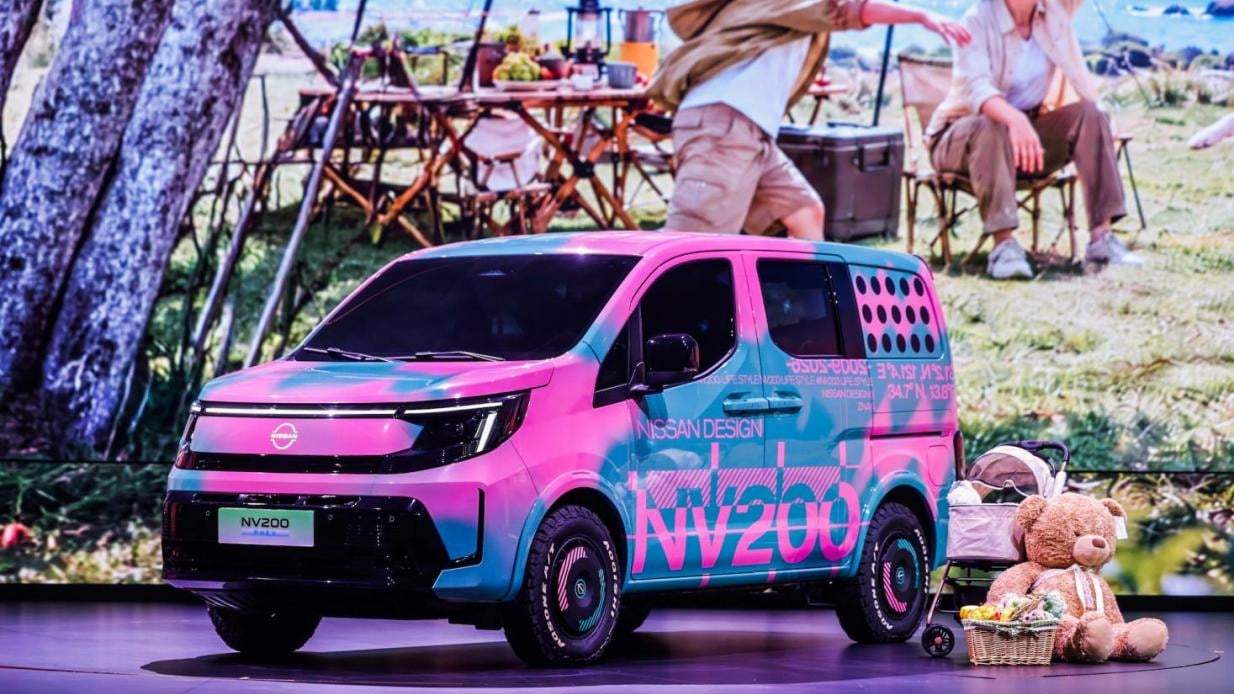

Nissan is preparing to sell plug-in hybrids built by its Chinese joint venture in Japan, according to a news agency report on November 26, though the company has not announced the plan. The plan covers the NV200 van and the Terrano SUV, both built by Zhengzhou Nissan, the light commercial vehicle venture Nissan runs with Dongfeng, and according to a second report it would be the first time Nissan sells China-made cars in its home market.
Nissan does not currently sell any plug-in hybrids in Japan, so the two models would fill a gap in its home lineup while putting spare Chinese production capacity to work, the first report said. It described the plan as still being coordinated, with the two models going to Japan in turn from the second half of fiscal 2027, which runs from October 2027 to March 2028.
According to the second report, the NV200 would go first, with the Terrano still under consideration. That report said the plug-in NV200 would also take over from the gasoline NV200 Vanette, whose Japanese production is set to end by the close of fiscal 2026 in March 2027.
Nissan gave the plug-in NV200 its global debut at its NISSAN DAY event in Zhuhai on November 13. The company pitches it as one vehicle for commercial, family and outdoor use, with a flat, low floor, power sliding doors on both sides, seats that fold into a bed and a 6 kW vehicle-to-load outlet for camping. Nissan also claims it is the only model in its class offered with four-wheel drive.
The production van appeared in China's 414th batch of new vehicle filings from the Ministry of Industry and Information Technology (MIIT). Its base version measures 4,550 mm long, 1,735 mm wide and 1,933 mm tall on a 2,725 mm wheelbase, with five-, six- and seven-seat layouts. A 1.5-liter engine rated at 95 kW works with a front motor of up to 210 kW, while four-wheel-drive versions add a 70 kW rear motor. The battery is lithium iron phosphate from Gotion High-Tech, filed fuel use is 1.21 L/100 km on the WLTC cycle, and top speed is 150 km/h (93 mph).
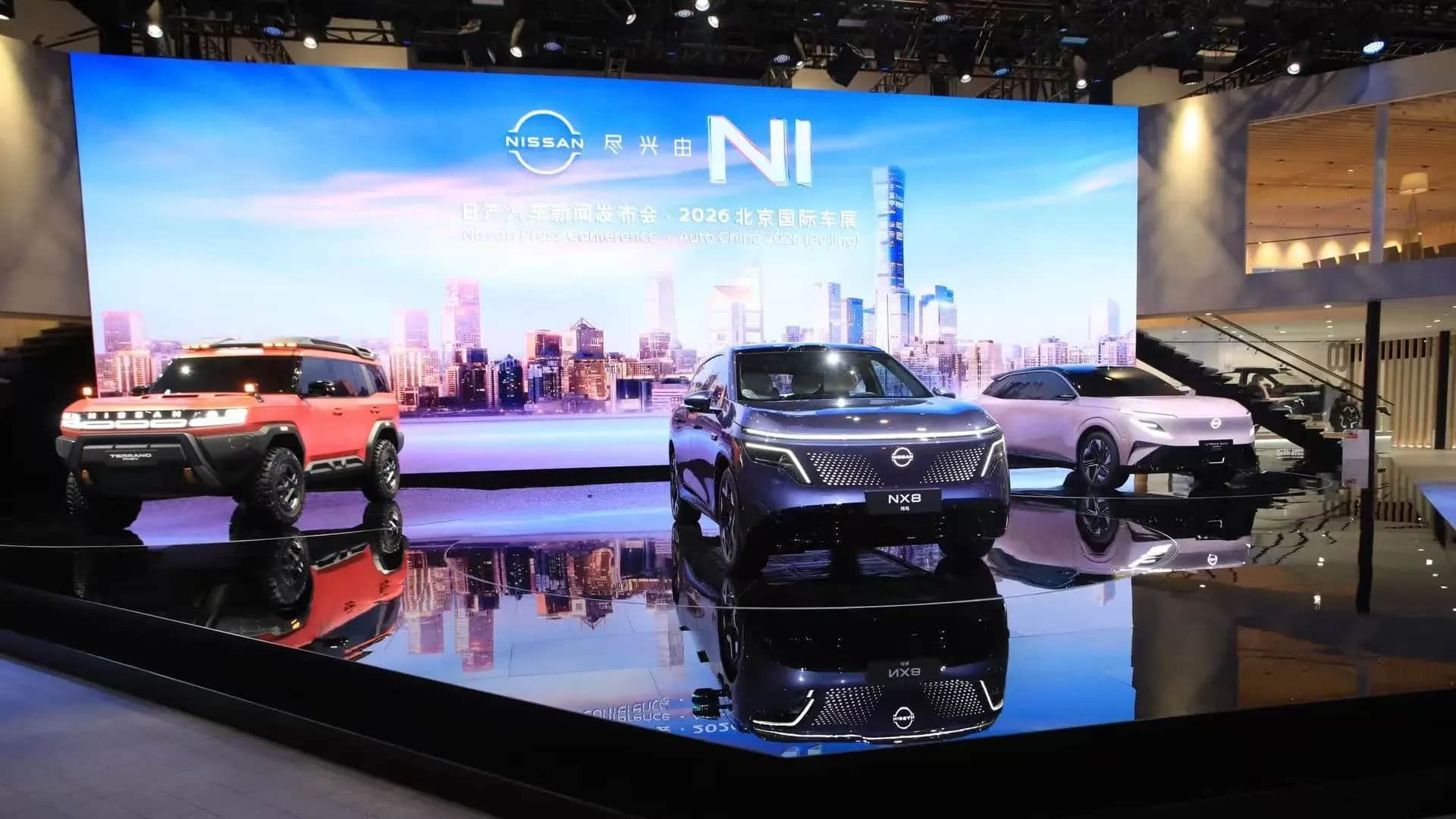
The Terrano, which revives an old Nissan off-road name, was shown as a plug-in hybrid concept at Auto China in Beijing in April, when Nissan said its production version would be unveiled within a year. That production model has now surfaced in the same MIIT batch as a boxy off-roader 5,098 mm long, 1,980 mm wide and 1,960 mm tall on a 2,850 mm wheelbase, with five seats, a side-hinged tailgate and an external spare wheel.
GCEV Weekly · Every Tuesday
China's EV industry in five minutes.
Launches, sales, batteries and policy — the week's stories that matter, with the context the headlines leave out.
Sent by GigaCharts Inc. Questions? Write to globalchinaev@gmail.com. Unsubscribe anytime. See our privacy policy.
The plug-in Terrano pairs a 2.0-liter turbocharged engine rated at 152 kW with a motor of up to 200 kW and a Gotion lithium iron phosphate battery, at a curb weight of 2,800 kg. The filing also lists a gasoline version with a 190 kW 2.0-liter turbo and a diesel with a 140 kW 2.3-liter turbo. It is rated for a 36-degree approach angle and a 31-degree departure angle.
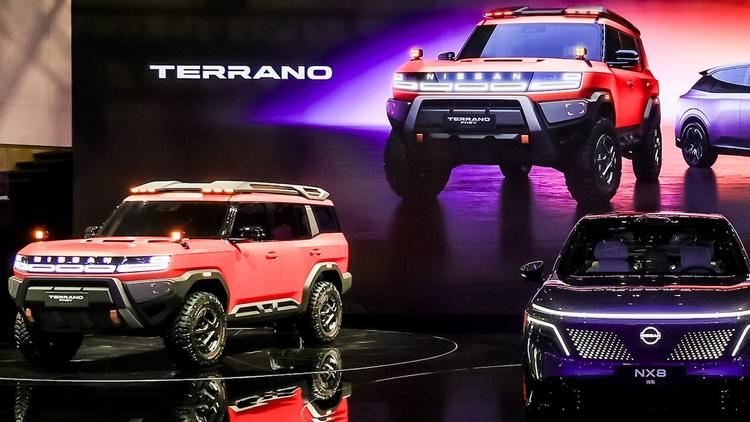
The Terrano PHEV concept in Beijing in April, where Nissan promised a production version within a year (Nissan)
The push comes as Nissan's China business shrinks. The company sold 22,295 vehicles in China in October, down 5.8% from 23,658 in September by our calculation and down 67.1% from 67,855 a year earlier, also by our calculation. Dongfeng Nissan's retail sales slipped to 18,435 from 18,932, while Zhengzhou Nissan, which builds both plug-in hybrids, sold 3,860 vehicles, down from 4,726.
On November 11, Nissan cut its fiscal 2026 global sales outlook to between 2.97 million and 3 million vehicles from 3.15 million, saying weaker demand, a faster than expected shift to new energy vehicles and tougher competition in China were weighing on sales. Its outlook for China retail sales, which Nissan counts by calendar year, was cut to 370,000 to 400,000 vehicles from 580,000. Chief executive Ivan Espinosa said in a television interview that exports of China-developed models would grow from two models to five, aimed at 12 regional market clusters.
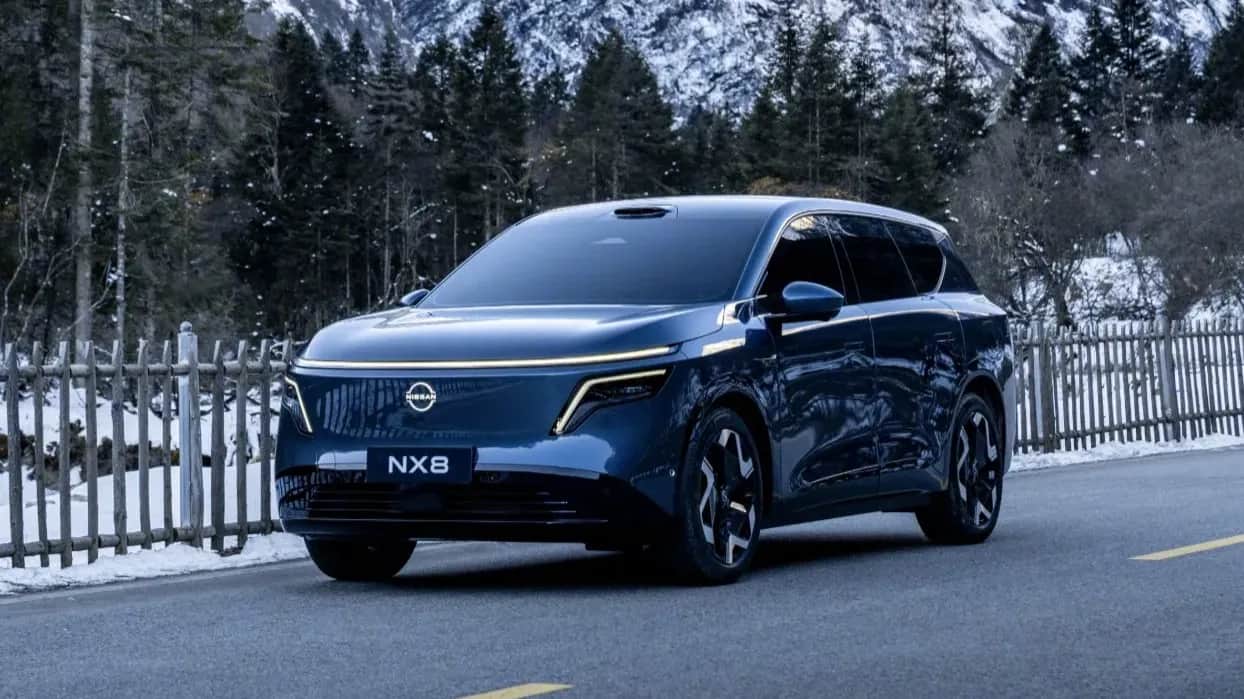
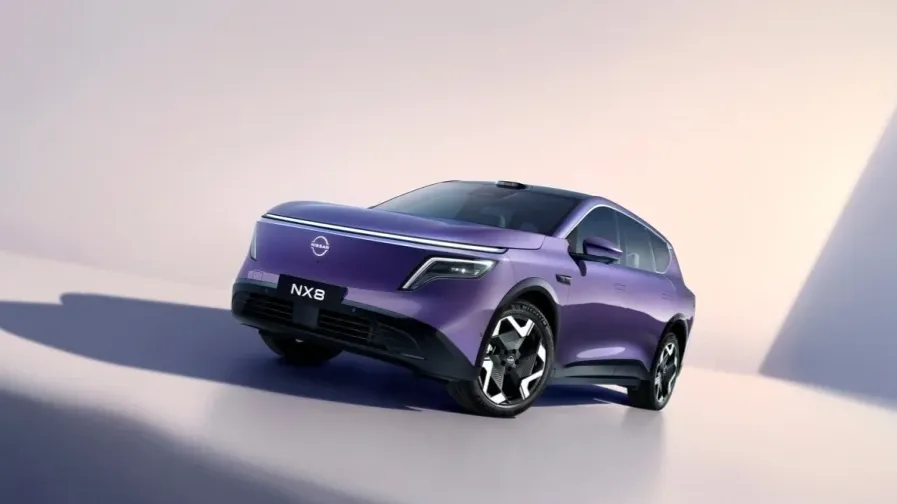
Nissan set out that role for China in April, when it named the country one of its three lead markets alongside Japan and the United States and described it as a global innovation and export hub. It said then that the NX8 and the production Terrano were intended for selected global markets, and it set a target of one million annual sales in China by fiscal 2030, far above the reduced forecast reported for this year.
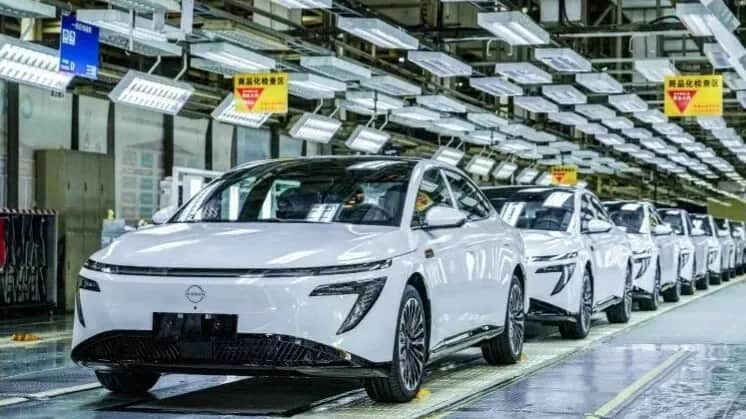
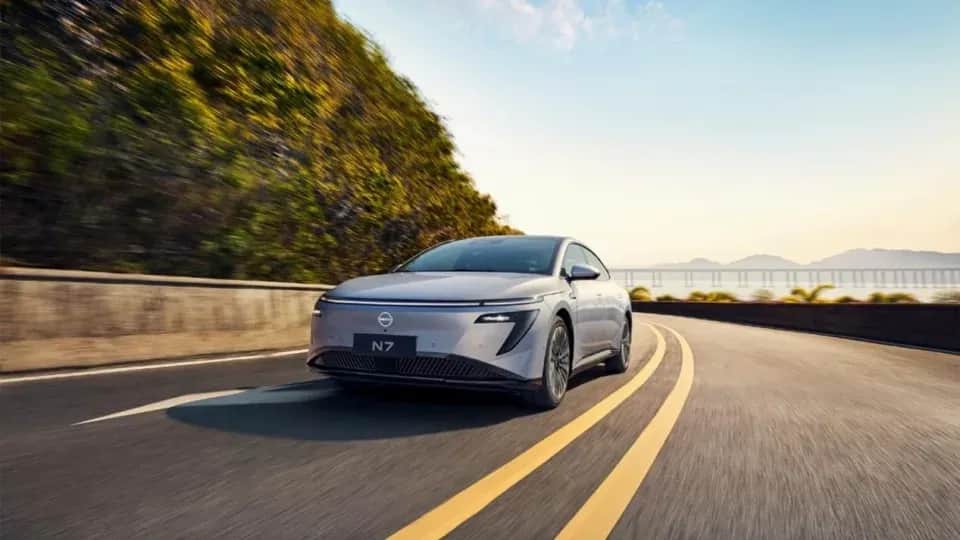
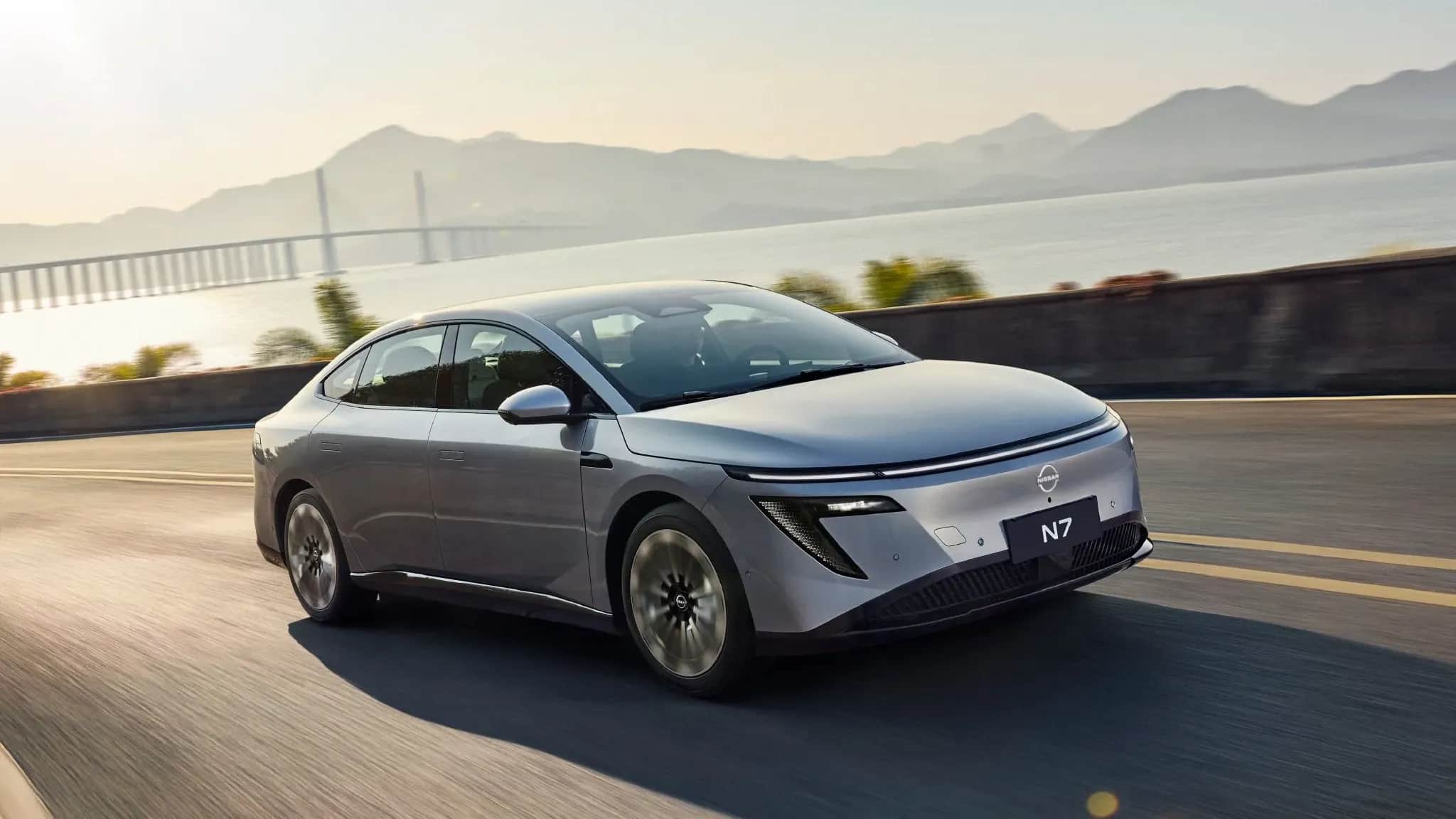
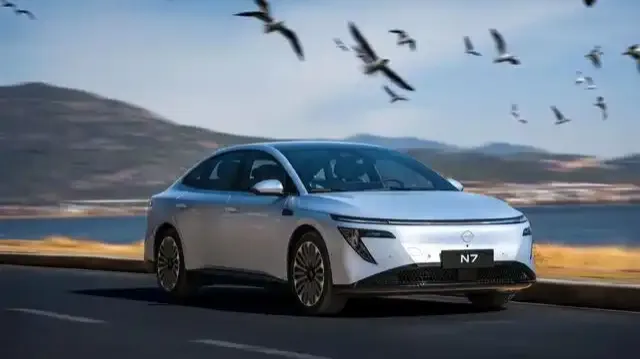
Nissan already ships China-built cars abroad. The Frontier Pro plug-in pickup is on sale in Mexico and the Philippines and the N7 sedan in the Philippines, and the company said in November that its joint ventures' products will reach more than 30 countries this year, with that number doubling next year. The wider industry is moving the same way: China exported 9.74 million vehicles in the first ten months of 2026, up 49%, according to Cui Dongshu, secretary general of the China Passenger Car Association.
Japan would be a new kind of destination, though Nissan would not be the first Japanese brand to ship cars home from China. Honda resumed sales of the Odyssey minivan in Japan on December 8, 2023 with vans built by its Guangzhou joint venture and a sales plan of 1,000 a month. Toyota is doing the same from the United States, with the Kentucky-built Camry going on sale in Japan on December 23. The first report noted that such reverse imports are spreading as carmakers look for ways around trade friction with the United States.
The plan also carries a cost at home. Nissan wants to keep 1 million units of annual production capacity in Japan, but its output for fiscal 2025 was expected to come in at about 700,000 including vehicles built for Mitsubishi, according to the second report, which warned that a growing flow of imports could eat into domestic production. Japanese pricing for either model has not been reported, and the Terrano's production version is reportedly due to be revealed in spring 2027, well before any of it could reach a Japanese showroom.
GCEV Weekly · Every Tuesday
China's EV industry in five minutes.
Launches, sales, batteries and policy — the week's stories that matter, with the context the headlines leave out.
Sent by GigaCharts Inc. Questions? Write to globalchinaev@gmail.com. Unsubscribe anytime. See our privacy policy.