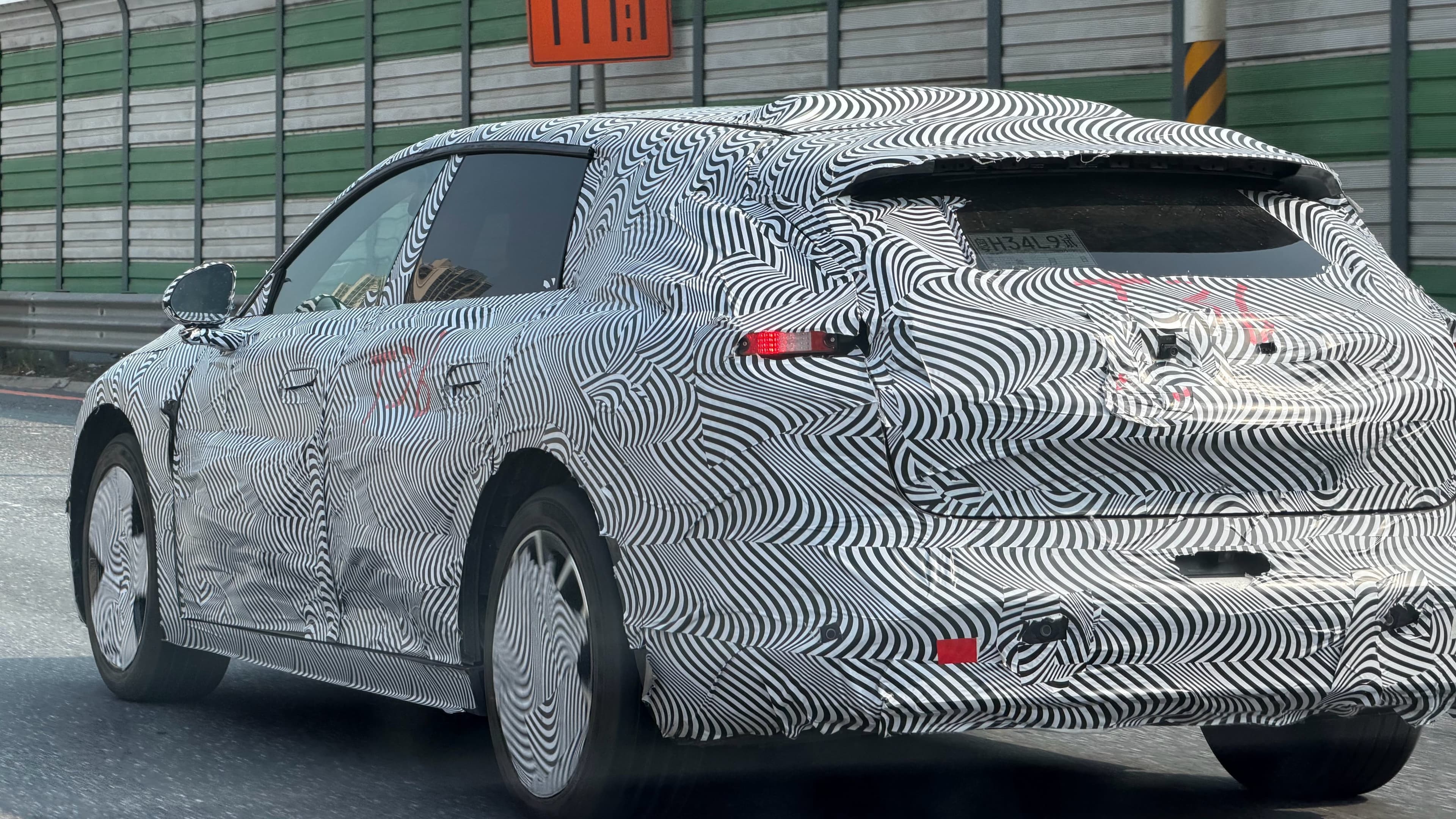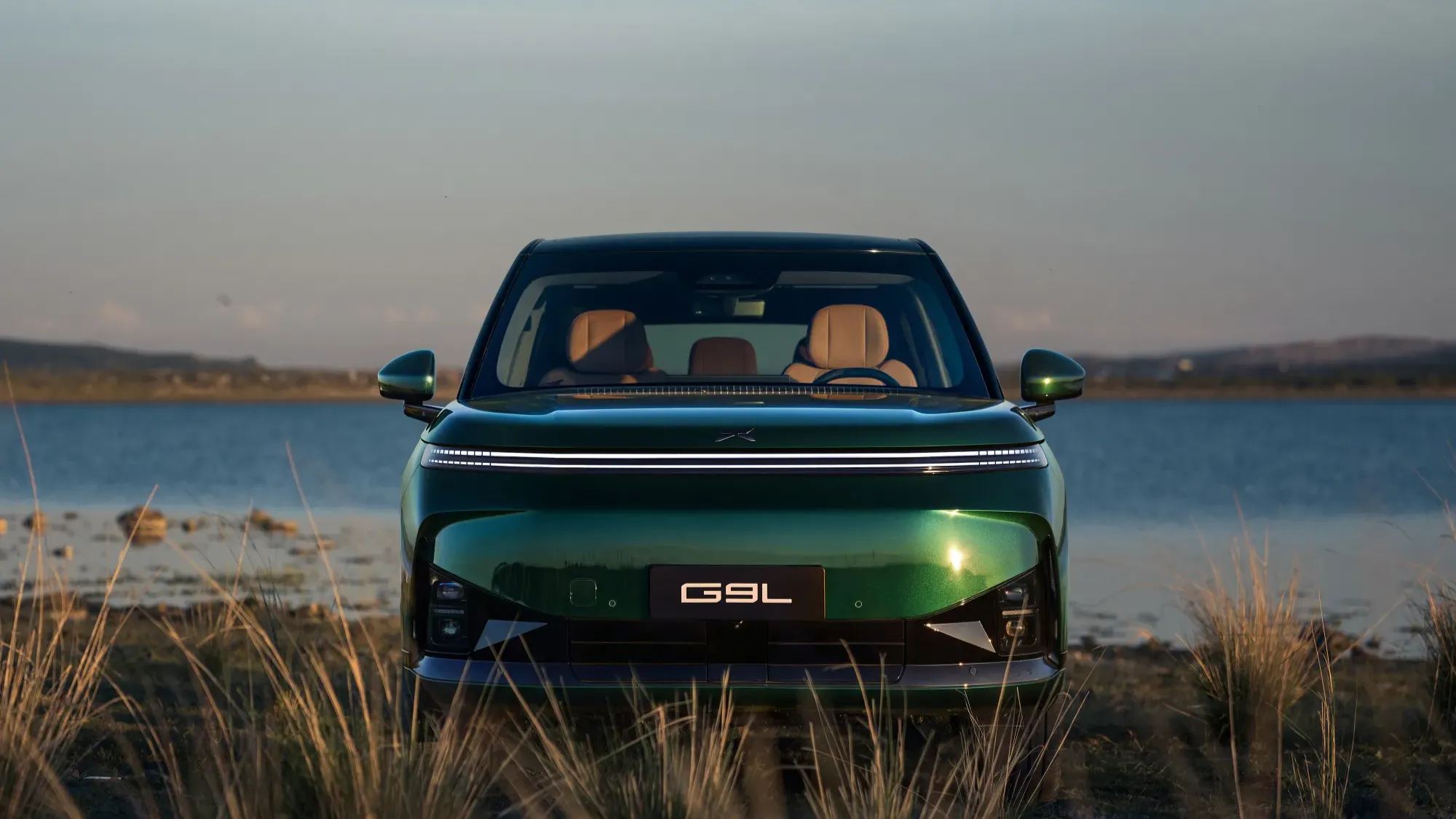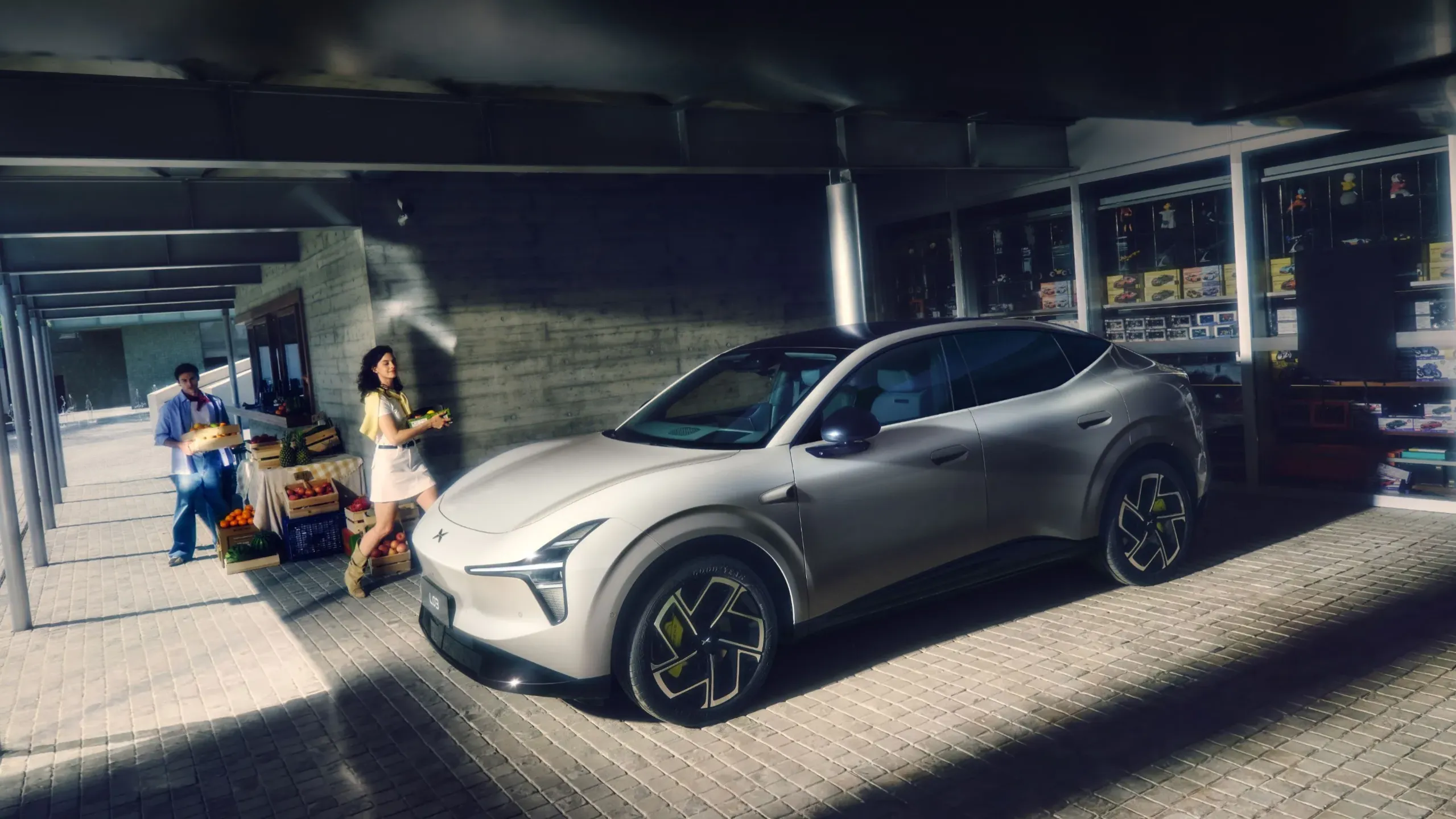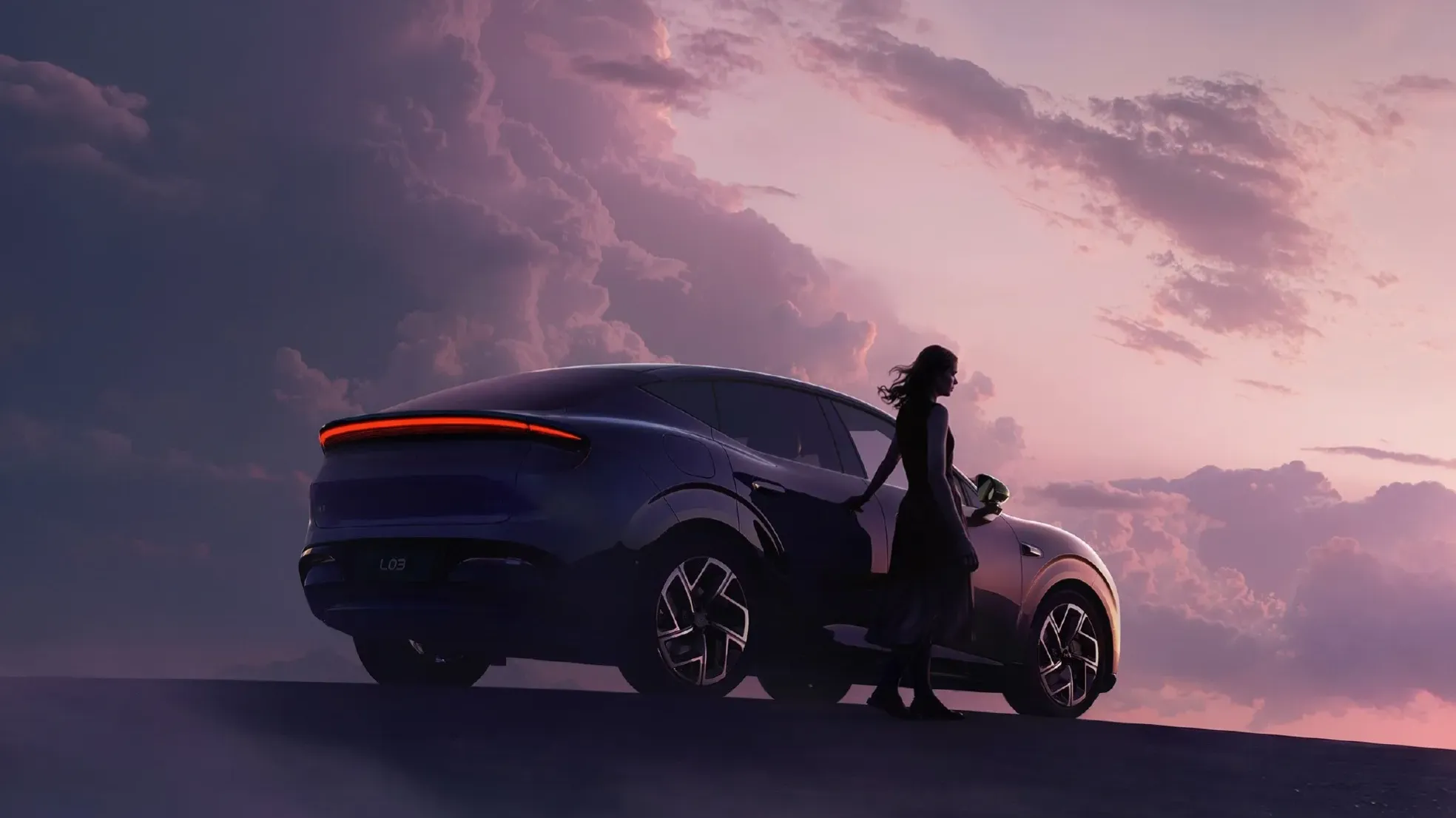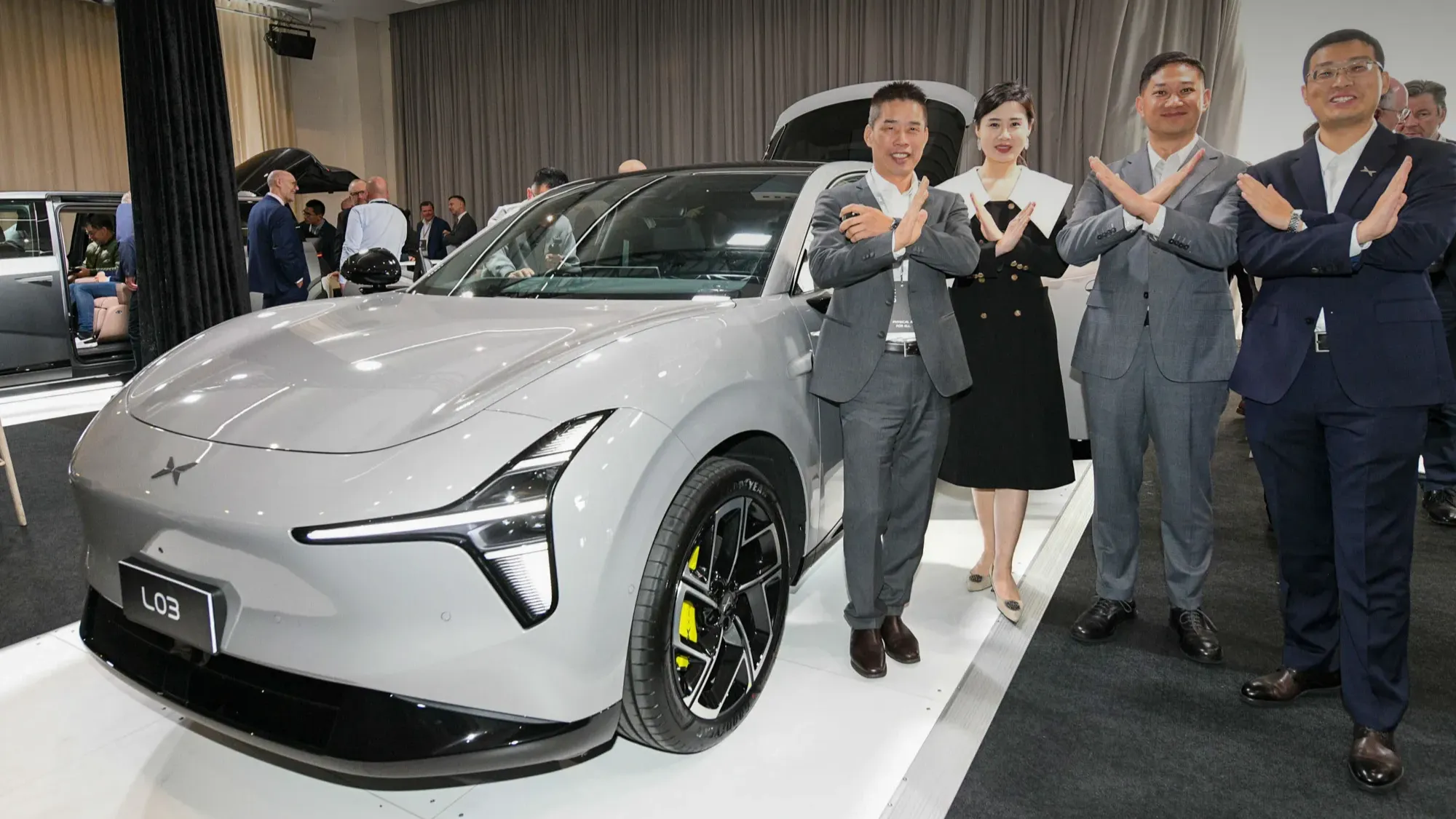
XPeng (NYSE: XPEV) announced on August 27, 2026, that the third chip in its self-developed Turing AI lineup has been powered on in production vehicles, completing a three-chip hardware architecture the company says unlocks a car-wide "super agent" built on a new version of its second-generation VLA (Vision-Language-Action) system. The announcement coincided with a company event, the "Physical AI Sharing and Second-Generation VLA New Version Experience Day," held the same afternoon.
The Turing chip is XPeng's full-stack, self-developed edge computing chip, in mass production since the third quarter of 2025 with cumulative shipments surpassing 200,000 units. XPeng has said its entire lineup will shift to the in-house chip starting in the second quarter of 2026, targeting annual shipments approaching 1 million units. The hardware comes in three tiers: three chips unlock full capability and headroom for future over-the-air upgrades, two chips support core driver-assistance functions, and a single-chip "Max" configuration delivers a standard driving experience.
Advertisement – Continue scrolling for more
Powering on the third chip means XPeng has finished validating the complete three-chip configuration, with each chip handling a distinct task, perception, decision-making, and cross-domain fusion, giving the system computing redundancy and tiered functionality depending on which configuration a given car carries.
The "super agent" running on top of that hardware is XPeng's second-generation VLA merged with a vision-language model (VLM) across three capabilities: unified scheduling that erases the boundary between driver-assistance and cockpit systems, native multimodal understanding that processes vision, voice, and text without translating between them, and a larger on-device model, with parameters expanded 3.5 times over the prior generation and now about 15 times larger than mainstream industry VLA models. XPeng says a technique called streaming inference, in which the model captures input, reasons, and outputs a driving trajectory simultaneously rather than waiting to finish processing before acting, is what delivers a 300% gain in end-to-end response speed.
A second component, called Infini-VLA, gives the production system a rolling 30-second memory of road conditions, the first time XPeng has added persistent memory to its driving-assistance decision-making. In a demonstration described in Chinese coverage of the event, a test vehicle following a car that was mid-U-turn did not accelerate into a gap that briefly opened behind it, because the model recognized the other car's turn as an ongoing maneuver rather than treating the gap as a single isolated frame.
Advertisement – Continue scrolling for more
A companion module, X-Foresight, projects six seconds into the future, using a technique called Flow Matching to weigh multiple possible trajectories for surrounding vehicles before the car chooses its own next move. XPeng showed footage of a test car navigating a ferry dock with no painted lane markings and finding its own way onto the boat, and another clip of a car slowing to assess a tree branch hanging over a mountain road rather than treating it as a fixed obstacle or driving through an apparent gap. XPeng's own simulation testing puts the resulting gain in overall safety performance at more than 20 times the prior version.
On the cockpit side, XPeng rebuilt its voice architecture around a new Omni multimodal model paired with what it calls a Master Agent, which is designed to track an entire conversation rather than executing single, isolated commands. XPeng said a driver asking the car to "find a place to pull over" now triggers a multi-step sequence, changing into the rightmost lane, checking guardrails and bus stops, and identifying a suitable spot, instead of an immediate stop wherever the car happens to be. The company frames this as bringing a slice of Level 4 Robotaxi-style interaction down into a production car.
Advertisement – Continue scrolling for more
XPeng's General Intelligence Center head, Liu Xianming, summarized the underlying philosophy at the event as "Car as Robot," arguing that a vehicle and a robot both need to perceive their surroundings, retain a memory of recent events, interpret a person's intent, and turn that intent into physical action. The same base model, according to XPeng, runs both in its cars and in its humanoid robot division.
XPeng is applying the same architecture across its Robotaxi program, which the company says has completed more than 2,000 internal test rides. A Robotaxi variant running the second-generation VLA has obtained a remote-testing qualification from Guangzhou's intelligent connected vehicle regulator, permitting road testing without a safety operator in the driver's seat on designated routes. XPeng is not alone in tying its car business to a broader robotics and AI narrative: Tesla (NASDAQ: TSLA) has folded its vehicles, Robotaxi service, and Optimus humanoid robot into a single technology roadmap, while Li Auto (NASDAQ: LI) has repositioned itself from a smart-car maker into what it calls an "embodied intelligence" company.
Advertisement – Continue scrolling for more
The new VLA software, version 6.3.0, is scheduled to begin rolling out in September 2026 to Ultra and Ultra SE trims across XPeng's lineup, with the G9L Ultra and Ultra SE first in line to receive it. The G9L Max, which runs on a single Turing chip, will instead get a distilled "VLA Lite" version built around a redesigned Hybrid ViT vision module meant to preserve core capability within a smaller compute budget.
Whether owners actually notice a car that remembers more, predicts further ahead, and reacts faster will only become clear once the update starts reaching driveways next month, when XPeng's claims about a 300% speed gain and a 20-fold safety improvement meet ordinary daily driving rather than a stage demonstration.
Advertisement – Continue scrolling for more