Source: FAW-Volkswagen
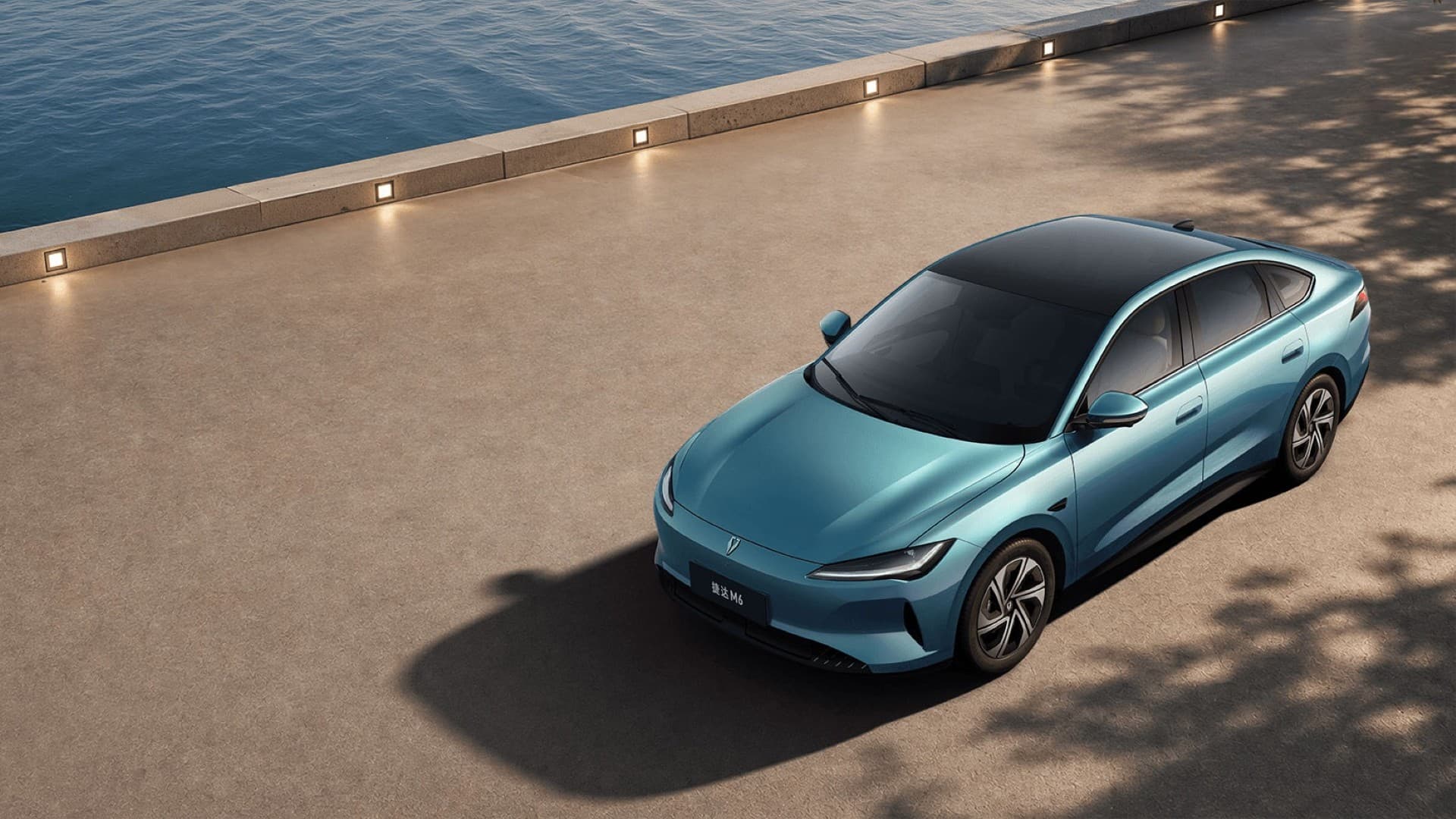
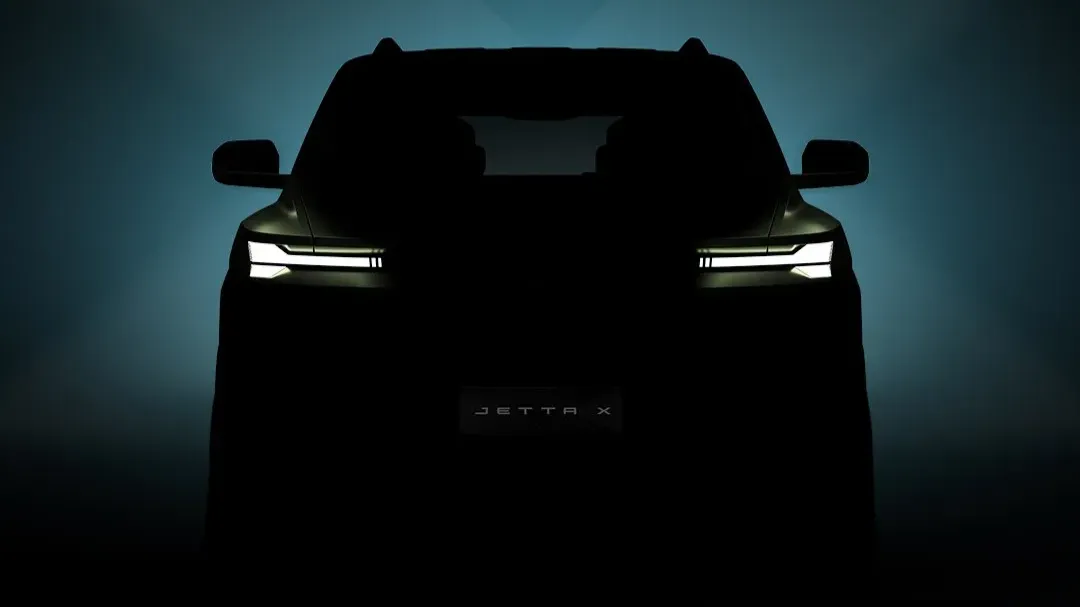
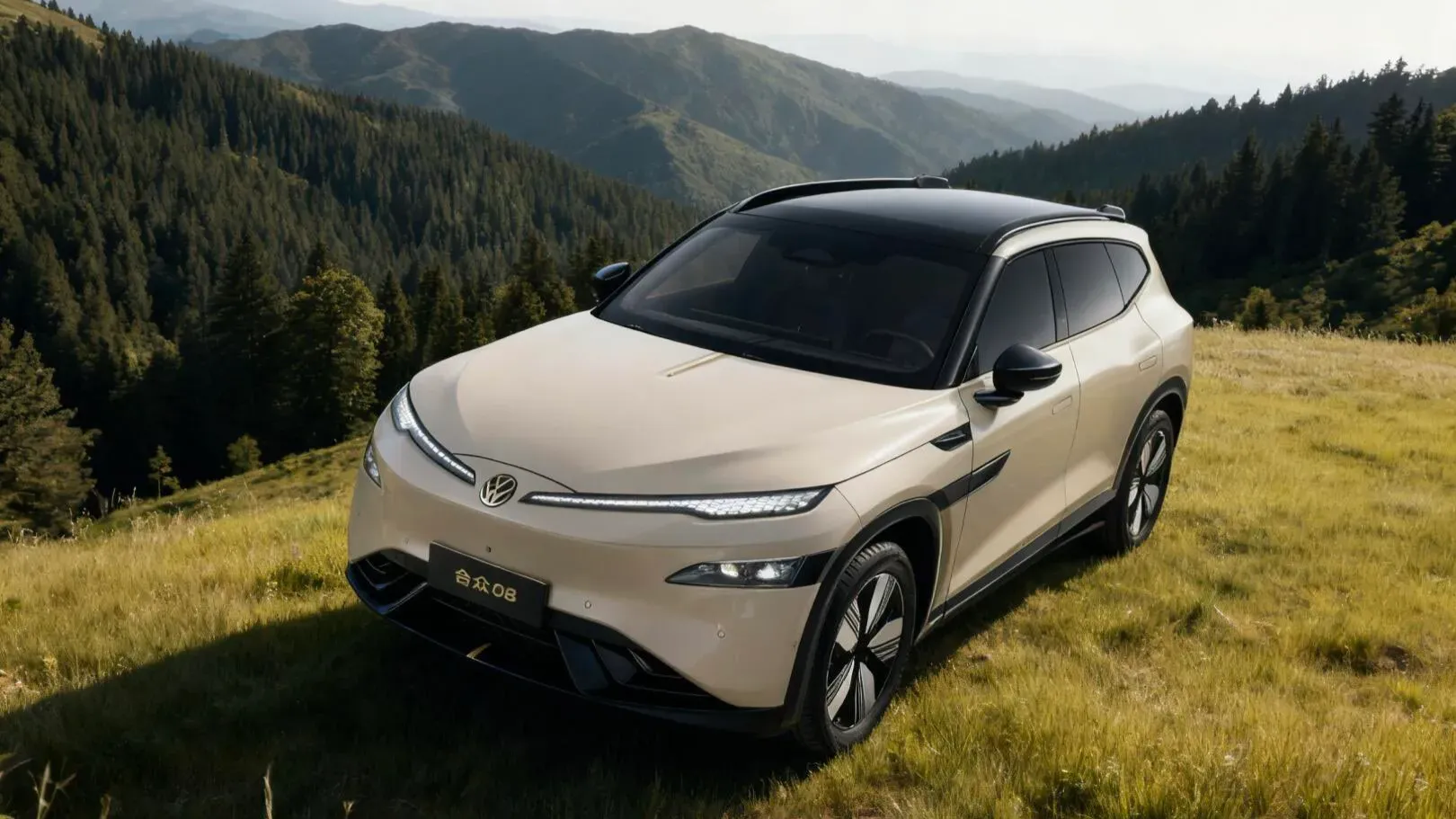
Volkswagen Group's (ETR: VOW3) Chinese entry-level sub-brand Jetta is on course to reveal its first electric vehicle in the third quarter of 2026 and place it on sale before year-end, as the German automaker pushes deeper into a market segment it has never previously addressed with a battery-electric model.
The debut will mark a decisive shift for a brand that, since its 2019 inception, has sold only internal combustion engine vehicles. FAW Volkswagen Jetta Automotive Technology Co Ltd officially commenced operations on January 14, 2026, formalising the new entity as an independent subsidiary of the FAW-Volkswagen joint venture — one with its own market-oriented research and development mandate and accelerated decision-making authority.
Jetta is not the same brand sold as a sedan nameplate in North America and Europe. In China, it was spun off by FAW-Volkswagen in 2019 to target first-time buyers and younger consumers in lower-tier cities, a demographic historically underserved by international automakers. Since launch, the brand has expanded to five ICE models — the VA3 and VA7 sedans and the VS5, VS7, and VS8 SUVs — with combined retail sales of 113,311 units in 2025, modest figures for a brand that now aspires to move 400,000 to 500,000 vehicles annually.
Advertisement – Continue scrolling for more
The urgency behind the brand's electric pivot is evident from the broader numbers. FAW-Volkswagen sold 1.659 million vehicles in total across its Volkswagen, Audi, and Jetta brands in 2024, yet the Jetta sub-brand's ICE-only lineup has struggled to gain meaningful traction as China's market has tilted heavily toward new energy vehicles. Across all five models, Jetta's full-year 2025 retail sales totalled 113,311 units — the VS5 SUV led at 54,501 units, followed by the VA3 sedan at 31,244 units, with the VS7, VS8, and VA7 contributing progressively smaller volumes.
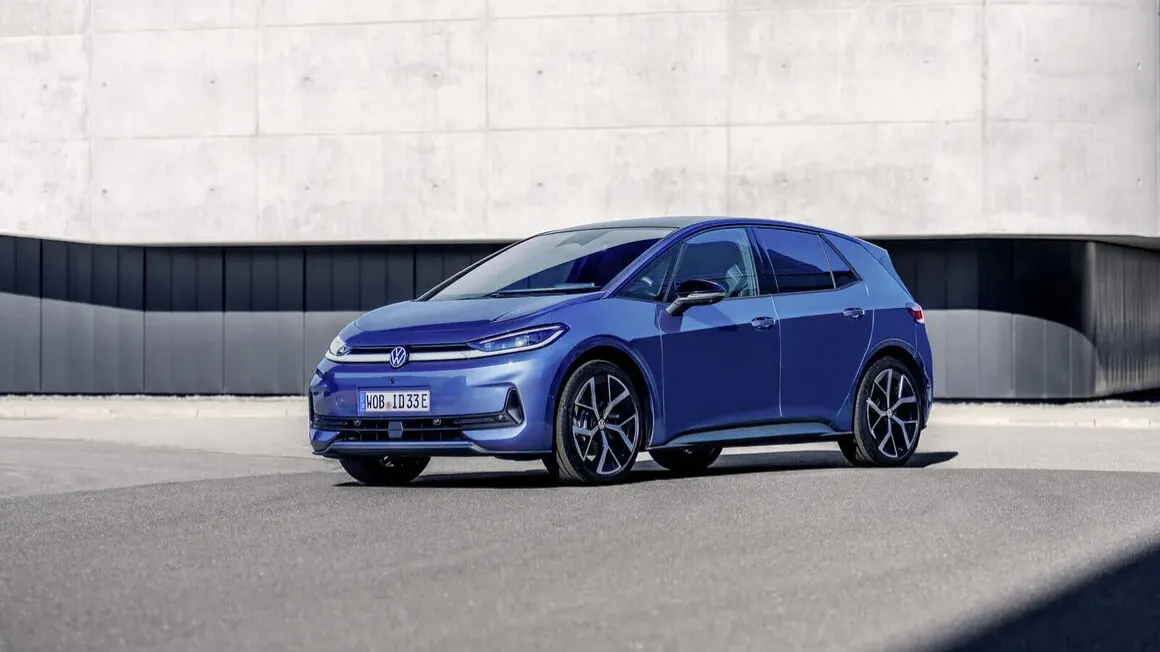
The new EV — expected to be a sedan produced at a facility in Chengdu, Sichuan Province — will be priced below 100,000 CNY (c. $14,500), a threshold at which Volkswagen Group currently has no electric offering in China. That gap has been costly: Chinese domestic brands including BYD (HKG: 1211) and Leapmotor have built substantial volume in precisely this price band. The Jetta EV's price point would represent a roughly 30,000 CNY undercut compared to VW Group's equivalent CMP-based Volkswagen brand models, which are also planned for 2026.
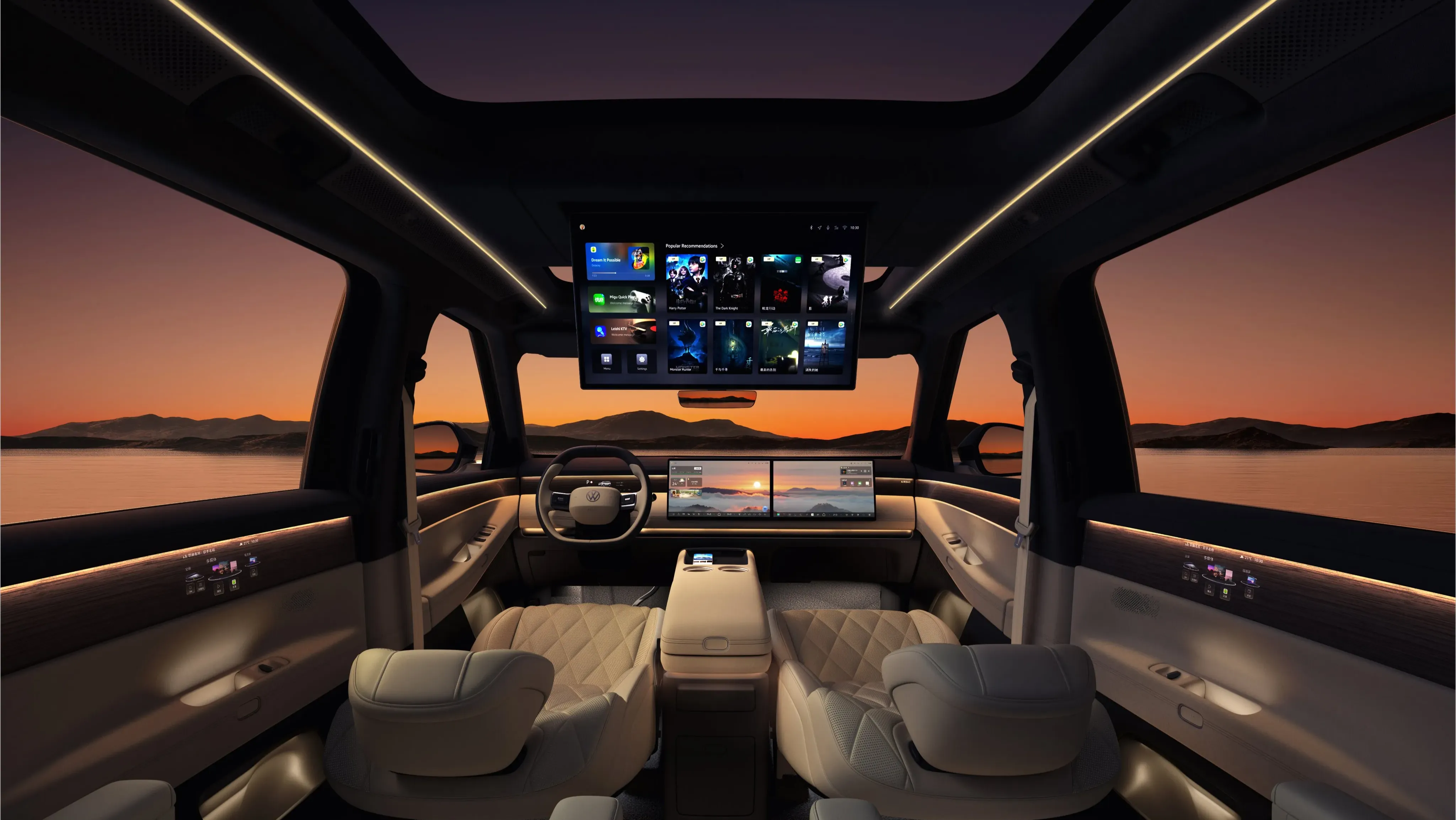
The model will be built on Volkswagen's Compact Main Platform (CMP), developed locally at the group's Hefei-based China Technology Company. The platform is compatible with both battery-electric and plug-in hybrid configurations. All CMP-based models — including the Jetta EV — will carry the China Electronic Architecture (CEA), a zonal electrical and electronic architecture designed to support advanced digital services, over-the-air updates, and AI-assisted driver assistance systems covering both highway and urban scenarios.
Advertisement – Continue scrolling for more
CEA reduces the number of control units by approximately 30% compared to conventional architectures, according to Gasgoo, and is compatible with the AI-enhanced ADAS suite from Volkswagen's software division, Carizon. The CMP platform is engineered to cut time-to-market by more than 30% and reduce development costs by roughly 40% versus traditional platforms.
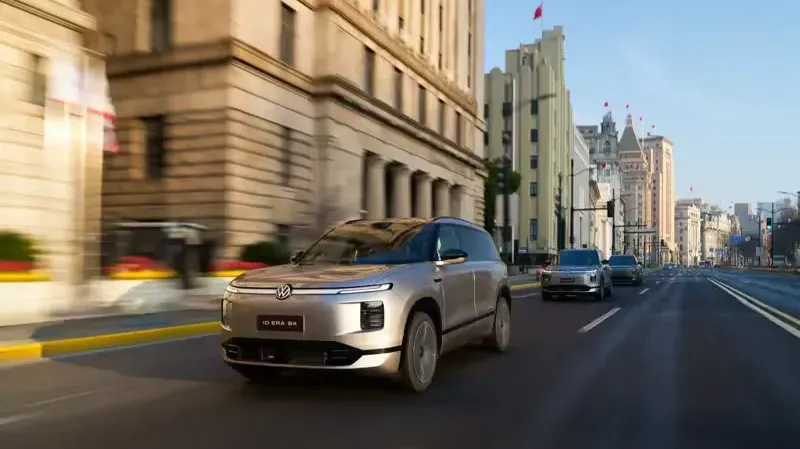
The Jetta EV will not stand alone. Volkswagen's August 2025 "Cooperation Agreement on Jetta Business Development," signed in Chengdu with FAW and the local economic zone authority, commits to four NEV models under the Jetta brand by 2028. The broader FAW-Volkswagen roadmap announced in March 2025 had originally outlined eleven new models — six pure-electric, two PHEV, two EREV, and one ICE — across both the Volkswagen and Jetta brands.
Advertisement – Continue scrolling for more
The current confirmed plan, refined since then, now centres on five models under the Jetta name, of which four will be NEVs. At least one Jetta model will retain an ICE powertrain; plug-in hybrid and range-extender variants are also under consideration within the NEV count.
Source: FAW-Volkswagen
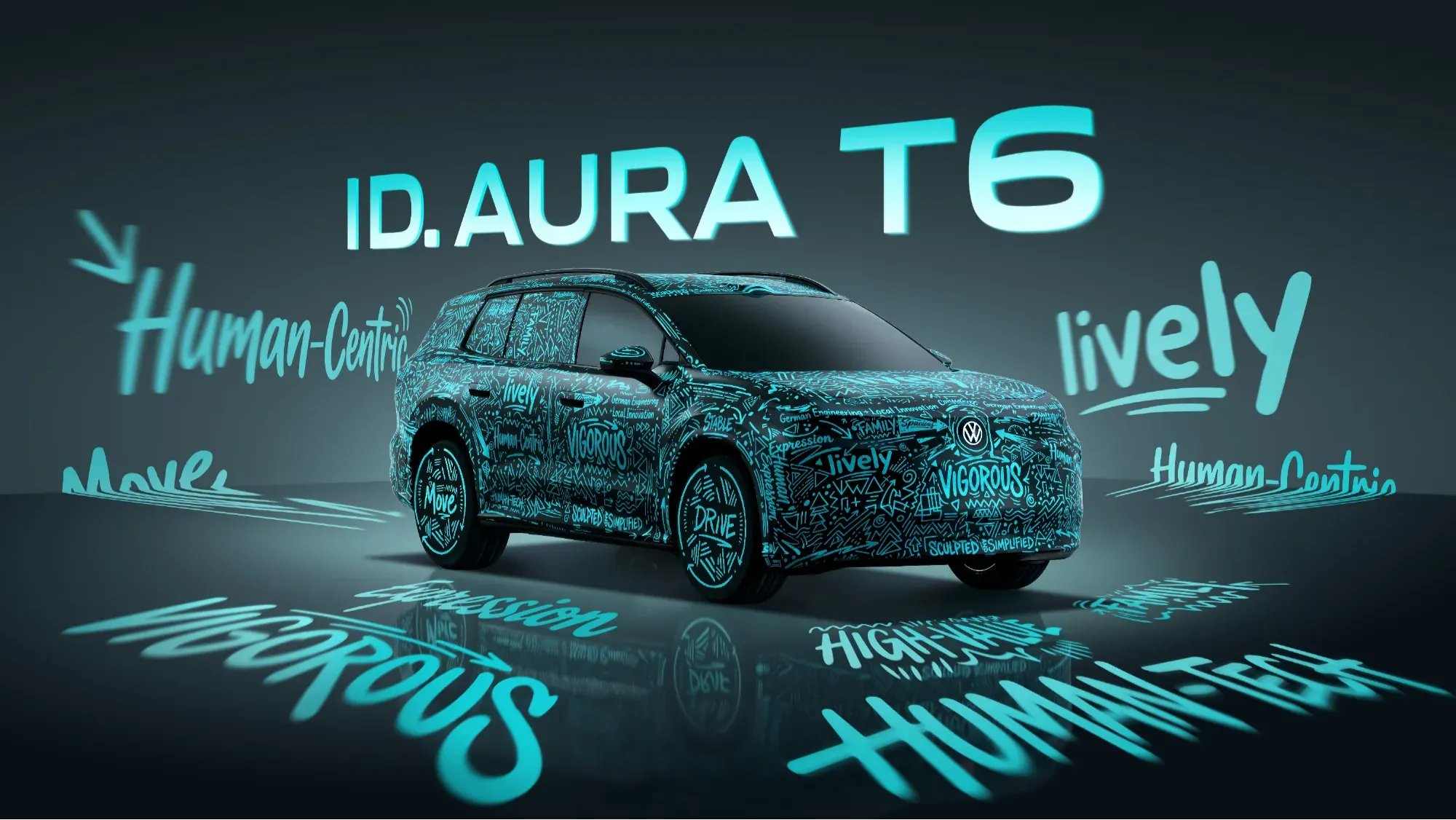
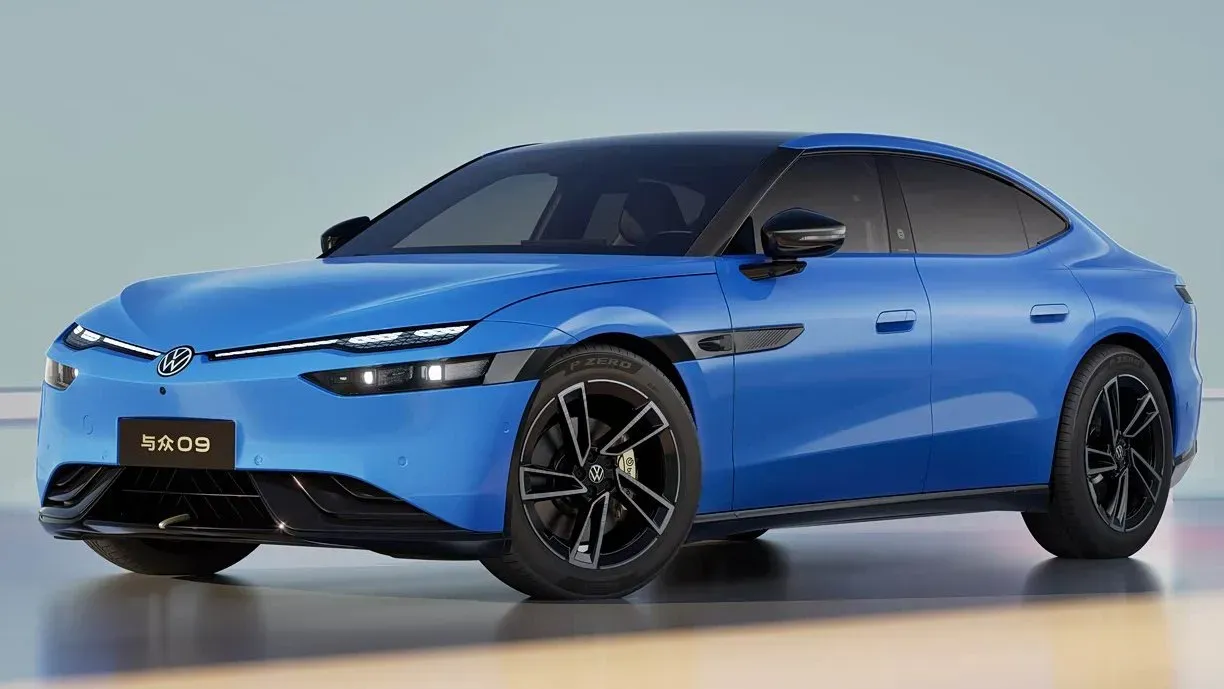
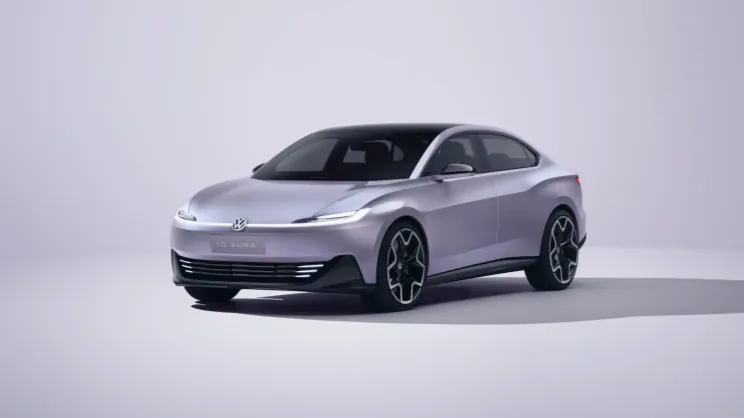
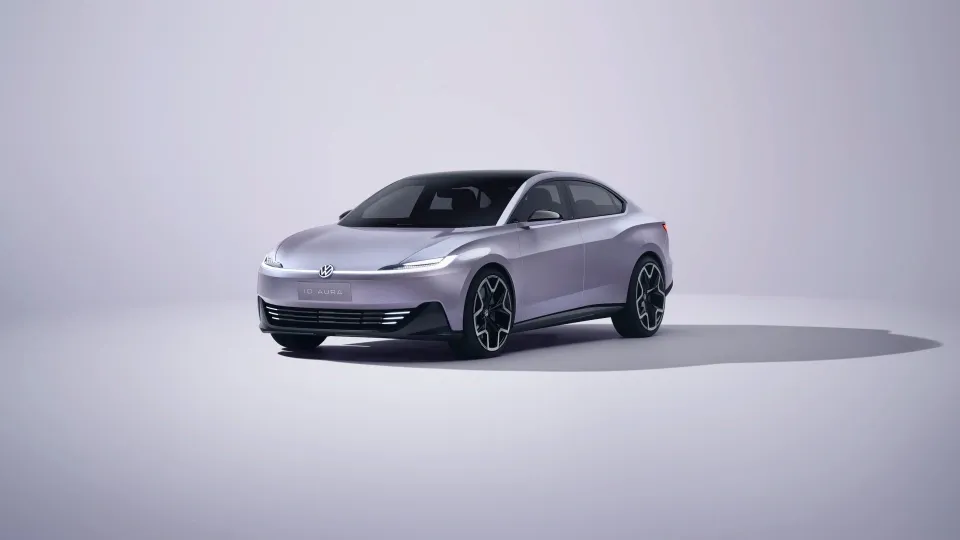
In terms of design direction, Volkswagen's FAW-Volkswagen ID.AURA concept — a compact pure-electric sedan on the CMP platform revealed at Auto Shanghai 2025 — provides the clearest public signal of what CMP-based electric sedans from the joint venture might look like.
The ID.AURA features a low stance, aerodynamic lines, a minimalist interior with a single horizontal screen, and diffused ambient lighting. It supports up to L2++ advanced driver assistance. The production-specification Jetta EV, expected to debut at Auto China in April 2026, will be a distinct vehicle from the ID.AURA but shares the same platform and CEA architecture.
The new Chengdu-based entity's establishment brings another notable development: Jetta has been given explicit permission to expand internationally. According to the cooperation agreement, the brand plans to begin overseas expansion starting with Central Asian markets, and Volkswagen Group has committed to opening its global R&D network to support Jetta's international ambitions.
Advertisement – Continue scrolling for more
The story of how VW arrived at this point carries some irony. In 2023, FAW-Volkswagen was reported to be in talks to license EV platform technology from Leapmotor, a Chinese startup also backed by Stellantis, to fast-track Jetta's electrification. Those talks did not produce a confirmed deal, and Volkswagen ultimately chose to proceed with its own CMP rather than an external platform.
And separately, in September 2020, then-VW China CEO Stephan Wöllenstein had called extended-range EVs — now part of the FAW-VW NEV plan — "nonsense and the worst possible solution". Market realities have since rewritten that position.
Whether the Jetta EV can close the brand's volume gap against established domestic players — in a price bracket where BYD and its affiliates have refined their competitive edge over years — will be tested the moment the model lands on forecourts in late 2026.
Conversion rate: 1 USD = 6.90 CNY as of March 8, 2026.
Advertisement – Continue scrolling for more