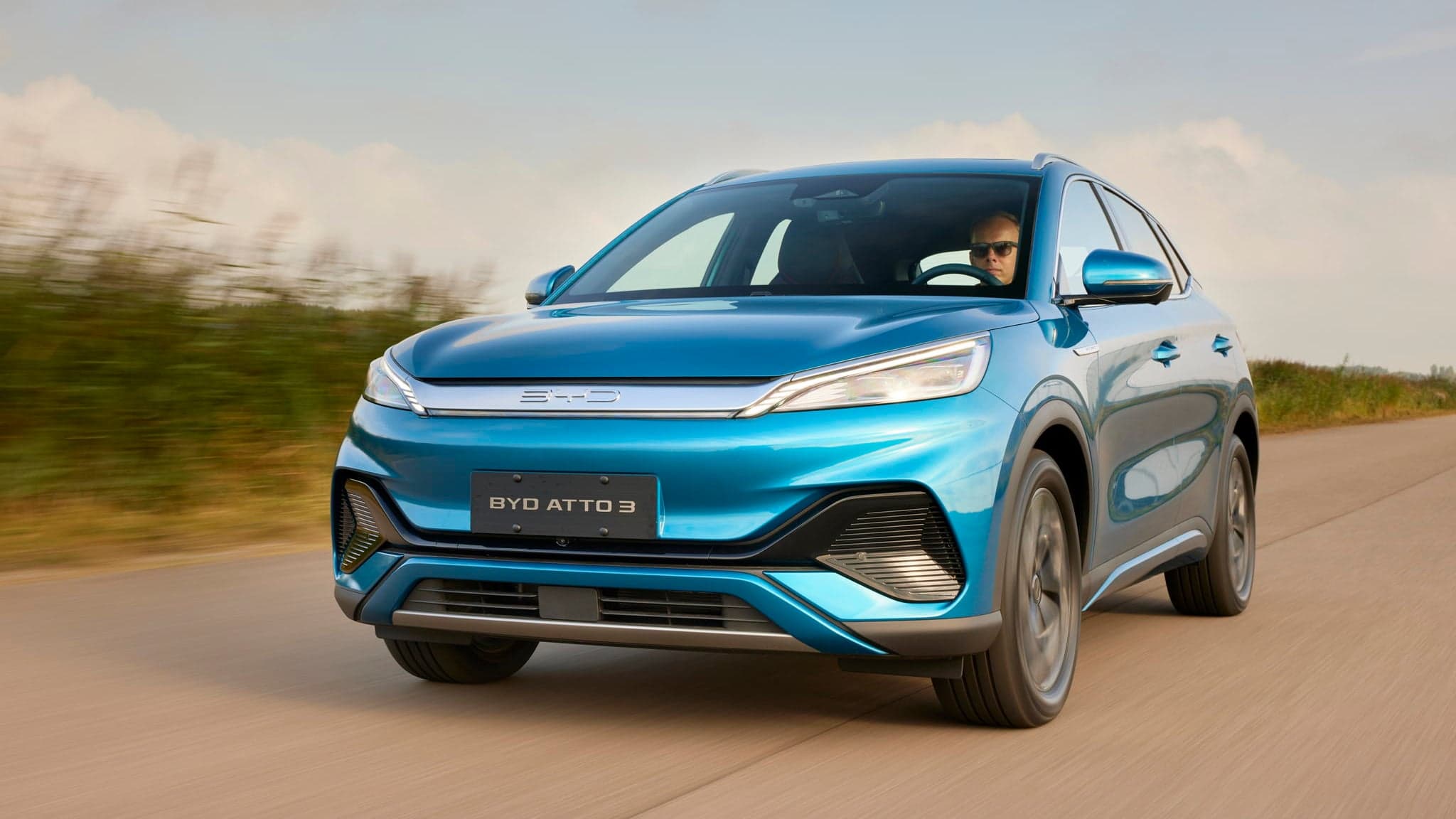
Trump's ambassador closes the door on Chinese EVs coming into US via Canada
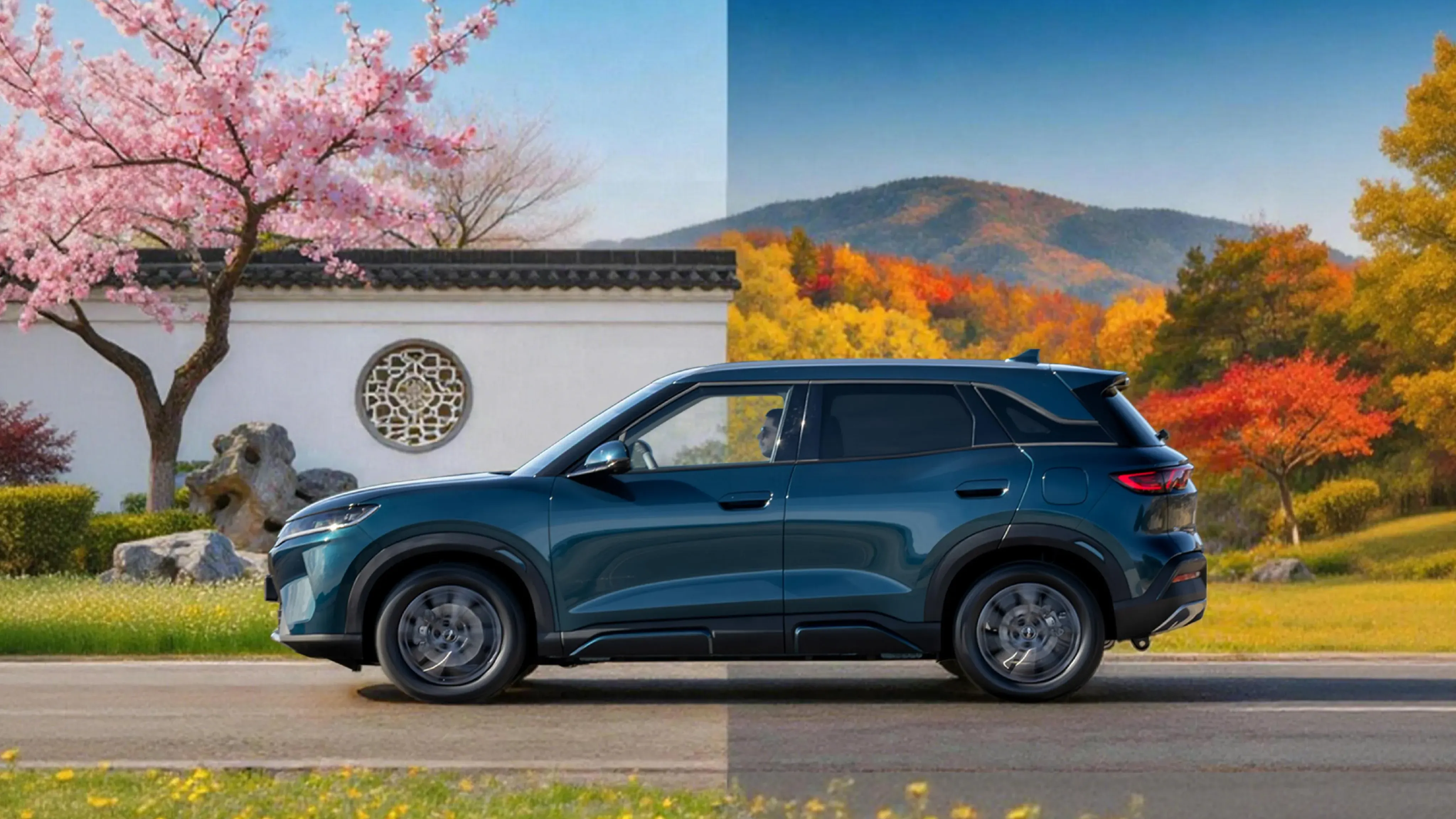
Source: BYD
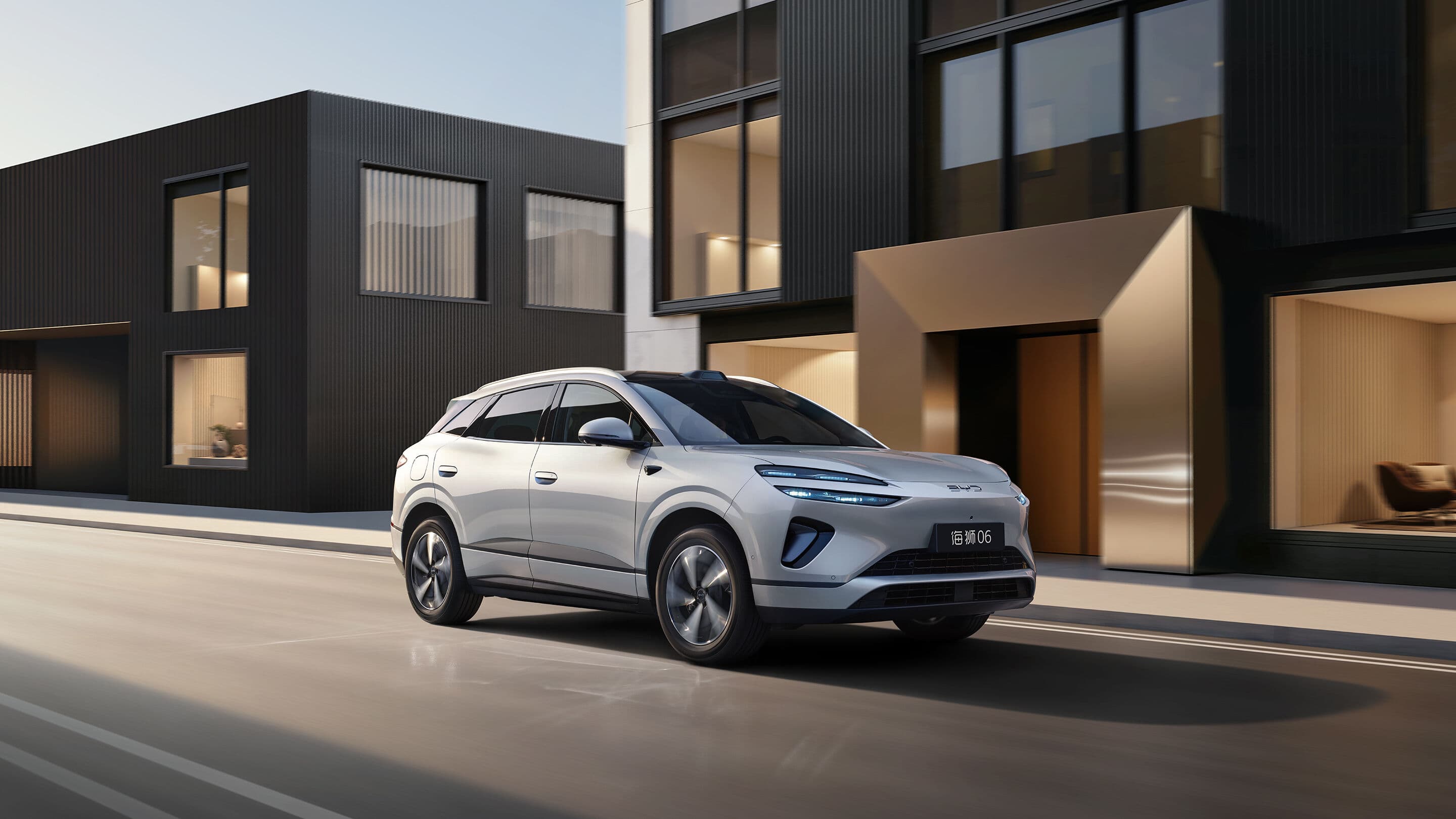
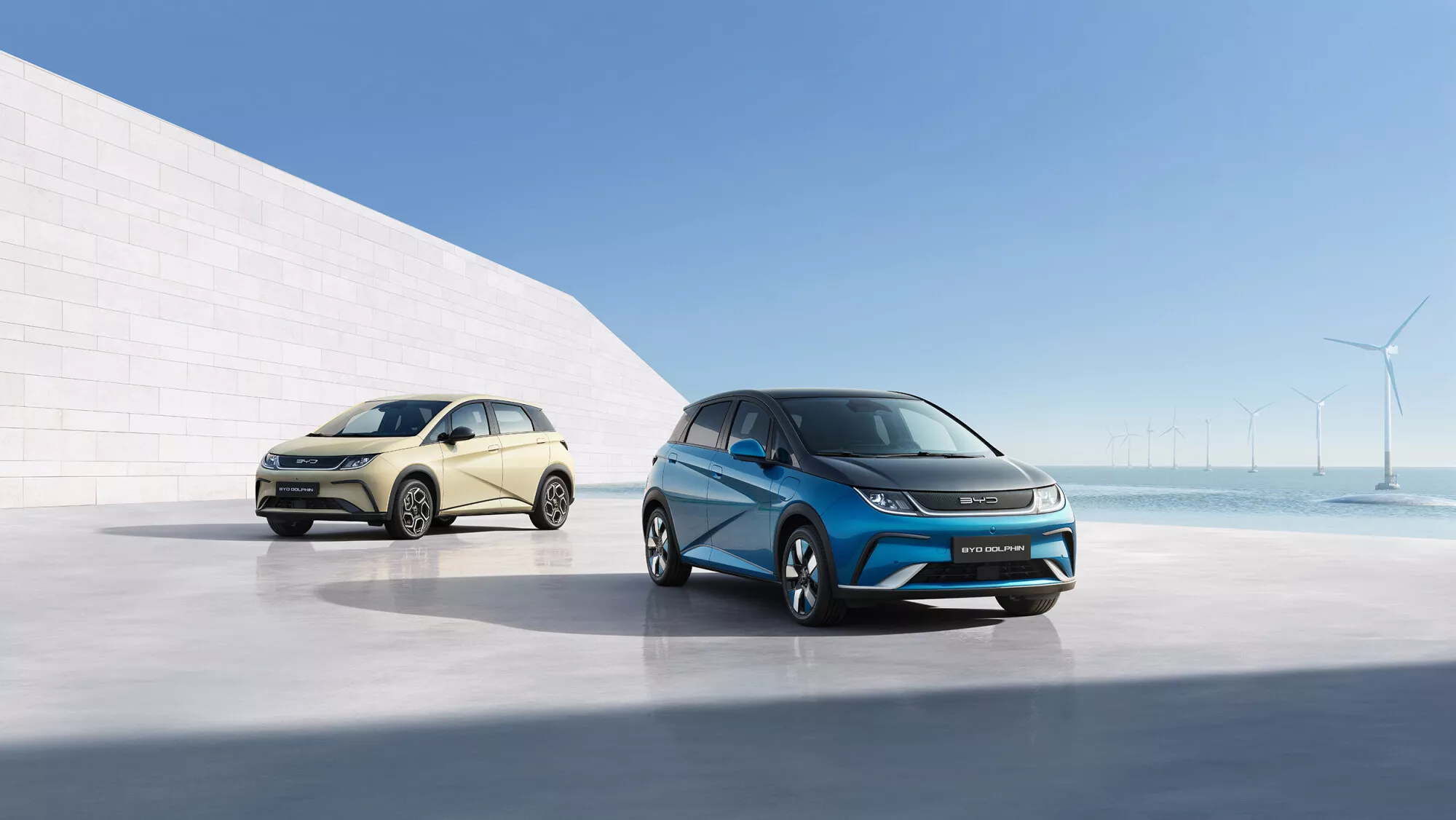
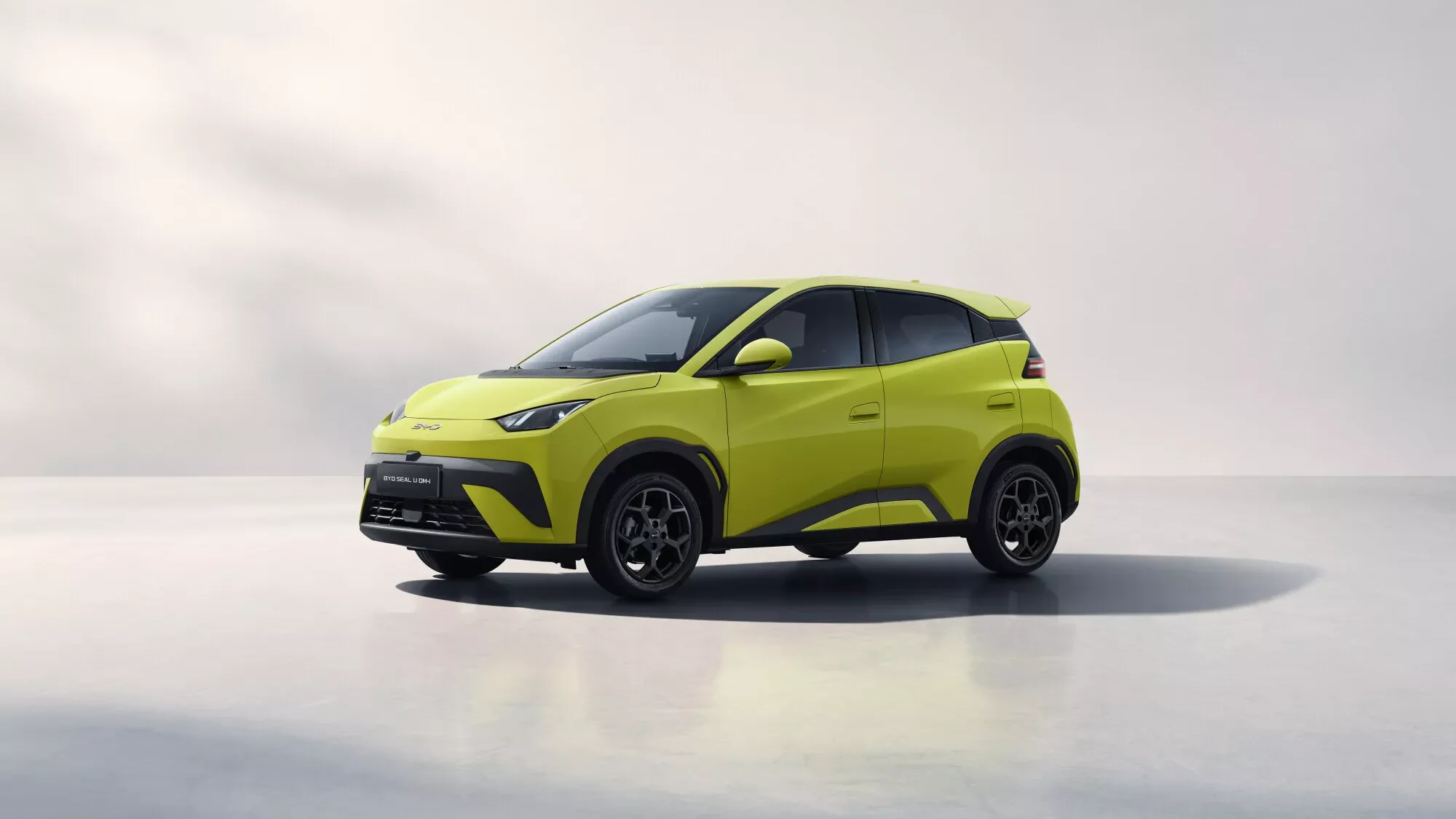
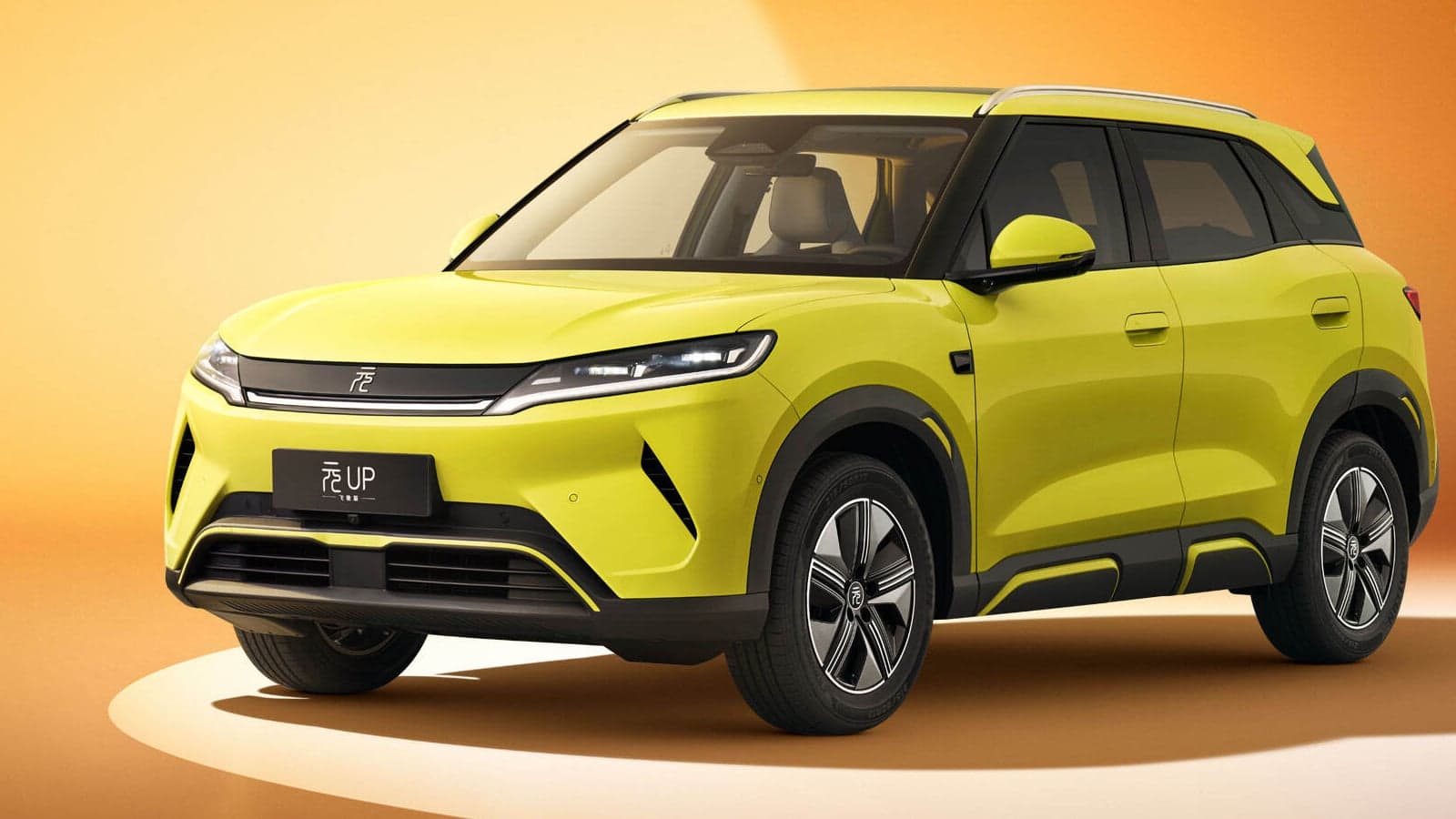
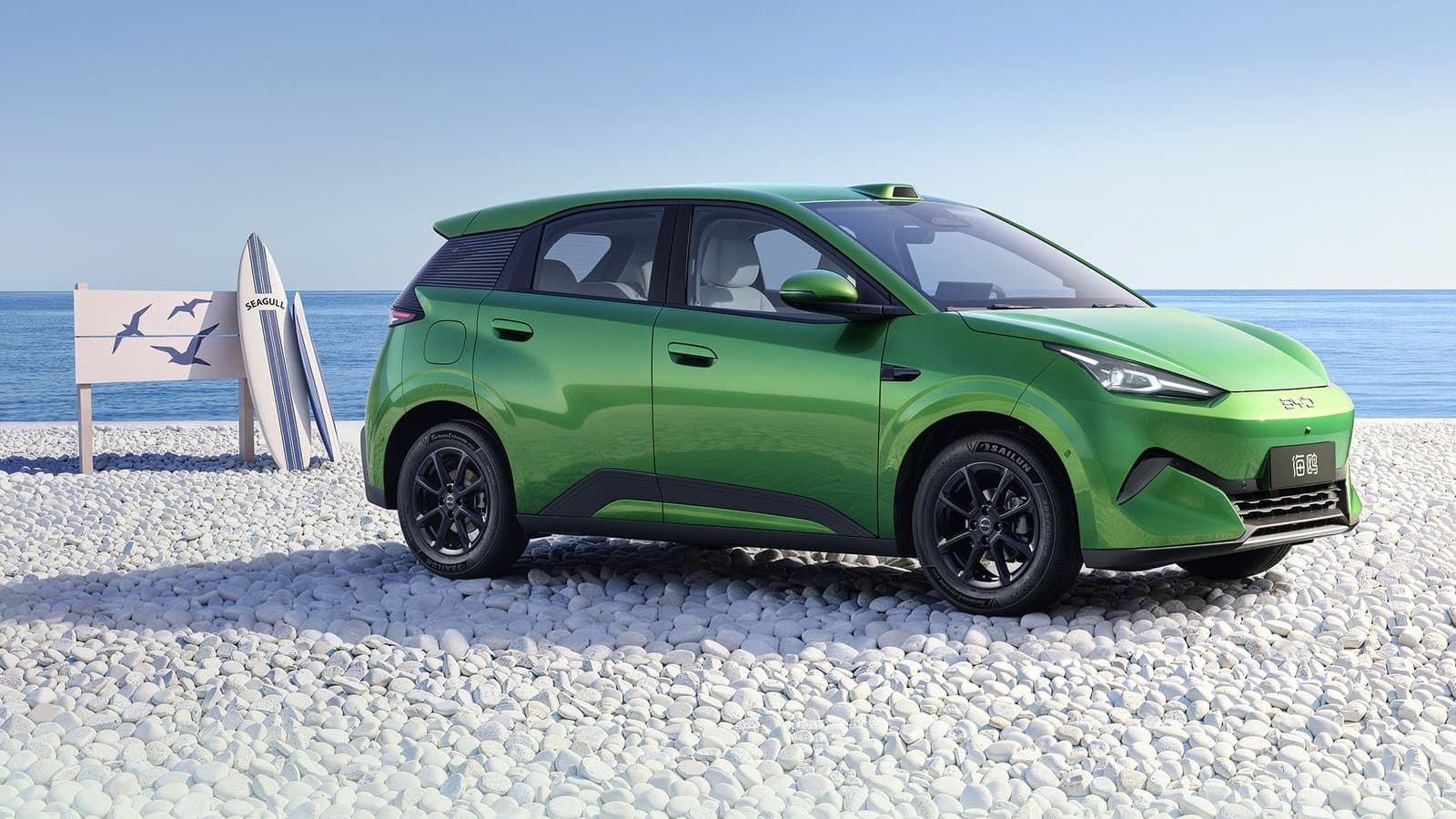
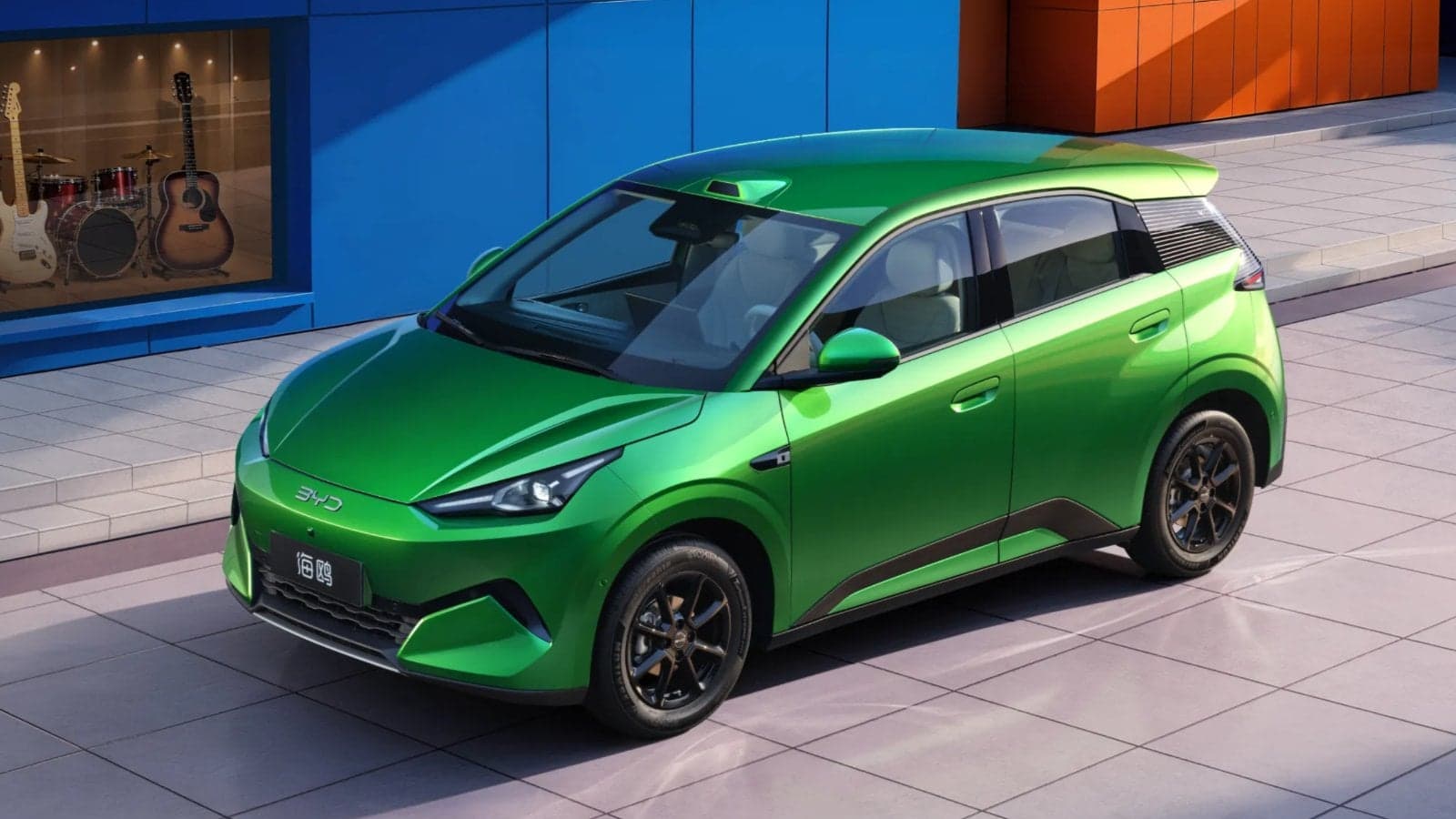
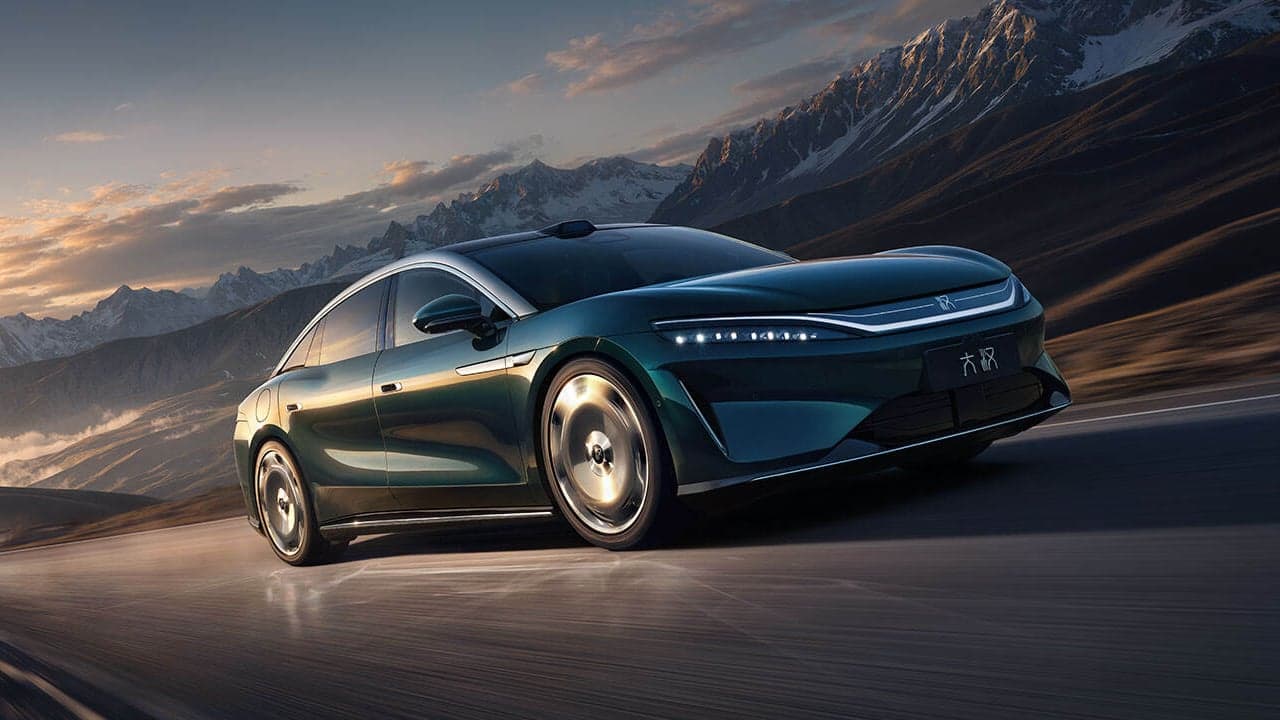
The United States will not allow Chinese-made electric vehicles that enter Canada to cross into its market, Trump's Ambassador to Canada Pete Hoekstra said on March 30, 2026, closing off a potential trans-border route to North American consumers opened by Ottawa's landmark trade deal with Beijing.
"Those cars can come in from China, come into Canada, but they're not going to cross the border into the US," Hoekstra told Canada's Rebel News. Speaking separately to Automotive News, he was blunter: "that ain't gonna happen."
The remarks come as Canada began issuing import permits on March 1, 2026, formally activating a quota of 49,000 Chinese-built electric vehicles per year at a most-favoured-nation tariff of 6.1%, down from 106.1%.
Prime Minister Mark Carney reached the agreement with Chinese President Xi Jinping in January 2026 — a sharp break from the policy Canada had aligned with Washington just 17 months earlier, when Ottawa matched the Biden administration's 100% surtax on Chinese EVs.
Advertisement – Continue scrolling for more
In exchange, Beijing agreed to reduce tariffs on Canadian canola, lobster, crab, and peas, and committed to increasing joint-venture investment in Canada's auto manufacturing sector within three years. The quota is expected to rise roughly 6% annually, reaching 70,000 vehicles by 2031.
For those vehicles, the US border represents an entirely separate and far higher barrier. Combined US duties on Chinese-built EVs — stacking a 100% Section 301 tariff imposed under Biden, IEEPA surcharges, and a standard 2.5% base duty — exceed 100% of a vehicle's landed value.
Chinese-built cars do not qualify for USMCA preferential treatment, meaning no tariff arbitrage pathway through Canada exists. These rates remained unchanged even after a US-China trade truce in May 2025 that lowered duties on most other Chinese goods.
Advertisement – Continue scrolling for more
Beyond tariffs, a Biden-era Commerce Department final rule signed in January 2025 prohibits the import and sale of connected vehicles containing Chinese internet-connectivity hardware or software. Software bans take effect for model year 2027; hardware bans follow in 2029. Reversing the rule would require an act of Congress or a deliberate policy shift from the Trump administration.
Hoekstra grounded his position in national security concerns: "That car driving around from China, it's a great gobbler of data and information." His remarks, however, stop short of a formal White House policy announcement — no executive order or regulation specifically targeting Chinese EVs transiting through Canada has been issued.
On the Canadian side, BYD (HKG: 1211), Chery, and Geely (HKG: 0175) are preparing for market entry as early as late 2026, with SAIC potentially entering with the MG4. Canada's quota framework channels imports through manufacturers and their authorized representatives.
Advertisement – Continue scrolling for more
Under the deal's terms, half of all permitted vehicles must be priced at or below CA$35,000 (c. $25,100), positioning them in the mass-market segment where Chinese brands have proved most competitive globally.
The commercial stakes are significant: nearly 40% of US consumers say they would consider a Chinese EV, yet the combined tariff and regulatory wall makes legal US access effectively impossible today. In Canada, critics have raised a separate concern, estimating the country's zero-emission vehicle credit system could channel nearly CA$980 million annually to Chinese automakers through federal credits at full quota.
All three USMCA partners are due to convene by July 1, 2026 under Article 34.7 of the agreement to decide whether to extend, renegotiate, or allow it to enter annual review — and how far the divergence in Canada and US trade policy on China can stretch before it strains the pact itself.
Conversion rate: 1 USD = 1.3929 CAD as of March 31, 2026
Advertisement – Continue scrolling for more