Tesla Canada ships back US-built Model 3 inventory in pivot for China-built EVs
Source: Tesla
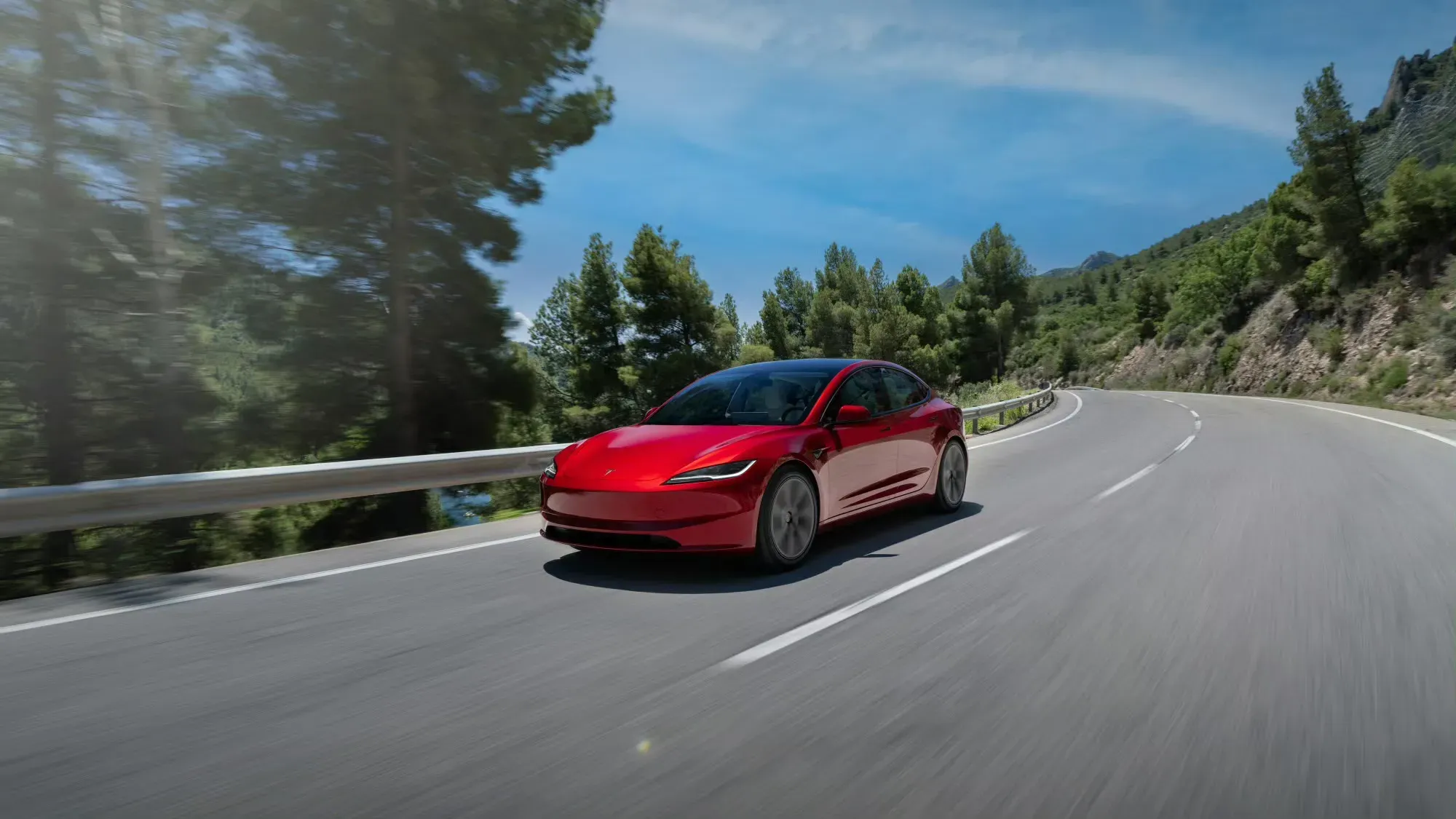
Tesla (NASDAQ: TSLA) has wiped its entire Canadian Model 3 inventory and, according to sources familiar with the matter, shipped the remaining US-built units back to the United States — a quiet but consequential supply chain pivot that followed Canada's reopening of its market to Chinese-built electric vehicles on March 1, 2026.
The inventory clearance, confirmed by a scan of Tesla's Canadian website showing no Model 3 stock available across major markets including Vancouver, Toronto, and Montreal, was reported by Electrek on March 6 and subsequently verified by Gizmodo and Drive Tesla Canada.
The trigger was Canada's new Chinese EV import program, which came into force March 1, 2026, allowing up to 49,000 Chinese-manufactured electric vehicles per year to enter the country at a tariff of 6.1% — down from the 100% surtax that had been in effect since late 2024.
Advertisement – Continue scrolling for more
The policy shift was the product of a January 2026 agreement struck by Prime Minister Mark Carney during his first official visit to Beijing since 2017. Carney framed it as a "strategic partnership" with China, exchanging reduced EV tariffs for Chinese concessions on Canadian agricultural exports, including a cut to canola seed tariffs from roughly 84% to approximately 15%. The annual EV quota is set to grow by roughly 6% per year, reaching around 70,000 vehicles by 2030.
For the first six months of the program — March 1 through August 31, 2026 — Canada's Border Services Agency will issue up to 24,500 import permits on a first-come, first-served basis, with no fixed cap per manufacturer.
Tesla's Canadian supply chain has cycled through three distinct sourcing configurations in less than two years. Before late 2024, Canada received Model 3 units from both Giga Shanghai and Fremont. When Canada mirrored the US position and imposed 100% tariffs on Chinese EVs in late 2024, the Shanghai supply route was cut. Tesla switched to supplying Canada exclusively from its Fremont, California factory.
Advertisement – Continue scrolling for more
That arrangement then became untenable when Canada imposed 25% counter-tariffs on US-made vehicles in early 2025, as part of its broader retaliation against US trade policy under President Donald Trump. The Long Range All-Wheel Drive Model 3 rose to CAD $79,990 (c. $58,900), with an estimated CAD $25,000 to CAD $30,000 of that price attributable to tariff absorption.
For the Model Y, Tesla found a workaround by rerouting supply through Gigafactory Berlin in Germany, allowing those units to avoid the US-origin tariff. The Model 3 had no equivalent escape: it is not produced in Europe.
With the 6.1% tariff now live, the arithmetic on Fremont-built inventory collapsed entirely. Electrek, citing sources familiar with the matter, reported that Tesla shipped remaining US-built Model 3s back to the United States, where those units can be sold at standard US prices without tariff-inflated costs. The configurator on Tesla's Canadian website remains technically accessible via direct URL but still reflects tariff-era pricing starting at CAD $79,990.
Advertisement – Continue scrolling for more
Shanghai-built replacements are expected to arrive at materially lower prices. Based on comparable export markets, early estimates from Electrek and EVXL place the incoming Shanghai Model 3 in a CAD $45,000 to CAD $60,000 range — a potential discount of CAD $20,000 to CAD $35,000 relative to the Fremont-sourced units that had effectively priced themselves out of the market.
Source: Tesla
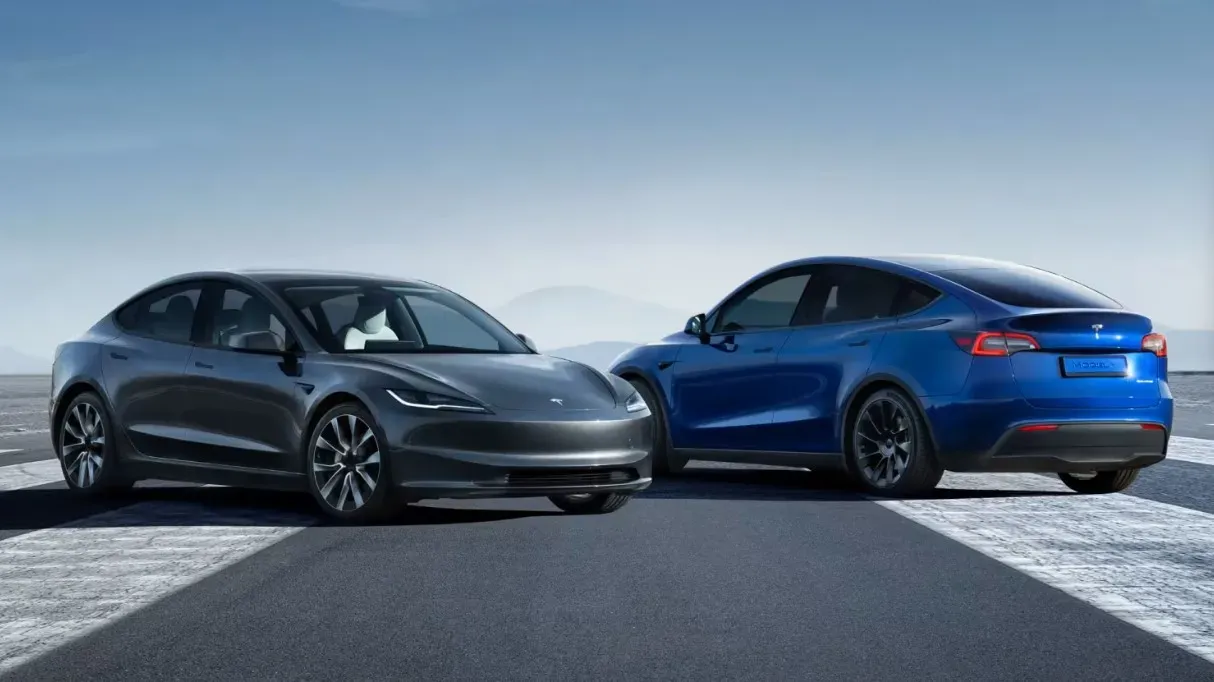
Tesla holds a structural advantage in accessing the new quota. Both the Model 3 and Model Y built in Shanghai are already listed in Transport Canada's vehicle certification database, meaning the vehicles can be imported under permit immediately. Competitors face an estimated eight weeks of homologation work before they can ship a single vehicle under the program.
The quota structure does contain a provision that limits Tesla's long-term dominance. Half of all imported vehicles must carry an import price at or below CAD $35,000 by 2030 — a segment where Tesla has no current product. That lower tier is precisely where BYD and other Chinese brands are positioned once they clear Canadian certification requirements.
Advertisement – Continue scrolling for more
Canada's EV sales have been under pressure. According to McMaster University analysis, EVs accounted for roughly 9% of new vehicle sales in Canada in 2025, down from 15% in 2024, partly as a result of the end of Canada's federal zero-emission vehicle incentive program. A significant reduction in Model 3 pricing could reopen demand that has been dormant for over a year.
Whether Tesla also shifts its Canadian Model Y supply from Berlin back to Shanghai remains an open question — one the broader market will likely answer by watching whether Model Y inventory starts to thin in the weeks ahead.
Conversion rate: 1 USD = 1.3566 CAD as of March 6, 2026
Advertisement – Continue scrolling for more