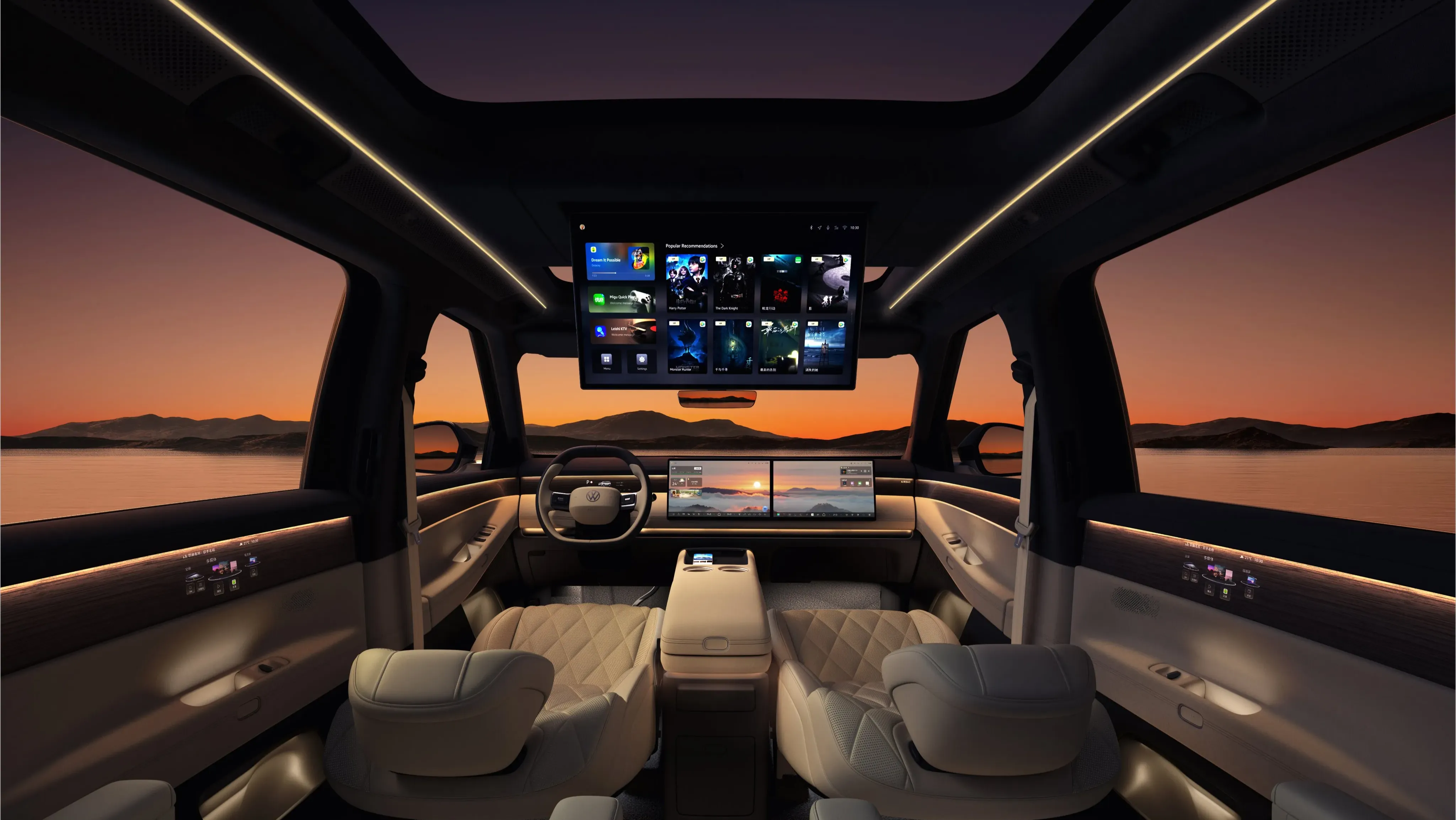
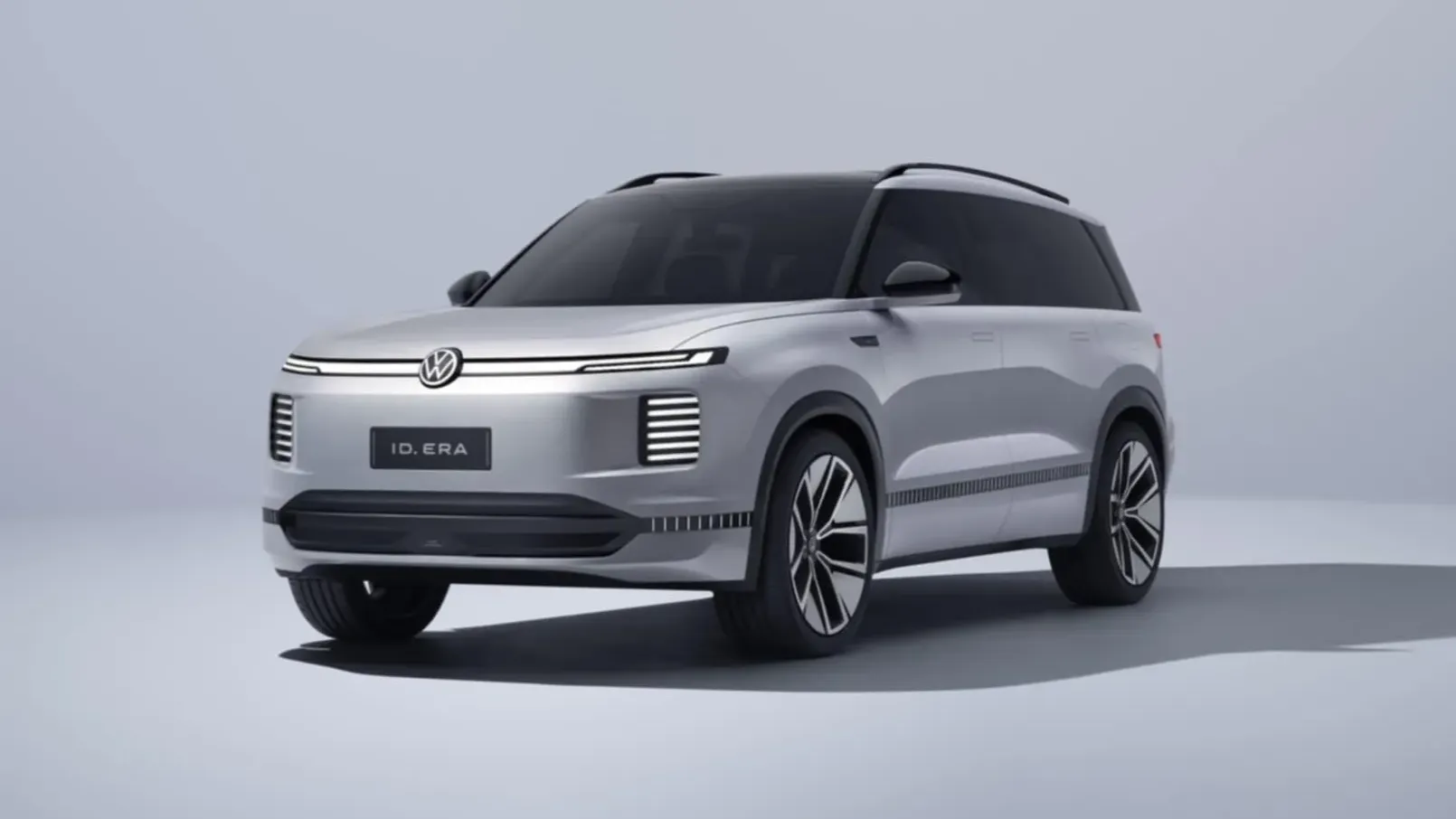
FAW-Volkswagen reveals ID. AURA T6 on jointly developed CEA platform with XPeng
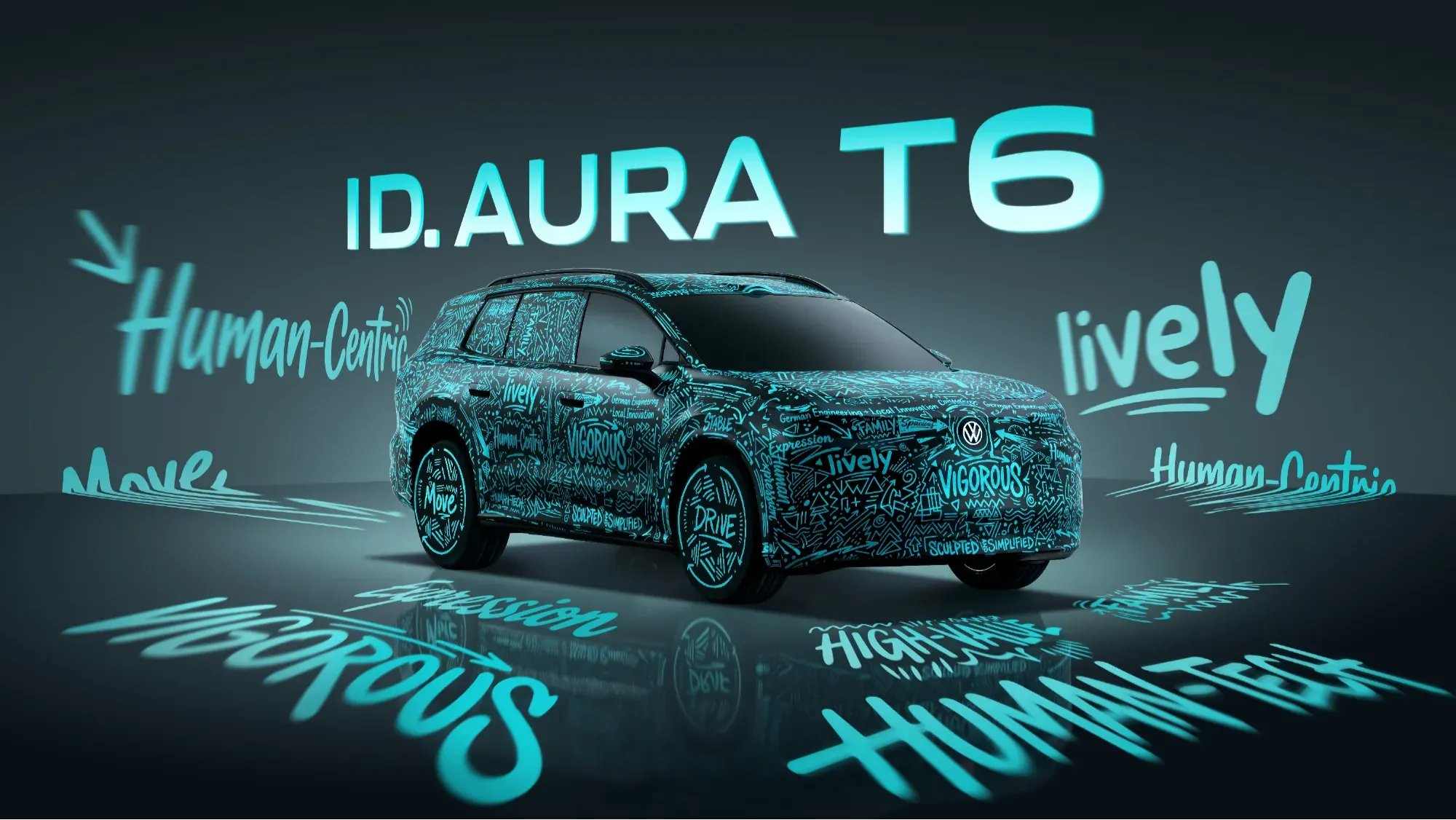
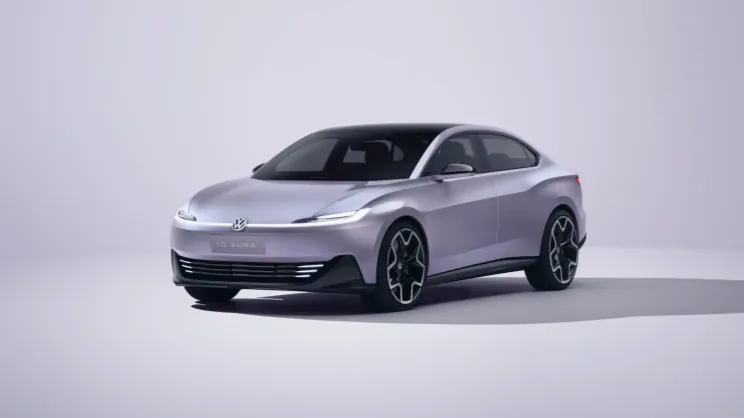
FAW-Volkswagen officially launched its all-new ID. AURA new energy vehicle range at the Volkswagen Brand Night on April 8, 2026, unveiling the first model — the ID. AURA T6 — as a heavily camouflaged prototype.
AURA stands for Advanced, User-centric, Reliable, and All-access. The brand describes the range as "the golden balance of premium quality and great value," positioning it as Volkswagen's direct response to domestic Chinese automakers that have outpaced joint-venture brands in smart driving and connected cabin technology.
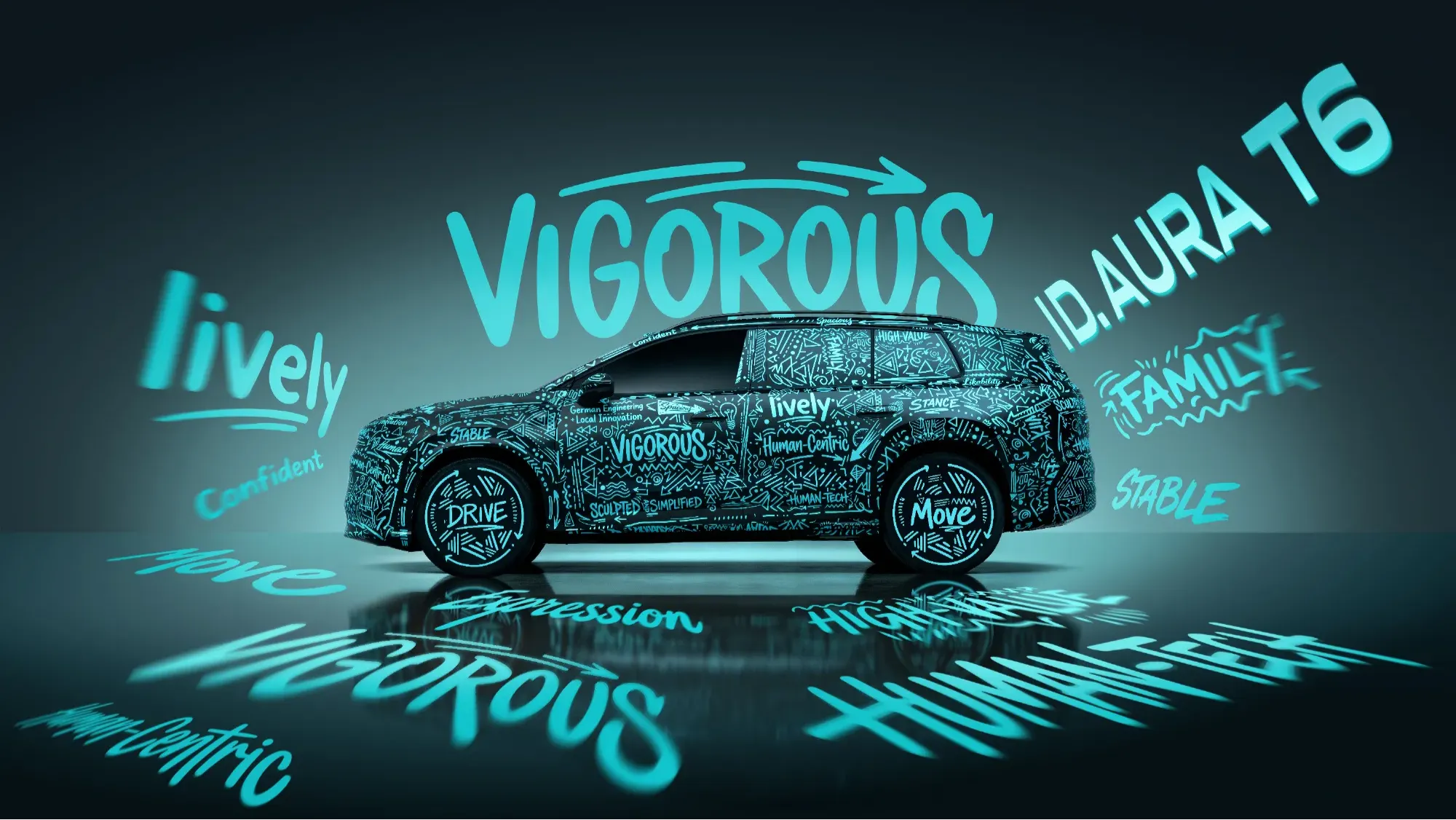
FAW-Volkswagen ID. AURA T6 camouflaged profile (FAW-VW)
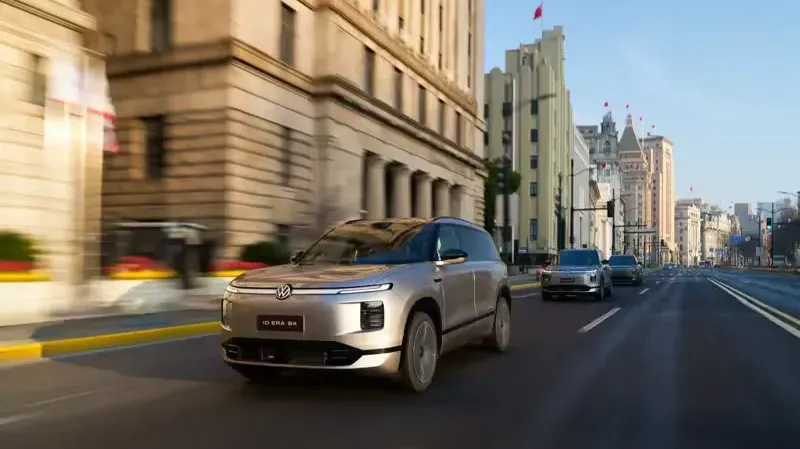
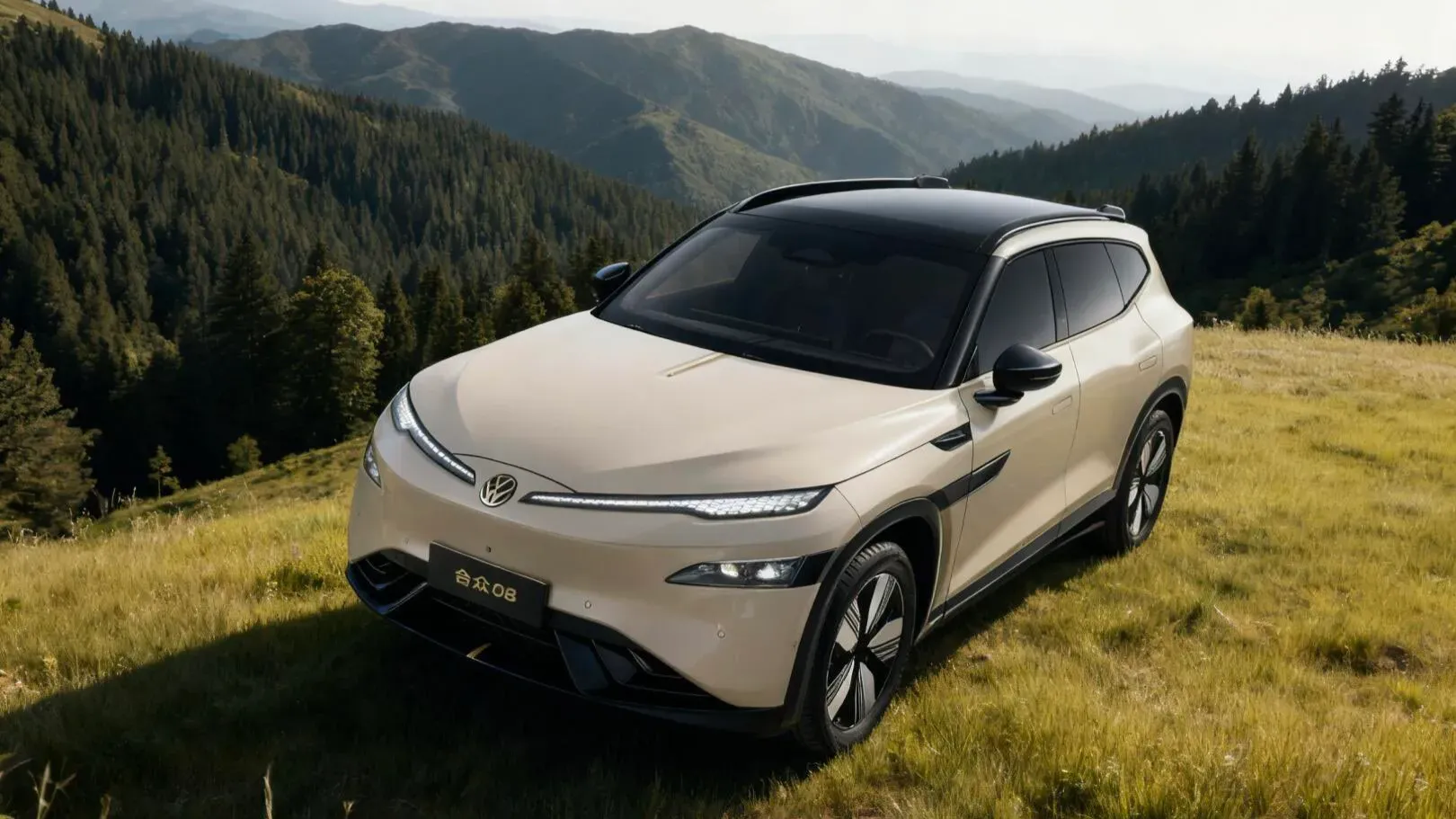
The T6, described as "built for travel," is a five-seat midsize pure electric SUV aimed at urban families who prioritise long-distance capability alongside everyday practicality.
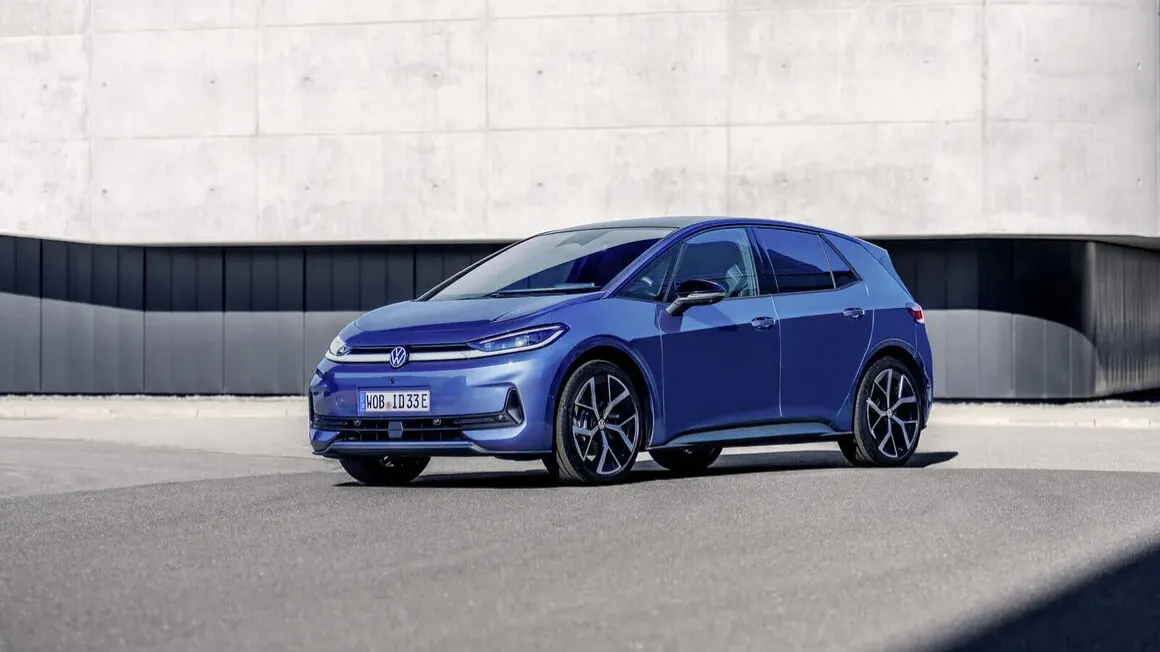
The prototype remains wrapped in camouflage and reveals little about final exterior details. What is visible marks a deliberate departure from the rounded styling of the existing ID. family: squared headlamp clusters lend the front a harder, more upright character, the body appears elongated, and overall proportions read closer to a conventional midsize SUV than to the hatchback-crossover form of the ID.4.
Advertisement – Continue scrolling for more
The vehicle will make its official world debut at the VW Group Night on April 21, followed by a public display from April 24 at Auto China 2026 in Beijing.
Two co-development partnerships underpin the T6's technology. The CEA (China Electronic Architecture), engineered jointly by Volkswagen AG (XETRA: VOW3) and XPeng (NYSE: XPEV), replaces the MEB electrical architecture used in the current ID. lineup.
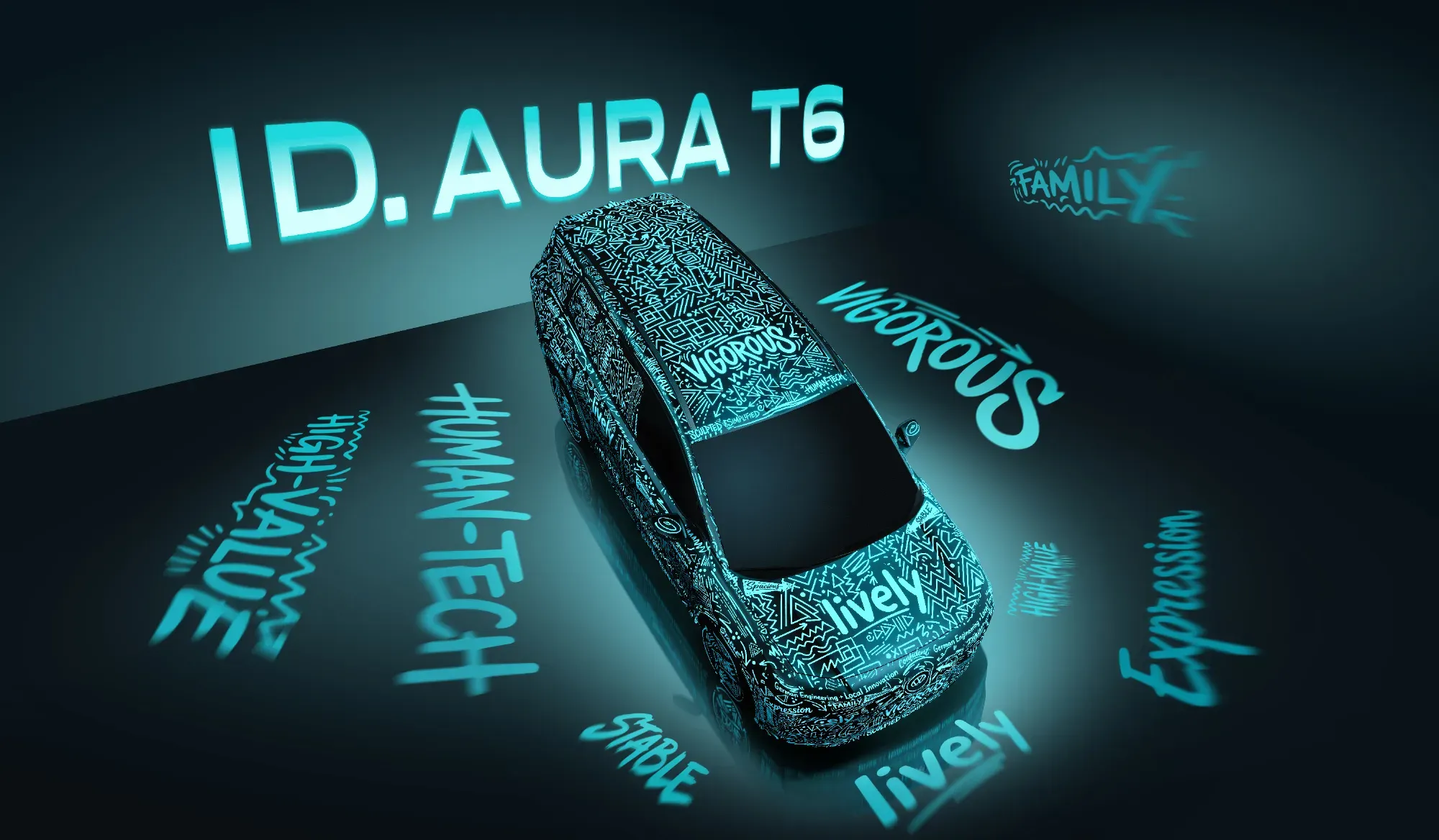
FAW-Volkswagen ID. AURA T6 camouflaged top view (FAW-VW)
The CEA substantially reduces ECU count and simplifies the wiring harness layout, lowering system complexity while improving response times and operating stability.
On the ADAS side, the ID. AURA T6 is equipped with a roof-mounted LiDAR sensor and an intelligent driving system developed by Carizon — the joint venture between the Volkswagen Group and Horizon Robotics (HKEX: 9660).
Advertisement – Continue scrolling for more
Built on Horizon's HSD platform and integrated with Volkswagen's proprietary safety architecture, the system is optimised for Chinese road conditions and claims segment-leading computing capacity.
This makes the ID. AURA T6 Volkswagen's first pure electric SUV in China to carry LiDAR. Software features include Xingyun Smart Driving and Yunqi Smart Cabin functions, delivered through a cloud-based architecture that unifies vehicle-wide intelligent capabilities under a single platform.
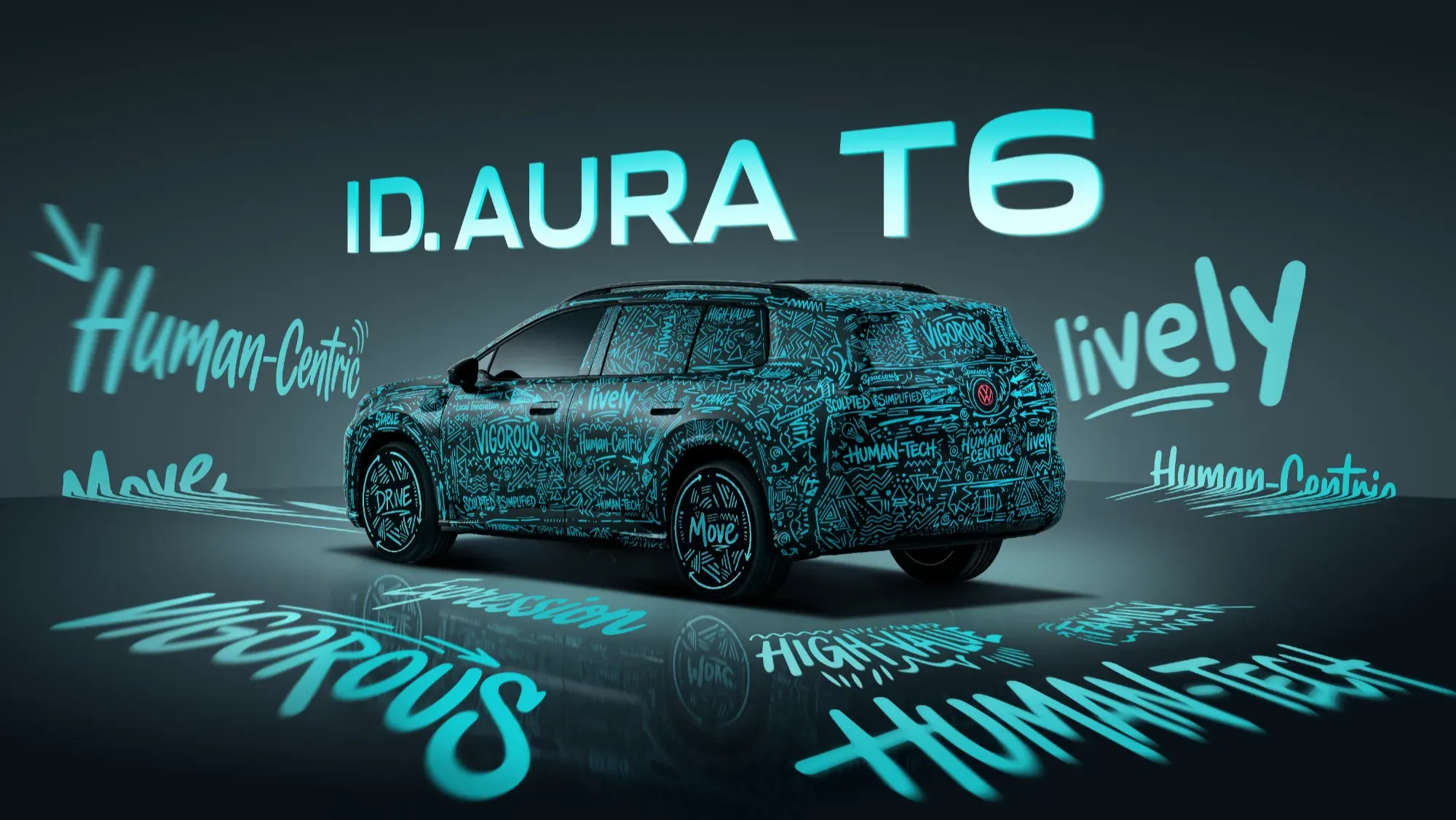
FAW-Volkswagen ID. AURA T6 camouflaged rear view (FAW-VW)
The ID. AURA range is designed to cover battery electric (BEV), extended-range electric (EREV), and plug-in hybrid (PHEV) powertrains — a notably wider scope than the BEV-only ID. family.
FAW-Volkswagen has confirmed two ID. AURA models are planned for 2026. The T6 is scheduled to go on sale in the second half of the year; pricing and full specifications have not yet been disclosed.
Advertisement – Continue scrolling for more
The ID. AURA reveal is part of a broader acceleration in Volkswagen's China product strategy. The brand plans to introduce 13 new NEV models in China in 2026, with the pace climbing to nine new pure electric models by end of 2027, 11 new models by end of 2028, and more than 30 new NEVs in total by 2029.
FAW-Volkswagen has set a target of lifting NEVs to approximately 60% of total sales by 2030. After years of losing ground to domestic rivals in smart cabin and driver-assistance features, Volkswagen is committing to locally developed platforms and software partnerships over global platform adaptations — a strategic shift whose commercial payoff will depend on how quickly the new models reach volume production and how well they compete on price with increasingly capable Chinese alternatives.
Advertisement – Continue scrolling for more