Canada's second Chinese EV quota window opens Sept. 1 with over 11,000 permits still unused
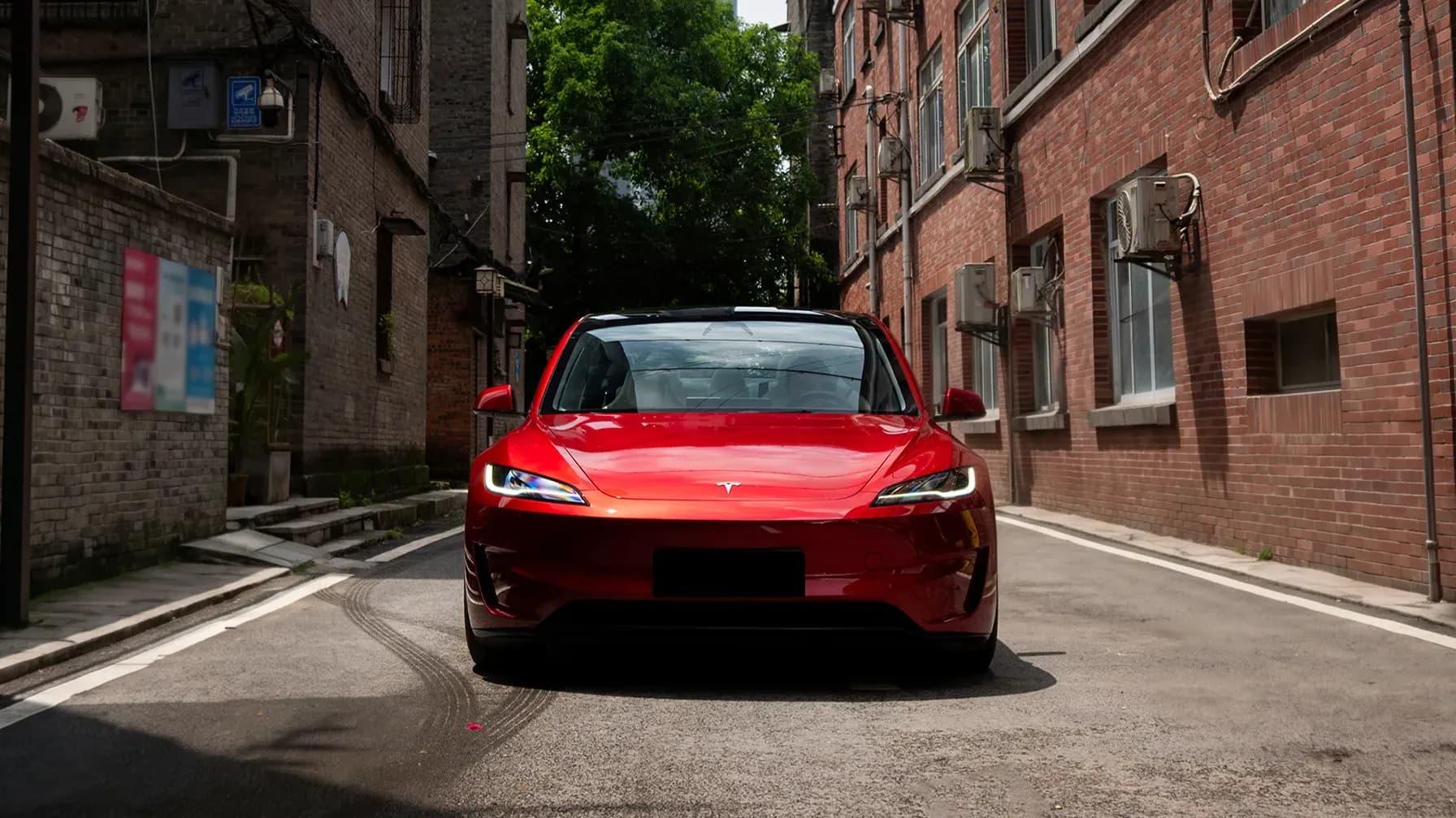
Canada's first six-month window for reduced-tariff electric vehicle imports from China closes August 31 with more than 11,000 of its 24,500 permits still unused, and the government has not yet said how the second window, opening September 1, will be run.
Global Affairs Canada replaced a 100% surtax on Chinese-built EVs with a 6.1% most-favoured-nation tariff as part of a preliminary trade arrangement Prime Minister Mark Carney reached with Beijing on January 16, 2026. The deal set an annual quota of 49,000 vehicles, split into two six-month tranches of 24,500 each, and set to grow 6.5% a year toward roughly 70,000 vehicles by 2030. Under the current framework, 10% of the quota must go to vehicles priced at $35,000 CAD or less free-on-board in year two of the program, rising to 50% by year five.
The quota opened on a first-come, first-served basis on March 1 under Notice to Importers Serial No. 1162, with permits issued to Canadian-resident original equipment manufacturers and valid for 60 days. From April 7 to May 1, Global Affairs Canada ran a public consultation asking whether that first-come, first-served model should give way to per-manufacturer allocations for the window beginning September 1, along with questions on multi-year allocations, under-utilization penalties, allocation transfers and whether the 60-day permit window should change.
The department said a longer-term administration policy was expected in June; as of this writing no such notice has been published, and the consultation page still lists only a promise that "a report summarizing the feedback received from this consultation will be published."
Advertisement – Continue scrolling for more
Utilization data help explain why a policy shift is on the table. A Global Affairs Canada report shows 12,513 of the first window's 24,500 permits used as of August 7, or about 51%, after a slow start of just 2,910 vehicles in May. Under the program's rules, unused first-window permits carry over into the second period, meaning September's window could open with an effective ceiling well above its 24,500 base, depending on how many of the roughly 12,000 remaining permits go unclaimed by August 31.
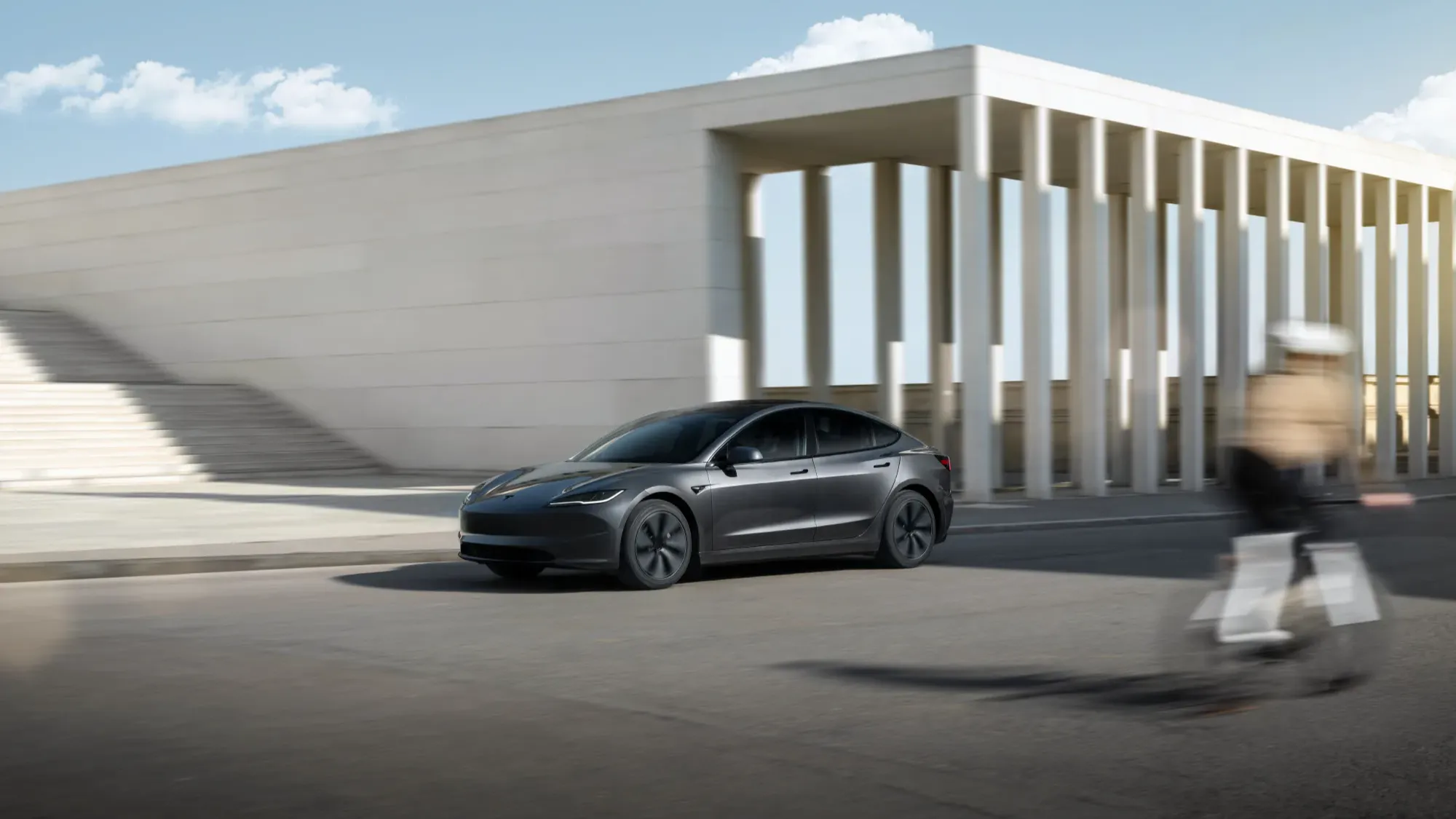
Tesla Model 3 from Shanghai Giga (Tesla)
Tesla (NASDAQ: TSLA) has been the dominant beneficiary so far, importing Shanghai-built Model 3 sedans it launched in Canada on May 1 starting at $39,490 CAD, well under the 25% tariff Canada applies to US-built vehicles. Geely (HKG: 0175) subsidiary Lotus supplied most of the small non-Tesla volume so far, and Geely's Polestar brand reopened Canadian orders for the China-built Polestar 2 in June at $69,900 CAD, with first shipments slated for September under the carry-over allocation. Ford (NYSE: F) also drew on the quota in July, resuming imports of the China-built Lincoln Nautilus hybrid, which starts at $62,996 CAD including delivery, the first documented use of the framework by an established Western automaker for a conventional hybrid.
China's dedicated EV brands have moved more cautiously. BYD (HKG: 1211) is assembling a Canadian retail network of roughly 20 dealerships beginning in the Greater Toronto Area, but has not confirmed a launch date or Canadian pricing. Chery has been staging vehicles from its Omoda and Jaecoo export brand in the Toronto area since April while certification and dealer agreements remain in progress. Dongfeng showcased six EVs at Montreal's Old Port on July 14 ahead of a targeted 2027 entry built around two models priced under $35,000 CAD. None of these timelines are confirmed launch dates, and each remains subject to Transport Canada homologation and the brands' own dealer-network buildout.
Advertisement – Continue scrolling for more
The quota ceiling itself has become the argument for a different kind of market entry. Industry Minister Mélanie Joly travelled to China in June and met BYD, Chery, Geely and Shanghai Launch Automotive Technology, telling them that volumes beyond the annual 49,000-vehicle cap would require Canadian manufacturing investment structured as a majority Canadian-owned joint venture, built with Canadian-sourced parts, compliant with Canadian labour standards and running secure vehicle software that protects consumer data.
Ottawa's rejection in April of a Stellantis (NYSE: STLA) proposal to assemble Leapmotor kit vehicles at the idle Brampton Assembly plant, on the grounds that kit assembly would not meaningfully engage the domestic supply chain, is widely read as a preview of how strictly those four conditions will be applied to any Chinese OEM's Canadian manufacturing bid. Joly described her June meetings as producing "positive conversations leading potentially to decisions in future months."
Advertisement – Continue scrolling for more
Chinese-built EVs remain ineligible for Canada's federal Electric Vehicle Affordability Program rebate because China has no free-trade agreement with Canada, though provincial programs in British Columbia and Quebec may still apply depending on the model. That gap, combined with a hard ceiling on quota volumes, is the commercial case Ottawa is making to Chinese OEMs for building here rather than only shipping here. As J.D. Power Canada's director of automotive solutions, Robert Kerwal, has put it, Canada functions in part as a proving ground brands can use to test service, regulatory compliance and consumer reception before any run at the far larger and still effectively closed US market.
With the first window's unused permits due to roll into September and a formal notice on second-window administration still outstanding as the current period runs out, the practical shape of Canada's Chinese EV quota for the next six months will likely be set only in the weeks immediately ahead of the deadline itself. Whether Ottawa lands on per-manufacturer caps, sticks with first-come first-served, or lands somewhere in between may do more to determine which Chinese brands actually reach Canadian showrooms this year than any dealership plan announced so far.
Advertisement – Continue scrolling for more