Canada's EV import quota resets with 33,397 slots up for grabs as Chinese automakers await approval
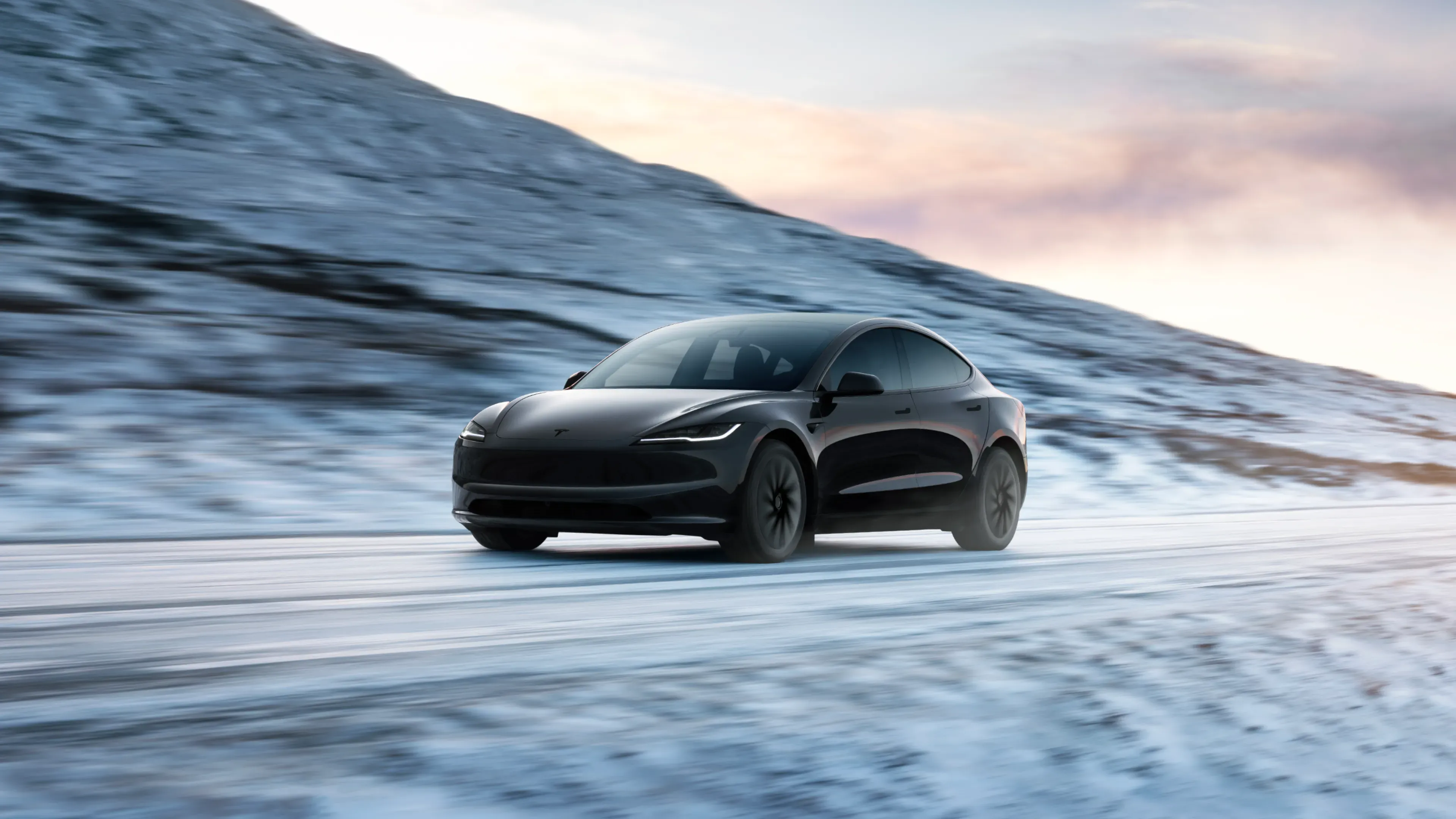
Canada's tariff rate quota for Chinese-built electric vehicles entered its second six-month window on September 1, 2026, after importers used just 64 percent of the slots available in the first one. The shortfall means 33,397 vehicle permits are now available through February 2027, combining a fresh allocation with the unused balance carried over from the spring and summer.
Advertisement – Continue scrolling for more
The quota traces back to a January 16, 2026 strategic partnership between Prime Minister Mark Carney and Chinese officials, which replaced the 100 percent surtax Canada had applied to Chinese-made EVs since October 2024 with a most favoured nation tariff of just 6.1 percent on a capped 49,000 vehicles per year. In exchange, China agreed to cut tariffs on Canadian canola seed to roughly 15 percent from about 85 percent and to exempt canola meal, lobster, crab and peas from retaliatory duties, concessions Ottawa said could unlock nearly $3 billion in new export orders. Global Affairs Canada began issuing shipment-specific import permits under the new rules on March 1, 2026.
Year one of the quota runs in two six-month periods. The first, from March 1 to August 31, 2026, carried a base allocation of 24,500 vehicles but saw only 15,603 imported, leaving 8,897 slots unused. Monthly figures show why: imports sat at zero through March and April before climbing through the summer, peaking at 5,982 vehicles in July and 5,490 in August. That unused balance rolled into the second period alongside its own 24,500 base allocation, producing the 33,397 total now available through the end of February 2027.
Advertisement – Continue scrolling for more
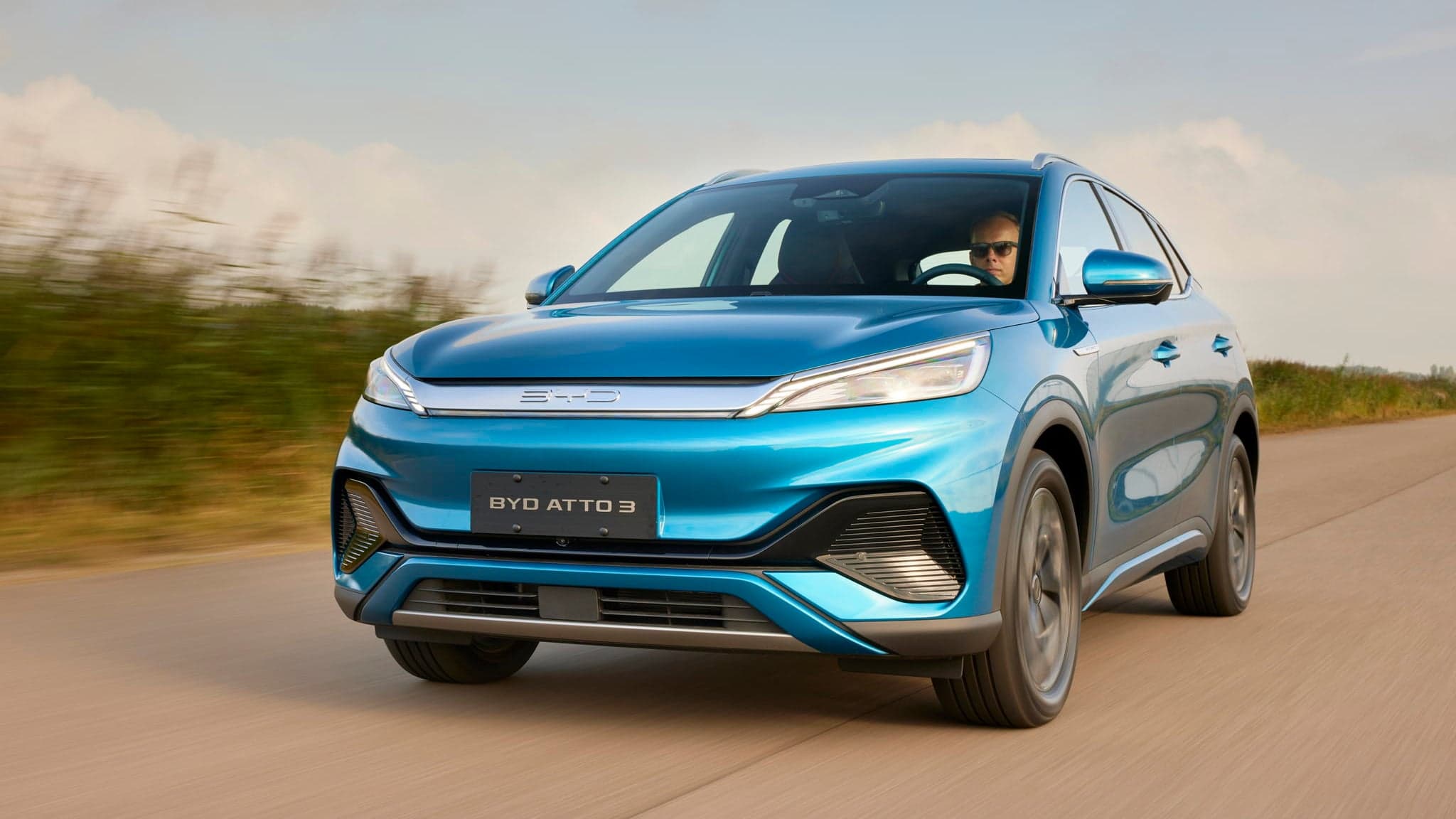
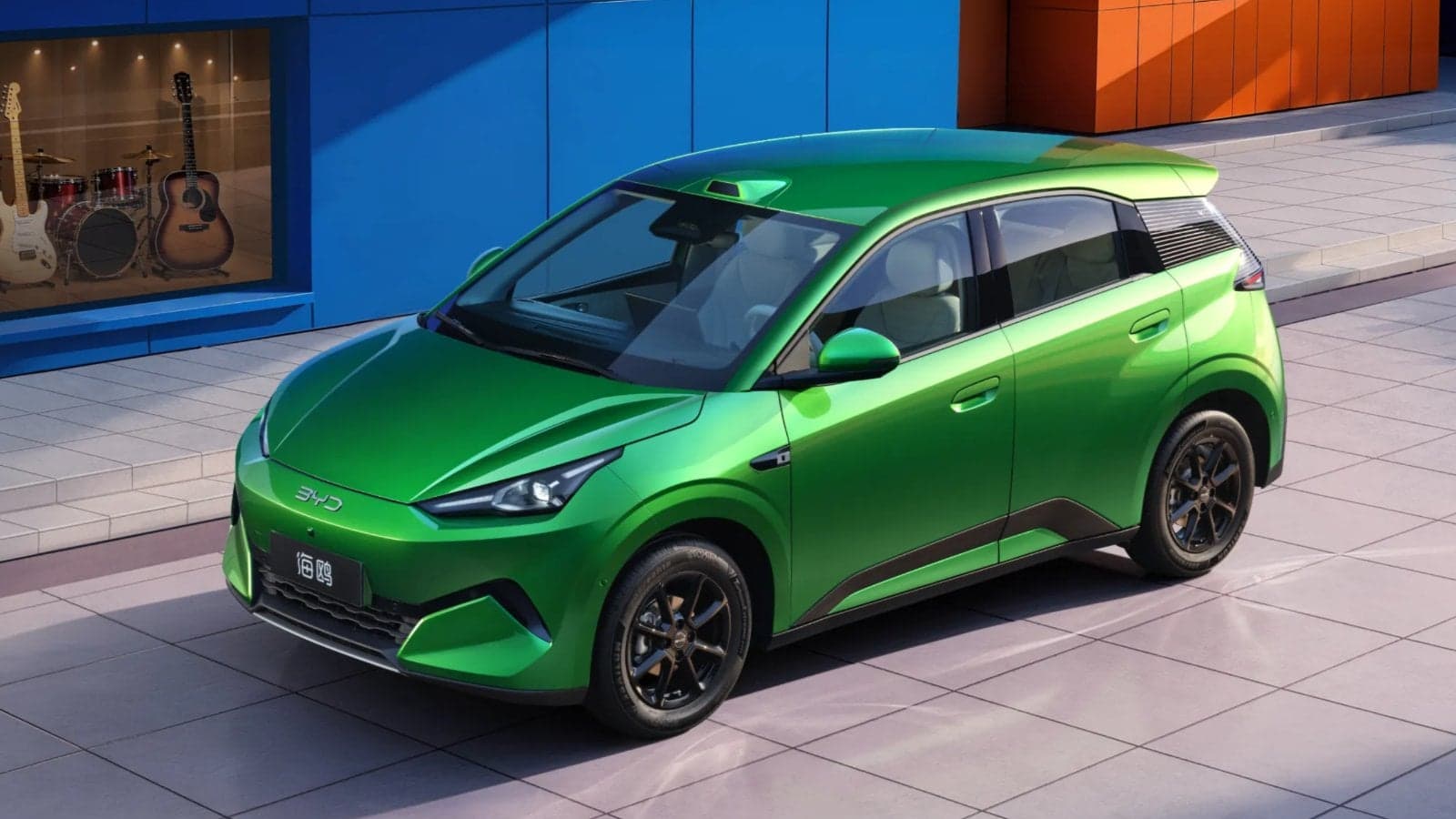
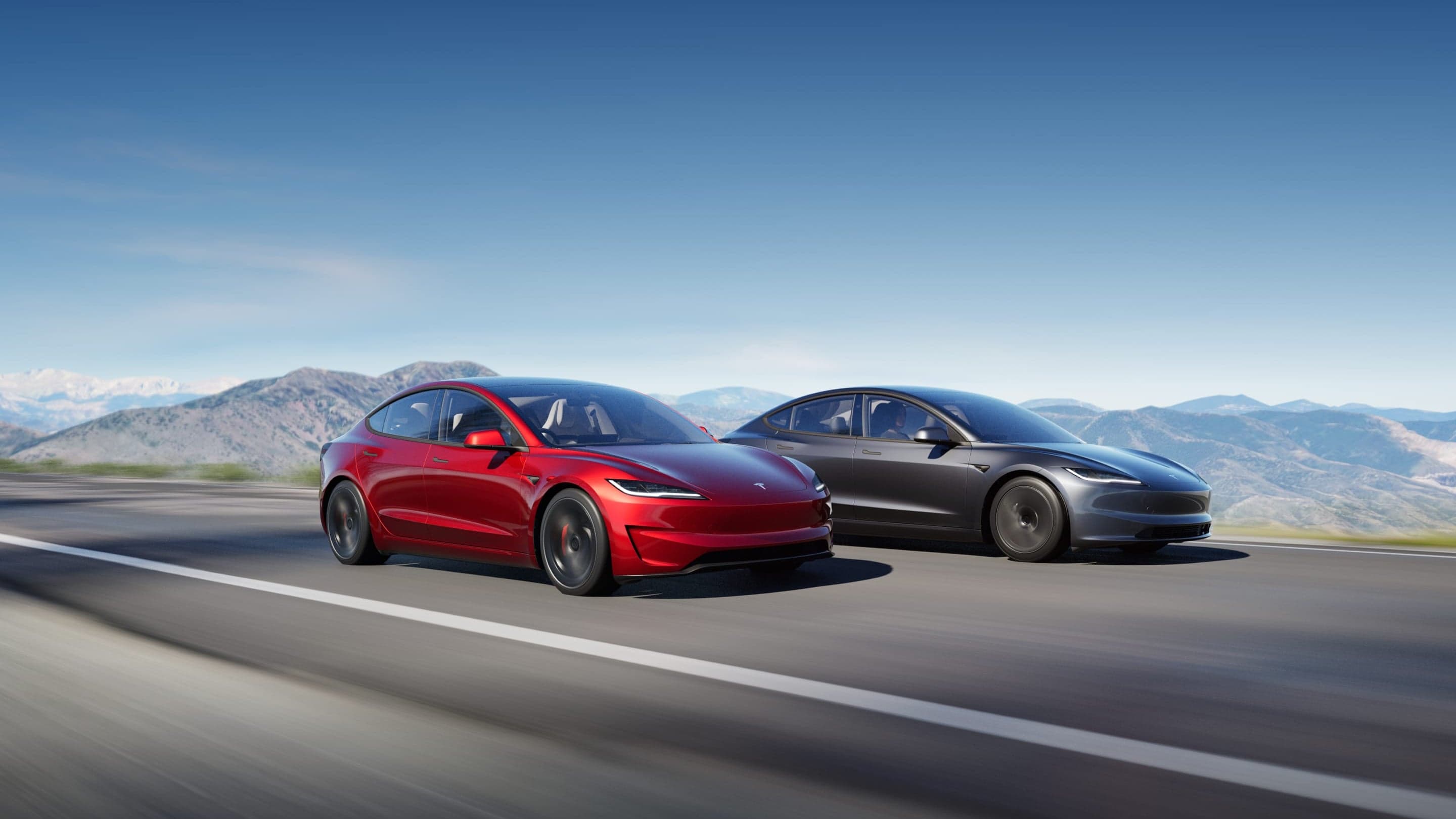
Tesla (NASDAQ: TSLA) has been the dominant beneficiary so far, accounting for the large majority of vehicles imported under the quota, led by the Shanghai-built Model 3 Premium priced from $39,490 CAD. Lotus brought in its Eletre SUV in the low hundreds of units, and Lincoln used the quota to bring several hundred examples of its China-built Nautilus Hybrid into Canada starting in August. None of the three Chinese-headquartered brands widely expected to lead the next wave, BYD (HKG: 1211), Chery and Geely (HKG: 0175), has begun deliveries yet.
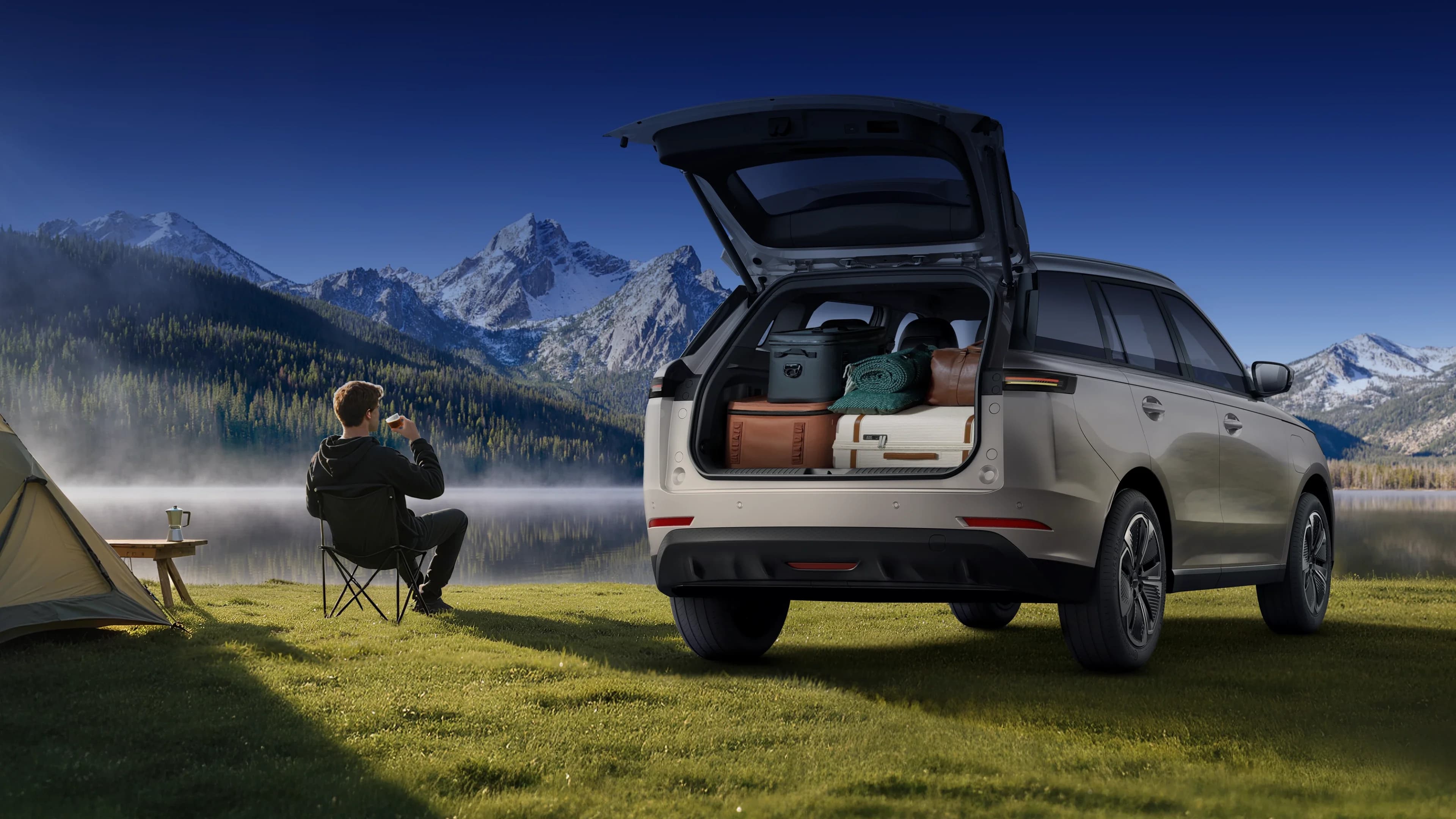
BYD has launched a Canadian-facing website and been hiring for sales and dealer-network roles, though it has not opened vehicles for order or reservation. Chery and Geely are both reported to be working through Transport Canada's vehicle certification process, with entry into the Canadian market expected as early as late 2026 or, more likely, early 2027. Geely's Polestar and Volvo brands, which exported China-built vehicles to Canada before the 2024 surtax, are also positioned to benefit once certification and permit access align.
Advertisement – Continue scrolling for more
Access to the quota itself is a real constraint on how quickly Chinese brands can convert interest into sales. Permits are issued only to vehicle manufacturers or their Canadian-resident agents on a first-come, first-served basis, with applications accepted up to 30 days before a shipment's expected arrival and permits valid for 60 days. Independent dealers and distributors cannot apply directly, which limits the quota's usefulness to automakers that already have, or can quickly establish, a Canadian corporate presence.
Advertisement – Continue scrolling for more
The rules governing what counts as a Chinese vehicle are also stricter than a simple assembly-plant test. Complete EV knock-down kits substantially manufactured in China are treated as Chinese-origin for quota purposes even if final assembly happens elsewhere, closing an obvious workaround for automakers hoping to route Chinese-built components through a third country. Global Affairs Canada has also flagged that it may set aside a portion of future allocations for new entrants specifically, a signal aimed at brands like BYD, Chery and Geely that lack Tesla's existing Canadian retail footprint.
Pricing is another factor working against an immediate flood of cheap Chinese EVs. Contrary to earlier framing that suggested budget models would dominate from the outset, Ottawa's final rules impose no affordability requirement in the quota's first year. A graduated schedule instead requires roughly 10 percent of imports to be priced under $35,000 CAD starting in 2027, rising to 20 percent in 2028, 35 percent in 2029 and 50 percent by 2030, the timeline behind Carney's original pledge that more than half of imported vehicles would eventually be affordable. Imported Chinese EVs also fall outside Canada's federal Electric Vehicle Affordability Program, which reserves its rebates, up to $5,000 for battery electric vehicles in 2026, for vehicles built in countries with which Canada holds a free trade agreement.
Advertisement – Continue scrolling for more
Clean Energy Canada has welcomed the arrangement regardless, noting the country had only a single EV under $40,000 CAD before the deal, compared with 21 such models sold in Europe, and describing the quota as a step toward "the affordable EV segment Canada has desperately needed." At an estimated 3 percent of Canada's annual new vehicle market once the quota reaches its full 49,000-unit ceiling, the volumes involved remain modest next to a single popular domestic model's sales.
Whether BYD, Chery and Geely can turn certification progress and dealer hiring into actual Canadian showroom traffic before the affordability ramp forces cheaper models into the country will say more about the deal's real impact than the headline quota numbers ever could.
Advertisement – Continue scrolling for more