Canada issues 24,500 EV import permits on a first-come, first-served basis
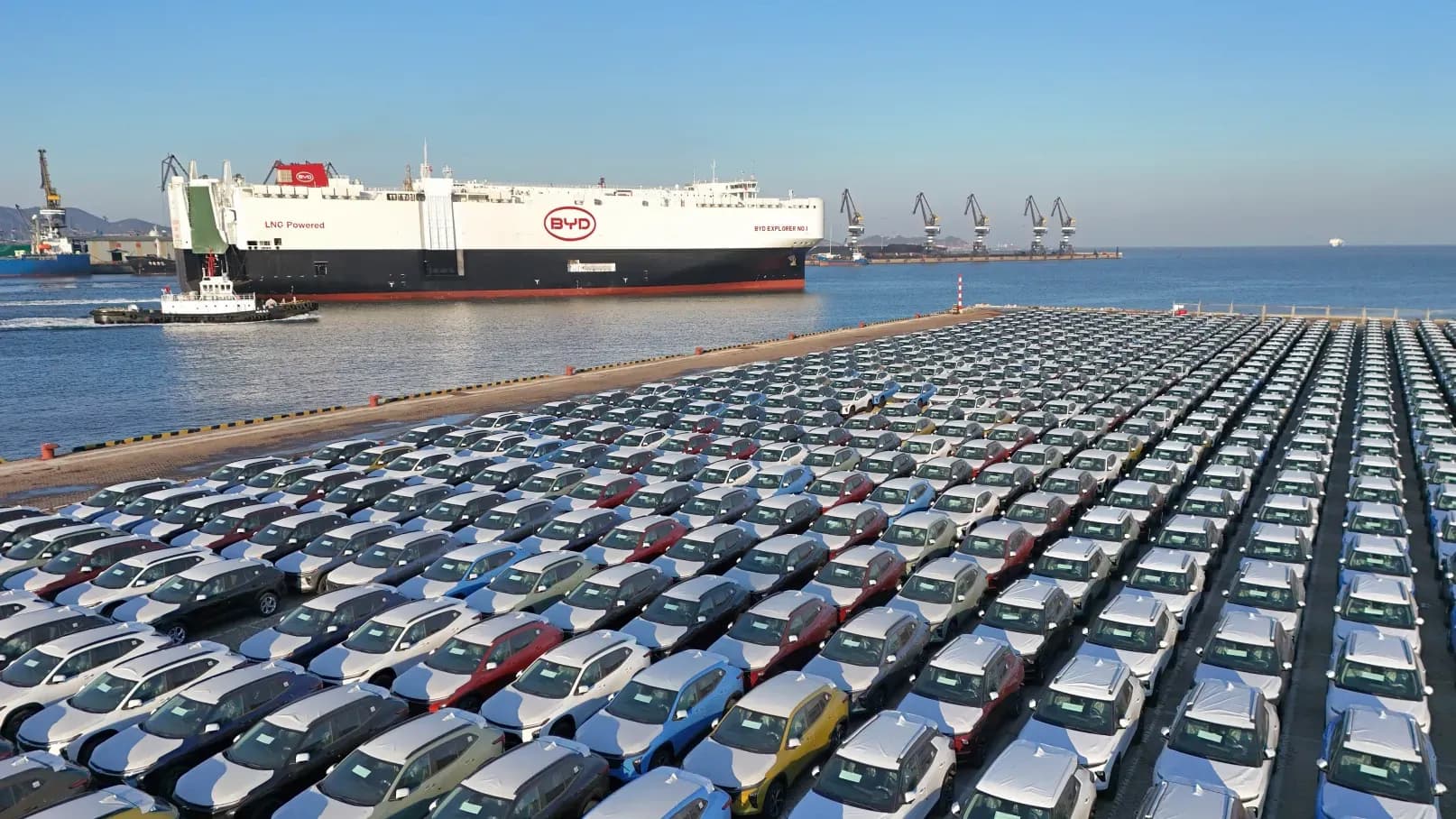
Global Affairs Canada published Serial No. 1162 on February 25, 2026, formally activating a quota system that allows up to 49,000 Chinese-made electric vehicles into Canada annually at a tariff rate of 6.1%, replacing the 100% surtax in place since October 2024.
Import permit applications opened March 1. The notice converts into operational procedure the broader Canada-China trade deal struck by Prime Minister Mark Carney in Beijing in January 2026, setting the rules by which manufacturers — not governments — must now move.
Under the Serial No. 1162 framework, the first 24,500 permits are available on a first-come, first-served basis between March 1 and August 31, 2026. The second tranche of 24,500 — plus any unused first-half volumes — opens September 1, with Global Affairs Canada indicating it will consult on whether to maintain the first-come, first-served model or adopt allocation caps for the second period.
Advertisement – Continue scrolling for more
Permits are shipment-specific, valid for 60 days, and can be filed up to 30 days before a vessel's expected arrival. Only original equipment manufacturers or their authorized Canadian representatives may apply, ruling out grey-market importers.
The 49,000-unit annual ceiling matches the volume of Chinese EVs that entered Canada in 2023–2024 before the surtax was imposed, meaning the quota restores a prior trade baseline rather than opening net-new demand.
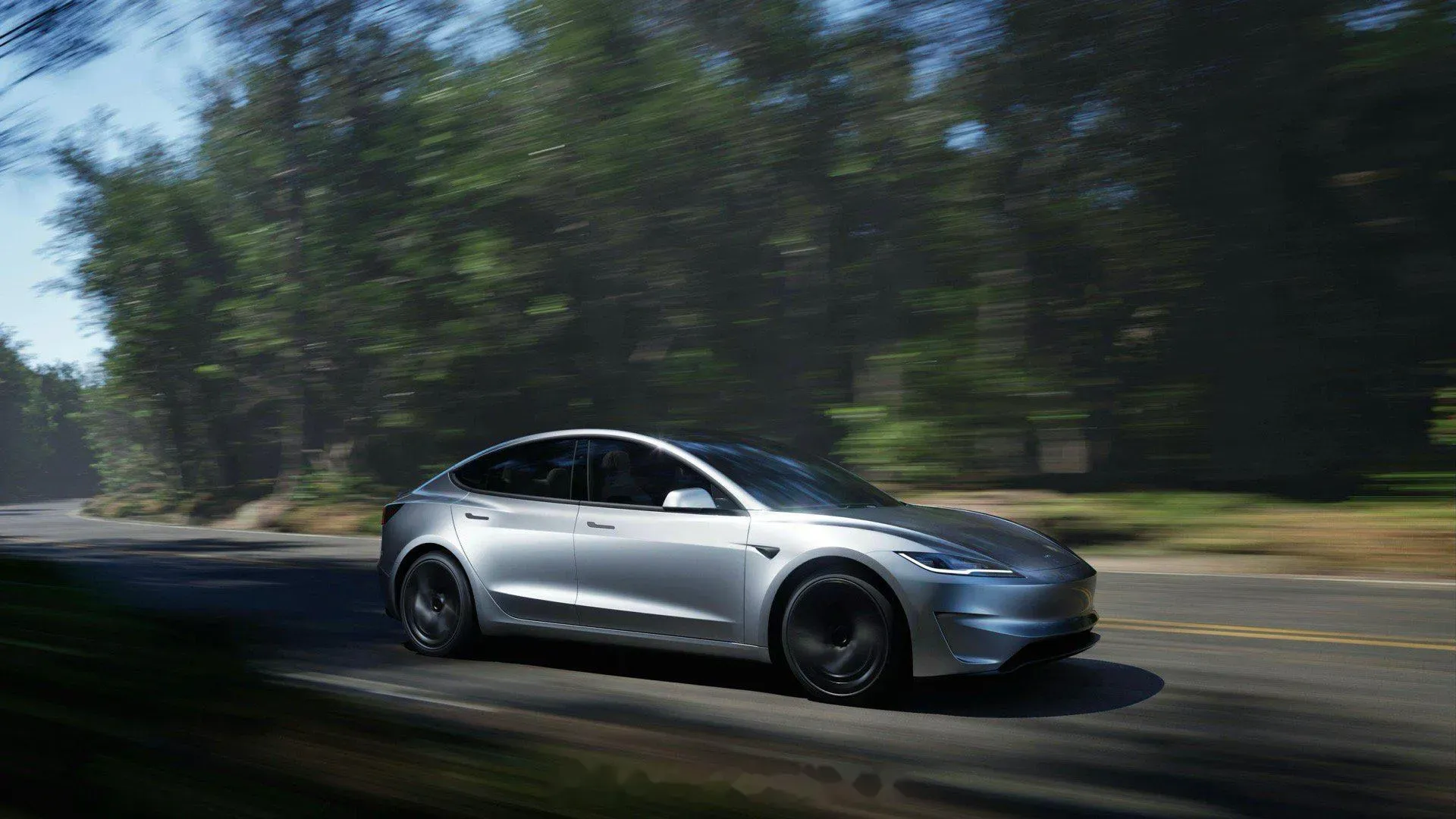
Source: Tesla
Companies already shipping China-built vehicles to Canada — including Volvo and Polestar (NASDAQ: PSNY), both Geely-owned and with established Canadian dealer networks — are expected to be among the first to file and secure early allocations. Tesla (NASDAQ: TSLA), which had sourced the Model 3 for Canada from its Shanghai gigafactory before the 2024 tariff hike, is also considered a frontrunner for initial permits.
Advertisement – Continue scrolling for more
The deal's architecture reflects a deliberate affordability condition. In exchange for EV market access, China agreed to reduce tariffs on Canadian canola seed from approximately 85% to 15% and to lift restrictions on canola meal, lobster, crab, and peas.
Ottawa stipulated that at least half of all quota imports carry an import price below CA$35,000 — a condition aimed at the affordability gap in a market where the average new EV transaction price has surpassed CA$46,000 (c. $33,500). The annual quota is set to rise to 70,000 vehicles by the fifth year of the agreement.
One constraint applies uniformly across all imports under the notice: vehicles built in China will be ineligible for Canada's reinstated federal consumer rebate of up to CA$5,000, which is restricted to vehicles manufactured in free-trade partner countries. That carve-out could blunt price competitiveness for any nameplate without a non-Chinese production alternative.
Advertisement – Continue scrolling for more
For pure-play Chinese brands such as BYD (HKG: 1211) and XPeng (NYSE: XPEV), the permit system is a necessary but insufficient condition for market entry. Each must still certify individual models against Canadian Motor Vehicle Safety Standards, establish dealer and service networks, and build warranty infrastructure.
Industry Minister Mélanie Joly confirmed meetings with BYD and Chery in late January 2026, with Ottawa encouraging Chinese manufacturers to consider joint-venture manufacturing in Canada within three years.
BYD holds a pre-existing listing in Transport Canada's Appendix G registry — a passenger vehicle import pre-clearance that predates a 2025 freeze on new applications — but has not publicly committed to a Canadian manufacturing investment.
Advertisement – Continue scrolling for more
Political opposition to the quota has been concentrated and vocal. Ontario Premier Doug Ford called for a nationwide boycott of Chinese EVs, labelling them security risks and warning the deal could complicate Canada's access to the US market.
Unifor, Canada's largest private-sector union, called the arrangement a self-inflicted wound to a domestic auto sector already contending with US tariff pressure and GM production reductions in Oshawa. US Trade Representative Jamieson Greer described the deal as "problematic" when it was announced, though he noted US automakers retain a dominant share of the Canadian market.
Advertisement – Continue scrolling for more
Public sentiment has moved in the opposite direction. A Leger poll of 1,570 Canadians conducted in late January and early February 2026 found 61% in favour of allowing more Chinese EVs into the market.
A separate Abacus Data survey found 35% of Canadians open to purchasing a Chinese EV — a figure that climbed to 70% among respondents already considering any EV purchase. A Pallas survey found 60% of Ontarians supported the Ottawa-Beijing agreement, even as political resistance in the province remains the most pronounced in the country.
How quickly the 24,500 first-half permits are absorbed — and by whom — will be the first concrete measure of whether Serial No. 1162 reshapes the Canadian EV market or simply formalises a return to the pre-tariff status quo.
Advertisement – Continue scrolling for more