BYD tests Ti7 SUV in Canada with a battery configuration unseen in China
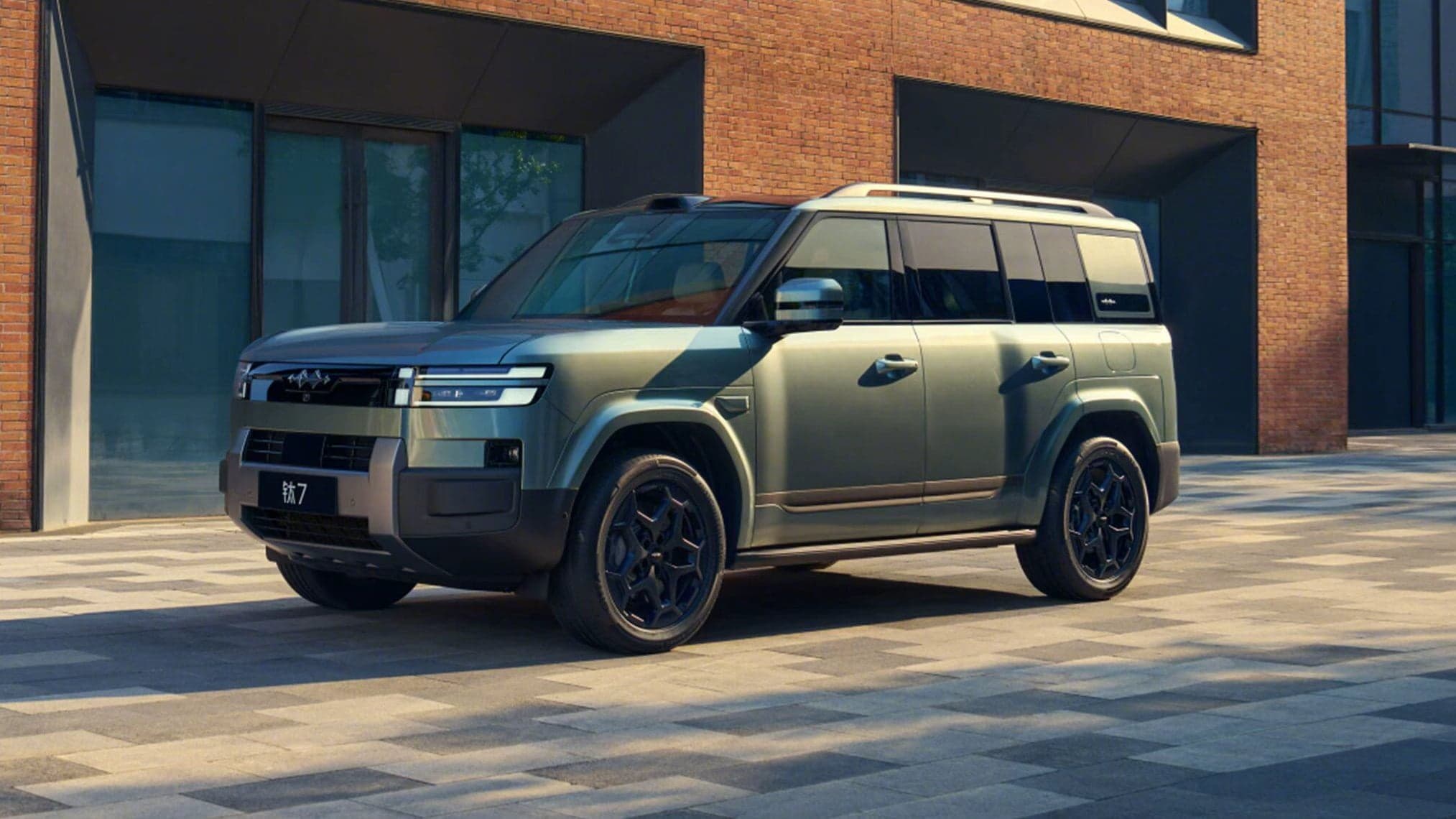
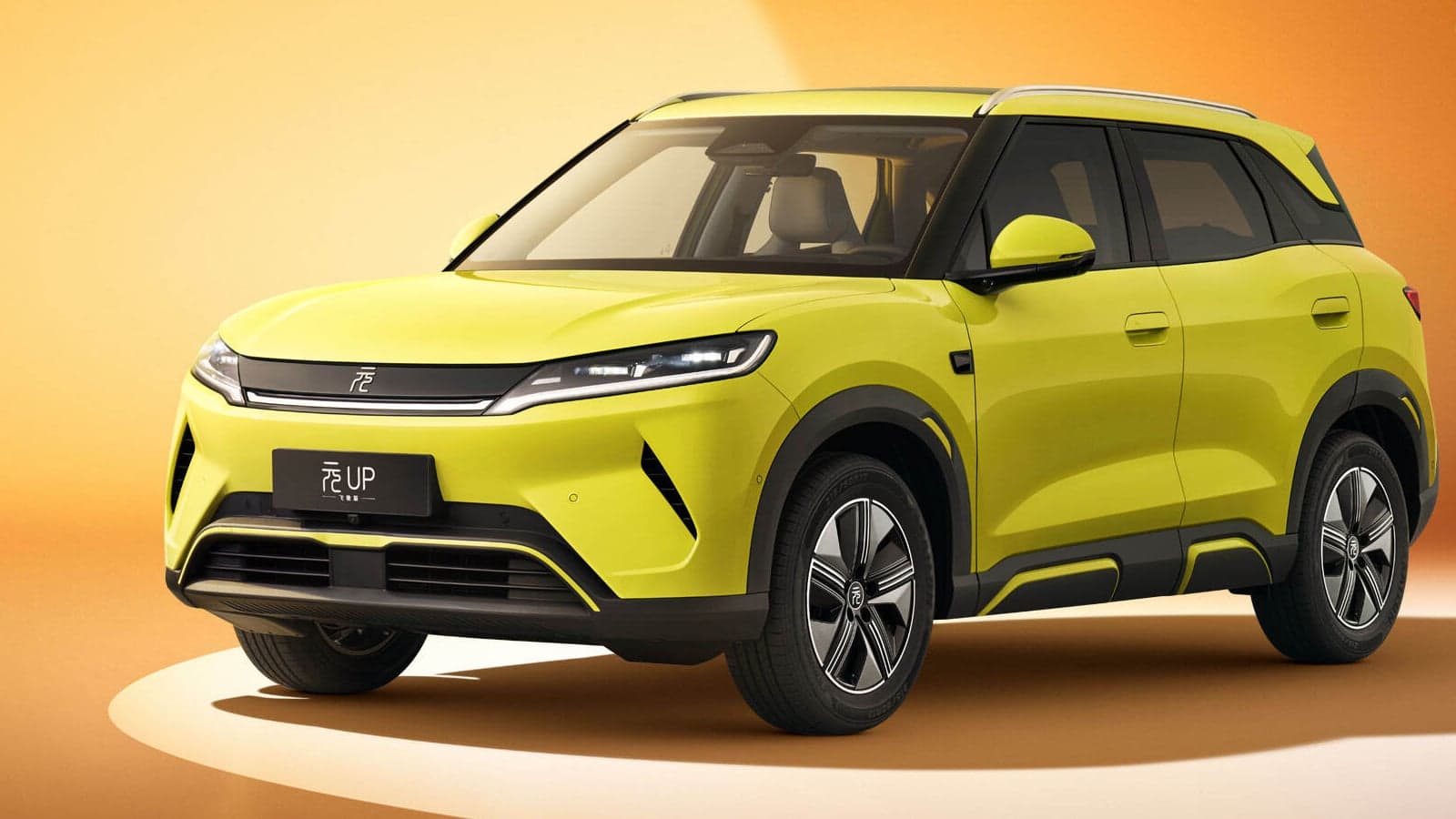
Photos of a BYD (HKG: 1211) test fleet parked outside hotels in Ontario and Quebec surfaced on Chinese social media this week, and one image reportedly shows a partial specification sheet for the Fangchengbao Ti7, a boxy two-row SUV BYD sells at home but has never confirmed for Canada. According to a thread in the r/EVCanada Reddit community, the sheet lists an all-wheel-drive plug-in hybrid Ti7 built around BYD's second-generation Blade Battery, a pairing the company has not sold anywhere else.
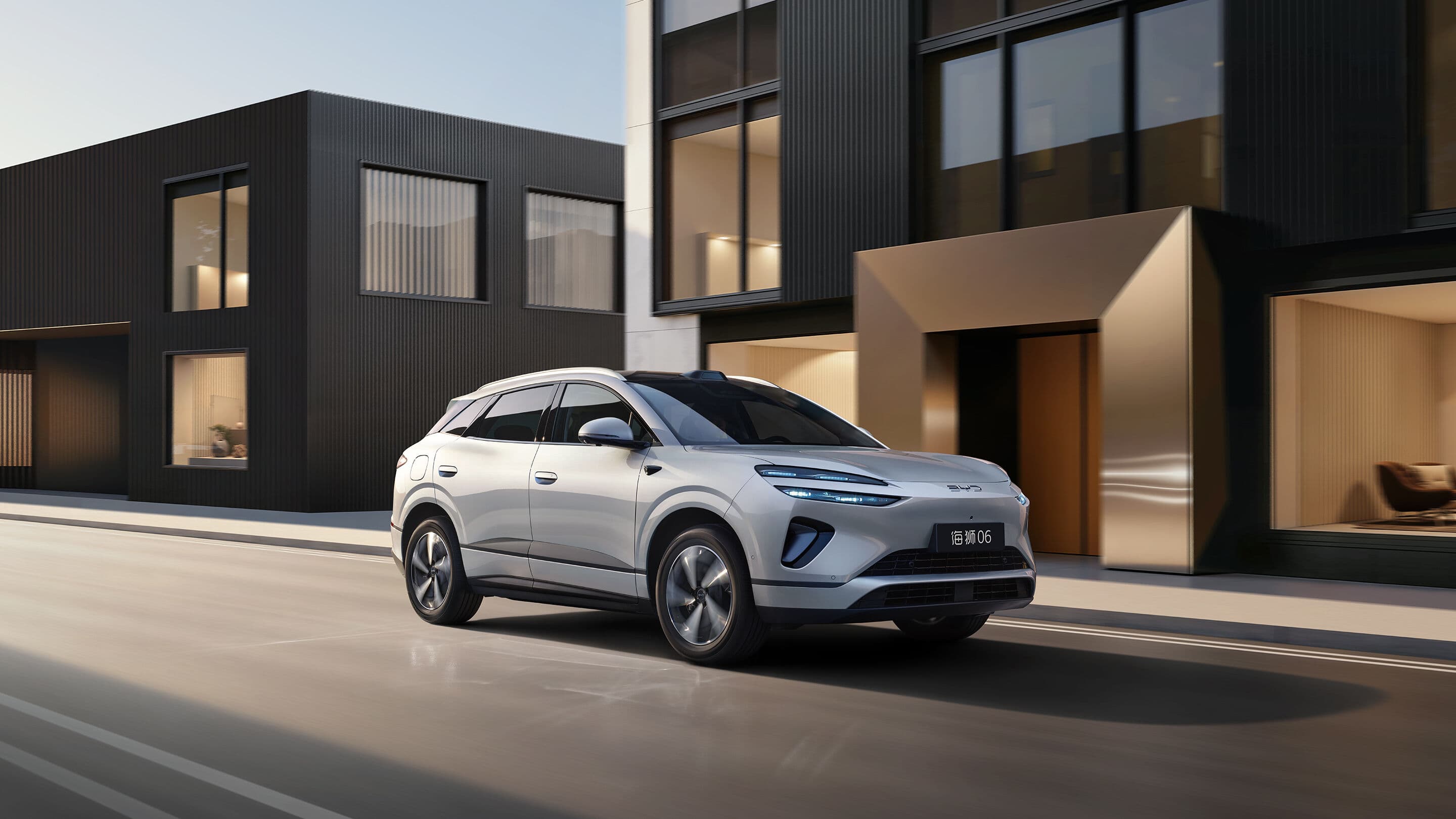
The photos were reportedly shared first to Xiaohongshu, the Chinese social platform, and show the same test fleet in a Markham, Ontario shopping centre lot and outside a downtown hotel commenters could not agree was in Toronto or Montreal. The poster noted a Sealion 06 in the fleet was a pure electric build, suggesting BYD is running a broader multi-model evaluation program rather than testing a single vehicle. None of this has been confirmed by BYD Canada or Transport Canada, and the sheet itself is only partially visible in the photos, so the AWD-plus-second-generation-battery pairing should be treated as an unverified leak, not a confirmed configuration.
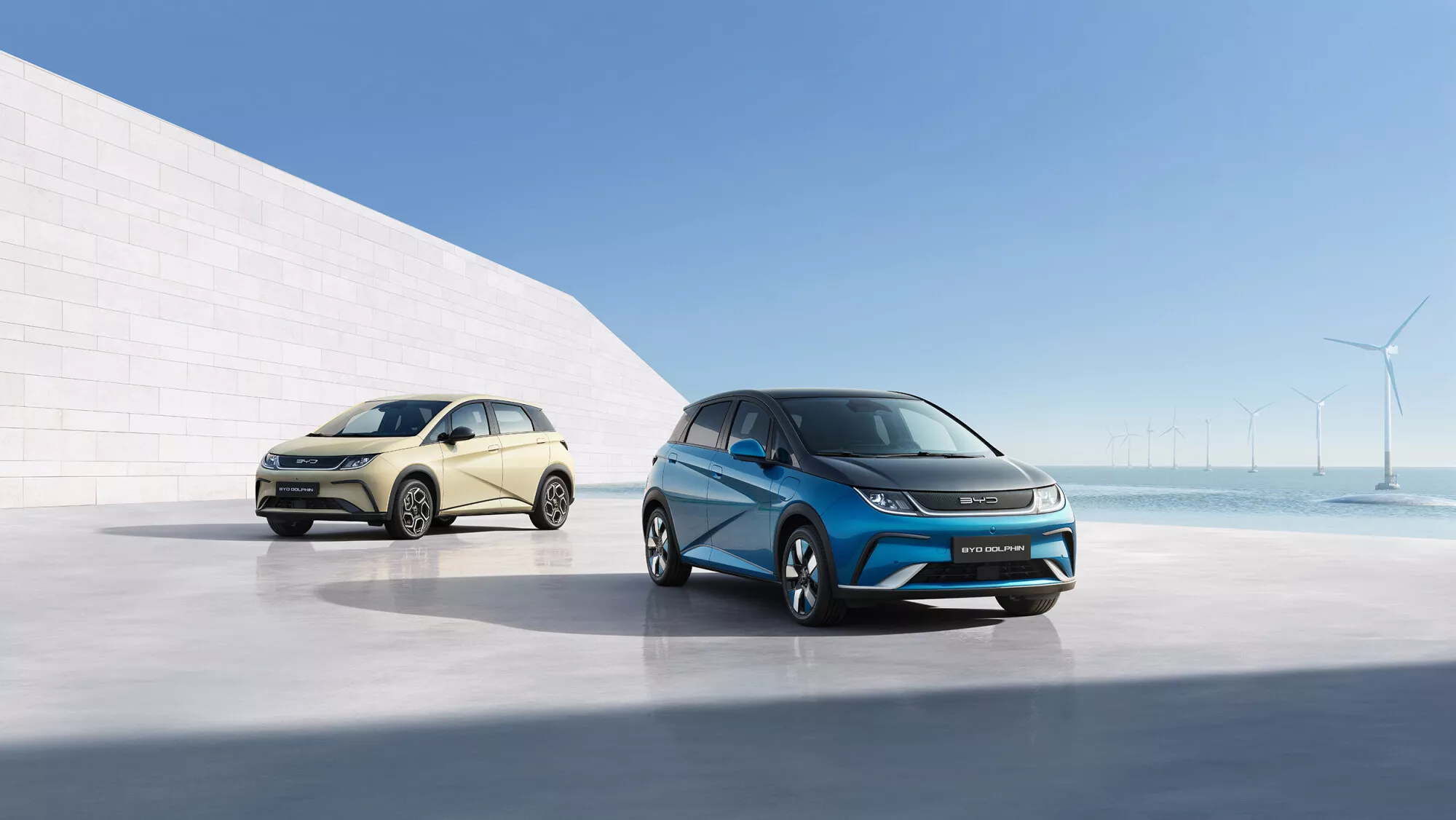
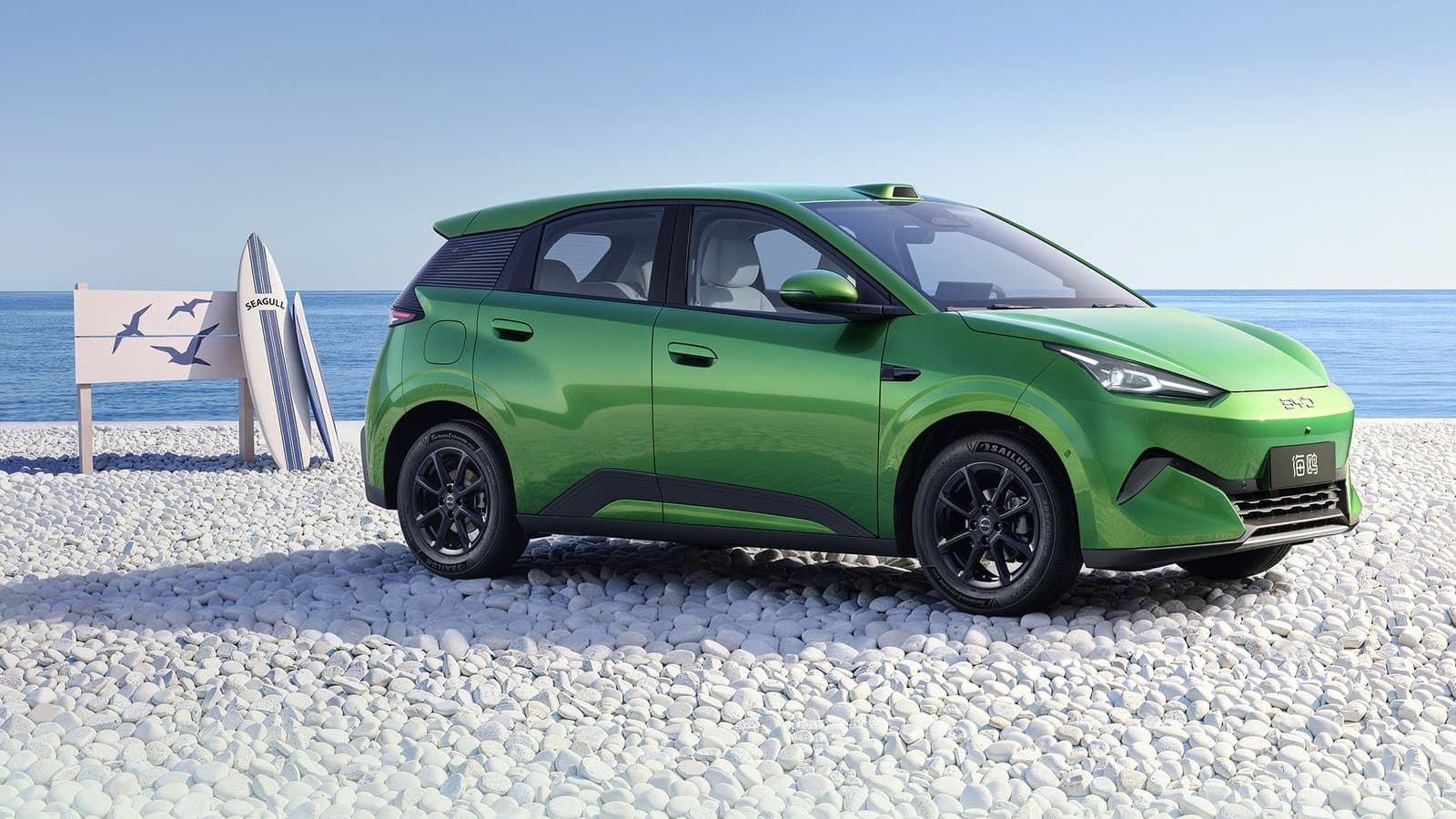
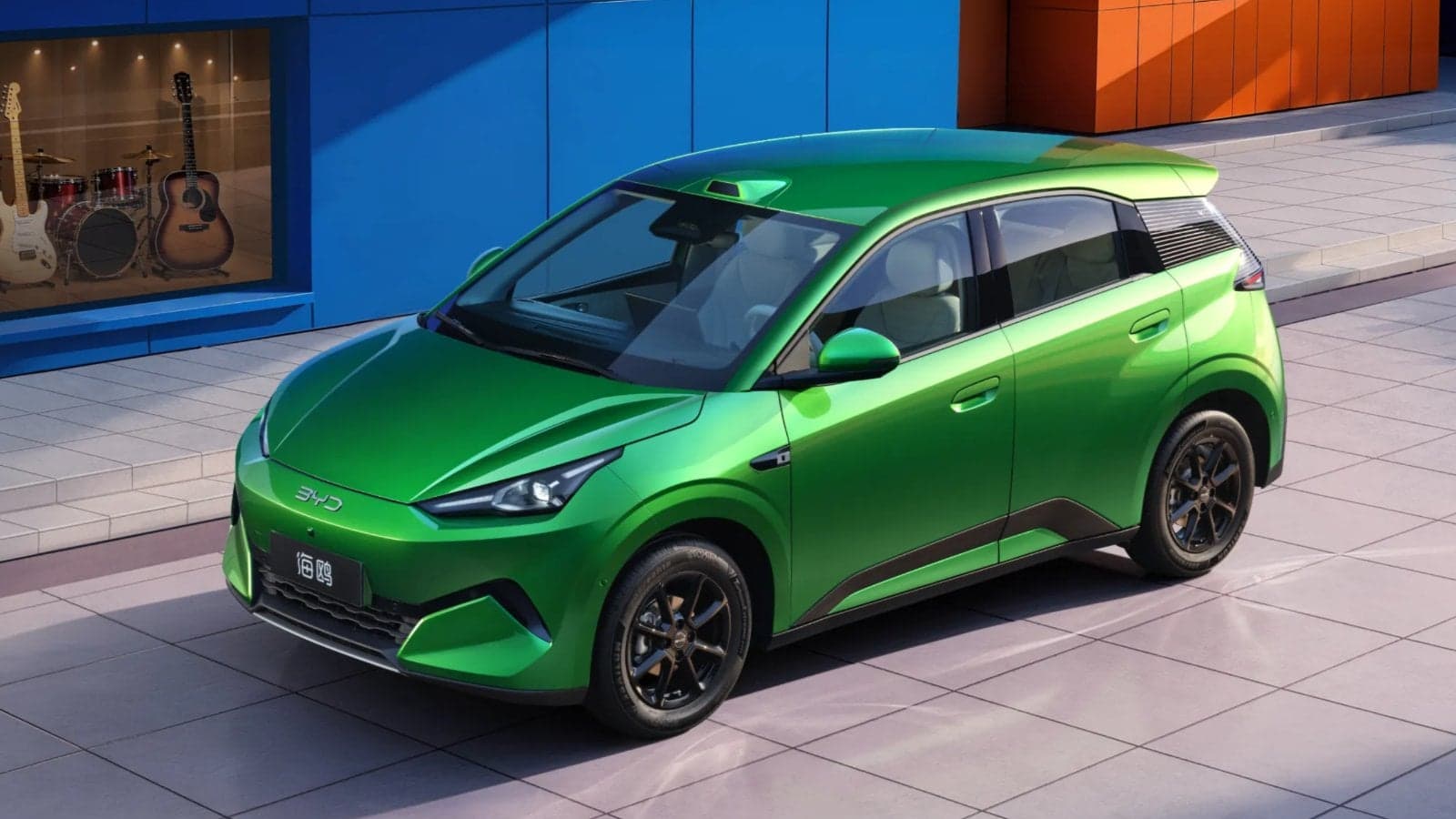
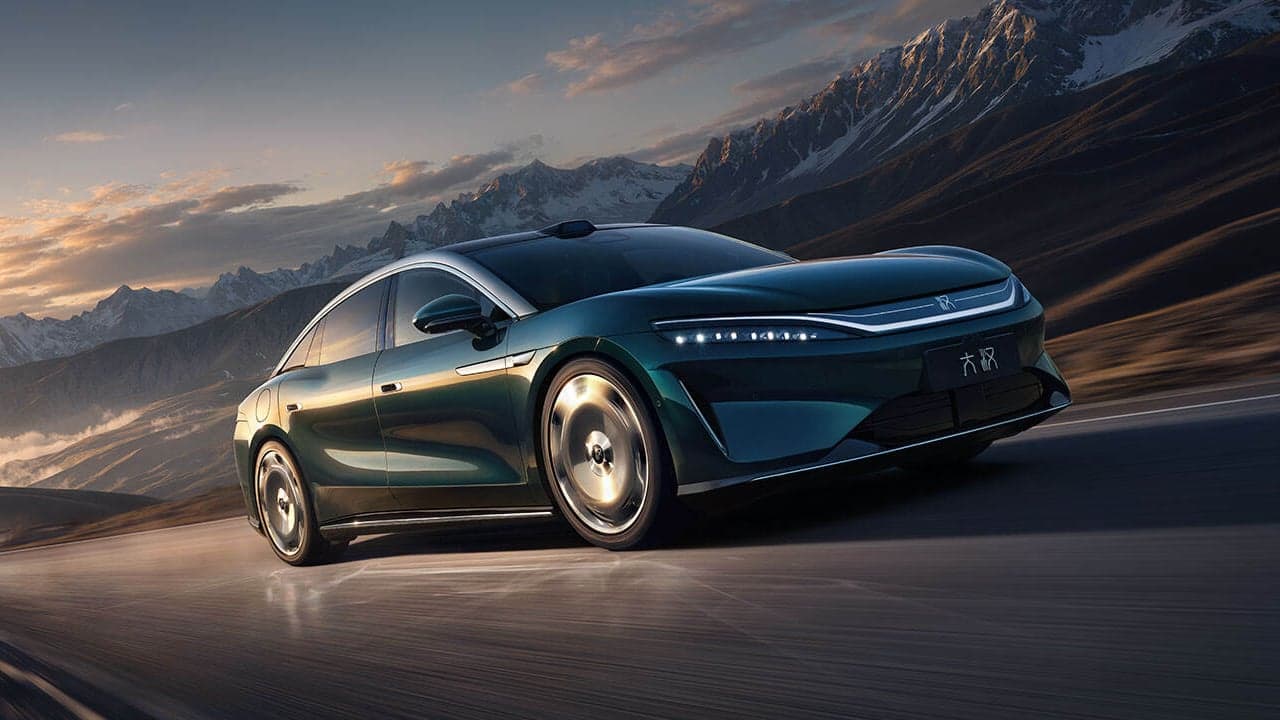
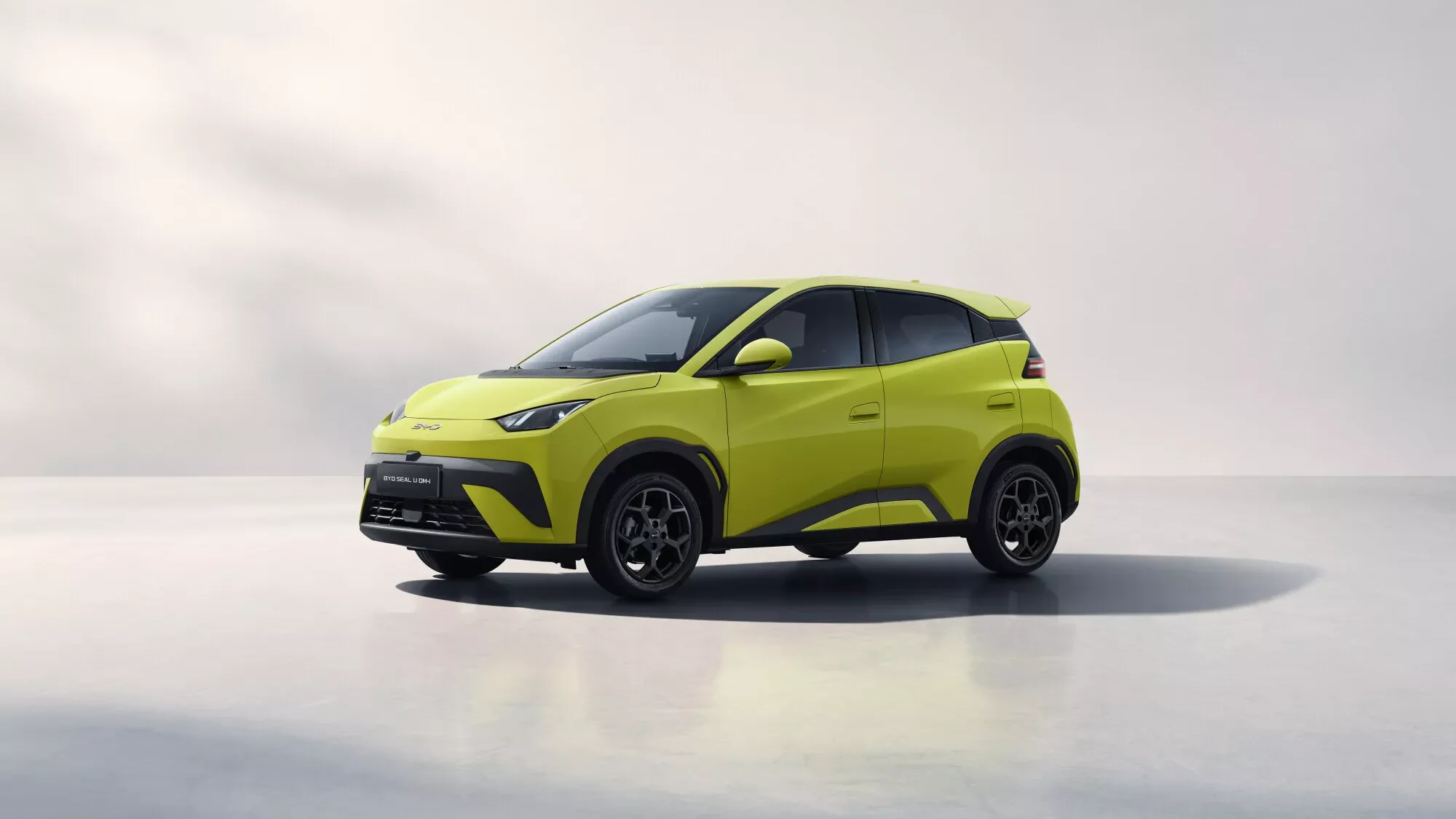
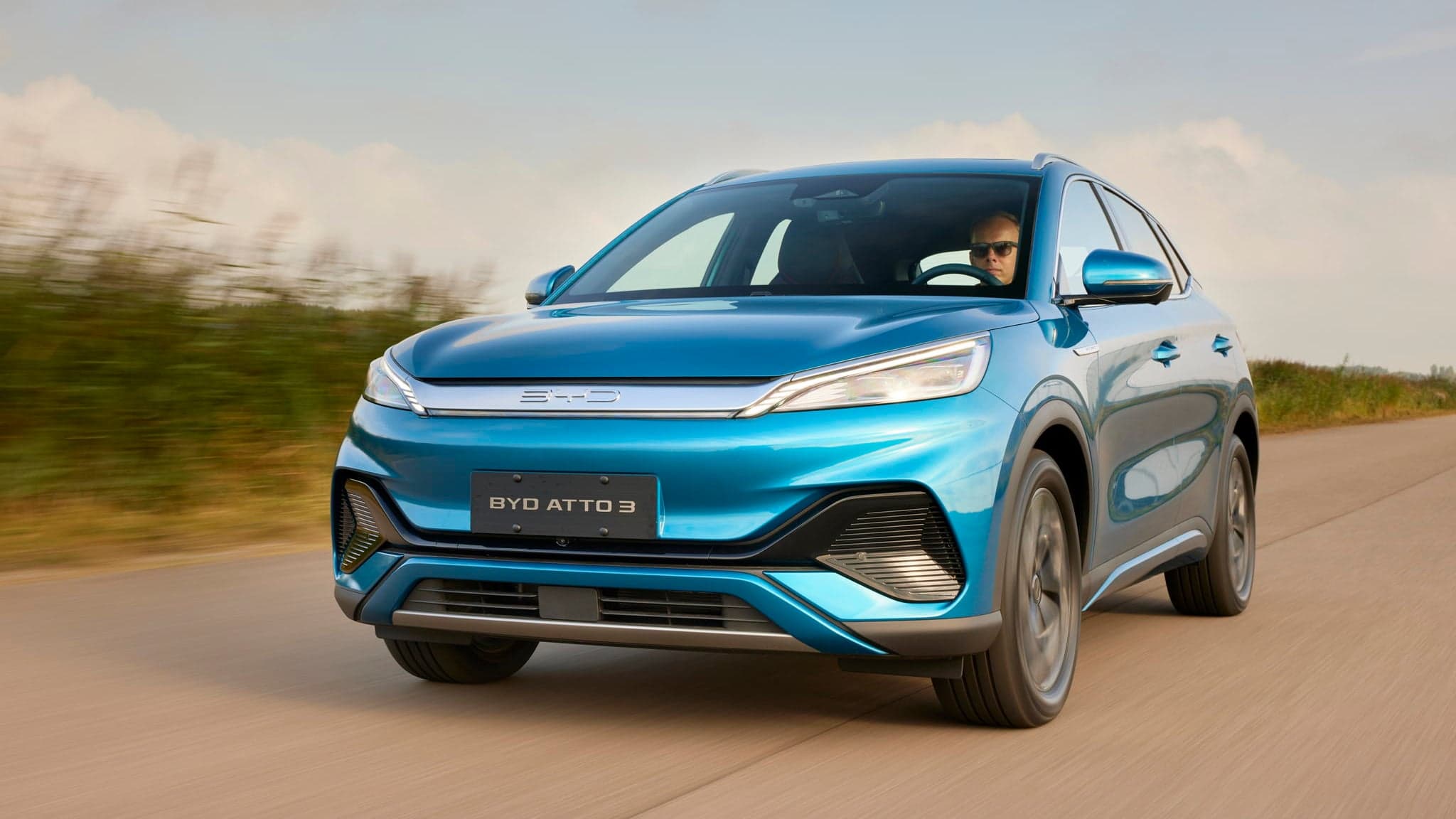
The Ti7 is notably absent from BYD's own public plans for Canada. Coverage tracking the brand's rollout lists the Seagull, Dolphin, Seal, Atto 3 and Seal U as confirmed for Canadian showrooms, with the Han, Tang, Shark 6, Sealion 7 and Sealion 6 described as likely but not yet official. The Fangchengbao Ti7 does not appear on either list, and reporting on the test sightings notes the Ti7 is built at plants in Changsha, Hefei and Jinan, none of which appear on Transport Canada's approved manufacturing site registry, meaning the model has not cleared the paperwork needed for retail sale even if BYD wanted to bring it in tomorrow.
Advertisement – Continue scrolling for more
That paperwork sits inside a much bigger policy shift. Canada spent most of 2025 charging a 100 percent surtax on Chinese-built electric vehicles, but Ottawa replaced that wall with a 6.1 percent tariff inside a 49,000-vehicle annual quota starting March 1, 2026, with half the quota reserved for vehicles priced under $35,000 CAD. Chinese-built EVs, including anything BYD eventually imports, remain ineligible for the federal Electric Vehicle Affordability Program rebate of up to $5,000. BYD has said it plans roughly 20 dealerships across Canada, starting in the Greater Toronto Area before expanding to Vancouver, Montreal and Calgary, though no dealership has opened as of this writing and retail sales are not expected before late 2026.
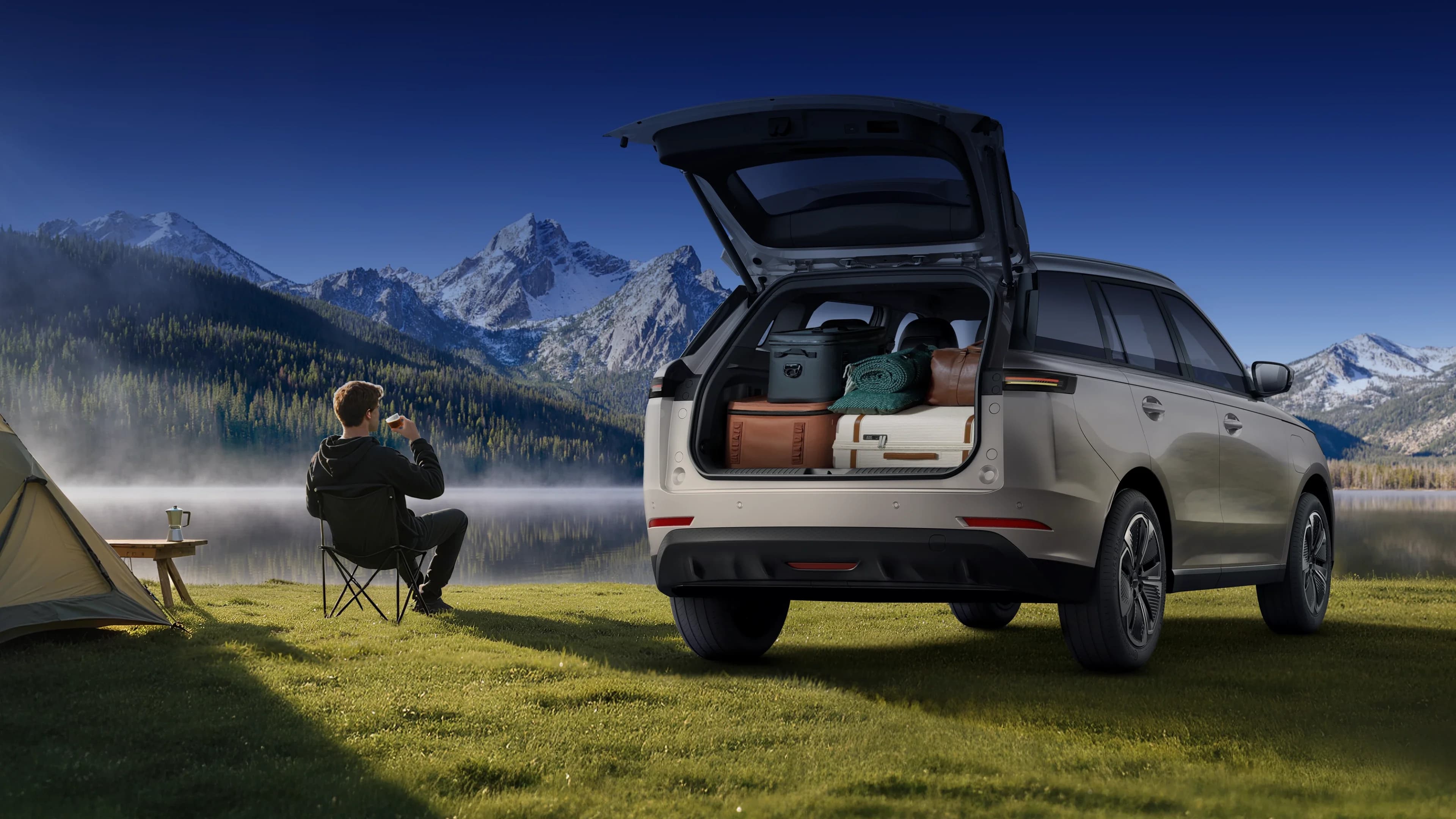
What makes the leaked sheet interesting is what it would mean for BYD's own product lineup, not just for Canada. In China, the Ti7 launched on September 9, 2025 as a plug-in hybrid only, sold under the Fangchengbao sub-brand: a five-seat, 4,999 mm long SUV on a 2,920 mm wheelbase, with a 1.5-litre turbocharged engine (154 hp) paired to a single rear motor or an optional dual-motor AWD setup, and a choice of 26.6 kWh or 35.6 kWh first-generation Blade Battery packs good for 135 to 200 km of CLTC-rated electric range. Pricing ran from 179,800 to 219,800 CNY (c. $37,060 to $45,310 CAD).
BYD did not add the second-generation Blade Battery to the Ti7 until April 29, 2026, and only in a pure-electric "Flash Charge" edition that dropped the gasoline engine entirely: a 92 kWh pack good for 675 km CLTC range in rear-wheel drive, or a 105.7 kWh pack rated at 755 km with an optional dual-motor AWD package. That battery can reportedly charge from 10 to 70 percent in about five minutes at a compatible flash-charging station, and BYD has marketed the second-generation cells partly on improved cold-weather performance. Pricing for the EV edition ran 199,800 to 209,800 CNY (c. $41,190 to $43,250 CAD) before a 30,000 CNY AWD upgrade.
Fangchengbao added a third tier as recently as August 18, 2026: a "DM long-range" plug-in hybrid with a roughly 50 kWh pack good for up to 315 km of CLTC-rated electric range, available as a front-wheel-drive Max trim or, notably, an all-wheel-drive Ultra trim starting deliveries in early September 2026 at 225,800 CNY (c. $46,550 CAD). That finally gave China an AWD plug-in hybrid Ti7 with a much larger battery than the original launch cars. But Chinese coverage of the update specifies it uses the same first-generation Blade Battery chemistry as the original hybrid, charging at up to 158 kW rather than flash-charging speeds, so China still has never paired the second-generation, flash-charging Blade Battery with the plug-in hybrid drivetrain.
Advertisement – Continue scrolling for more
That is the gap the leaked Canadian sheet would close: even after August's update, the newer battery chemistry in China remains electric-only, and every plug-in hybrid Ti7 sold there still runs first-generation cells. A global right-hand and left-hand-drive export version of the Ti7, already confirmed for the UK and Middle East, complicates the picture further. It keeps the plug-in hybrid drivetrain and the first-generation battery, but switches to a unibody chassis, adds a third row of seats, and detunes the 1.5-litre engine, all differences from the Chinese domestic car. If the Canadian test sheet is accurate, it would combine an AWD hybrid drivetrain with the newer, cold-hardier battery chemistry that China currently reserves for its EV-only model, a configuration BYD has not built for any market so far, including its own.
The Ti7 has sold well enough in China to make it a reasonable testbed. Wholesale volumes climbed from roughly 8,100 units at launch in September 2025 to a peak of 34,088 in December 2025, dipped over Lunar New Year, and climbed back to 27,320 units in July 2026 after the EV edition arrived, alongside a jump in export shipments to about 7,000 units that month. That volume likely explains why BYD is testing it in Canada even without a confirmed launch date.
Whether the leaked configuration turns out to be one of several trial builds BYD is evaluating, or an early look at a Canada-specific Ti7 variant still months from a launch announcement, the bigger signal is that BYD appears willing to engineer powertrains around Canadian conditions rather than simply shipping the China-market car with new bumpers and headlights.
Advertisement – Continue scrolling for more